
Mantaray Dive LTD
Google 4.6/5 (1,182 reviews)
Fiji · Pacific
Manta rays gather in Manta Channel, while bull sharks pass through The Awakening Shark Dive at depths reaching 22 metres.
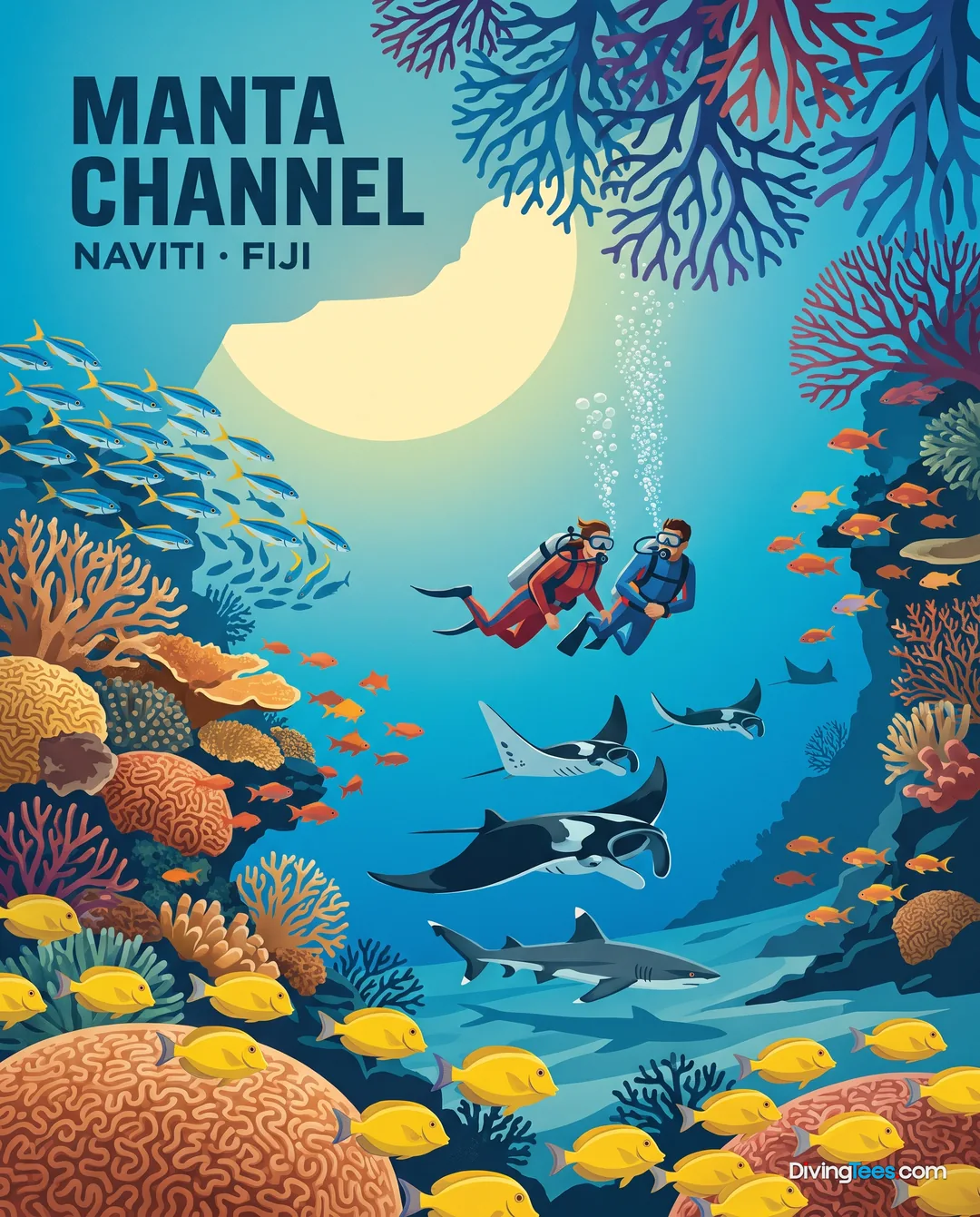
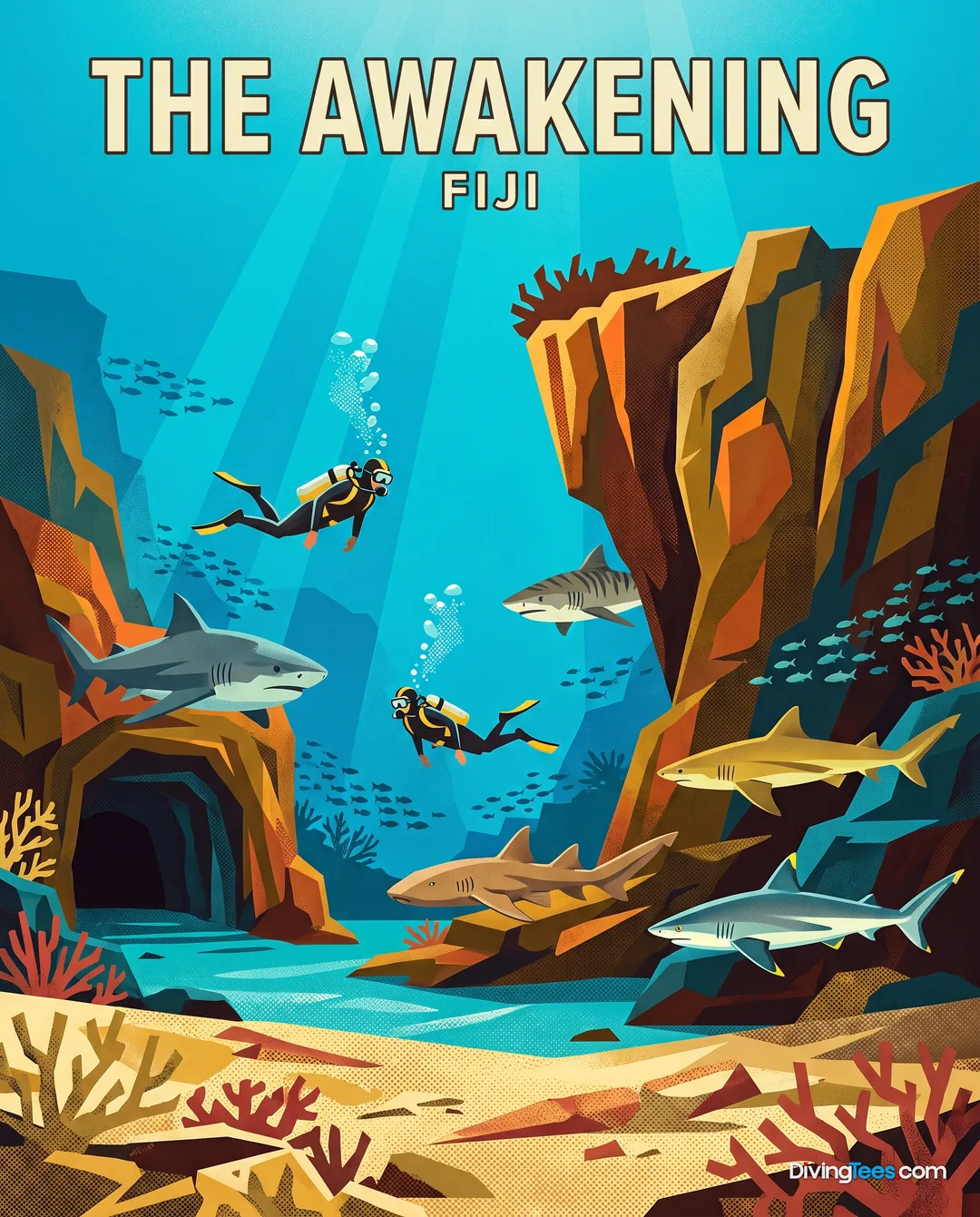
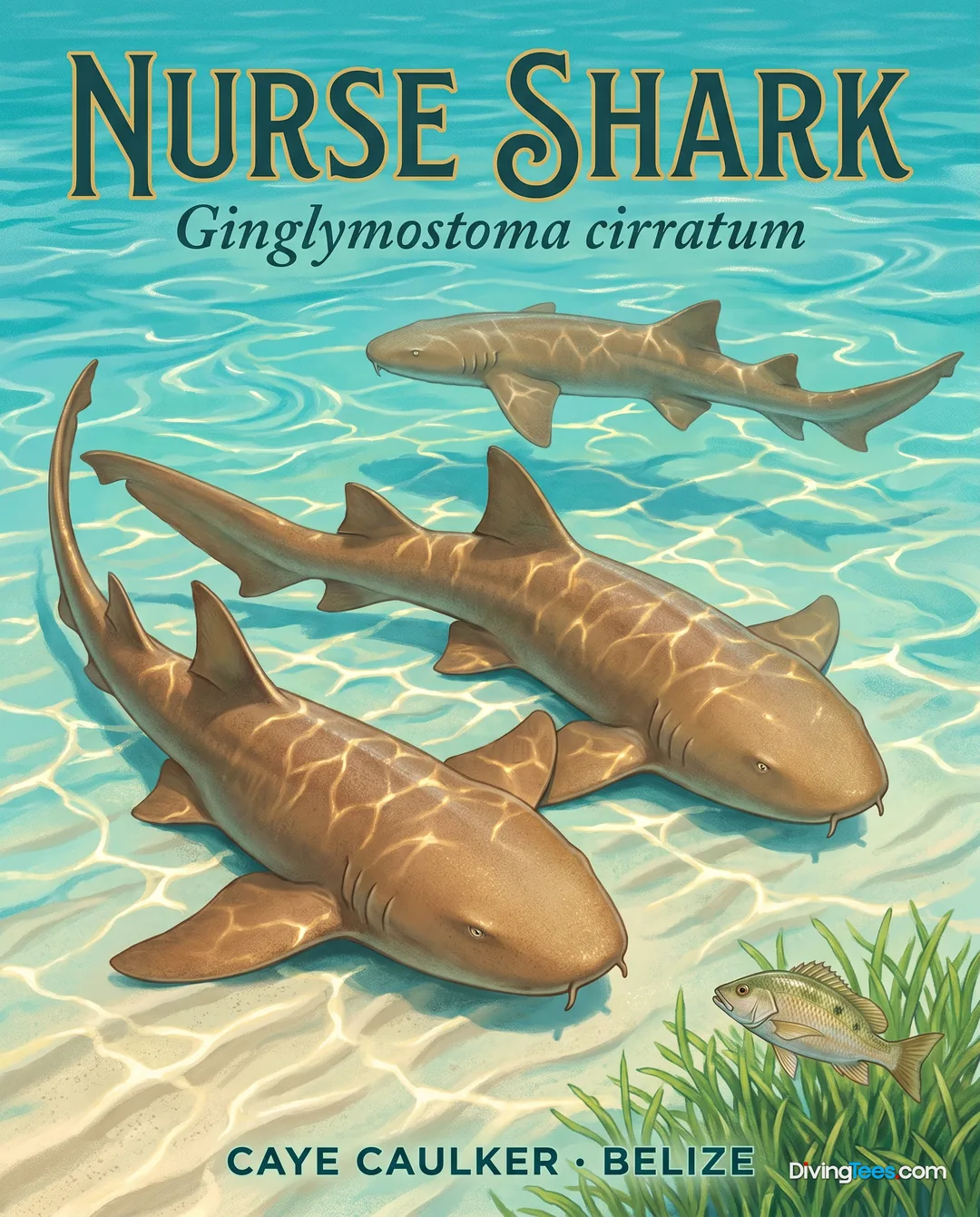
Yawasa Island puts two very different underwater experiences within the same destination: manta encounters in Manta Channel and a close, stationary shark encounter at The Awakening Shark Dive. Manta Channel separates Barefoot Manta Island from Naviti Island and concentrates zooplankton that attract feeding manta rays. The shark dive, based at Barefoot Kuata, focuses on bull sharks, with possible tiger and lemon shark sightings. The result is a destination shaped more by animal encounters than by a single style of reef diving.
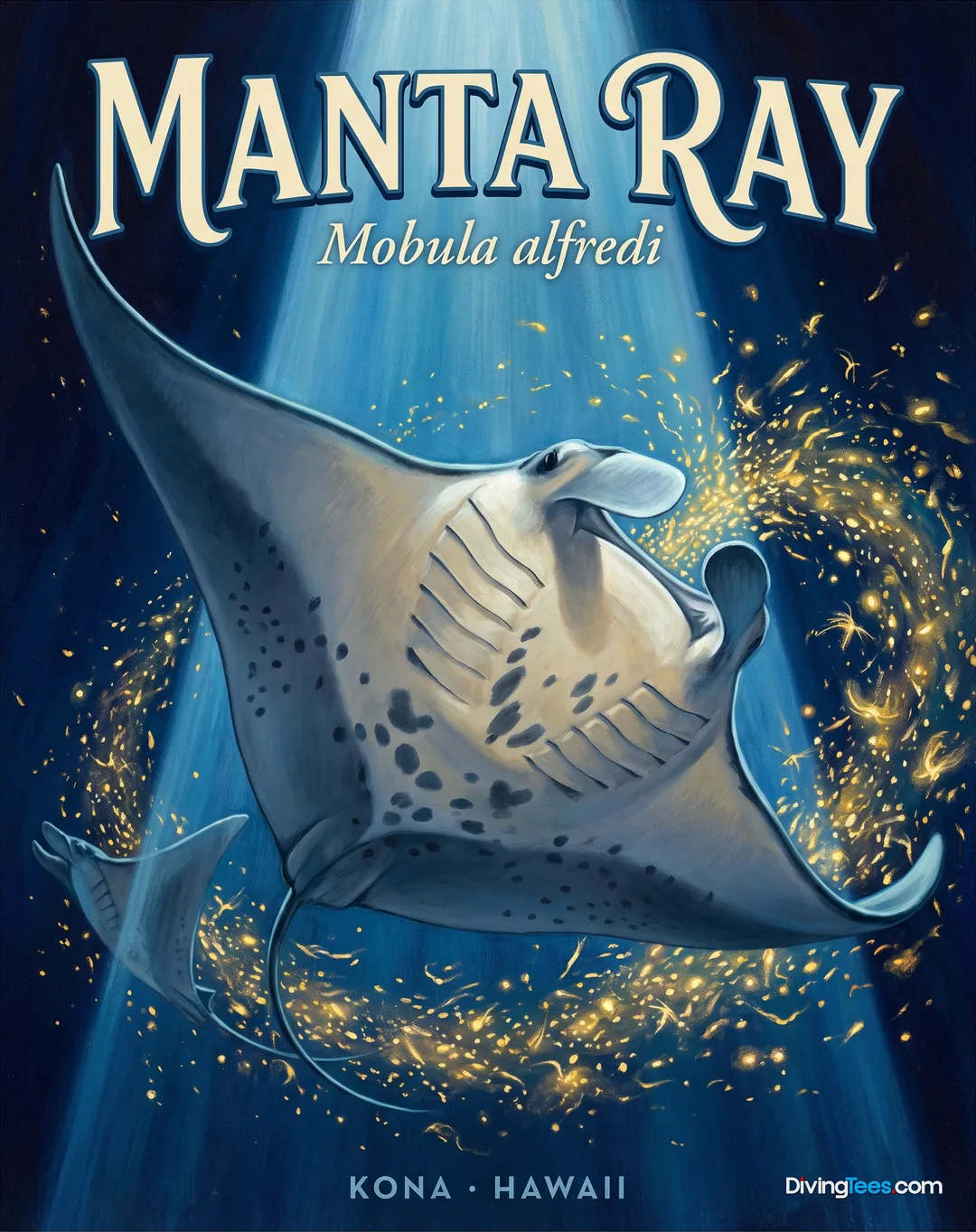
Manta Channel is a natural passage between Barefoot Manta Island and Naviti Island, where regional conditions concentrate zooplankton. The practical effect is a site built around watching manta rays feed rather than covering ground in search of them. It is described as suitable for divers of all levels. The Awakening Shark Dive has a different rhythm: the main encounter takes place around 20 to 22 metres, with divers remaining controlled and stationary while bull sharks approach in open water. Current is generally light, making that stillness manageable. Visibility at this site is usually between 15 and 30 metres. A shallower version at roughly 10 to 12 metres is available after pool training, giving less experienced or non-certified participants a way to take part without reproducing the deeper encounter.
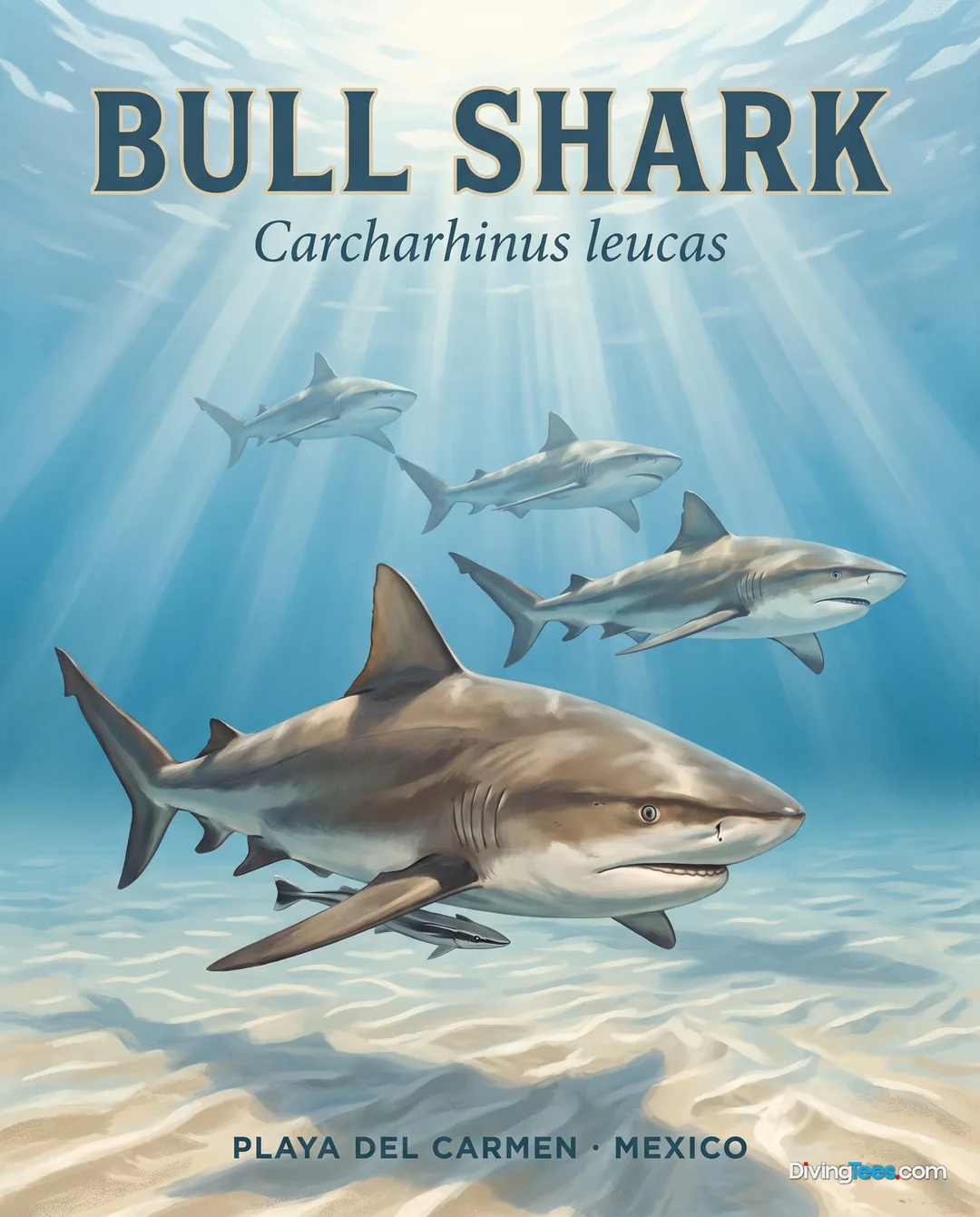
Manta rays are the defining seasonal sight at Manta Channel, with encounters most likely from April to October. The channel’s zooplankton concentration explains why the animals gather there during this period, and patience matters more than swimming from one feature to another. The site also supports a recorded diversity of more than 300 fish species, 11 shark and ray species, and over 60 types of hard coral. At The Awakening Shark Dive, bull sharks are the principal subject, generally encountered at 20 to 22 metres. Tiger sharks and lemon sharks may also appear, but they should be treated as possible additions rather than guaranteed sightings.
The measured seasonal pattern places the strongest overall period from November to May, while the lightest rainfall is recorded from April to November. Those two windows overlap from April through May, offering a useful compromise for divers who want favourable seasonal conditions and the start of the manta period. The choice depends on priority: April to October is the clearer target for manta rays at Manta Channel, whereas November to May is the broader measured season for the destination. April to November also carries the advantage of the lower-rainfall period recorded for the area.
Manta Channel is suitable for divers of all levels, making it the straightforward choice for mixed-experience groups. The Awakening Shark Dive is more demanding because the principal encounter is at 20 to 22 metres and requires certified divers who are comfortable holding position in open water. A 10 to 12 metre version follows pool training and can suit introductory or non-certified participants. PADI, SSI or BSAC certification should therefore be matched to the depth and format planned, not simply to the destination as a whole.
From London or Manchester, reaching Yawasa Island means planning the journey in two stages: first getting to Fiji, then arranging the onward transfer to the island. The arrival airport, ferry, boat service or road connection should be confirmed before flights are fixed. The important structural point is that Yawasa Island is not reached as a simple mainland dive stop; the final island transfer must connect with the accommodation and diving arrangements. Build sensible margin into any connection, particularly when the international arrival and island departure are booked separately. Once on the island, the practical movement between accommodation, departure point and dive operation should be settled in advance rather than assumed on arrival.
Divers travelling specifically for manta rays should distinguish the two seasonal messages: the strongest manta window is April to October, while the measured overall period is November to May. April and May are therefore the logical compromise when both considerations matter. At Manta Channel, allow time for the animals to come to the zooplankton-rich water instead of treating the dive as a fast-moving reef tour. For The Awakening Shark Dive, plan around the deeper encounter if bull sharks are the main reason for going; 20 to 22 metres is not the same proposition as the shallower alternative. Divers who are not certified for that format should ask about the 10 to 12 metre version and the required pool training before arriving. Do not book the trip on the assumption that tiger or lemon sharks will appear: the site specifically presents them as possible sightings. The light current helps with stationary viewing, but the encounter still rewards calm depth control and a willingness to hold position.
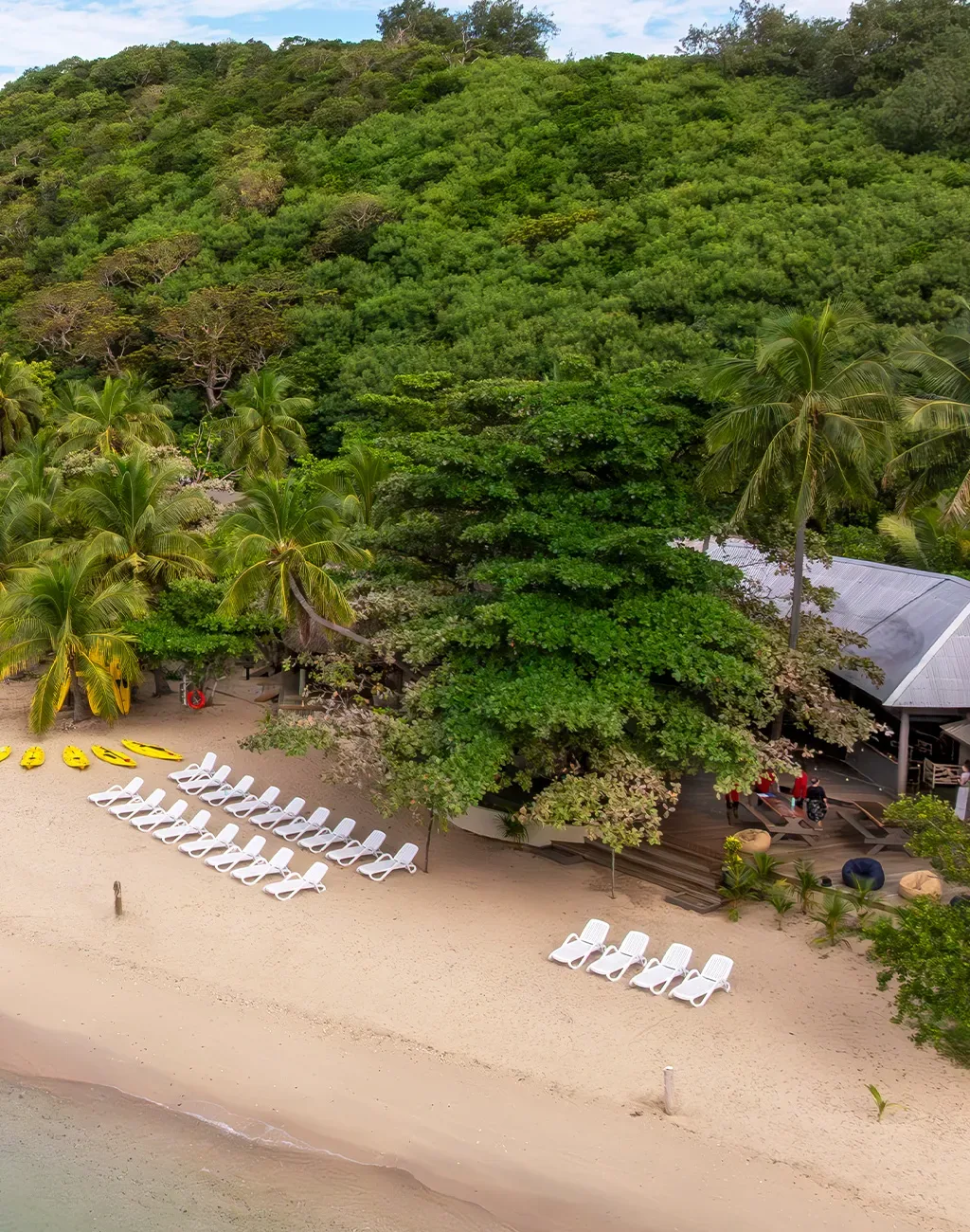
A sensible stay can combine manta-focused diving with the shark encounter rather than treating them as interchangeable dives. Place Manta Channel in the itinerary during the April-to-October manta window, and allow flexibility around the seasonal conditions recorded from November to May. The Awakening Shark Dive works as a separate, more structured experience, with a deeper certified option or a shallower pool-trained format. Non-diving companions may find the island setting appealing, although the supplied material does not describe specific activities or facilities ashore.
Hello, I'm Marina, DivingDeal.com's AI assistant. I guide you through destinations, areas and countries.
Thinking about the whole trip and the flights? Talk it over with Edith →
Marina is an AI. Some links are affiliate links: DivingDeal may earn a commission, at no extra cost to you. Bookings are made with the partner.
Your last day stays dry: no diving in the 18-24 hours before a flight, the perfect window to see the destination from another angle.
Ratings and reviews collected by Viator and Tripadvisor.
Visit Yawasa Island from April to October if manta rays are your priority, since Manta Channel’s encounters are most likely then. The broader measured season is November to May, while lower rainfall is recorded from April to November. April and May offer an overlap between manta timing and these wider seasonal conditions.
Yawasa Island suits mixed-experience groups because Manta Channel is described as suitable for divers of all levels. The Awakening Shark Dive requires certified divers comfortable holding position in open water at its deeper encounter. A shallower option follows pool training and can suit introductory or non-certified participants, depending on the planned format.
At Yawasa Island, Manta Channel focuses on feeding manta rays attracted by concentrated zooplankton. The channel also supports more than 300 fish species, 11 shark and ray species, and more than 60 hard coral types. The Awakening Shark Dive centres on bull sharks, with tiger and lemon sharks possible additions.
Plan Yawasa Island as a two-stage journey: reach Fiji first, then arrange the onward island transfer. Confirm the arrival airport, ferry, boat or road connection before fixing flights, and coordinate it with accommodation and diving. Combine Manta Channel with the shark dive, allowing flexibility for manta encounters and the required training.