
Goat Island Dive and Snorkel
Google 4.8/5 (523 reviews)
New Zealand · Pacific
Goat Island’s protected shallows hold Australian snapper and crayfish, while Leigh Reef, Little Barrier and the Hen and Chickens open into arches, tunnels and pinnacles.
For subtitles in English: start the video firstthen click the gearat the top right of the video, select “Subtitles/CC”, then “Auto-translate” and choose “English”.
At Goat Island, Australian snapper move through the sheltered shallows of New Zealand’s first marine reserve, and the dive begins straight from the beach. Leigh is a practical coastal base rather than a liveaboard port: use the reserve for accessible shore diving, then look towards Leigh Reef, Little Barrier or the Hen and Chickens for boat-launched terrain. The result suits a mixed group, with snorkelling and kayaking for non-divers and enough exposed island scenery to keep experienced divers interested.
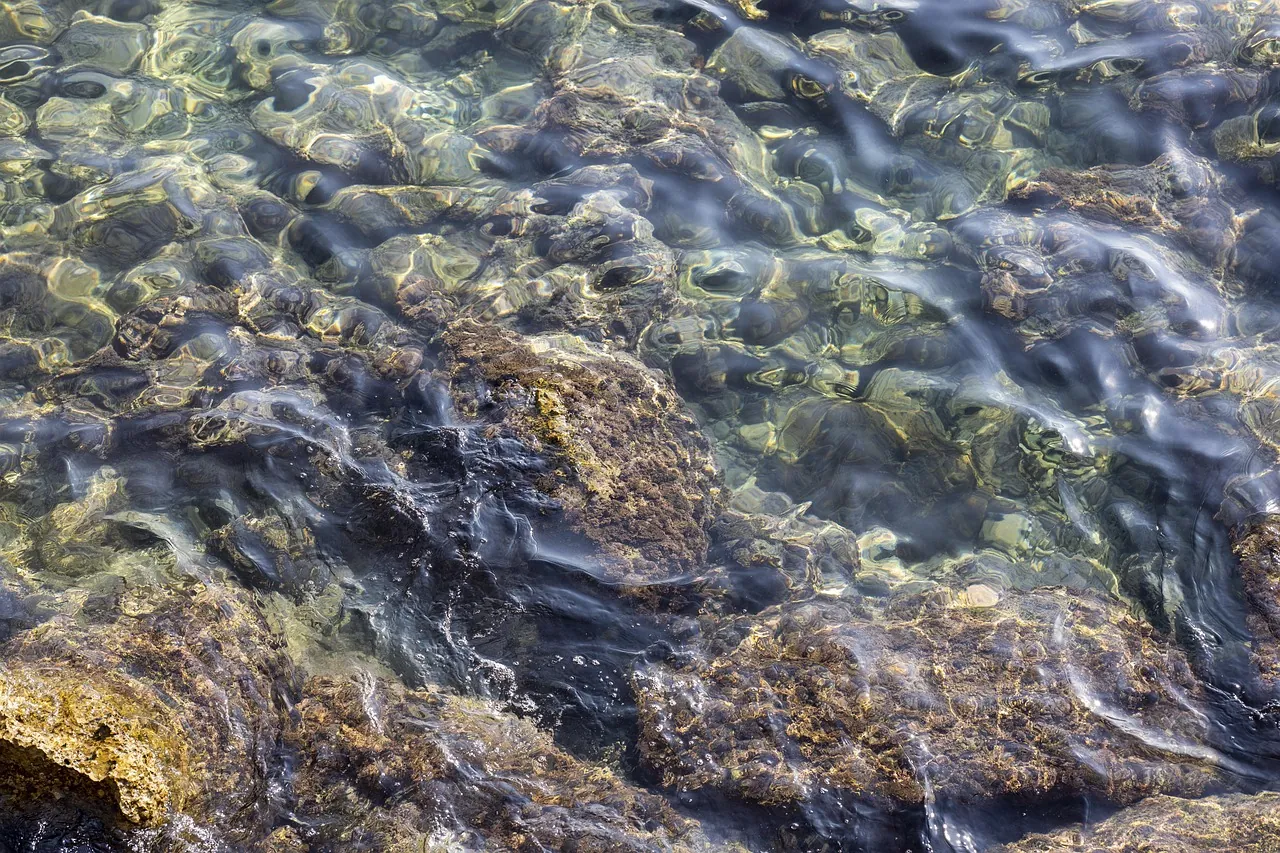
Goat Island provides the straightforward end of Leigh’s diving, with shallow, sheltered water and entry from the beach. Tides and current affect which parts are sensible to reach, and some sectors involve a surface swim. Further out, boat dives change the scale completely, bringing drop-offs, arches, caves, tunnels and pinnacles around Leigh Reef and the neighbouring islands. Currents are variable rather than a constant feature, but exposed sites demand proper judgement and may involve a drift dive or a downcurrent. Visibility is the main practical uncertainty. Around Goat Island it is commonly about six metres, can reach fifteen metres in the best conditions, and may collapse below two metres after rain, swell or a plankton bloom. Do not mistake a calm-looking surface for clear water below. Poor Knights-style terrain is a separate, deeper boat experience, normally approached from Tutukaka rather than treated as a shore dive at Leigh.
The protected water around Goat Island gives Australian snapper, crayfish, catfish and triplefins room to remain conspicuous, with resident life present throughout the year. Summer is the useful window for stingrays and eagle rays, so a warm-season visit can add broad wings passing over the bottom to the more dependable reef fish and invertebrates. The reserve’s value is not only what appears on a species list. It is the chance to watch fish behaving in a coastal setting where fishing and collecting have stopped, close to an accessible beach. Around Leigh’s islands and reefs, the attraction shifts towards marine life set against arches, walls, tunnels and pinnacles, with the exact experience shaped by visibility, tide, current and the day’s boat plan.
January to June is the more dependable period for Goat Island, because the coastal water is generally clearer before the plankton blooms that often arrive as the water warms from October to December. Rain and swell can spoil conditions at any time, but the effect is especially noticeable at a shore site where runoff quickly loads the water. Plan around the sea rather than treating the calendar as a guarantee. If stingrays and eagle rays matter, summer gives them a better chance of appearing. For boat trips, allow extra days beyond the preferred season window, since swell can stop an island outing while Goat Island remains possible.
Leigh works for beginners, refresher divers and experienced divers travelling together. The sheltered, shallow parts of Goat Island are a sensible first immersion for anyone new to the area, including divers qualified through BSAC, PADI or SSI. More important than the badge is whether you are comfortable with a beach entry, a surface swim and changing tide conditions. Boat sites around the islands can be deeper, exposed or current-affected, with caves, arches and walls requiring experience appropriate to the individual site. A shore dive does not automatically prepare you for a Poor Knights excursion.
From London Heathrow or Gatwick, or from Manchester, Leigh is reached by road rather than by ferry or domestic flight. Drive north from Auckland on State Highway 1 to Warkworth, then continue through Matakana to Leigh. Allow roughly one and a half to two hours from Auckland, depending on traffic and your starting point. A car is practically necessary, both for reaching Goat Island and for moving between scattered accommodation, beaches and local harbours. Boat trips to Leigh Reef, Little Barrier and the Hen and Chickens leave from the Leigh area, subject to marine conditions. Poor Knights trips are a separate journey, generally departing from Tutukaka, so they should not be treated as a guaranteed extension of a Leigh shore-diving stay.
Treat Goat Island as tide- and weather-dependent, not as a guaranteed easy dive. Check the tide and current before committing to passages or longer surface swims, and start in the sheltered shallows if this is your first day. After heavy rain, give the runoff time to clear rather than expecting the usual Goat Island visibility; surface calm does not mean the water is clear. Keep several days available if a distant boat trip is important, because swell may cancel it while the beach remains diveable. A weekday or period outside school holidays makes the shore entry less congested. Bring thermal protection suited to the season and confirm what can be hired locally before travelling. Do not plan on landing on Goat Island, and take nothing from the reserve. Fishing and collecting are prohibited, as is touching or damaging marine life.
Allow three to five days on the ground, using Goat Island as the flexible part of the plan and placing boat trips around the weather. Accommodation is spread along Leigh and the coast, so staying close to a departure point helps, but a car remains the more useful solution. Non-divers can snorkel, watch wildlife or kayak at Goat Island, while the Leigh and Matakana coast offers walks and other water-based outings. Keep an Auckland or Warkworth land day available around onward travel rather than filling every day with diving.
Hello, I'm Marina, DivingDeal.com's AI assistant. I guide you through destinations, areas and countries.
Thinking about the whole trip and the flights? Talk it over with Edith →
Marina is an AI. Some links are affiliate links: DivingDeal may earn a commission, at no extra cost to you. Bookings are made with the partner.
January to June is generally a clearer period for Goat Island, before plankton blooms often arrive as the water warms. Rain and swell can reduce visibility at any time, while summer may add encounters with stingrays and eagle rays. For boat trips, keep extra days available because swell can cancel island outings.
Leigh suits beginners, refresher divers and experienced divers travelling together. Goat Island’s sheltered shallows offer a sensible first immersion, although you should be comfortable with a beach entry, surface swim and changing tides. Boat sites around the islands may be deeper, exposed or current-affected, with caves, arches and walls requiring appropriate experience.
At Goat Island, you can see Australian snapper, crayfish, catfish and triplefins in protected shallow water. Summer may bring stingrays and eagle rays. Boat dives around Leigh Reef, Little Barrier and the Hen and Chickens feature drop-offs, arches, caves, tunnels and pinnacles, with marine life framed by exposed island terrain.
Use Goat Island as the flexible part of your stay and arrange boat dives around the weather, tides and currents. A car is useful for reaching beaches, accommodation and harbours. Keep spare days for swell-related cancellations, and remember that Poor Knights trips generally depart from Tutukaka rather than Leigh.