Liveaboards · Papua New Guinea
Febrina — a traditional PNG liveaboard built around serious diving
What makes this boat unique
- An older, seaworthy motor vessel with below-deck air-conditioned cabins and a practical, non-luxury character.
- The large rear dive deck uses a water-level duckboard for straightforward entries and exits.
- Dedicated single cabins make the boat particularly workable for solo divers.
- Kimbe Bay, Fathers Reefs, Witu Islands, Rabaul, New Hanover and Kavieng feature across the itineraries.
- Nitrox, DIN adapters, a camera table and separate camera rinse facilities are available on board.
For subtitles in English: start the video firstthen click the gearat the top right of the video, select “Subtitles/CC”, then “Auto-translate” and choose “English”.
The invitation
Febrina suits divers who choose the destination and the diving before the finish of the upholstery. This is a traditional Papua New Guinea liveaboard: older in character, stable at sea, and arranged for people who want several serious dives each day rather than a floating resort. The reason to choose her is the combination of access and range. The rear dive platform keeps the step from cabin to water simple, while the itineraries reach Kimbe Bay, offshore volcanic reefs, black-sand bays, Rabaul’s macro sites and the channels around Kavieng and New Hanover. Photographers get a large shaded dive area, a camera table, charging points and a separate camera rinse. Solo divers are not pushed into an unsuitable sharing arrangement either, with dedicated single cabins among the seven cabin categories. The boat itself will not pretend to be new. What it offers instead is a compact platform, local operating knowledge and a week shaped around the water.
Boarding
From the dock, Febrina presents as an older working vessel rather than a polished yacht. Built in 1972 and renovated in 2010, she has the settled, practical character of a boat that has spent years earning her place in Papua New Guinea waters. The layout is straightforward: common areas above, cabins below, and ladder-style stairs between them. Once aboard, the useful spaces reveal themselves quickly. The shaded dive deck is at the rear, the tender handles the longer runs when needed, and the saloon gives the group somewhere cool to regroup between dives. She is small enough that the people around the boat become familiar quickly, but not arranged as a luxury vessel. That distinction matters. Febrina is for divers who value a stable working boat, direct access to the water and a crew focused on making the diving function smoothly over a glossy first impression.
The atmosphere on board
Febrina’s atmosphere is shaped less by decoration than by the crew’s presence in the working day. The crew is local and international, speaks English and has built a reputation for service that lifts the boat beyond its older, traditional finish. Guests meet around the dive deck, at the camera table and over meals, then carry those conversations into the air-conditioned saloon in the evening. The group is small enough for the crew to notice how people dive, what they are photographing and when someone needs a quieter corner. That matters on a boat running four or five dives a day. The crew’s role is not only to move tanks and serve food; it is to keep the repeated transitions—briefing, entry, recovery, rinse, meal—under control without making the trip feel hurried. Febrina is remembered for people first, and the scores reflect that: crew and food stand clearly above the boat’s physical finish.
The sites you’ll dive
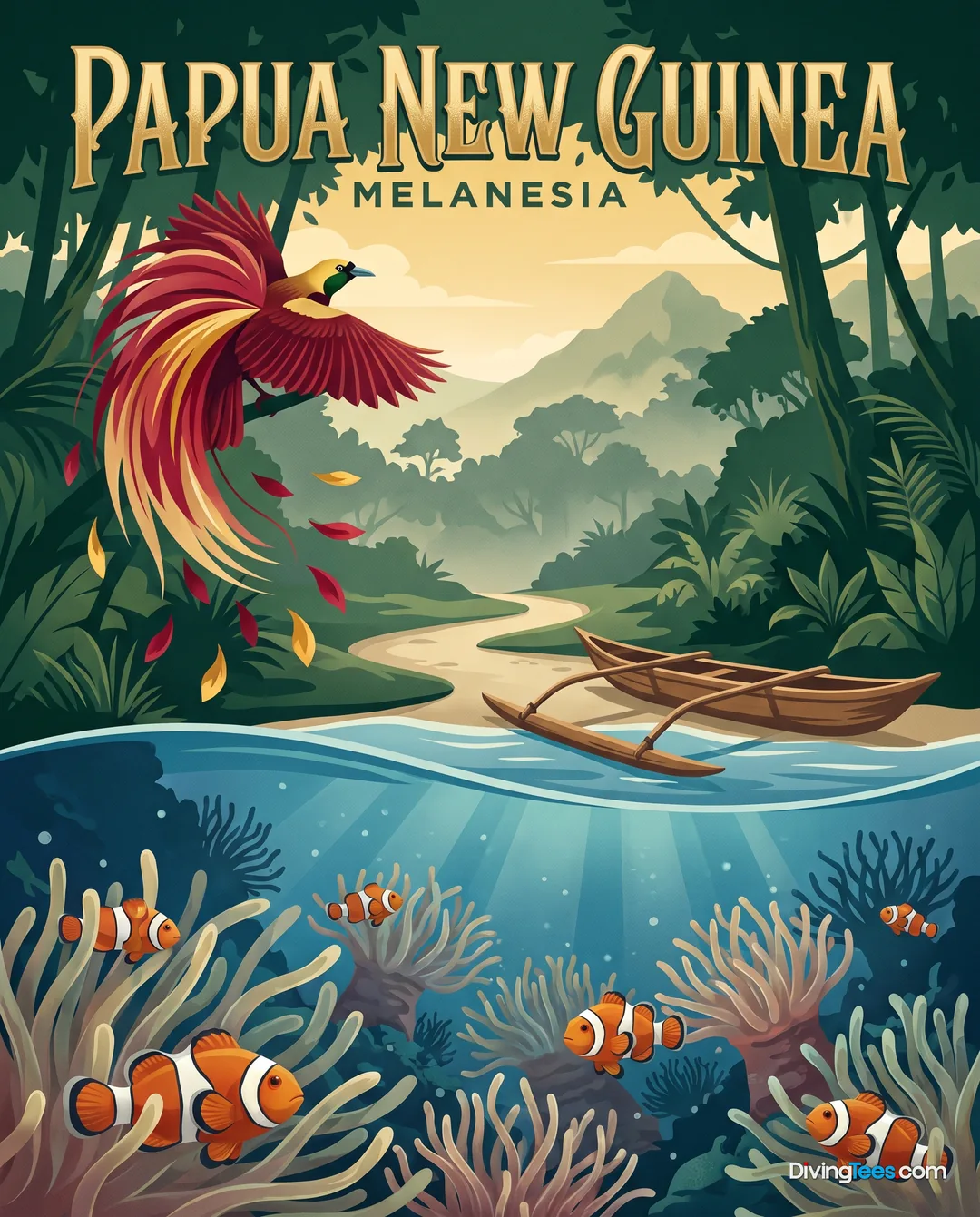
The route decides which side of Papua New Guinea’s underwater character comes forward. Kimbe Bay brings coral-laden walls, lush gardens and dramatic seamounts, with sites such as Susan’s Reef known for red sea whips, Christine’s Reef for large barrel sponges and gorgonian fans, and Inglis Shoal for schooling barracuda, dogtooth tuna and bigeye trevally. Fathers Reefs and Lolobau add offshore volcanic seamounts, arches, swim-throughs and shark activity. The Witu Islands mix seamounts with black-sand bays: Wire Bay suits critter hunters, while Krakafat gathers dense schools of barracuda, trevally and tuna around soft coral. Rabaul turns toward macro, especially on sandy jetty dives, with frogfish, ghost pipefish and shrimp. Kavieng and New Hanover combine coral gardens, wrecks, walls and current-running channels, including the Der Yang at roughly 31 metres. Trips range from the nine-day, eight-night West New Britain itinerary to the twelve-day, eleven-night New Hanover and Witu Islands route.
What you’ll meet underwater
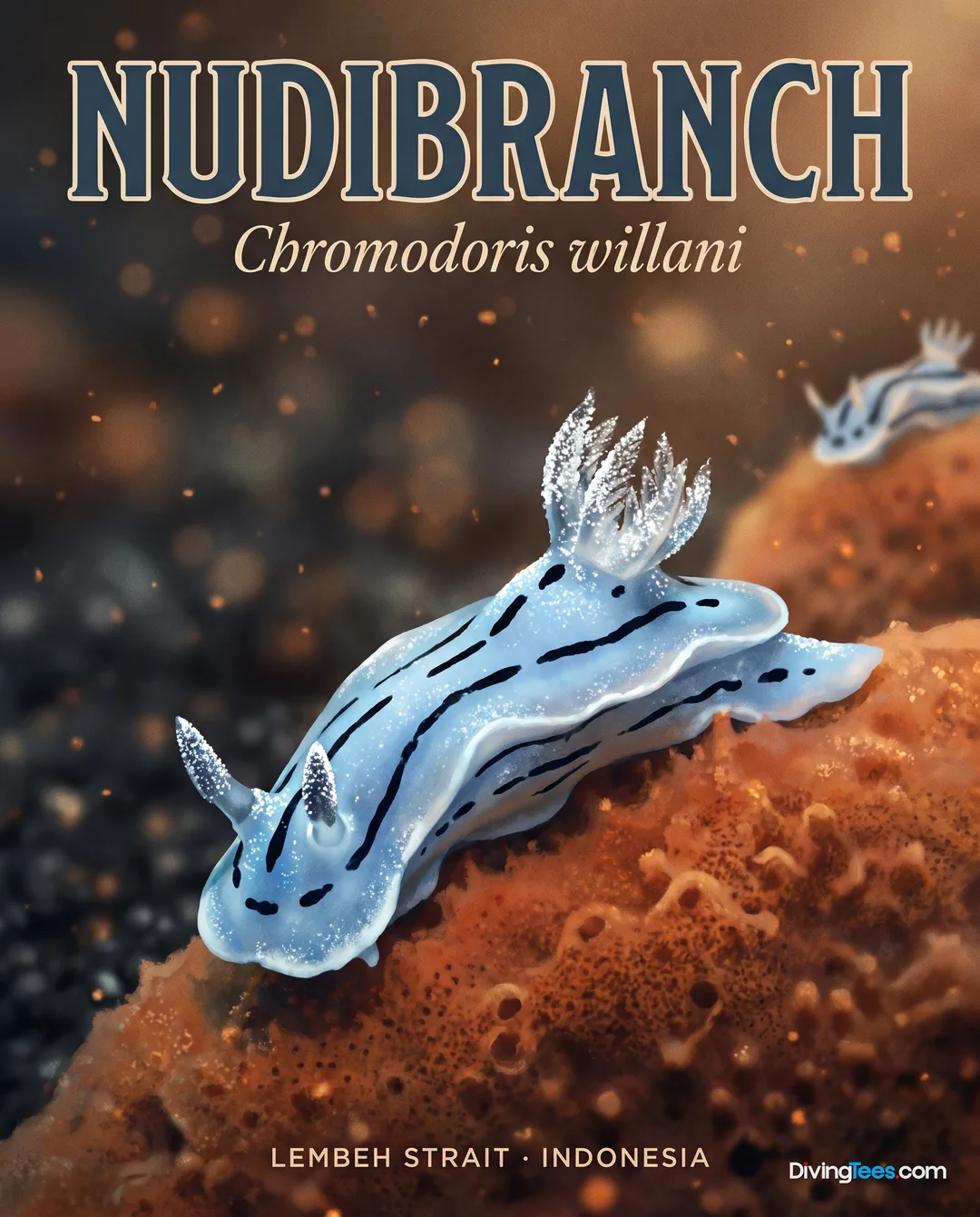
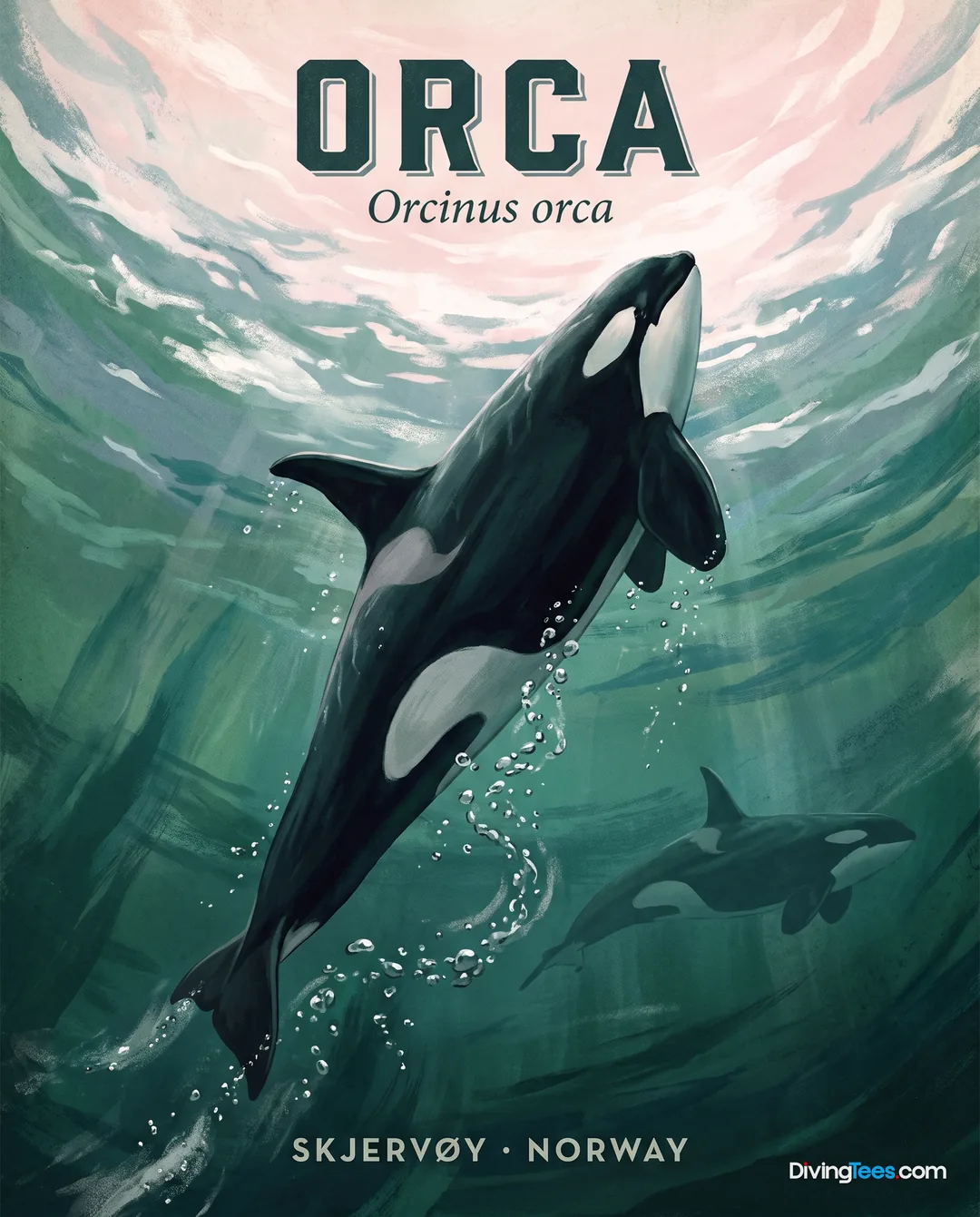
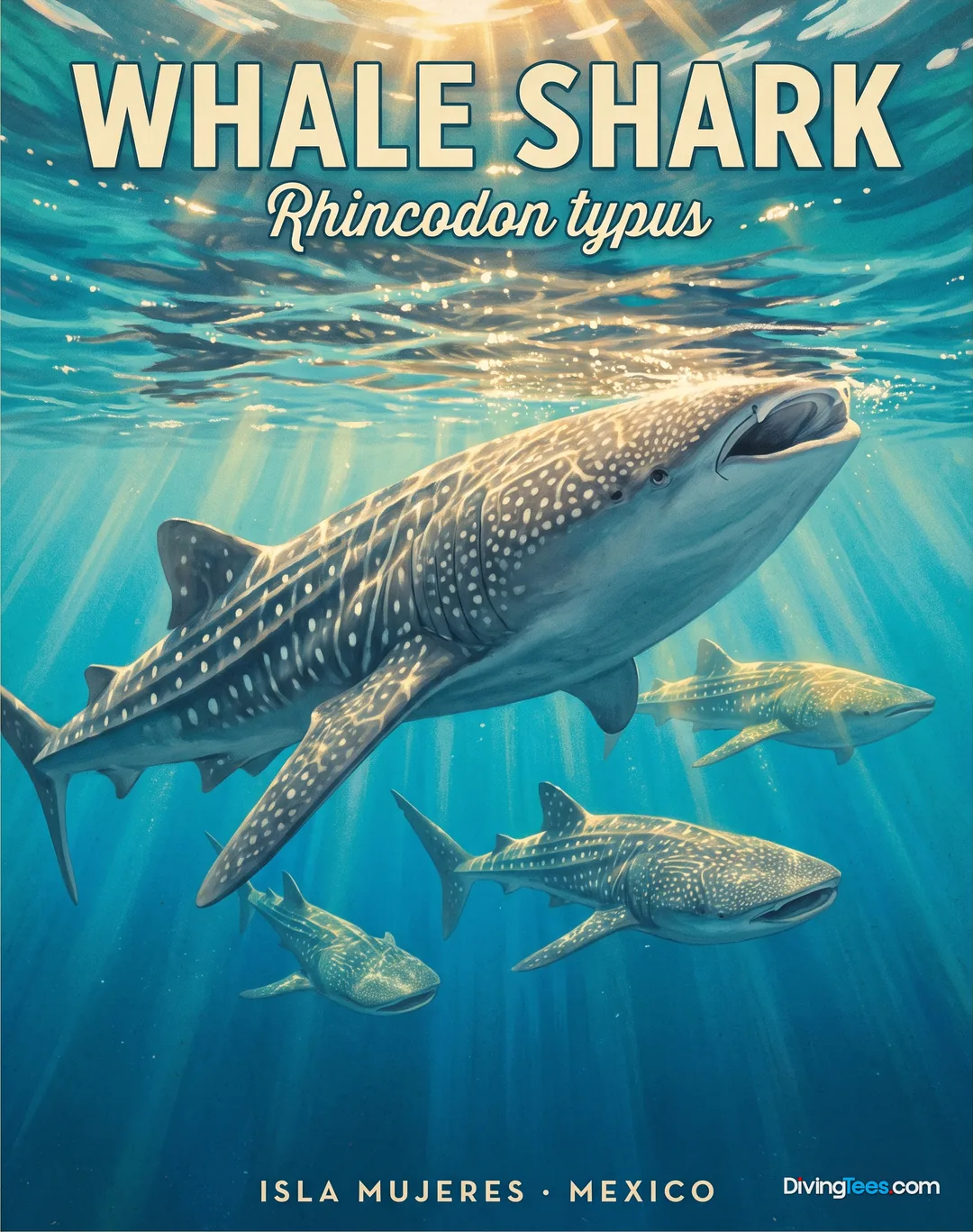
Across these waters, expect coral reefs carrying dense schools of barracuda, jacks, fusiliers and trevally, with tuna, rays, turtles and reef sharks appearing where the topography and current bring larger animals close. Offshore sites such as Fathers Reefs and the Witu seamounts are the places to watch the blue: silver tips, grey reefs, white tips, eagle rays and schooling fish can gather around exposed pinnacles. Kimbe Bay adds rich coral structure and smaller reef life, while the black sand of Witu’s Wire Bay changes the search completely, favouring nudibranchs, leaf scorpionfish, shrimp gobies and anemonefish. Rabaul is the specialist macro stop, with frogfish, harlequin ghost pipefish, mandarin fish, coconut octopus and shrimp among the sandy-bottom subjects. In Kavieng, channels can accelerate the scene with barracuda, trevally, tuna and sharks, while calmer reefs hold frogfish, pipefish, seahorses and decorator crabs. Dolphins are frequent visitors in the wider area; orca, pilot whales and whale sharks remain occasional sightings.
Who puts you in the water
The English-speaking crew handles the diving operation, with local knowledge of the reefs, volcanic seamounts and channels visited around New Britain and New Ireland. Briefings lead into entries from the rear platform or tender, and current-exposed sites can be supported by a safety line from the boat to the mooring so divers can hold position and watch the action. Febrina carries oxygen, first-aid kits, a radio and satellite communications, locator equipment and other standard emergency gear; the crew is trained in first aid. The published details do not give guide numbers, group ratios, instructor qualifications, minimum logged dives, recall procedures or courses run on board, so those points should not be assumed. The operation is aimed at divers who are comfortable following a boat briefing and managing their own equipment in changing reef and current conditions.
The dive deck and the gear
Diving starts from the rear at water level, using a duckboard that removes much of the awkward climbing found on older liveaboards. The shaded dive area has a platform, outdoor showers and space for the repeated gear changes of a full day. One 18-foot fibreglass tender supports the diving away from the hull and collects divers after they surface. The camera setup is unusually well considered for this type of vessel: there is a dedicated camera table, charging power and a separate rinse area for cameras. DIN adapters are available. Nitrox is available as an optional extra, and rental equipment can be arranged; the available details do not identify tank material or volume, compressor type, blend method or rental brands. Oxygen is carried for emergencies. The diving is included as a package of planned dives, with no extra day or night dives offered beyond the programme.
Between dives
Between dives, the shaded rear deck is the natural place to settle, particularly for photographers working through a camera housing or reviewing the last dive. The camera table and charging stations keep that work close to the water rather than sending equipment through the cabins. The interior saloon is air-conditioned when the heat builds, and the outdoor terrace offers the other version of the gap: wind, light and the surrounding sea. When the boat is underway, the space is used for watching the coastline and volcanic reef country pass rather than for a long list of resort activities. There is also room for a quiet afternoon when the itinerary or conditions leave a break between dives. Febrina’s in-between hours are functional and open, with the dive deck acting as workshop, meeting place and shaded refuge.
A day on board
The day begins before most people would choose to wake on land, with the first dive at 6:30am. Three morning dives come before lunch, followed by an afternoon dive and usually a night dive, making four or five dives in total. Between entries, the pattern is simple: rinse gear, work on cameras, eat, sleep or sit in the shade while the boat moves to the next reef. The rear platform keeps the transition from briefing to water short, and the tender takes divers farther when the site calls for it. Lunch breaks the morning block; dinner comes after the later diving, with wine available at the table. At current sites, the briefing may include a safety line from the boat to the mooring, giving divers somewhere to hold while the reef traffic passes. There are no extra day or night dives beyond the planned programme.
What you eat aboard
Food is one of Febrina’s strongest points, and the reason is variety rather than ceremony. Meals can draw from local and Western cooking, with buffet service, full-board meals and à la carte dinners listed among the options. Vegetarian and vegan choices are available, while snacks stay on hand through the day to bridge the gap between dives. Dinner comes with complimentary wine; beer, wine and other drinks are available on board. On a trip built around repeated entries into the water, the table has a practical job: divers need to eat without turning every meal into a long event, then get back to cameras, naps or the next briefing. The high food score fits that role. Febrina gives the galley enough range to keep ten or twelve guests from eating the same way all week, while still feeding a demanding dive schedule.
Nights at sea
The cabins are below deck and reached by ladder-style stairs, so the boat’s traditional character continues below the waterline. Each cabin has its own bathroom and individually controlled air-conditioning, with portholes rather than large hotel windows. The choices cover a double cabin, twin/double cabins, larger singles and smaller singles; the single-cabin layout is one of Febrina’s practical strengths for solo travellers. The aft cabins sit toward the rear of the boat, where engine and operating sounds are part of life at sea rather than something to disguise. The cabins are non-smoking and serviced daily, with towels and hot-water showers provided. Space is functional, not expansive. After four or five dives, the value is less about spreading out luggage than having a private, cool place to rinse off, sleep and close the door.
Double cabin 7
Large Single Cabin 5
Large Single Cabin 6
Small Single Cabin 1
Small Single Cabin 2
Twin/Double Cabin 3
Twin/Double Cabin 4
What to know before boarding
Febrina operates from Kimbe Bay, with itineraries also beginning or ending in Rabaul or Kavieng. Airport and hotel transfers are included for the relevant embarkation and disembarkation arrangements. The exact transfer details are provided with the trip information for the chosen route. Arriving the night before is sensible, particularly when the itinerary starts away from the resort base.
Deck plan
- Year built
- 1972
- Year renovated
- 2010
- Length
- 22.3 m
- Beam
- 6.1 m
- Maximum number of passengers
- 12
- Number of cabins
- 7
- Number of bathrooms
- 7
- Engines
- 2 × Cummins 250 hp 1800rpm each
- Cruising speed
- 8.5 knots
- Tenders
- 1 × 5.5 m (Fibreglass)
- Website
- mvfebrina.com ↗
Hello, I'm Marina, DivingDeal.com's AI assistant. I answer in detail about hotels, dive centres and liveaboards.

Thinking about the whole trip and the flights? Talk it over with Edith →
Marina is an AI. Some links are affiliate links: DivingDeal may earn a commission, at no extra cost to you. Bookings are made with the partner.