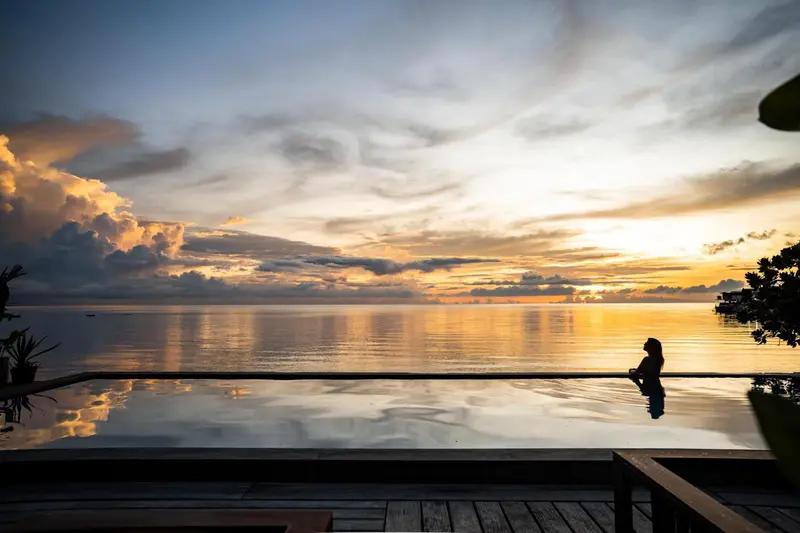
 Dive centre in the hotel
Walindi Plantation Resort
Google 4.5/5 (146 reviews)
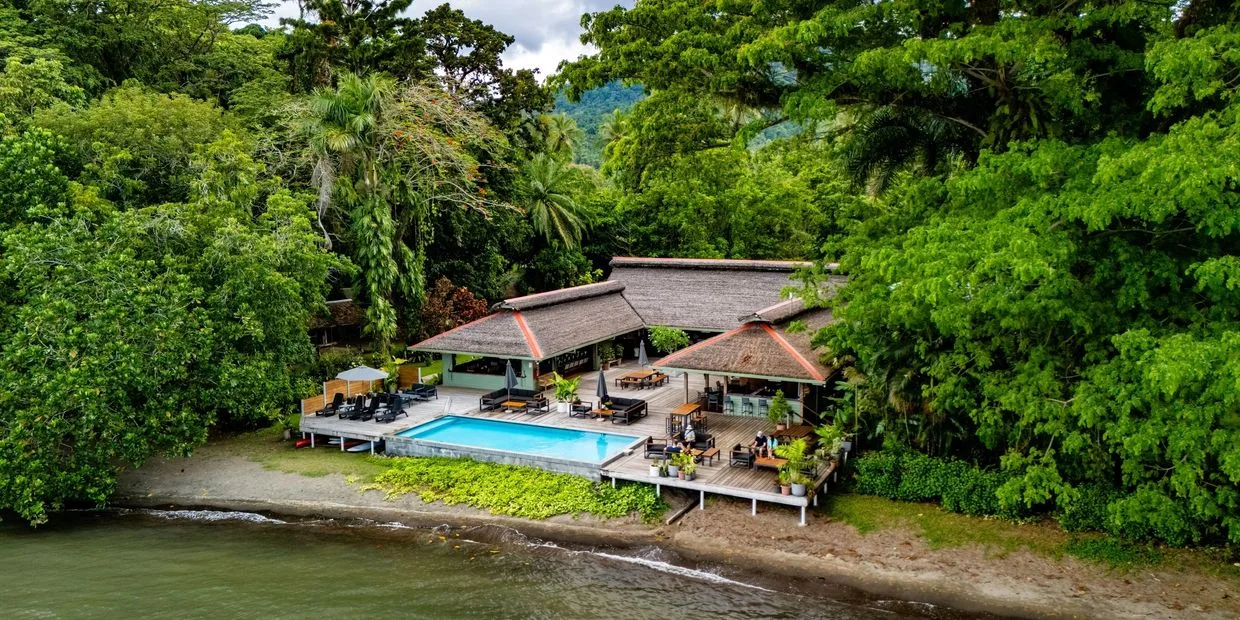
The dive centre
Walindi Dive Center
PADI
Google 4.5/5 (149 reviews)
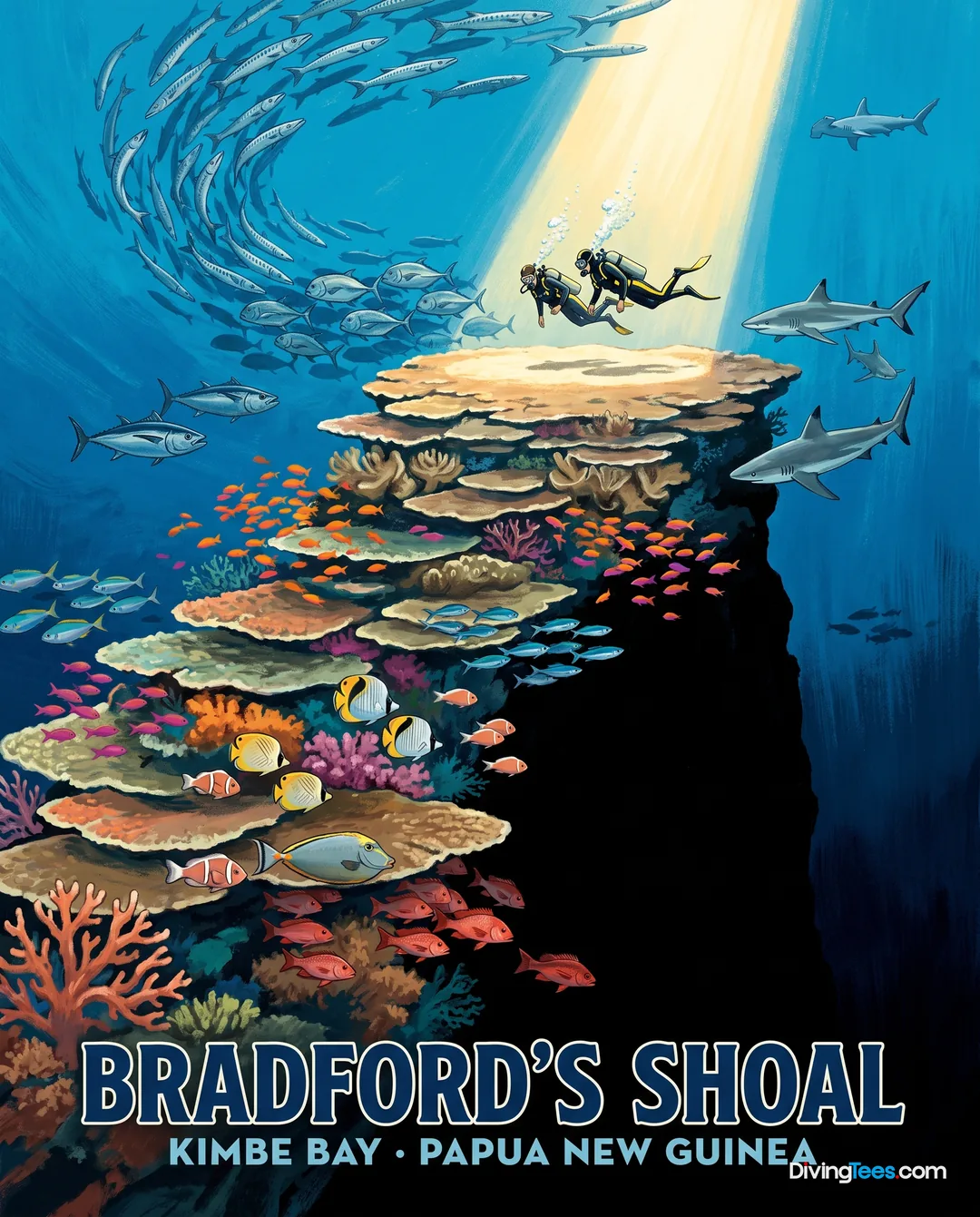
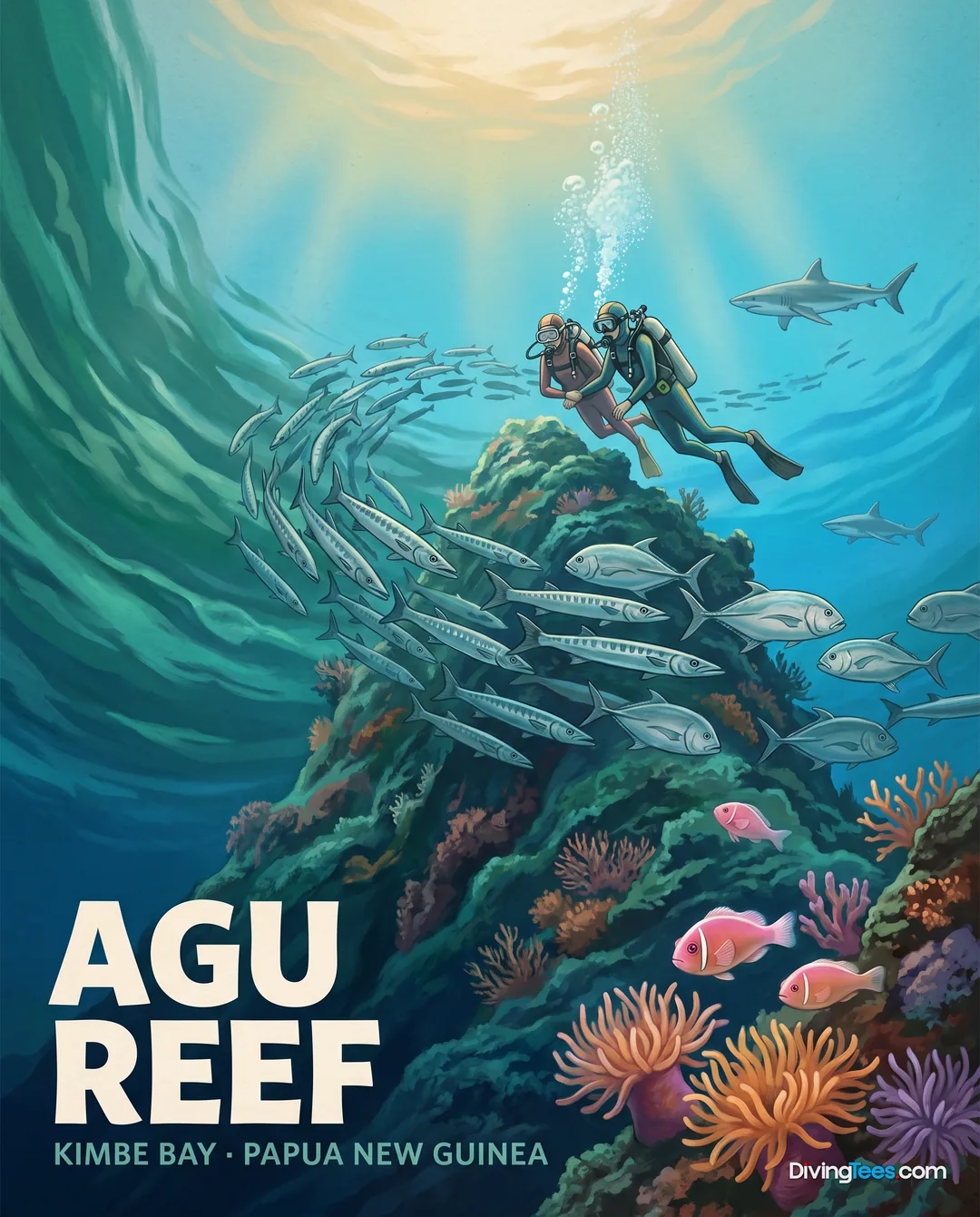
Dives: Agu Reef, Ann Sophie's Reef, Bradford's Shoal
Papua New Guinea · Pacific
Kimbe Bay puts coral ridges, isolated seamounts, steep walls and schooling barracuda within reach of repeated boat dives from Papua New Guinea’s Willaumez Peninsula.
For subtitles in English: start the video firstthen click the gearat the top right of the video, select “Subtitles/CC”, then “Auto-translate” and choose “English”.
Kimbe Bay is a large, boat-dived lagoon along the northern Willaumez Peninsula, where coral reefs, pinnacles, outer slopes and walls create a varied run of dives. It suits a week built around repeated outings rather than a quick stop: shallow coral gardens sit alongside sites descending to forty metres, while sheltered parts of the bay can be followed by more exposed seamounts. The focus is underwater scenery and reef life, not a busy shore-based resort scene.
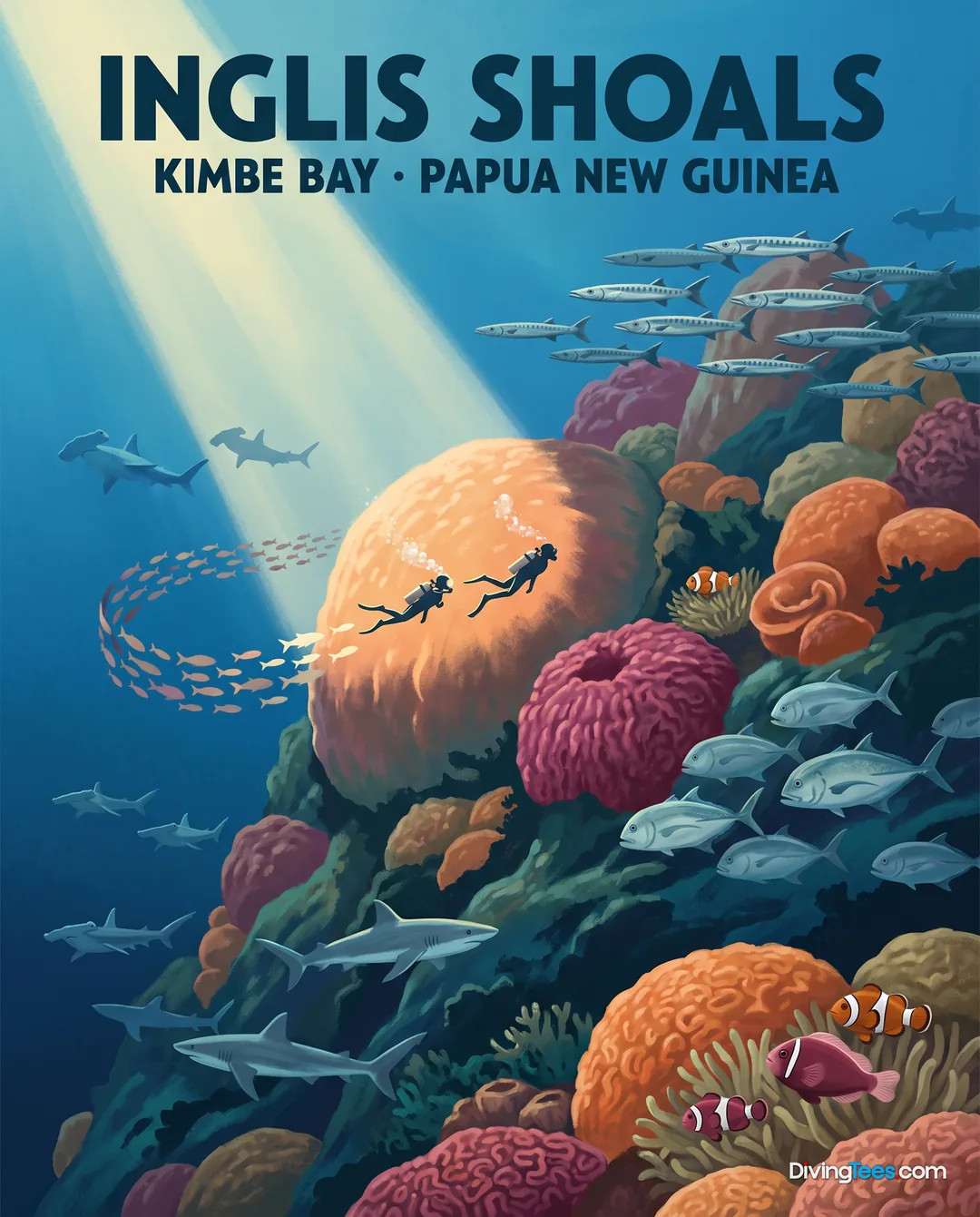
The diving moves between fringing reefs, narrow ridges, saddles, bommies, steep corners and vertical walls. Agu Reef follows a coral-covered ridge from just a metre or so down towards thirty-five metres; Hanging Gardens drops from near the surface to a sandy bottom at thirty metres, its wall marked by rope sponges. Isolated shoals such as Bradford’s Shoal and Inglis Shoals bring more open-water character, with currents that can change around the seamounts and attract schooling fish. Elsewhere, the flow may be light or moderate, though tidal movement can turn a calm reef top into a more active one. Boat diving is the norm, with profiles adjusted to the site and conditions rather than a fixed daily pattern. The bay is generally calm, but exposed points and deeper edges deserve a proper briefing and a sensible reserve.
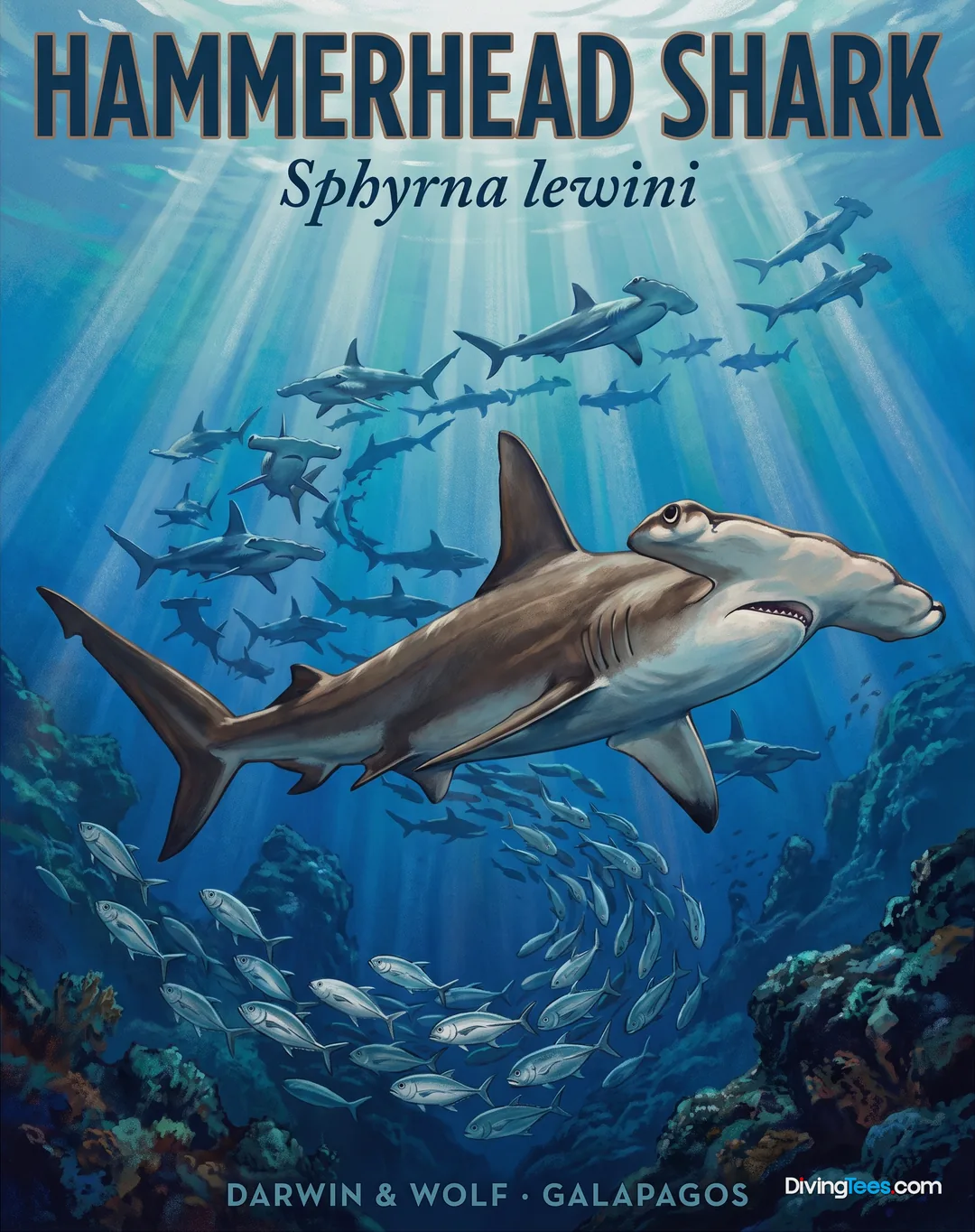
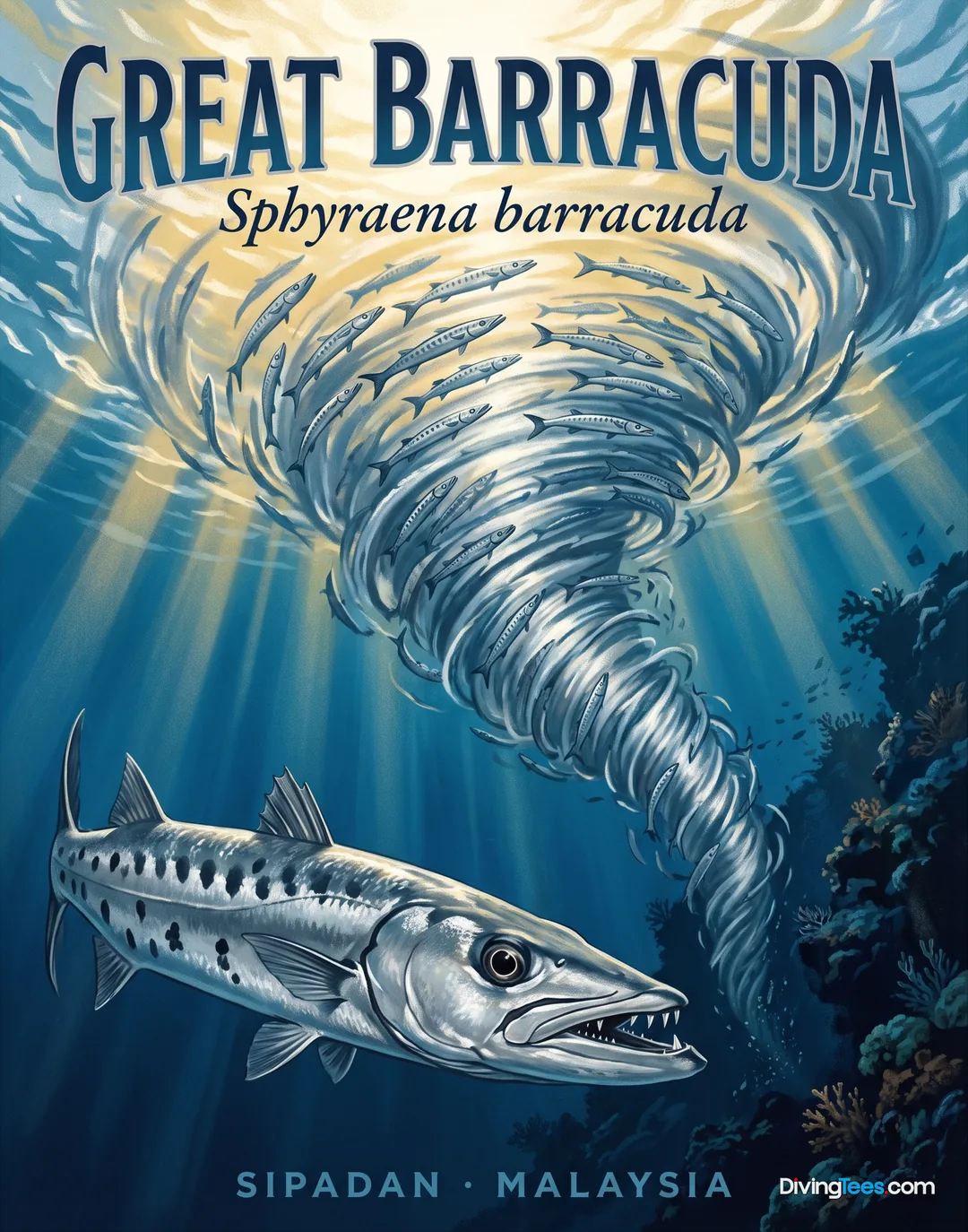
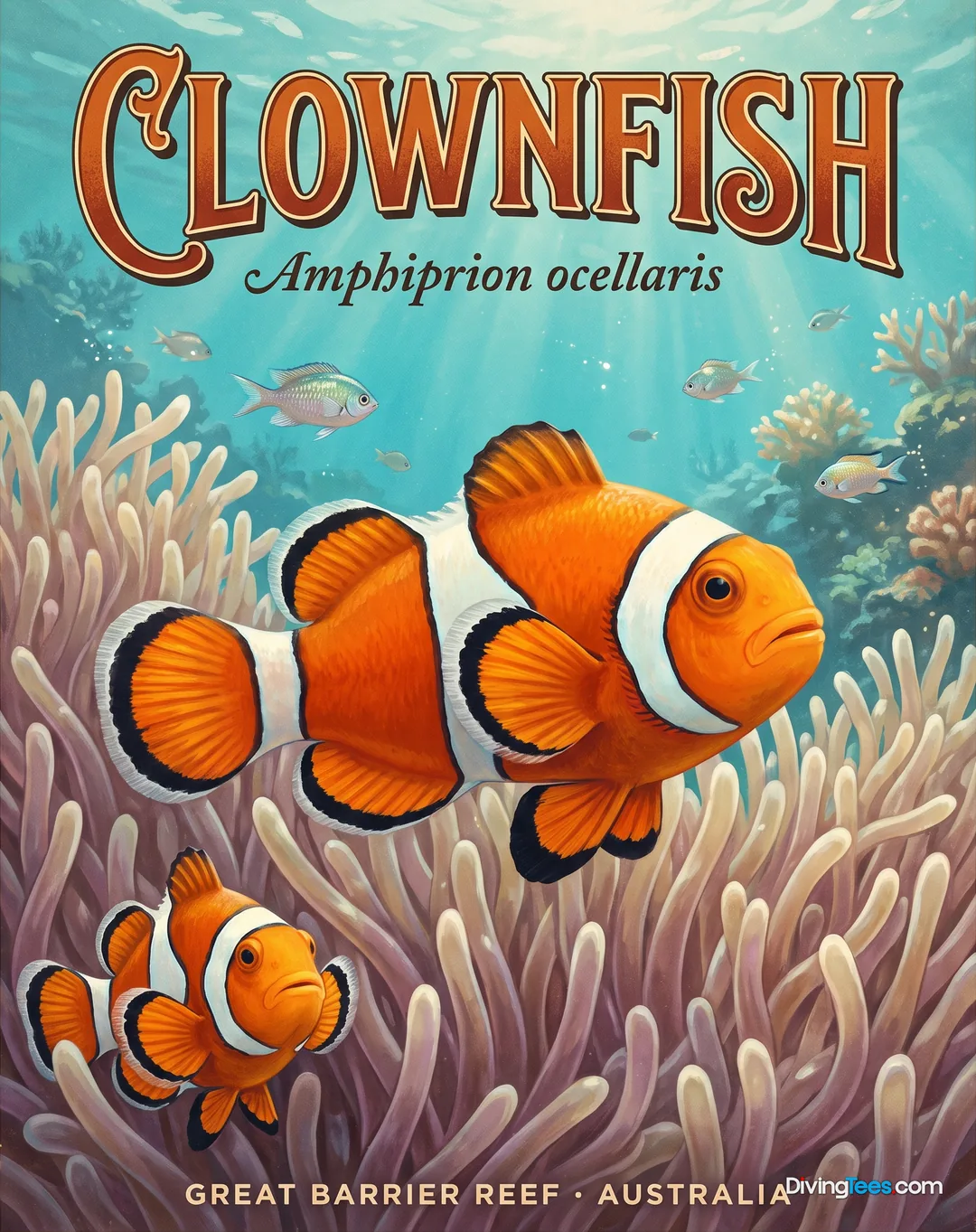
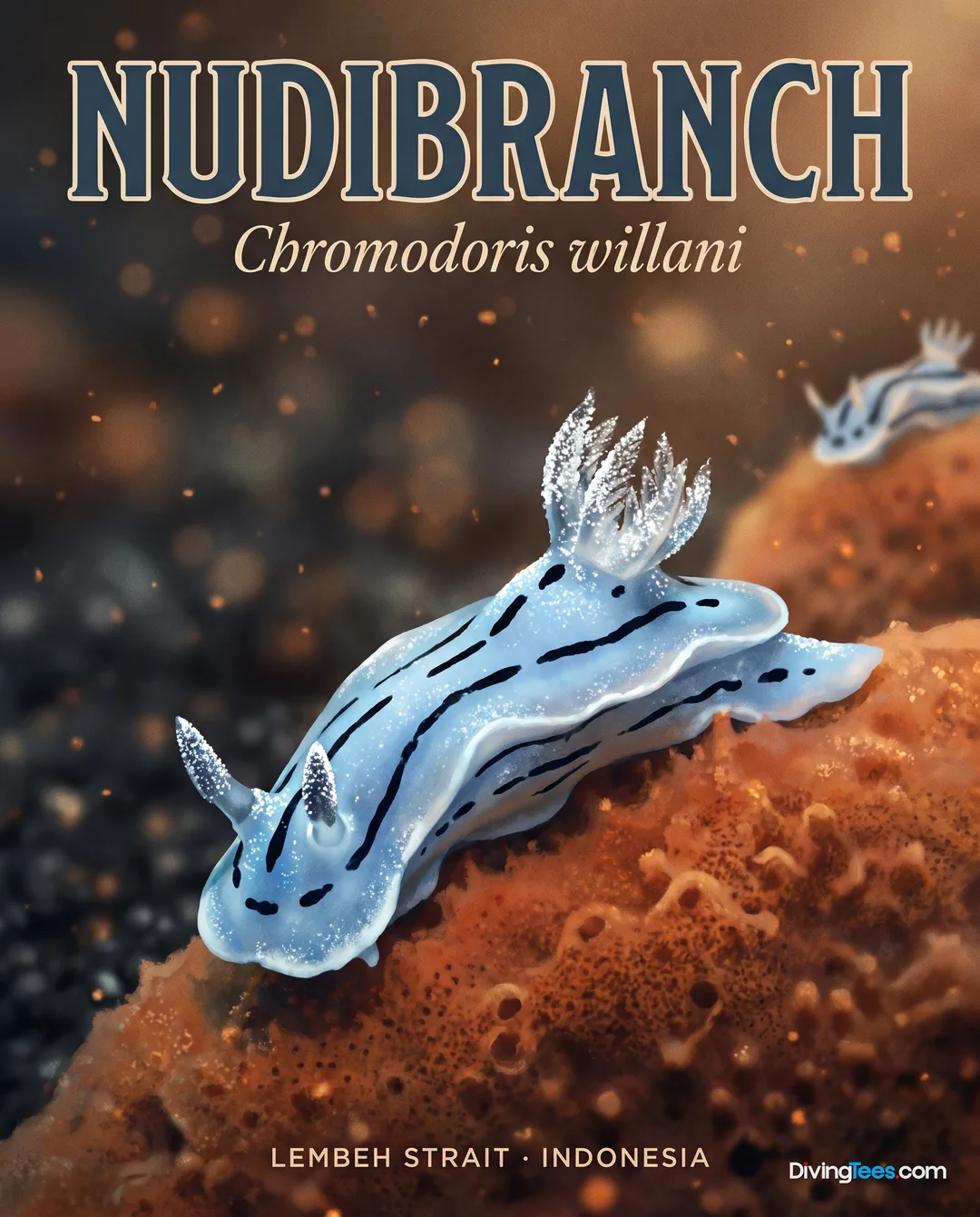
Kimbe Bay’s reef life ranges from tiny goby-shrimp and nudibranchs to great barracuda, dogtooth tuna, bigeye trevally and grey reef sharks. Fusiliers, jacks, unicornfish, batfish and damselfish move across the reef faces, while moray eels and feather duster worms reward a slower look. Anemonefish are a recurring detail: pink anemonefish, Clark’s anemonefish and spinecheek anemonefish can all be found around Joelle’s Reef. Restorf Island brings garden eels over sand flats, with gobies around scattered bommies. Exposed sites such as Bradford’s Shoal and Inglis Shoals are the places to watch the blue for barracuda, trevally and the possibility of reef sharks or hammerheads. The destination is described as a year-round diving area, but no dependable seasonal wildlife calendar is established.
Kimbe Bay can be dived throughout the year, but October to December is the measured window for the calmest sea. That matters here because the best use of a stay is a sequence of boat trips to reefs and seamounts spread around the bay; calmer water makes transfers more comfortable and leaves more choice between exposed and sheltered sites. These months are therefore the practical preference, rather than a promise of a different species list. Outside that period, conditions remain worth considering, but the day’s site selection may need more flexibility. A seven- to ten-day stay gives the journey some breathing room and allows a lost boating day to be absorbed.
Kimbe Bay is suitable for all levels, including Open Water divers and BSAC members with comparable experience, provided they are comfortable entering from a boat. Shallow sites such as Ema North, from three to nine metres, allow long, unhurried profiles, while deeper walls and exposed seamounts demand more experience with current and depth. Bradford’s Shoal, Inglis Shoals and Joelle’s Reef are better reserved for advanced divers. Nitrox is useful for repeated moderate-depth reef dives, but sound buoyancy and trim matter more than collecting a particular speciality.
From London Heathrow, London Gatwick or Manchester, the journey begins with an international flight to Papua New Guinea, followed by a domestic flight to the aerodrome serving the Kimbe Bay area on the northern Willaumez Peninsula. The final leg is a local transfer by road or boat to the coastal accommodation and diving operation. There is no straightforward shore-diving gateway from a major urban centre: once in the area, the dive sites are reached by boat. Domestic connections and local transfers need generous margins, especially if diving is planned immediately after arrival or before departure. Keeping the first and last days free of ambitious dive plans is the sensible way to protect the main part of the trip.
Plan Kimbe Bay as a run of boat days, not as a destination where a single shore dive will reveal the place. The bay is large and the sites are spread along the coast and peninsula, so staying close to the departure point matters more than choosing an otherwise attractive base inland. Do not build a tight itinerary around the first or last travel day: domestic connections and local transfers can easily remove a useful dive window. Ask before setting out how the boat handles exposed reefs and whether moorings are used, particularly at sites where anchoring could damage living coral. Keep one flexible day in the programme for weather or a delayed transfer. For divers who want maximum repetition, Nitrox can make sense across moderate-depth reef profiles, while a well-fitting exposure suit is useful because water temperatures are described across a broad tropical range. Treat Bradford’s Shoal, Inglis Shoals and Joelle’s Reef as condition-dependent dives rather than automatic entries on every schedule.
A seven- to ten-day stay suits the geography: it absorbs the long sequence of international, domestic and local transfers while leaving several days for repeated boat diving. A fixed coastal base works well when the aim is to revisit the bay’s reefs, walls and pinnacles according to conditions. A liveaboard is the alternative for covering more dispersed sites with fewer land transfers. Non-diving options are modest, centred on coastal walks, the volcanic shoreline and quiet time on the water.
Hello, I'm Marina, DivingDeal.com's AI assistant. I guide you through destinations, areas and countries.
Thinking about the whole trip and the flights? Talk it over with Edith →
Marina is an AI. Some links are affiliate links: DivingDeal may earn a commission, at no extra cost to you. Bookings are made with the partner.
In each one, the dive centre is inside the hotel: step out of your room and go diving.
Dive centre in the hotelGoogle 4.5/5 (146 reviews)
The dive centre
Walindi Dive Center
PADI
Google 4.5/5 (149 reviews)
Dives: Agu Reef, Ann Sophie's Reef, Bradford's Shoal
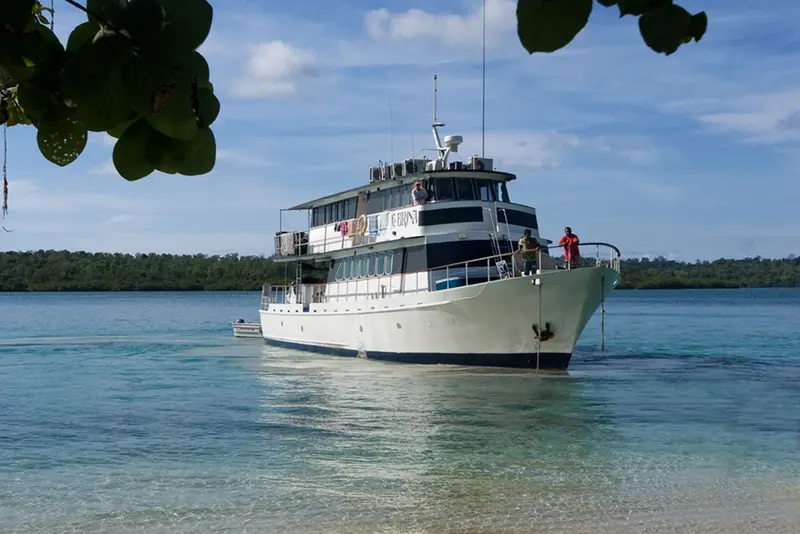
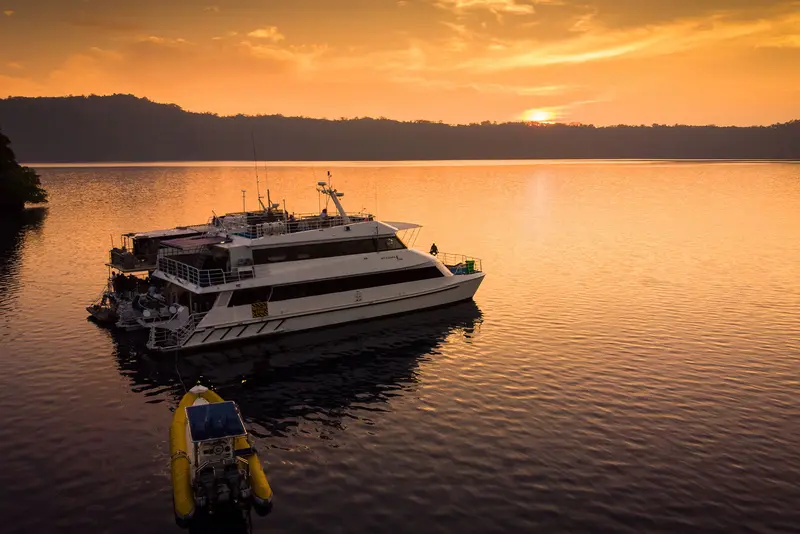
2 liveaboards depart from Kimbe Bay another way to explore the region, over several days at sea.
Kimbe Bay can be dived throughout the year, while October to December offers the calmest sea. That window can make boat transfers more comfortable and provide greater flexibility between sheltered reefs and exposed seamounts. Outside those months, diving remains possible, but daily site choices may need more flexibility.
Kimbe Bay suits all levels, including Open Water divers and BSAC members with comparable experience who are comfortable entering from a boat. Shallow reefs support relaxed profiles, while deeper walls and exposed seamounts require more experience with depth and current. Advanced divers are better suited to Bradford’s Shoal, Inglis Shoals and Joelle’s Reef.
Kimbe Bay offers coral ridges, pinnacles, seamounts, steep walls and reef gardens. You may encounter barracuda, trevally, dogtooth tuna, grey reef sharks and hammerheads around exposed shoals, plus anemonefish at Joelle’s Reef. Restorf Island has garden eels and goby-rich sand flats, while slower reef searches reveal nudibranchs, morays and feather duster worms.
Plan Kimbe Bay as a sequence of boat-diving days from a coastal base near the departure point. Allow generous margins around international, domestic and local transfers, and keep the first and last days free of ambitious dives. Include a flexible day for weather or delays, and consider Nitrox for repeated moderate-depth reef profiles.