
Loloata Dive Resort
Google 4.4/5 (523 reviews)
5.3 km away as the crow flies
Port Moresby · Papua New Guinea · Pacific
Max. depth · 12 mDescend into Quayles Reef and find yourself immediately immersed in a vibrant, egg-shaped coral formation, home to resident Rhinopias and Harlequin ghost pipefish.
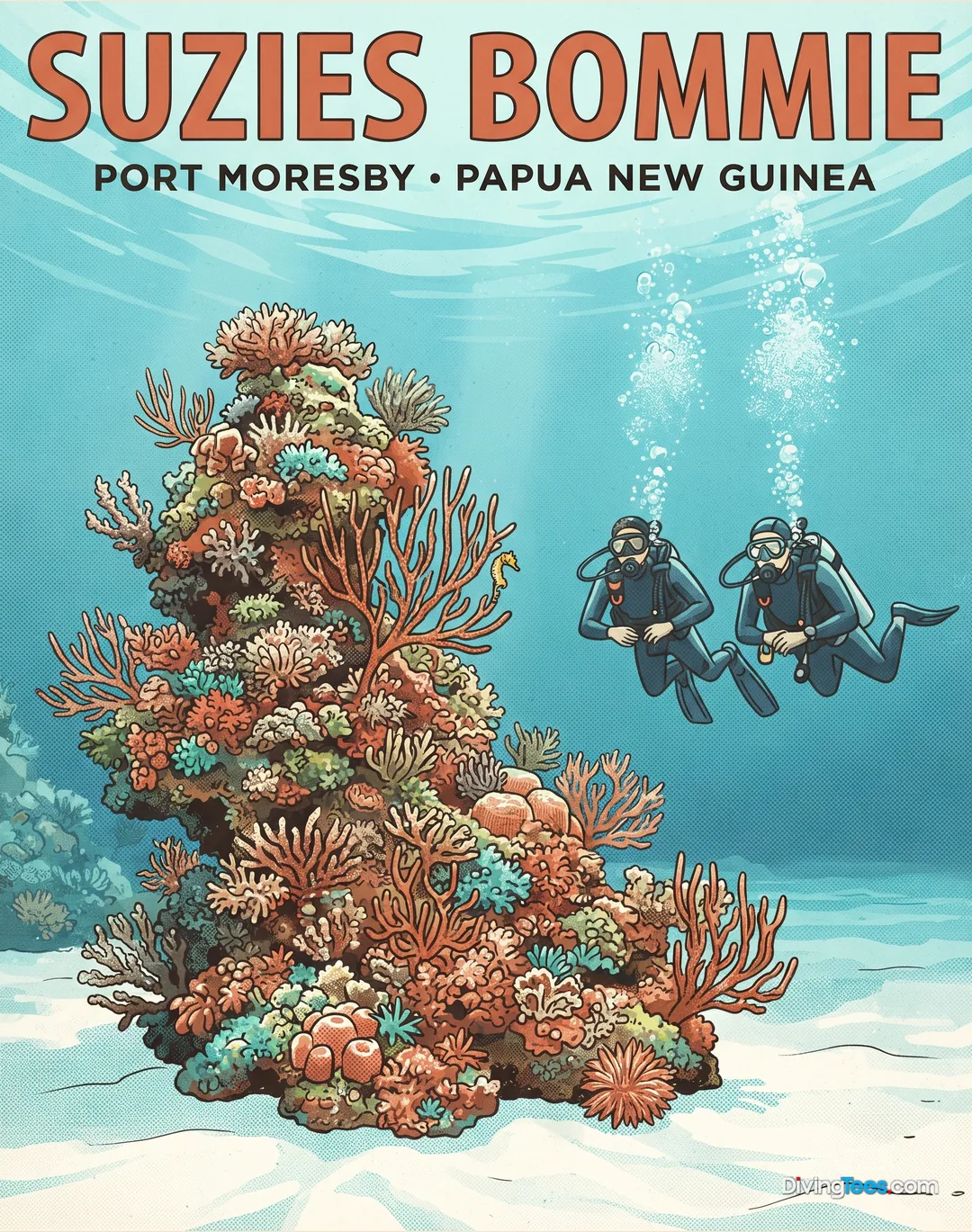
Quayles Reef, also known as Quale’s Reef, is an egg-shaped coral formation nestled inside the barrier reef system of Bootless Bay, near Port Moresby. This sheltered position means you'll typically find minimal current, allowing for a relaxed exploration of its intricate coral gardens. The site is not a deep wall or an open-sea drop-off; instead, it presents a gentle topography of shallow coral structures that unfold as you descend, making it an ideal location for extended bottom times and detailed observation.
From the moment you enter the water, the reef's chromatic saturation is evident. Every surface is painted with a spectrum of colours, from the hard corals forming the reef's backbone to the soft corals swaying gently in the water movement. This visual intensity makes it easy to lose track of time, simply observing the vibrant ecosystem around you. The reef's intricate tapestry of life demands your attention, revealing new patterns and textures with every fin kick as you navigate its shallower depths.
For many divers, the consistent presence of specific macro life is a primary draw to Quayles Reef. Keep a keen eye out for Merlett's Scorpionfish, commonly known as Rhinopias, which are often perfectly camouflaged among the corals. Their unusual forms blend seamlessly with the reef, requiring a slow and deliberate approach to spot their distinctive profiles as they wait patiently for their next meal. Locating them is a rewarding challenge that highlights the reef's hidden biodiversity.
Beyond the Rhinopias, Quayles Reef consistently offers encounters with the delicate Harlequin ghost pipefish. These masters of disguise drift with the gentle water movement, their ornate bodies mimicking crinoids or seagrass. Finding them requires patience and a sharp focus on the smaller details of the reef, but the reward is a close-up view of one of the ocean's most captivating creatures. This makes the site a consistent favourite for underwater photographers looking to capture unique macro subjects.
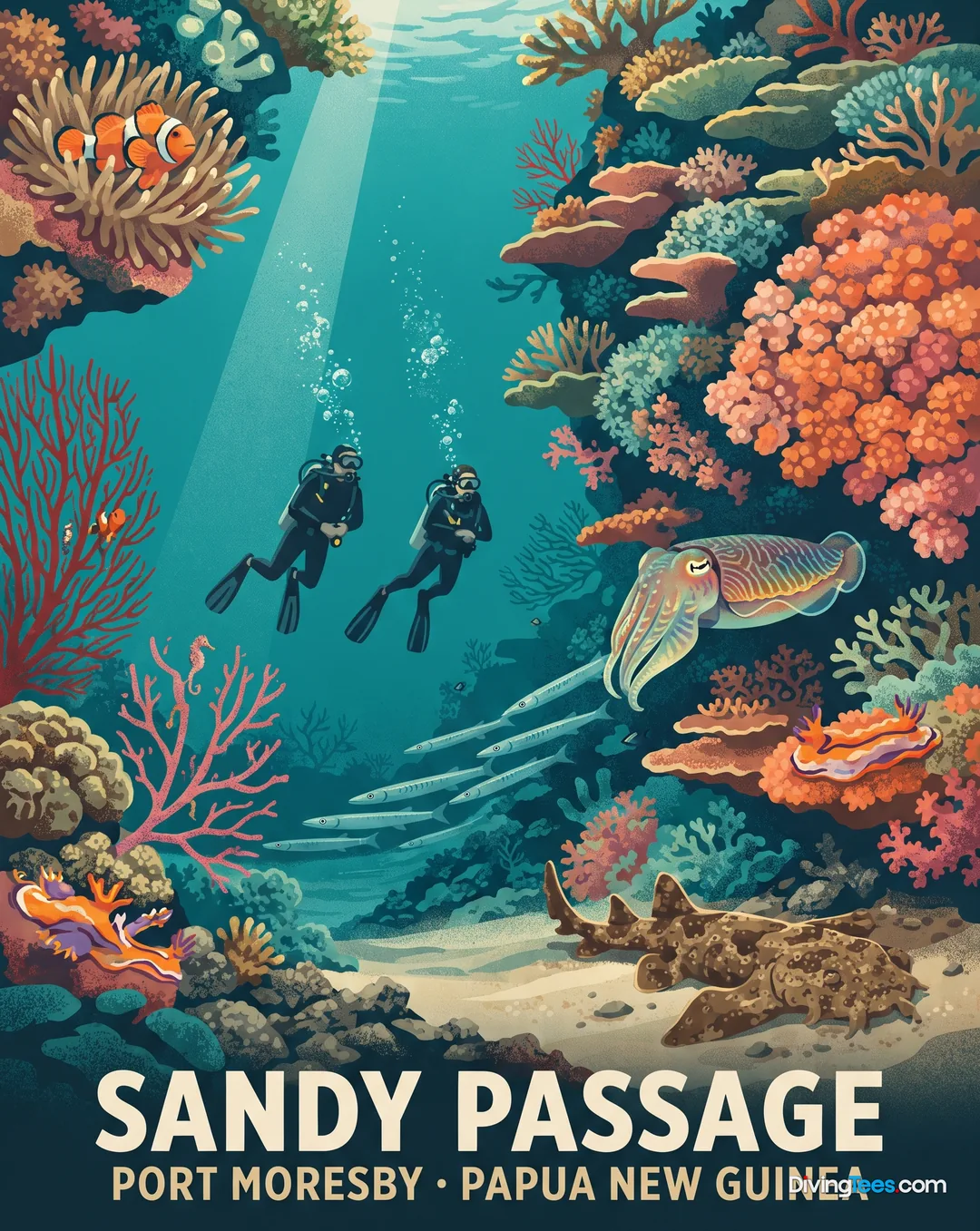
The reef is also home to a variety of common reef fish, including anemonefish tending their hosts, parrotfish grazing on the corals, and schools of butterflyfish and angelfish darting among the structures. While these species are common to many reefs, their presence here adds to the overall vibrancy and activity of Quayles Reef. The sheltered nature of the site allows for close observation of these fish in their natural environment, contributing to a rich and engaging dive experience.
Quayles Reef offers a shallow dive profile, with depths ranging from a minimum of 5 metres to a maximum of 18 metres. The site experiences light current, suitable for relaxed exploration. Visibility typically ranges between 10 and 25 metres. It is accessible to Open Water divers with good buoyancy control, making it suitable for novice to intermediate divers, and can be enjoyed year-round.
You can dive Quayles Reef year-round. Its sheltered position inside the barrier reef system of Bootless Bay supports relaxed exploration in every season. The reef’s shallow coral structures and gentle water movement make it suitable for spending extended time observing the formations and marine life closely.
Quayles Reef suits Open Water divers with good buoyancy control, including novice to intermediate divers. You explore a shallow profile rather than a deep wall or open-sea drop-off, with the reef extending from five to eighteen metres. Its gentle topography supports detailed observation and extended bottom times.
You can expect light current at Quayles Reef. The reef’s sheltered location provides minimal current, allowing relaxed movement through its coral gardens. Gentle water movement also brings soft corals to life without making the site feel exposed, supporting close observation of the reef’s intricate structures.
At Quayles Reef, you can see intensely coloured hard and soft corals, along with anemonefish, parrotfish, butterflyfish, and angelfish. Look carefully among the reef for Rhinopias, also known as Merlett’s Scorpionfish, and Harlequin ghost pipefish. Patient, deliberate searching helps reveal these well-camouflaged macro subjects.