
Tawali Dive Center
Google 4.6/5 (89 reviews)
Papua New Guinea · Pacific
Milne Bay combines 200-metre walls, coral gardens, manta rays, hammerheads and mimic octopus across sheltered bays and exposed outer reefs.
For subtitles in English: start the video firstthen click the gearat the top right of the video, select “Subtitles/CC”, then “Auto-translate” and choose “English”.
Milne Bay is a boat-based Papua New Guinea destination where a single trip can move from sheltered bays to exposed outer reefs. Coral walls drop from shallow plateaux towards serious depth, while quieter sites bring the attention closer to the reef: mimic octopus, rhinopias and nudibranchs reward patient searching. It is not a shore-diving town with a compact collection of sites. Its appeal lies in the change of scenery between Alotau, island operations and liveaboard routes.
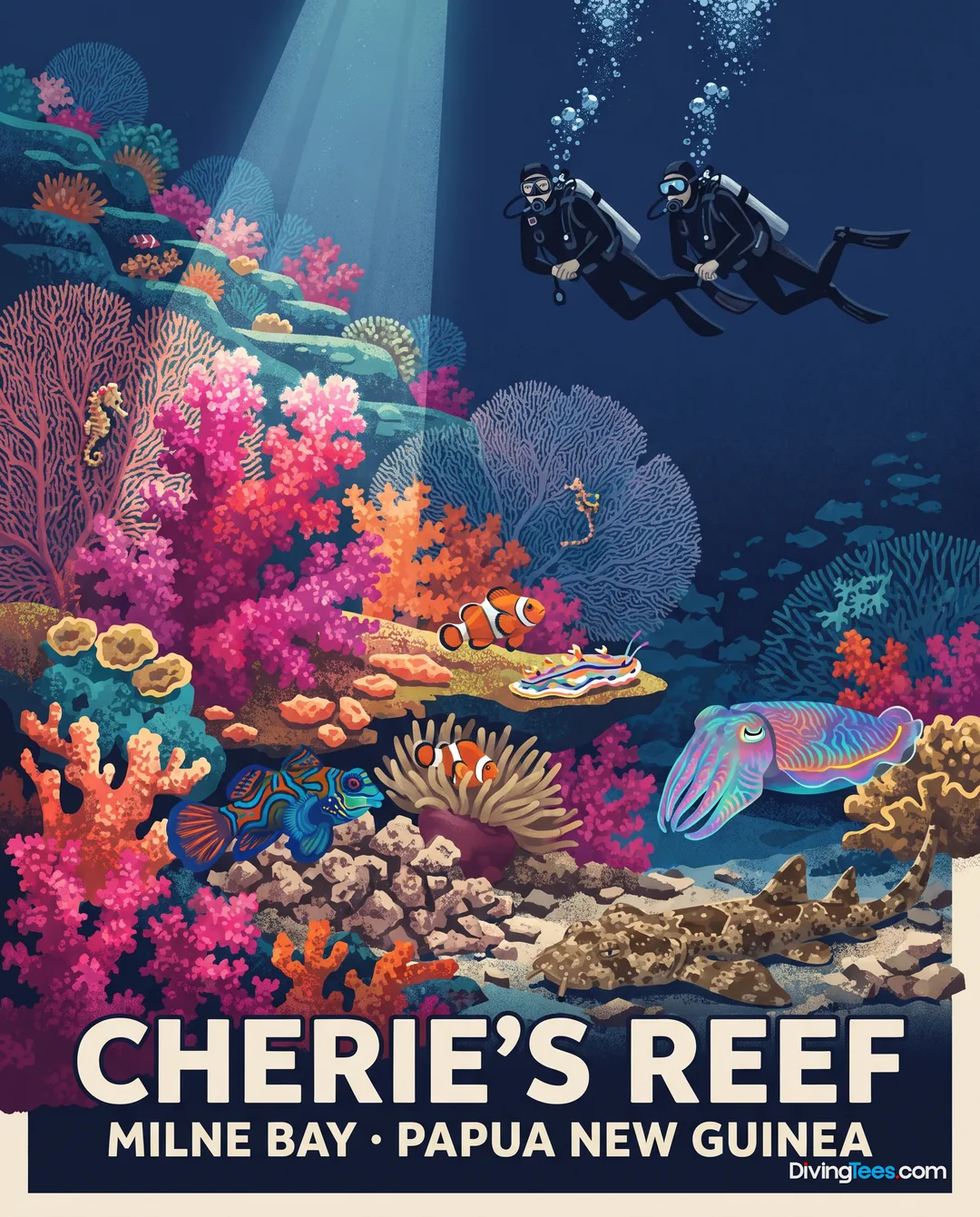
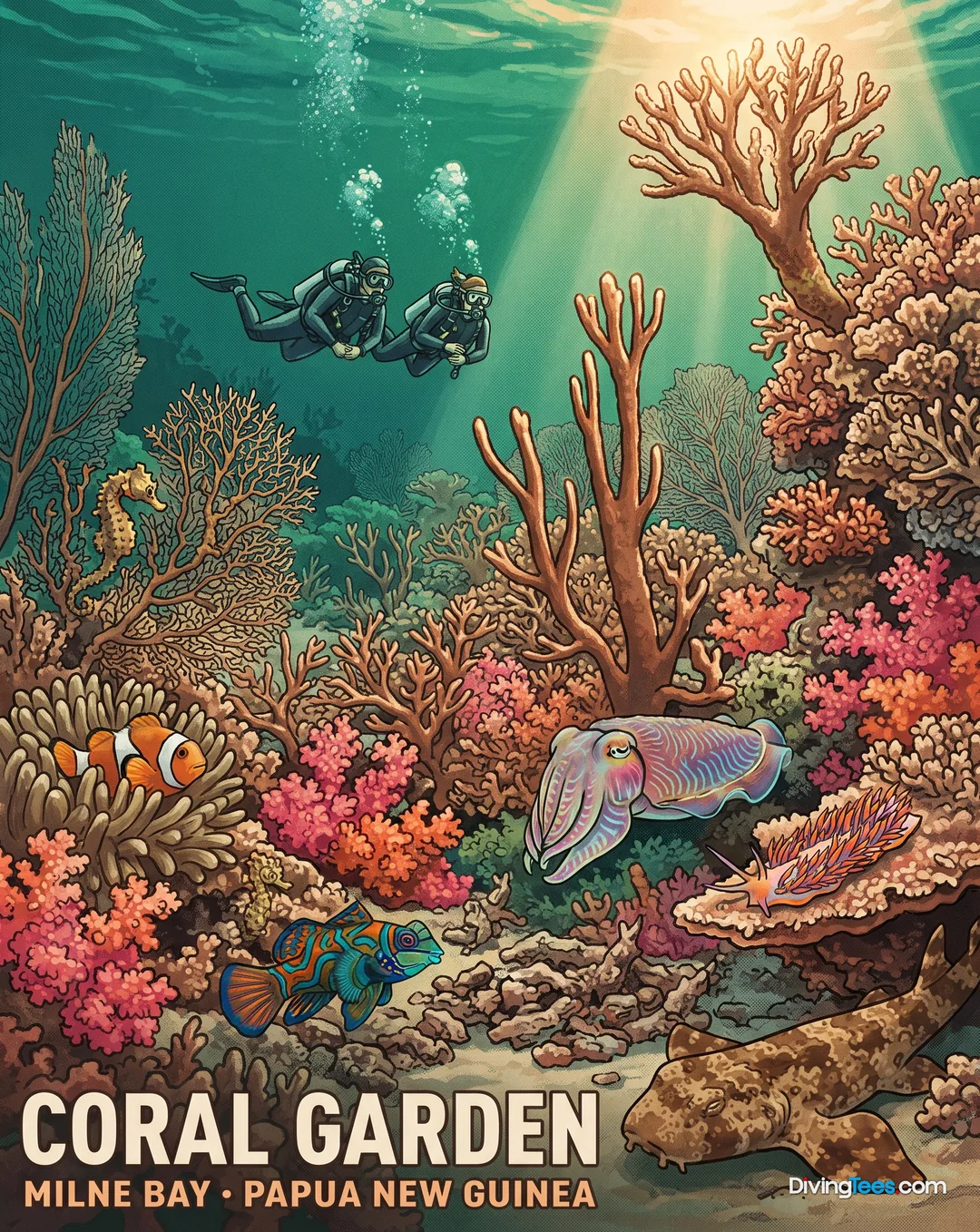
The diving shifts between vertical walls, shallow coral plateaux, fringing reefs, sloping sand and sheltered muck-style sites. Sponge Heaven drops from almost the surface to more than 200 feet, while Coral Garden stays between three and eighteen metres and suits a slower look at hard coral. Wahoo Point combines a shallow plateau with a deep wall and open-water encounters. Currents are variable: gentle at some reefs, but strong enough at Cherie’s Reef, Cobb’s Cliff and Linda’s Reef 1 to demand proper planning. Drift dives are part of the character, particularly around Boi Boi Waga Island. Visibility can be good to excellent and may reach 30 metres or more at favourable sites, but conditions are not uniform across the archipelago. A surface marker buoy is essential on several exposed sites, with Twin Tower requiring one on every dive.
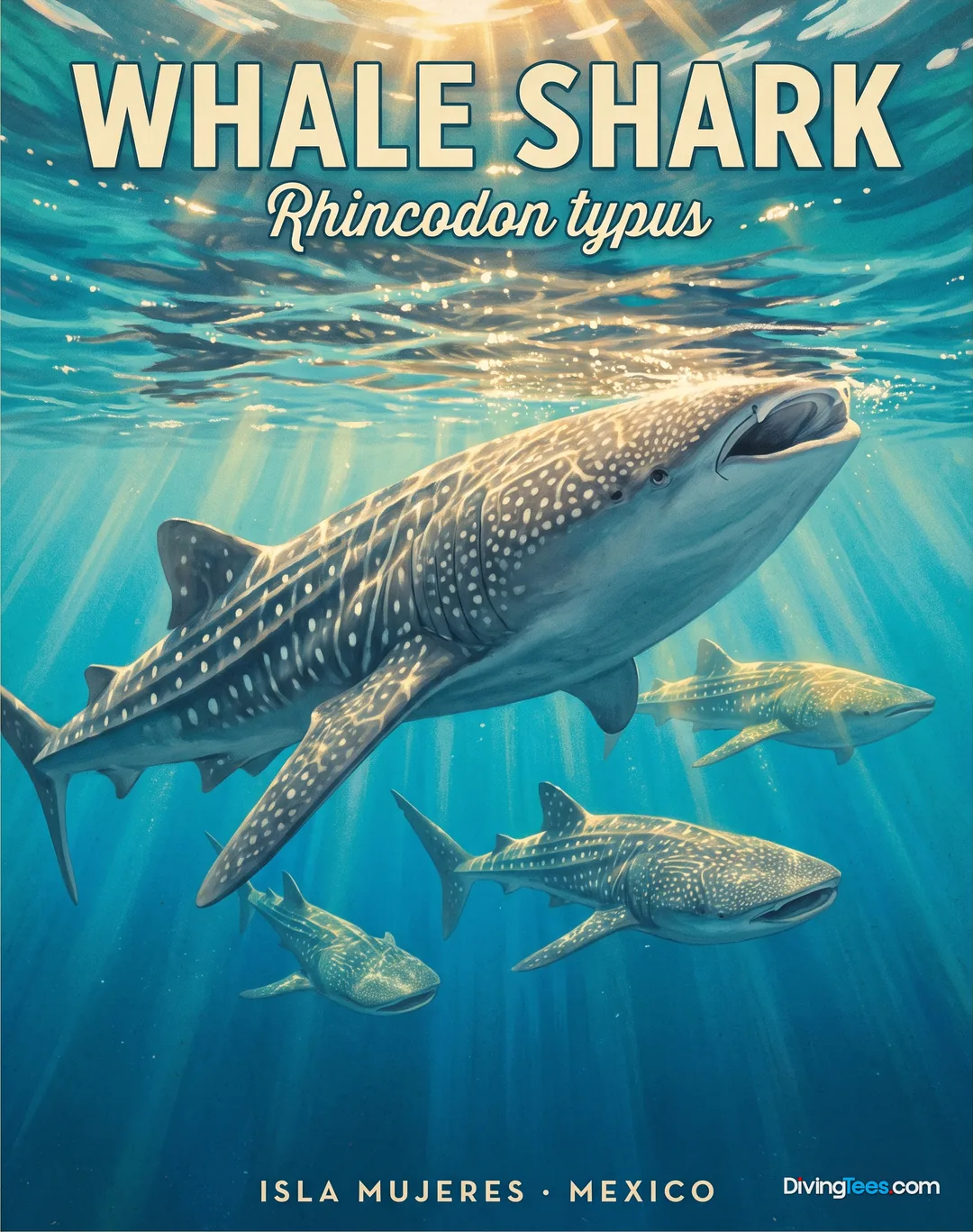
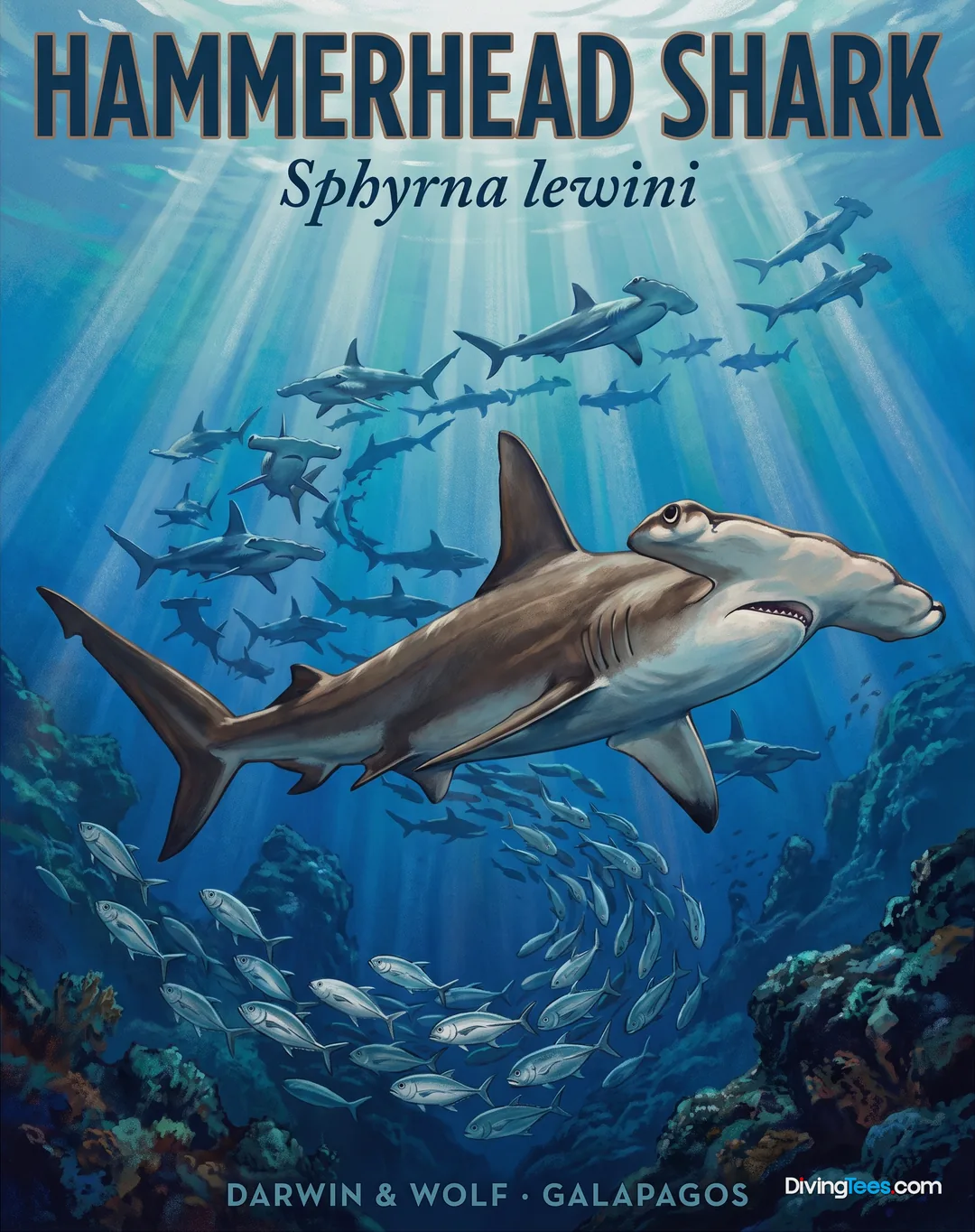
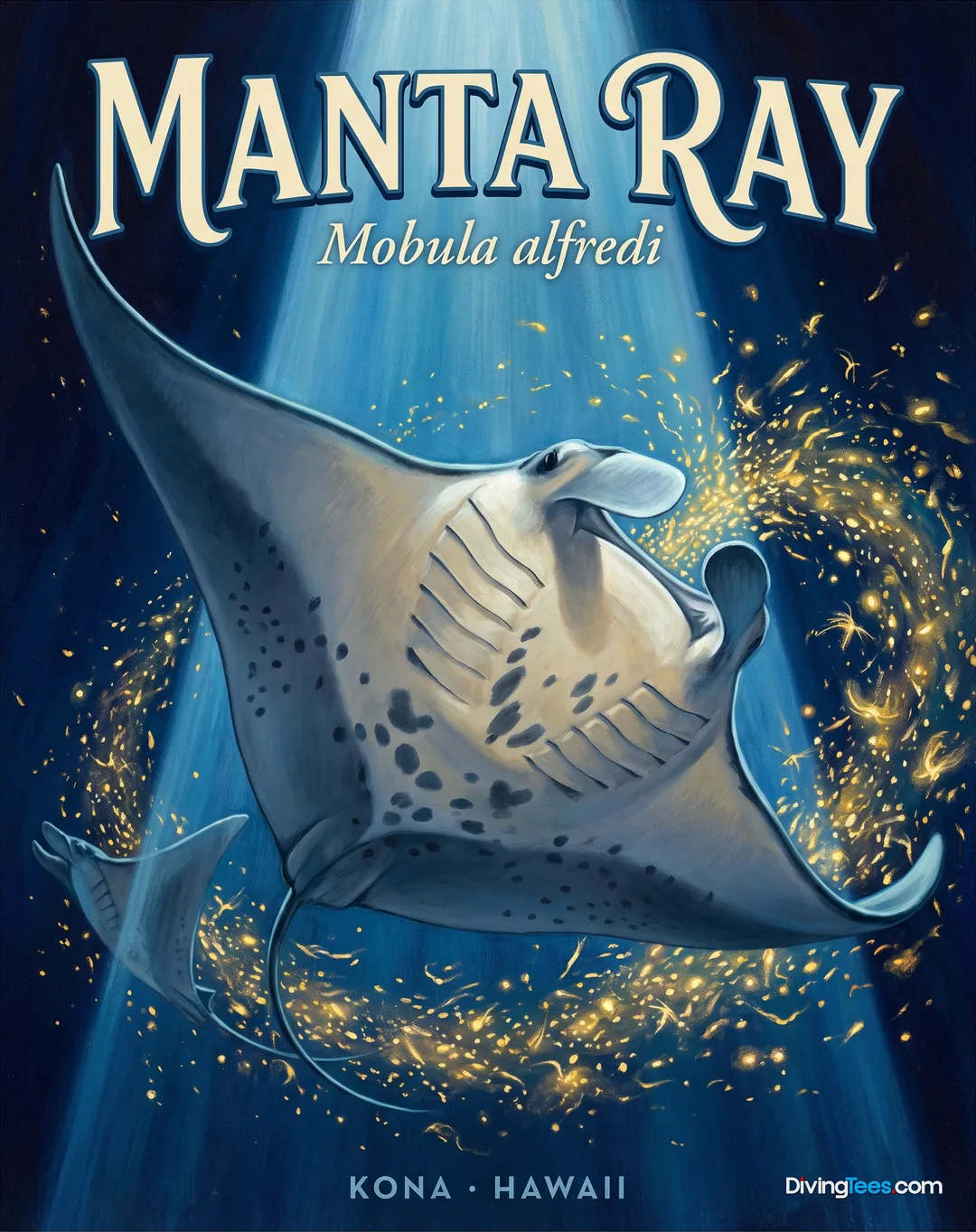
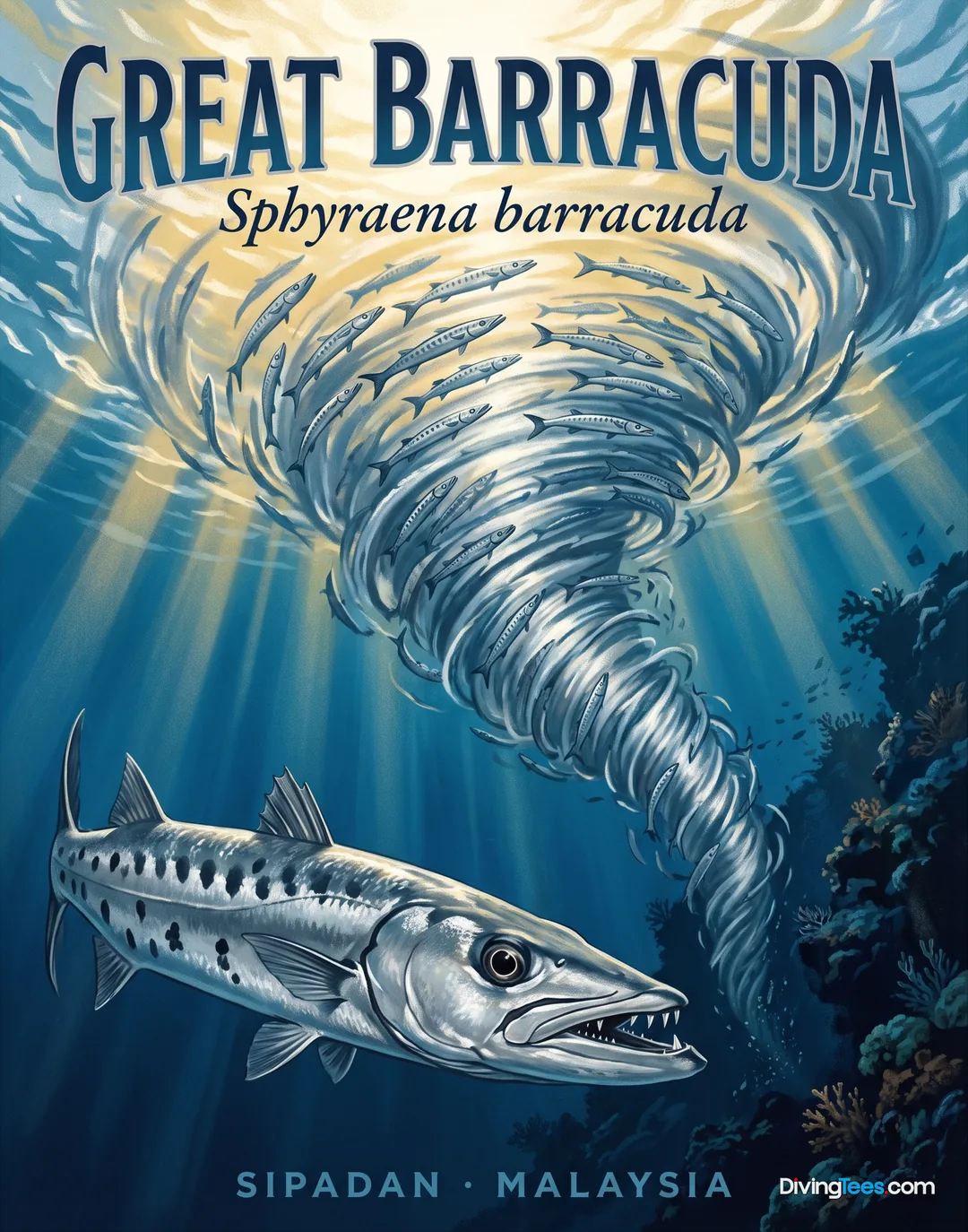
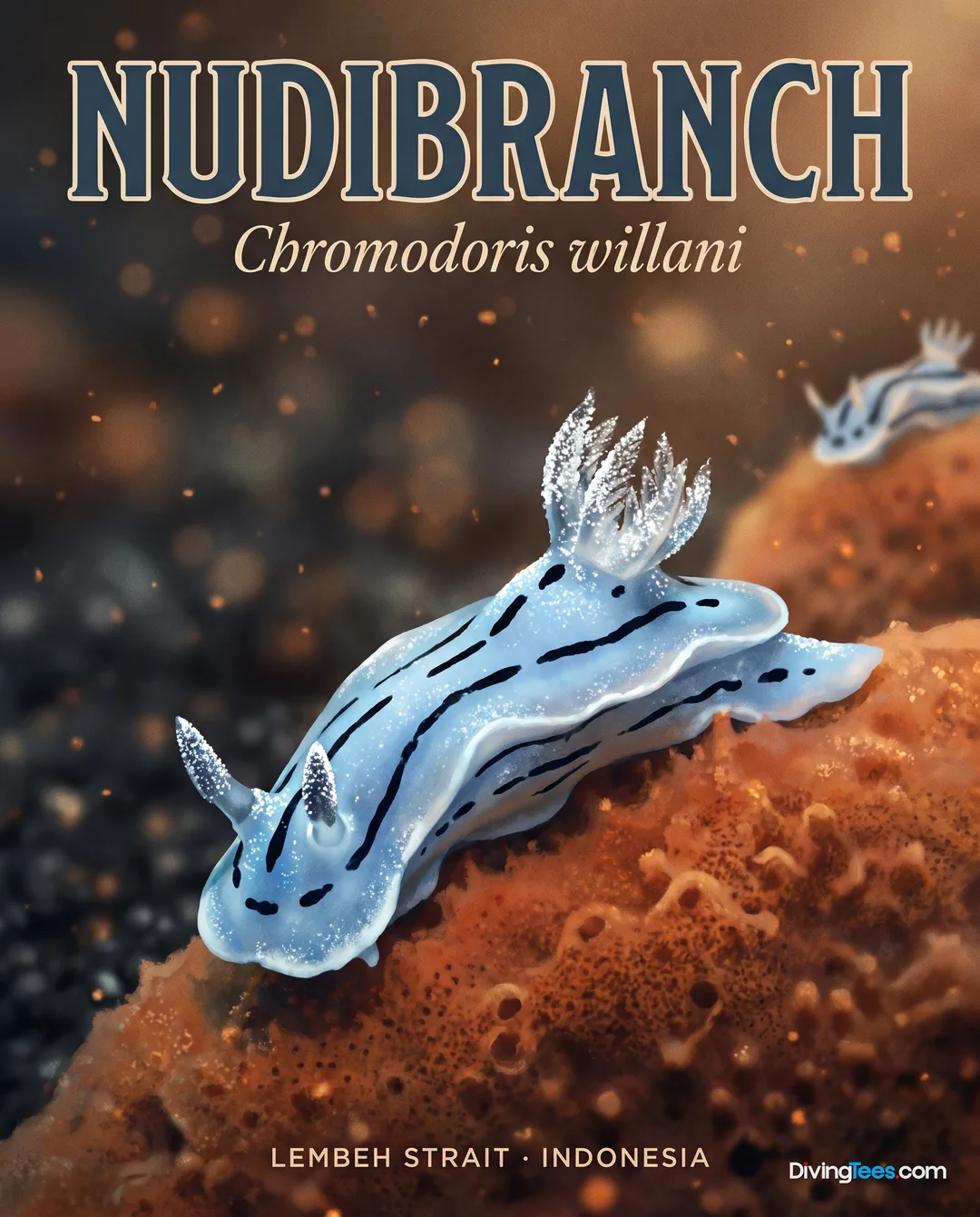
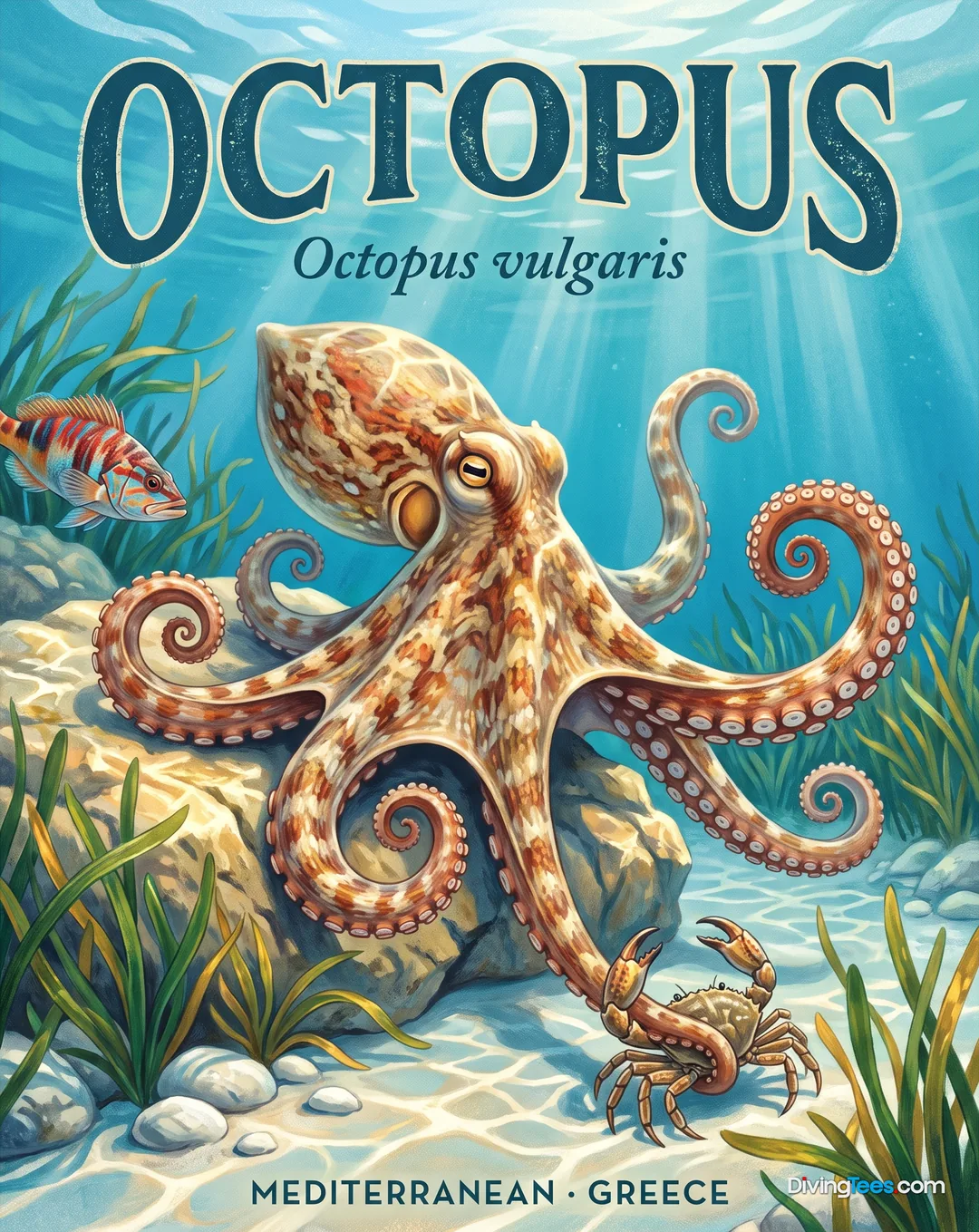
Milne Bay rewards both the diver watching the blue and the one examining a gorgonian for movement. Wahoo Point and Barracuda Point can bring manta rays, hammerhead sharks, great barracuda and large fish schools, while Twin Tower is known for grey reef sharks and barracuda, with devil rays and hammerheads possible in open water. On the smaller scale, Michelle’s Reef and Lawadi Beach offer mimic octopus, pegasus fish and nudibranchs. Sponge Heaven is particularly suited to night diving, when its sponges and Spanish Dancer nudibranchs take on a different character. Rhinopias, Leaf Scorpion Fish, Hairy Ghost Pipefish and a Bargibanti pygmy seahorse add further macro interest. Whale sharks are among the region’s possible pelagic encounters, but should be treated as wildlife sightings rather than a scheduled feature.
The measured seasonal window favours November to April, when the sea is at its calmest; rainfall is generally lower from November to March. That matters in Milne Bay because boat travel links the reefs, bays and islands, and calmer conditions make a mixed itinerary more practical. January to March is a useful period for the broadest overall conditions, while the calmer November-to-April window leaves room for both reef and sheltered-site diving. Some individual wall-site descriptions point to June through August for strong visibility, so that period is not automatically unsuitable. It is better viewed as a site-dependent alternative than as the simplest all-round choice.
Milne Bay can suit beginners on sheltered sites such as Coral Garden, where the depth is modest and currents are generally weak. It also offers demanding walls, drifts and blue-water dives, so experience matters more than a single label. Advanced Open Water experience is useful for Cherie’s Reef and other current-affected sites, while deeper walls require the appropriate certification and discipline. BSAC, PADI and SSI divers should check the planned profile rather than assume the whole destination has one standard. Nitrox is particularly useful on a multi-day boat schedule with repeated dives.
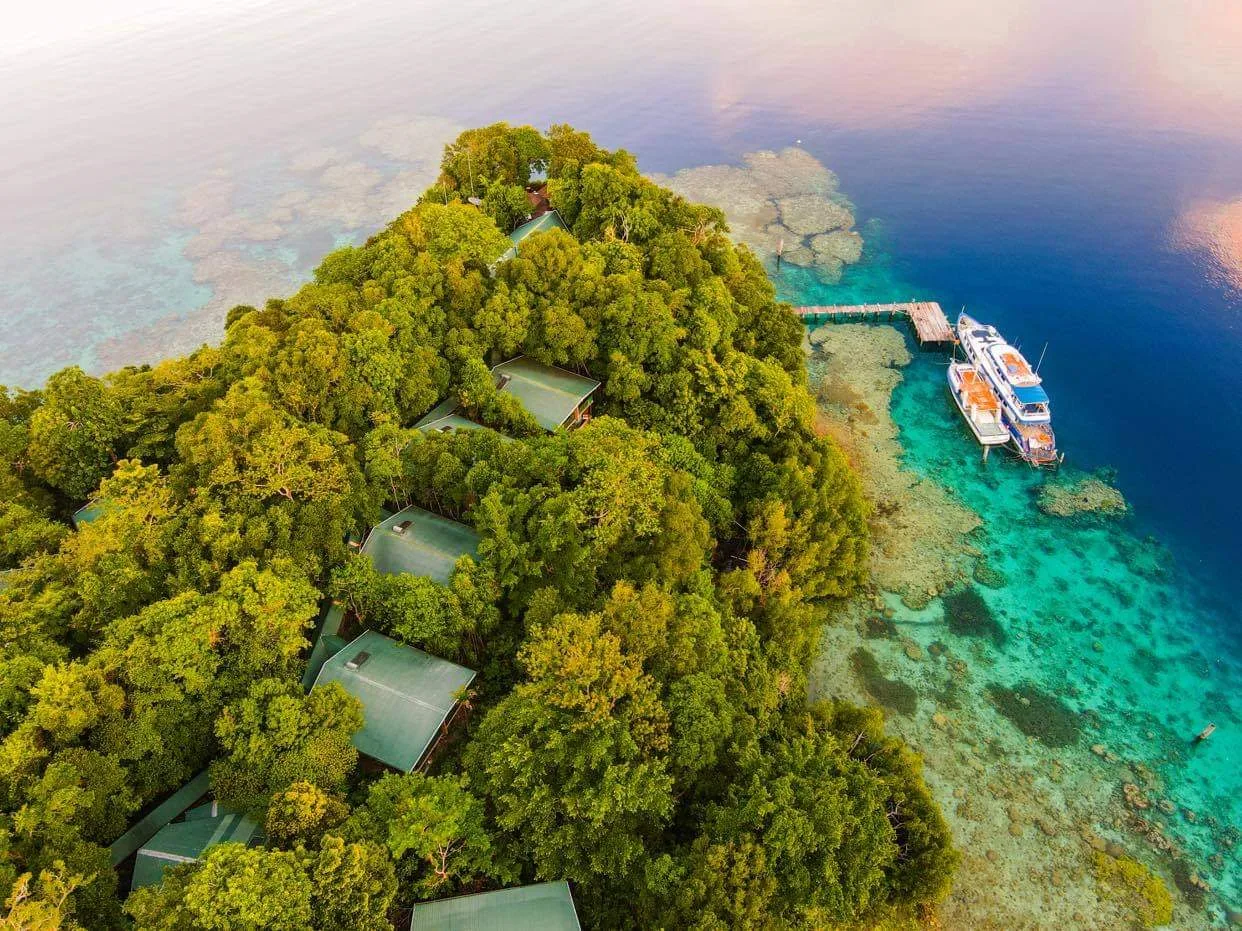
From London Heathrow, Gatwick or Manchester, the journey is built around Papua New Guinea’s domestic connections rather than a direct European routing. The practical gateway for Milne Bay is Alotau, reached by domestic flight within Papua New Guinea; the exact international and domestic combination needs to be assembled as one connected itinerary. Once in the area, diving is primarily water-based. Divers continue by boat from Alotau to the dive area, or transfer to an island-based operation or liveaboard. Roads and walking are not the organising principle for the diving, so bags and equipment need to work on boats as well as aircraft. Allowing time around connections is sensible, since a missed domestic link can affect the boat movement that follows.
Milne Bay works best when the itinerary deliberately mixes outer reefs with sheltered bays. A schedule built around walls alone misses the mimic octopus, frogfish and nudibranch hunting that gives Lawadi Beach and Michelle’s Reef their character; a schedule built only around macro misses the pelagics and open-water scenery. Do not arrive expecting shore diving from Alotau: the worthwhile movement is by boat, and compact packing makes transfers less tiresome. Carry a surface marker buoy and be ready to deploy it, especially where the site notes require one, and regard current as a planning issue rather than a minor inconvenience. A Nitrox qualification earns its keep when several dives are planned over consecutive days. For companions, Alotau, coastal sightseeing, island visits and low-key village or cultural excursions provide the realistic alternatives; this is not a resort strip with a full day’s non-diving programme. Keep a surface interval or rest day before the return flight rather than filling every available day with boat transfers and dives.
A seven- to ten-day stay gives the boat logistics room to make sense and allows more than one type of Milne Bay diving. The simplest structure is a liveaboard route through outer reefs and sheltered sites, or an island-based stay with boat transfers from an Alotau connection. Non-divers are better based around Alotau and coastal excursions than in a purely dive-focused schedule. The destination is quieter and more dispersed than a conventional resort hub, so days are shaped by boats, tides and surface intervals rather than nightlife.
Hello, I'm Marina, DivingDeal.com's AI assistant. I guide you through destinations, areas and countries.
Thinking about the whole trip and the flights? Talk it over with Edith →
Marina is an AI. Some links are affiliate links: DivingDeal may earn a commission, at no extra cost to you. Bookings are made with the partner.
Choose Milne Bay from November to April for generally calmer seas and easier boat travel, with rainfall generally lower from November to March. January to March offers useful overall conditions. June through August can suit some wall sites with strong visibility, but conditions vary across the archipelago and by site.
You can begin at sheltered sites such as Coral Garden, where depths are modest and currents are generally weak. Milne Bay also includes demanding walls, drifts and blue-water dives. Appropriate certification and discipline matter for deeper profiles, while Advanced Open Water experience is useful at current-affected sites such as Cherie’s Reef.
You may encounter manta rays, hammerheads, grey reef sharks, great barracuda and schooling fish around outer reefs. Sheltered sites bring mimic octopus, pegasus fish, nudibranchs, rhinopias and ghost pipefish. Gorgonians may hide a Bargibanti pygmy seahorse, while night diving at Sponge Heaven reveals sponges and Spanish Dancer nudibranchs.
Plan a boat-based itinerary from an Alotau connection, an island operation or a liveaboard, mixing exposed outer reefs with sheltered bays. Allow time around domestic connections, pack for boats and aircraft, and carry a surface marker buoy. A seven- to ten-day stay allows varied diving, while a rest period before flying is sensible.