
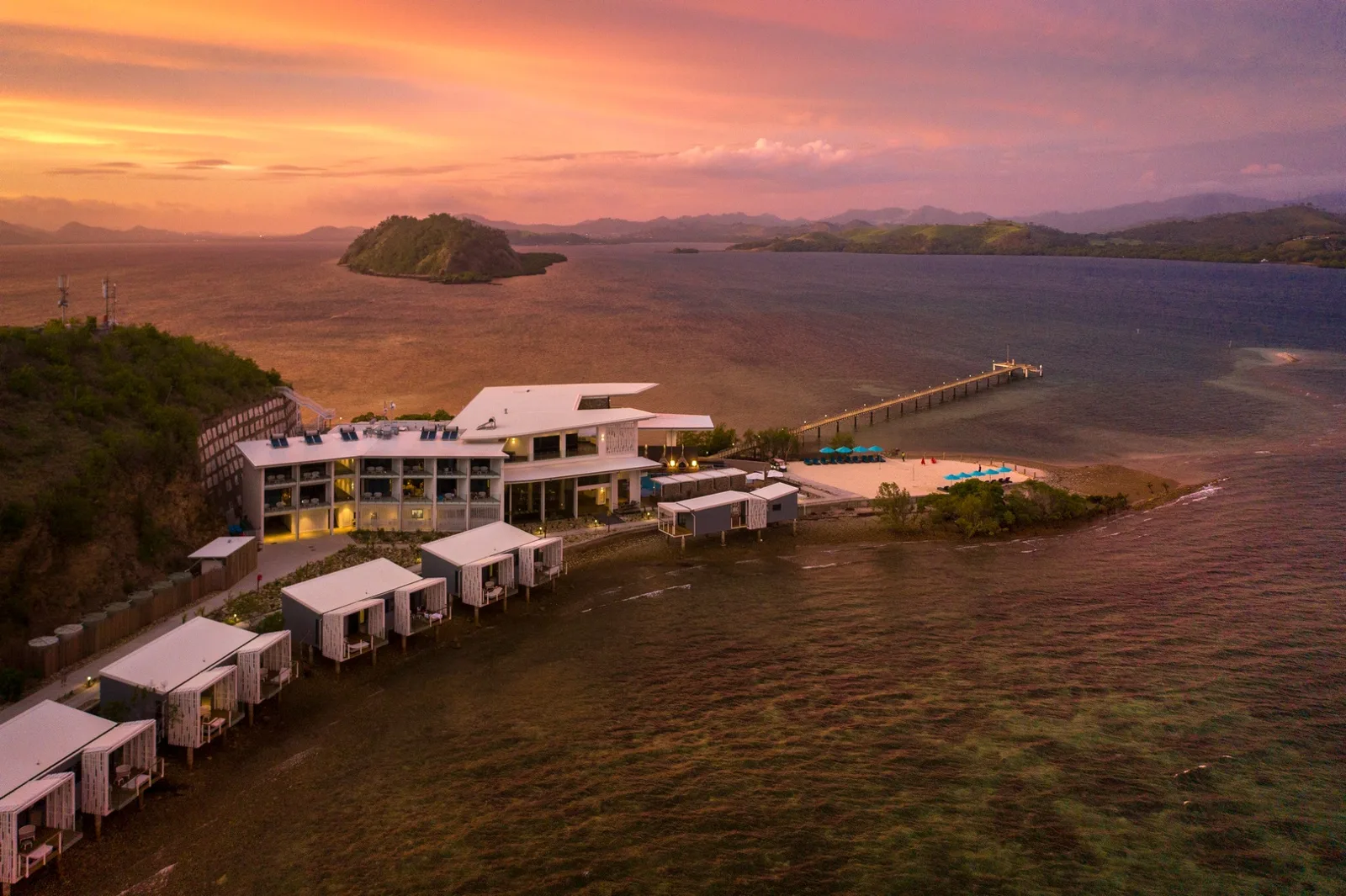

Loloata Dive Resort
Google 4.4/5 (523 reviews)
Papua New Guinea · Pacific
WWII wrecks, coral pinnacles, pygmy seahorses and current-fed passages make Port Moresby a mainland base for varied day-boat diving.
For subtitles in English: start the video firstthen click the gearat the top right of the video, select “Subtitles/CC”, then “Auto-translate” and choose “English”.
Nadine’s Passage begins at five metres before falling down a wall to fifty, with gorgonians, soft corals and pink sea whips covering the drop. That gives Port Moresby a clear identity: a mainland Papua New Guinea base where day boats reach reefs, passages, walls and wrecks, rather than a remote-island liveaboard circuit. A-20 Havoc adds an intact wartime bomber in recreational depth, while Lion Island brings shallow seagrass, sand flats and muck-style searching. It is a practical choice for divers who want the capital, local coast and offshore water in one trip.
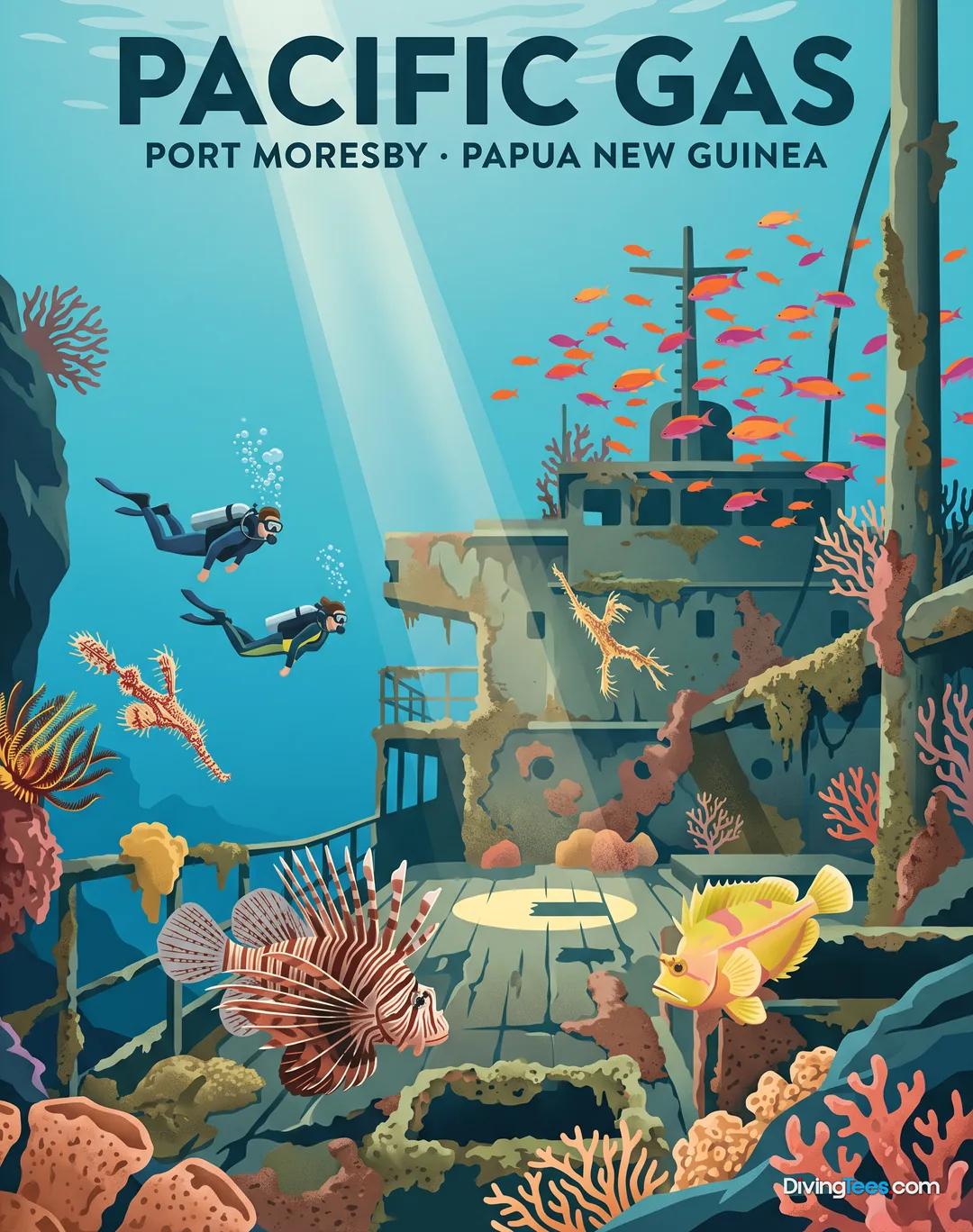
The diving changes noticeably from sheltered, shallow macro sites to exposed walls and current-fed channels. Loloata Island Jetty stays between the surface and ten metres, while Quayles Reef offers close inspection of small life in roughly shallow recreational water. At the other end, Nadine’s Passage reaches fifty metres, Pacific Gas extends to forty-five, and MV Pal 2 reaches thirty-five, so deeper profiles need proper planning. Sandy Passage is a moderate drift dive, with water carrying divers through a nutrient-rich channel; sharks, eagle rays and possibly mantas are drawn to it. The End Bommie can be calm at slack water but very strong on an outgoing spring tide, particularly around the full and new moon. Visibility is site-dependent: Lion Island is typically fifteen to twenty metres, while Quayles Reef is given as ten to twenty-five. Boat diving and tide planning matter more than a fixed daily pattern.
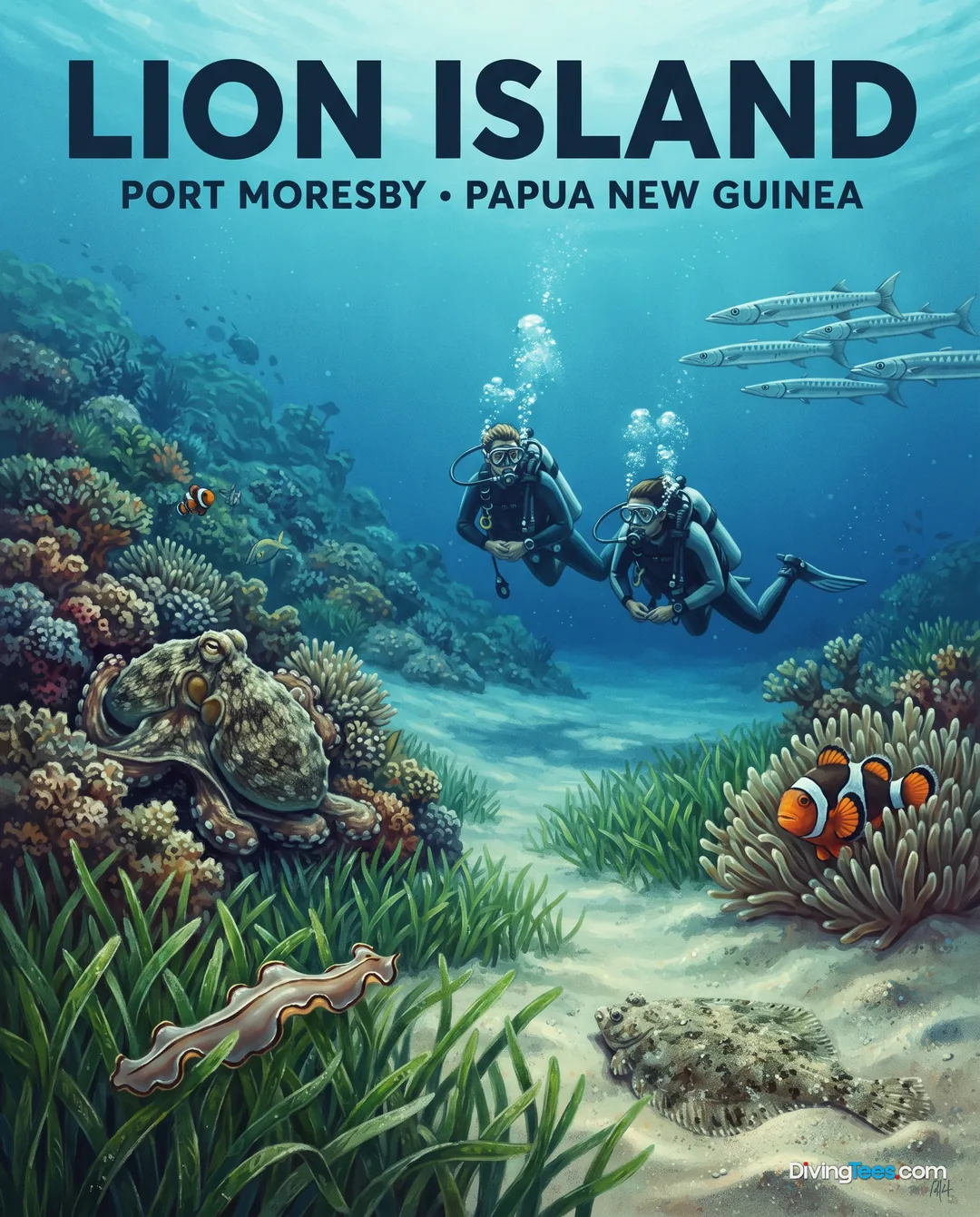
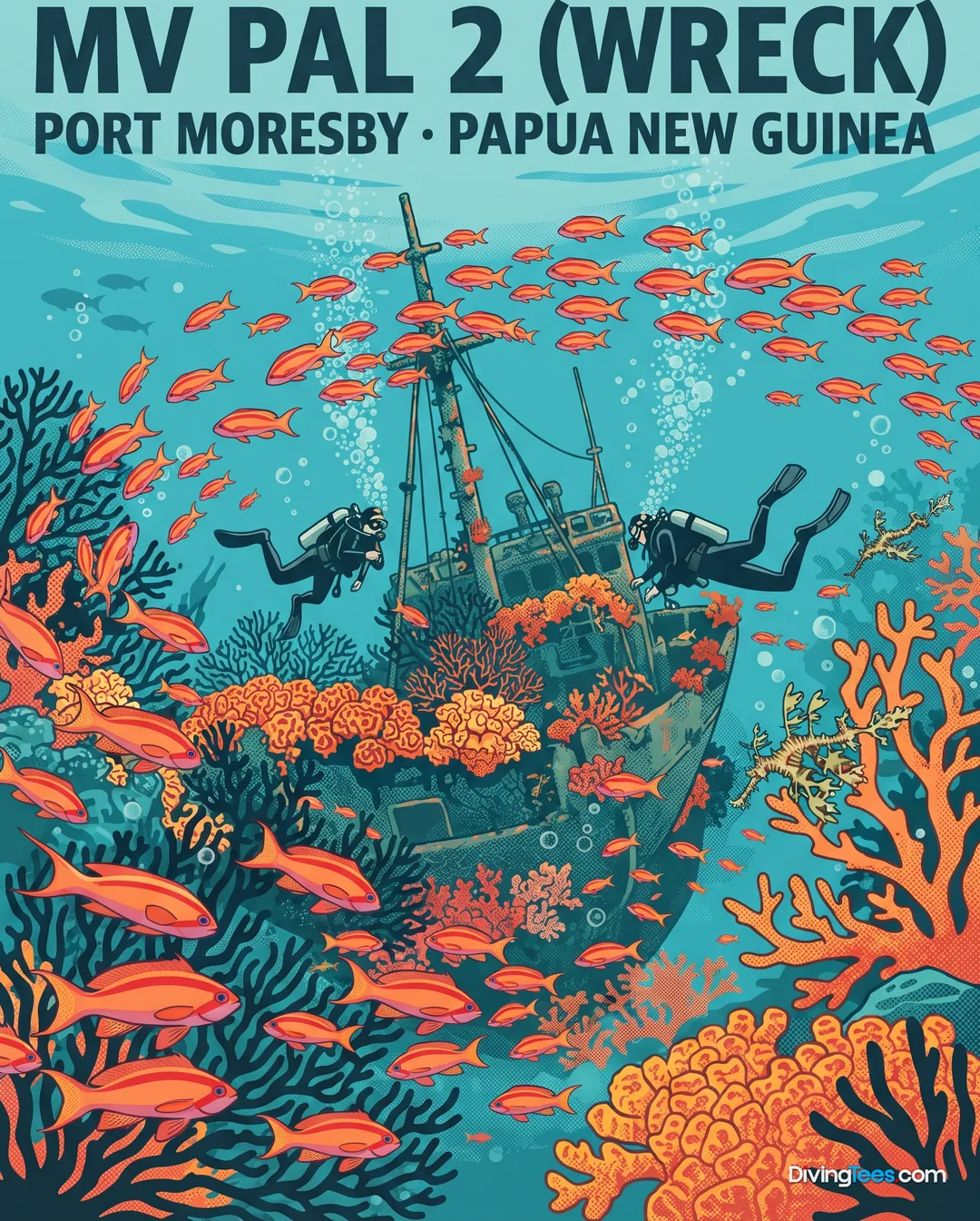
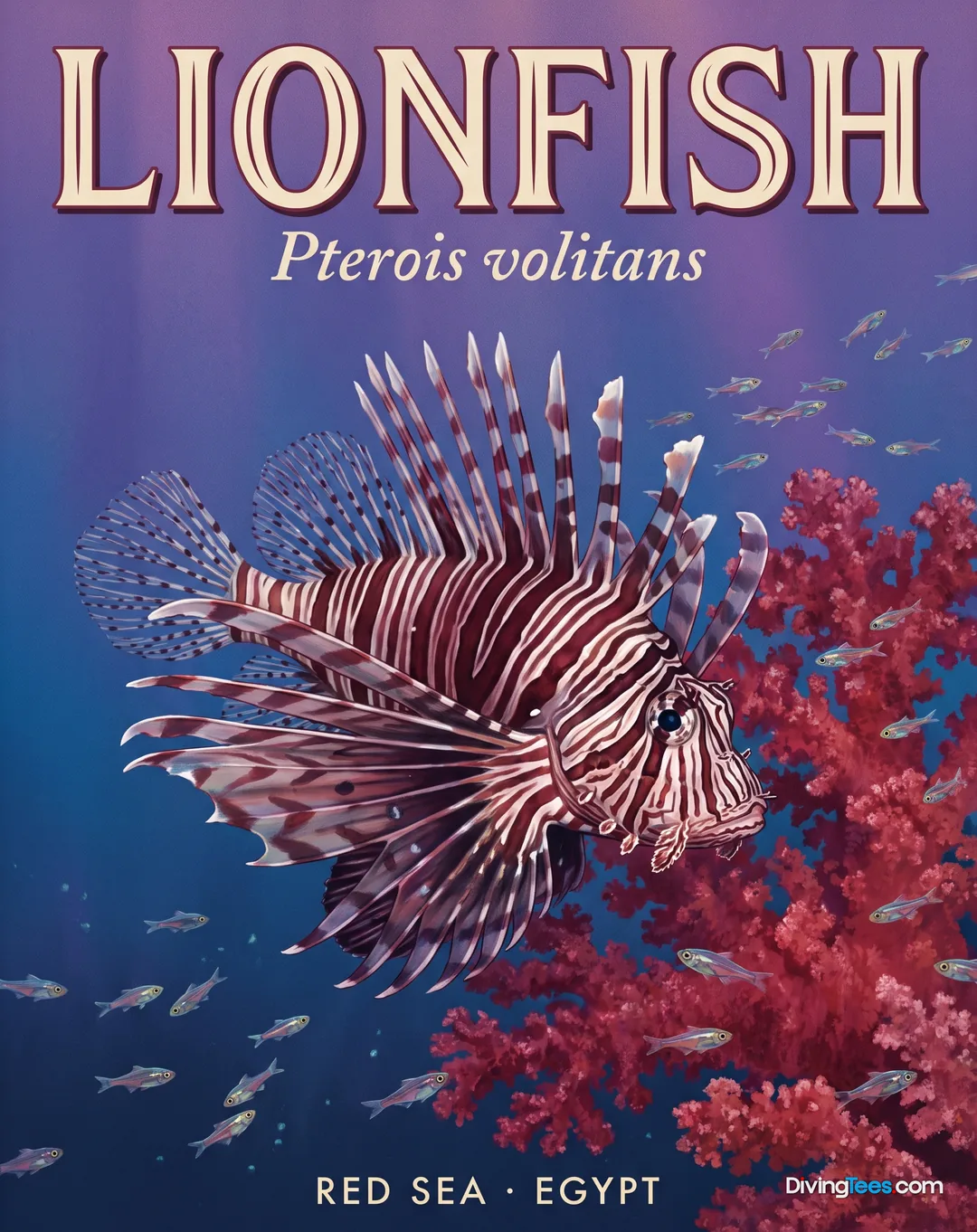
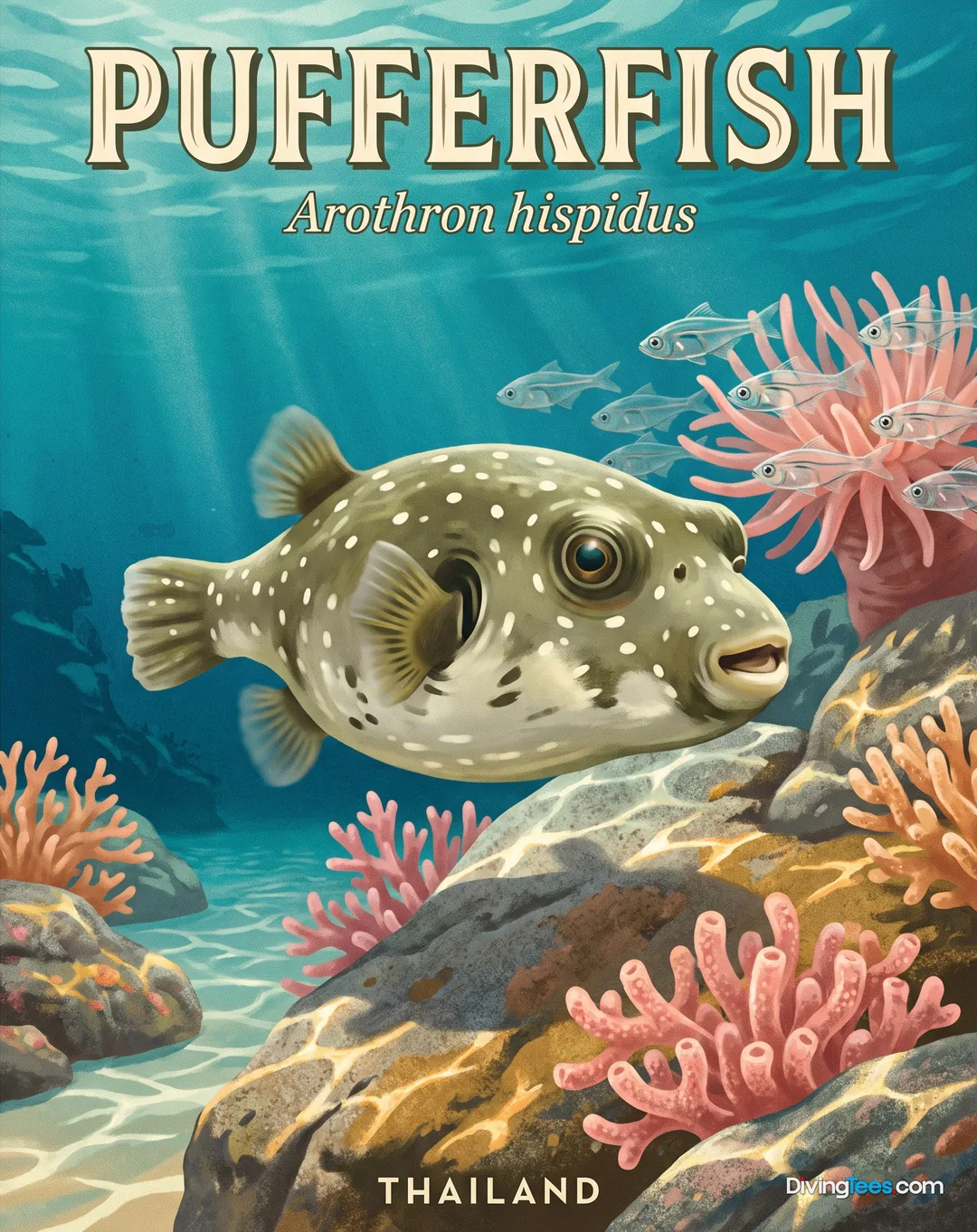
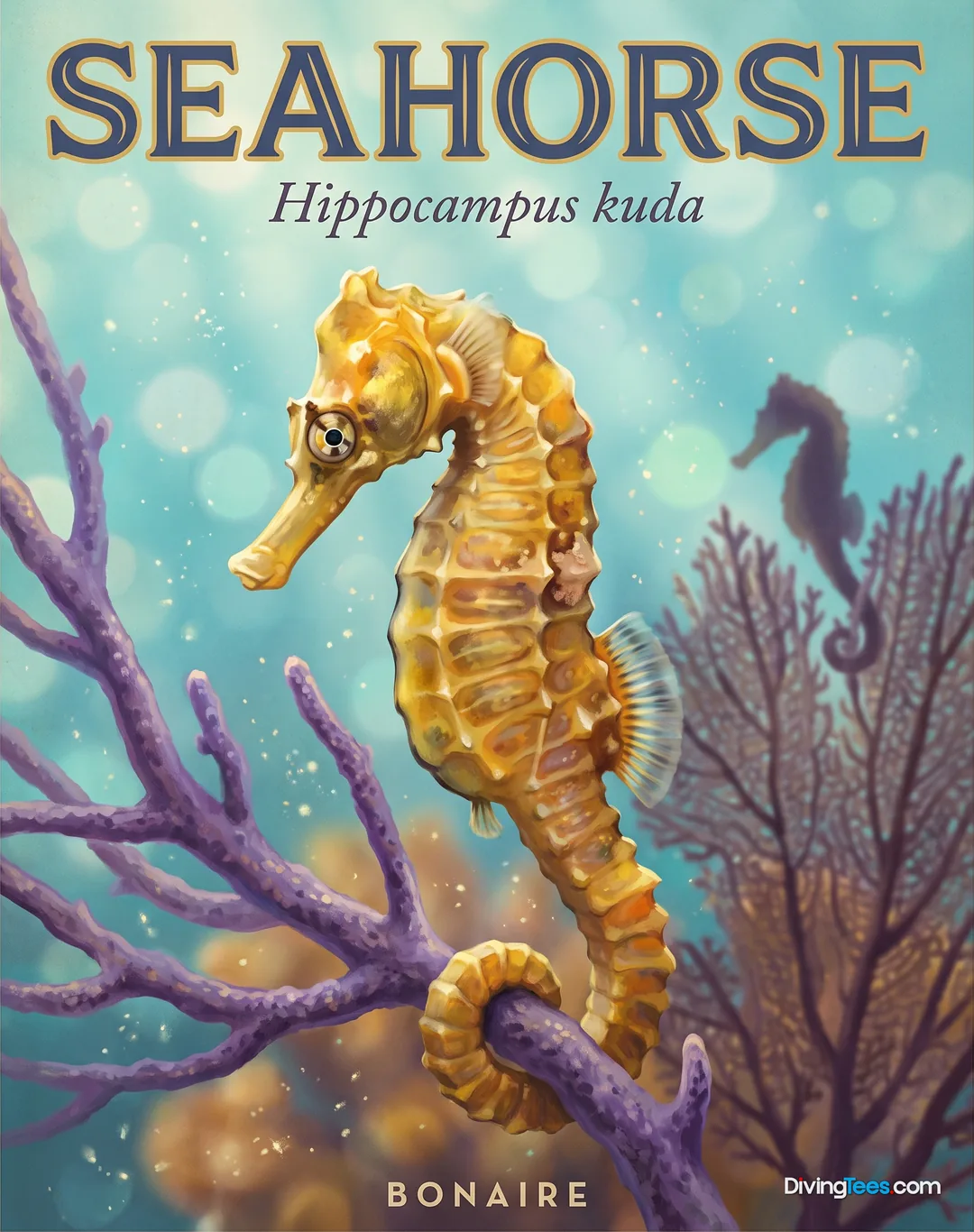
Port Moresby rewards both the diver who scans a wall and the one who studies a patch of coral. Pygmy seahorses hide among the gorgonians and sea whips at Nadine’s Passage and The End Bommie. The Pinnacles combines resident reef fish, sea snakes and pelagic fish with coral scenery. Sandy Passage brings the possibility of sharks, eagle rays and mantas, while Lion Island’s sand, seagrass and wrecks suit patient muck searching. Macro subjects include ghost pipefish, harlequin ghost pipefish, leaf scorpionfish and pufferfish; wider reefs hold angelfish, butterflyfish, anthias, snapper and sweetlips. MV Pal 2 is particularly associated with red lined anthias, black corals, soft corals and Tubastraea coral. The available site descriptions do not attach a narrow species calendar, so seasonal planning is better based on sea conditions than on one promised animal.
The measured seasonal pattern places the calmest sea from November to April, but that broad window needs some care. Late October to early December is repeatedly identified for calmer conditions and better visibility, including at The Pinnacles, A-20 Havoc and Sandy Passage. From late December into early April, the wet season can reduce visibility, even though the sea may remain relatively calm. June to September brings the lightest rainfall, but there is no equally firm case for making those months the primary diving season. For a first visit, late October through early December is the sensible compromise: boat access is more favourable, and the water is less likely to undermine the offshore plan.
The area can suit all levels, provided the site and tide are matched to experience. Loloata Island Jetty and Lion Island offer shallow profiles, while A-20 Havoc remains within recreational wreck depth for an Open Water diver comfortable with wreck procedures. Advanced certification or equivalent experience is useful for Pacific Gas below recreational limits, MV Pal 2 and the deeper walls. Suzies Bommie and The End Bommie also reward divers who are confident in current. PADI, SSI and BSAC divers should bring evidence of the experience relevant to the planned depth and conditions.
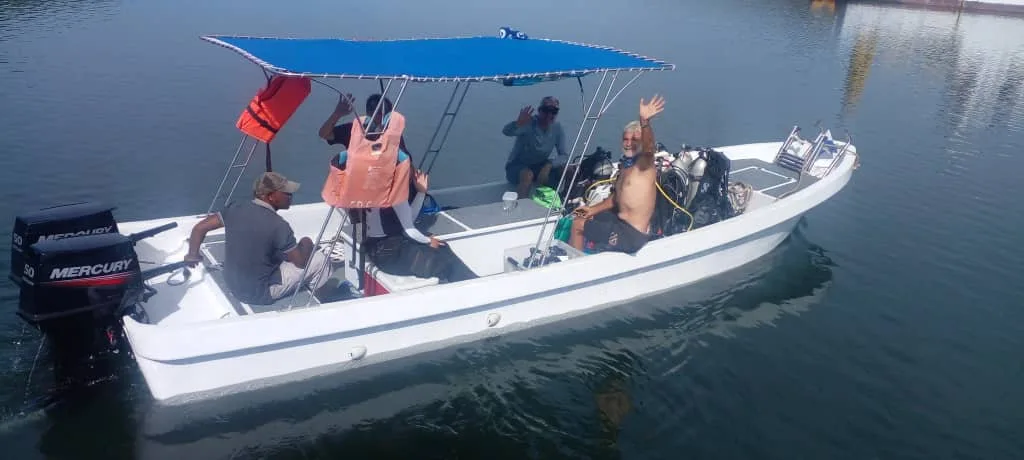
From London Heathrow, London Gatwick or Manchester, reaching Port Moresby normally means an international journey of roughly twenty-four to thirty-two hours door to door, with a connection through a major Asian or Gulf hub. There is no non-stop flight from Western Europe, so the itinerary needs enough margin for more than one moving part. Once in Port Moresby, this is not a ferry-only destination: road transfers lead to local coastal departure points, and boats continue to offshore reefs and walls. The city is therefore the useful base, rather than an island reached by a compulsory ferry. Allow time for road transfers, boat loading and changes to departure schedules; local diving is organised around where the boat leaves, not around a single walk-in shore site.
Treat the trip as a coastal logistics exercise. Before committing to particular dives, confirm that the planned boats are actually running to the exposed or offshore sites; Port Moresby is not a single-resort island where every site sits outside the jetty. Put the most exposed ambitions into the first two diving days, leaving room later if weather or transport shifts the programme. Tide timing matters: A-20 Havoc is best approached around morning or high tide, Sandy Passage is a drift dive, and The End Bommie can change from manageable at slack water to extremely demanding mid-tide, especially on spring tides. Bring a personal exposure suit and small spares, since the local retail network is not presented as extensive. Keep a city day or buffer day available rather than filling every hour. The common mistake is expecting a liveaboard itinerary or one headline reef; the worthwhile approach is to use several coastal options without assuming every boat connection will run to plan.
Five to seven days gives a mainland-based trip enough breathing space for weather, road transfers and boat changes. Use Port Moresby as the base for day boats, placing offshore walls, passages and deeper wrecks early in the stay when possible. Follow those with shallower macro or wreck dives such as Lion Island, Quayles Reef or Loloata Island Jetty. A city base also works for a non-diving companion, with coastal viewpoints and local sightseeing providing alternatives between dive days.
Hello, I'm Marina, DivingDeal.com's AI assistant. I guide you through destinations, areas and countries.
Thinking about the whole trip and the flights? Talk it over with Edith →
Marina is an AI. Some links are affiliate links: DivingDeal may earn a commission, at no extra cost to you. Bookings are made with the partner.
Your last day stays dry: no diving in the 18-24 hours before a flight, the perfect window to see the destination from another angle.
Ratings and reviews collected by Viator and Tripadvisor.
For a first visit, late October through early December offers a practical compromise: sea conditions are generally calmer and visibility is more likely to support offshore boat plans. Late December into early April can bring wet-season visibility reduction, while June through September has lighter rainfall without the same firm case for primary diving conditions.
Port Moresby can suit different experience levels when you match the site and tide to your abilities. Loloata Island Jetty and Lion Island offer shallow profiles, while A-20 Havoc suits an Open Water diver comfortable with wreck procedures. Advanced certification or equivalent experience is useful for deeper wrecks, walls and current-affected sites.
Port Moresby offers WWII wrecks, coral walls, pinnacles, passages and muck sites. You may find pygmy seahorses among gorgonians and sea whips, plus ghost pipefish, leaf scorpionfish and pufferfish. Sandy Passage can bring sharks, eagle rays and mantas, while reefs hold sea snakes, pelagic fish, anthias, snapper and sweetlips.
Use Port Moresby as a mainland base for day boats, allowing time for road transfers, loading and schedule changes. Put exposed walls, passages and deeper wrecks early, then keep shallower macro or wreck sites for later. Confirm boats are running, plan around tides, bring personal spares and leave a buffer day.