Tufi Resort
★★★★
Google 4.6/5 (75 reviews)
less than 1 km away as the crow flies
Dive centre · Tufi · Papua New Guinea
4.675 Google reviewsExplore the WWII wrecks of the Tufi fjords aboard the Prowler catamaran.
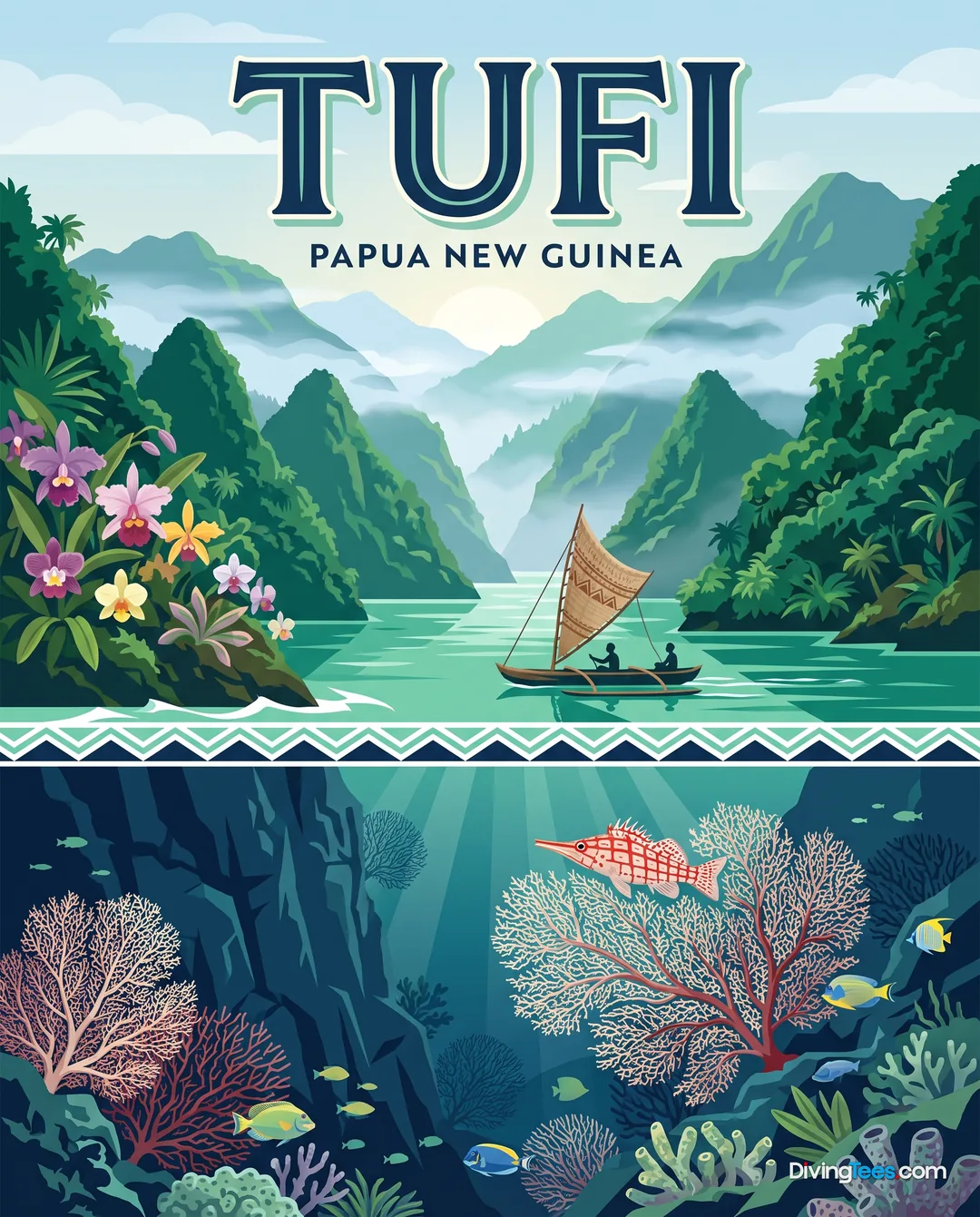
Tufi Dive is situated within a dramatic fjord landscape in the Oro Province of Papua New Guinea. For over three decades, the centre has been a primary destination for divers seeking a specific combination of environments: the intimate, detail-rich muck diving found in the fjords and the heavy history of Second World War wrecks.
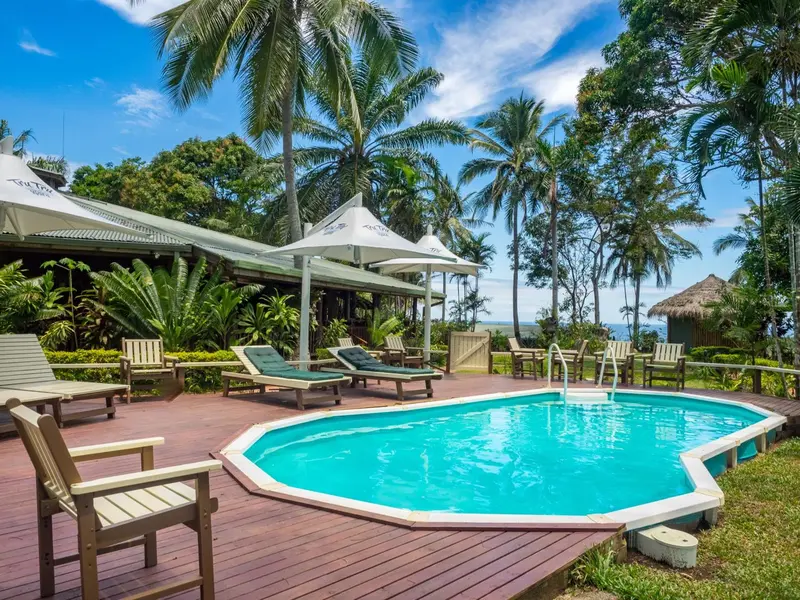
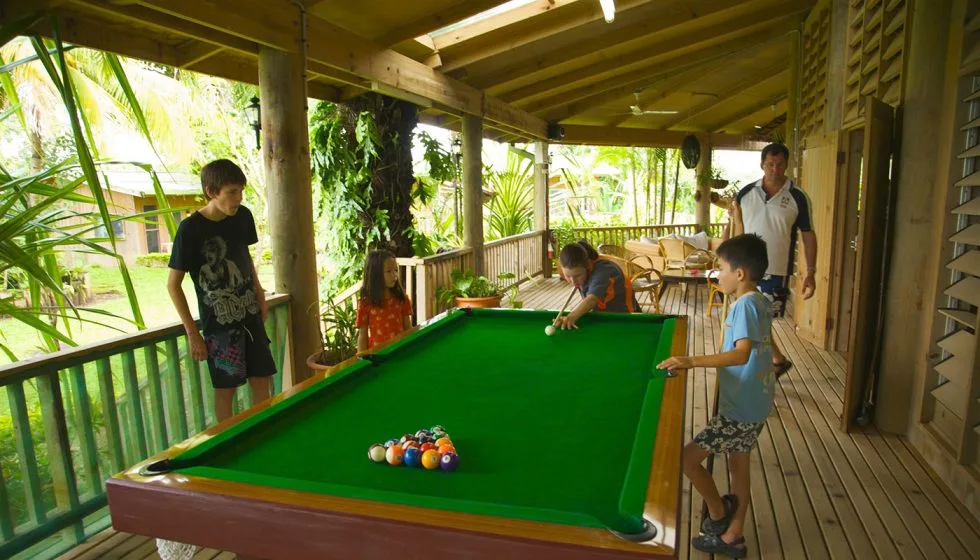
The resort itself is a boutique establishment overlooking the sea and mountains, offering a range of accommodation from deluxe bungalows to local guest house stays. This setting provides a quiet base for divers looking to explore the complex underwater topography of the region, from shallow reef flats to deep offshore walls.
The centre is a PADI affiliated operation, providing structured training and guided excursions for a variety of experience levels. All instruction and dive operations are conducted in English.
With 30 years of experience in the area, the team is well-versed in the local conditions and the specific requirements of diving in the fjords. The resort operates on a cashless basis for local activities and purchases, ensuring a streamlined experience for guests during their stay.
The centre offers a full range of PADI courses to suit different stages of a diver's development. Beginners can start with Discover Scuba Diving or work towards their Open Water Diver certification.
For those looking to progress, the centre provides Advanced Open Water and Rescue Diver training. These courses allow you to build the skills necessary for more challenging environments like the deeper wrecks and offshore reefs found in the region.
The fleet includes the Prowler, a large catamaran capable of carrying up to 20 divers, which is ideal for larger groups or extended trips. For smaller groups or specific excursions, the centre also operates the Crystal, a 30-foot boat, alongside four other versatile small vessels.
Onboard the larger vessels, you will find a spacious rear deck, air-conditioned cabins, toilets, and showers. The boats are equipped with first aid kits and oxygen for safety, and are used for everything from local reef dives to night dives.
House Reef (Tufi Wharf) is a shallow site located right by the jetty, reaching depths of only 10 metres. It is a premier location for macro photography, with visibility often exceeding 30 metres among the WWII debris.
For those seeking history, the Wrecks (PT Boats & Landrover) site offers dives on PT67, PT119, and a small Australian cargo vessel at depths down to 45 metres. This is an advanced site suited for experienced divers.
The B17 Bomber Black Jack is a significant wreck situated on a white sand bottom at 45 metres. This dive requires mandatory decompression stops and offers the chance to see pelagic species and batfish.
Mulloway Reef is a challenging site for advanced divers where the reef drops beyond 200 metres. The strong currents here bring abundant plankton, attracting rays, reef sharks, and hammerhead sharks.
And some of the dive sites the centre runs.
The macro life at the House Reef and throughout the fjords is exceptional. You can find a variety of nudibranchs, gobies, ghost pipefish, and the mandarin fish, alongside various species of pipefish.
In the deeper waters and outer reefs, the scale of marine life increases significantly. You will encounter barracuda, parrotfish, clownfish, and various reef fish, as well as turtles and blue ribbon eels.
Pelagic encounters are a highlight of the offshore reefs and the Mulloway Reef area. Divers can expect to see sharks, including white tip reef sharks, black tip reef sharks, and hammerhead sharks, as well as ocean sunfish and various other pelagic species. During the months of September to January, mackerel are also present in the area.
The diving environment varies significantly depending on your location. The outer reefs and Mulloway Reef are subject to strong currents, which are responsible for the high concentration of plankton in those areas.
During the months of July, August, and September, the area can become windy, making the fjords a more sheltered and preferable option for diving. Water temperatures typically range between 26°C and 29°C.
Hello, I'm Marina, DivingDeal.com's AI assistant. I answer in detail about hotels, dive centres and liveaboards.
Thinking about the whole trip and the flights? Talk it over with Edith →
Marina is an AI. Some links are affiliate links: DivingDeal may earn a commission, at no extra cost to you. Bookings are made with the partner.
 Compare dive centres