




Uepi Island Resort
Google 4.8/5 (35 reviews)
Solomon Islands · Pacific
Walls, fusilier schools and giant trevallies meet a 30-metre house reef, with turtles, rays and occasional dugongs close to Uepi’s jetty.
For subtitles in English: start the video firstthen click the gearat the top right of the video, select “Subtitles/CC”, then “Auto-translate” and choose “English”.
Uepi puts the first dive within easy reach: Uepi House Reef begins at the resort jetty, with shallow water for relaxed exploration and deeper sections reaching 30 metres. It is a useful base for divers who prefer not to spend every dive boarding a boat. The character changes at Uepi Point, where a wall, moving water and hunting giant trevallies provide a more energetic outing. Turtles, rays and occasional dugongs add interest close to shore.
The diving shifts between a shore-accessible reef and a wall exposed to tidal movement. Uepi House Reef has shallow sections suitable for newer divers and snorkellers, while its deeper ground reaches 30 metres. Current is generally light to moderate but can strengthen near deeper points and channel edges as lagoon and ocean water exchange. At Uepi Point, the wall starts at about five metres and drops to 30 metres; the current may be gentle or energetic, so the tide and its direction matter when planning the profile. Visibility is typically 15 to 30 metres on the house reef and around 20 to 30-plus metres at Uepi Point. Divers should expect guided profiles rather than simply dropping in whenever convenient, particularly at the point.
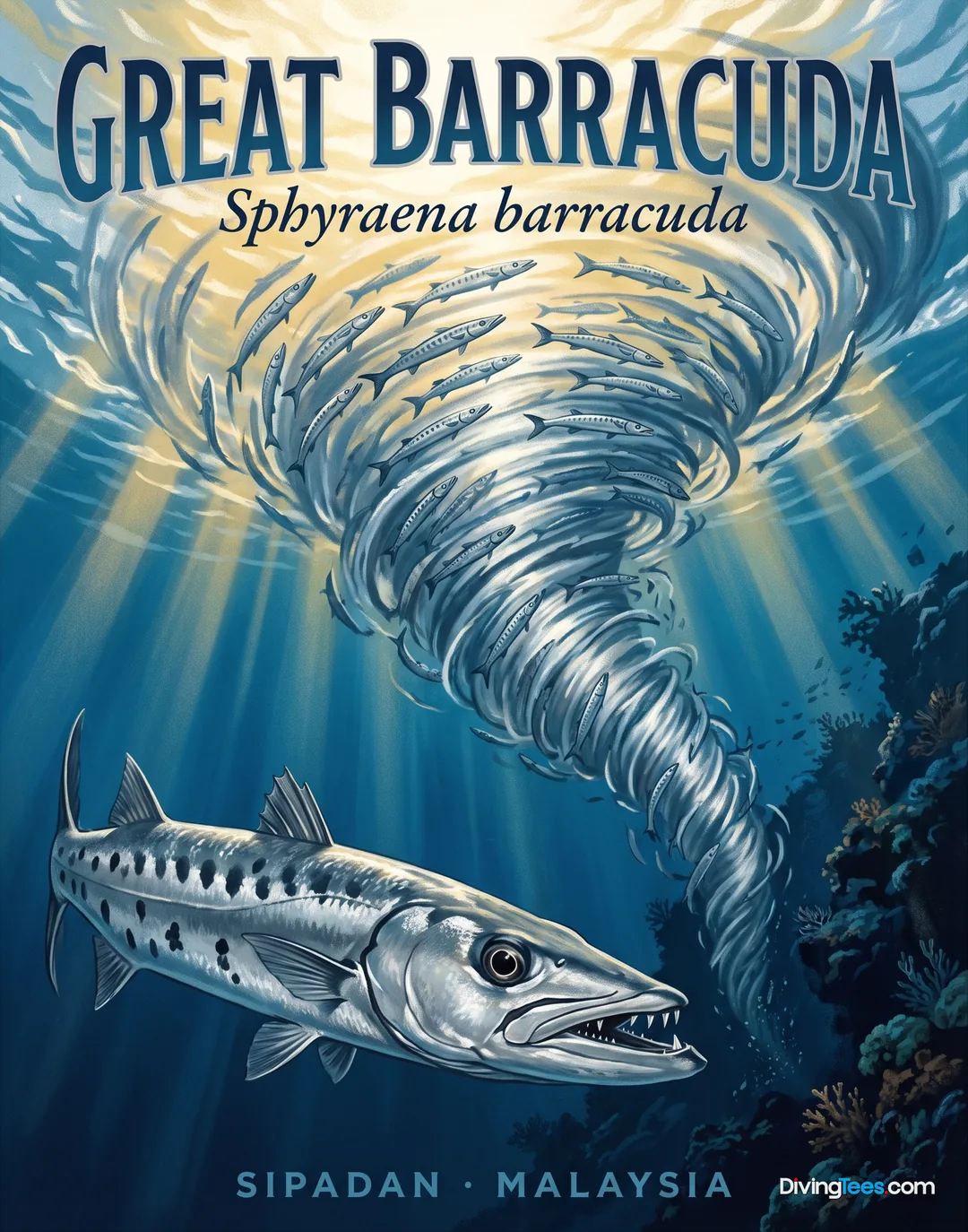
Uepi’s attraction is the movement of marine life through the reef rather than a promise of one particular encounter. Uepi Point brings fusiliers into the foreground, with giant trevallies driving through the shoals and bigeye trevallies adding further action. Grey reef sharks, eagle rays, great barracuda, parrotfish and turtles are among the animals recorded in the area. Uepi House Reef is also a sensible place to look for rays and turtles in calmer conditions, with occasional dugongs reported there. No separate wildlife calendar is established for these species, so the useful seasonal guide is the measured sea state: October to January offers the calmest conditions for watching the reef without fighting unnecessary movement.
October to January is the clearest choice because the sea is measured to be at its calmest during this period. That matters at Uepi Point, where tidal flow can turn a manageable wall dive into a more energetic one, and it also makes the shallow sections of Uepi House Reef easier to enjoy. Visibility commonly sits between 15 and 30 metres, reaching 20 to 30-plus metres at the point. Outside the calmer window, diving may still be worthwhile, but tide planning becomes more important than simply following a fixed daily schedule.
Uepi House Reef suits all levels, including divers still building confidence, because it offers shallow water, direct jetty access and deeper sections that can be introduced progressively. Uepi Point is also suitable across the experience range when properly guided, but variable tidal current means that comfort in moving water is more important than the name on the certification card. PADI, SSI and BSAC qualifications are appropriate foundations; experienced divers should still be prepared to follow a tide-led profile rather than dictate the route underwater.
From London Heathrow, Gatwick or Manchester, the journey to Uepi should be built around the confirmed onward itinerary rather than assumed direct access. Connection times, the final transfer and arrival arrangements should be checked together before dive dates are fixed. Once at the resort, Uepi House Reef is reached directly from the resort jetty, giving divers a practical first-water option without a separate reef transfer. Uepi Point is more dependent on tidal flow, so arrangements for that dive need to fit the day’s current direction. Keeping the arrival day flexible is sensible, particularly when a disrupted connection could leave too little time for a properly planned first dive.
Treat Uepi House Reef as more than a convenient check dive: its shallow sections are where newer divers can settle in, while the reef continues to 30 metres for those wanting a fuller profile. At Uepi Point, ask about the tide before entering and expect the current to change the shape of the dive; the strongest flow is more likely near the deeper points and channel edges. On a calm house-reef dive, allow time for the small details as well as the larger sightings, since turtles, rays and the occasional dugong are part of the appeal. If conditions at the point look energetic, do not force the planned profile simply because the site has been scheduled. Use the jetty access to keep the day adaptable, and remember that the best visibility does not remove the need to stay close to the guide when water movement increases.
A sensible stay alternates direct-entry dives on Uepi House Reef with tide-planned outings to Uepi Point. The house reef works well for a gentle first immersion, a slower wildlife search or a snorkelling session, while the point supplies the more active wall experience when current and visibility align. Allowing several days gives the schedule room to follow the better tidal conditions rather than treating every dive as interchangeable.
Hello, I'm Marina, DivingDeal.com's AI assistant. I guide you through destinations, areas and countries.
Thinking about the whole trip and the flights? Talk it over with Edith →
Marina is an AI. Some links are affiliate links: DivingDeal may earn a commission, at no extra cost to you. Bookings are made with the partner.
October to January offers Uepi’s calmest measured sea conditions, which can make the shallow house reef easier to enjoy and wall dives at Uepi Point less affected by movement. Visibility commonly ranges from 15 to 30 metres on the house reef and around 20 to 30-plus metres at the point.
Uepi House Reef suits all levels, with shallow water reached directly from the jetty and deeper sections descending to 30 metres. Uepi Point can also suit different experience levels with proper guidance, but tidal current may become energetic. Comfort in moving water matters, alongside an appropriate PADI, SSI or BSAC qualification.
Uepi offers fusilier schools, giant trevallies and bigeye trevallies around Uepi Point, along with grey reef sharks, eagle rays, great barracuda, parrotfish and turtles. Uepi House Reef provides opportunities to look for turtles and rays in calmer water, while occasional dugongs have been reported there.
Build your journey around the confirmed onward itinerary, final transfer and arrival arrangements before fixing dive dates. Keep arrival flexible, then alternate direct-entry house-reef dives with tide-planned trips to Uepi Point. Allow several days so the schedule can follow suitable tidal conditions, and use the jetty access to keep plans adaptable.