RAID
J-Bay Scuba
Google 5/5 (37 reviews)
South Africa · Africa
Rock walls, narrow cracks, pinnacles, nudibranchs and occasional ragged-tooth sharks define boat diving from Jeffreys Bay and nearby St Francis Bay.
For subtitles in English: start the video firstthen click the gearat the top right of the video, select “Subtitles/CC”, then “Auto-translate” and choose “English”.
Jeffreys Bay's rocky reefs are a good fit for divers who prefer natural structure to tropical reef scenery. Underwater, walls give way to cracks, pinnacles and sandy patches, with sponges, soft corals, nudibranchs and South African coastal fish close at hand. The setting remains distinctly coastal: a small surf town above water, boat diving below it, and a programme shaped by the weather rather than by a fixed daily timetable.
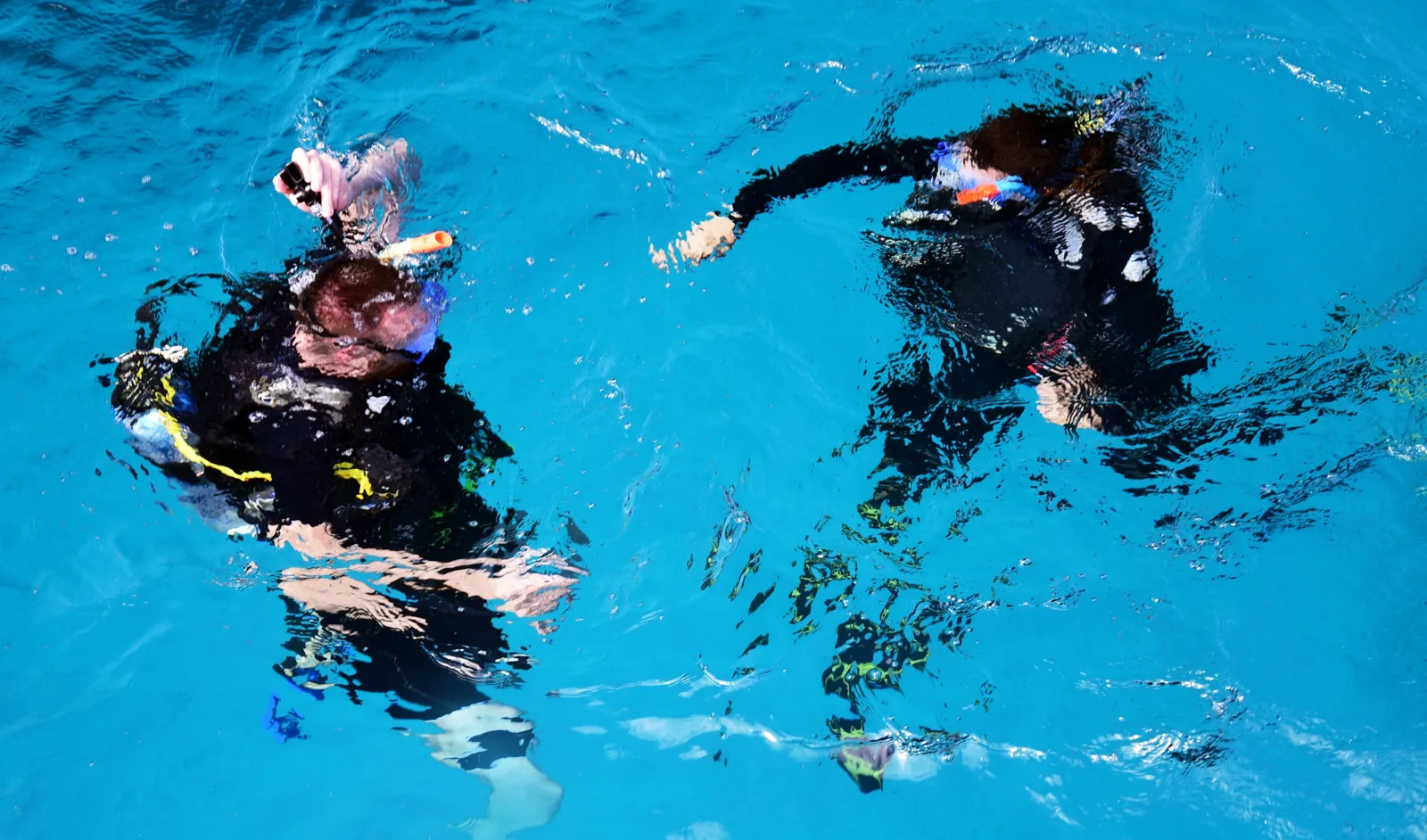
The local diving is mainly by boat, reaching rocky ground between roughly ten and 47 metres, with ordinary dives often around 17 metres. Expect walls, fissures, pinnacles and sandy areas rather than coral gardens. Currents are variable, and the combination of swell, thermoclines and changing visibility makes each descent feel more exposed than a sheltered tropical outing. Visibility commonly sits between five and 15 metres, but can fall towards the lower end after swell or near sand. Jeffreys Bay departures involve launching through the surf, so the outing starts before the descent and requires attention from the boat crew and divers alike. When conditions allow, Port St Francis offers a different launch point. These are not automatically drift dives, but current direction and strength can alter the plan, including the exit and the safety stop.
The attraction is the life attached to the rock, not a single guaranteed animal encounter. Look into cracks and across the walls for nudibranchs, sponges, soft corals, ascidians and other small invertebrates, then scan the open water for coastal fish. Ragged-tooth sharks occur in the wider area, but they are occasional visitors rather than a dependable feature of every dive. Winter can bring whales close to the coast or on a boat outing, while sardines are a rare possibility in June and July. Dolphins also feature in the wider coastal wildlife. A macro lens earns its place here, particularly when visibility is modest and the reef's smaller residents provide the most rewarding searching.
November to April is the most sensible period to plan around, because summer and autumn generally bring calmer conditions for launching and running the boats. That does not make every day diveable, but it improves the odds of finding a workable sea state. Winter brings more swell and passing frontal systems, with occasional clear windows between them. It is also the season with the better chance of seeing whales. June and July may coincide with sardines, although sightings are rare. Keep the schedule flexible in every season, since a good calendar date cannot override a rough bar or a fresh swell.
This suits an experienced diver who is comfortable with boat procedures, changing visibility, swell and a less protected coastal setting. The surf launch is a particular consideration for anyone used only to a calm marina or easy shore entry. BSAC, PADI and SSI divers should bring experience appropriate to the planned depth and conditions, rather than treating a modest-looking 17-metre profile as automatically simple. Beginners may find a sheltered destination a gentler first step.
From London or Manchester, reach Jeffreys Bay by air and then continue overland to the coast. The destination is approached by road from the Gqeberha, also known as Port Elizabeth, area or along the Garden Route, so the final transfer needs to be part of the plan rather than an afterthought. Once in the region, a car is the practical way to link accommodation, Jeffreys Bay and St Francis Bay. Local departures may use the beach at Jeffreys Bay or, when conditions and arrangements permit, Port St Francis, roughly 20 to 30 minutes away by road. Ask before travelling which launch point is planned, as it changes the morning logistics and exposure to the surf.
Build the trip around weather windows, not a promise of a dive every day. Leave spare days in the programme, because swell can stop a Jeffreys Bay beach launch altogether, and ask in advance whether the boat will leave from Jeffreys Bay or Port St Francis. The latter can make sense when the harbour is usable or the local sea state favours it. Do not arrive expecting tropical visibility: five metres can be part of the day, especially after swell or near sand, and the rocky relief and small life still repay careful looking. Treat the surf launch as a real part of the dive, not as an easy shore entry. Keep Jeffreys Bay and St Francis Bay available as alternatives rather than fixing every outing to one place. Take a macro-capable camera for nudibranchs and sponges, and regard ragged-tooth sharks as a bonus, never as the reason a particular dive must deliver.
A five- to seven-day land-based stay gives the weather some room to work and allows diving to be shared between Jeffreys Bay and St Francis Bay. On a non-diving day, the same coastal base supports surfing and watching the surfers, walks along the beaches, or kayaking on the Seekoei and Kabeljous rivers. Whale and dolphin outings, together with nature trips into the Eastern Cape, provide useful alternatives when the boats stay in.
Hello, I'm Marina, DivingDeal.com's AI assistant. I guide you through destinations, areas and countries.
Thinking about the whole trip and the flights? Talk it over with Edith →
Marina is an AI. Some links are affiliate links: DivingDeal may earn a commission, at no extra cost to you. Bookings are made with the partner.
Plan Jeffreys Bay diving mainly from November to April, when summer and autumn generally offer calmer conditions for launching and running boats. Keep your schedule flexible in every season because swell can cancel departures. Winter brings more swell and frontal systems, but offers better chances of seeing whales from the coast or a boat.
Jeffreys Bay suits experienced divers who are comfortable with boat procedures, changing visibility, swell and a less protected coastal setting. The beach launch through surf requires attention and confidence. Bring experience suited to the planned depth and conditions, rather than assuming an ordinary dive around seventeen metres will be simple.
Diving in Jeffreys Bay focuses on rocky walls, cracks, pinnacles and sandy patches rather than coral gardens. Look for nudibranchs, sponges, soft corals, ascidians and coastal fish, especially in modest visibility. Ragged-tooth sharks are occasional visitors, while winter may bring whales and June or July may bring rare sardine sightings.
Build a Jeffreys Bay stay around weather windows and leave spare days for cancelled launches. A five- to seven-day land-based trip allows diving from Jeffreys Bay and St Francis Bay. Ask which launch point is planned, arrange a car for local transfers, and consider surfing, beach walks, kayaking or wildlife outings on non-diving days.