
Langebaan Divers
Google 4.3/5 (12 reviews)
South Africa · Africa
Kelp-covered rock, shallow lagoon sites, Cape fur seals and island reefs shape diving around Langebaan and Saldanha Bay.
For subtitles in English: start the video firstthen click the gearat the top right of the video, select “Subtitles/CC”, then “Auto-translate” and choose “English”.
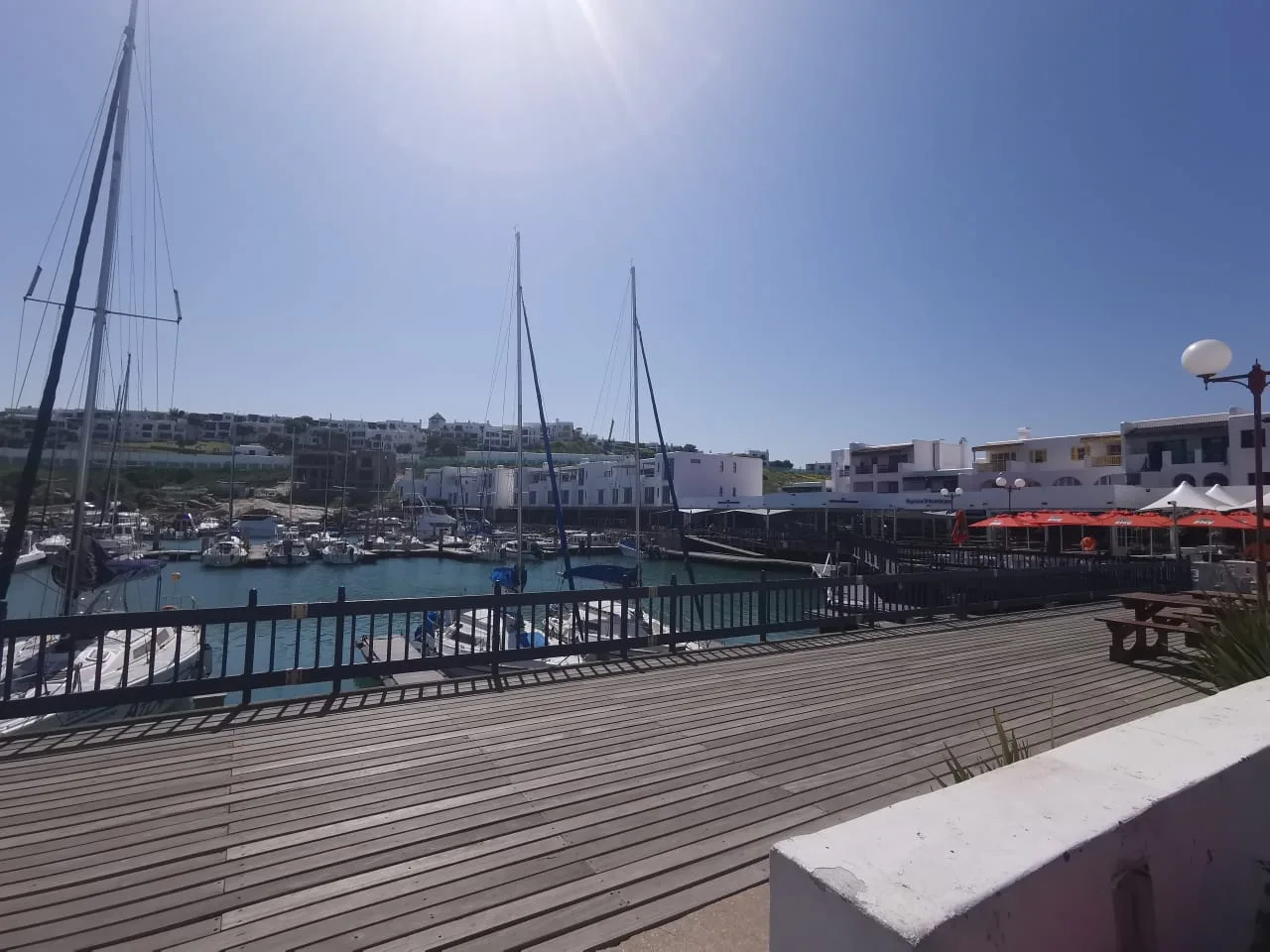
Langebaan puts a sheltered lagoon, coastal rock and Saldanha Bay’s islands into one shore-based diving holiday. The easy end is genuinely shallow, with marina and lagoon water from about two metres for training or a post-flight check dive. The more exposed end means a boat, kelp-covered rock, tidal movement and depths approaching 35 metres. It is a useful choice for divers who would rather alternate straightforward warm-up dives with proper Atlantic boat outings than spend a week repeating one type of site.
The underwater scenery changes sharply with the departure point. Marina and lagoon dives are shallow, with some sites around two to five metres, while coastal and island trips lead over rocky reliefs, kelp and fixed growth, sometimes down to about 30 to 35 metres. Currents vary and are tied to the tide, so the skipper and guide may change the site rather than force a plan. Swell, turbulence and suspended particles can cut visibility, particularly on exposed outings. Some dives are shore-based, but the characteristic island and high-ground sites are reached by boat from Langebaan. Ask whether a booking is for the lagoon, the coast or an island: the depth, exposure and current can be markedly different. This is Atlantic diving in a kelp environment, not a clear-water tropical reef experience.
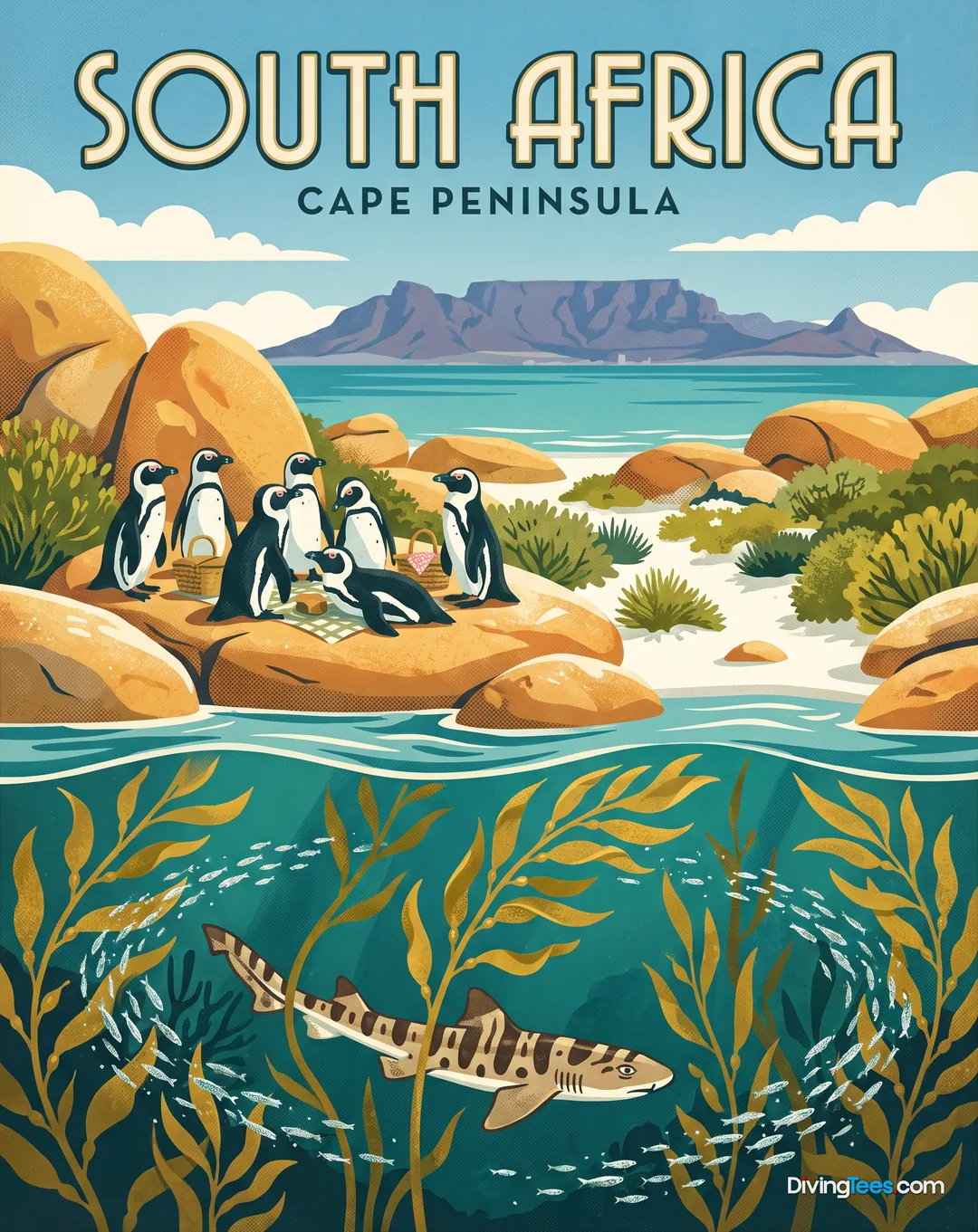
Rocky surfaces and kelp provide the setting for sponges, anemones and small fish, with crustaceans including lobsters and crabs tucked into the relief. Cuttlefish and octopuses are regular possibilities, as are sea cucumbers and Cape fur seals around the island and bay sites. The attraction is close observation rather than a guaranteed parade of large animals. A slow look into cracks and beneath overhangs can reveal the smaller life that makes these sites distinctive. Encounters with seals, cuttlefish, octopuses and crustaceans are not tied to a dependable calendar here, so choose the site and the day for conditions first, then treat wildlife as part of the reward rather than the timetable.
Langebaan does not offer a simple month-by-month diving answer. Wind, swell and tidal currents can alter the practical season from one outing to the next, so a four- to seven-day stay is more sensible than a tightly packed weekend. Keep several days available for the islands and higher, more exposed sites, and use the lagoon or marina when the boat cannot run. Holiday periods can make the lagoon and water-sports facilities busier, while boat availability depends mainly on conditions and advance reservations. The best time to go is therefore the period that gives you flexibility, not a calendar promise of flat water or fixed visibility.
Beginners can use the marina and selected shallow sites, including water around two to five metres, for training or a refresher. Advanced Open Water, or an equivalent BSAC, PADI or SSI qualification, is useful for deeper sites and boat trips. Boat-diving training is particularly relevant for island and high-ground outings. Experience with tidal movement, kelp and more exposed Atlantic conditions will make the deeper dives more comfortable, but the destination allows a sensible progression from sheltered water to boat sites.
From London Heathrow, Gatwick or Manchester, allow roughly 15 to 20 hours overall, depending on the connection and the transfer through Cape Town. International flights arrive in Cape Town, from where Langebaan is reached by road in about one and a half to two hours, depending on traffic and the route. There is no ferry leg to organise. Once in Langebaan, a car or taxi is the practical way to reach the launch facilities and different parts of the coast. Some accommodation near the marina may be walkable, but do not assume a universal shuttle to every diving departure. Build the road transfer into the arrival day rather than planning a boat dive immediately after a long journey.
Treat the lagoon as managed water, not as one open dive site. Check the SANParks zoning before booking, obtain any required permission or reservation, and stay clear of navigation channels. Sanctuaries and restricted water are not places to improvise. Ask exactly whether the booking is for the marina, lagoon, coast or an island, because a shallow training dive does not represent the exposure or depth of a boat outing. Use the marina for a control dive after travelling, then leave room to move the boat day when wind, swell or tide turn against it. Take thermal protection suited to Atlantic water and check the equipment configuration locally. Leave any deteriorating wreck structure alone, with no penetration. A spare day can become a lagoon dive, a park visit or a coastal outing instead of a wasted day.
Plan Langebaan as a four- to seven-day stay on land, with diving mixed between the marina, lagoon, coast and boat trips to the bay’s islands. Keep the boat days flexible and use sheltered water or land activities as alternatives. Accommodation is generally easiest with a car or taxi, although parts of the marina area may be reached on foot. Non-divers have the West Coast National Park, beaches, kayaking, sailing, birdwatching, walking and seasonal flowers to fill the gaps.
Hello, I'm Marina, DivingDeal.com's AI assistant. I guide you through destinations, areas and countries.
Thinking about the whole trip and the flights? Talk it over with Edith →
Marina is an AI. Some links are affiliate links: DivingDeal may earn a commission, at no extra cost to you. Bookings are made with the partner.
Choose a period that gives you flexibility rather than relying on a fixed calendar season. Wind, swell and tidal currents can change conditions from one outing to the next. Plan several days, keep island and exposed boat trips movable, and use the lagoon or marina when weather prevents the boat from running.
Langebaan suits beginners in the marina and selected shallow sites, including water suitable for training or a refresher. Deeper coastal and island trips are more appropriate with Advanced Open Water or an equivalent qualification. Boat-diving training, familiarity with tidal movement, kelp and exposed Atlantic conditions will help on those outings.
Expect kelp-covered rocky reliefs with sponges, anemones and small fish, plus lobsters, crabs, sea cucumbers, cuttlefish and octopuses. Cape fur seals may appear around island and bay sites. The appeal is close observation of life in cracks and beneath overhangs, while visibility can be reduced by swell, turbulence and suspended particles.
Plan several days on land and mix marina, lagoon, coastal and island boat dives. Ask whether each booking is for sheltered or exposed water, and keep boat outings flexible around wind, swell and tide. Arrange transport by car or taxi, check SANParks zoning for lagoon diving, and leave room for non-diving activities.