
Garden Route Scuba
Google 4.9/5 (218 reviews)
South Africa · Africa
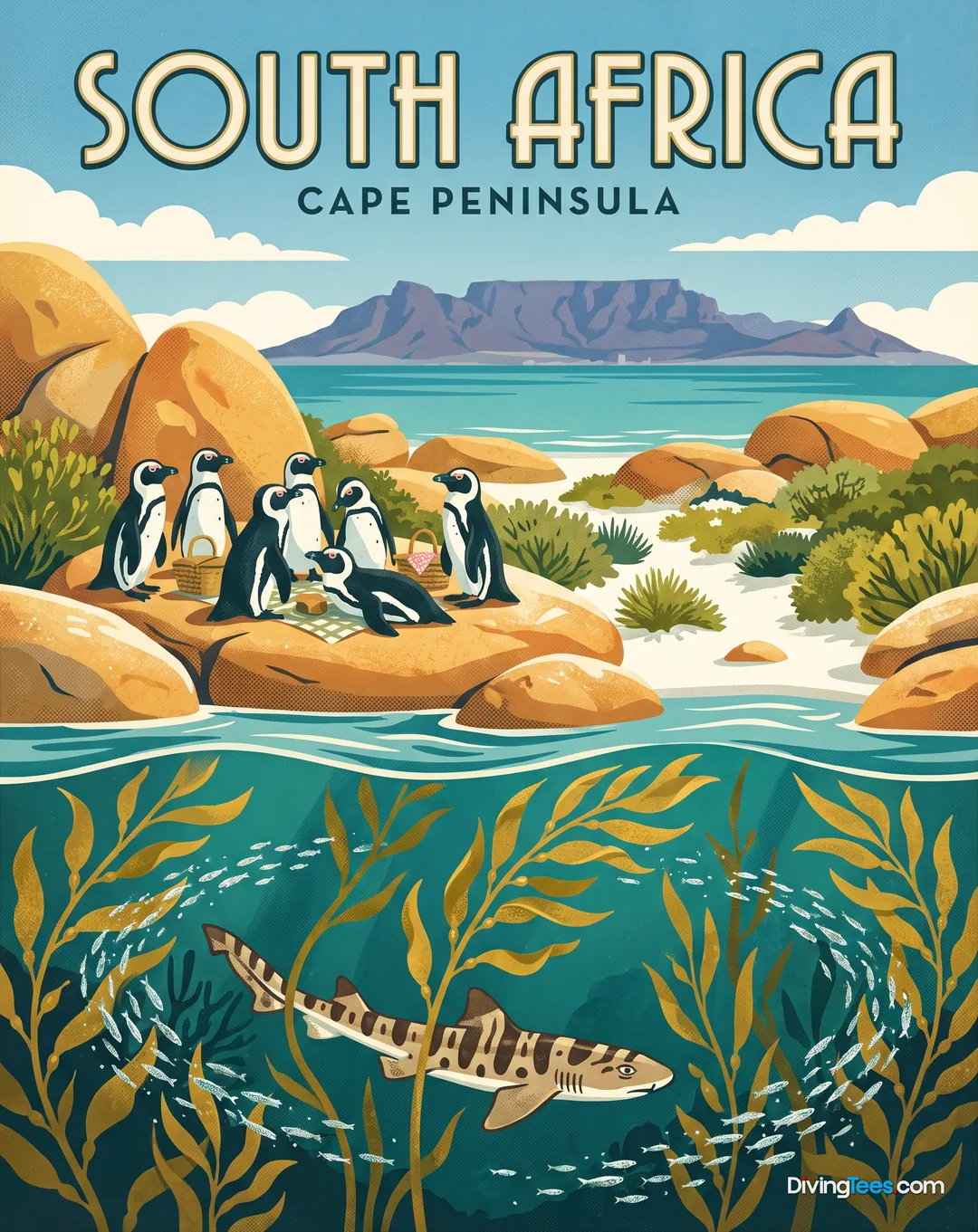
Santos Reef's shallow rock, Windvogel's caves, sponges, gorgonians and seasonal great white sightings give Mossel Bay its distinctive underwater character.
For subtitles in English: start the video firstthen click the gearat the top right of the video, select “Subtitles/CC”, then “Auto-translate” and choose “English”.
At Santos Reef, shallow rock provides a straightforward introduction before Mossel Bay opens into boat-accessed walls, caves, canyons and wrecks. This is a place where a diver can build a trip around ordinary reef life, then add the possibility of large seasonal animals above and around the bay. Shore diving keeps the logistics manageable, while deeper sites reaching roughly 33 metres give experienced divers a more involved day out. Non-divers have plenty to do along the coast and through the Garden Route.
Mossel Bay mixes shore dives with boat trips, and the difference matters. Sheltered, shallow areas suit training and uncomplicated underwater time, while sites such as Windvogel bring caves, canyons, walls and variable current into the plan. Other boat sites combine rocky relief, wrecks and depths approaching 33 metres. Visibility can sit anywhere from 4 to 15 metres, particularly when swell stirs the bottom, so this is not a destination to judge from a single forecast or a brochure photograph. A boat day may involve a direct descent onto a deeper reef, a route through broken rock or an exploration of shaded cavities with a torch. Current is changeable rather than a constant feature, but a downcurrent or drift dive is a real possibility on the more exposed reliefs. Ask about sea state and visibility before committing to the ambitious plan.
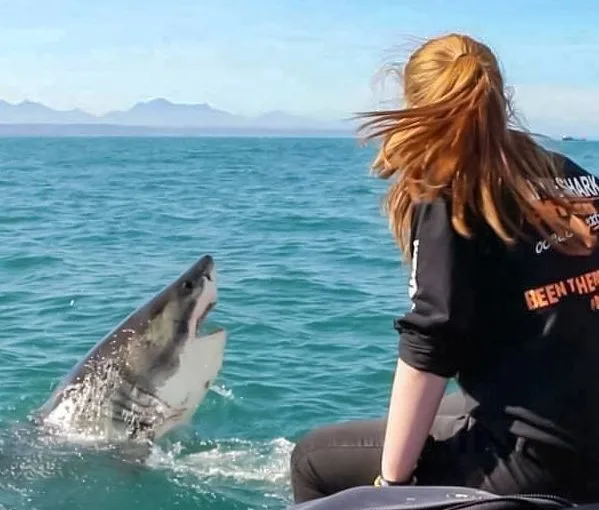
The regular appeal is close to the rock: sponges, gorgonians, reef fish and invertebrates occupy the reefs, walls and darker corners of the caves. These details reward a measured pace, especially when visibility contracts and the landscape becomes a series of nearby surfaces rather than a long view. Mossel Bay also carries the expectation of larger animals, but it pays to separate the activities. Great white sharks are reported seasonally from March to September, mainly around Seal Island operations involving cage or surface observation, not as a promised encounter on an ordinary autonomous dive. Whales are occasional visitors, best treated as a bonus from the coast or a dedicated trip. During the austral summer, the Agulhas Current can bring occasional tropical fish into the bay, adding an unexpected flash of colour to otherwise temperate-looking reefs.
Diving is possible throughout the year, but March to September is the most interesting window if seasonal great white activity matters to your trip. The same winter period does not guarantee calm water or clear visibility, since wind and swell still decide whether a boat can reach its intended site. Summer brings a different possibility, with occasional tropical fish carried by the Agulhas Current, while whales may appear at times without a dependable calendar. Build the itinerary around flexibility rather than one promised animal: keep a spare day for a boat outing and let the local sea state decide which reef makes sense.
Mossel Bay suits beginners on shallow shore sites and training areas, provided they do not mistake those conditions for a passport to every boat dive. Advanced certification is useful for deeper reefs, walls, caves and sites where current may be present. Divers with solid experience will get more from the terrain by managing depth, navigation and limited visibility without rushing through the rock. BSAC, PADI and SSI qualifications can all fit the local range, with the relevant advanced training needed for the more demanding dives.
From London Heathrow, London Gatwick or Manchester, the journey normally involves a long-haul flight to Cape Town or Johannesburg, followed where needed by a domestic flight and a road transfer. The regional air gateway for the Garden Route is George, followed by the drive to Mossel Bay. Alternatively, the town can be reached by road along the N2 from Cape Town or from Gqeberha, also known as Port Elizabeth. There is no ferry crossing to arrange. Once in Mossel Bay, diving starts from the harbour or the shore. A hire car or taxi may be needed between accommodation and the departure point, so check that link before booking somewhere outside the town centre.
Treat each dive plan as a local decision, not as a verdict on the whole bay. Santos Reef and other shallow shore areas are useful when swell affects boat departures, while Windvogel and the deeper reliefs deserve a separate day, suitable certification and a torch for caves and shaded canyons. Keep one spare day in the itinerary so a blown-out boat trip can move rather than disappear. Before setting out, ask about the actual sea state and visibility, because 4 to 15 metres can make the same rocky site feel entirely different. Do not book the trip around a great white photograph: seasonal sightings from March to September belong chiefly to cage or surface operations around Seal Island, not to standard scuba diving. Near the harbour, protected reef areas prohibit fishing and spearfishing, so leave those activities out altogether. If the accommodation is away from the port, arrange your own taxi or car rather than assuming a shared shuttle. Mossel Bay rewards variety, so allow time for ordinary sponges, gorgonians and invertebrates as well as large-animal hopes.
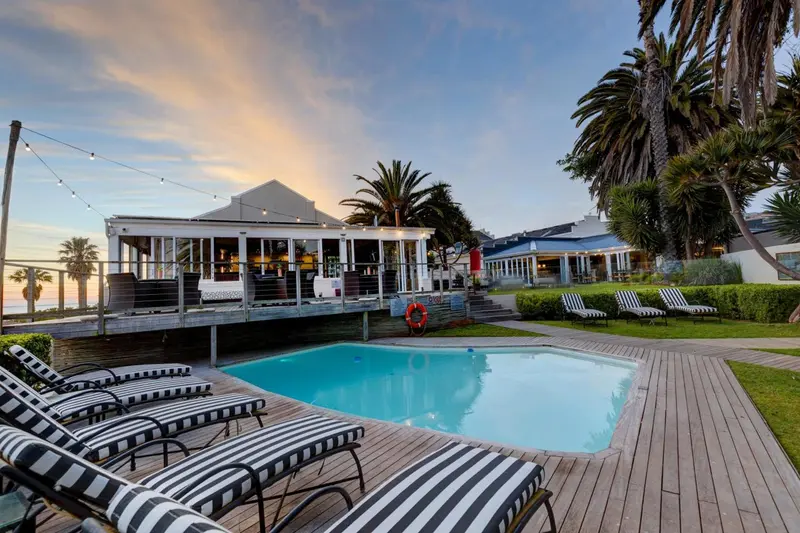
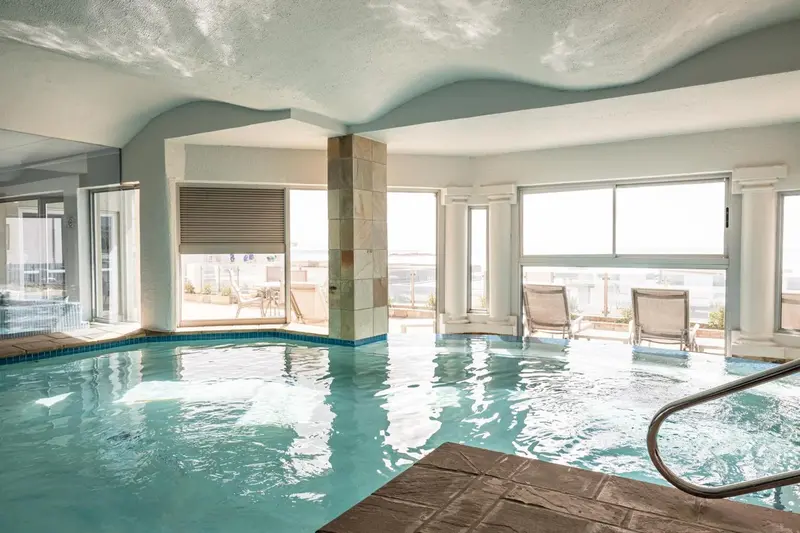
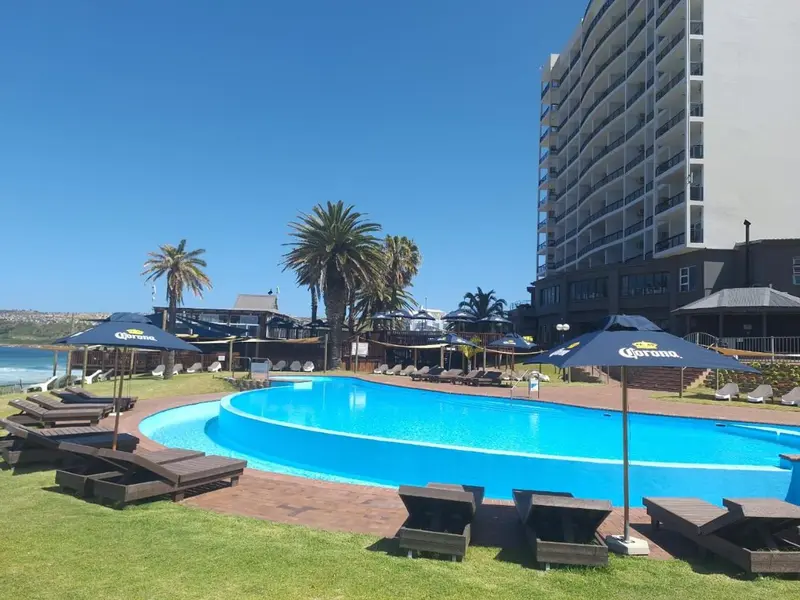
This is a shore-based stay, with local diving organised from the harbour and selected sites reached from the coast. Accommodation does not automatically place you beside the departure point, so transport may be part of the daily routine. A practical arrangement is to keep shallow shore diving available around boat days, then use the remaining time for the coast, museums, maritime heritage, beaches and Garden Route excursions. Whale watching, surface shark trips and other wildlife outings give non-divers a proper part in the holiday rather than leaving them waiting for the next boat.
Hello, I'm Marina, DivingDeal.com's AI assistant. I guide you through destinations, areas and countries.
Thinking about the whole trip and the flights? Talk it over with Edith →
Marina is an AI. Some links are affiliate links: DivingDeal may earn a commission, at no extra cost to you. Bookings are made with the partner.
Diving is possible throughout the year. Visit from March to September if seasonal great white activity matters, although wind and swell can still affect boat access and visibility. Austral summer may bring occasional tropical fish carried by the Agulhas Current. Whales can appear, but they have no dependable calendar.
Mossel Bay suits beginners on shallow shore sites and training areas. Advanced certification is useful for deeper reefs, walls, caves and sites where current may be present. Experienced divers can explore the terrain while managing depth, navigation and limited visibility. Relevant advanced training is needed for more demanding boat dives.
You can see sponges, gorgonians, reef fish and invertebrates around reefs, walls and darker cave corners. Boat sites add rocky relief, wrecks, caves and canyons, while occasional tropical fish may arrive in summer. Great white sightings from March to September mainly involve cage or surface operations around Seal Island.
Keep shallow shore diving available around boat days, and leave a spare day in case sea state cancels a departure. Ask locally about visibility and conditions before choosing a site. Arrange a car or taxi if staying away from the harbour, and allow time for coastal, maritime heritage and Garden Route activities.