

Spanish Dancer Divers
Google 4.9/5 (795 reviews)
Zanzibar · Tanzania · Africa
Max. depth · 30 mDescend into the architectural wonder of Ras Samadai, where richly textured coral formations rise from sandy plateaus, offering encounters with reef sharks.
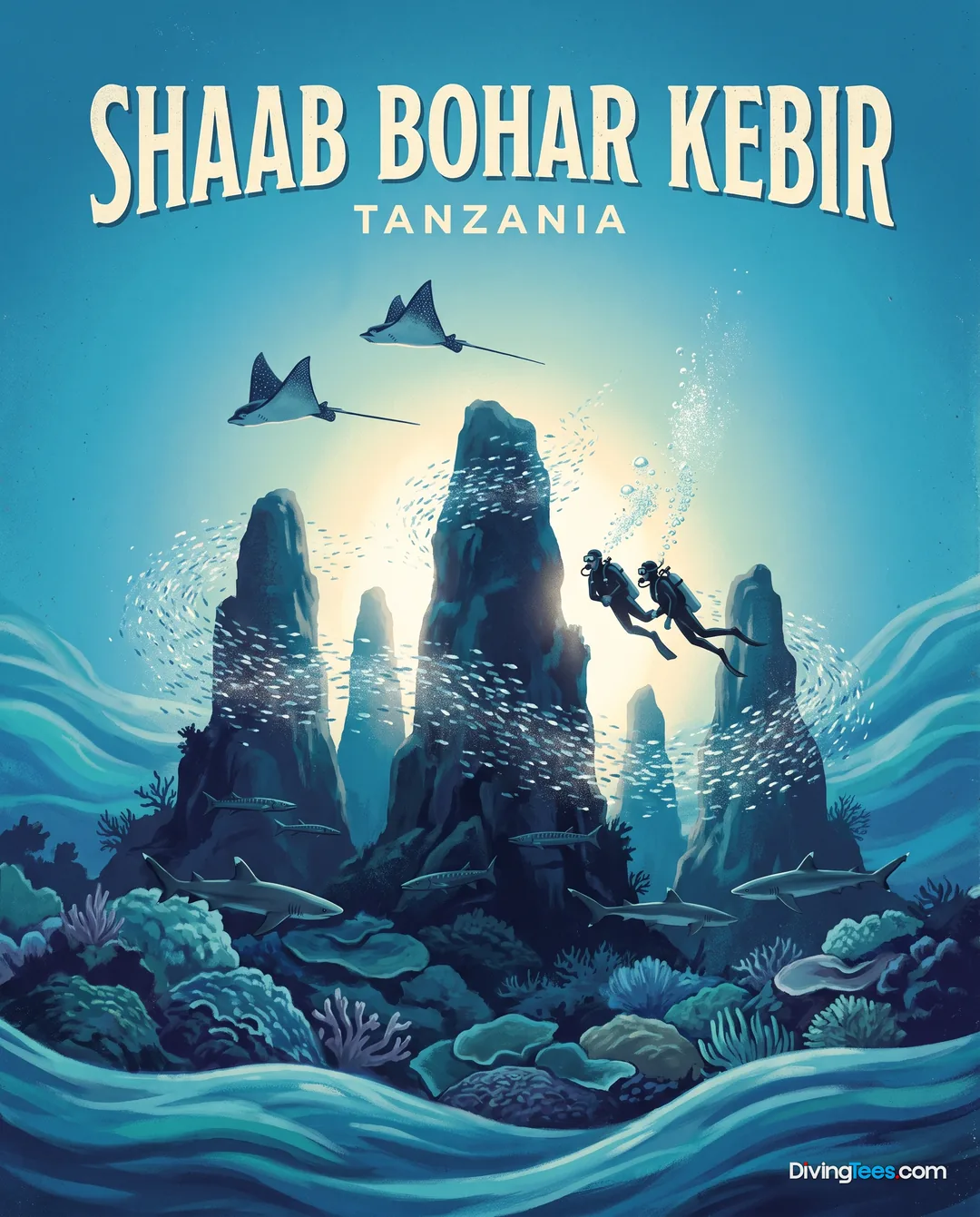
Dropping down onto Ras Samadai, you immediately sense the unique topography that defines this site. It's a journey into what feels like an underwater amphitheatre, where immense coral formations, dense and varied, emerge from strategic sandy expanses. This deliberate architecture of nature, with its deep plateaus and towering pinnacles, creates a diverse hunting ground for opportunistic predators and a sheltered haven for smaller reef dwellers.
The dive profile at Ras Samadai leads you through a series of distinct ecological zones. While the upper sections are a vibrant tapestry of hard and soft corals, it's as you push deeper onto the more expansive sandy plateaus, exceeding the 30-metre mark, that the true character of this site reveals itself. Here, the landscape flattens somewhat, allowing for wider horizons and the possibility of encountering larger pelagics.
The presence of reef sharks (Carcharhinus, various species) is a key draw here, often patrolling the deeper fringes of the reef and the edges of the plateaus. Their presence is a testament to the health and abundance of the ecosystem, as they navigate the moderate currents with fluid grace. Keeping a keen eye on the blue, especially where the reef transitions to sand, often rewards you with a glimpse of these apex predators.
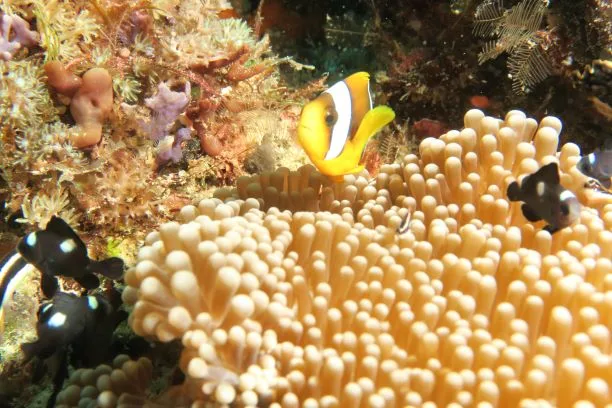
Beyond the pelagic encounters, Ras Samadai boasts what is often described as an 'anemone city'. This refers to dense concentrations of anemones, pulsing gently with the current, each hosting its resident clownfish (Amphiprioninae). These vibrant patches add an intimate, colourful counterpoint to the dramatic coral architecture and the broad sandy stretches, creating a varied visual experience throughout the dive.
Ras Samadai is recommended for experienced divers, given the depths and moderate currents that characterize the site. You can explore down to a maximum depth of 30 metres. The currents, while present, are a defining feature, enhancing the attraction by bringing in rich faunal landscapes.
Ras Samadai is recommended for experienced divers. Its deeper profile and moderate currents shape the character of the dive, so you should be comfortable managing depth while navigating a reef environment marked by pinnacles, plateaus, sandy expanses, and varied coral formations.
You can explore Ras Samadai to a maximum depth of 30 metres. The dive moves through upper coral sections before reaching deeper sandy plateaus, where the landscape becomes more open and reef sharks may patrol around the reef edges and transitions to sand.
Ras Samadai has moderate currents, which are a defining feature of the site. You should expect them to flow around the pinnacles, plateaus, and coral formations. These currents also support active marine life, including reef sharks and the anemones that make up the site's anemone city.
At Ras Samadai, you can see complex reef topography with towering pinnacles, deep plateaus, hard and soft corals, and sandy expanses. Reef sharks may appear along deeper reef fringes, while the vibrant anemone city shelters resident clownfish. The coral-rich environment also provides food and refuge for smaller reef dwellers.