

Spanish Dancer Divers
Google 4.9/5 (795 reviews)
Zanzibar · Tanzania · Africa
Max. depth · 30 mDescend into the protected waters of Mnemba Atoll, where vibrant coral gardens meet the open blue, often graced by resident dolphin pods.
For subtitles in English: start the video firstthen click the gearat the top right of the video, select “Subtitles/CC”, then “Auto-translate” and choose “English”.
Mnemba Atoll is a small offshore coral atoll encircling Mnemba Island, forming a significant marine conservation area on Zanzibar's northeast side. Your dive here typically begins on the fringing reefs and lagoonal reef flats, which start as shallow as 2 metres. From these vibrant, sunlit reef tops, the topography transitions into gently to moderately sloping reef walls and slopes, guiding you down to typical recreational diving depths around 18 to 30 metres. These formations create a complex habitat, supporting a high density of marine life.
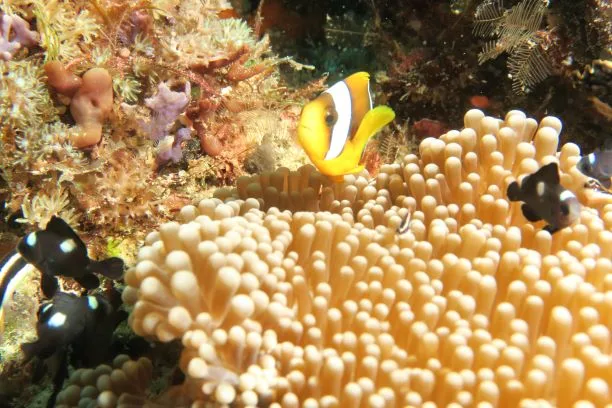
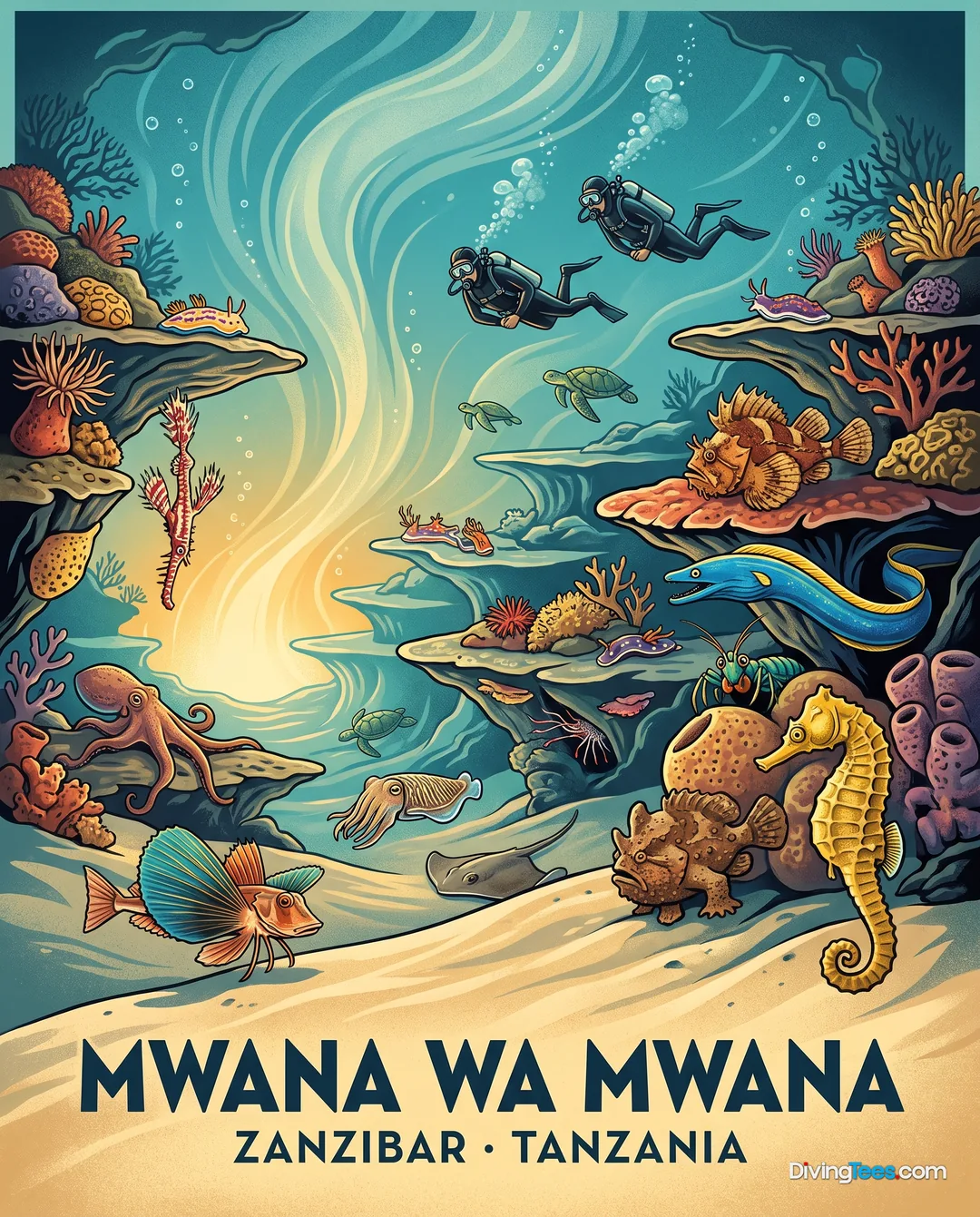
As you descend, the clear Indian Ocean water immediately reveals a thriving ecosystem. The coral gardens are extensive and healthy, forming a living tapestry that stretches across the atoll. You'll find yourself navigating through these intricate reef systems, where scattered bommies provide shelter and hunting grounds for countless species. The sheer vibrance of the reef is a consistent feature, making each dive a dynamic experience as you explore the varied contours and formations.
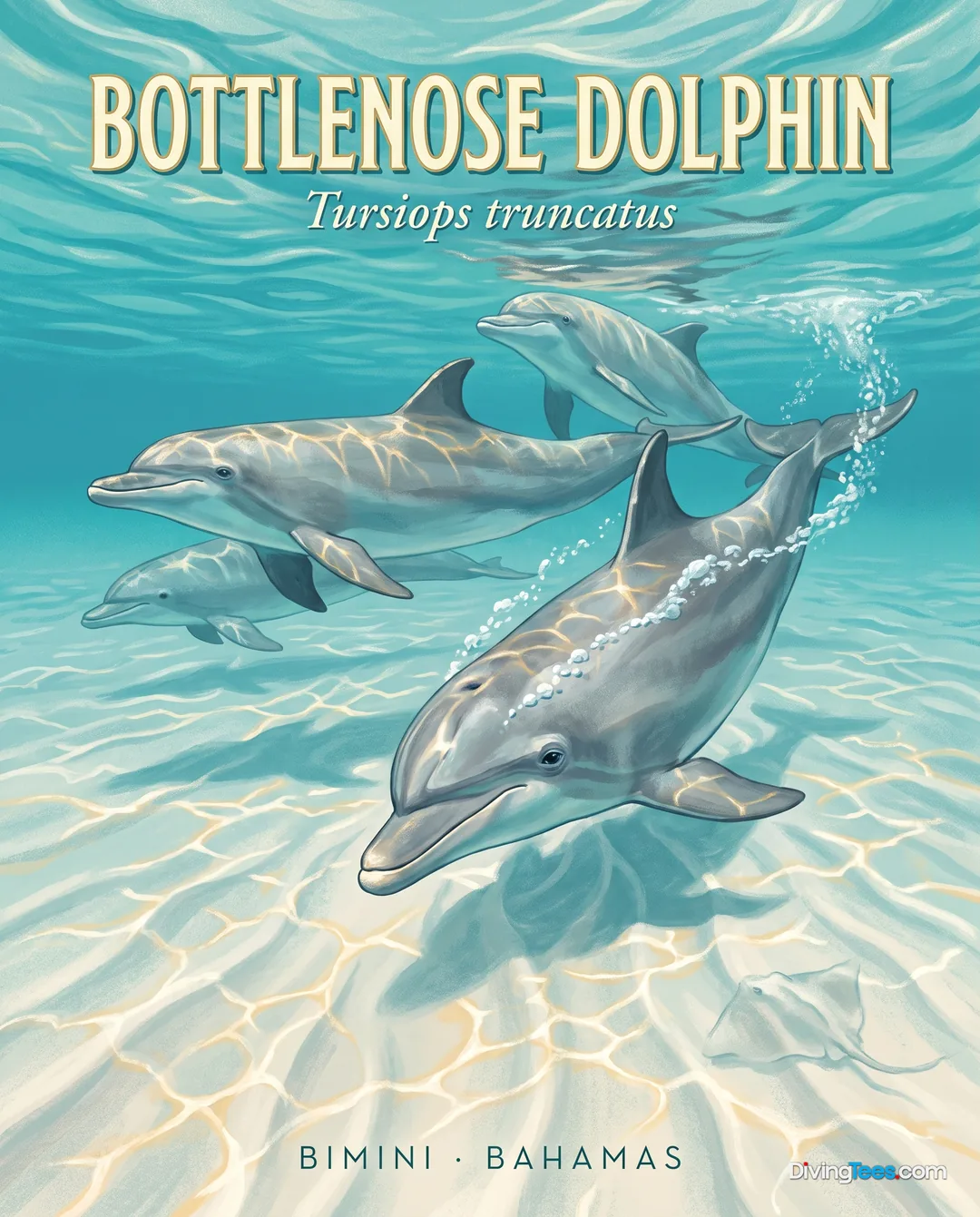
What truly sets Mnemba Atoll apart is the consistent presence of its resident bottlenose dolphin (Tursiops truncatus) pod. These intelligent marine mammals are an integral part of the Mnemba experience, not just occasional visitors. Encounters often occur naturally, with the dolphins moving gracefully through the water, sometimes observing divers from a distance, or on occasion, making closer passes, adding a unique dimension to your dive.
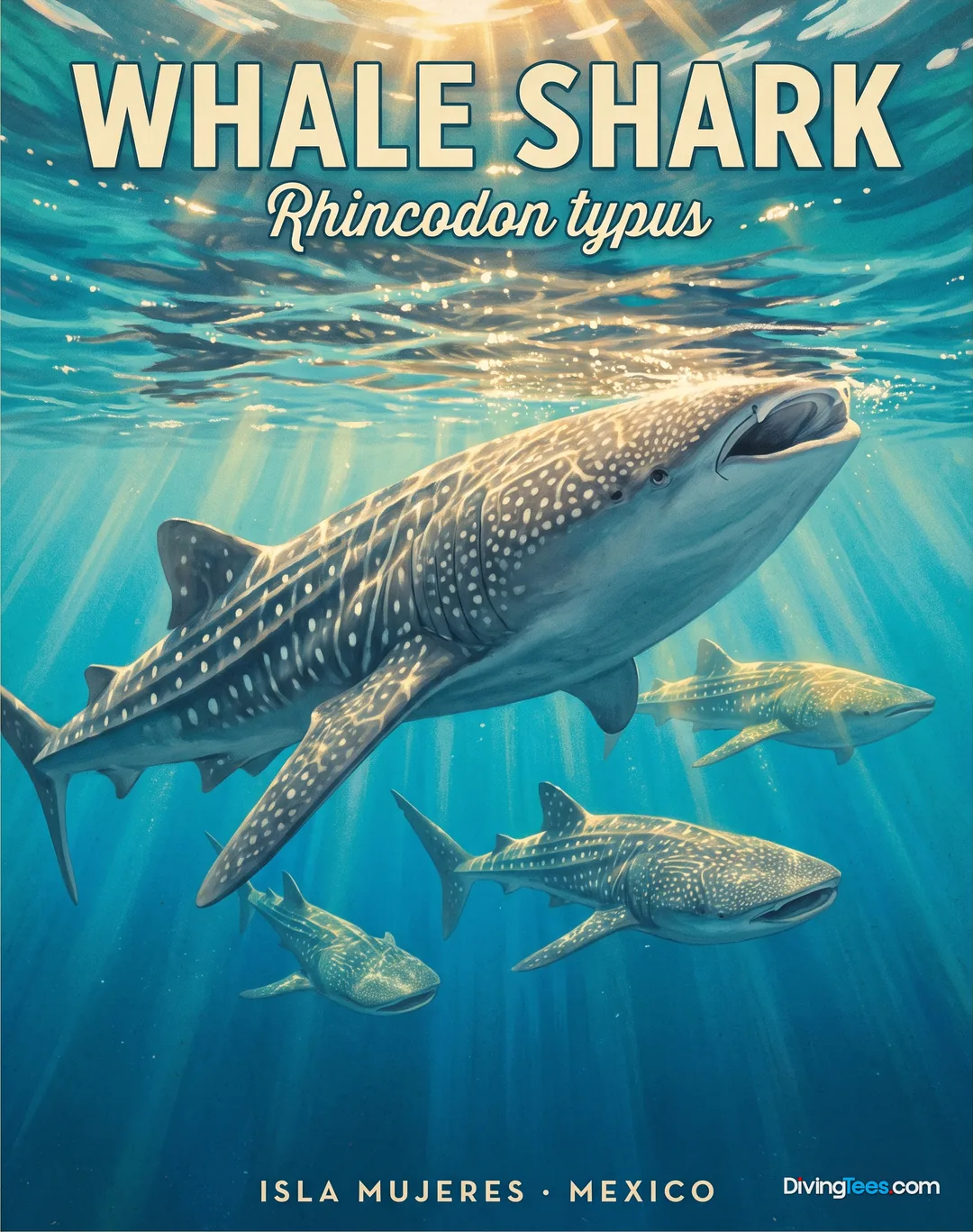
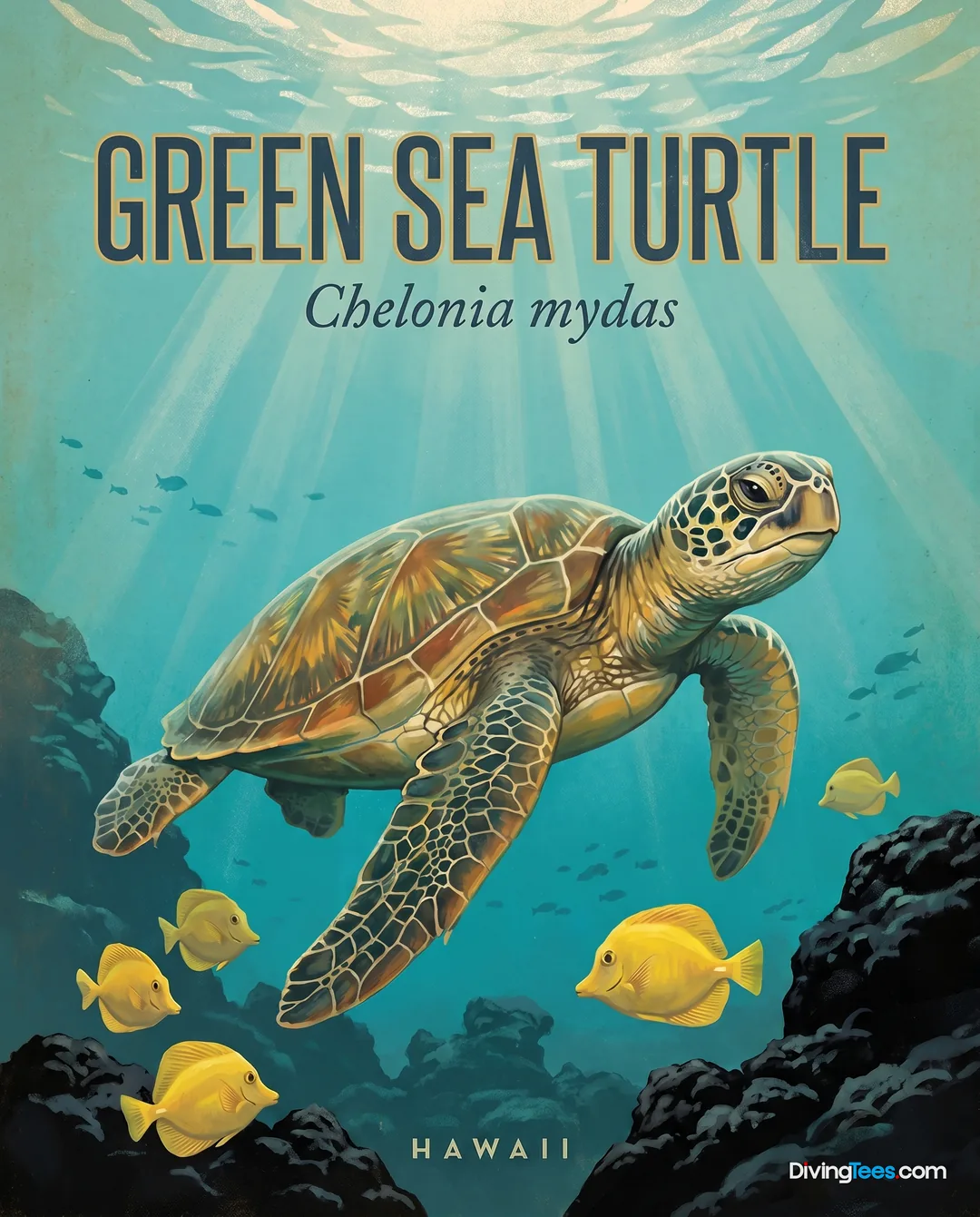
Beyond the dolphins, the atoll is a hotspot for encounters with various pelagic species. Keep an eye on the expansive blue for larger fish, including trevally, snapper, and fusilier schools that patrol the reef edges. The healthy reef walls also attract green turtles (Chelonia mydas) and hawksbill turtles (Eretmochelys imbricata), which you'll often see gliding effortlessly or resting among the corals. Seasonal whale sharks (Rhincodon typus) are also known to visit these waters.
Closer to the reef, the biodiversity is equally rich. You'll find a variety of reef fish, including parrotfish, angelfish, butterflyfish, and surgeonfish, contributing to the vibrant colours of the coral gardens. Moray eels (Muraenidae) are common residents, peeking out from their crevices, while more unusual finds like crocodilefish (Cymbacephalus beauforti) and the Indian Ocean walkman (Inimicus didactylus) can be spotted with a keen eye on the sandy patches or reef structure.
The character of the current at Mnemba Atoll is variable, ranging from light to strong depending on the specific site and tidal conditions. Some areas, particularly deeper wall sites, can experience significant currents, making them suitable for drift dives. This variability means that while many main reef sites are accessible to a wide range of divers, certain profiles require more experience and careful planning, especially when navigating along the walls.
Diving at Mnemba Atoll is possible year-round, though conditions vary with the seasons. The peak diving period generally runs from October/November to March/April, coinciding with the northeast monsoon, which brings calmer seas and often excellent visibility, frequently reaching 25 to 30 metres. While June to September remains good, you can expect choppier surface conditions and slightly cooler water, and the long rains from April to May can lead to rougher seas and reduced visibility.
Dive depths at Mnemba Atoll range from a minimum of 2 metres on the shallow reef tops to a maximum of 30 metres on the deeper slopes and walls. The main reef sites are generally suitable for beginner to intermediate divers. However, some deeper wall sites with stronger, variable currents require advanced or experienced divers, ideally with at least 50 logged dives, as these are often conducted as drift dives. Visibility typically ranges from 15 to 30 metres, with the best conditions found during the northeast monsoon from October/November to March/April. Access to the atoll is exclusively by boat, usually via day trips from Zanzibar’s northeast coast.
You can dive Mnemba Atoll year-round, but October or November through March or April generally brings calmer seas and excellent visibility during the northeast monsoon. June to September can have choppier surface conditions and slightly cooler water, while the long rains from April to May may bring rougher seas and reduced visibility.
The main reef sites at Mnemba Atoll generally suit beginner and intermediate divers. Deeper wall sites can have stronger, variable currents and are intended for advanced or experienced divers, ideally with at least 50 logged dives. These sites are often conducted as drift dives, requiring careful planning and appropriate current awareness.
Diving at Mnemba Atoll ranges from shallow reef tops at 2 metres to deeper slopes and walls reaching 30 metres. Currents vary from light to strong according to the site and tidal conditions. Deeper wall areas may have significant currents and are often completed as drift dives, while other reefs are more manageable.
At Mnemba Atoll, you can explore healthy coral gardens, reef walls, slopes, bommies and sandy patches. Resident bottlenose dolphins are a defining encounter, while green and hawksbill turtles are frequently seen. Reef life includes trevally, snapper, fusilier schools, parrotfish, moray eels and other species, with seasonal whale sharks visiting the waters.