


Spanish Dancer Divers
Google 4.9/5 (795 reviews)
Zanzibar · Tanzania · Africa
Max. depth · 18 mDescend to the 'Tien Hsing' wreck at Abu Galawa Kebir, where a 1935 steam tug rests upright, providing intimate access to its pilothouse and engine room at just 18 metres.
Dropping down at Abu Galawa Kebir, you'll find the Tug Wreck of the Tien Hsing, a historical steam tug that met its end on October 26, 1943. Known phonetically as 'Tienstin', this 35-meter vessel lies at the base of the reef's southern slope, resting parallel to the coral with part of its bow deeply embedded. Despite lying on its starboard side at a 40-45 degree angle, the wreck's structure is remarkably intact, offering a compelling profile for divers.
The journey along the wreck immediately reveals the enduring steel superstructure, now heavily encrusted with both hard and soft corals, particularly vibrant on its port (upper) side. While all wooden components have long since vanished, the metal framework creates a diverse habitat. Even at low tide, the bow occasionally breaches the surface, hinting at the intimate connection between the wreck and the reef's dynamic environment.
As you approach the stern, the rudder and propeller, partially buried in the sandy bottom at 17-18 metres, become visible. The unique orientation of the wreck allows for a swim-through beneath the vessel, between the keel and the reef itself, providing an unusual perspective. This space often reveals a different gathering of smaller reef inhabitants, finding shelter within its shadowed contours.
For those keen on exploration, the Tien Hsing offers clear penetration opportunities. Two distinct entry points on the starboard side lead into the former pilothouse and the engine room. You'll observe the original engine and boilers still in position, a tangible link to the ship's past. Another access point towards the aft starboard side opens into a small room, where the toilet remains in place, offering a curious glimpse into daily life aboard the tug.
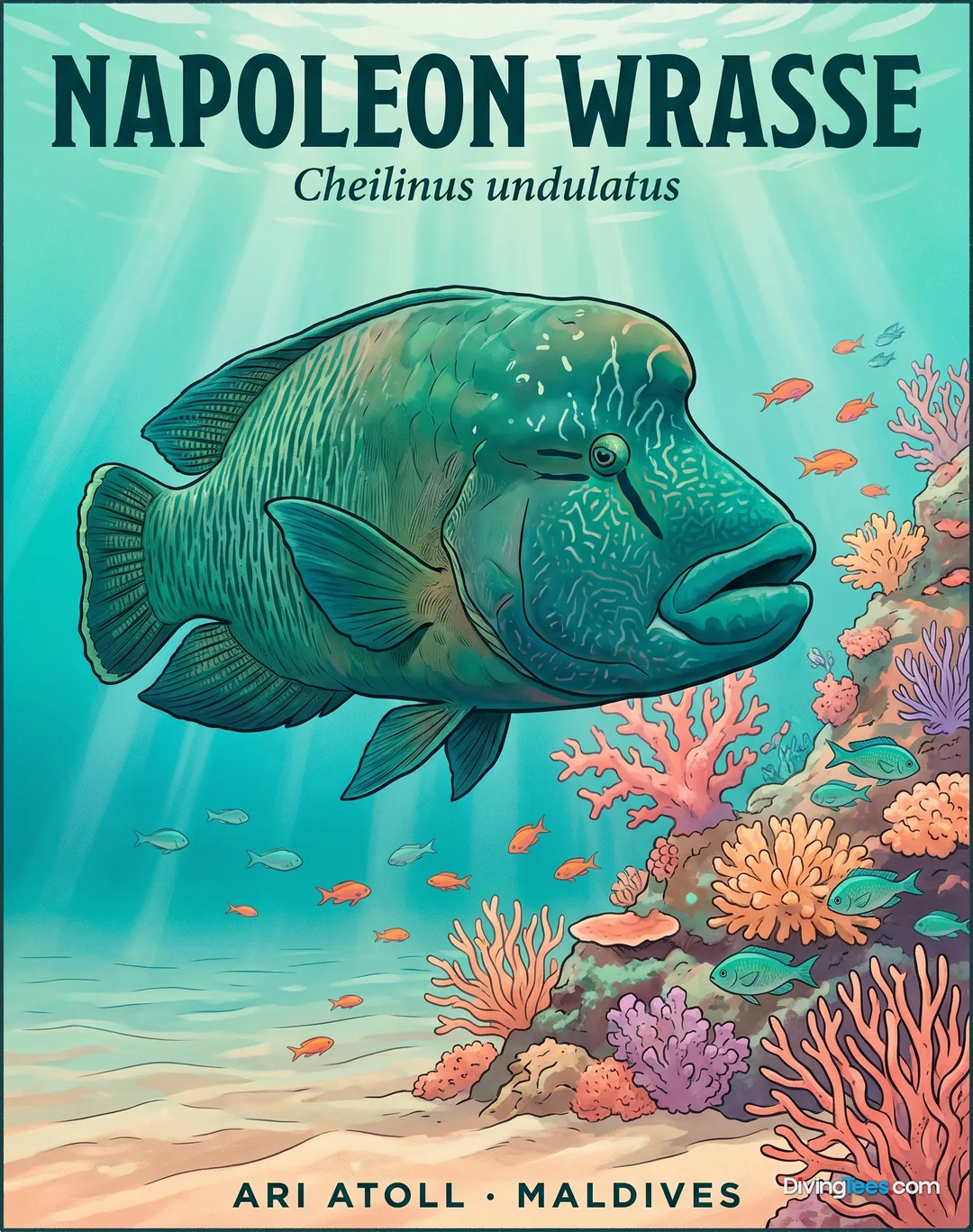
The resident marine life around the Tien Hsing is both varied and captivating. Keep an eye out for white-tip reef sharks (Triaenodon obesus) often patrolling the wreck's perimeter, their sleek forms gliding effortlessly through the water. Napoleon wrasse (Cheilinus undulatus), with their distinctive forehead bumps, cruise majestically, while giant moray eels (Gymnothorax javanicus) peer from their coral hideouts, adding to the site's rich biodiversity.
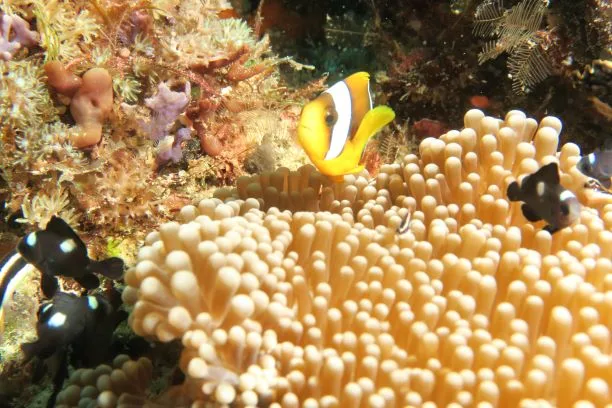
Beyond the larger species, the wreck is a vibrant tapestry of smaller reef fish, creating a bustling underwater scene. These fish schools often swirl around the superstructure, providing a dynamic backdrop for photographers. The intricate coral growth on the wreck's surfaces also presents countless opportunities for macro photography, capturing the delicate beauty of the smaller inhabitants.
This combination of historical wreck and thriving reef ecosystem makes Abu Galawa Kebir a truly engaging dive. The structure of the Tien Hsing not only tells a story of maritime history but also serves as a thriving artificial reef, attracting unique faunal assemblages. It’s a site that appeals to a wide range of divers, from those fascinated by wrecks to those seeking vibrant reef life and captivating photographic subjects.
Abu Galawa Kebir is an accessible dive for all levels, with depths reaching a maximum of 18 metres. The wreck environment provides a sheltered experience, allowing time to absorb its historical significance and observe the abundant marine life. The best time to visit this site aligns with the prime diving season from November to March.
You can visit Abu Galawa Kebir during the prime diving season from November to March. The sheltered wreck environment gives you time to absorb the Tien Hsing’s historical significance and observe marine life around its coral-encrusted structure, including reef fish moving across the superstructure and nearby reef.
Abu Galawa Kebir is accessible to all levels of divers. You can explore the sheltered wreck environment, swim beneath the keel between the vessel and reef, and observe marine life around the structure. Divers interested in wreck penetration can enter the pilothouse and engine room to see original machinery.
Abu Galawa Kebir reaches a maximum depth of 18 metres. The Tien Hsing’s rudder and propeller rest partly buried in the sandy bottom at 17 to 18 metres, while the wreck lies along the reef’s southern slope. Its sheltered setting allows you to explore the structure at these depths.
At Abu Galawa Kebir, you can explore the Tien Hsing tug wreck, including its pilothouse, engine room, original engine, and boilers. White-tip reef sharks, Napoleon wrasse, giant moray eels, and schools of smaller reef fish inhabit the area, while coral growth on the superstructure offers macro and wide-angle photography subjects.