

Spanish Dancer Divers
Google 4.9/5 (795 reviews)
8.5 km away as the crow flies
Zanzibar · Tanzania · Africa
Max. depth · 20 mDescend Mwana wa Mwana's gentle slopes from its coral gardens to its sandy floor, searching for seahorses and frogfish in depths reaching 20 metres.
For subtitles in English: start the video firstthen click the gearat the top right of the video, select “Subtitles/CC”, then “Auto-translate” and choose “English”.
Mwana wa Mwana, located north of Tumbatu Island, presents a straightforward dive profile that begins in shallow, sunlit coral gardens and gradually extends to a soft sandy bottom. The site is a fringing reef, starting at a minimum depth of 3 metres in some sections and descending to around 10-12 metres, where the coral transitions into a sloping sediment environment. This gradient allows for a relaxed descent, giving you time to adjust and observe the initial reef inhabitants before moving deeper.
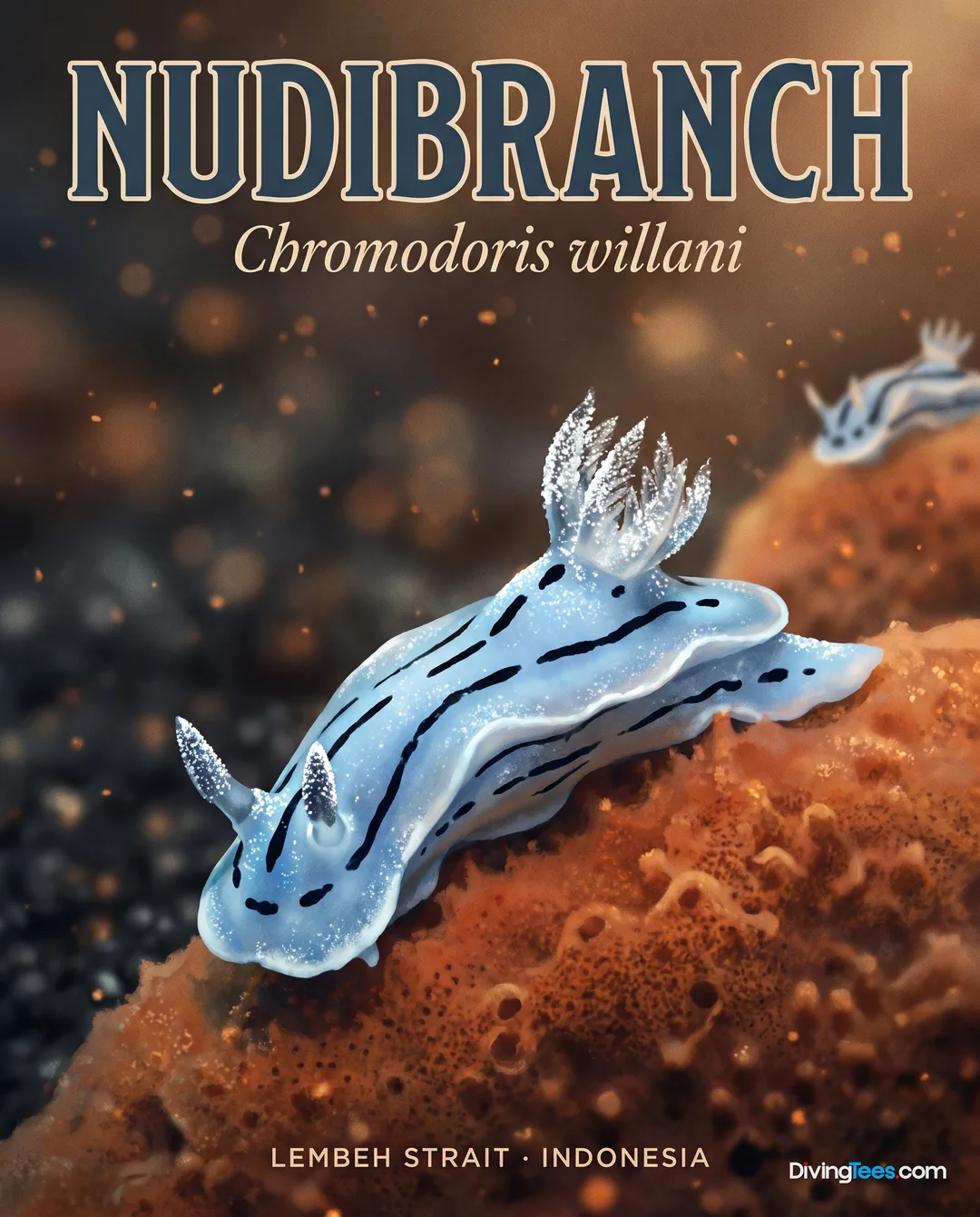
The initial coral gardens are vibrant, with a terraced structure that creates diverse nooks and crannies. Here, you'll encounter a rich display of soft corals, providing shelter for a variety of smaller reef fish. As you move through this upper section, keep an eye out for nudibranchs, often found crawling along the coral, and the distinctive ribbon morays (Rhinomuraena quaesita) tucked into crevices. The combination of easy depth access and abundant macro life makes these shallower parts rewarding for slower exploration.
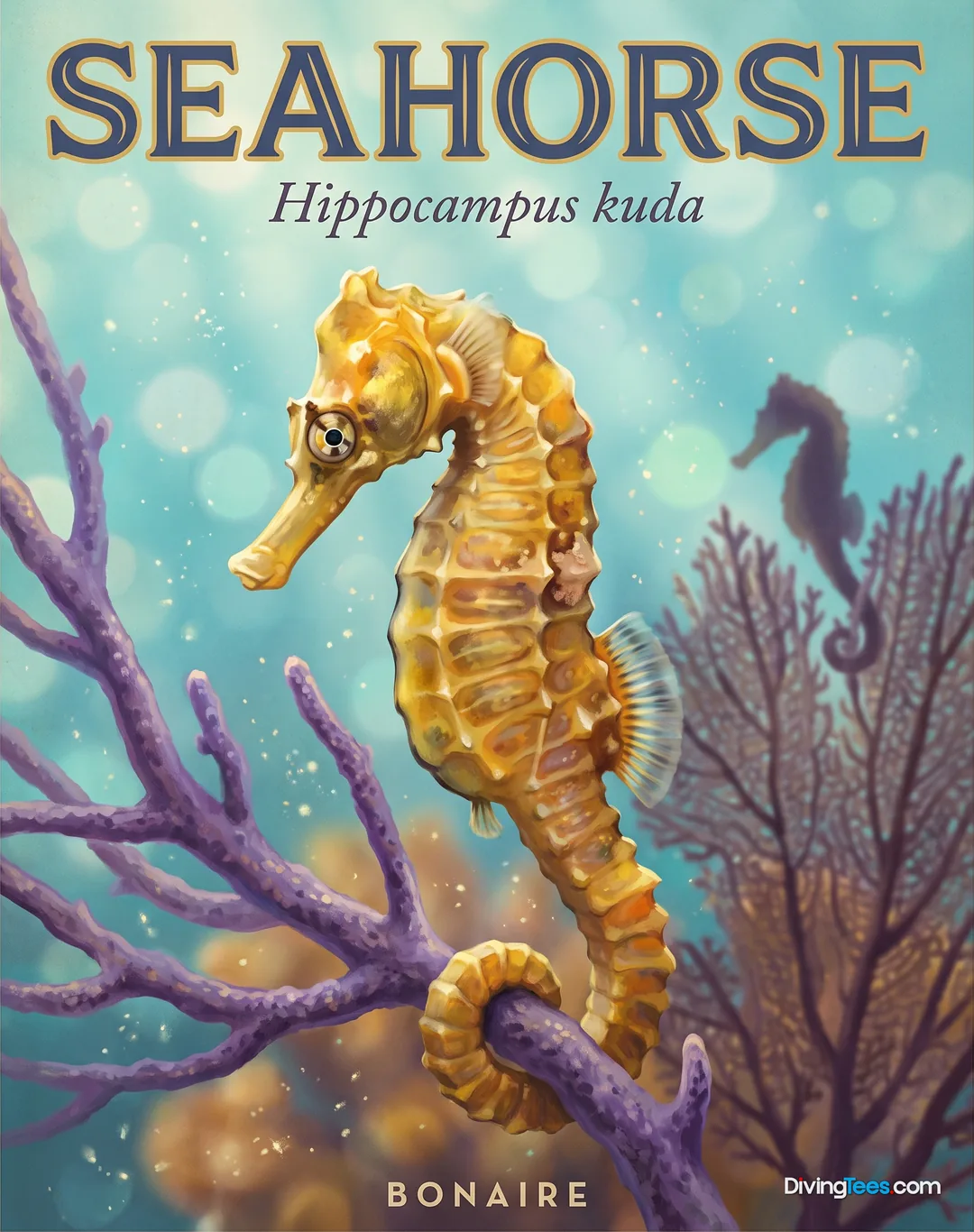
Below the coral terraces, the dive progresses onto a sandy slope, which continues down to a maximum depth of 20 metres. This sandy expanse is not barren; it is a critical habitat for specialized marine life. Large seahorses (Hippocampus kuda) are a highlight here, blending perfectly with their surroundings. The sand also hosts flying gurnards (Dactyloptena orientalis), which can be seen 'walking' across the seabed, and cuttlefish (Sepia officinalis) changing colours with remarkable speed.
The distinction between reef and sand provides varied photographic opportunities and different species encounters. Moving from the coral to sand and back allows you to switch focus from colourful static subjects to more mobile, camouflaged creatures. While scanning the sand, dedicate time to observing the substrate carefully, as leaf scorpionfish (Taenianotus triacanthus) are masters of disguise, often swaying with the gentle surge to mimic dead leaves. Scorpionfish (Scorpaenidae) generally are also present, often nestled in small depressions.
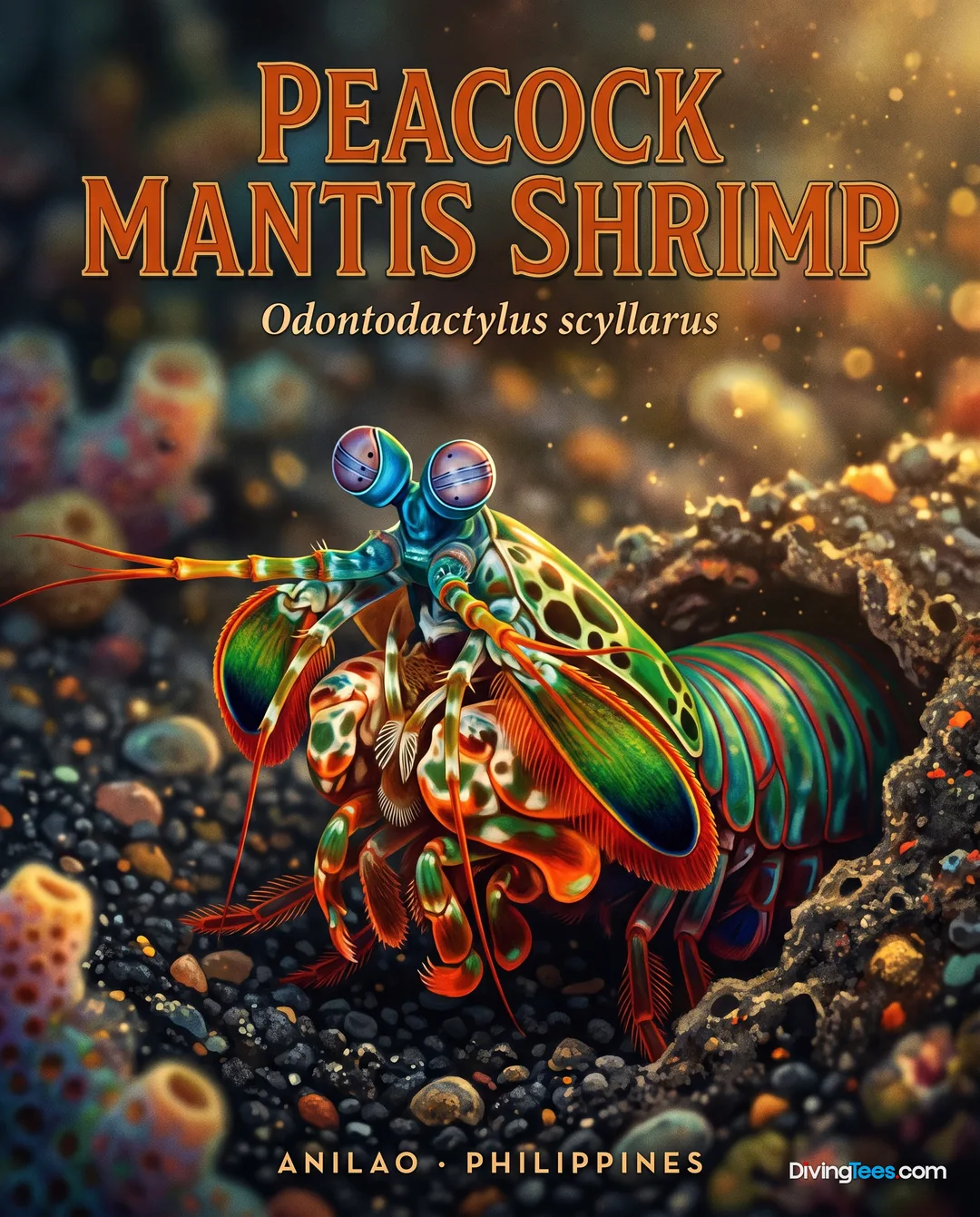
Mwana wa Mwana is particularly noted for its unique macro inhabitants. Frogfish (Antennariidae) are frequently sighted, though locating them requires patience and a sharp eye, as they are exceptionally well-camouflaged and often resemble sponges or coral pieces. Mantis shrimps (Stomatopoda), with their often electric colours and powerful claws, can be found peeking from their burrows, adding another layer of interest to the smaller details of the site.
Beyond the macro life, sea turtles (Cheloniidae) are present, often seen gracefully gliding over the reef. Look for them in both the shallower coral areas and further down on the sandy patches. Schools of colourful reef fish (Actinopterygii) generally populate the entire site, creating dynamic backgrounds. Octopuses (Octopoda) will sometimes reveal themselves from their hiding spots, offering brief but memorable encounters near the rocky outcrops and around coral bommies.
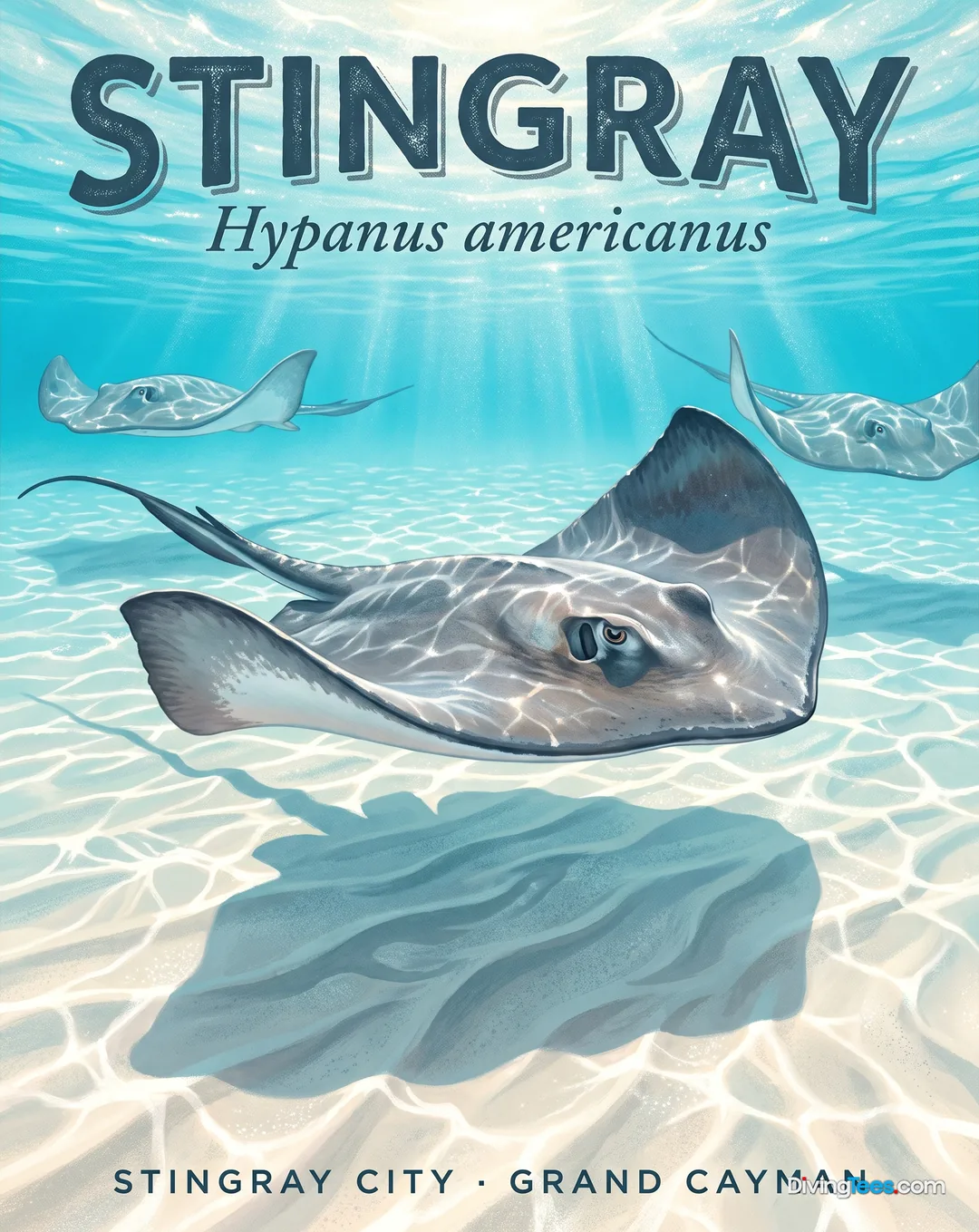
The topography also features scattered coral bommies within the sandy area, providing isolated oases for marine life and breaking up the uniformity of the seabed. These bommies are often home to an array of invertebrates, and offer good places to pause and watch for passing stingrays (Dasyatidae). This transition zone between the reef and the open sand supports a biodiversity that is typical of healthy fringing reef ecosystems in the region, offering a complete picture of the local environment for divers exploring various depths.
This site is divers from Open Water Diver certification and upwards. For Open Water Divers, dives are limited to the shallower reef areas, up to a maximum depth of 18-20 metres, depending on specific dive plan. The minimum depth at the starting points is 3 metres. Current here is generally negligible, making for consistently calm conditions. Expect excellent visibility, often reaching up to 30 metres. The best period to dive Mwana wa Mwana is from mid-February to April and again from October to mid-December, when sea conditions are calm.
The best periods to dive Mwana wa Mwana are from mid-February to April and again from October to mid-December, when sea conditions are calm. Visibility is often up to 30 metres, and the current is generally negligible, making the site consistently calm during your dive.
Mwana wa Mwana is suitable for divers with an Open Water Diver certification and above. As an Open Water Diver, you are limited to the shallower reef areas, with your maximum depth reaching 18 to 20 metres depending on your specific dive plan.
Mwana wa Mwana starts at a minimum depth of 3 metres in some sections. The fringing reef descends through coral gardens to around 10 to 12 metres, then continues across a sandy slope to a maximum depth of 20 metres, offering a gradual profile for your descent.
At Mwana wa Mwana, you can explore terraced coral gardens and a sandy slope while looking for large seahorses, camouflaged frogfish, leaf scorpionfish, ribbon morays, nudibranchs and mantis shrimps. Sea turtles, cuttlefish, octopuses, colourful reef fish, flying gurnards and occasional stingrays also inhabit the site.