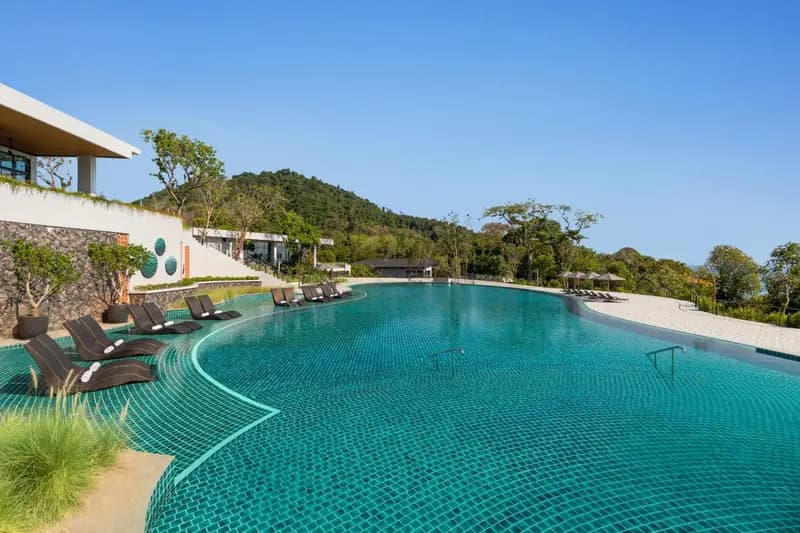
Perhentian Marriott Resort & Spa
★★★★★
★ 9.2/10 (1,544 reviews)
less than 1 km away as the crow flies
Dive centre · Perhentian Islands · Malaysia
4.9208 Google reviewsExplore the vibrant reefs of the Perhentian Islands with a multilingual team and local expertise from Long Beach.
For subtitles in English: start the video firstthen click the gearat the top right of the video, select “Subtitles/CC”, then “Auto-translate” and choose “English”.
Located at Long Beach on Pulau Perhentian Kecil, Matahari Divers serves as a gateway to the diverse marine ecosystems of the Perhentian Islands. The centre is managed by a British and Malaysian partnership, combining international standards with a deep understanding of the local waters.
Whether you are looking to start your training or are an experienced diver seeking local sites, the centre provides a structured and inclusive environment. They offer assistance with ferry transfers from the mainland and can help coordinate your local accommodation to ensure a smooth arrival.
The team at Matahari Divers is highly experienced, with divemasters who are often locals or have spent many seasons navigating these specific waters. This ensures that when you are on the boat, you are being guided by someone with intimate knowledge of the reef structures and seasonal patterns.
Instruction is provided by PADI certified professionals, and the centre caters to a multilingual clientele. You can expect to communicate in English, Malay, Spanish, French, or Swedish. This diversity helps create a social atmosphere, often bolstered by weekly communal dinners for guests.
Safety is a core component of their operation, with on-site oxygen availability and experienced boat captains who are well-versed in local navigation. The instructors focus on building confidence and marine life awareness, making them well-suited for both students and seasoned divers.
Matahari Divers offers a comprehensive curriculum of PADI courses. Beginners can start with Discover Scuba Dive or the PADI Bubblemaker Course for younger divers. The full progression through Open Water Diver and Advanced Open Water Diver is available, alongside the PADI Rescue Course and Emergency First Response training.
For those looking to specialise, the centre offers several PADI specialty courses, including Nitrox, Deep Diver, Wreck Diver, Night Diver, Peak Performance Buoyancy, and Search & Recovery. Professional divers can also undertake the PADI Divemaster Course on-site.
The centre provides a full range of rental kit for those not travelling with their own equipment. This includes regulators, BCDs, wetsuits, fins, and masks. For those planning night dives, torches are available for hire.
While most kit is provided, you may choose to hire a dive computer for a small daily fee. On-site facilities include free Wi-Fi and a station where you can access water, tea, coffee, and toast throughout the day.
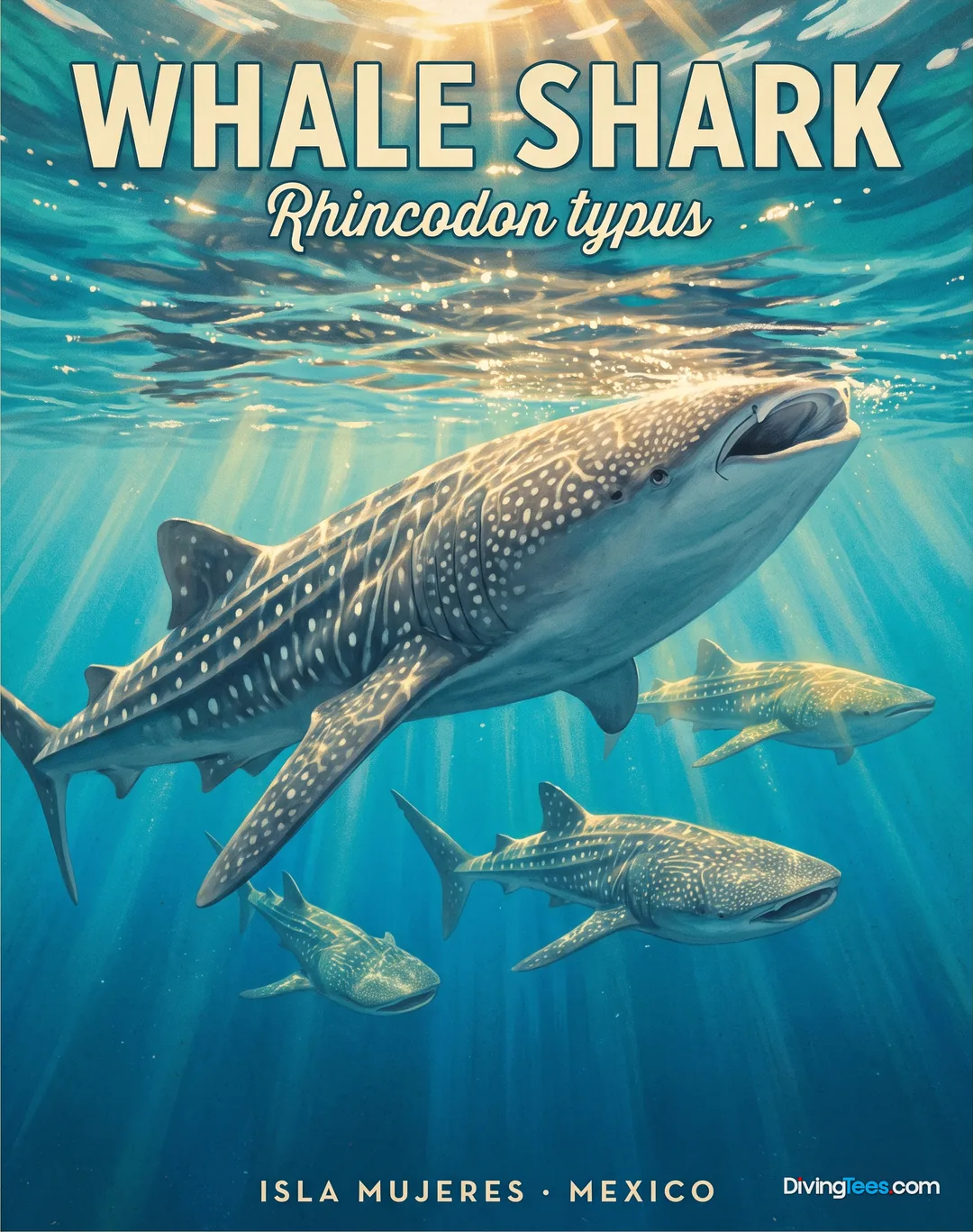
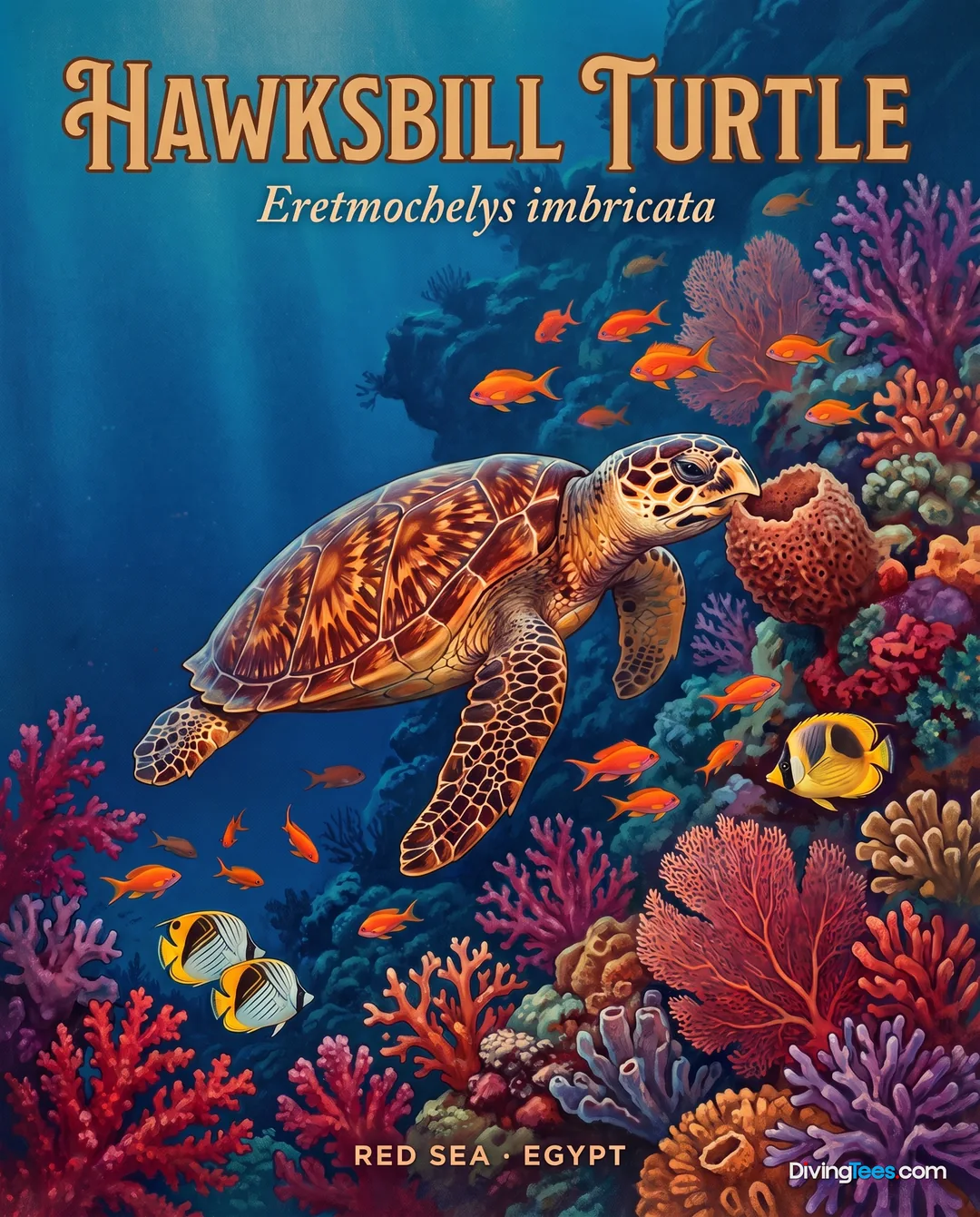
Tokong Laut is the premier site in the area, featuring a 24-metre pinnacle covered in superb coral. It is a hotspot for seeing turtles, squid (Sepioteuthis sepioidea), and the occasional whale shark (Rhincodon typus).
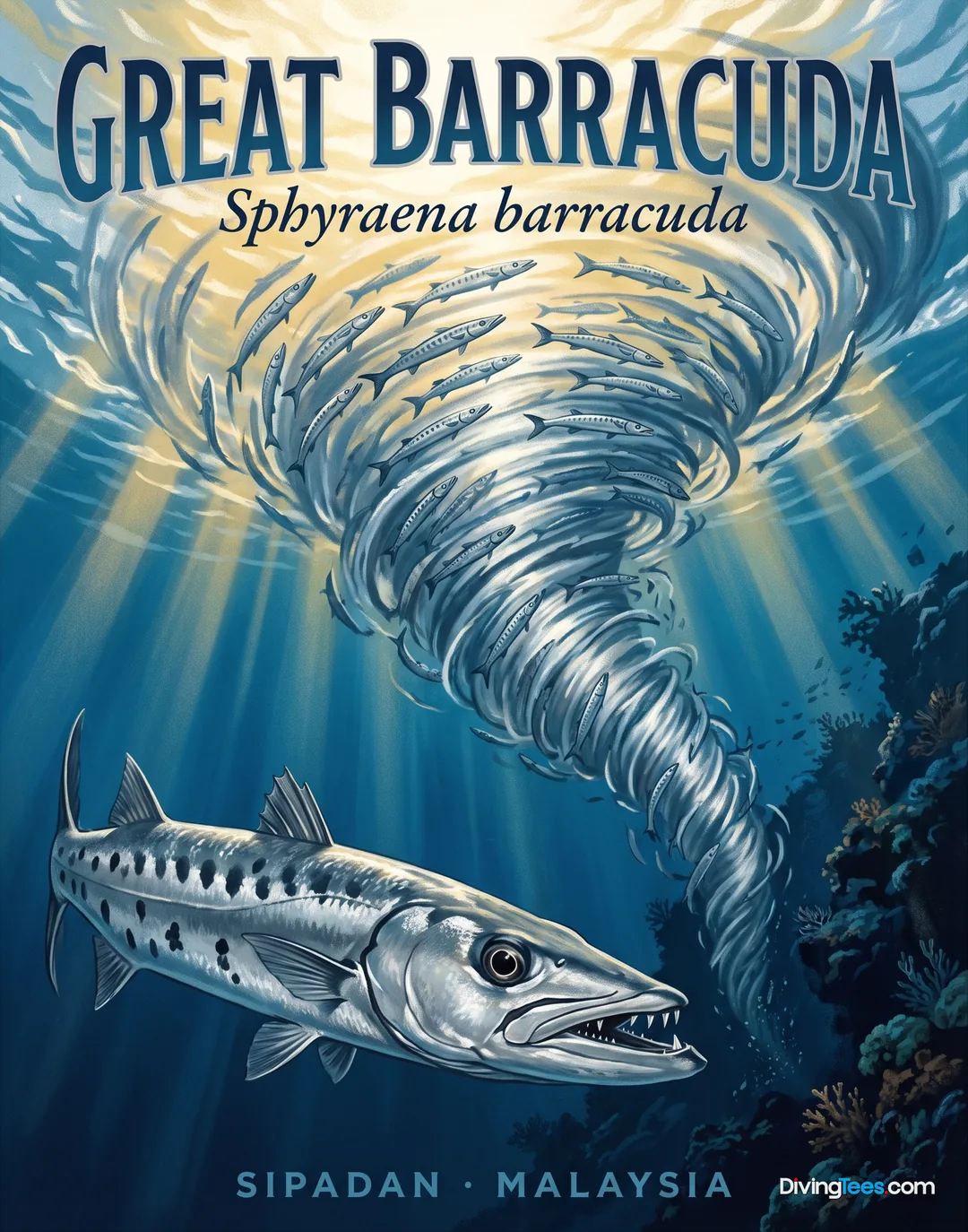
San Choi Wreck offers a different experience, consisting of three sunken fishing boats. These structures host barracudas, snappers (Lutjanus), and various crustaceans, providing an excellent environment for those interested in wreck diving.
Stingray Alley is a site characterized by large rock formations and depths reaching 18 metres. It is a reliable spot for encountering Jenkins' whiprays and blacktip reef sharks (Carcharhinus melanopterus).
D'Lagoon is a shallow site with a maximum depth of 12 metres, making it ideal for beginners or those working on buoyancy skills. The area features coral reefs and white sand, home to turtles and various reef fish.
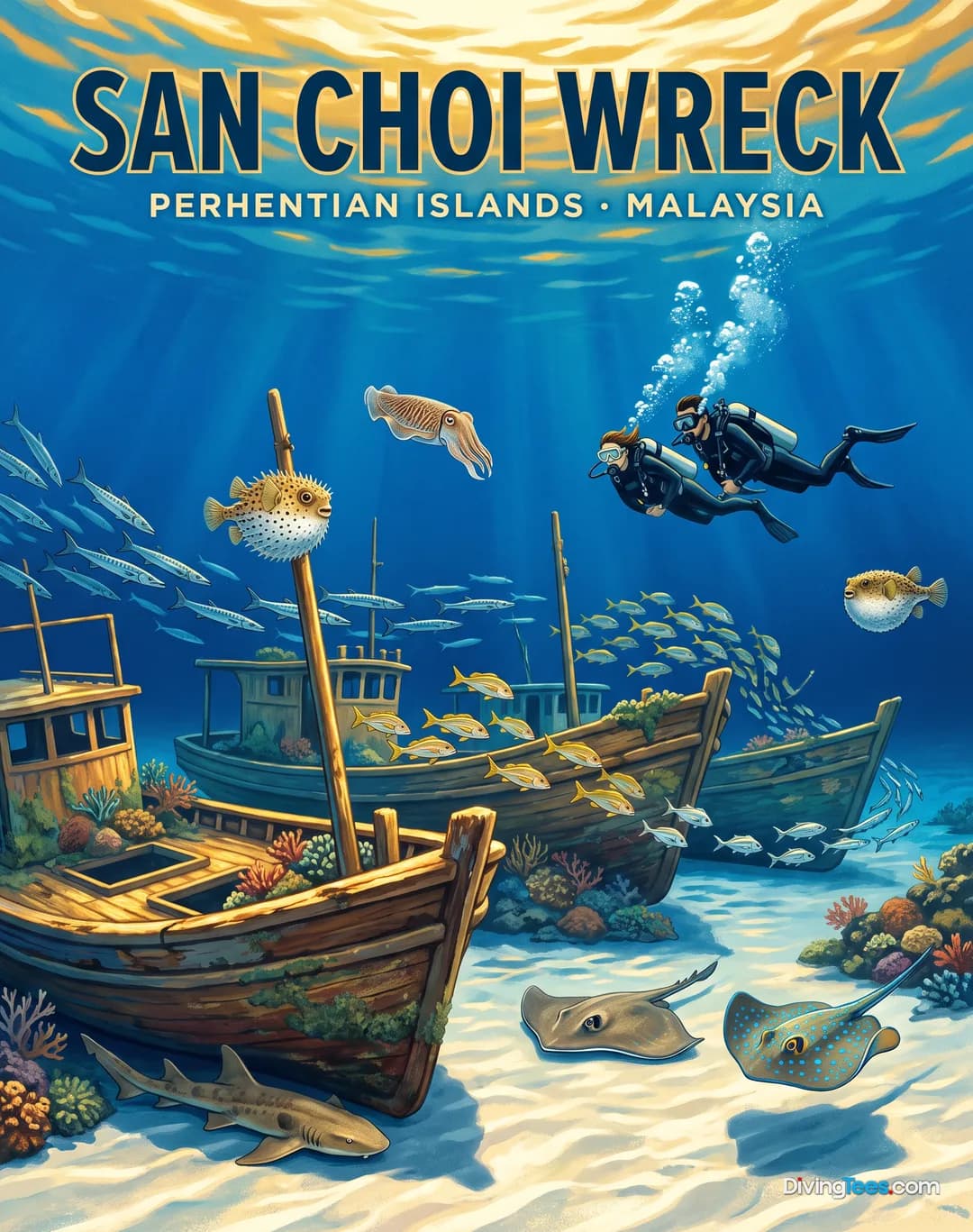
down to 18 m
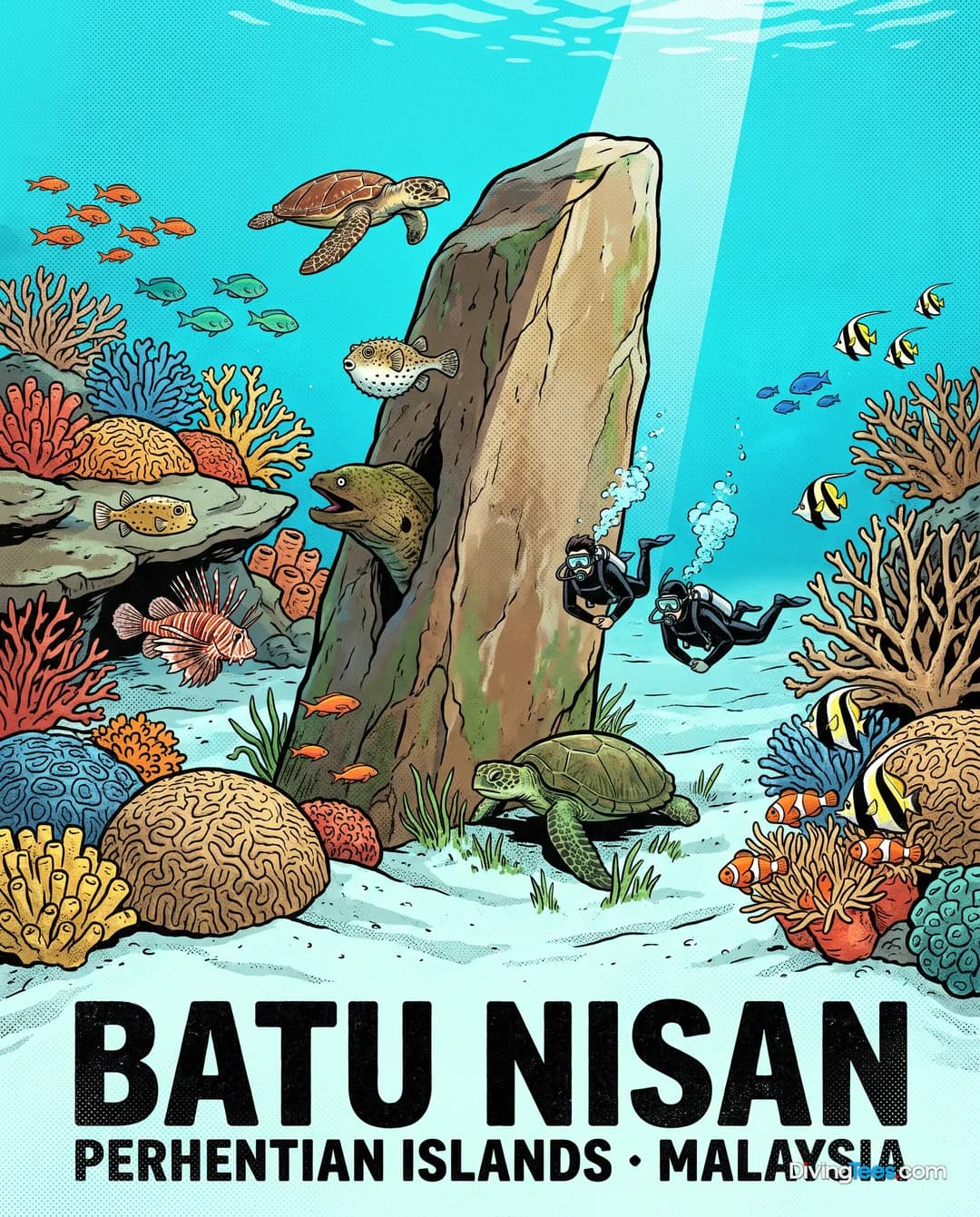
down to 12 m
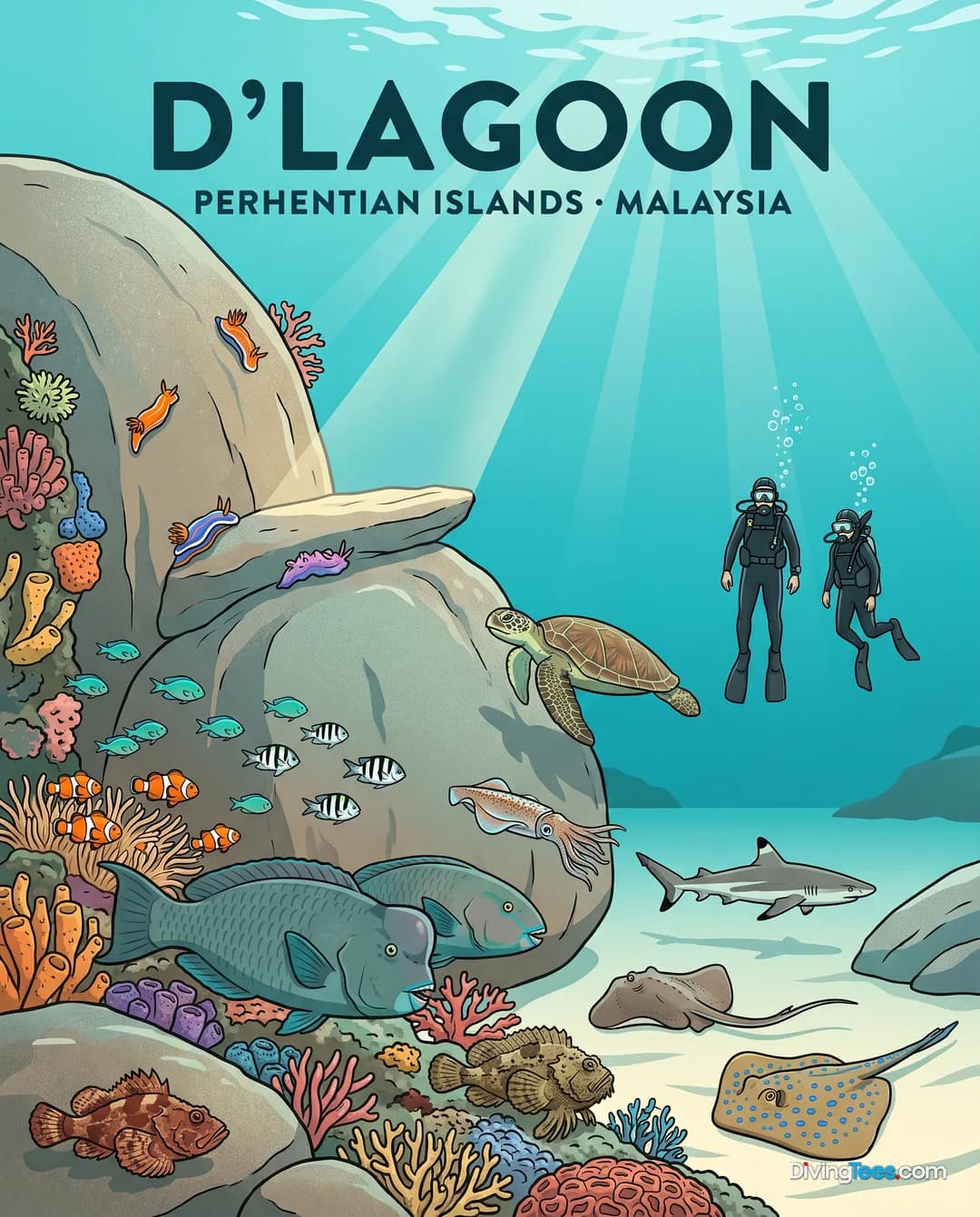
down to 12 m
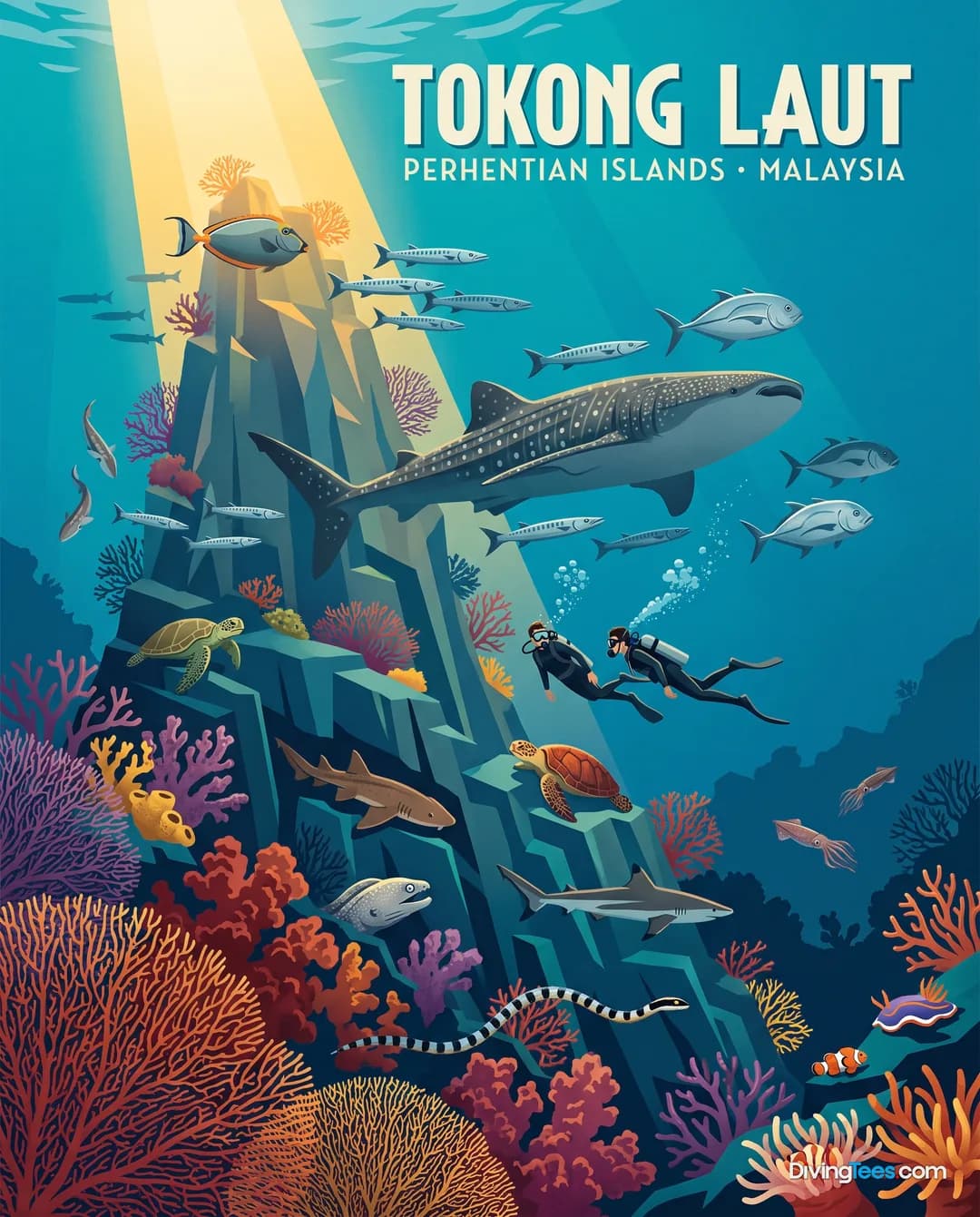
down to 25 m
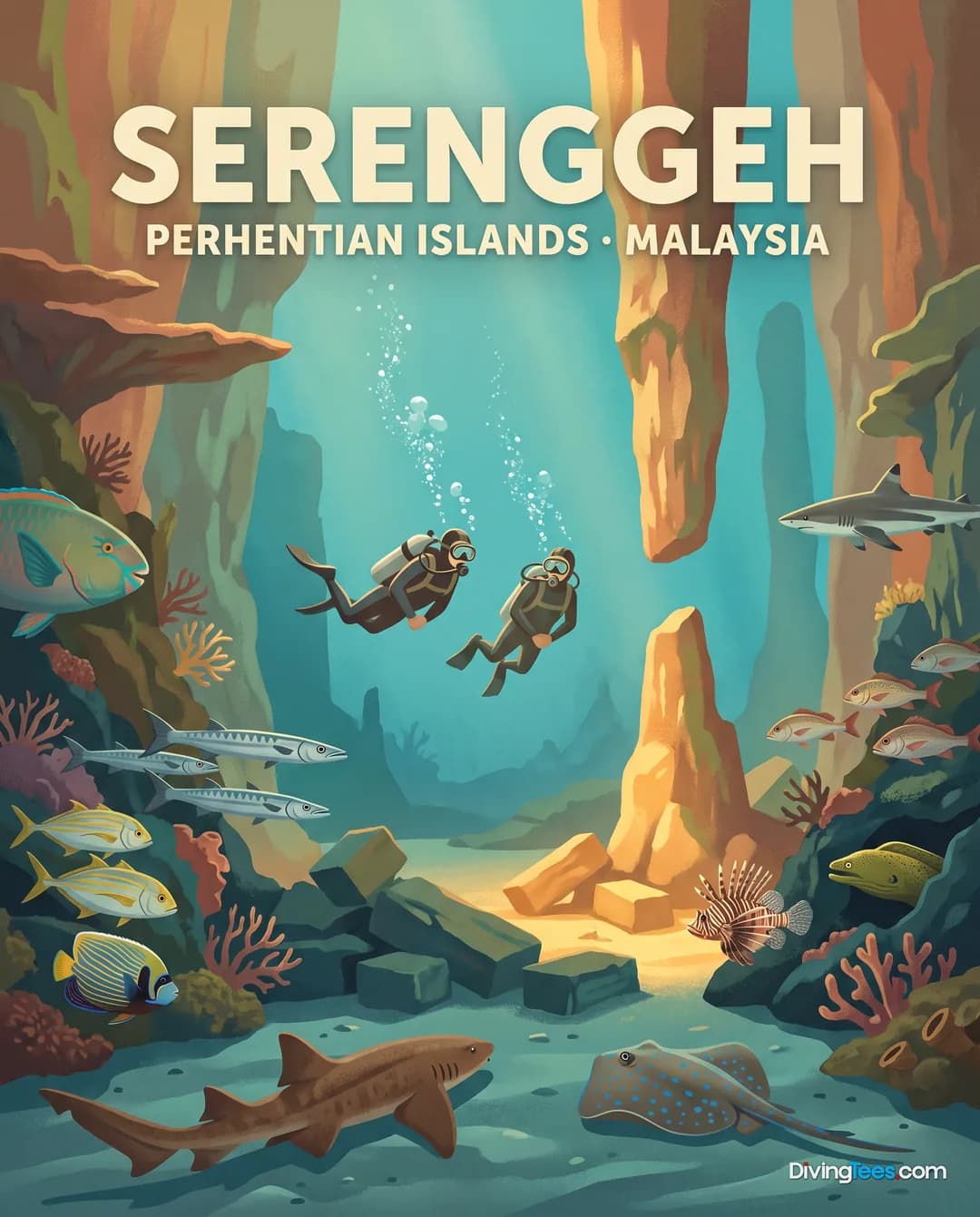
down to 24 m
And some of the dive sites the centre runs.
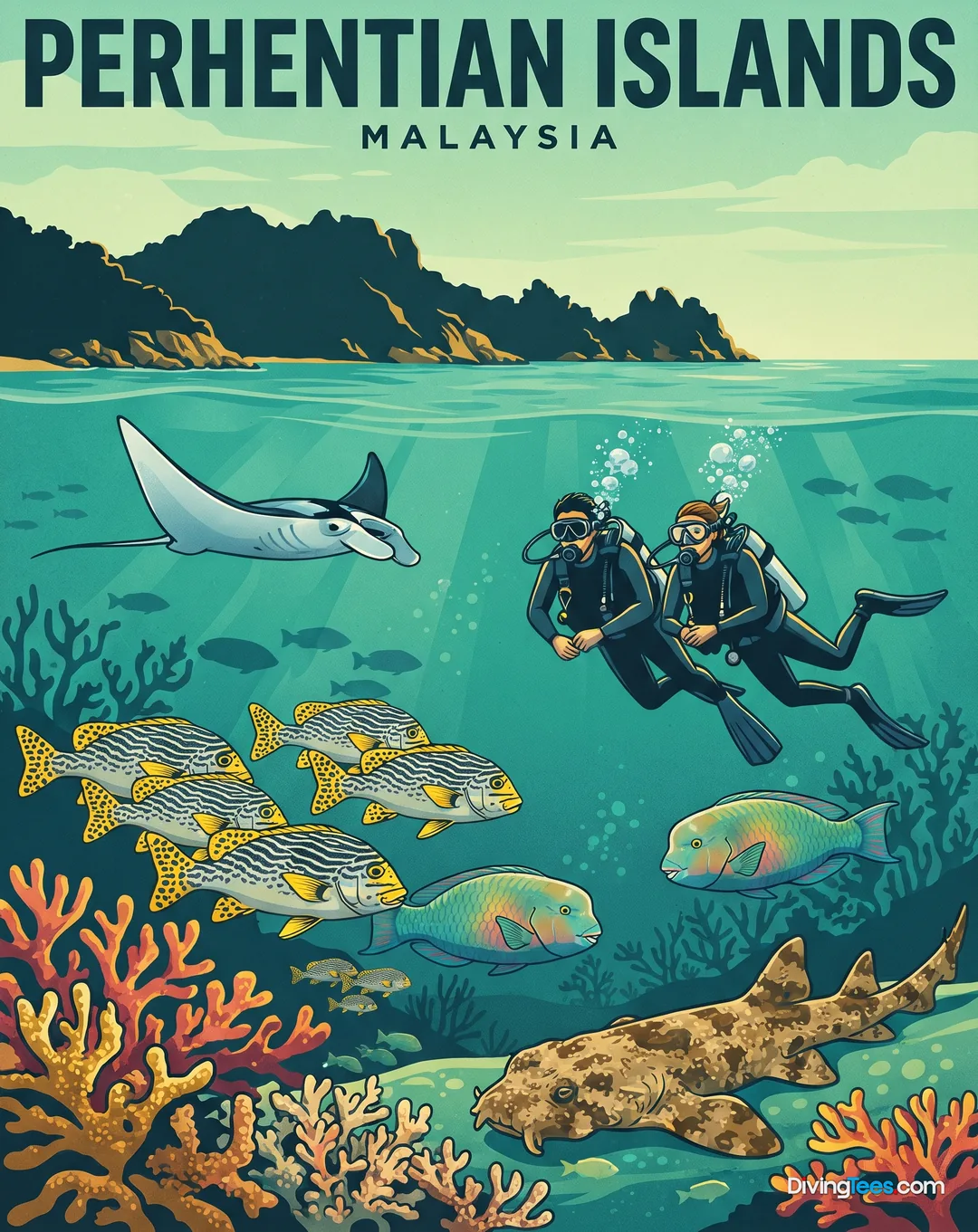
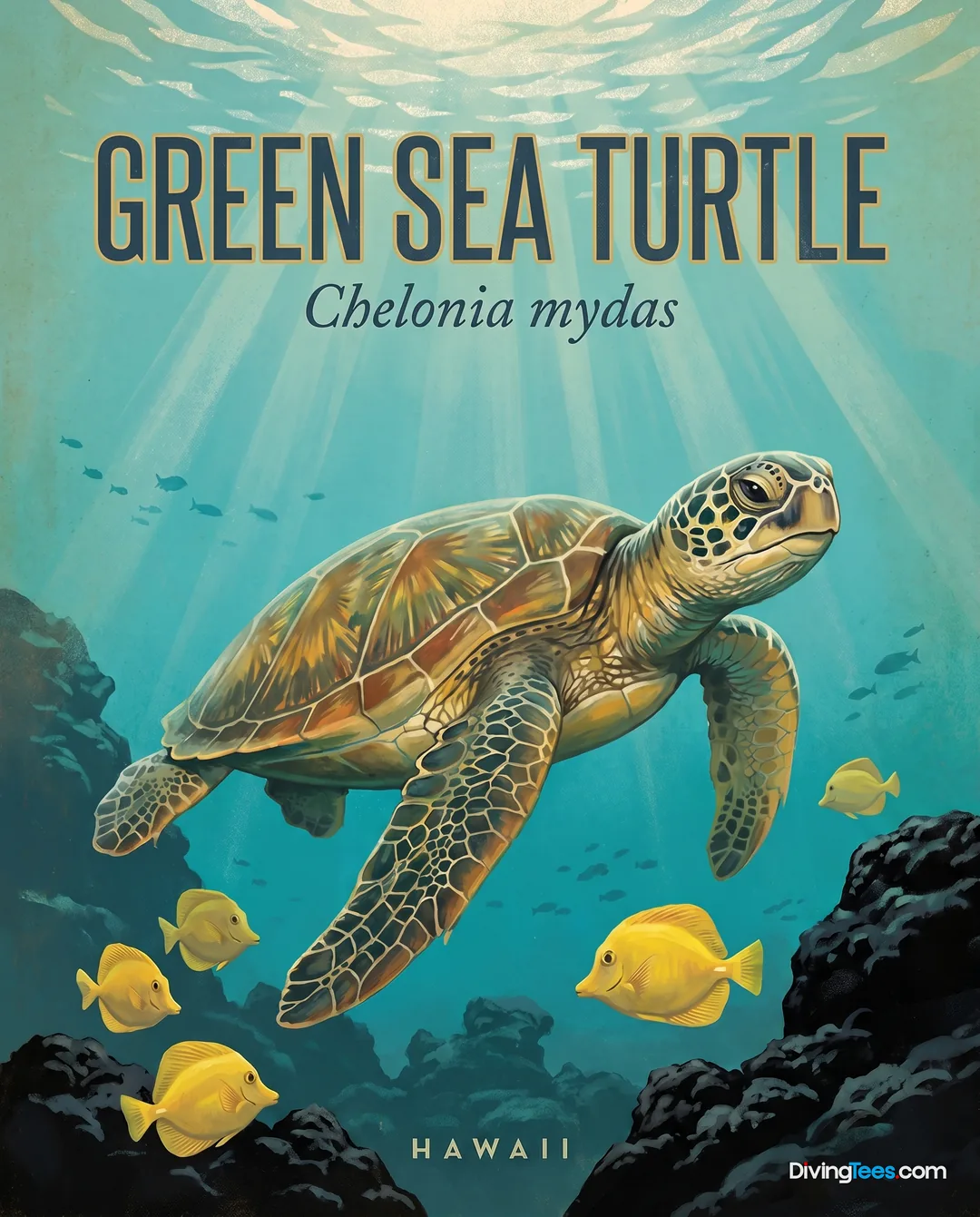
The marine life in the Perhentian Islands is remarkably diverse. You will frequently encounter pelagic species such as tuna, jack (Carangidae), and various schools of snapper (Lutjanus). Blacktip reef sharks (Carcharhinus melanopterus), bamboo sharks (Chiloscyllium), and turtles, including green sea turtles (Chelonia mydas), are regular visitors to the reefs.
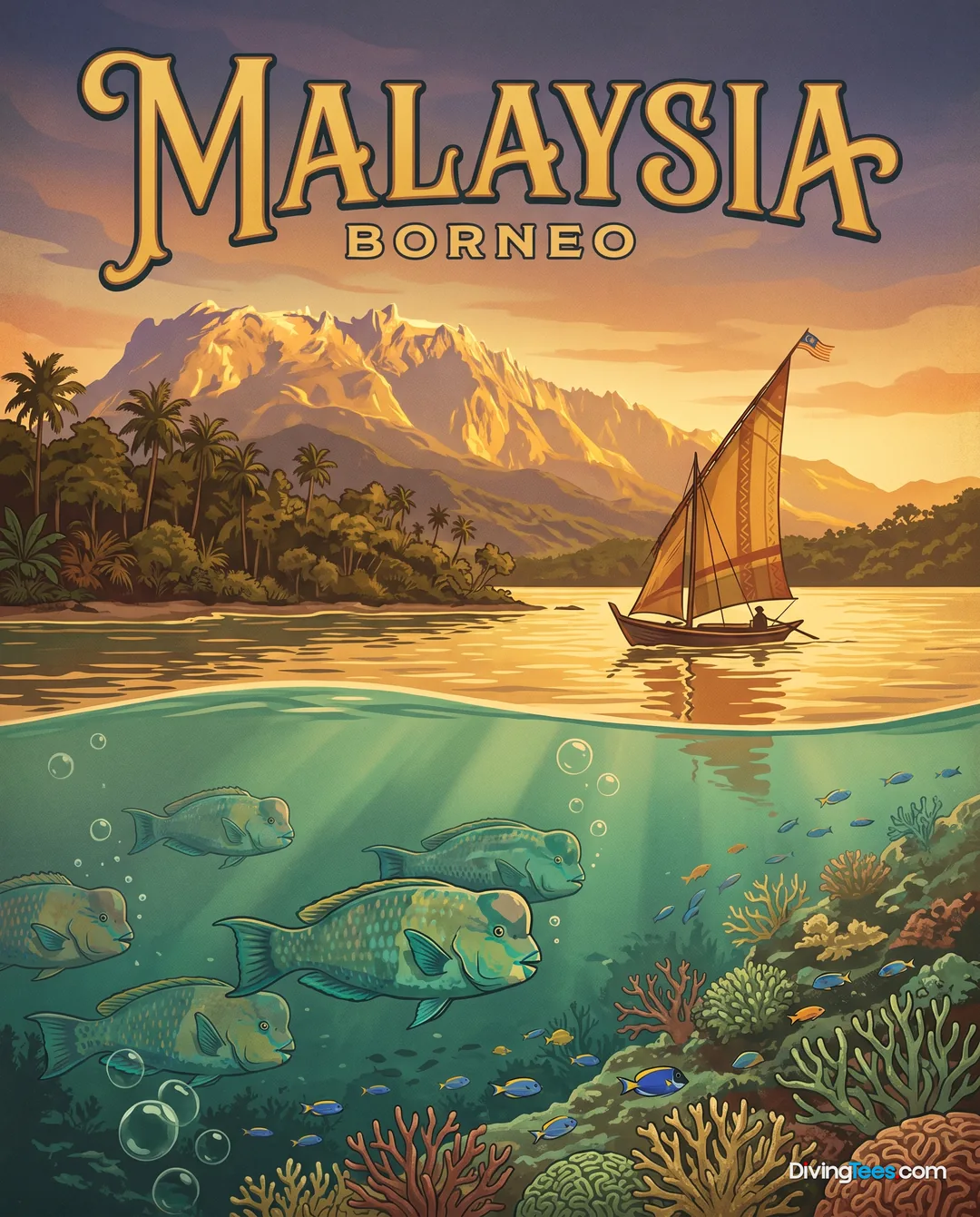
On the reef walls and pinnacles, look for large Humphead parrotfish (Bolbometopon), groupers (Epinephelus), and various species of triggerfish (Balistidae). You can also spot corals, sea anemones, and diverse reef fish including butterflyfish (Chaetodon) and damselfish (Pomacentridae).
For macro enthusiasts, the area offers plenty to discover. Keep an eye out for various nudibranch (Chromodoris willani), pipefish, seahorses (Hippocampus kuda), and scorpionfish (Scorpaenidae). The crevices often hide crabs (Brachyura), shrimp (Caridea), and various species of boxfish (Ostraciidae).
The best time to dive in the Perhentian Islands is from March to October. During this period, the seas are generally calmer and more suitable for regular boat trips.
It is best to avoid diving between November and February due to the monsoon season, which brings heavier swells and more challenging conditions.
Hello, I'm Marina, DivingDeal.com's AI assistant. I answer in detail about hotels, dive centres and liveaboards.

Thinking about the whole trip and the flights? Talk it over with Edith →
Marina is an AI. Some links are affiliate links: DivingDeal may earn a commission, at no extra cost to you. Bookings are made with the partner.
★★★★★
★ 9.2/10 (1,544 reviews)
less than 1 km away as the crow flies
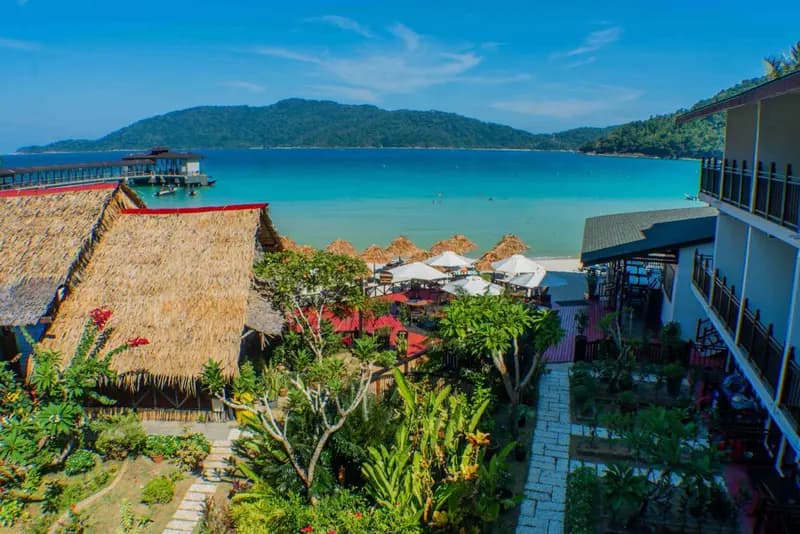
★★★★
★ 9.5/10 (196 reviews)
less than 1 km away as the crow flies
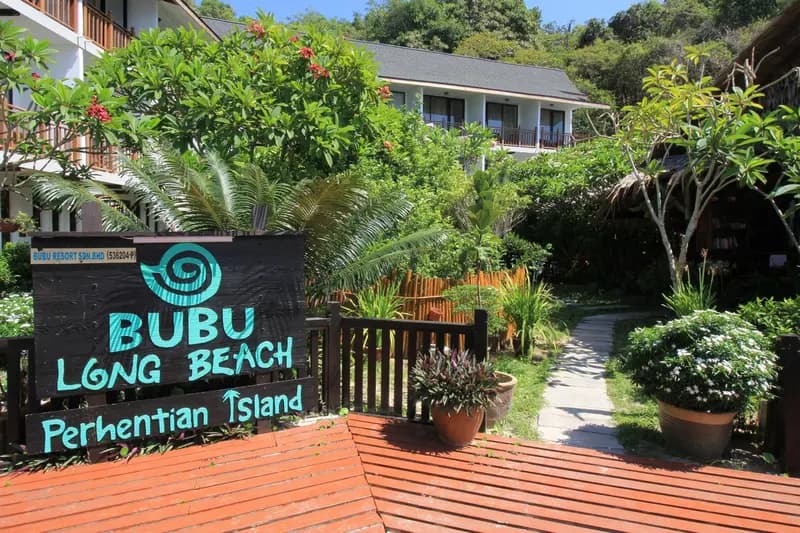
★★★★
★ 9/10 (558 reviews)
less than 1 km away as the crow flies
★ 8.6/10 (148 reviews)
less than 1 km away as the crow flies