






Asia
Vietnam: two coasts, one carefully timed itinerary
Vietnam links Nha Trang’s Cham heritage and island diving with Phu Quoc’s nuoc mam, pepper plantations and distinctive marine wildlife
What makes this country unique
- April to October around Nha Trang and Khanh Hoa
- October to May around Phu Quoc
- Phu Quoc’s reef sharks and whale sharks
- Po Nagar Cham Towers beside Nha Trang
- Bun Quay and Bun Ken on Phu Quoc
- Hue’s imperial citadel and northern cuisine
- Ham Ninh crabs from Phu Quoc
For subtitles in English: start the video firstthen click the gearat the top right of the video, select “Subtitles/CC”, then “Auto-translate” and choose “English”.
This country for a diver
Vietnam is a long, regionally varied coastline rather than one uniform dive destination. Its difference from neighbouring countries lies in the combination of imperial Hue, French-influenced Hanoi and banh mi, communist history, and a fast-moving commercial south. For divers, the useful distinction is between the central-southern coast around Khanh Hoa and Nha Trang, and the island setting of Phu Quoc. Each is tied to a different land culture, food tradition and travel rhythm. Across the country, diving is organised around boats and local coastal logistics, with the calendar determining which side deserves attention.
How the country divides
The central-southern group is Khanh Hoa and Nha Trang. Its diving season runs from April to October, and Nha Trang is the practical base for boat days around the bay and nearby islands. This is the side to choose when you want diving connected to a substantial coastal city, with Po Nagar Cham Towers, seafood markets and straightforward arrangements from the harbour area. Mot Island should be treated within that Nha Trang structure, not assumed to be a self-contained resort island. Phu Quoc forms a separate island group, with its season running from October to May. It suits travellers who want an island stay built around fishing villages, pepper, nuoc mam and local seafood, as well as a more distinctive wildlife list. These are not adjacent extensions of one resort area: Phu Quoc lies roughly 611 kilometres from Khanh Hoa and 612 kilometres from Nha Trang, so the choice affects the shape of the whole itinerary.
Diving destinations
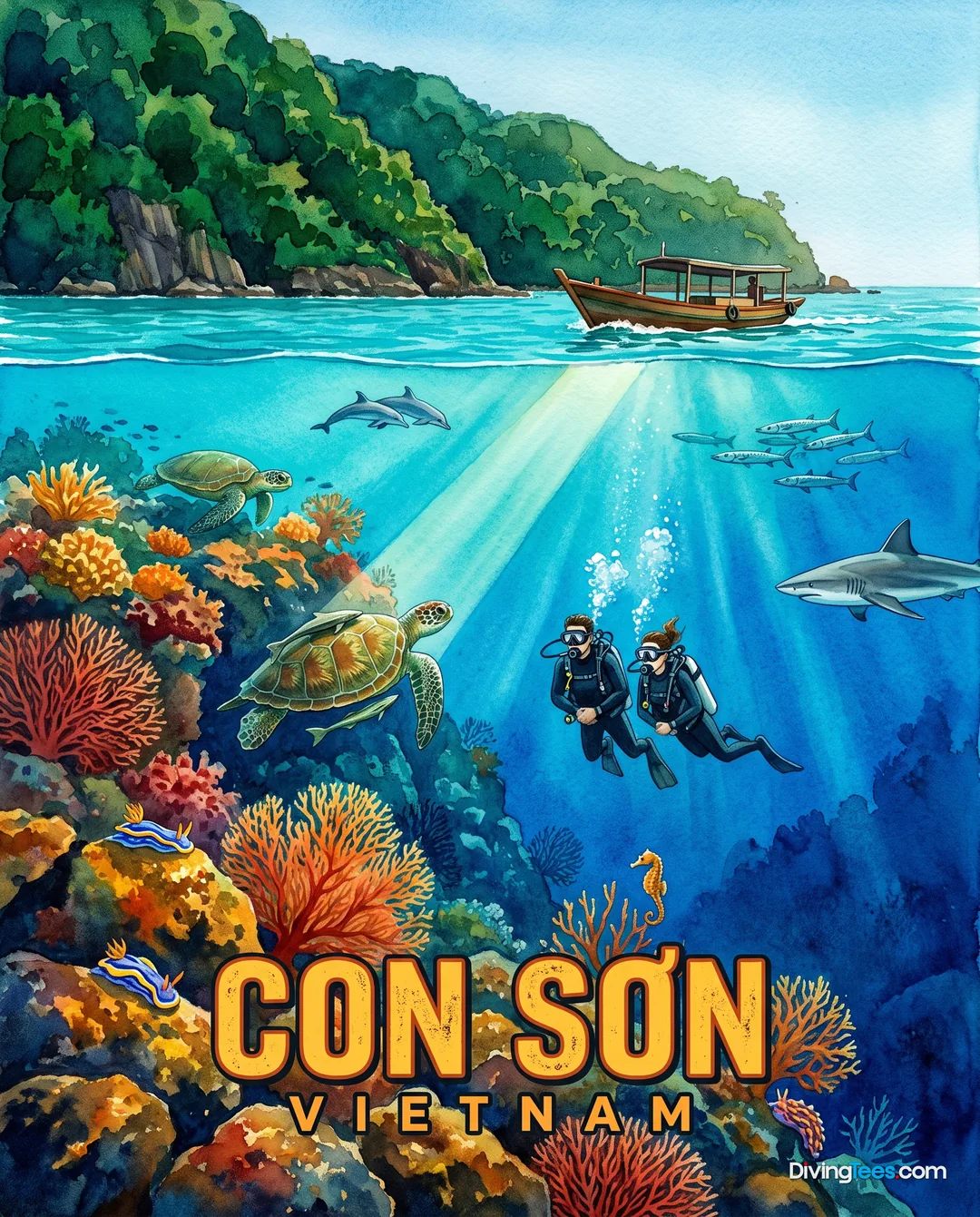
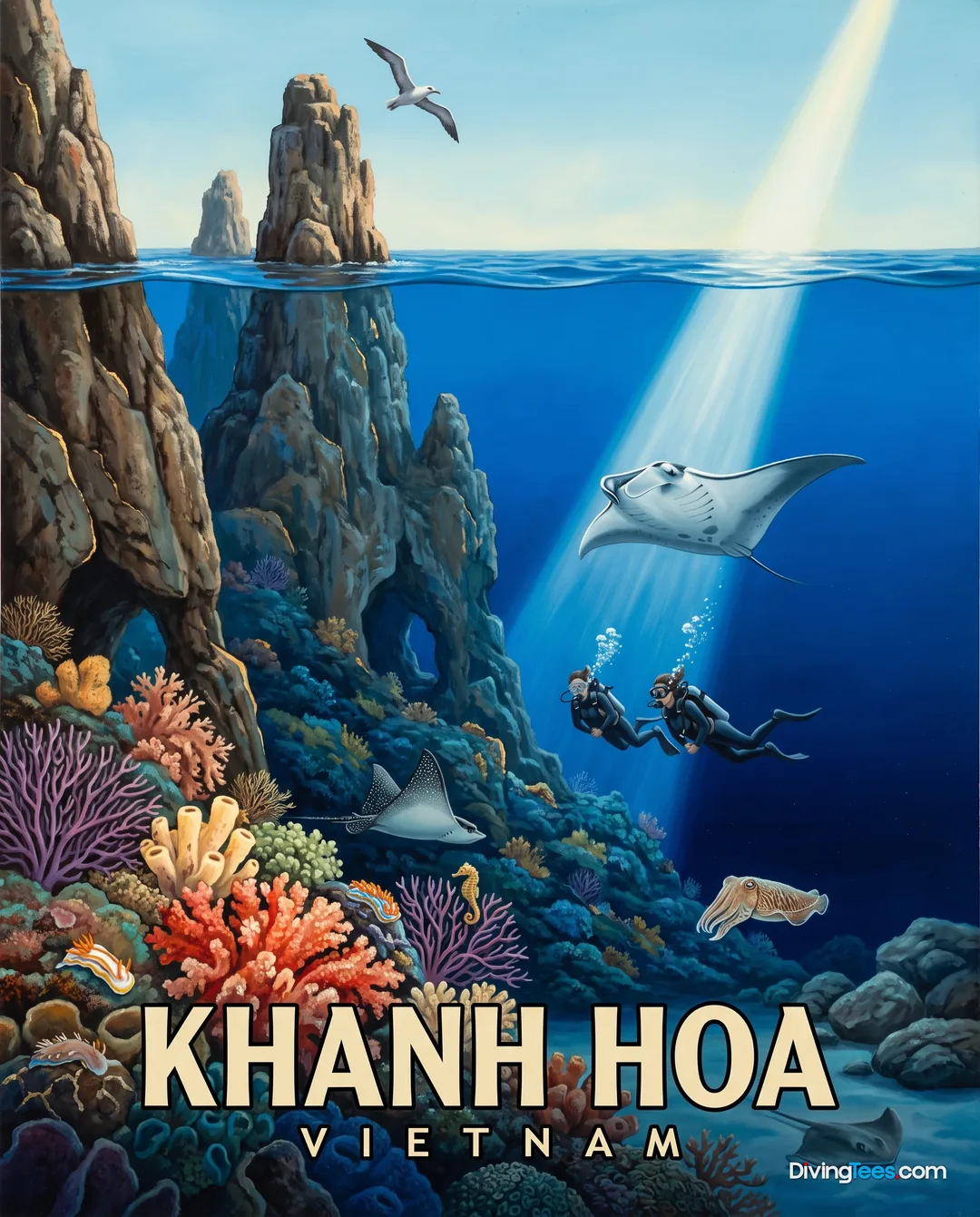
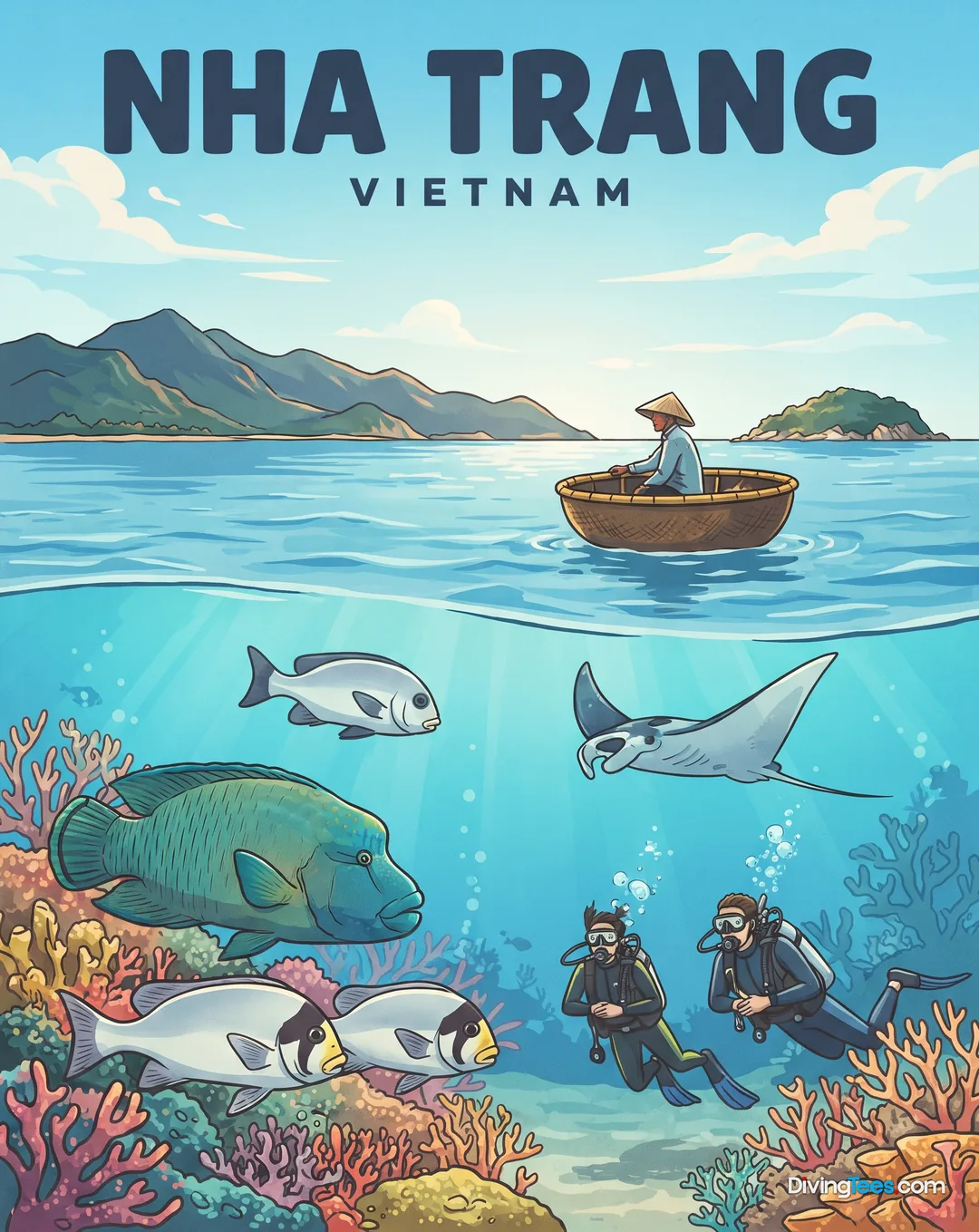
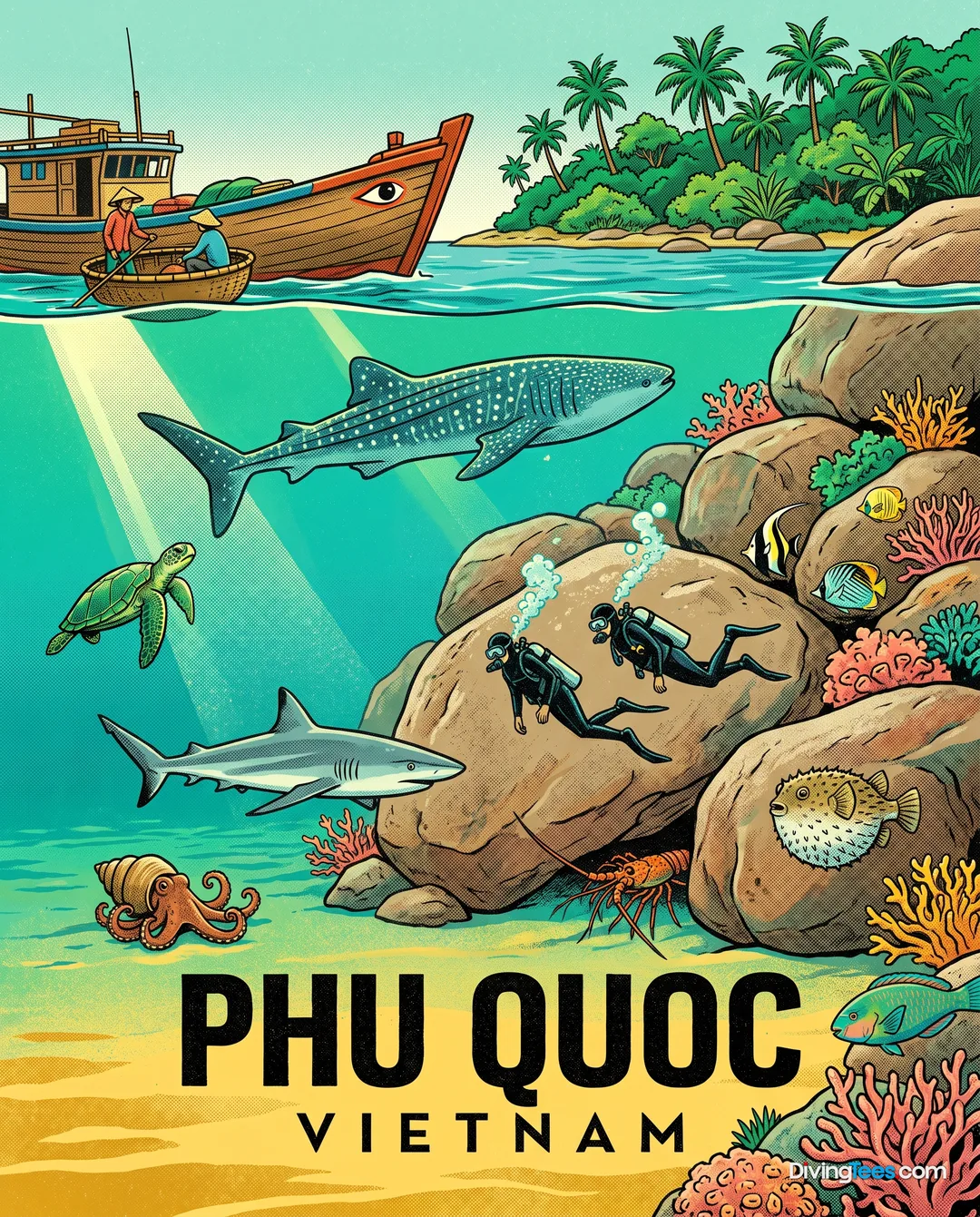
Dive centres


Hotels
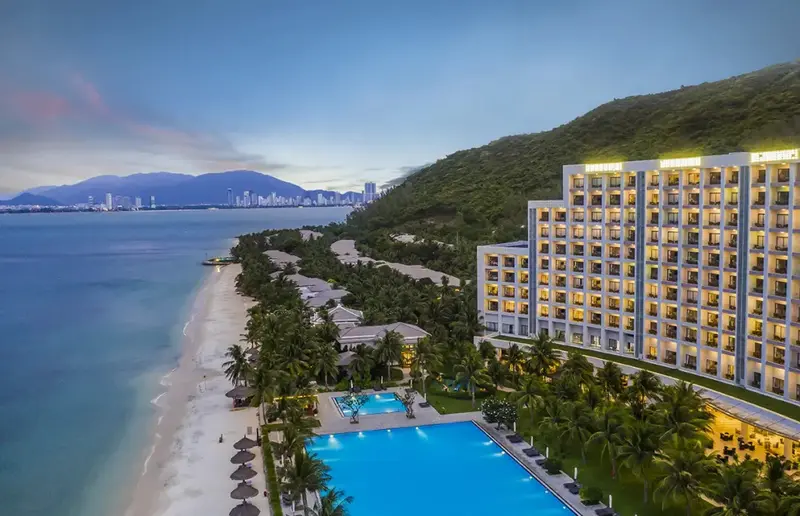
Vinpearl Resort & Spa Nha Trang Bay
Nha Trang
★★★★★
Google 4.9/5 (52,202 reviews)
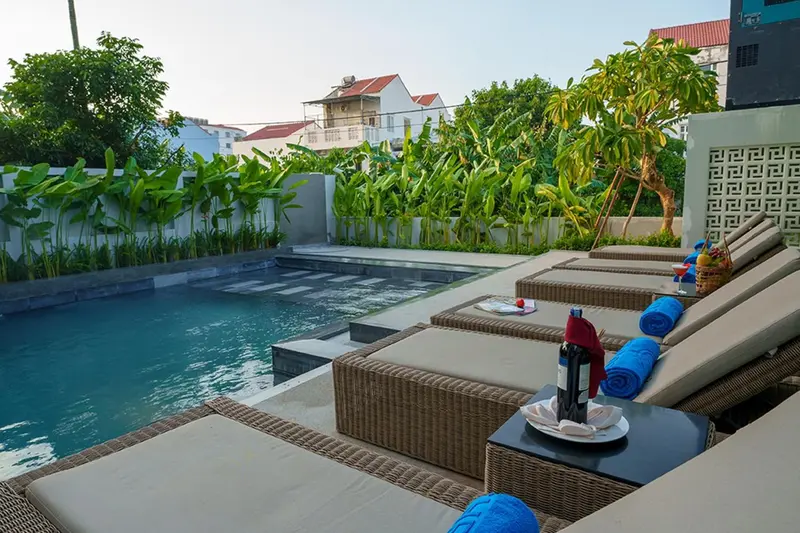
Cozy An Boutique Hotel Hoian
Hoi An
★★★★
Google 4.9/5 (909 reviews)
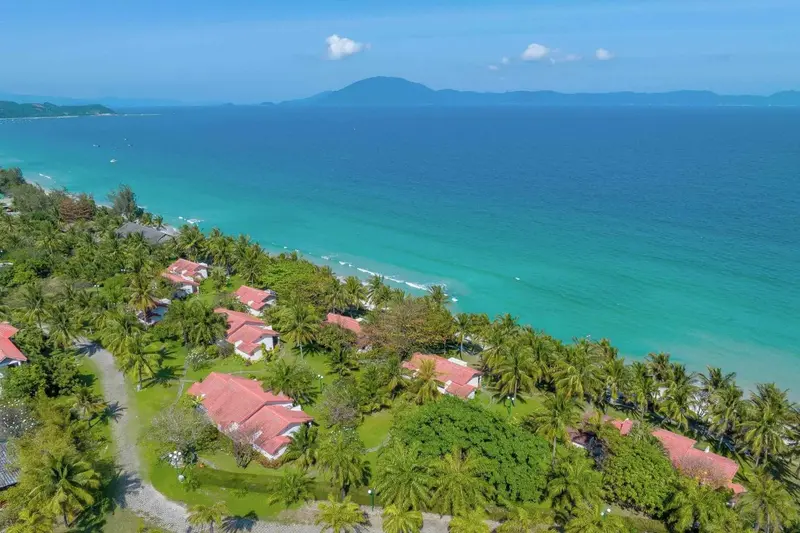
Pax Ana Doc Let Resort & Spa
Nha Trang
★★★★★
Google 4.8/5 (2,188 reviews)
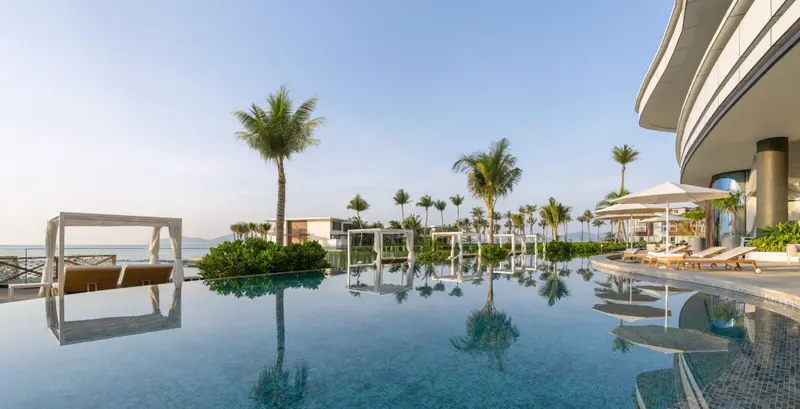
Villa Le Corail, A Gran Melia Hotel
Khanh Hoa, Nha Trang
★★★★★
Google 4.8/5 (1,321 reviews)
When to go, and where by month
From January through March, Phu Quoc is the clear seasonal choice. April and May are the broadest months: Phu Quoc, Khanh Hoa and Nha Trang are all in season, allowing the most flexibility if you want to combine an island stay with the central-southern coast. From June through September, the calendar points to Khanh Hoa and Nha Trang. October again opens all three names, while November and December return the focus to Phu Quoc. The useful point is not a single national season, but two windows that overlap briefly and then separate. When the Nha Trang side closes its stated April-to-October window, Phu Quoc’s October-to-May period provides the alternative. Ask how the operator selects sites for swell and visibility on the day; in this part of Vietnam, the practical quality of the dive depends on that choice as well as the month.
Marine life, coast by coast
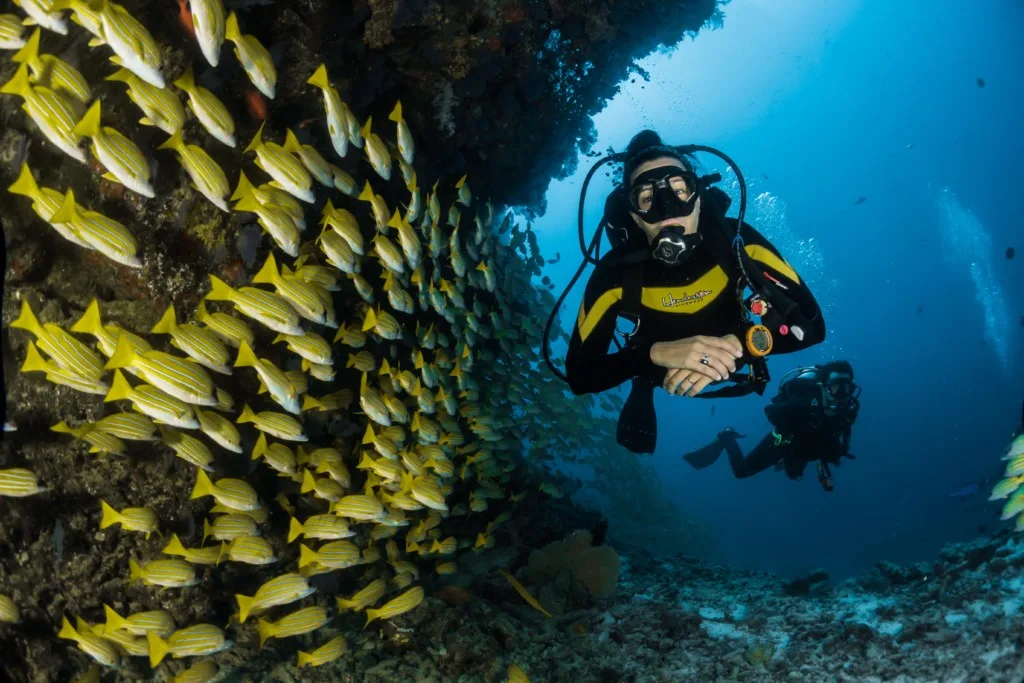
Phu Quoc is the part of Vietnam where the marine wildlife profile becomes most specific. Its waters are associated with angelfish, butterflyfish and parrotfish, alongside grey reef sharks and whale sharks. Sea turtles are also part of the picture, and the coconut octopus gives the island a particularly memorable small-scale subject for patient divers. This matters when choosing between the two seasonal groups: a trip centred on Khanh Hoa and Nha Trang is not simply interchangeable with an itinerary designed around Phu Quoc’s wildlife. Phu Quoc therefore earns its place as a separate marine choice, not merely as another Vietnamese beach stop. The wider country offers a varied coastal setting, but the named wildlife emphasis is concentrated here.
Getting between the areas
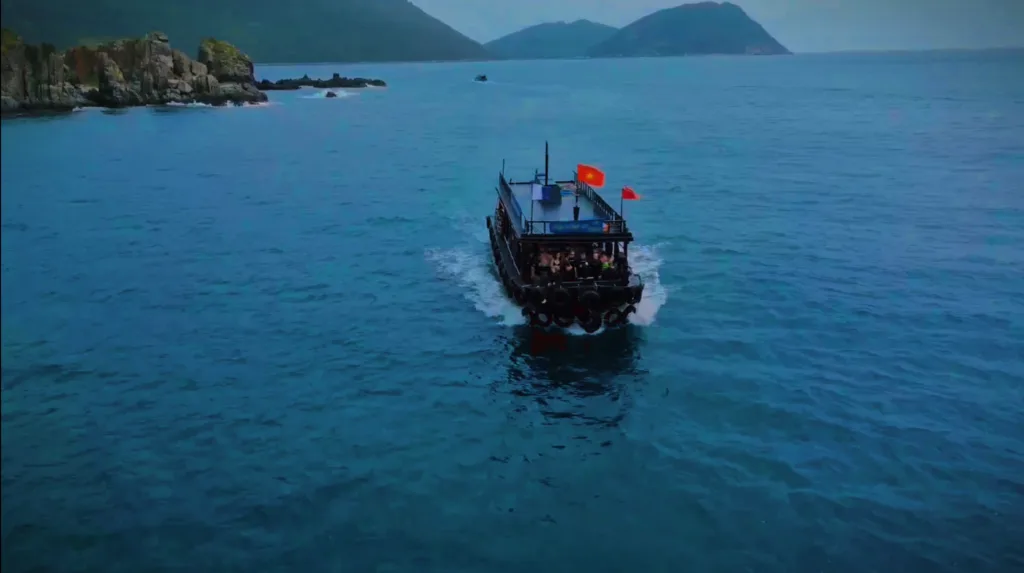
Khanh Hoa and Nha Trang work naturally as one coastal base, with day boats handling the island diving rather than a complicated island-to-island move. Keep accommodation close to the Nha Trang harbour area if predictable pickups matter, and confirm whether the operator uses the same departure point as other day boats. Mot Island is best planned as part of that Nha Trang itinerary, not as an independent island transfer. Phu Quoc is different: it is about 611 kilometres from Khanh Hoa and 612 kilometres from Nha Trang, so moving between them costs a substantial transfer rather than a convenient boat hop. In a two-week trip, the pairing is realistic with domestic flights, but the country rewards choosing one coastal region first. Do not build the plan around unconfirmed ferry-style logistics; the dependable structure is a sea transfer on a dive boat.
Take off your mask
Vietnam’s identity changes noticeably between its regions. Hanoi’s Old Quarter puts pho bo, bun cha, banh mi and strong coffee into the middle of daily street life, while Hue brings the imperial citadel and the spicier bun bo Hue. Around Nha Trang, the Po Nagar Cham Towers offer a direct link to the Cham history of the central coast, and the night market turns seafood, souvenirs and beach culture into an evening social scene. Phu Quoc has its own island table: Bun Quay, Bun Ken, herring salad and Ham Ninh crabs, with pepper plantations and nuoc mam workshops adding context to the food. Ho Chi Minh-Ville brings com tam, Ben Thanh Market and the informal rhythm of bia hoi. Têt closes shops and disrupts transport for several days, while the mid-autumn festival fills streets with lanterns, lion dances and mooncakes. At temples and pagodas, cover shoulders and knees and remove shoes before entering.
What holds true everywhere here
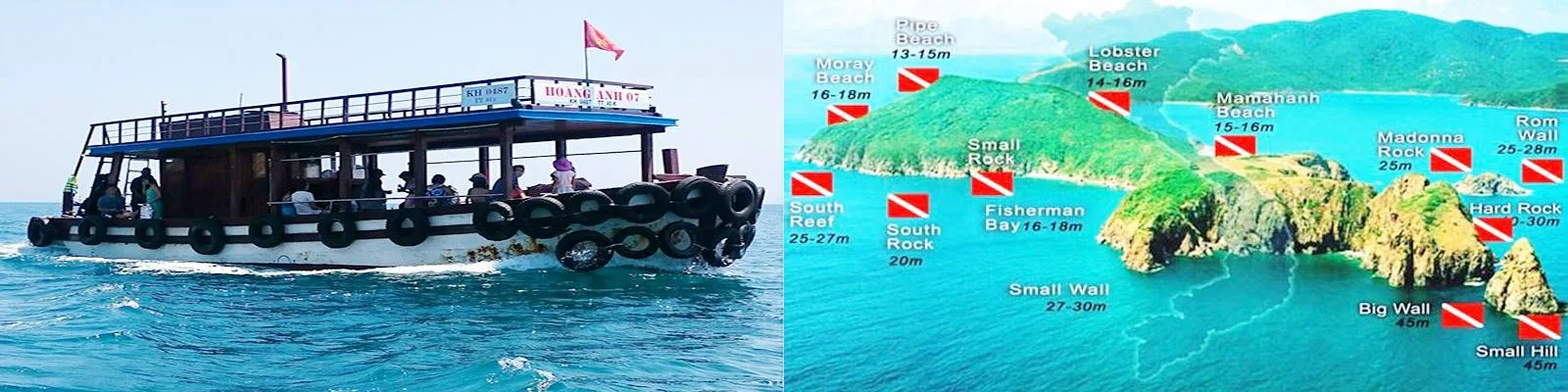
Vietnam rewards practical planning rather than assumptions imported from other dive destinations. Boat transfers are the normal organising principle, and fixed ferry-style connections should be confirmed rather than taken for granted. In Nha Trang, briefings should distinguish Hon Mun MPA sites from unprotected coastal snorkel areas: reef quality and local rules are not identical around every island. Clean buoyancy matters on bay reefs and frequently visited sites, where contact with the bottom is a needless risk. Nitrox can make repeated, relatively shallow diving more comfortable to organise. Conditions also favour asking which site is best on the day, rather than expecting a current-driven or wreck-focused itinerary. On land, cross roads at a steady pace through the motorcycle traffic, dress respectfully at sacred sites and use bottled or boiled water.
Frequently asked questions about Vietnam
When should you visit Vietnam for diving?
Choose the Nha Trang and Khanh Hoa area from April to October, or plan Phu Quoc from October to May. These seasonal groups suit different itineraries, so your preferred marine area should guide your travel timing rather than treating Vietnam’s diving locations as interchangeable.
What kind of diver will enjoy Vietnam’s diving?
Vietnam suits divers who want to match a trip with a particular marine focus. Patient divers may especially enjoy looking for Phu Quoc’s coconut octopus, while those drawn to Cham heritage and island diving may prefer an itinerary around Nha Trang and Khanh Hoa.
What can you see while diving in Vietnam?
Around Phu Quoc, you may encounter angelfish, butterflyfish, parrotfish, grey reef sharks and whale sharks. Sea turtles and coconut octopus are also part of the marine wildlife profile. Vietnam’s wider coastal setting adds variety, while the named wildlife emphasis is concentrated around Phu Quoc.
How should you plan a Vietnam diving stay?
Decide whether your stay should centre on Nha Trang and Khanh Hoa or on Phu Quoc, since their diving experiences are distinct. Around Nha Trang, you can combine island diving with the Po Nagar Cham Towers. In Phu Quoc, pair diving with nuoc mam, pepper plantations, Ham Ninh crabs, Bun Quay and Bun Ken.

