
Vietnam Active Phu Quoc Diving Center
Google 5/5 (1,280 reviews)
Vietnam · Asia
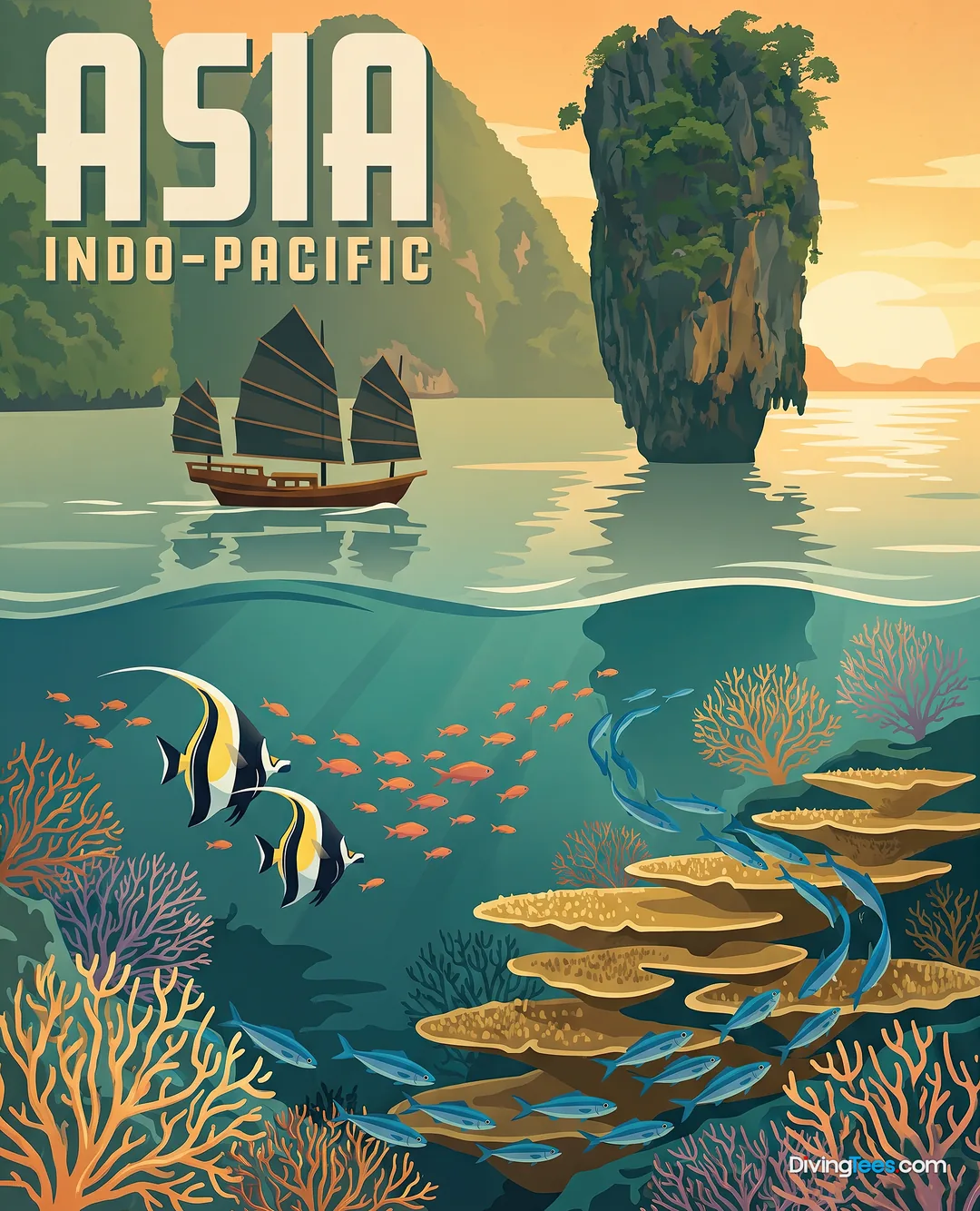
Swim-throughs, boulder-strewn slopes and coconut octopus define Phu Quoc’s easy boat diving, from one-metre shallows to reefs descending to 25 metres.
For subtitles in English: start the video firstthen click the gearat the top right of the video, select “Subtitles/CC”, then “Auto-translate” and choose “English”.
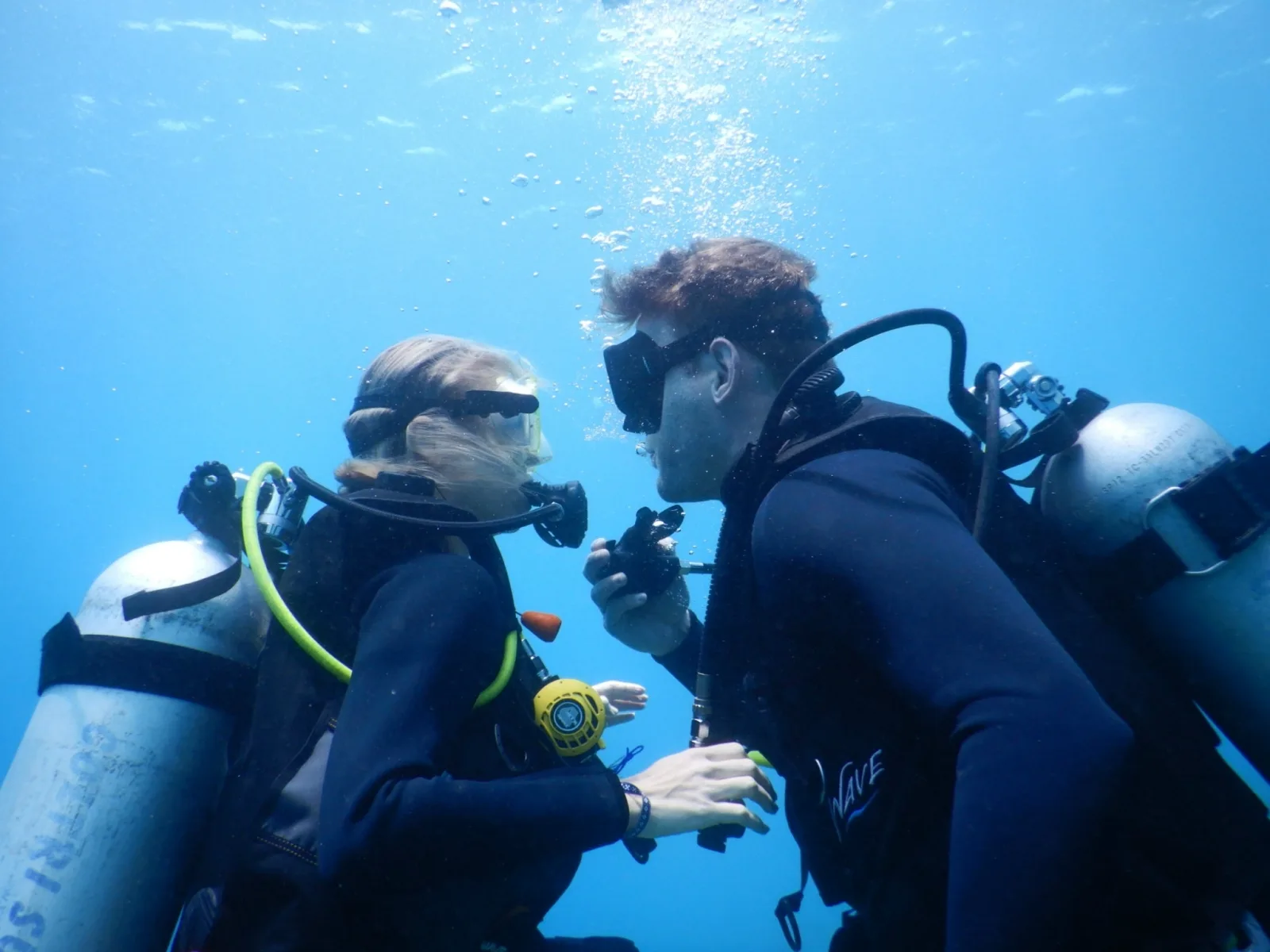
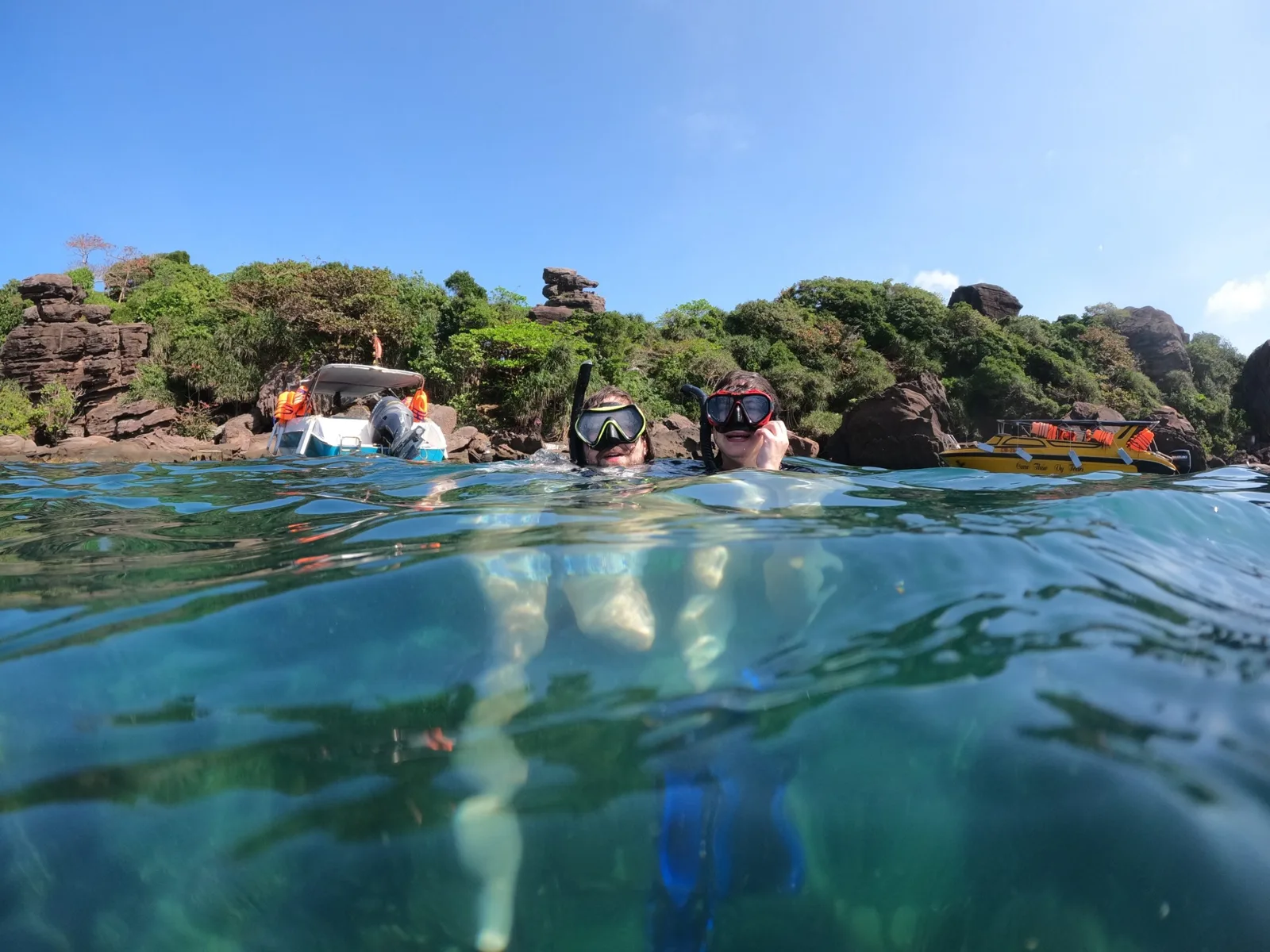
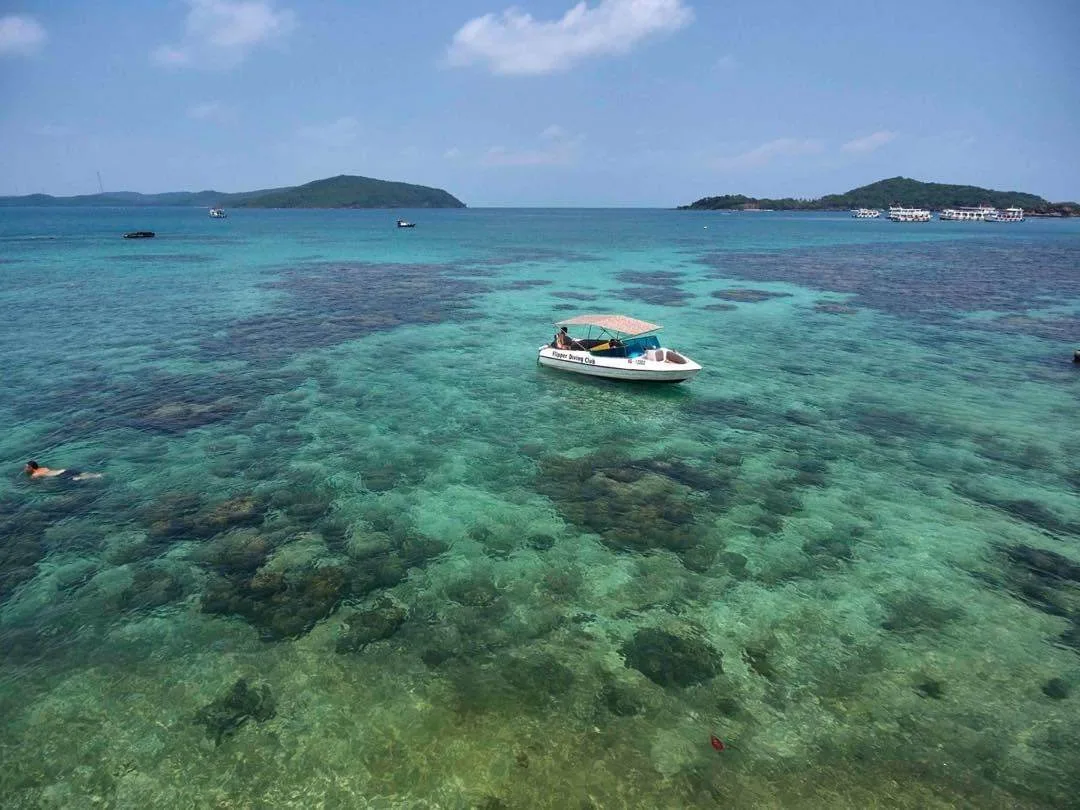
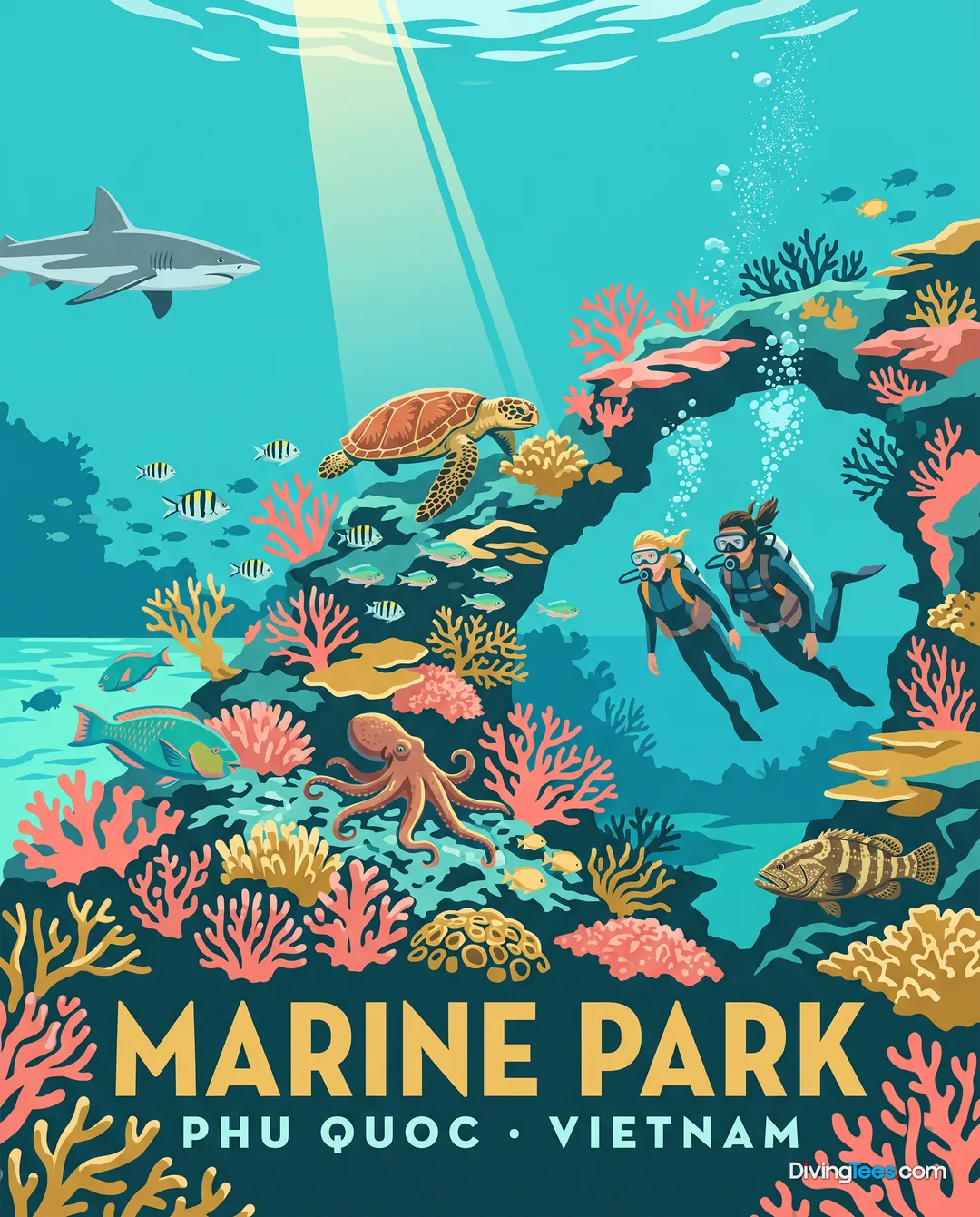
Phu Quoc is an island holiday base where diving fits around the rest of the trip. Day boats head out to nearshore reefs and the An Thoi Archipelago, with Marine Park offering swim-throughs and depths down to 25 metres. Nail Island is shallower and more gradual, with boulders, coral and sandy bottom. The underwater appeal is straightforward rather than specialist: relaxed reef diving, modest current and enough on-land choice to suit a couple or family travelling with non-divers.
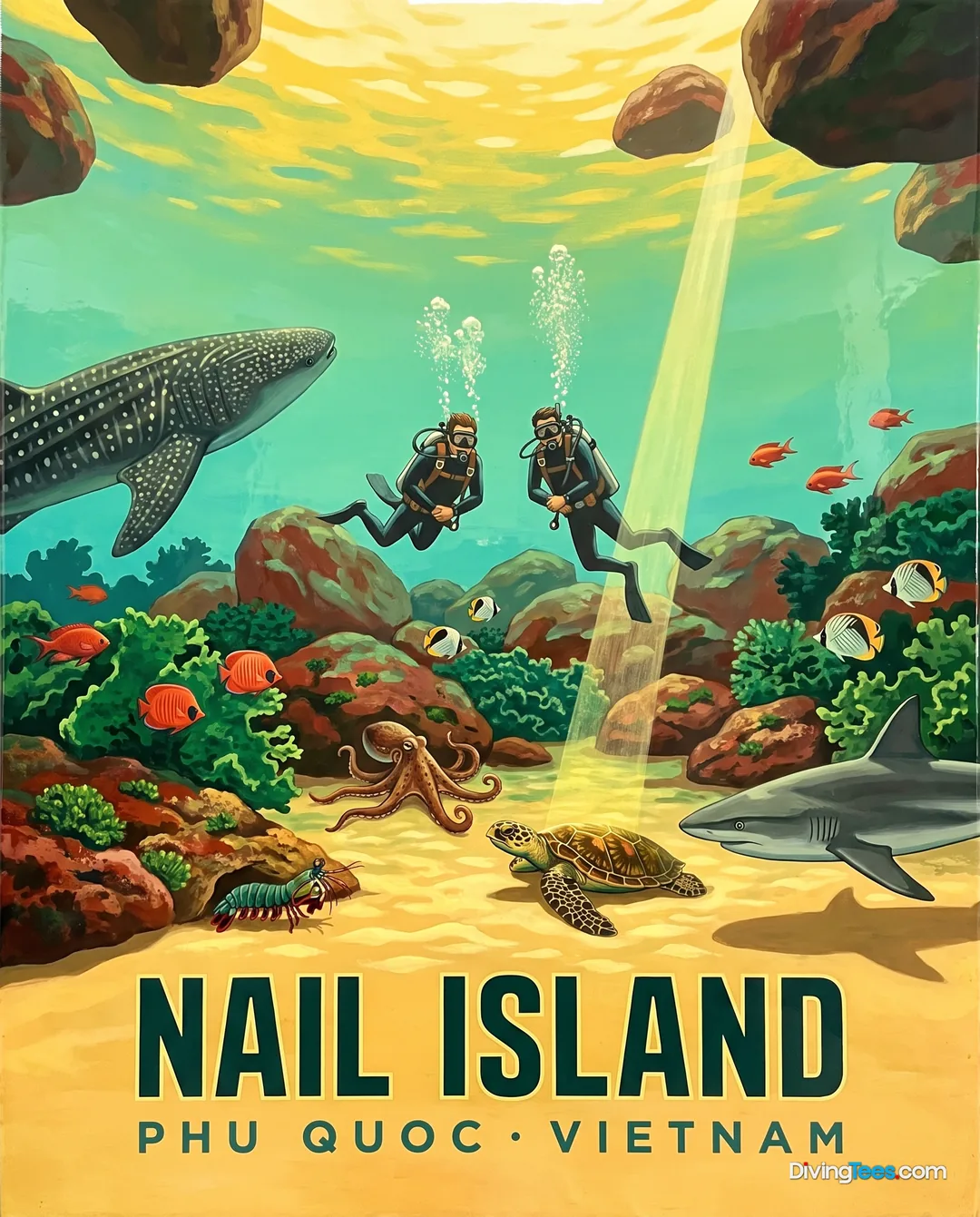
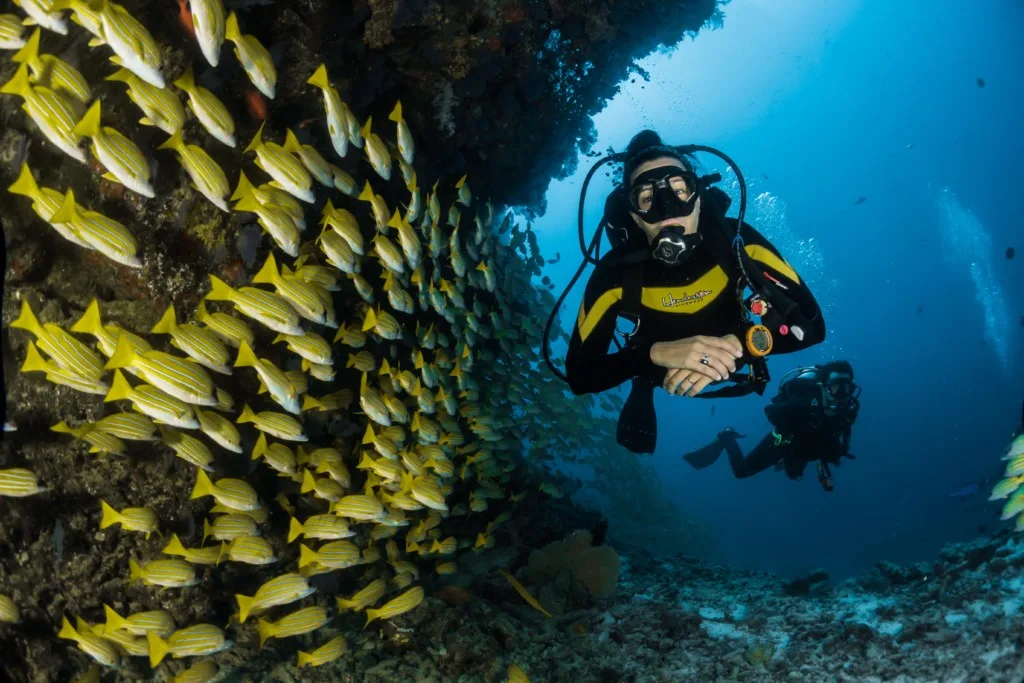
The diving is built around boat trips to coral reefs rather than shore entries, wrecks or deep technical profiles. At Marine Park, the reef runs from 5 to 25 metres and includes geological features such as swim-throughs, making it possible to vary the dive without chasing depth. Nail Island slopes from about one metre to 25 metres, with large boulders, hard and soft corals, and sand between the reef features. Currents are generally light, although they can strengthen around the outer edges of Marine Park or during monsoon conditions. Visibility is changeable: Marine Park may range from 4 to 20 metres, while Nail Island can vary from 3 to 25 metres. This is a place for steady finning, relaxed reef observation and uncomplicated day-boat routines, not current-led or wreck-focused diving.
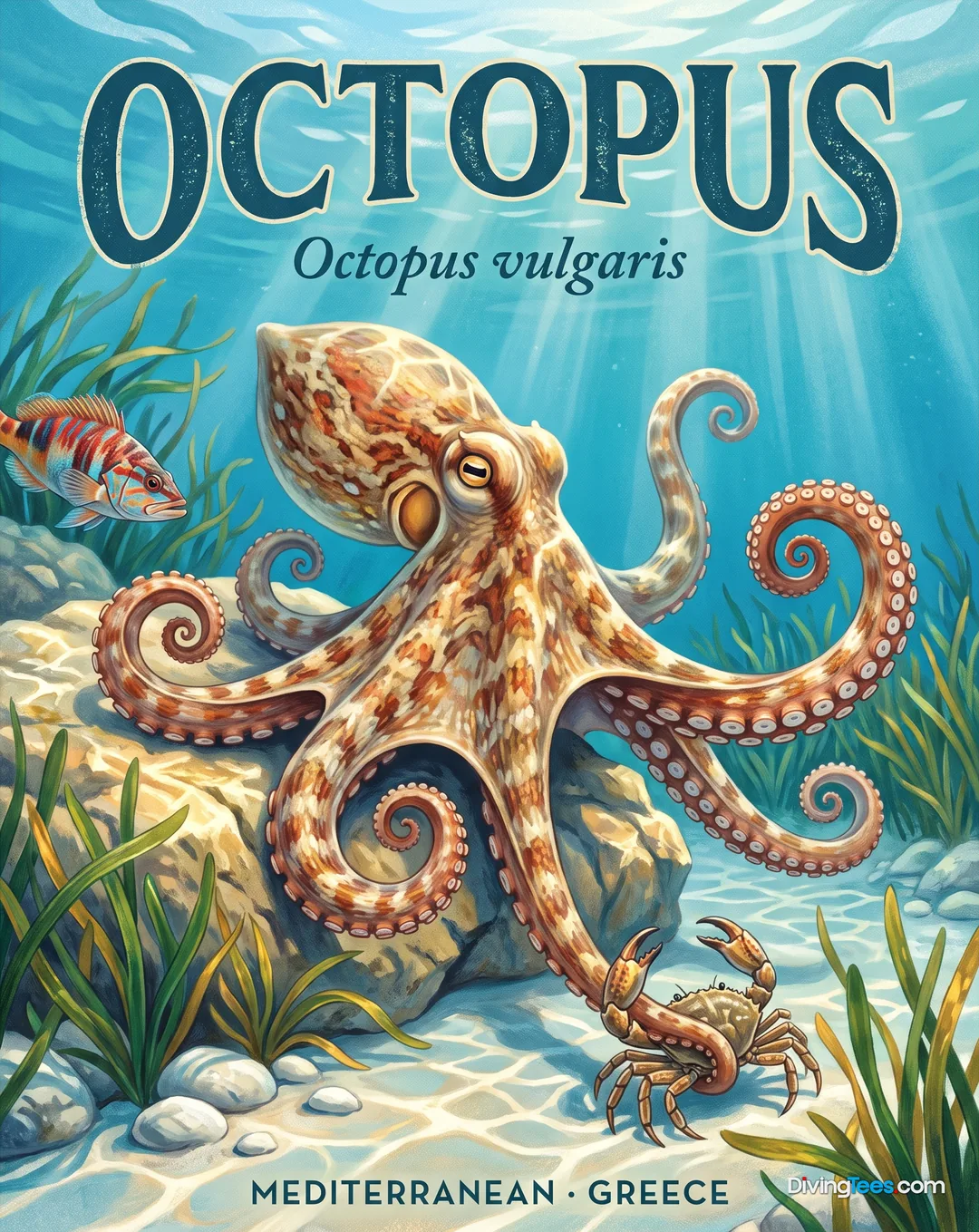
The reef fish are the main attraction. Angelfish, Butterflyfish and Parrotfish can be found around the coral and boulders, while a coconut octopus rewards a slower look into holes and shelter beneath the reef structure. Marine Park also offers the possibility of occasional larger pelagics, although they are an extra rather than the reason to build the trip around the site. Nail Island’s shallow slope and sandy bottom make it particularly practical for spending time searching close to the reef rather than covering ground. The October-to-May window is the sensible period for these encounters because calmer boat conditions make the reefs easier to reach and examine; the material does not support promising a separate seasonal species spectacle.
The most useful diving window runs from October to May, when the sea is generally at its calmest. Rainfall is lowest from November to April, so that period combines the easier boat conditions with a better chance of settled weather. Visibility still varies considerably, and monsoon conditions can occasionally strengthen currents, particularly towards the outer edges of Marine Park. In practical terms, October and May offer the broader shoulder around the calm-season window, while November to April is the more weather-conscious choice. The destination therefore rewards planning around sea conditions rather than chasing a particular seasonal animal.
Phu Quoc suits all levels, including divers holding an entry-level Open Water Diver qualification or an equivalent BSAC, PADI or SSI certification. Nail Island’s shallow, gently sloping profile is a sensible introduction to the local format. Marine Park is also accessible to Open Water divers, but comfort with boat diving and mild current matters, especially near its outer edges or in monsoon conditions. No specialist wreck, cave or technical qualification is central to the destination.
From London Heathrow, London Gatwick or Manchester, the journey requires either a flight to Phu Quoc’s island airport or a mainland route followed by a sea crossing. The overland option runs towards the southern Mekong Delta coast, then uses a ferry or catamaran from the Ha Tien or Rach Gia side of the mainland. That crossing is the fixed point in the itinerary, so connections need to be arranged around the boat timetable rather than treated as an afterthought. Once on Phu Quoc, the diving itself is organised from the island on day boats, keeping the underwater plan local rather than dependent on a liveaboard circuit.
Treat the island crossing as the part of the journey that can dictate the whole timetable if travelling overland from the mainland. A missed or poorly connected ferry leg leaves little value in having planned the dive days perfectly, so keep the sea crossing central when arranging the itinerary. Phu Quoc works best when the trip is designed as a land-based island stay with day boats; treating it like a liveaboard destination creates the wrong expectations. The underwater experience is about easy reef days, not signature wrecks, technical depth or sustained current. Marine Park and Nail Island give concrete reasons to dive, but the value lies in the short local boat logistics. It is also worth planning the non-diving side early: beaches, island sightseeing and general resort activities are part of the destination’s appeal. If the route uses the mainland ferry, a no-dive day around that crossing is more useful than trying to force diving around transport.
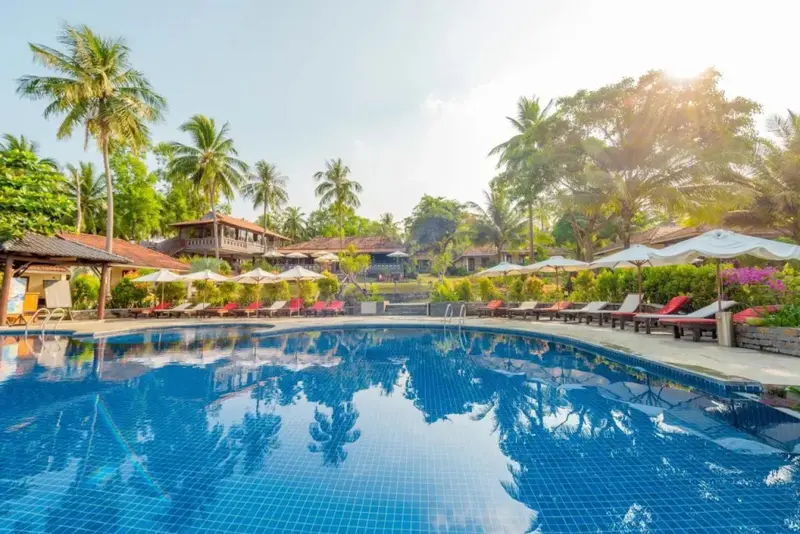
A typical stay is organised on land, with diving fitted into day-boat outings from Phu Quoc. That leaves room for beach time and island sightseeing, and makes the destination workable for a non-diving partner or family member. If arriving by ferry, the crossing can be built into a no-dive day rather than competing with boat diving. The day before flying is best kept for unhurried resort-island activities rather than strenuous excursions.
Hello, I'm Marina, DivingDeal.com's AI assistant. I guide you through destinations, areas and countries.
Thinking about the whole trip and the flights? Talk it over with Edith →
Marina is an AI. Some links are affiliate links: DivingDeal may earn a commission, at no extra cost to you. Bookings are made with the partner.
Your last day stays dry: no diving in the 18-24 hours before a flight, the perfect window to see the destination from another angle.
 Culture
⏱ 3 h · ★ 5.0 (25 reviews)
from £39$52€46
see on Viator ↗

⏱ 7 h · ★ 5.0 (13 reviews)
from £47$63€56
see on Viator ↗
 City
City⏱ 3 h · ★ 5.0 (13 reviews)
from £33$44€39
see on Viator ↗
![[PRIVATE CHARTER] SEA-KAYAKING along HALF-MOON BAY & SUNSET DRIFTING & DINNER](https://media-cdn.tripadvisor.com/media/attractions-splice-spp-400x400/0c/0b/bb/26.jpg)
⏱ 7 h · ★ 5.0 (10 reviews)
from £91$121€108
see on Viator ↗
Ratings and reviews collected by Viator and Tripadvisor.
Plan your diving between October and May, when the sea is generally calmest for boat trips. November through April also brings lower rainfall and more settled weather. Visibility remains changeable, and monsoon conditions can strengthen currents, particularly near the outer edges of Marine Park, so sea conditions should guide your timing.
Phu Quoc suits divers of all levels, including entry-level Open Water divers and equivalent BSAC, PADI or SSI holders. Nail Island’s shallow, gently sloping profile provides a practical introduction to local boat diving. Marine Park is also accessible, although comfort with boats and mild current helps near its outer edges or during monsoon conditions.
Phu Quoc offers coral reefs, Marine Park swim-throughs, boulder-strewn slopes and sandy bottoms. Look for Angelfish, Butterflyfish and Parrotfish around the reef, while a coconut octopus may appear in holes or beneath reef structure. Marine Park can occasionally attract larger pelagics, but relaxed reef observation is the main focus.
Plan Phu Quoc as a land-based island holiday with local day boats, rather than a liveaboard trip. If travelling through the mainland, arrange connections around the ferry or catamaran timetable and consider making the crossing a no-dive day. Leave time for beaches, island sightseeing and resort activities alongside diving.