



Sailing Club Divers
Google 5/5 (983 reviews)
Vietnam · Asia
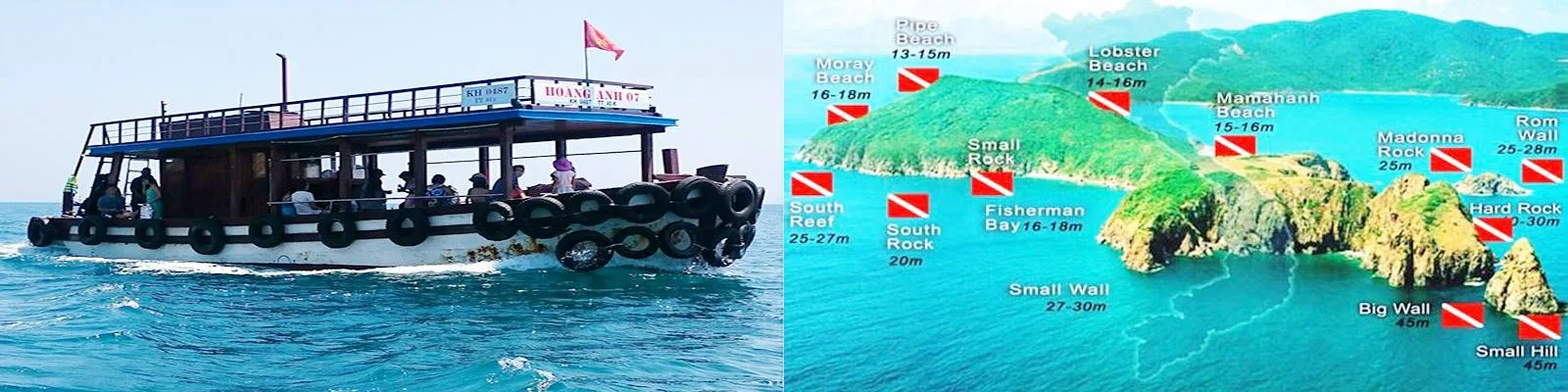
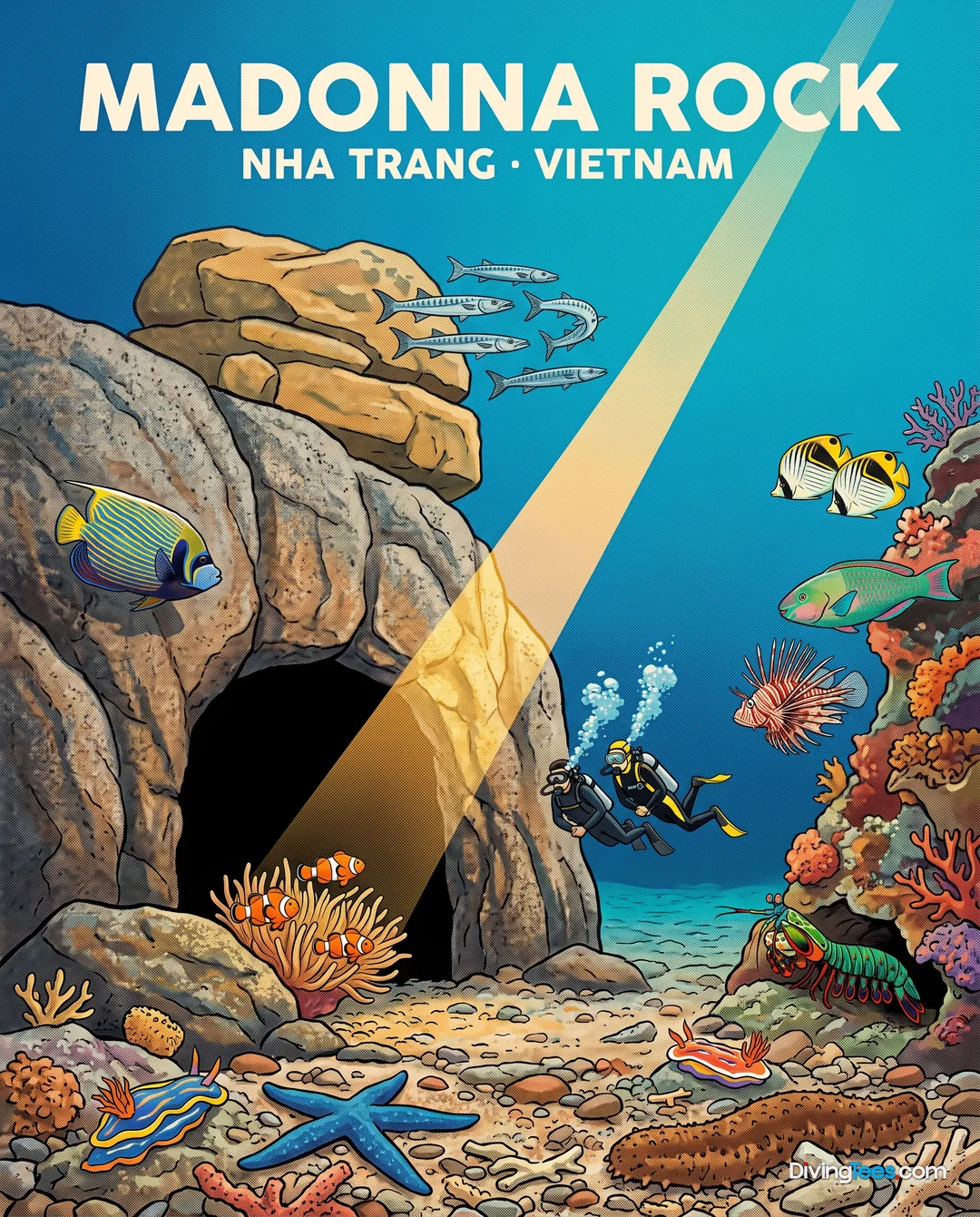
Madonna Rock’s tunnels, coral reefs, and thirty-metre passages set the tone for Nha Trang’s straightforward day-boat diving from the city.
For subtitles in English: start the video firstthen click the gearat the top right of the video, select “Subtitles/CC”, then “Auto-translate” and choose “English”.
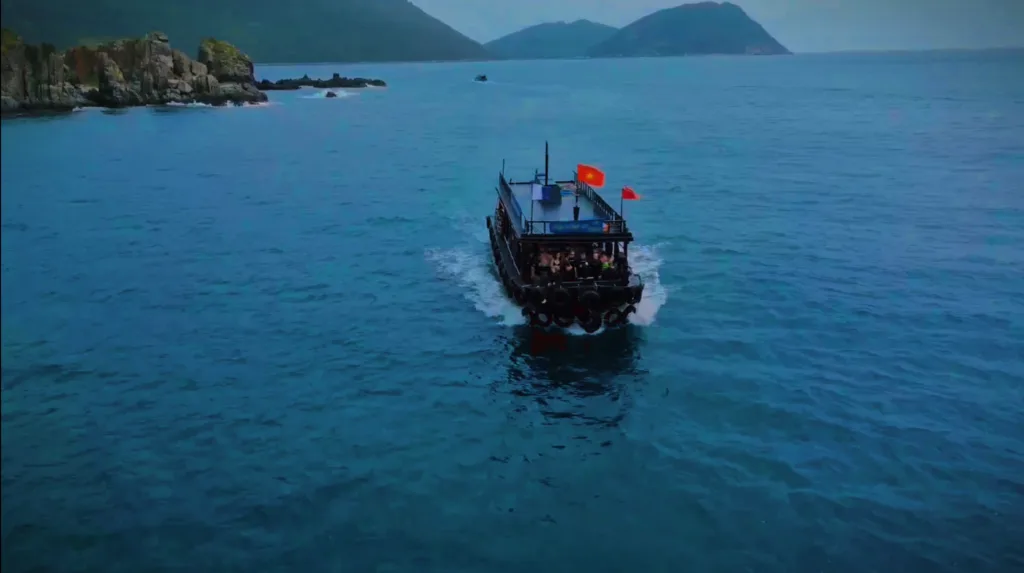
Nha Trang is a city-based diving holiday built around boat trips to nearby islands and the managed waters of Nha Trang Bay. Underwater, Madonna Rock provides the clearest sense of place: rock formations, natural tunnels and coral reefs, with routes from five to thirty metres. It is a practical choice for divers who want warm-water reef diving without committing to a liveaboard or an isolated resort. The town also gives a non-diving companion plenty to do, while three to five days allows some room for changing sea conditions.
The diving is shaped by coastal rock and shallow tropical reef rather than by a single dramatic wall, major wreck or big-pelagic encounter. Madonna Rock is the most distinctive example, combining coral-covered formations with swim-throughs and deeper passages. Open Water divers can use the shallower routes, while the thirty-metre sections and occasional moderate current are better suited to divers with more experience. Current is variable across the bay, and visibility can change with local sea conditions, so the site selected on the day matters more than a fixed itinerary. Most diving is from day boats leaving Nha Trang, with repeated trips towards the islands and protected sectors around Hon Mun. Nitrox can be useful for divers planning several recreational dives across consecutive days, though it does not remove the need to account for the day’s conditions.
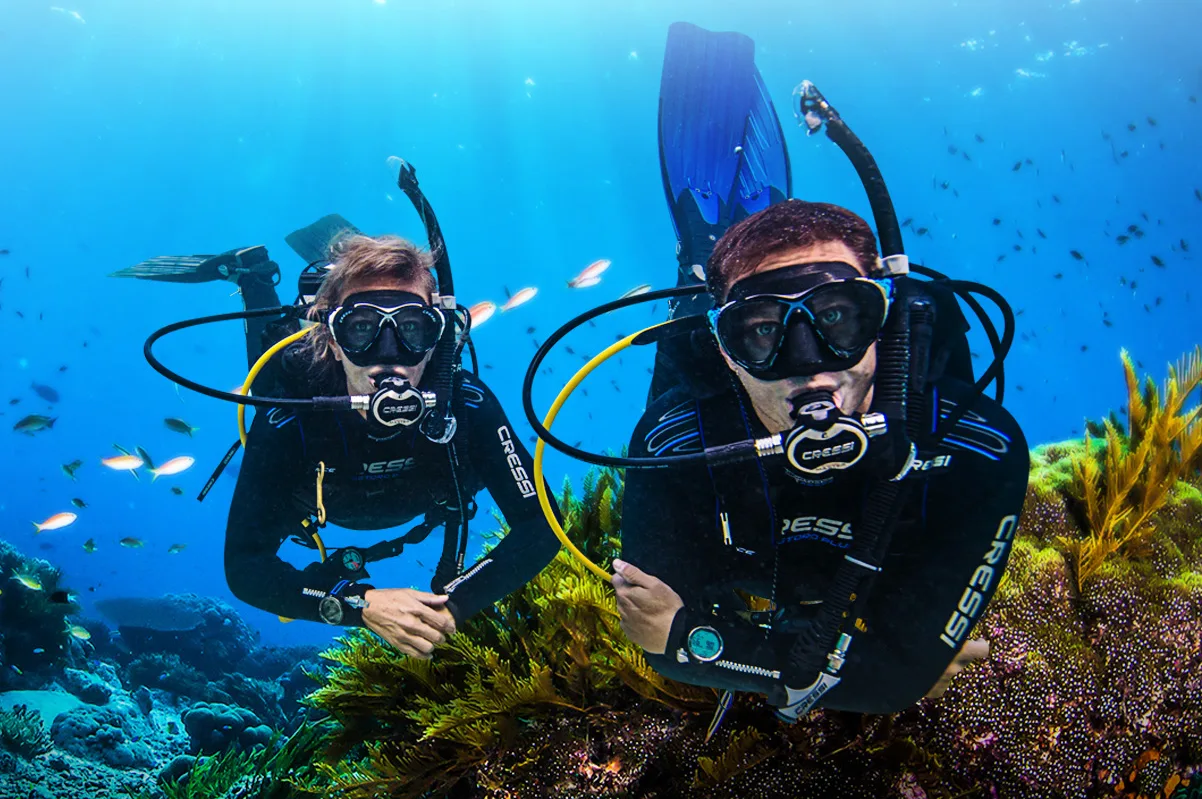
Nha Trang’s underwater appeal is chiefly in what the diver can see and explore: coral reefs on shallow island sites, irregular rock faces, openings in the formations and the changing light inside Madonna Rock’s tunnels. The site’s depth range allows a dive to move from reef scenery in five metres of water towards more substantial rock passages at twenty or thirty metres. It is better approached as a reef-and-relief destination than as a place built around one named animal or a guaranteed seasonal sighting. Coral condition is mixed across a heavily visited marine area, so some dives may feel lively and intact while others show the effects of local pressure. The attraction is the physical setting and the variety of routes through it.
April to October is the clearest practical window because the sea is measured as calmest during these months, making boat trips and underwater route-finding more comfortable. Rainfall is lowest from January to August, which also supports easier days on shore and at sea. Conditions remain variable, so even the calmer period benefits from keeping one day flexible rather than booking every dive in a rigid sequence. Outside the main window, operators may still run trips, but a diver should expect the quality of a given day to depend more heavily on the sea state and visibility. The best plan is therefore several days in Nha Trang, not a single unrepeatable boat departure.
Nha Trang suits beginners and intermediate divers, provided the route matches their certification and comfort in changing conditions. Open Water certification is enough for the shallower parts of Madonna Rock. Advanced Open Water training, or equivalent experience, is sensible for deeper passages and moderate current. BSAC, PADI and SSI qualifications should all fit the local recreational profile, with the actual site plan adjusted to recent diving experience. Nitrox is useful for repeated day-boat diving, but the destination does not require specialist technical training.
For readers travelling from London or Manchester, Nha Trang is reached through Vietnam’s normal domestic transport network: the city is accessible by road or coastal train, while air travellers use Cam Ranh and then continue to Nha Trang. The diving itself starts from the city, with no compulsory ferry crossing forming part of the destination’s basic logistics. Once there, divers generally reach their day’s departure point from urban accommodation on foot, by taxi or by an operator’s shuttle, depending on the arrangement. That is the important distinction from a resort island: the diving base is spread through a working city, so transfer time to the meeting point should be checked rather than assumed.
Keep the diving days flexible. Nha Trang’s sea state and visibility can change the quality of a trip, and a programme packed around one departure leaves little room to recover from a poor day. Booking several boat dives makes more sense than treating the destination as a single-site stop. Ask how the day’s site is chosen when swell or visibility changes; in this bay, that decision can matter more than the name printed on the itinerary. Plan around Madonna Rock according to comfort with tunnels, depth and possible current, rather than assuming every diver will use its deepest sections. Do not build the holiday as a liveaboard itinerary: the local pattern is a return to town after each day. Expect the busy sectors near the city to feel more affected by tourism than quieter island water, and leave time for a land-based day if conditions make the boats unattractive.
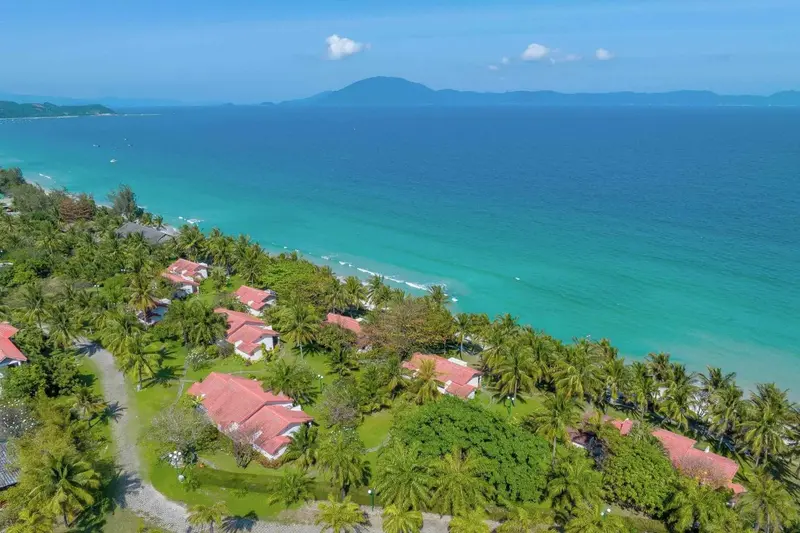
A three- to five-day stay works well as a balanced Nha Trang break. It allows several day-boat outings while leaving space for weather changes, rather than making every morning depend on the sea. Accommodation is in the city, so a diving day starts with a walk, taxi or shuttle to the departure point and ends back on land. Non-divers can use the same base for beaches, urban visits and boat trips around the bay and its islands.
Hello, I'm Marina, DivingDeal.com's AI assistant. I guide you through destinations, areas and countries.
Thinking about the whole trip and the flights? Talk it over with Edith →
Marina is an AI. Some links are affiliate links: DivingDeal may earn a commission, at no extra cost to you. Bookings are made with the partner.
Your last day stays dry: no diving in the 18-24 hours before a flight, the perfect window to see the destination from another angle.
 City
City⏱ 6 h · ★ 5.0 (22 reviews)
from £68$90€81
see on Viator ↗
 Culture
⏱ 13 h · ★ 5.0 (16 reviews)
from £121$162€144
see on Viator ↗
 Nature
⏱ 6 h · ★ 5.0 (12 reviews)
from £52$69€62
see on Viator ↗
 Culture
⏱ 7 h · ★ 5.0 (10 reviews)
from £53$71€64
see on Viator ↗
Ratings and reviews collected by Viator and Tripadvisor.
April to October is the practical diving window because the sea is calmer, making boat travel and underwater route-finding more comfortable. Rainfall is lowest from January to August. Conditions can still change, so keep one day flexible and expect sea state and visibility to influence the selected site.
Nha Trang suits beginners and intermediate divers when the route matches your certification and comfort in changing conditions. Open Water certification is enough for Madonna Rock’s shallower routes. Deeper passages and moderate current call for Advanced Open Water training or equivalent experience. Specialist technical training is not required.
You can explore coral reefs around nearby islands, coastal rock formations, irregular faces, openings and natural tunnels at Madonna Rock. Routes range from shallow reef scenery to deeper rock passages, with changing light inside the formations. Nha Trang is mainly a reef-and-relief destination, not one focused on a named animal.
Plan several day-boat dives from city accommodation rather than a liveaboard itinerary or one fixed departure. A three- to five-day stay leaves room for changing sea conditions and a land-based day. Check how operators choose sites, arrange transfers to the meeting point, and match Madonna Rock’s routes to your comfort.