Barceló Fuerteventura Mar
★★★★
★ 8.4/10 (1,222 reviews)
less than 1 km away as the crow flies
Dive centre · Caleta de Fuste · Canary Islands
4.8403 Google reviewsDirect boat access from the Caleta de Fuste harbour leads you to eighteen diverse reef sites across the Fuerteventura coastline.
For subtitles in English: start the video firstthen click the gearat the top right of the video, select “Subtitles/CC”, then “Auto-translate” and choose “English”.
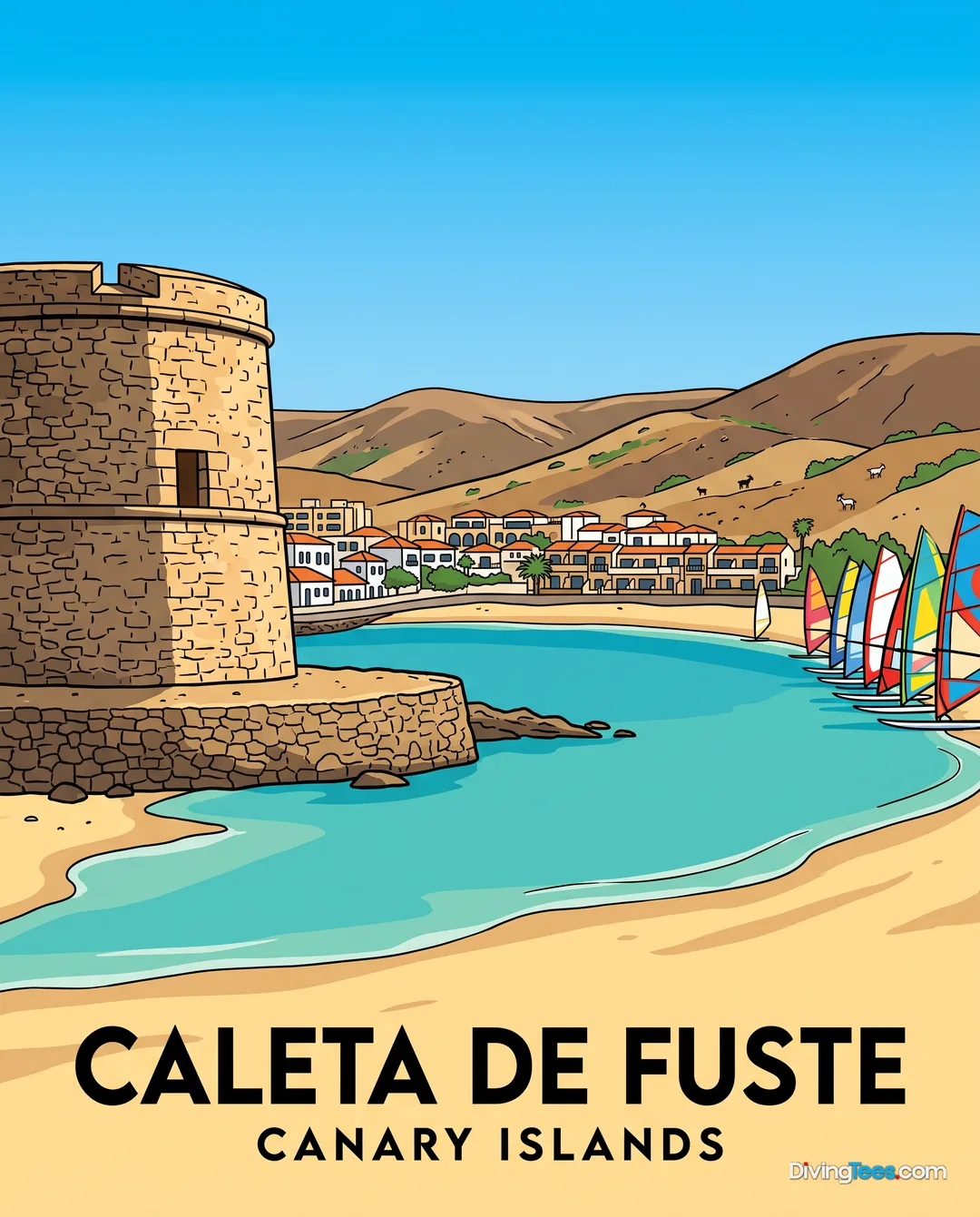
Deep Blue Diving Fuerteventura has been a fixture of the Atlantic diving scene since 1999. The centre is primarily based in the port of Caleta de Fuste on the east coast of the island, providing seamless access to the boats and the various reef systems that define this stretch of coastline.
With two operational bases, including a second location at Las Playitas, the centre is well-positioned to cover different marine environments. While the Las Playitas site is suited for shallower diving with a maximum depth of 16 metres, the Caleta de Fuste base serves as the hub for deeper excursions and more varied topography.
The team is composed of qualified instructors capable of teaching a broad spectrum of certifications, including PADI, SSI, and CMAS/VDST standards. They manage everything from introductory Discover Scuba Diving sessions to professional-level training such as Divemaster and Instructor courses.
Communication is straightforward for international divers, as the staff is multilingual, speaking German, English, Spanish, French, Danish, and Swedish. This ensures that technical briefings and training evolutions are understood clearly by all members of the group.
Safety and group management are central to their operation, with a diver-to-guide ratio of 10 divers per guide. The centre also provides specialised training in areas such as wreck diving, navigation, and underwater photography.
The training programme is extensive, covering all major certification levels through PADI, SSI, and CMAS/VDST. Beginners can start with Discover Bubbles or Scuba Diver courses, progressing through Open Water Diver and Advanced Open Water Diver.
For those looking to specialise, the centre offers courses in Nitrox, Deep Diver, Wreck Diver, and Night Diving. They also provide technical and skill-based training, including Search and Recovery, Navigation, and Drift Diving.
Professional divers can pursue the Divemaster and Instructor pathways. The centre also facilitates CMAS* to CMAS*** certifications and VDST Assistant Instructor or Instructor training, alongside specialised skills like Dry Suit diving and Shark Diving.
The centre operates boats with a capacity of 10 divers, departing directly from the Caleta de Fuste marina. These vessels allow for efficient transit to the various reef systems located off the coast.
The shore-based facilities at the main base include spacious changing rooms and modern sanitary facilities. A dedicated training room is available for classroom-based theory work.
For divers looking to extend their bottom time, Nitrox is available on-site. The centre maintains a range of modern, well-serviced equipment to support both recreational and professional training.
La Emboscada is a versatile site located close to the coast, featuring impressive rock formations and swim-throughs. It is suitable for levels from beginner to advanced, with large schools of sardines and amberjack often seen near the reef.
Tesoro Negro is a more technical site for advanced divers, defined by a dark, mysterious wall covered in black corals and various sponges. The reef face is populated with sea anemones and nudibranchs, while stingrays frequent the sandy areas at the base of the wall.
El Portal offers excellent visibility for spotting large pelagics on a rocky wall. Advanced divers can often encounter tuna and large schools of amberjack, with occasional sightings of whale sharks in the area.
El Monasterio provides a complex landscape of rocky canyons that resemble a monastery. It is an ideal spot for exploring crevices where you can find octopus, cuttlefish, and various corals and anemones.
And some of the dive sites the centre runs.
The reefs are home to a high density of schooling fish, including large groups of sardines, amberjack, and tuna. You will frequently encounter barracuda and parrotfish patrolling the reef edges, while moray eels and large conger eels hide within the rocky outcrops.
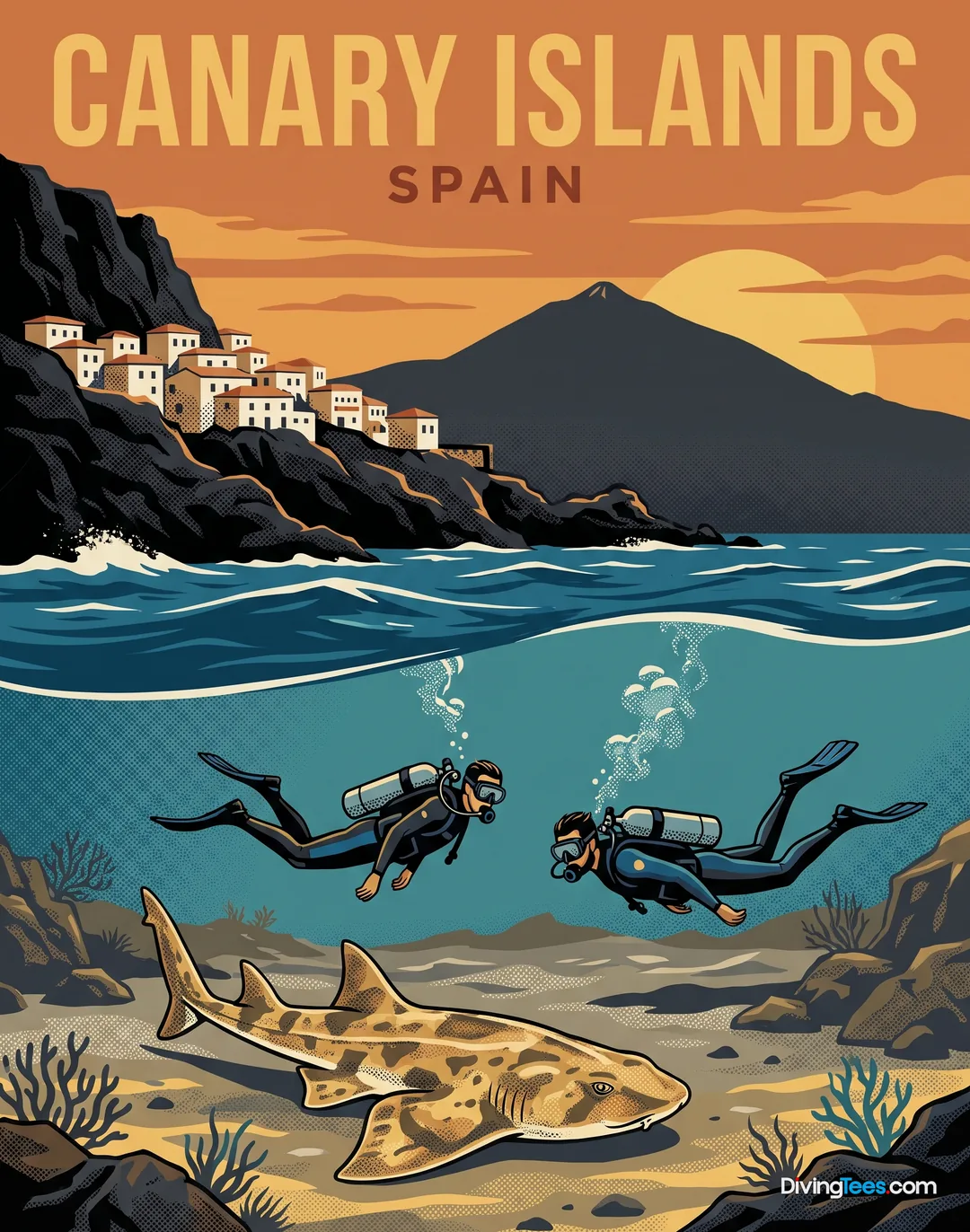
On the sandy bottom and near the reef edges, rays are a common sight, including stingrays and eagle rays. Divers may also spot angel sharks and various species of grouper amongst the rocks.
For those interested in macro life, the crevices and sponges host a variety of smaller creatures. You can find nudibranchs, garden eels, sea anemones, and various species of octopus and cuttlefish tucked away in the reef structure.
The larger pelagic visitors include tuna, bonitos, and occasionally whale sharks. In the deeper sections or near the walls, you may also observe more predatory species like sharks and large amberjack passing through the area.
Diving in this area involves a variety of current profiles depending on the site. Some locations, such as Nuevo Horizonte Reef and El Muellito, are known for moderate to strong drift currents, requiring confident buoyancy and trim.
Many of the sites are reef-based, offering a range of depths from shallow platforms to significant walls. The topography varies from sandy expanses to complex, jagged reef structures and narrow canyons.
Hello, I'm Marina, DivingDeal.com's AI assistant. I answer in detail about hotels, dive centres and liveaboards.

Thinking about the whole trip and the flights? Talk it over with Edith →
Marina is an AI. Some links are affiliate links: DivingDeal may earn a commission, at no extra cost to you. Bookings are made with the partner.