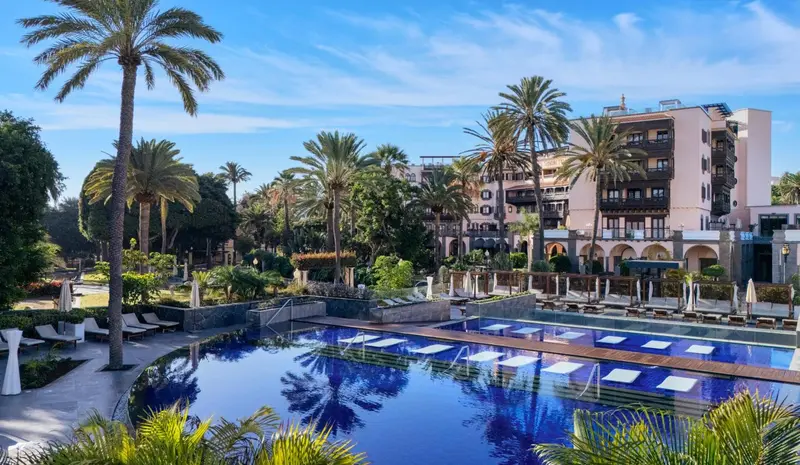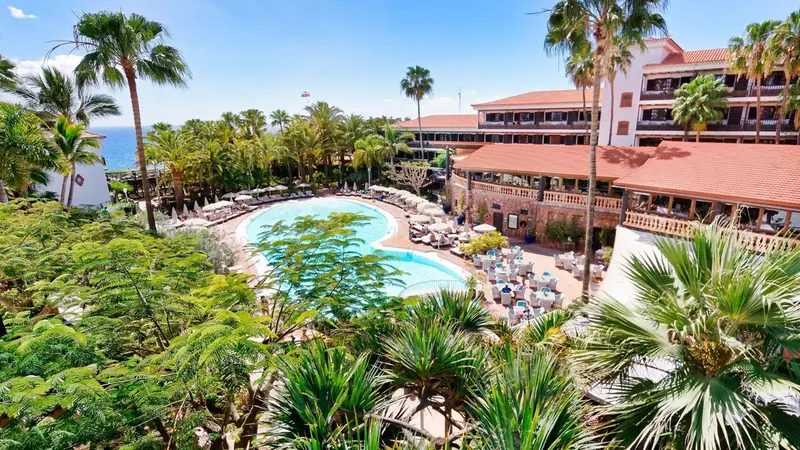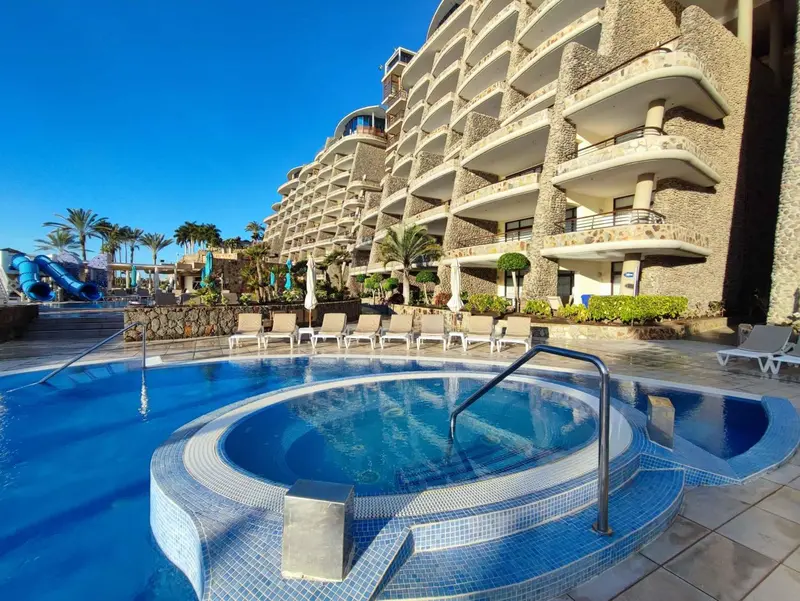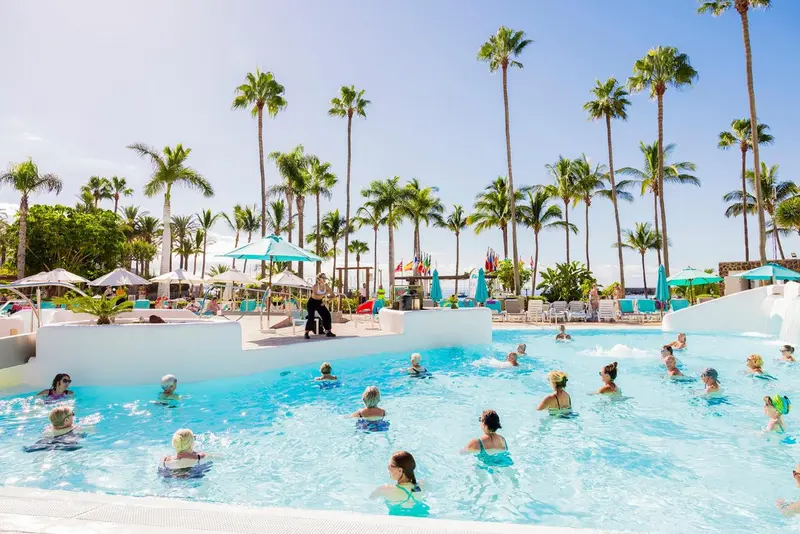

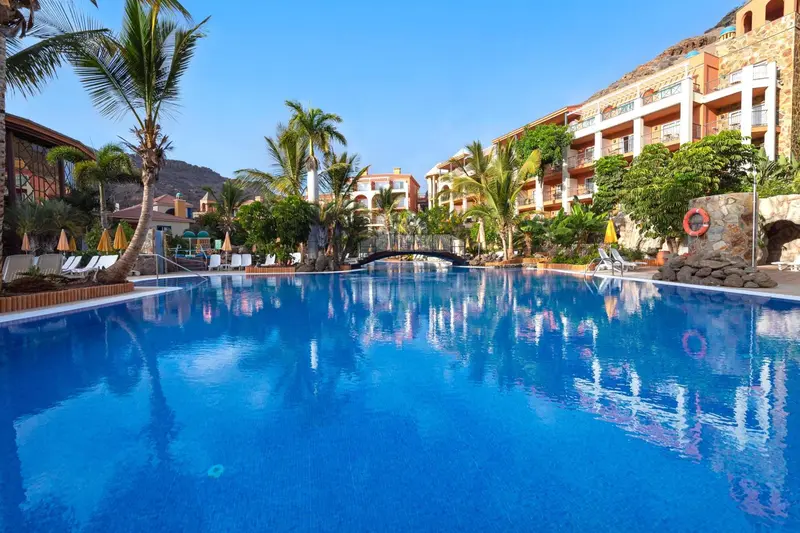
 Dive centre in the hotel
Hotel Cordial Mogán Playa
★★★★
Google 4.6/5 (4,678 reviews)
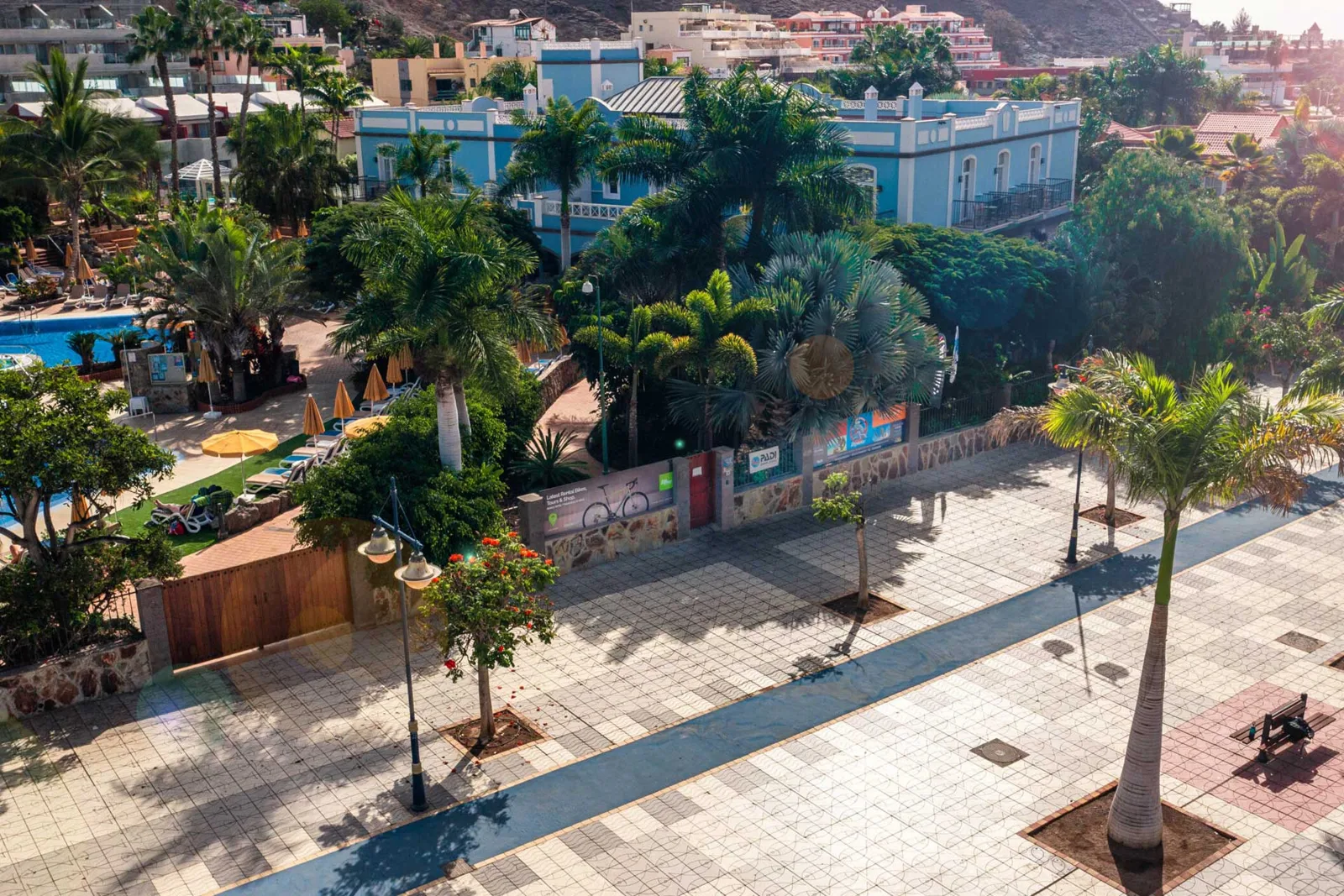
The dive centre
Delphinus Diving School
PADI
Google 4.7/5 (476 reviews)
Dives: Cermona II, Mogán House Reef, Perchel
Canary Islands · Atlantic
Black lava walls, cathedral-like arches, angel sharks and barracuda schools shape Gran Canaria’s diving, from sheltered bays to deeper boat sites.
For subtitles in English: start the video firstthen click the gearat the top right of the video, select “Subtitles/CC”, then “Auto-translate” and choose “English”.
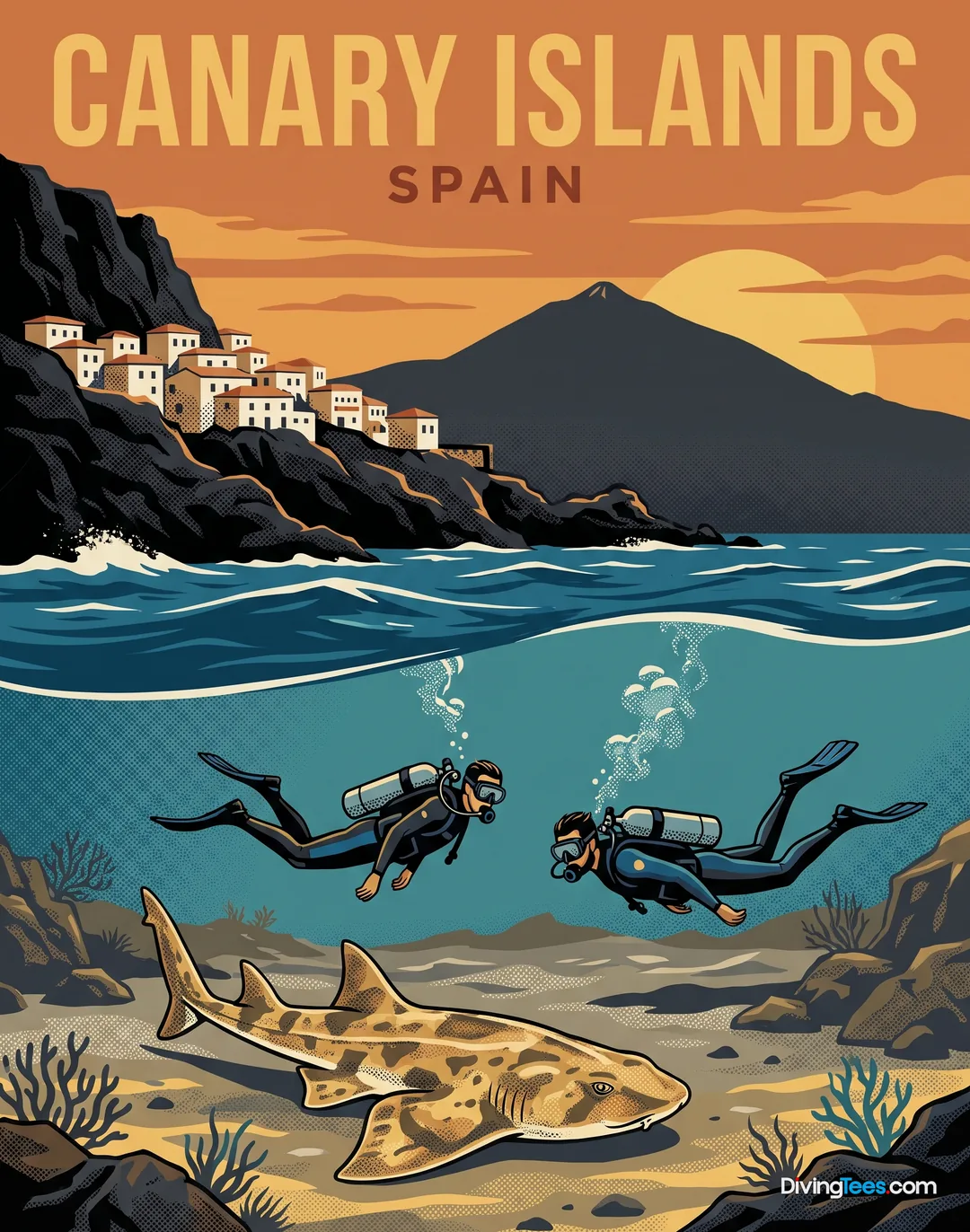
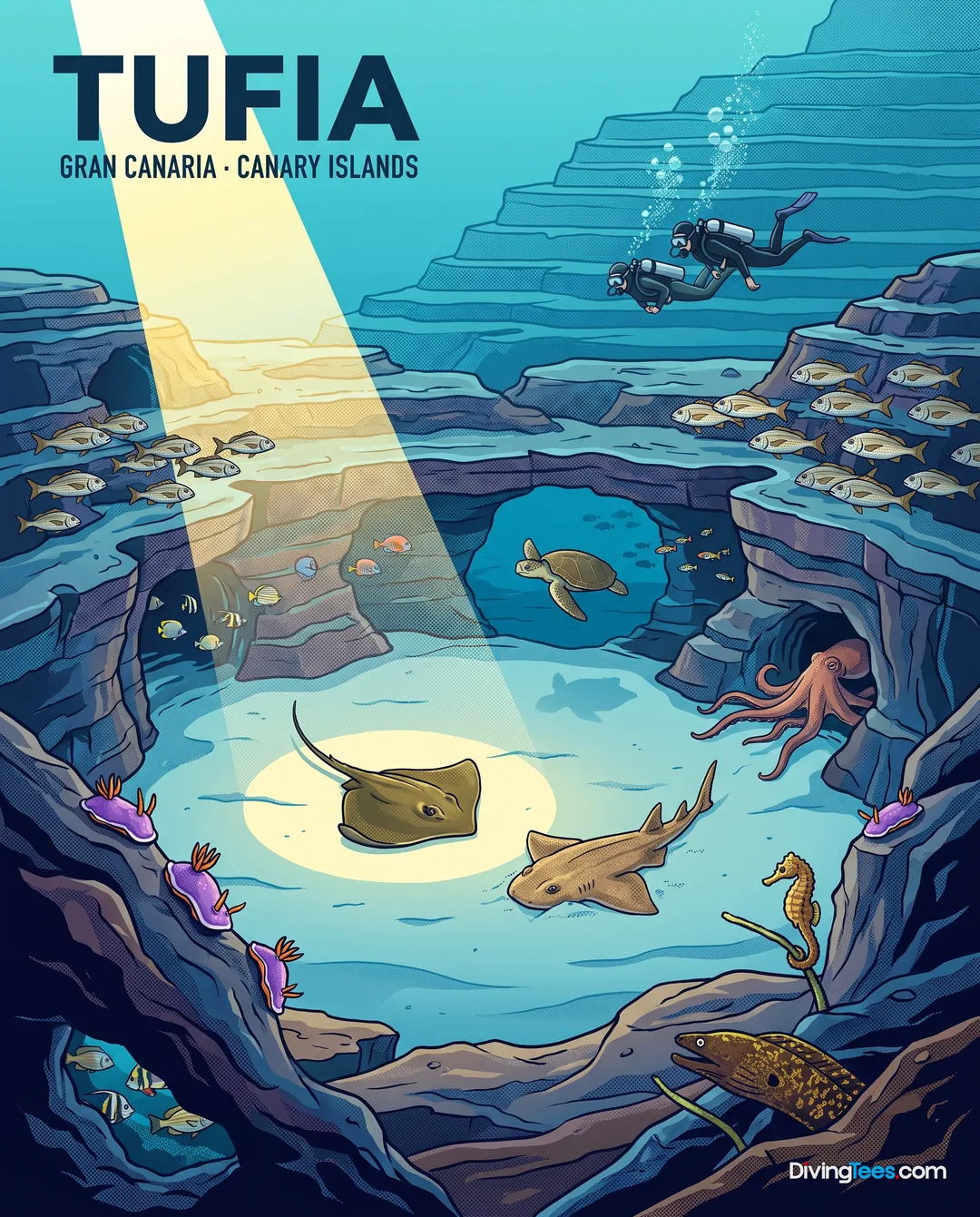
Gran Canaria is an island diving destination built around volcanic rock rather than coral reef. Underwater, the scenery shifts from the lava layers and caves of Tufia to the arches of El Cabrón and the cavern at La Catedral. Sheltered shore entries suit newer divers, while boat dives reach deeper walls, reefs and the Cermona II wreck. It works particularly well for a land-based holiday, with diving, walking and urban life available in the same trip.
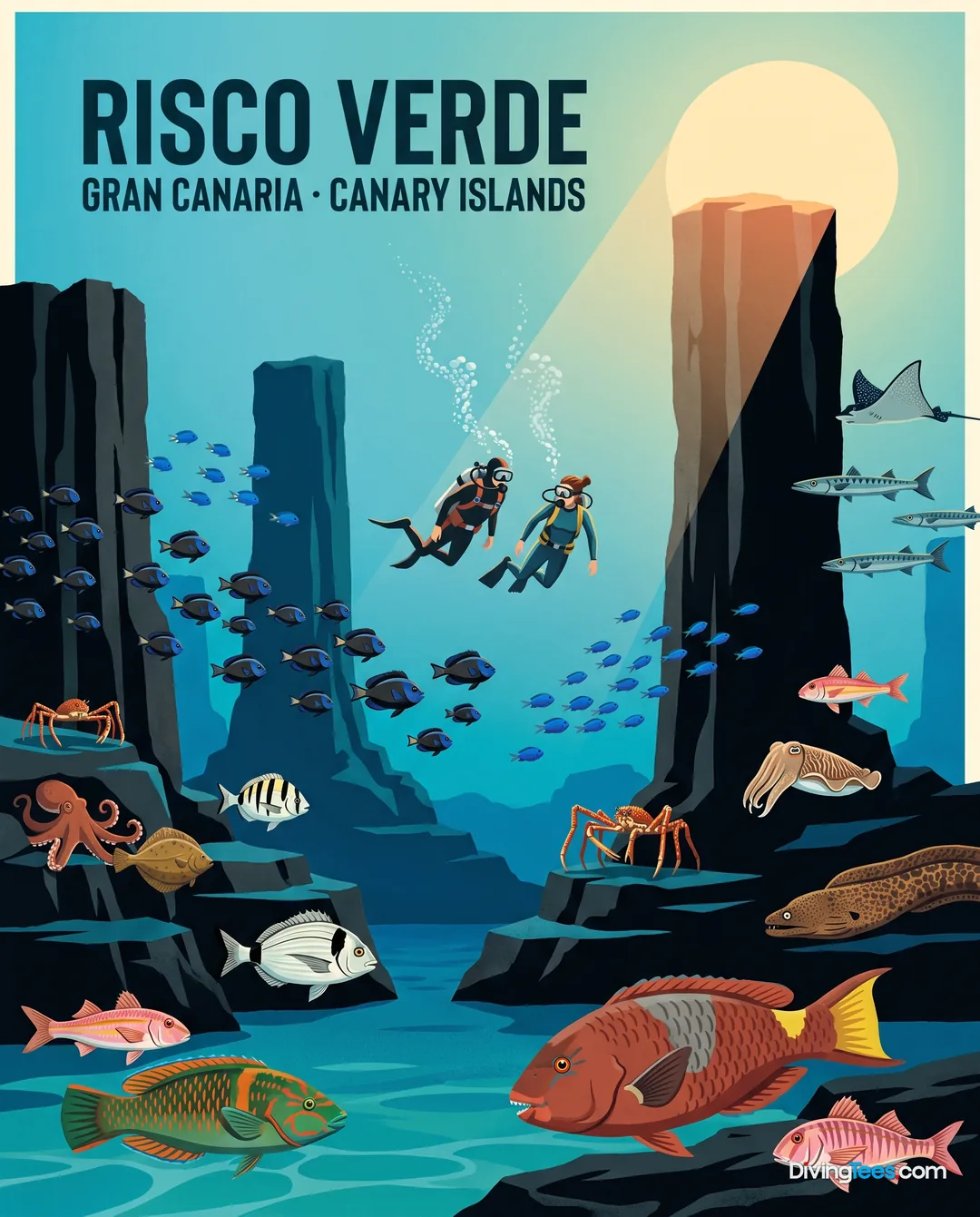
The underwater landscape is predominantly black volcanic rock: walls, cracks, overhangs, arches and caverns, with profiles ranging from shallow training water to deep technical territory. Risco Verde and Mogán House Reef provide calm, straightforward entries, while El Cabrón can bring strong, unpredictable currents. Perchel may allow a gentle drift along its Angel Wall, and Arguineguín Reef can also carry moderate current. Visibility is generally good, often particularly clear at sites such as Mogán West, although wind, swell and suspended particles can change the picture. Diving is mixed, with shore dives and daily boat trips selected according to sea conditions. La Catedral reaches 40 metres and Blue Bird descends to 42, so the island rewards divers who are comfortable planning depth, gas and ascent conservatively.
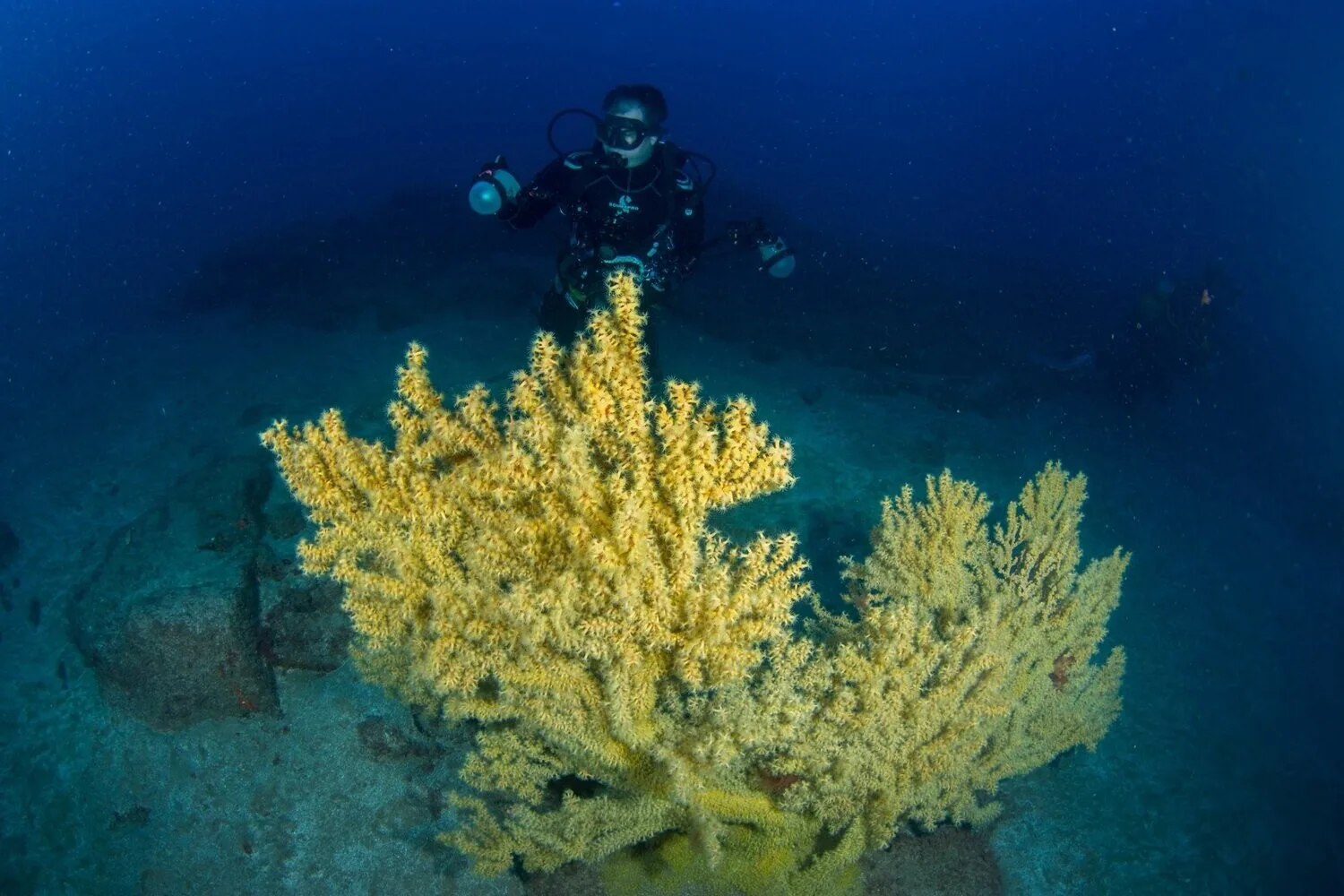
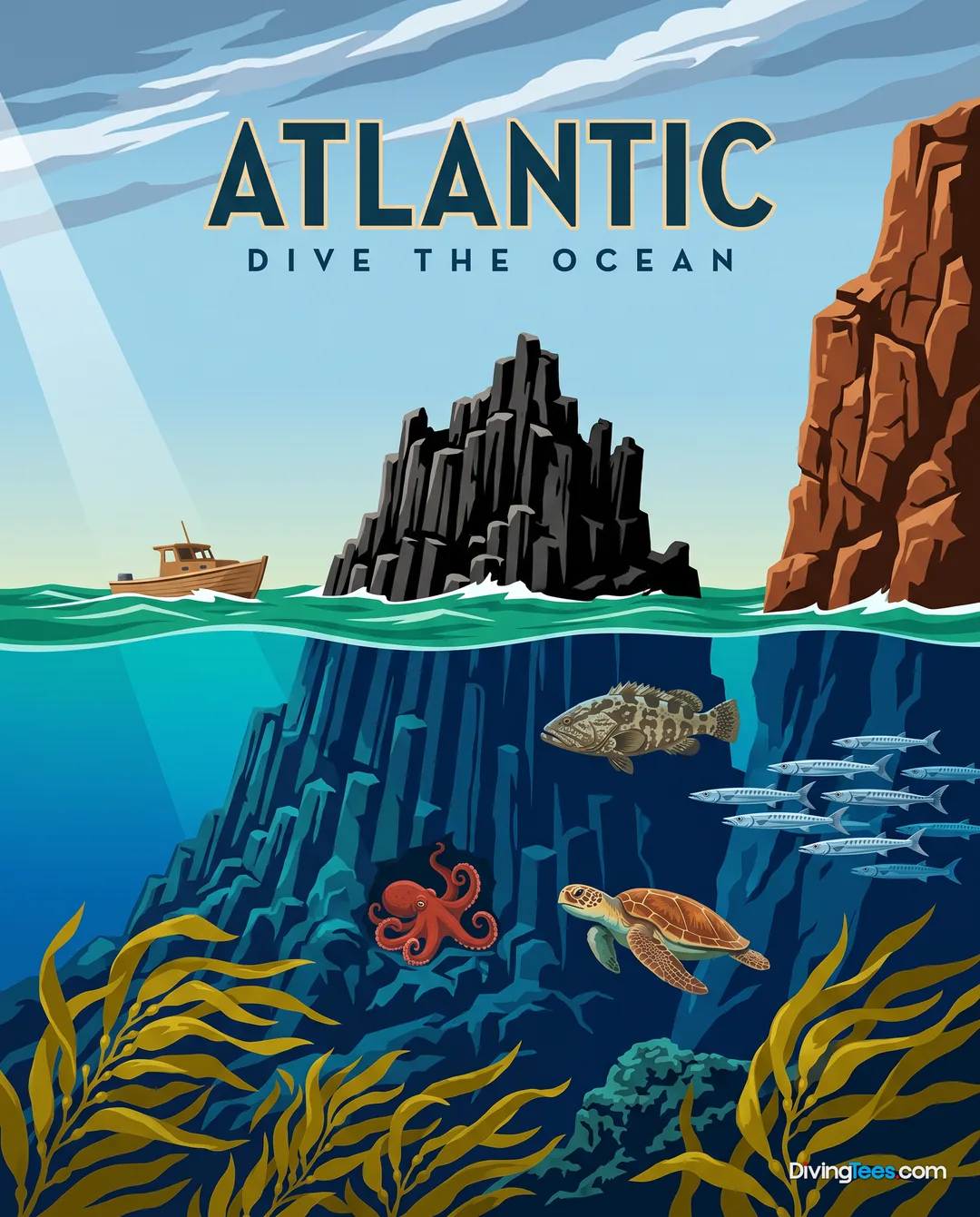
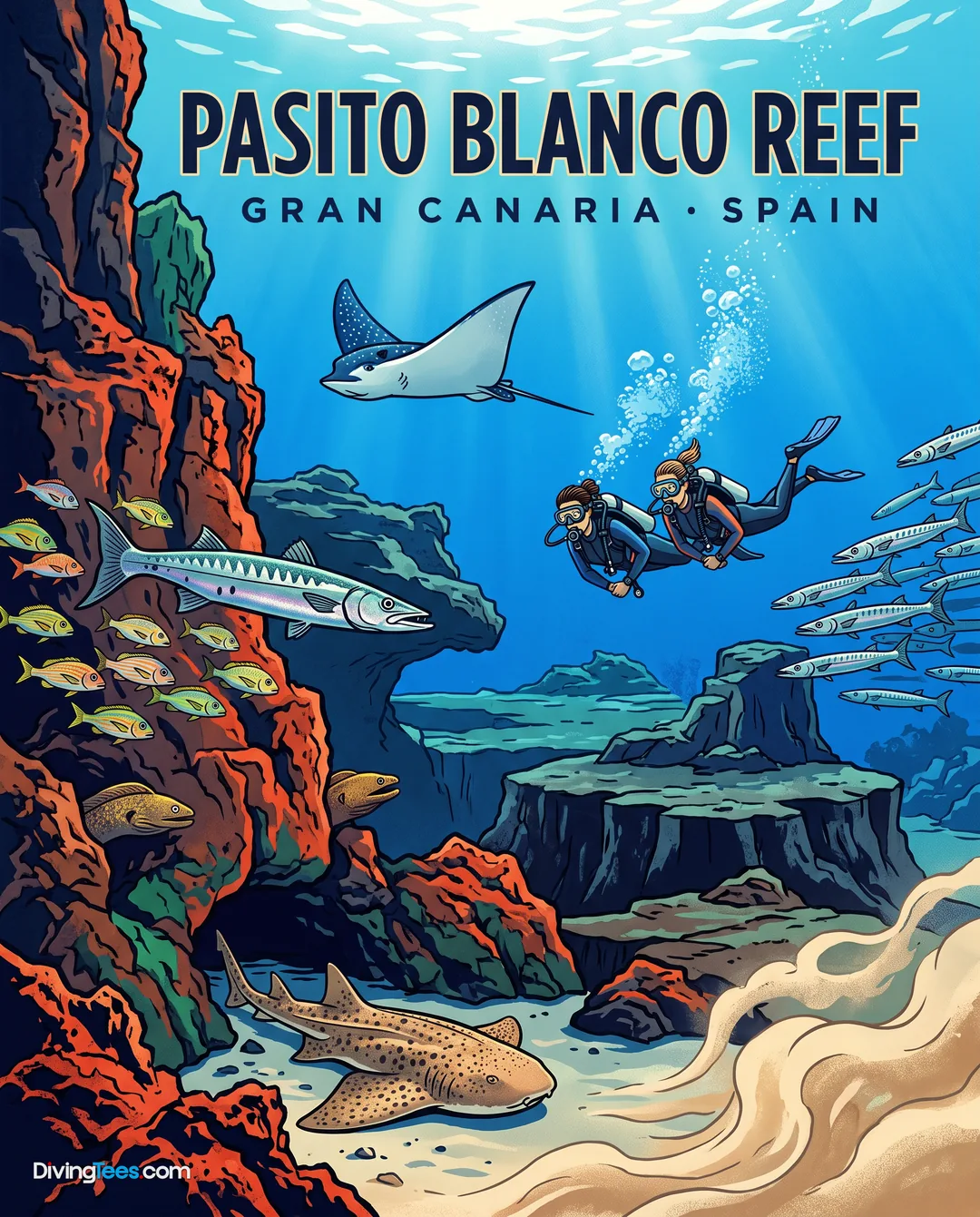
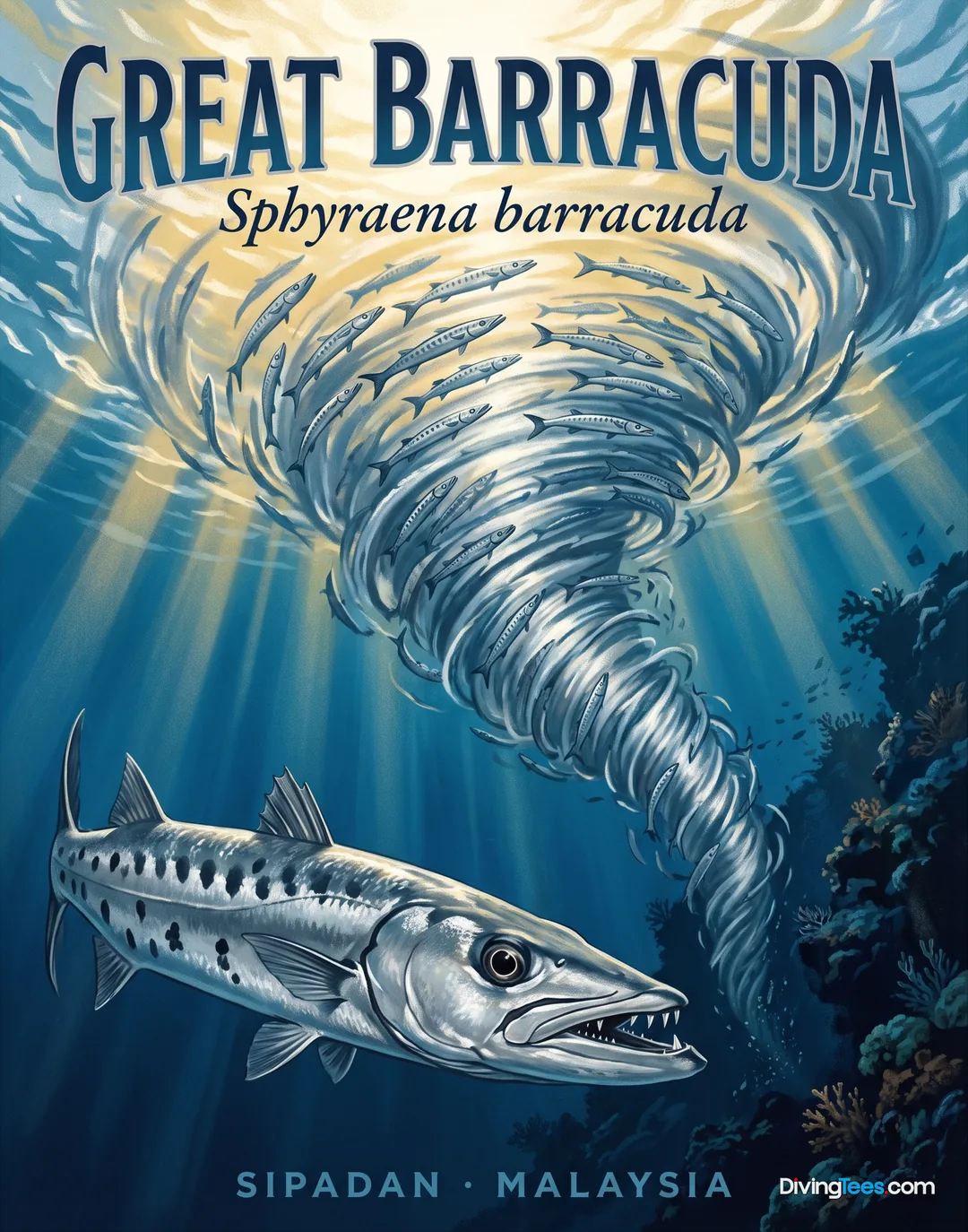
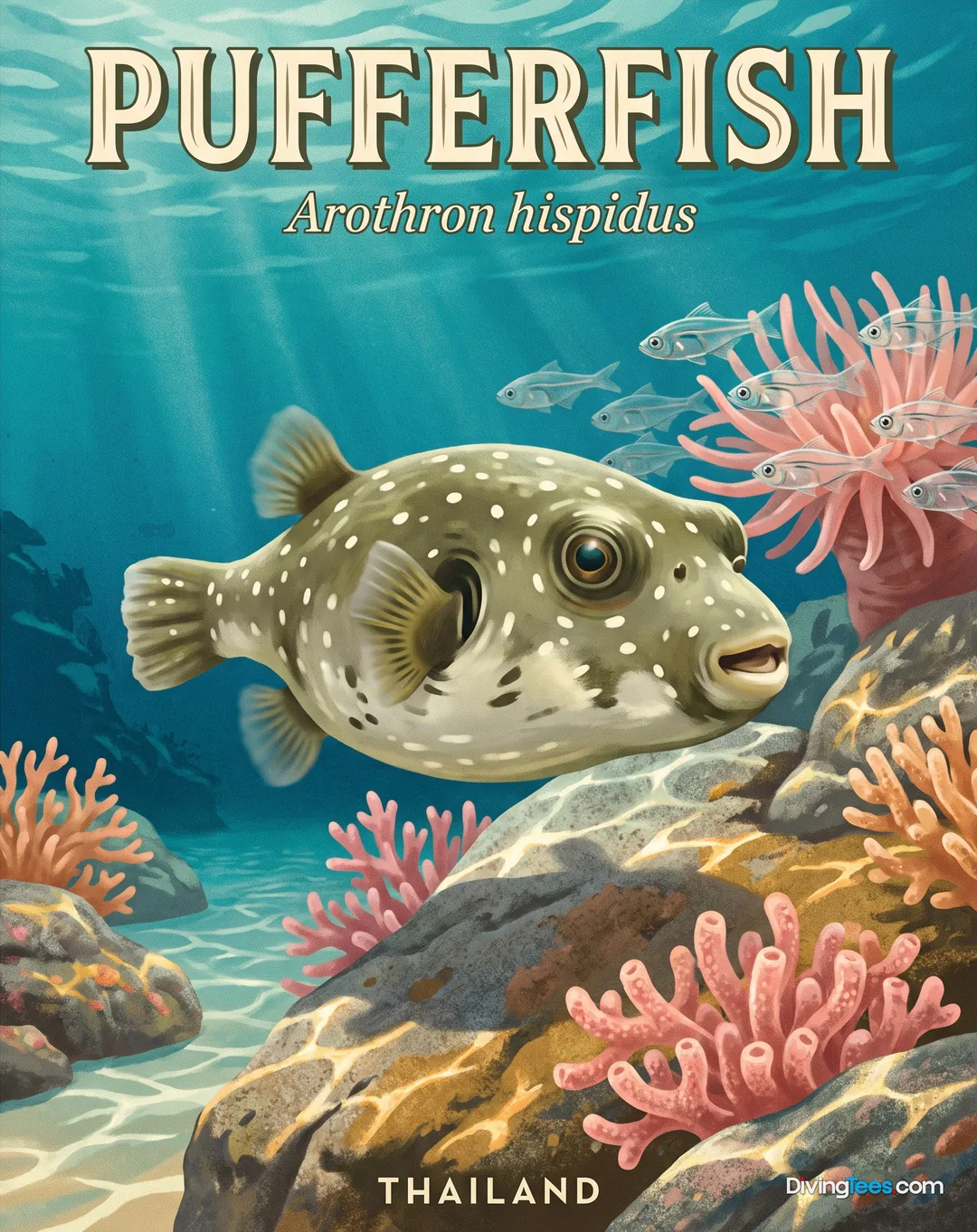
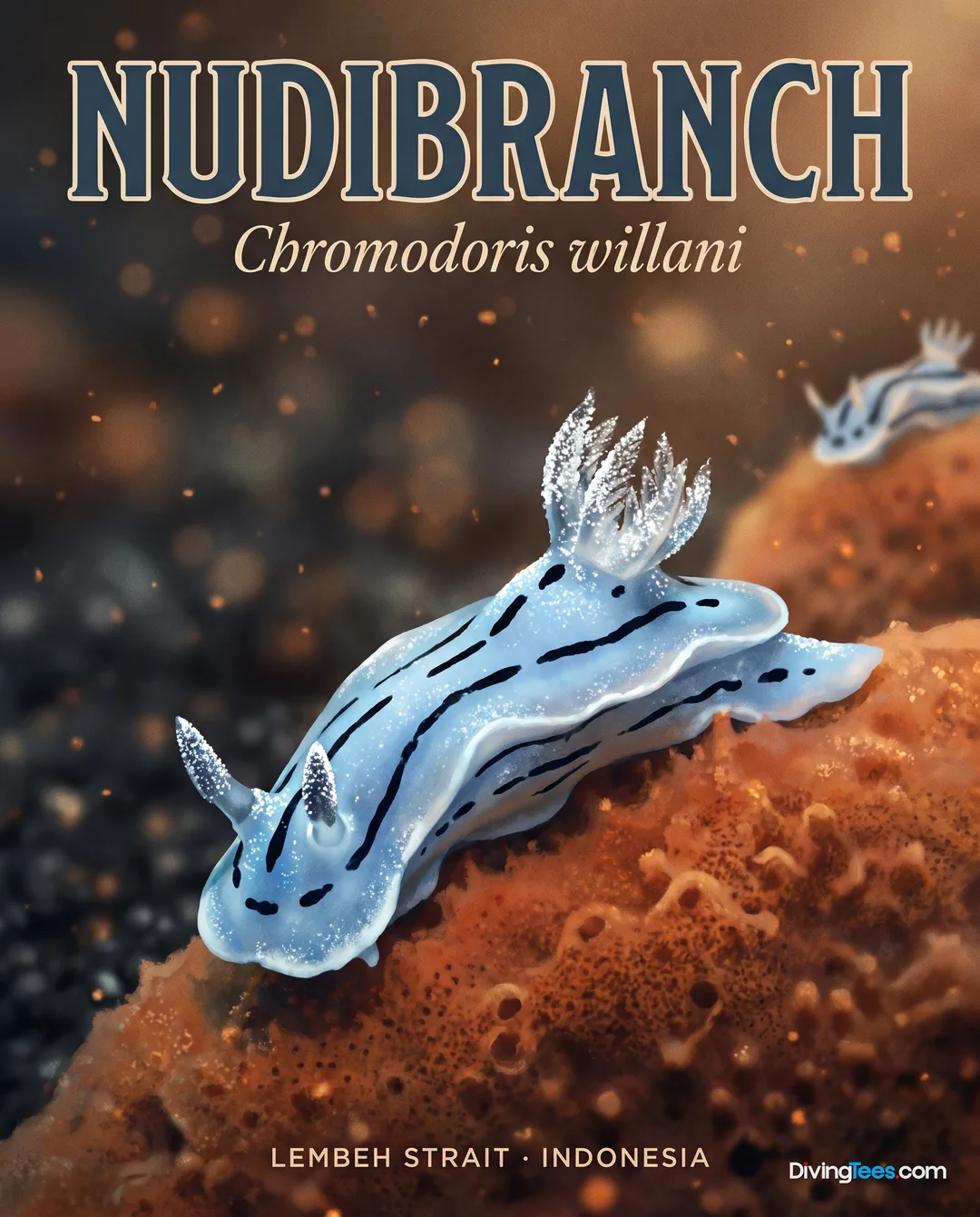
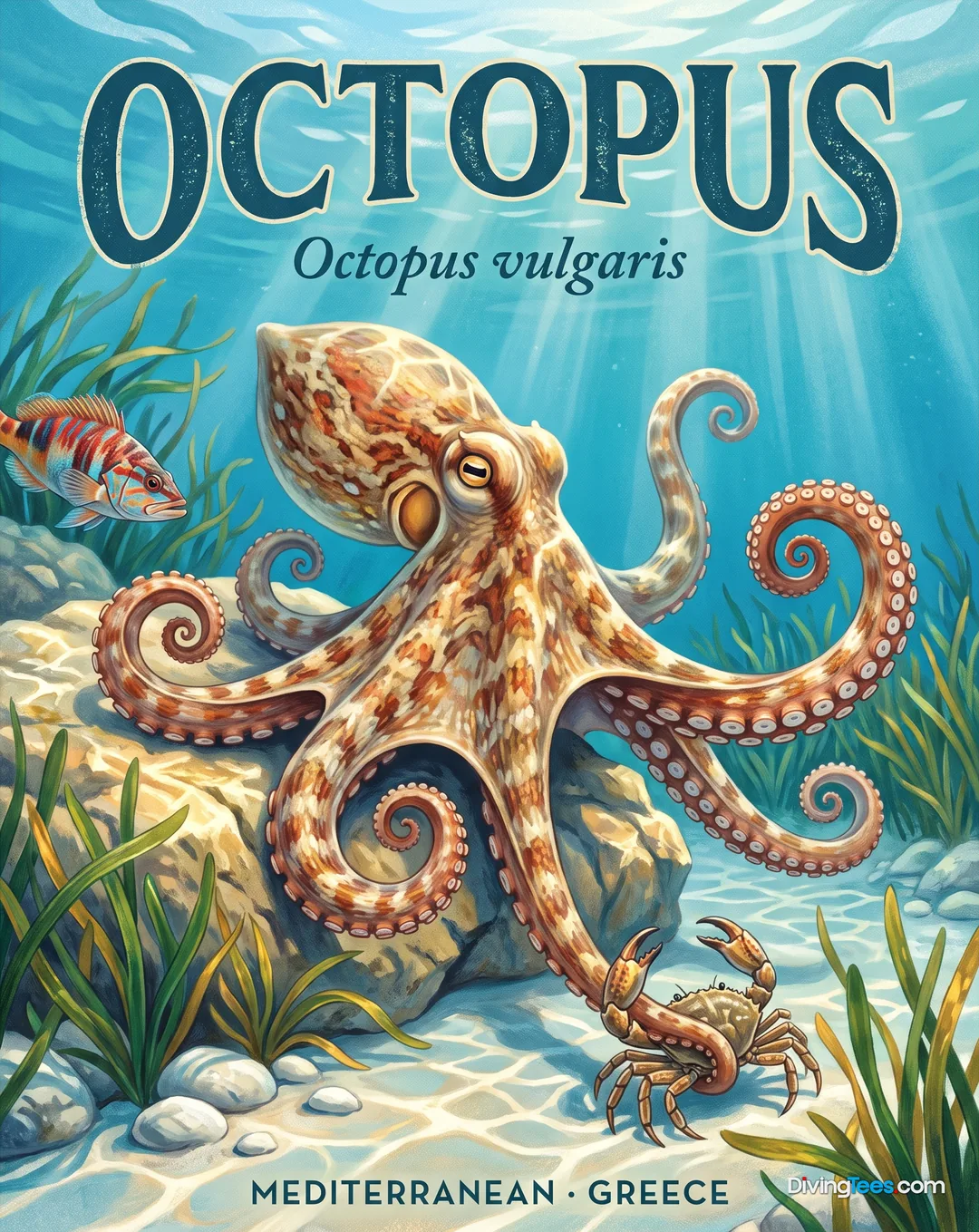
Gran Canaria’s marine life is Atlantic rather than tropical, and it is closely tied to the volcanic structure. Great barracuda gather around Sardina del Norte, while angel sharks and rays are reported at Sardina, El Cabrón and Pasito Blanco Reef. Moray eels, octopus, cuttlefish, nudibranchs and spiny pufferfish occupy the cracks and ledges, with damselfish and grunts adding movement to the rock. Southern stingray, amberjack and sardine schools bring larger encounters, and sea turtles are among the possible sightings. Tufia is noted for both small nudibranchs and larger pelagics. Angel sharks are particularly associated with winter visits to El Cabrón, but sightings remain site- and condition-dependent rather than guaranteed. Photographers will find useful subjects in both the shallow bays and deeper volcanic walls.
The measured calm-sea window runs from May to November, making this the most practical period for keeping boat and exposed-site plans flexible. Rainfall is lowest from April to October, although weather is not the only consideration: wind and swell determine whether a particular coast can be used on the day. Summer can bring especially clear water at sites such as Pasito Blanco Reef and Mogán West. Winter may be worth considering for divers interested in angel sharks at El Cabrón, accepting that sea conditions can cause the plan to move to a more sheltered sector. Gran Canaria remains diveable throughout the year, but a schedule with spare capacity is more useful than one built around fixed sites.
The island suits all levels, provided the selected site matches recent experience and conditions. Mogán House Reef, Risco Verde and Sardina del Norte are sensible territory for beginners and newly qualified divers, while deeper routes need more experience. Advanced certification is useful for stronger current, deeper profiles and some boat sites; Nitrox can be valuable during repetitive diving. La Catedral requires deep-diving competence, and Blue Bird is for experienced advanced divers with deep training or equivalent experience, sound gas management and substantial logged diving.
From London Heathrow, London Gatwick or Manchester, Gran Canaria is reached by air, with services including Binter Canarias, Canaryfly, Vueling, Iberia, Ryanair and easyJet. There is no ferry crossing that forms part of the normal journey to the island. Once there, the practical challenge is road access: dive centres and sites are spread around the coast, and the day’s destination may change with the sea. Travellers can reach their chosen base by road, then use a taxi, walk where accommodation is close, or take a transfer arranged for the diving. It is worth matching the accommodation to the intended diving area rather than assuming the island can be crossed easily before every morning’s departure. Boat sites and shore entries both depend on getting to the relevant coastal sector.
Build the week around sea conditions, not around a fixed list of sites. Ask which coast is sheltered on the day and keep at least one uncommitted day, because wind and swell can move diving from an exposed site to a calmer bay. Tufia, Risco Verde and Mogán House Reef make useful fall-back choices when a deeper boat plan is unsuitable, while El Cabrón deserves realistic expectations about current. Do not book the trip solely for macro subjects or solely for a wreck: Gran Canaria’s character is the volcanic scenery, with caves, arches, walls and overhangs carrying much of the interest. Check the route and maximum depth before joining a dive at La Catedral or Blue Bird, rather than treating the island’s generally accessible reputation as a qualification for every site. A compact comfort kit is sensible, since familiar small items may not always be readily available locally.
A Gran Canaria stay works best from one coastal base, with daily road transfers to shore entries or boat departures. Trying to cover every sector can turn the holiday into long drives followed by diving, so accommodation near the preferred diving area is the sensible compromise. Non-divers have plenty to do between outings: volcanic walks, ravines, villages, viewpoints, beaches and coastal promenades. The land-based format also leaves room for a proper surface interval before flying home.
Hello, I'm Marina, DivingDeal.com's AI assistant. I guide you through destinations, areas and countries.
Thinking about the whole trip and the flights? Talk it over with Edith →
Marina is an AI. Some links are affiliate links: DivingDeal may earn a commission, at no extra cost to you. Bookings are made with the partner.
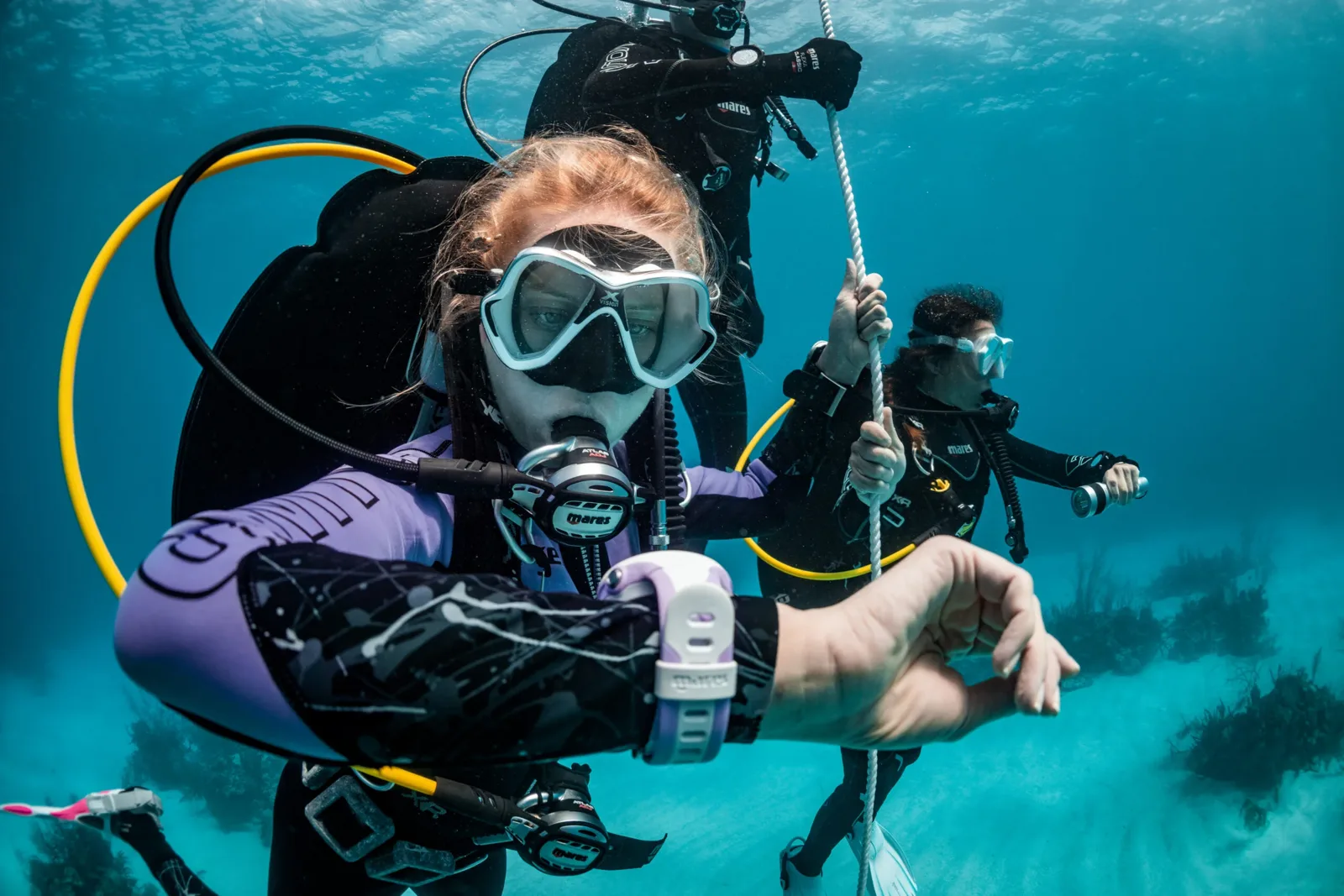
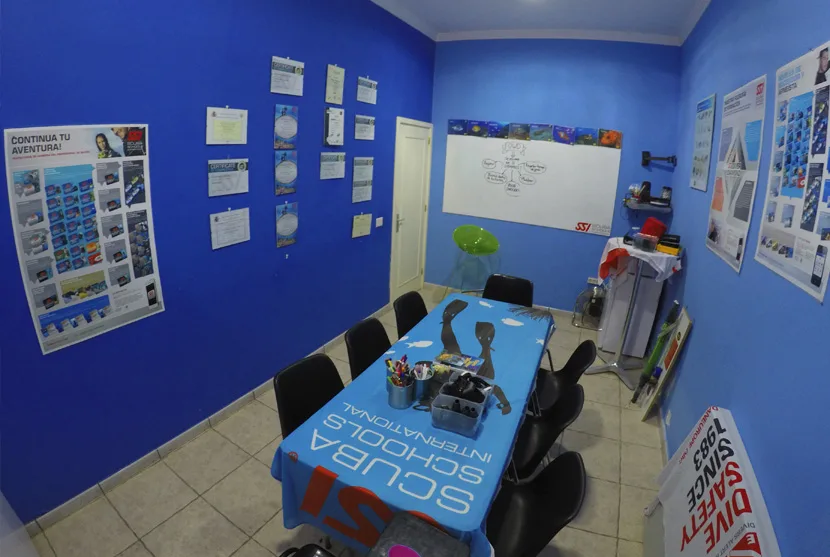
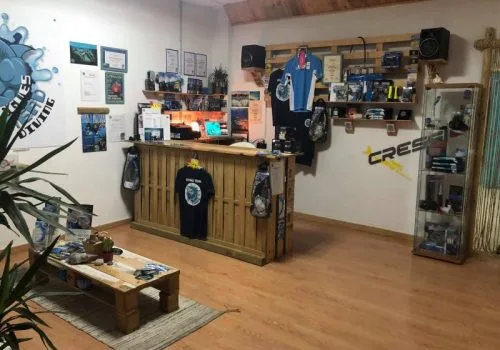
In each one, the dive centre is inside the hotel: step out of your room and go diving.
Dive centre in the hotel★★★★
Google 4.6/5 (4,678 reviews)
The dive centre
Delphinus Diving School
PADI
Google 4.7/5 (476 reviews)
Dives: Cermona II, Mogán House Reef, Perchel
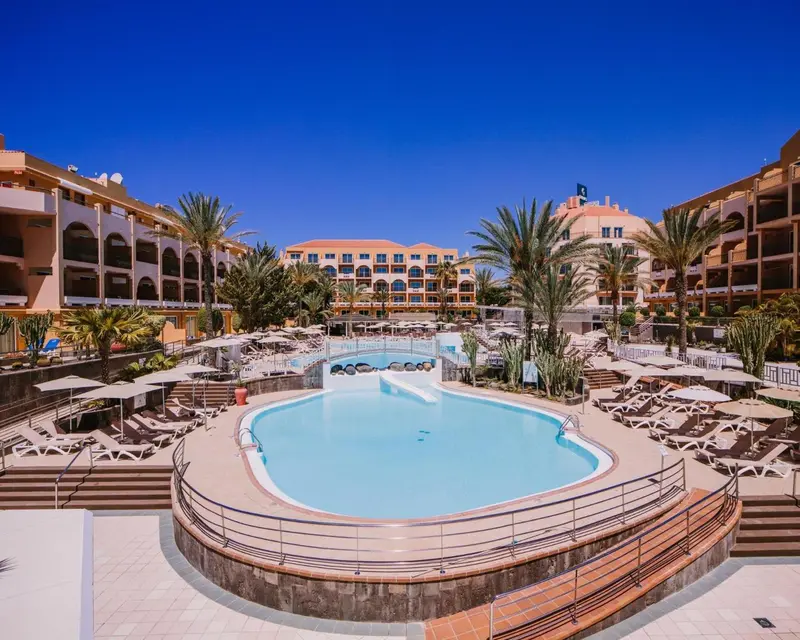 Dive centre in the hotel
★★★
Google 4.3/5 (7,406 reviews)
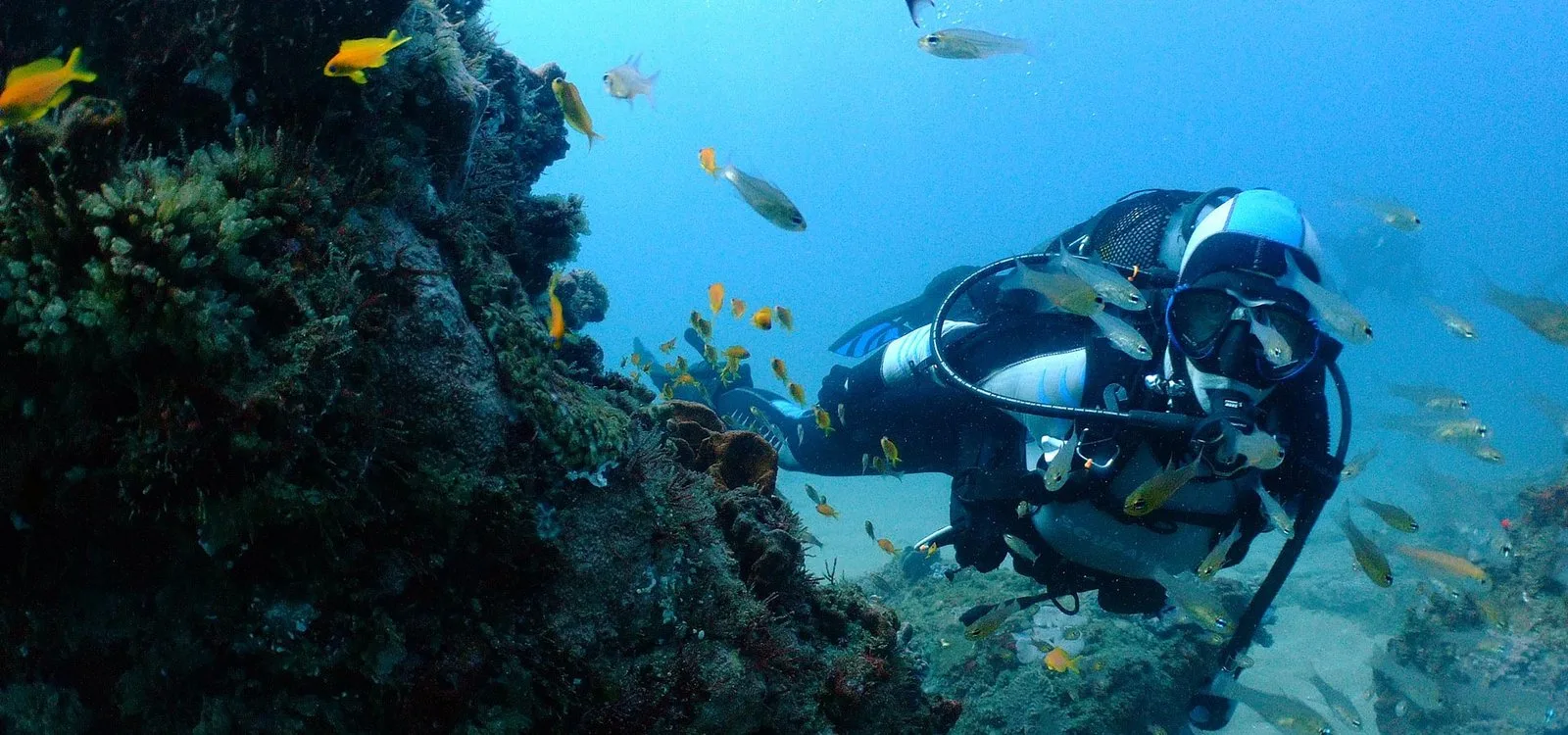
The dive centre
Calypso Dive Center
PADI
Google 4.5/5 (96 reviews)
Dives: Marine Reserve Arinaga "El Cabron", Marine Reserve Arinaga "Risco Verde", Marine Reserve Arinaga "Punta de la Monja"
Your last day stays dry: no diving in the 18-24 hours before a flight, the perfect window to see the destination from another angle.
 Adventure
⏱ 3 h · ★ 5.0 (72 reviews)
from £188$251€224
see on Viator ↗
 Culture
⏱ 9 h · ★ 5.0 (65 reviews)
from £192$256€229
see on Viator ↗
 Culture
⏱ 7 h · ★ 5.0 (56 reviews)
from £837$1,119€1,000
see on Viator ↗
 Desert
⏱ 7 h · ★ 5.0 (11 reviews)
from £80$106€95
see on Viator ↗
Ratings and reviews collected by Viator and Tripadvisor.
You can dive in Gran Canaria throughout the year, but May to November usually brings calmer seas and more flexibility for boat trips and exposed sites. Summer may offer especially clear water at Pasito Blanco Reef and Mogán West. Winter can suit you if angel sharks at El Cabrón interest you, although conditions may change plans.
Gran Canaria suits you whether you are a beginner or an experienced diver, provided you choose sites that match your training and current conditions. Mogán House Reef, Risco Verde and Sardina del Norte suit newer divers. Strong currents, deep routes, La Catedral and Blue Bird require greater experience, careful planning and appropriate qualifications.
You can explore black volcanic walls, lava layers, cracks, overhangs, arches, caves and caverns around Gran Canaria. Marine life includes barracuda, angel sharks, rays, moray eels, octopus, cuttlefish, nudibranchs, pufferfish, amberjack, sardine schools and possible sea turtles. Tufia, El Cabrón, Sardina del Norte and La Catedral offer contrasting underwater scenery.
Plan your Gran Canaria stay around sea conditions rather than a fixed site list, and keep a day flexible in case wind or swell changes the itinerary. Choose accommodation near your preferred diving area, then use road transfers, taxis or walking for access. Ask which coast is sheltered and check depth and route requirements before deeper dives.