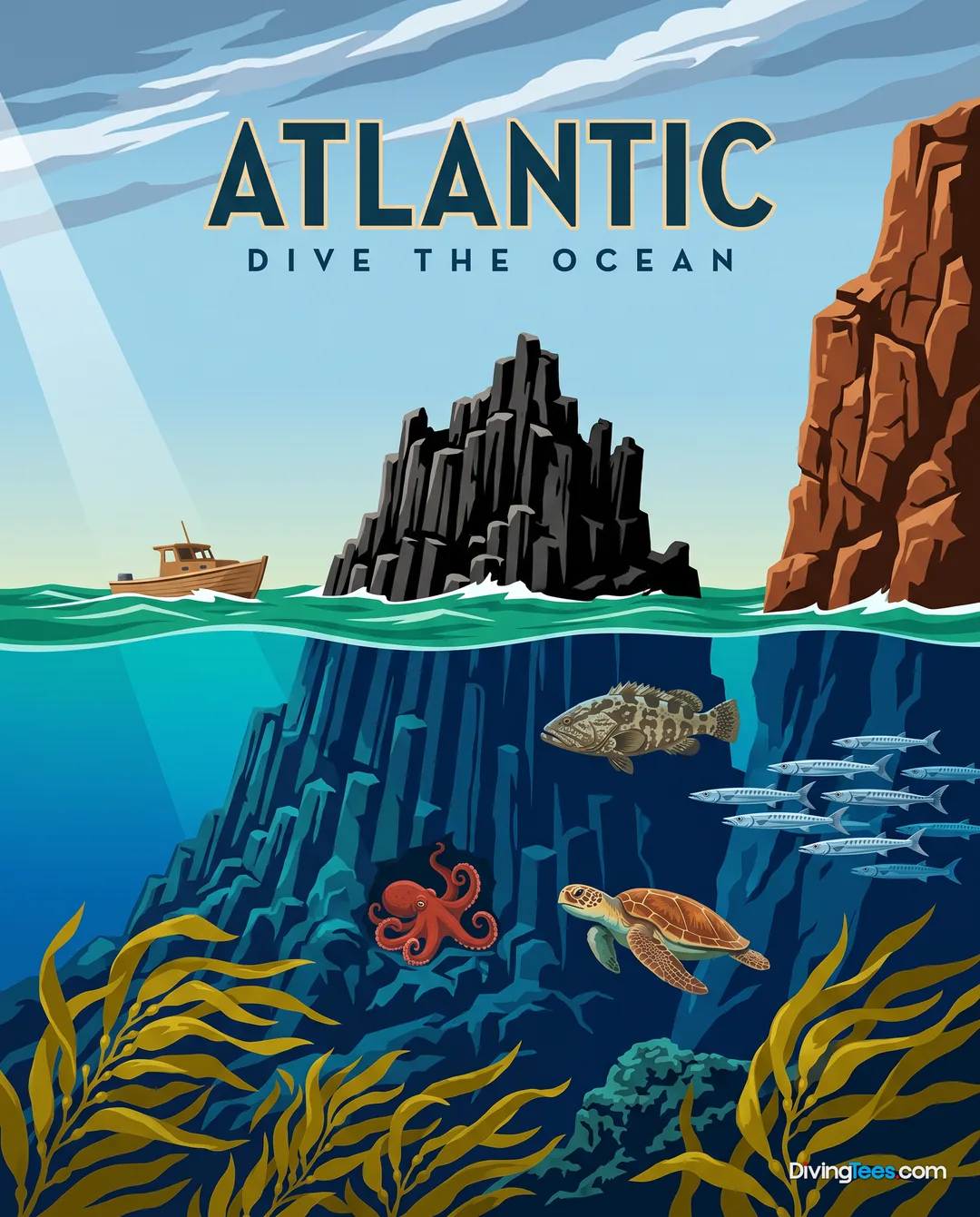
Atlantic
Canaries: volcanic islands with contrasting diving
The Canaries pair volcanic shorelines with sites such as El Bajón and Museo Atlantico, while La Laguna, Teguise and local markets keep the islands varied above water.
What makes this country unique
- May to November across Tenerife and Lanzarote
- El Bajón beside La Restinga’s marine reserve
- Angel sharks, manta rays and barracuda around the islands
- Mojo with papas arrugadas on coastal tables
- San Cristóbal de La Laguna’s colonial streets
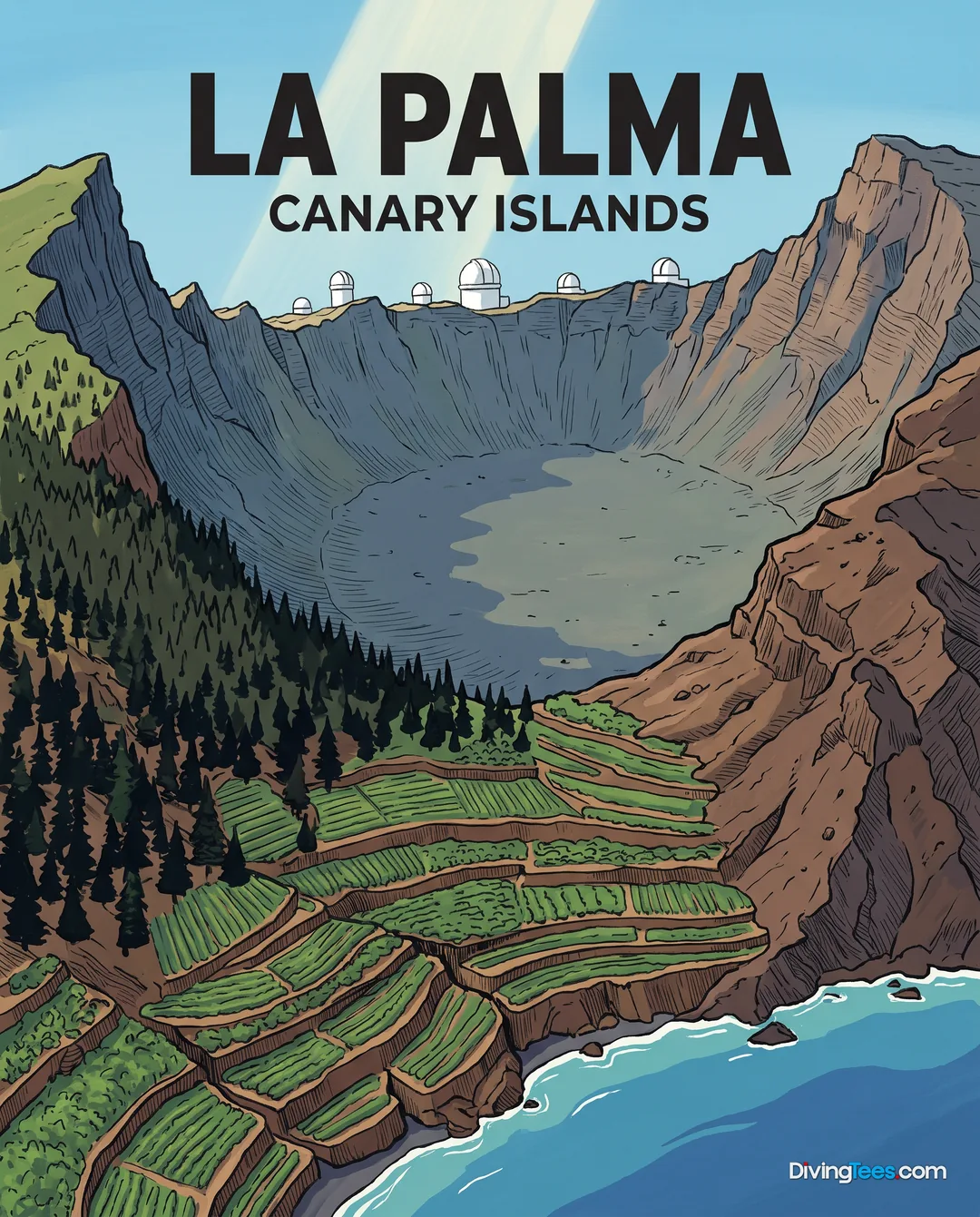
- Parque Nacional del Teide’s volcanic high-altitude landscapes
- Teguise market and Castillo de Santa Bárbara
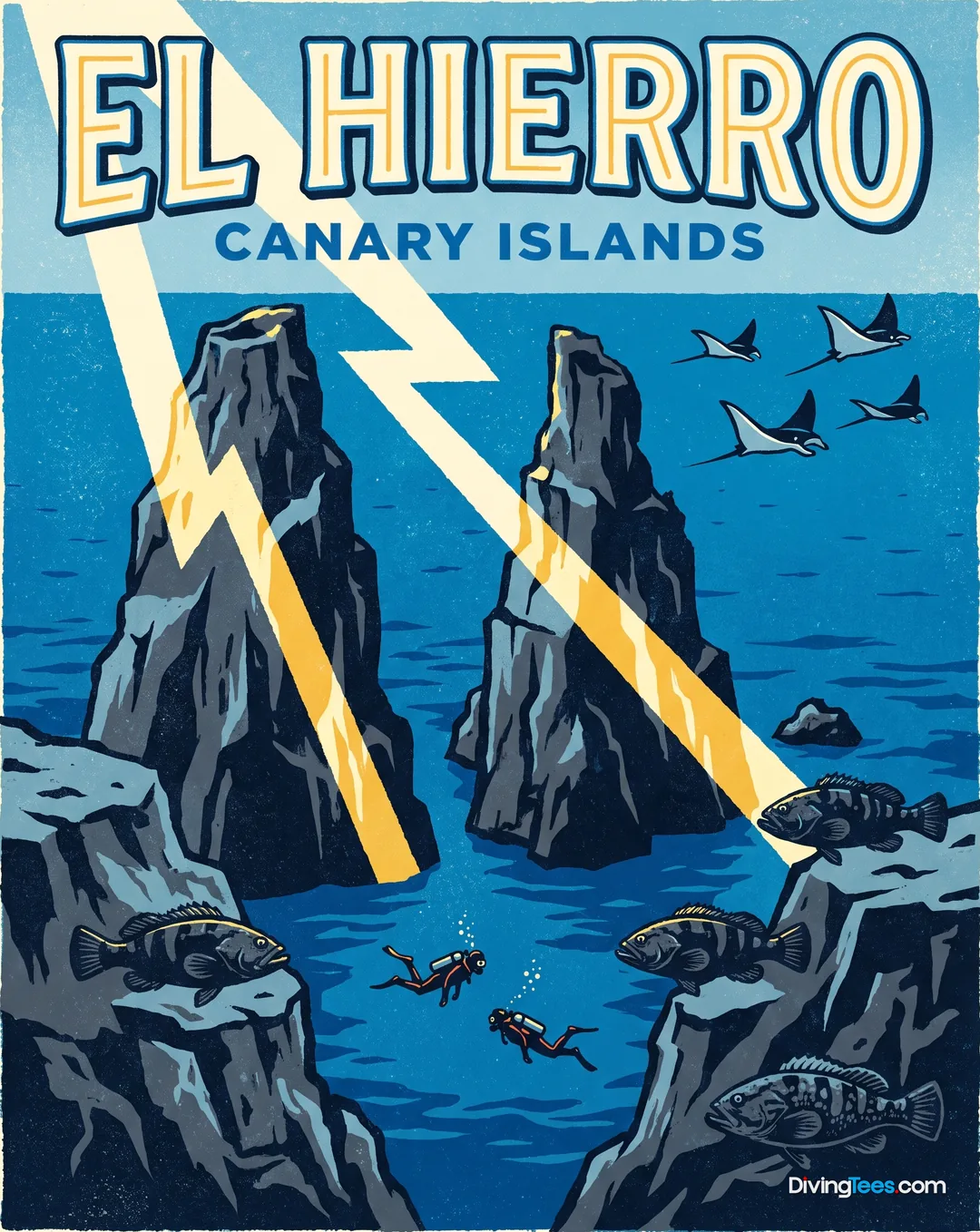
- El Hierro’s La Restinga and Mar de las Calmas
For subtitles in English: start the video firstthen click the gearat the top right of the video, select “Subtitles/CC”, then “Auto-translate” and choose “English”.
This country for a diver
The Canaries are not one uniform dive resort but a Spanish Atlantic archipelago where volcanic coastlines, ports, marine reserves and scattered dive bases create several distinct trips. Compared with nearby holiday destinations, the difference lies in the island-to-island shift from Tenerife’s busy cultural centres to El Hierro’s quieter La Restinga and Lanzarote’s Manrique-shaped landscape. Diving is generally suitable for all levels, with mixed reef health and moderate overall prices. The shared character is flexible coastal diving rather than a liveaboard circuit, with conditions and site choice shaped by swell and current.
How the country divides
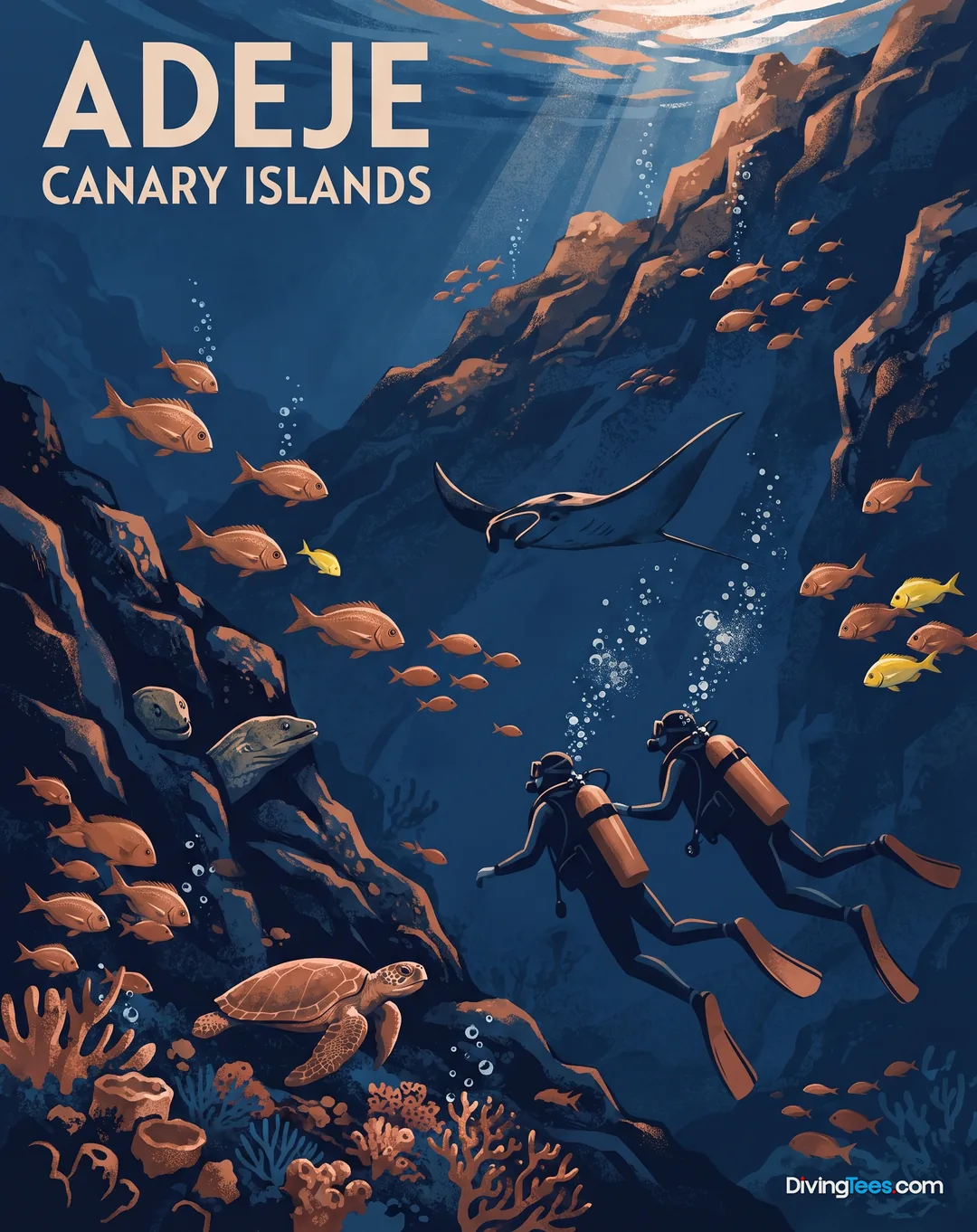
The southern and western grouping brings together the Costa Adeje and Tenerife bases, the quieter El Hierro sector around La Restinga, and Gran Canaria. It suits divers who want volcanic coastal variety within a broader island itinerary, with boat diving more characteristic around Adeje and mixed profiles elsewhere. El Puertito is the useful Adeje reference point, while El Bajón gives El Hierro a very different identity through the Mar de las Calmas reserve. Gran Canaria adds sites such as El Cabron and a more moderate tourist setting, with Las Palmas available for culture and markets. Lanzarote and Puerto Del Carmen form the more compact eastern option. They share the same May-to-November season but offer different bases: Lanzarote for distinctive sites such as Museo Atlantico, Puerto Del Carmen for established shore and local boat routines around Playa Chica. This pairing suits a diver who values easy access to restaurants, ports and a concentrated holiday rather than island-hopping.
Diving destinations

Dive centres




Hotels
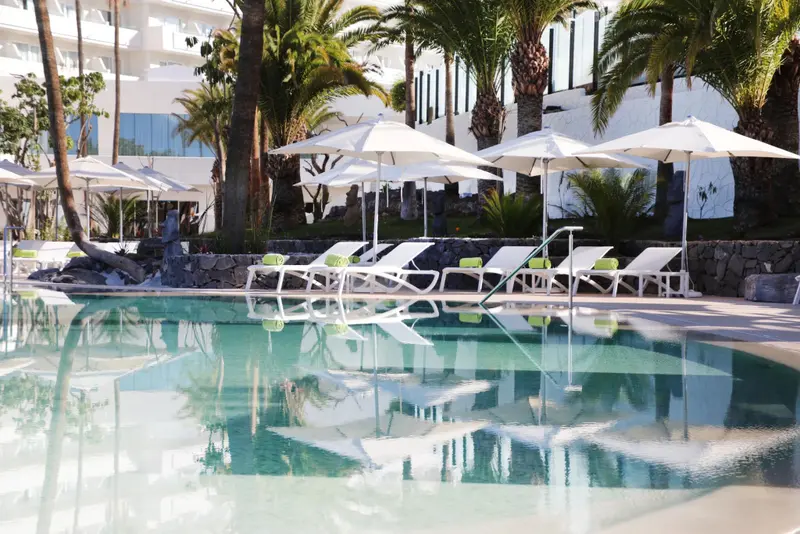
Iberostar Selection Sábila
Costa Adeje, Adeje
★★★★★
Google 4.8/5 (5,406 reviews)
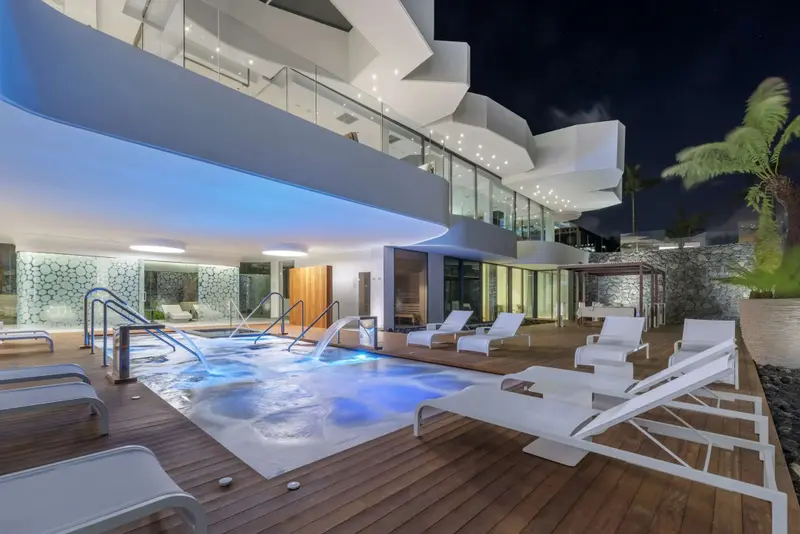
Royal Hideaway Corales Suites, part of Barceló Hotel Group
Adeje
★★★★★
Google 4.9/5 (838 reviews)
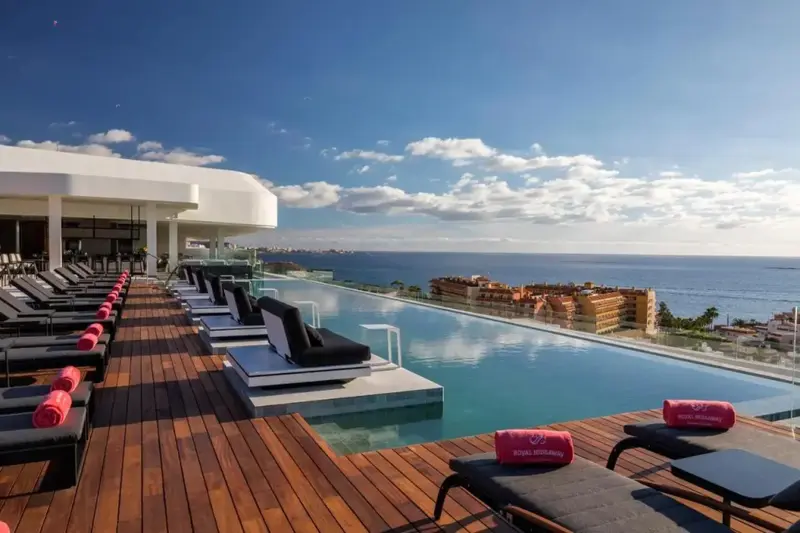
Royal Hideaway Corales Beach
Adeje
★★★★★
Google 4.8/5 (1,858 reviews)
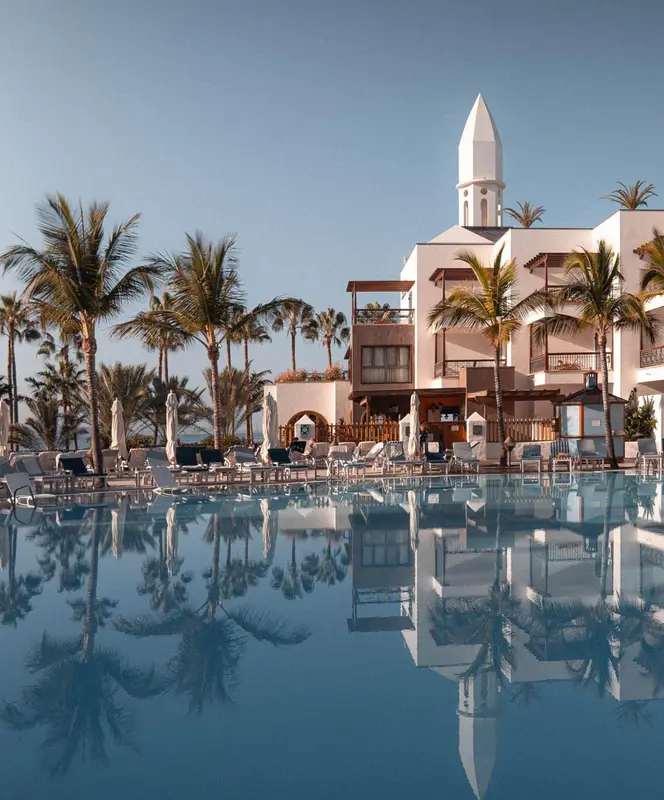
Princesa Yaiza Suite Hotel Resort
Lanzarote
★★★★★
Google 4.7/5 (2,642 reviews)
When to go, and where by month
For Adeje, Gran Canaria, Lanzarote, Puerto Del Carmen and Tenerife, the shared operating window runs from May through November. May and June bring the opening of the main season; July and August keep the same pattern, while September, October and November remain part of the practical calendar. January through April and December sit outside that shared window. The Canaries do not divide into opposing seasonal halves, so the choice is less about chasing a summer coast while another closes and more about choosing the island whose conditions and atmosphere suit the trip. Atlantic swell, variable current and exposed volcanic shorelines can still alter the daily plan. A protected site may replace an exposed one, and a planned drift dive may give way to a calmer profile. Treat the season as a useful planning frame, not a guarantee that every named site will run on every day.
Marine life, coast by coast
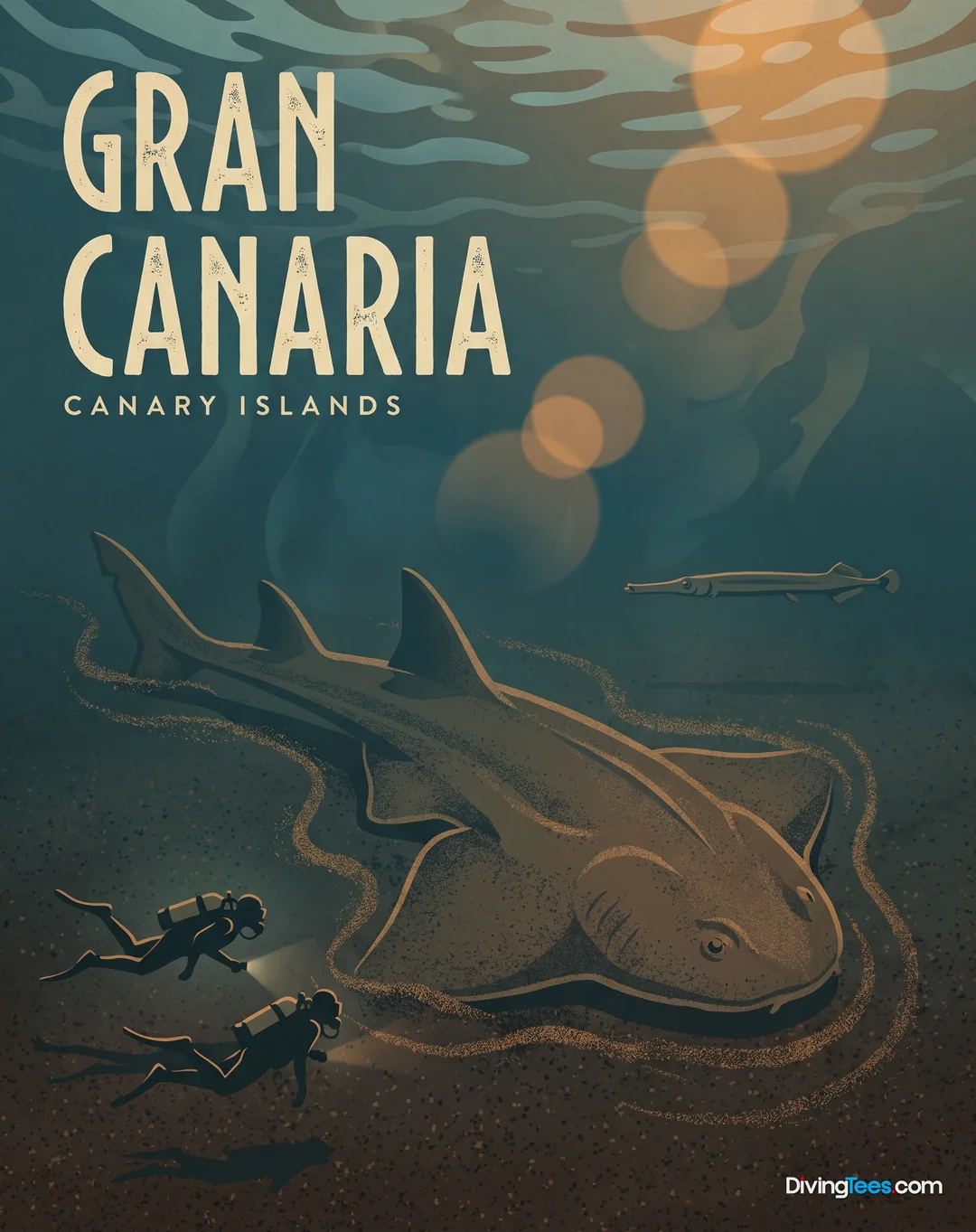
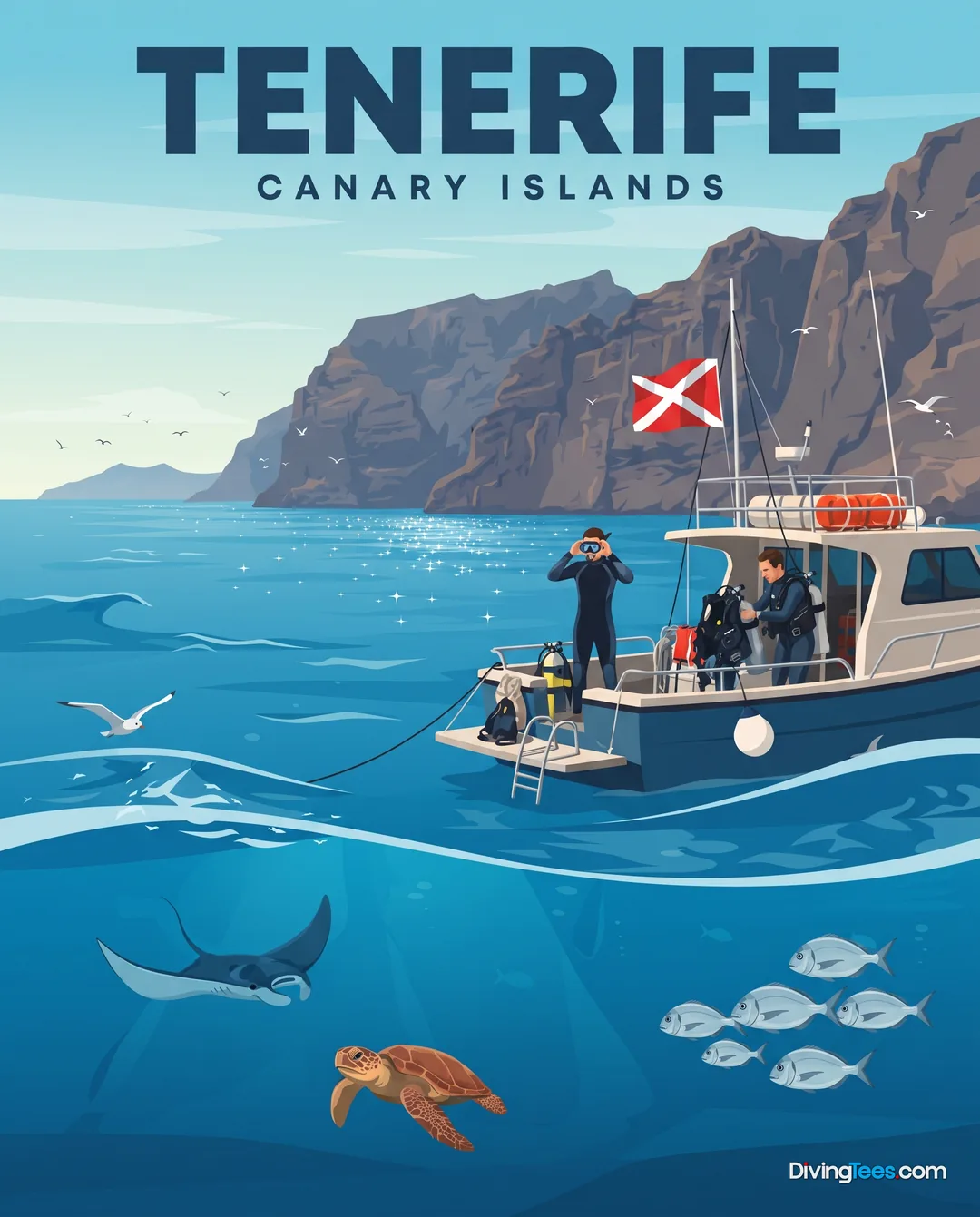
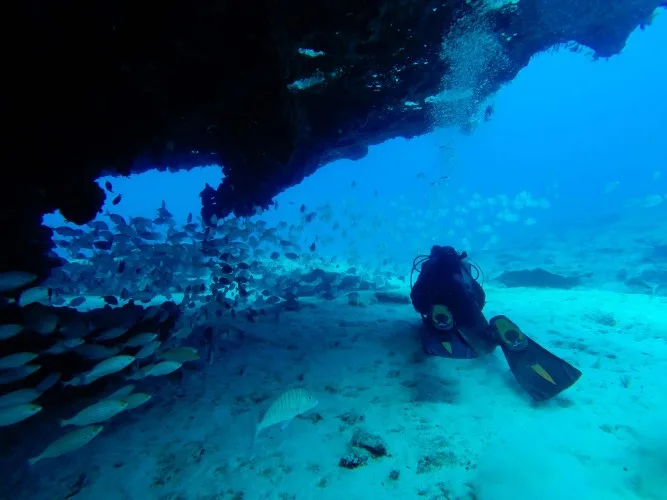
Several encounters belong to the archipelago’s broad wildlife character: garden eels, barracuda, moray eels, groupers, octopus, seahorses, trumpetfish, rays and angel sharks all help define the underwater picture. They are the connective thread when a trip moves between islands. The southern and western grouping adds a more specific set of possibilities, including manta rays, eagle rays, tuna, dolphins, sea turtles, green turtles, parrotfish and soft coral. That changes the feel of an itinerary built around Tenerife, Gran Canaria or El Hierro. Lanzarote and Puerto Del Carmen bring their own emphasis, with orange corals, spider crabs, narwhal shrimp, sponges and angel sharks associated with that eastern pairing. The distinction is useful when choosing between an island-hopping trip and a concentrated base.
Getting between the areas
Tenerife and Gran Canaria are close enough to combine, at about 107 km, with ferries or flights still requiring transfers at either end. Adeje sits roughly 108 km from Gran Canaria, so it can work in a carefully planned two-island journey rather than as a casual day excursion. El Hierro is similarly reachable from Tenerife, but the journey still takes a meaningful part of the day once ports, airports and accommodation are included. Lanzarote and Puerto Del Carmen are the distant eastern pairing from Gran Canaria and Tenerife. The crossing from Gran Canaria is around 234 km, while the Tenerife link is over 300 km, making them better treated as a separate island base. In two weeks, Tenerife with El Hierro is realistic; Tenerife with Lanzarote is also workable if transfers are accepted. Trying to cover all four main diving islands leaves less useful time than the map suggests.
Take off your mask
The Canaries have several identities rather than one resort culture. In Tenerife, San Cristóbal de La Laguna offers a readable colonial centre, while Santa Cruz brings the Mercado de Nuestra Señora de África and the carnival tradition. A day at Parque Nacional del Teide replaces the coast with high volcanic landscapes. On El Hierro, El Julan Cultural Park connects the island to the Bimbaches, and Charco Azul shows how lava shapes everyday life. Gran Canaria works through Las Palmas and Vegueta, where the cathedral, markets and older streets give the capital historical depth. Lanzarote turns towards Teguise, its Sunday market and Castillo de Santa Bárbara, with César Manrique’s influence visible across the island. Food is firmly local: papas arrugadas con mojo, gofio escaldado, vieja sancochada, ropa vieja and bienmesabe. Eat fish near coastal villages and ports, browse municipal markets in Gran Canaria, and look for guachinches in Tenerife. Vins des Canaries, malvasía, ron miel and a barraquito belong to the table as much as the dishes do.
What holds true everywhere here
The practical constant is volcanic terrain. Lava structures, caves and narrow entries make buoyancy and trim more than matters of style, particularly when surge or variable current changes the shape of a descent. A safety stop should be planned with the same attention as the entry, because the selected site may shift towards more sheltered water. Build some weather margin into a block of dives rather than fixing every day around one site. Centres may move the outing when swell makes an exposed coast unsuitable, and a clear briefing should explain which profiles depend on calm seas. Nitrox has a practical place on repetitive day diving, while the island’s mixed shore and boat options reward a base chosen for its actual geography, not merely its hotel address.
Frequently asked questions about Canary Islands
When should you visit the Canary Islands for diving?
May to November is highlighted for diving across Tenerife and Lanzarote. This period can suit a trip focused on El Bajón beside La Restinga’s marine reserve, or an itinerary combining sites around those islands. The Canary Islands also offer different underwater experiences as you move between Tenerife, Lanzarote, Gran Canaria and El Hierro.
What can you see while diving in the Canary Islands?
The Canary Islands offer garden eels, barracuda, moray eels, groupers, octopus, seahorses, trumpetfish, rays and angel sharks. Around Tenerife, Gran Canaria and El Hierro, you may also encounter manta rays, eagle rays, tuna, dolphins, sea turtles, green turtles, parrotfish and soft coral. Lanzarote and Puerto Del Carmen add orange corals, spider crabs, narwhal shrimp and sponges.
How should you plan a diving stay in the Canary Islands?
Choose between an island-hopping itinerary and a concentrated base. Tenerife, Gran Canaria and El Hierro bring possibilities including manta rays, eagle rays, tuna, dolphins, turtles, parrotfish and soft coral. Lanzarote and Puerto Del Carmen have a different emphasis, while La Restinga and Mar de las Calmas shape an El Hierro-focused stay.
What can you do above water in the Canary Islands?
The Canary Islands combine volcanic shorelines and diving with varied time ashore. You can explore San Cristóbal de La Laguna’s colonial streets, Parque Nacional del Teide’s volcanic high-altitude landscapes, Teguise market and Castillo de Santa Bárbara, and local markets. Coastal tables also offer mojo with papas arrugadas.