
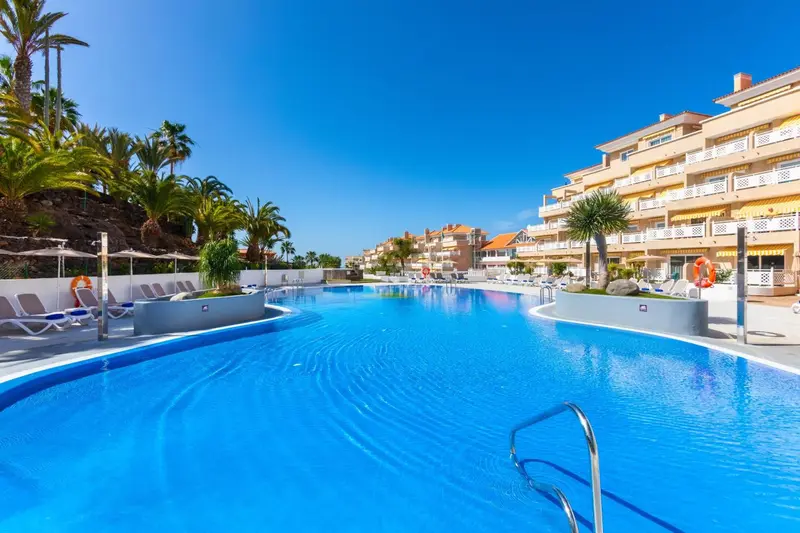
 Dive centre in the hotel
Hotel Tropical Park
★★★★
Google 4.4/5 (2,173 reviews)
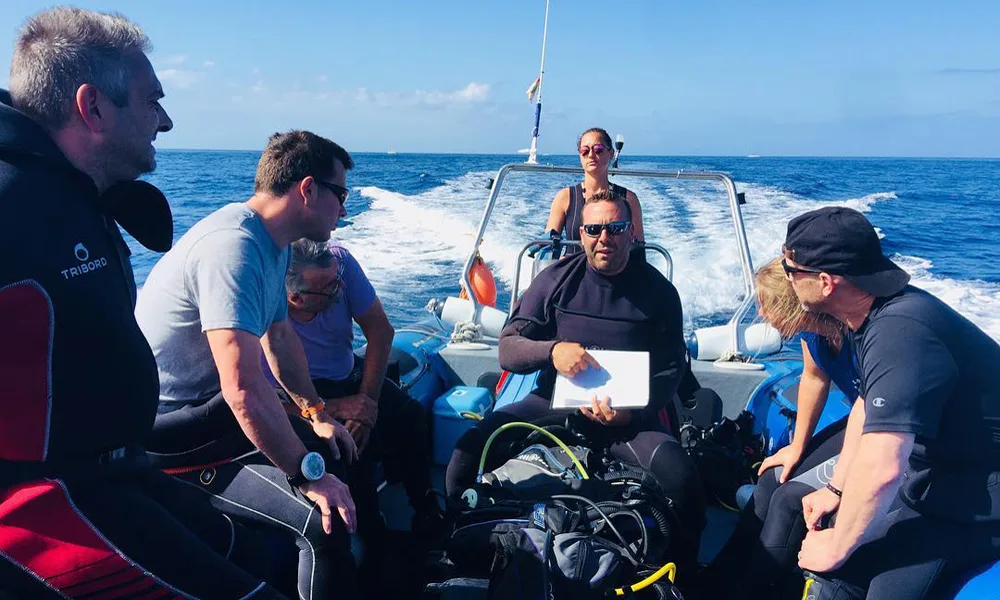
The dive centre
Paradise Divers
PADI
Google 5/5 (176 reviews)
Dives: Alcala, Barco De Las Morenas, Cueva Langosta
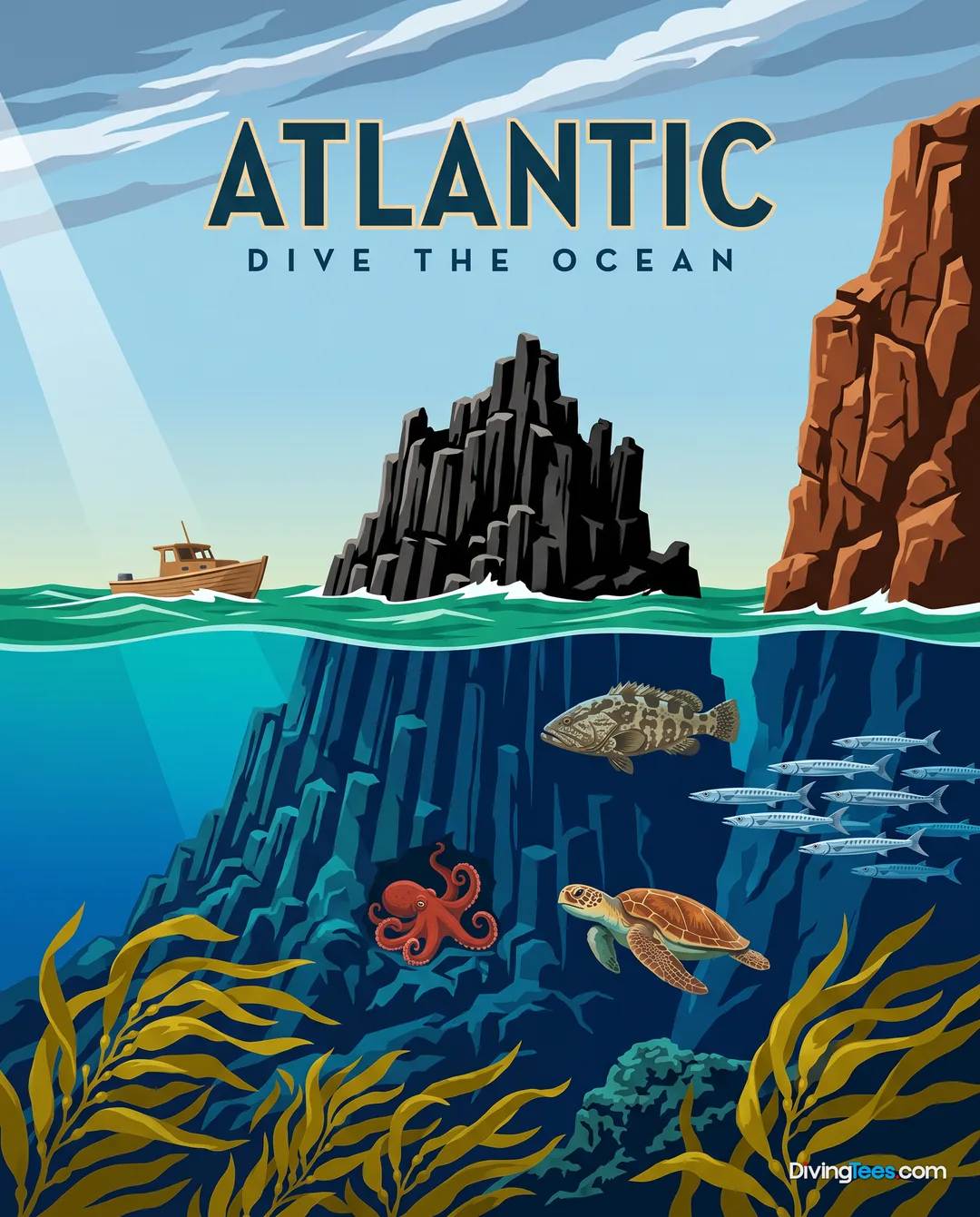
Canary Islands · Atlantic
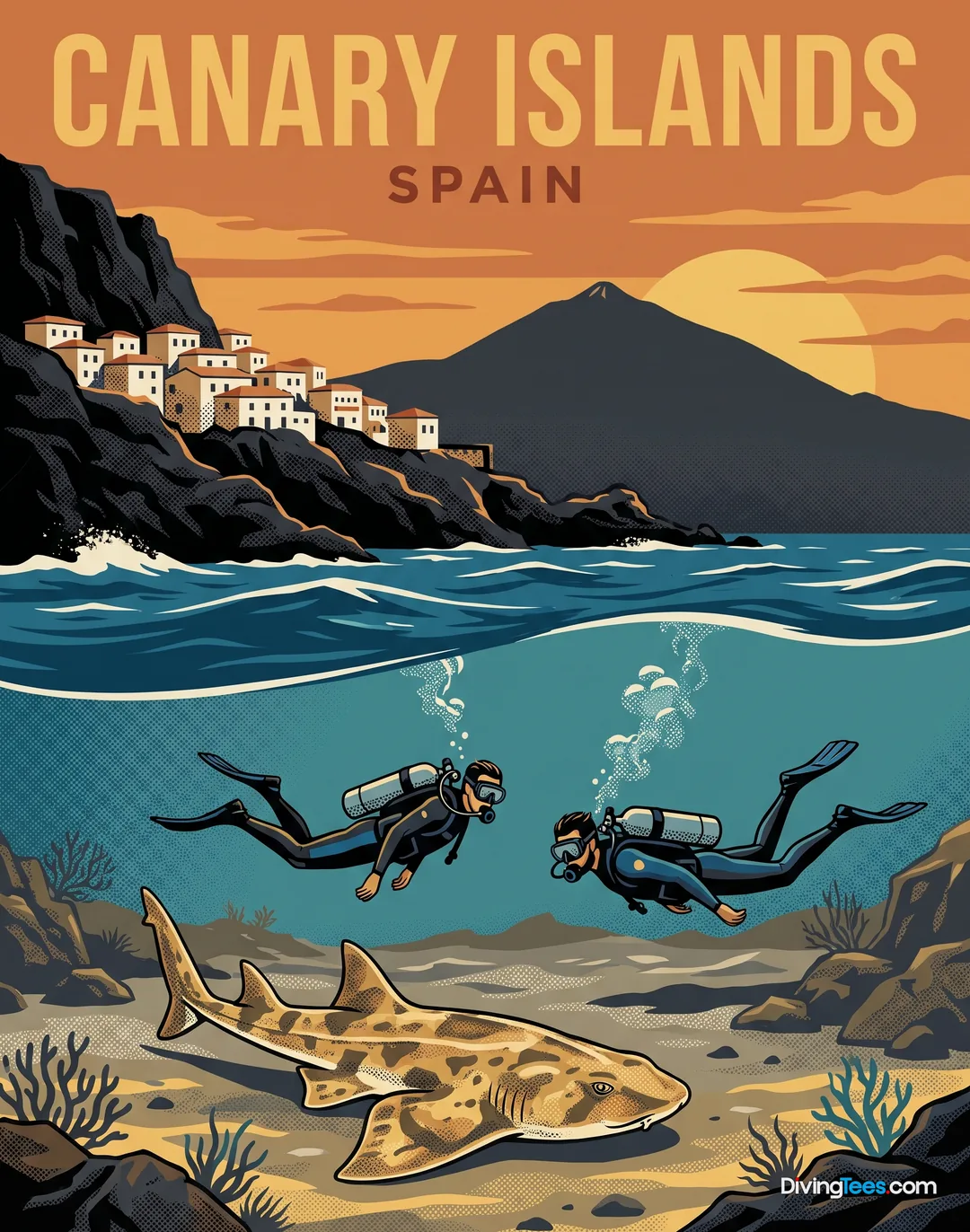
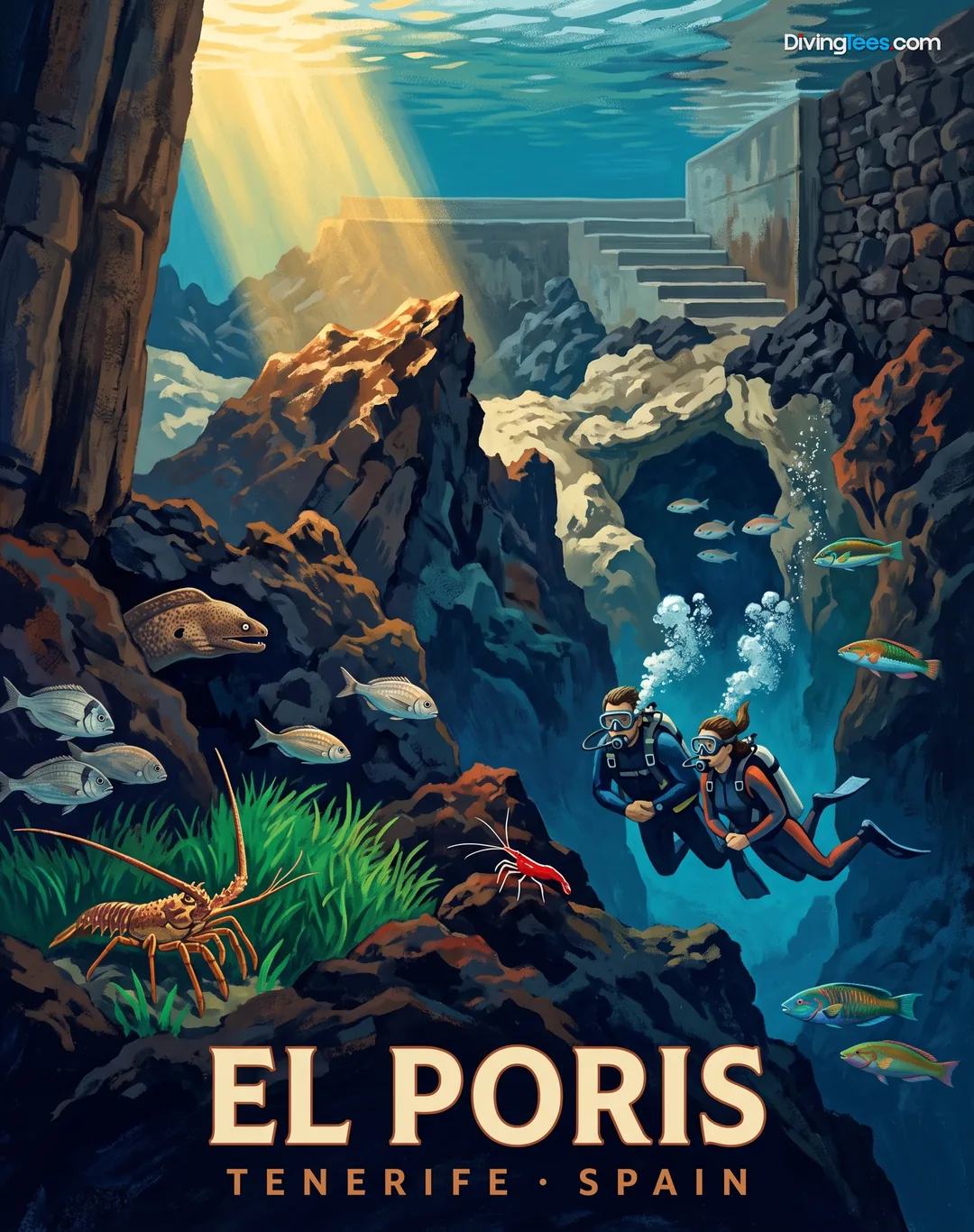
Black volcanic walls, the Tabaiba tugboat and rays over sandy patches give Tenerife its practical Atlantic character, from shore and boat.
For subtitles in English: start the video firstthen click the gearat the top right of the video, select “Subtitles/CC”, then “Auto-translate” and choose “English”.
Tenerife is a land-based Atlantic diving destination built around black volcanic rock, rather than a liveaboard itinerary. Boat trips make up much of the local operation, with shore diving available at places such as Abades, Alcalá and Las Eras. Underwater, the island offers arches, overhangs, tunnels, basalt columns, sandy patches and walls, with wrecks adding a different kind of structure. It works particularly well for a five- to seven-day stay, including for a non-diving companion.
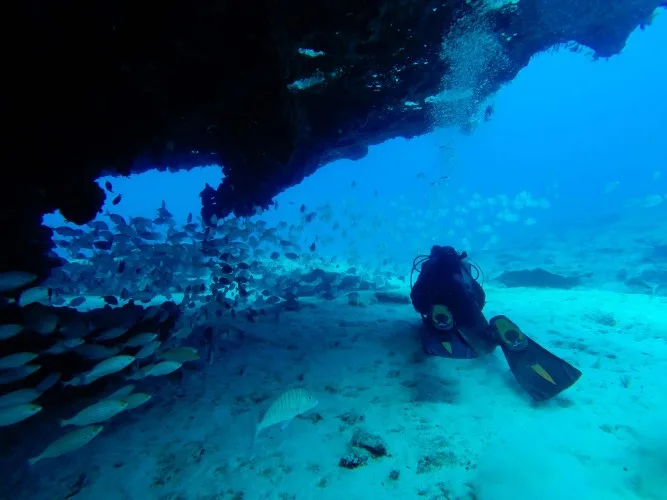
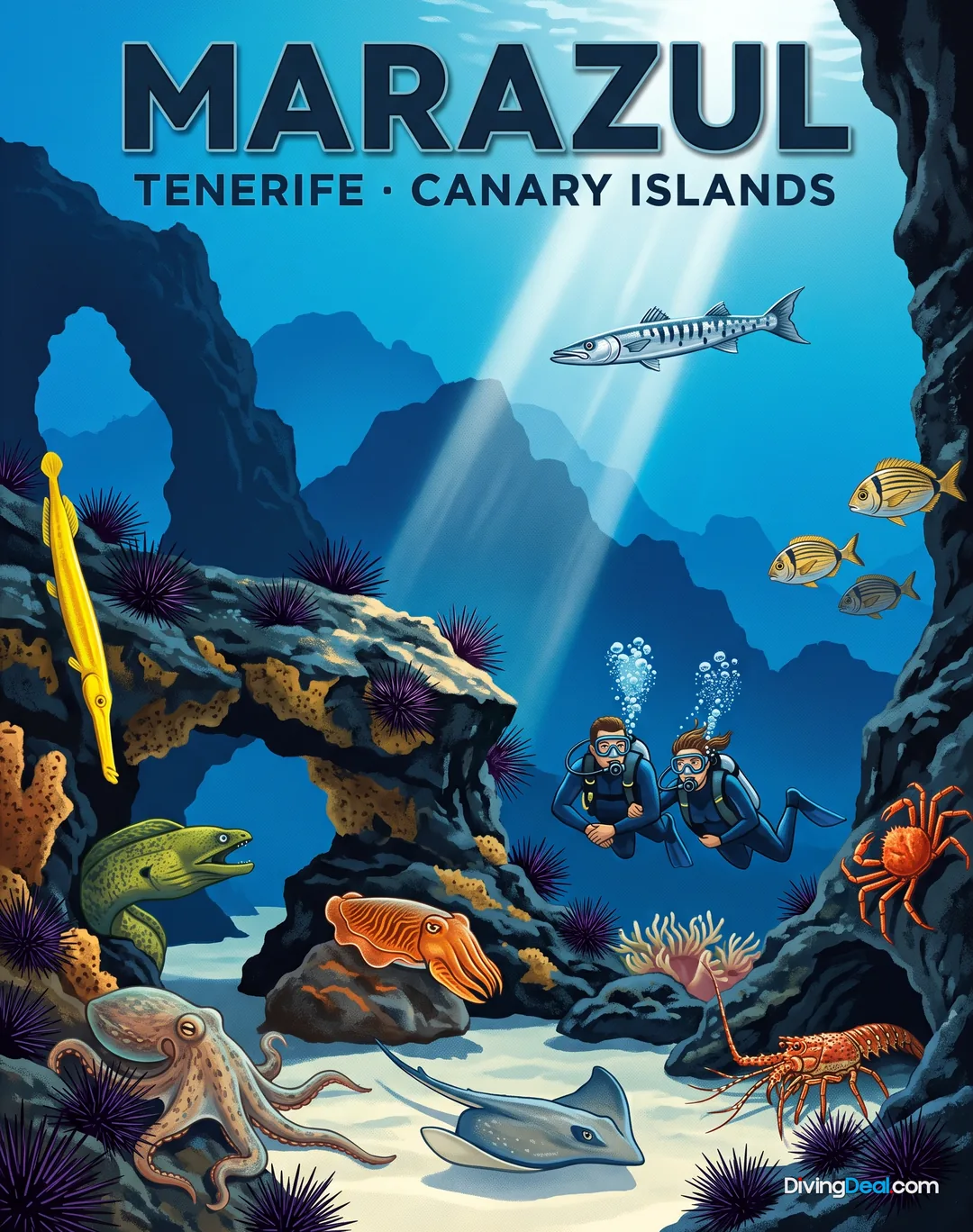
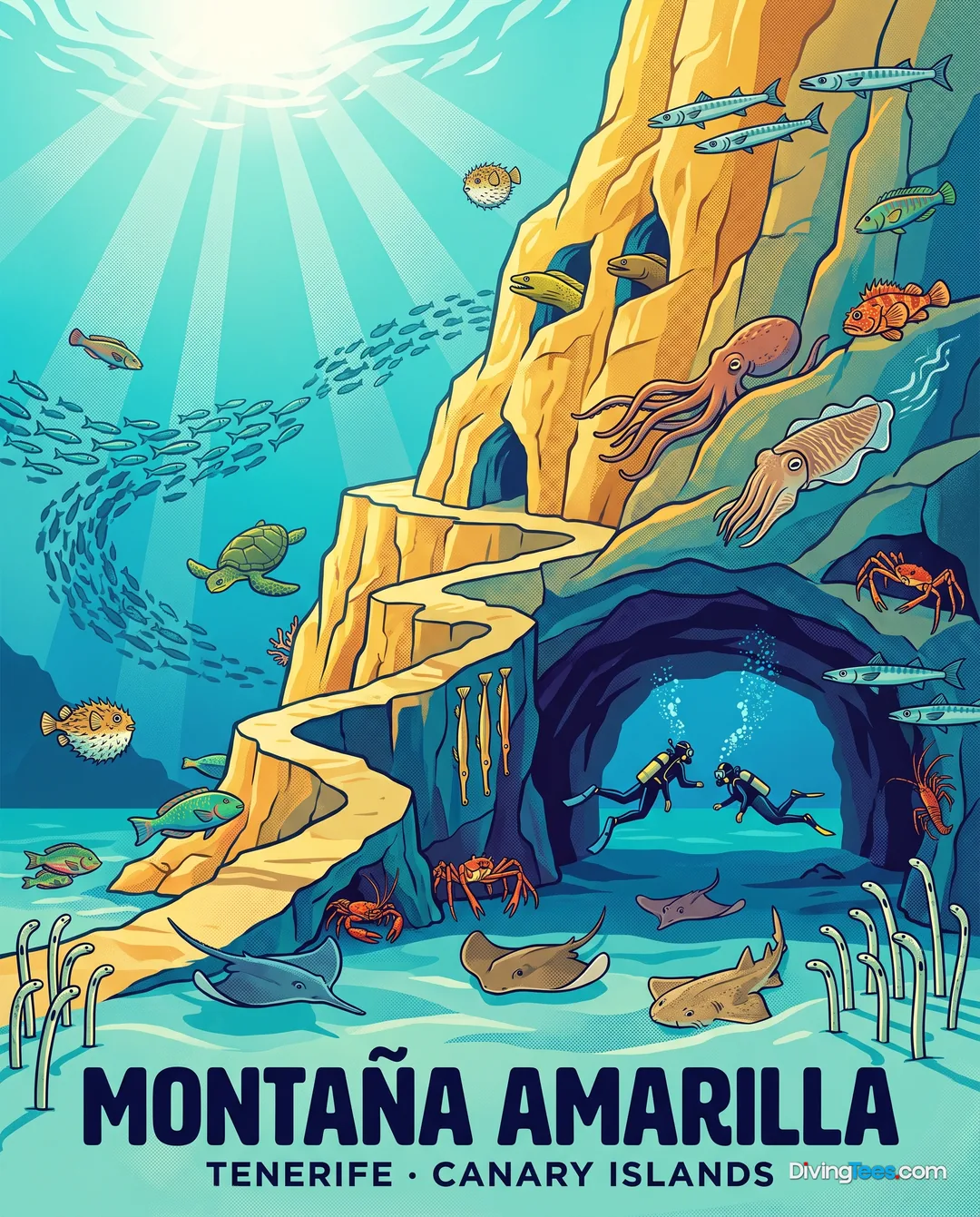
The underwater scenery is unmistakably volcanic. At Las Eras, a natural wall leads through overhangs, swim-throughs and a long tunnel, while Montaña Amarilla brings rocks, arches and grottoes between twelve and thirty-five metres. Radazul combines volcanic walls with sloping sand and arcs; El Balito adds caves and swim-throughs from six to thirty metres. Wreck divers can examine the shallow El Condesito, the El Meridian down to thirty metres, or the Tabaiba tugboat at thirty-two metres. Boat diving is dominant, but sheltered shore entries matter. Current is variable: some sites are usually calm, while Las Eras, El Condesito and El Meridian can become more demanding. Visibility is often good, with individual sites reporting roughly fifteen to forty metres, but it should be treated as site- and day-dependent rather than guaranteed.
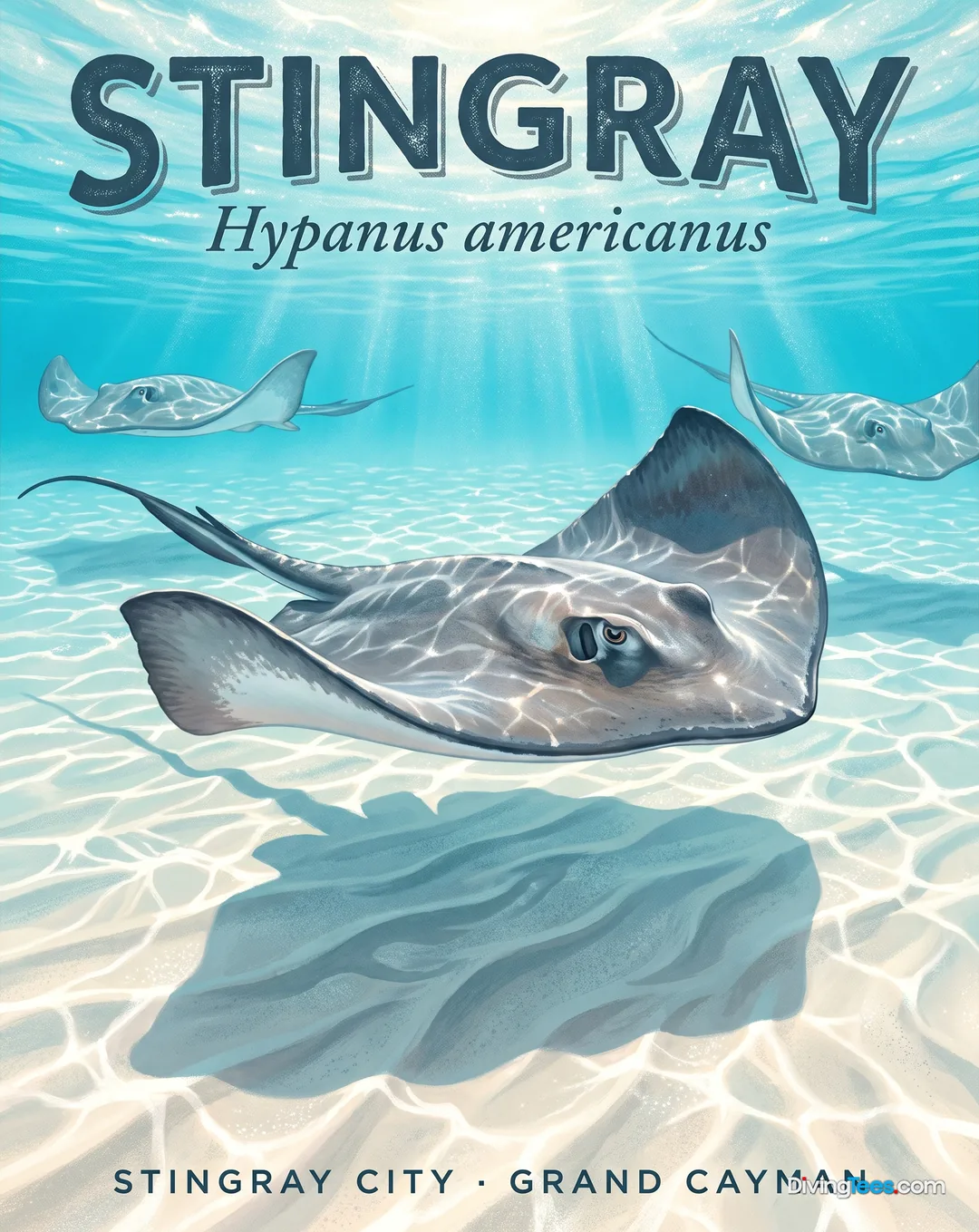
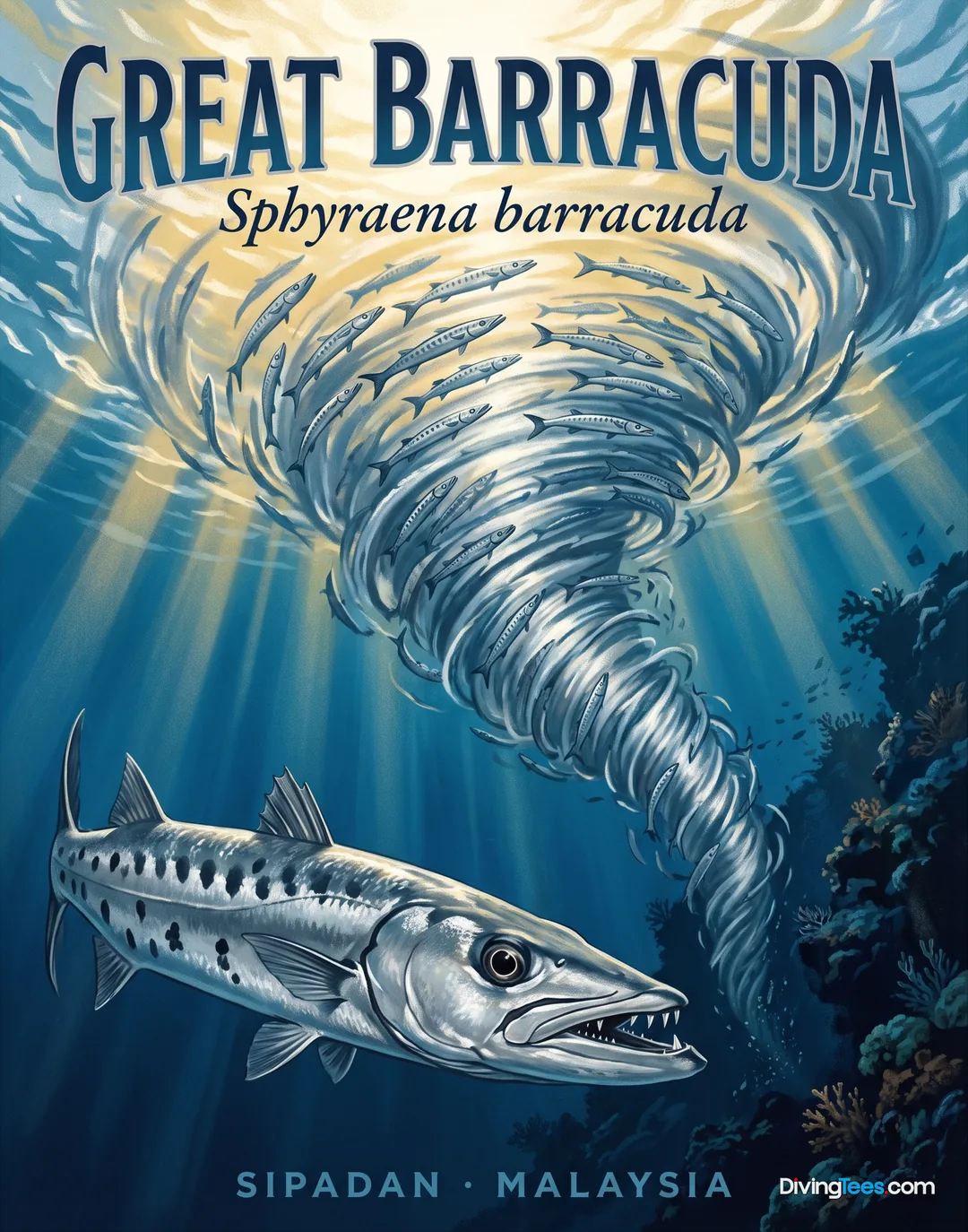
Sandy patches are useful here because they can hold rays, including the regular encounters associated with Los Chuchos and the larger species seen around Palm Mar Wall. Palm Mar Cave is particularly notable in winter, when Atlantic stingrays may gather around the site. Sea turtles are reported at Abades, Alcalá, Palm Mar Wall and Radazul, while moray eels turn up around volcanic walls, wrecks and caves. Octopus, cuttlefish, nudibranchs, trumpetfish and parrotfish reward slower inspection of the rock. Schools of fish and great barracuda add movement in open water. Angelsharks are occasional rather than assured, and the same applies to the larger rays, so the appeal is the search as much as the sighting.
May to November is the measured window for the calmest sea, which makes it the most straightforward period for combining boat trips with shore entries. Rainfall is lowest from May to October, useful when the plan includes driving between coastal areas. Tenerife remains diveable throughout the year, so winter is not an automatic write-off: it may be the period to favour if Palm Mar Cave and its possible stingray gatherings are a priority. Tourist traffic is naturally heavier during holiday periods, and morning departures are generally the ones most in demand. A five- to seven-day stay leaves room to move a more exposed dive if the sea changes.
The island suits all certified levels, with sheltered sites such as Abades, Alcalá and Radazul providing sensible introductions or relaxed diving. Open Water divers can use the shallower sections of Las Eras, El Condesito and El Balito, while deeper walls and profiles call for Advanced Open Water or equivalent experience. Advanced training is also the sensible minimum for the deeper wrecks and Palm Mar Cave. Wreck penetration requires a proper wreck qualification. Nitrox is useful when making several day dives, and night diving calls for the relevant training.
From London Heathrow, London Gatwick or Manchester, Tenerife is reached by direct flight to the island; the diving areas are then spread along the coast rather than gathered around one single departure port. Allow for a road transfer from the arrival point to the chosen coastal base, port or entry site. Once there, a hire car gives the most control over shore-diving logistics and movement between coastal areas. Taxis are practical for reaching centres and ports, while walking may work when accommodation is close to the coast. If the trip also includes another Canary Island, the onward connection is by ferry from Tenerife, adding a separate piece of planning.
The black rock makes poor buoyancy obvious, especially when a diver stirs sediment around an overhang or tunnel, so settle the trim before beginning the interesting part of Las Eras or El Balito. Small groups are worthwhile when the aim is nudibranchs, morays or other discreet life; crowded entries are less forgiving on volcanic terrain. Take the thermal protection that fits properly for repeated dives rather than relying on an unfamiliar rental combination. Photographers should avoid resting the camera on the rock or sandy bottom, both to protect the substrate and to avoid damaging life. Keep easier dives early in the stay, leaving flexibility for a current-affected site later. Nitrox makes sense for a run of day boats and shore dives. Finally, plan around the island’s roads: Tenerife is not a liveaboard, and a dive site can involve a coastal transfer before and after the water.
A practical Tenerife trip is a five- to seven-day stay in one land-based coastal area, with day boats mixed with shore dives. Begin with sheltered profiles such as Abades, Alcalá or Radazul, then use the remaining days for deeper walls, caves or wrecks if conditions and training suit them. Keep one flexible day for a change in sea conditions. A non-diver can use that time for volcanic walks, coastal viewpoints, ports and villages. Before flying home, choose calm land-based activities rather than a strenuous excursion.
Hello, I'm Marina, DivingDeal.com's AI assistant. I guide you through destinations, areas and countries.
Thinking about the whole trip and the flights? Talk it over with Edith →
Marina is an AI. Some links are affiliate links: DivingDeal may earn a commission, at no extra cost to you. Bookings are made with the partner.
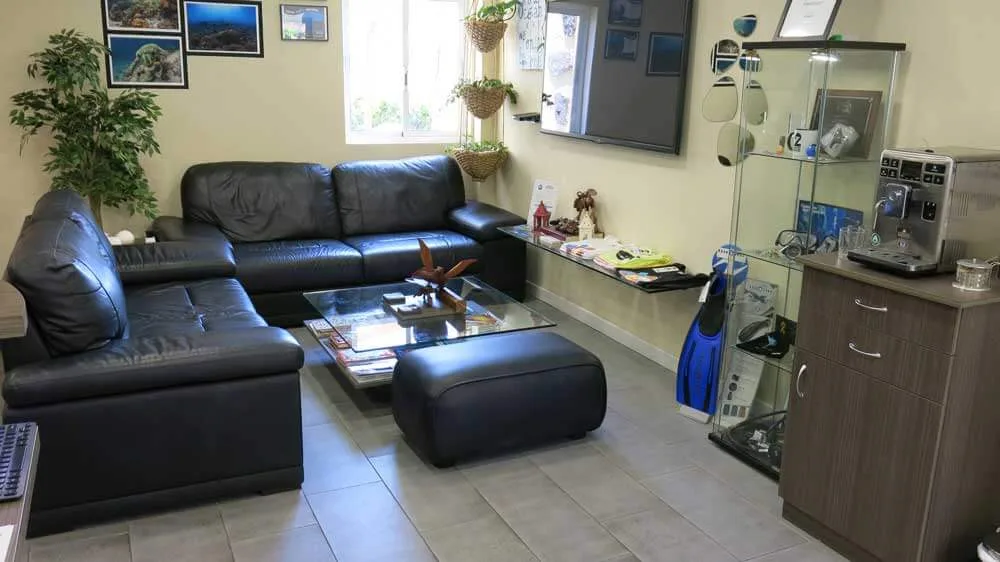
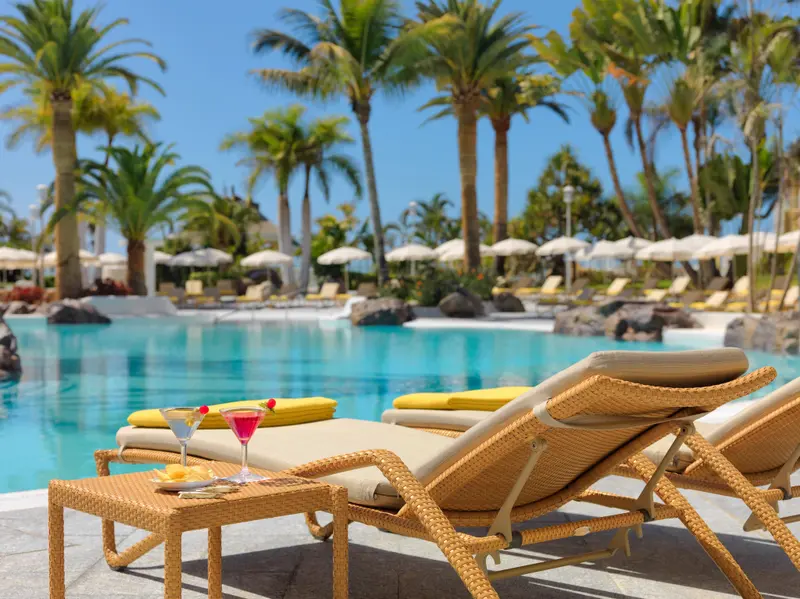
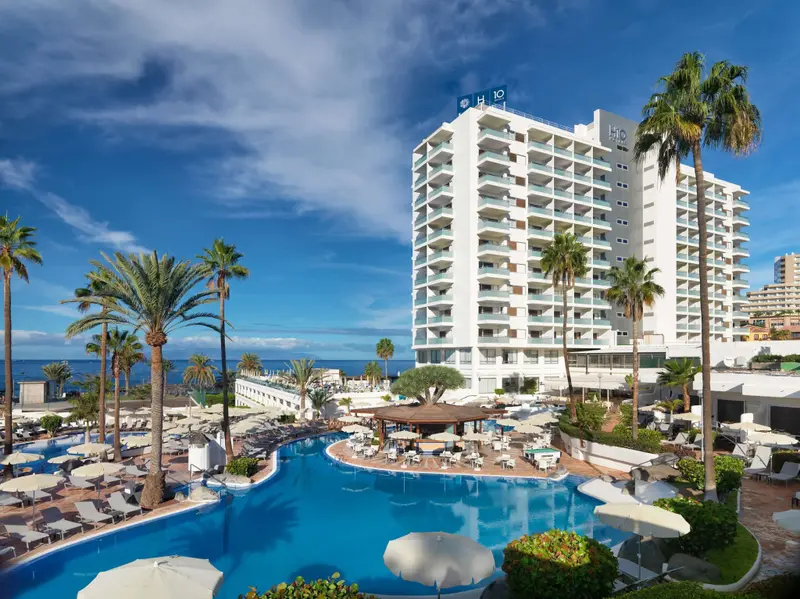
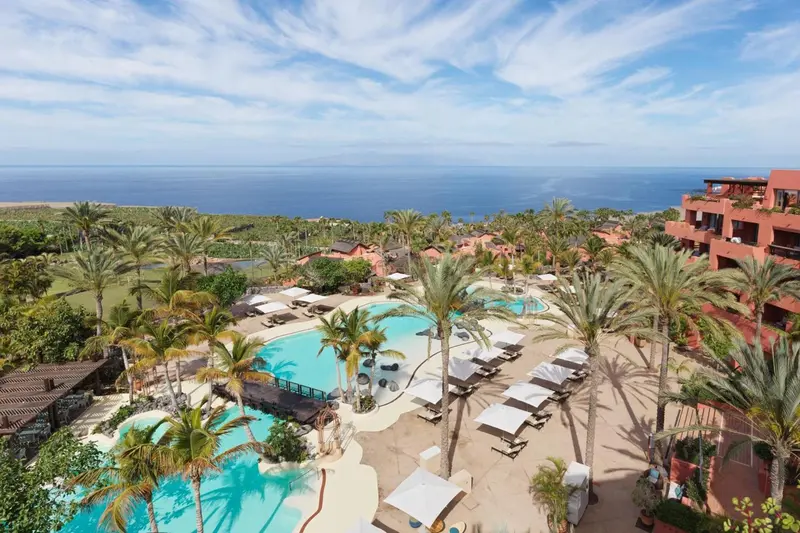
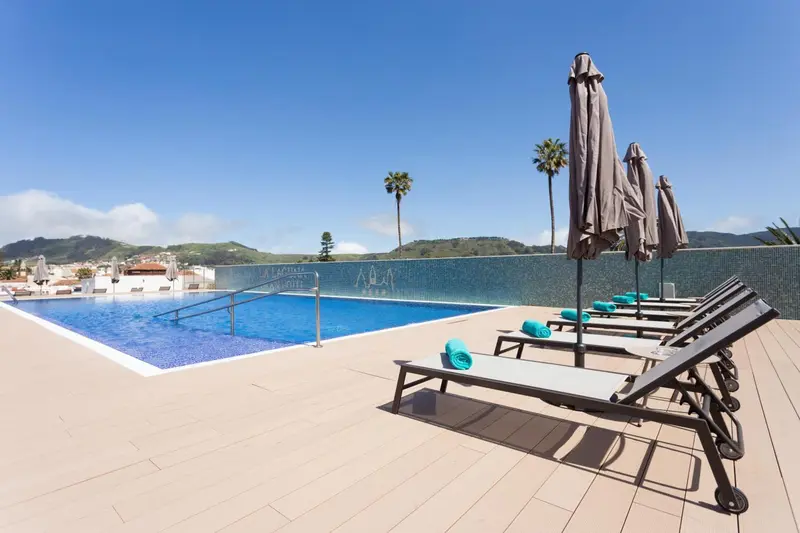
In each one, the dive centre is inside the hotel: step out of your room and go diving.
Dive centre in the hotel★★★★
Google 4.4/5 (2,173 reviews)
The dive centre
Paradise Divers
PADI
Google 5/5 (176 reviews)
Dives: Alcala, Barco De Las Morenas, Cueva Langosta
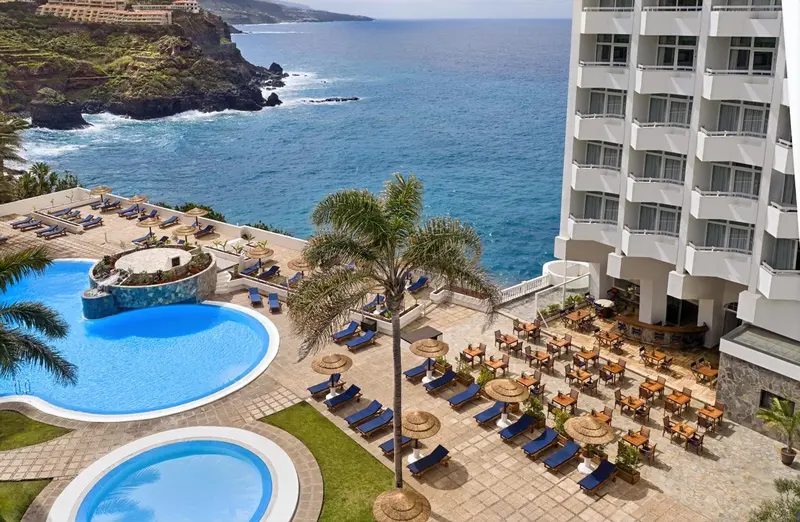 Dive centre in the hotel
★★★★
Google 4.2/5 (2,001 reviews)
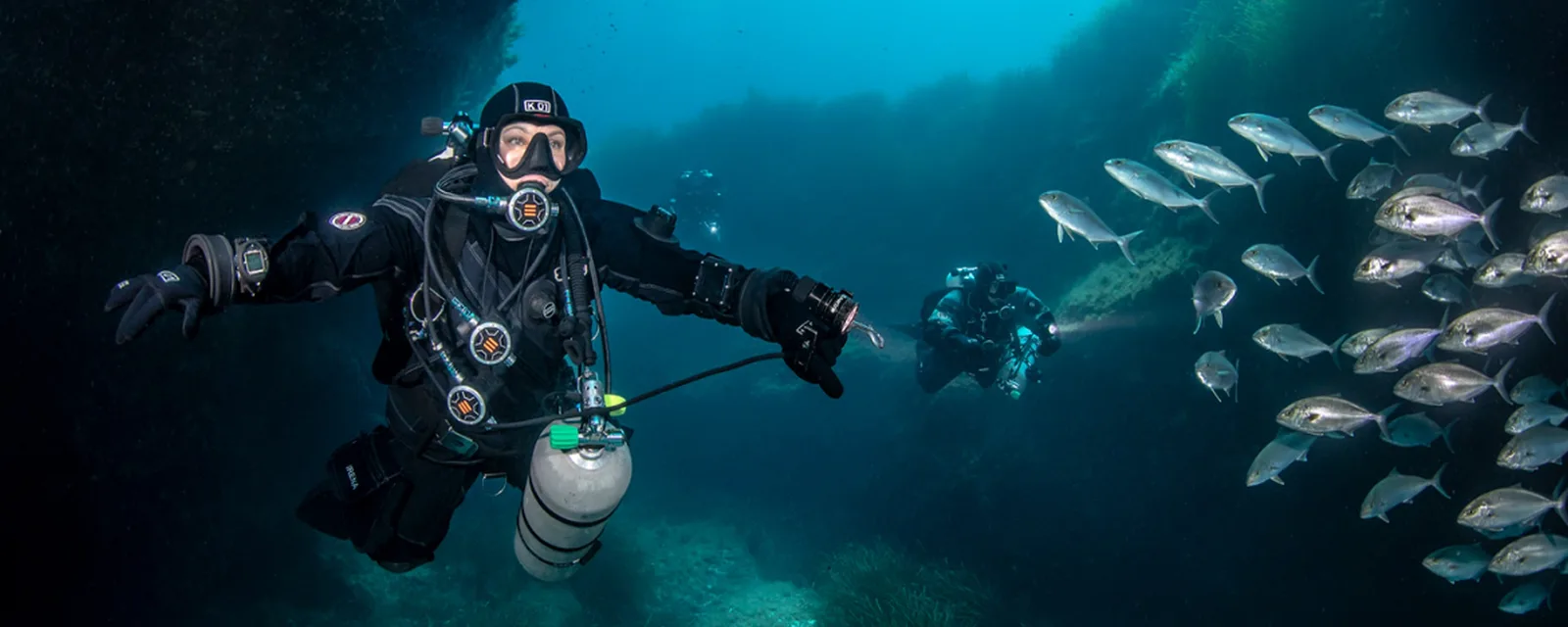
The dive centre
Tauchschule ATLANTIK
PADI · SSI · CMAS · PROTEC · IANTD · RAB
Google 4.2/5 (140 reviews)
Dives: Harbor, Radazul, Tabaiba
Your last day stays dry: no diving in the 18-24 hours before a flight, the perfect window to see the destination from another angle.
 Culture
⏱ 7 h · ★ 5.0 (39 reviews)
from £742$992€886
see on Viator ↗
 Adventure
⏱ 3 h · ★ 5.0 (23 reviews)
from £117$157€140
see on Viator ↗

⏱ 3 h · ★ 5.0 (22 reviews)
from £83$111€99
see on Viator ↗

⏱ 2 h · ★ 5.0 (17 reviews)
from £33$45€40
see on Viator ↗
Ratings and reviews collected by Viator and Tripadvisor.
Tenerife remains diveable throughout the year, but May to November generally offers calmer seas for combining boat trips with shore entries. Rainfall is lowest from May to October, which helps when driving between coastal areas. Choose winter if Palm Mar Cave and possible Atlantic stingray gatherings are a priority.
Tenerife suits all certified levels. Sheltered sites such as Abades, Alcalá and Radazul work for introductions and relaxed dives, while shallower sections of Las Eras, El Condesito and El Balito suit Open Water divers. Deeper walls, Palm Mar Cave and deeper wrecks require Advanced Open Water or equivalent experience, with proper wreck training for penetration.
Tenerife offers black volcanic walls, arches, overhangs, tunnels, basalt columns, caves and sandy patches, plus the upright Tabaiba tugboat and other wrecks. You may encounter rays, turtles, moray eels, octopus, cuttlefish, nudibranchs, trumpetfish and parrotfish. Angelsharks, larger rays and great barracuda are possible, but sightings are not assured.
Plan a land-based stay in one coastal area, mixing day boats with shore dives. Begin with sheltered sites such as Abades, Alcalá or Radazul, then consider deeper walls, caves or wrecks if conditions and training suit you. A hire car helps with coastal logistics, and keeping a flexible day allows for changing sea conditions.