

Tagoro Dive
Google 5/5 (756 reviews)
Canary Islands · Atlantic
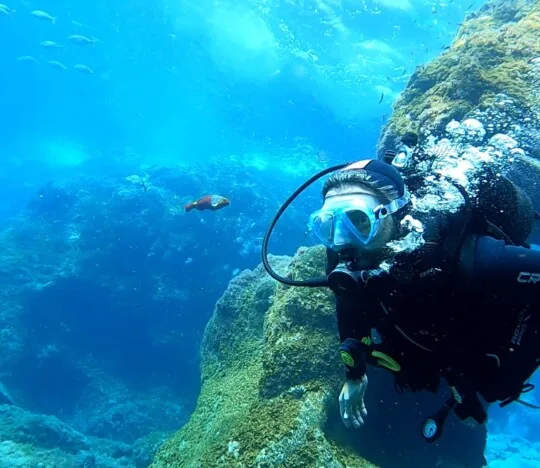
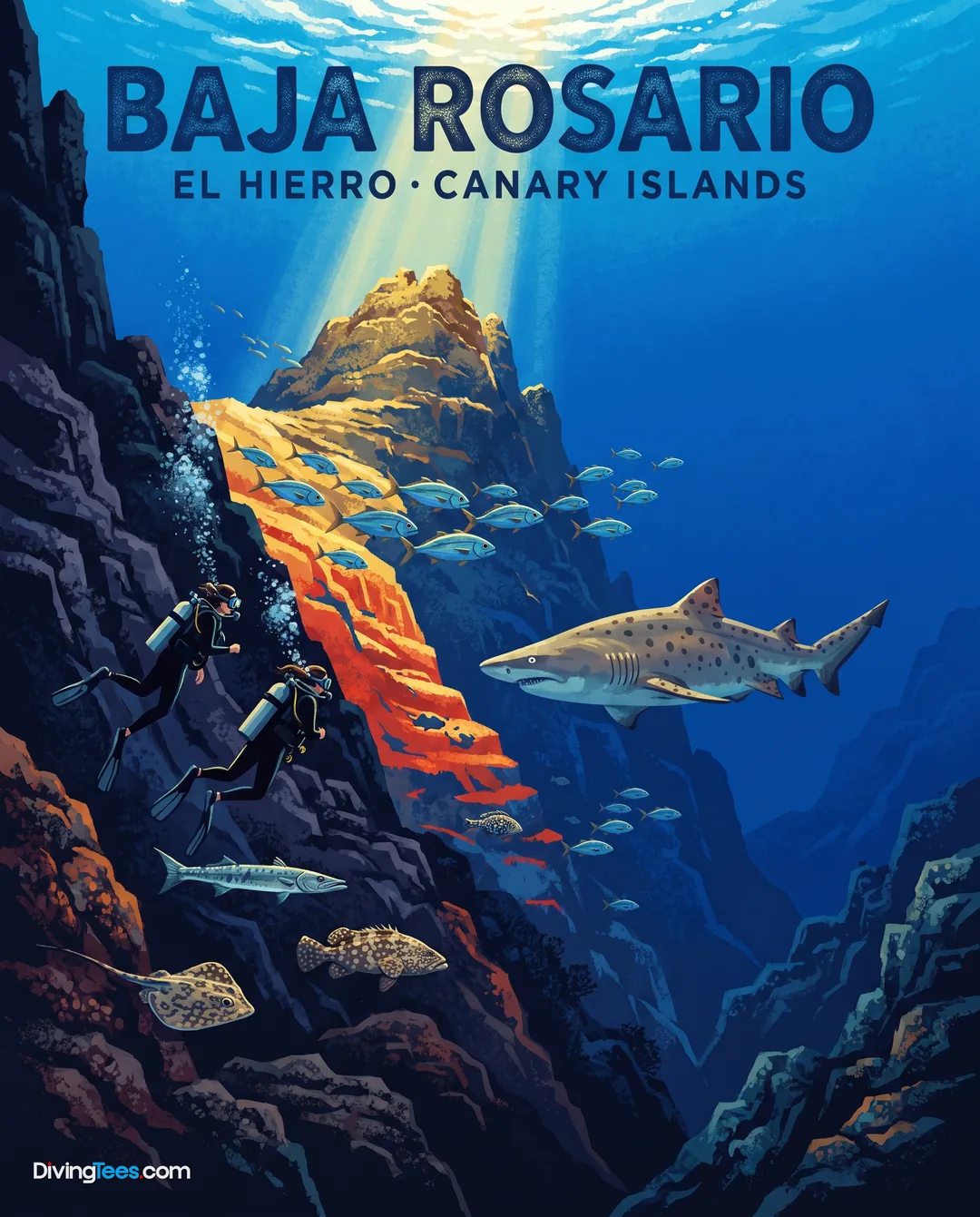
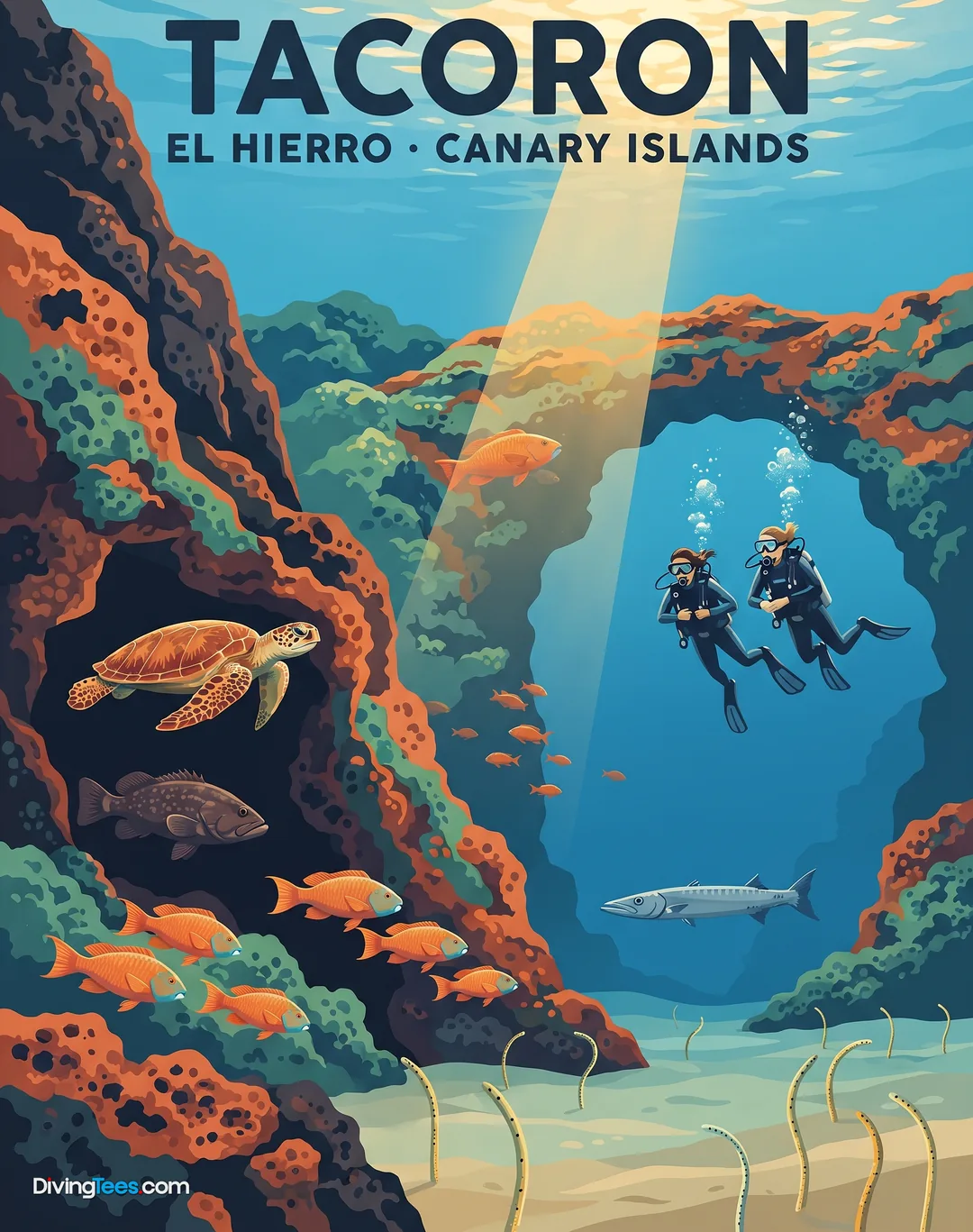
Deep volcanic walls and sheltered reefs within the Mar de las Calmas reserve, where sea turtles and rays drift through calm, protected waters.
For subtitles in English: start the video firstthen click the gearat the top right of the video, select “Subtitles/CC”, then “Auto-translate” and choose “English”.
El Hierro offers a focused, high-quality diving experience for those seeking the raw Atlantic character of the Canary Islands without the crowds. The island is defined by its volcanic origins, providing a landscape of steep underwater cliffs and rocky reefs. Because much of the action is concentrated within a single marine reserve, the environment remains remarkably healthy, offering a sense of isolation and true connection to the sea that is increasingly rare in more commercialised Mediterranean or even other Canarian destinations.
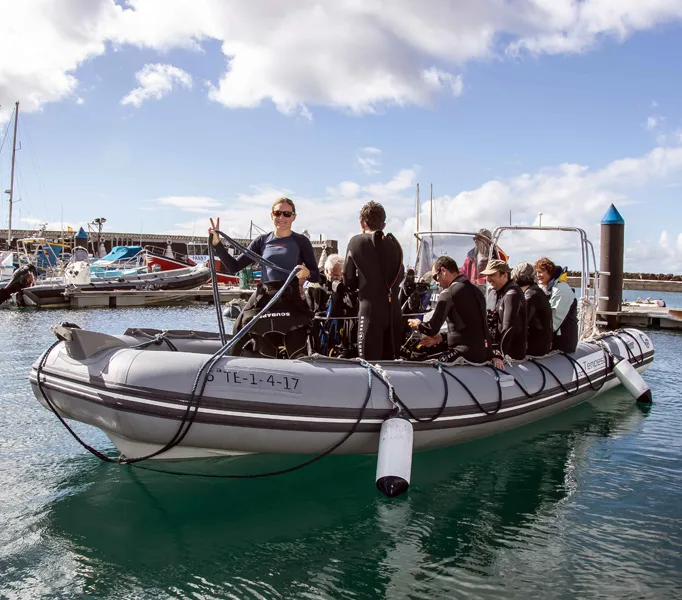
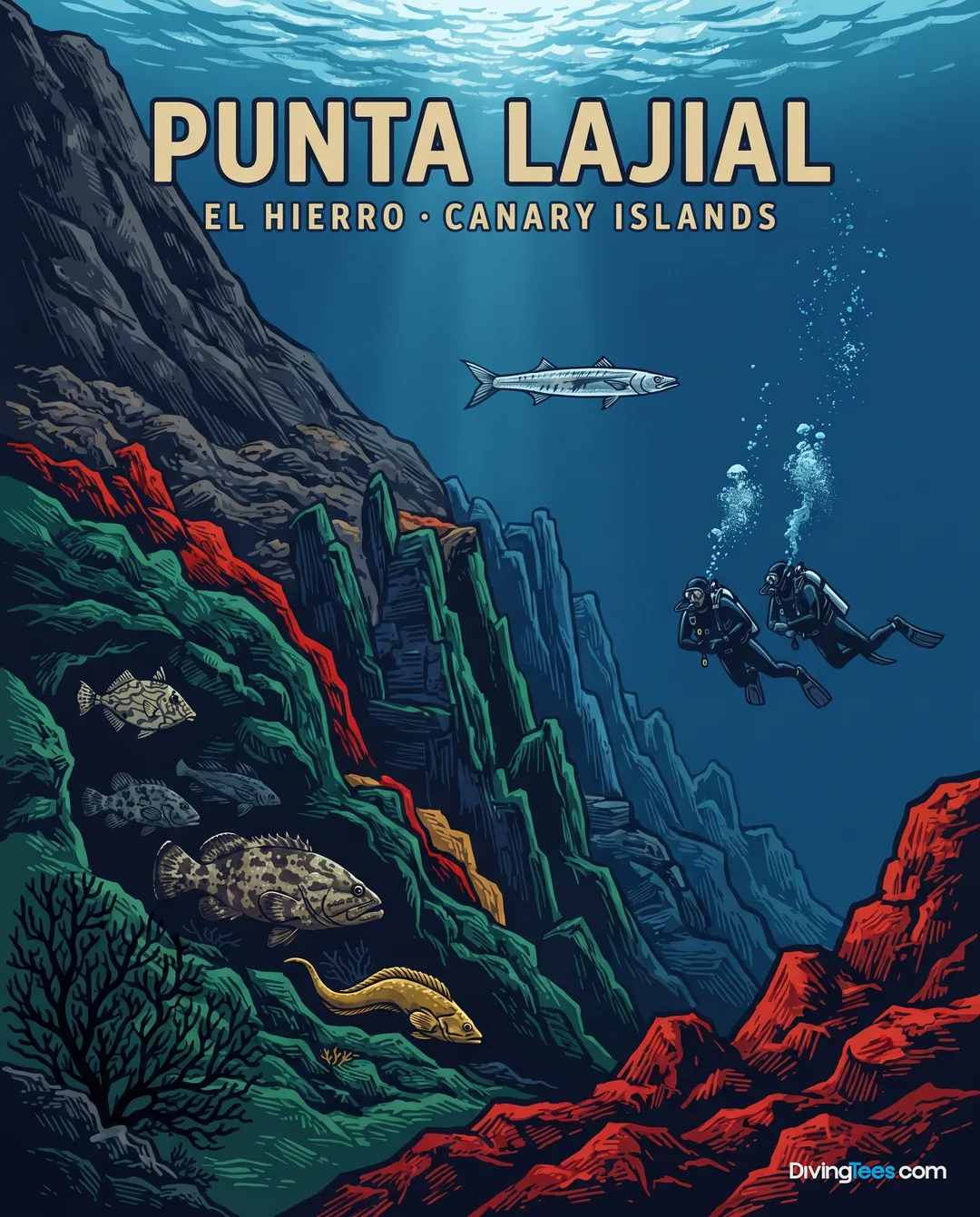
Diving is primarily conducted by boat, departing from the southern village of La Restinga. The topography is dominated by volcanic structures, ranging from shallow, sheltered sandy patches like La Herradura to more dramatic vertical walls. Currents are generally light within the protected reserve, making it a comfortable environment for most, though the Atlantic nature of the island means conditions can shift. Visibility is subject to local swell and plankton levels, but the structured nature of the reserve—which prohibits anchoring and limits fishing—ensures a vibrant, well-preserved ecosystem of rocks and seagrass.
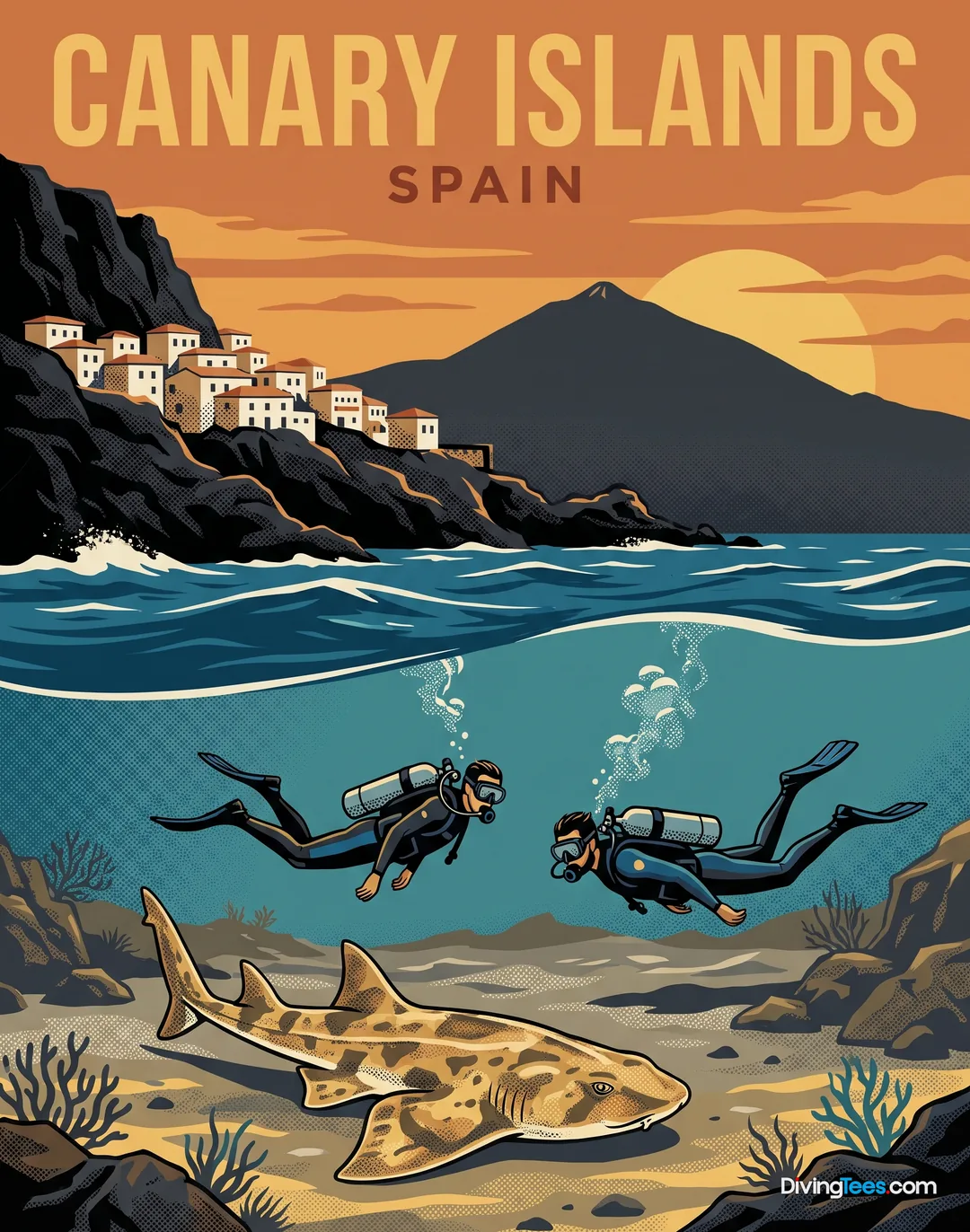
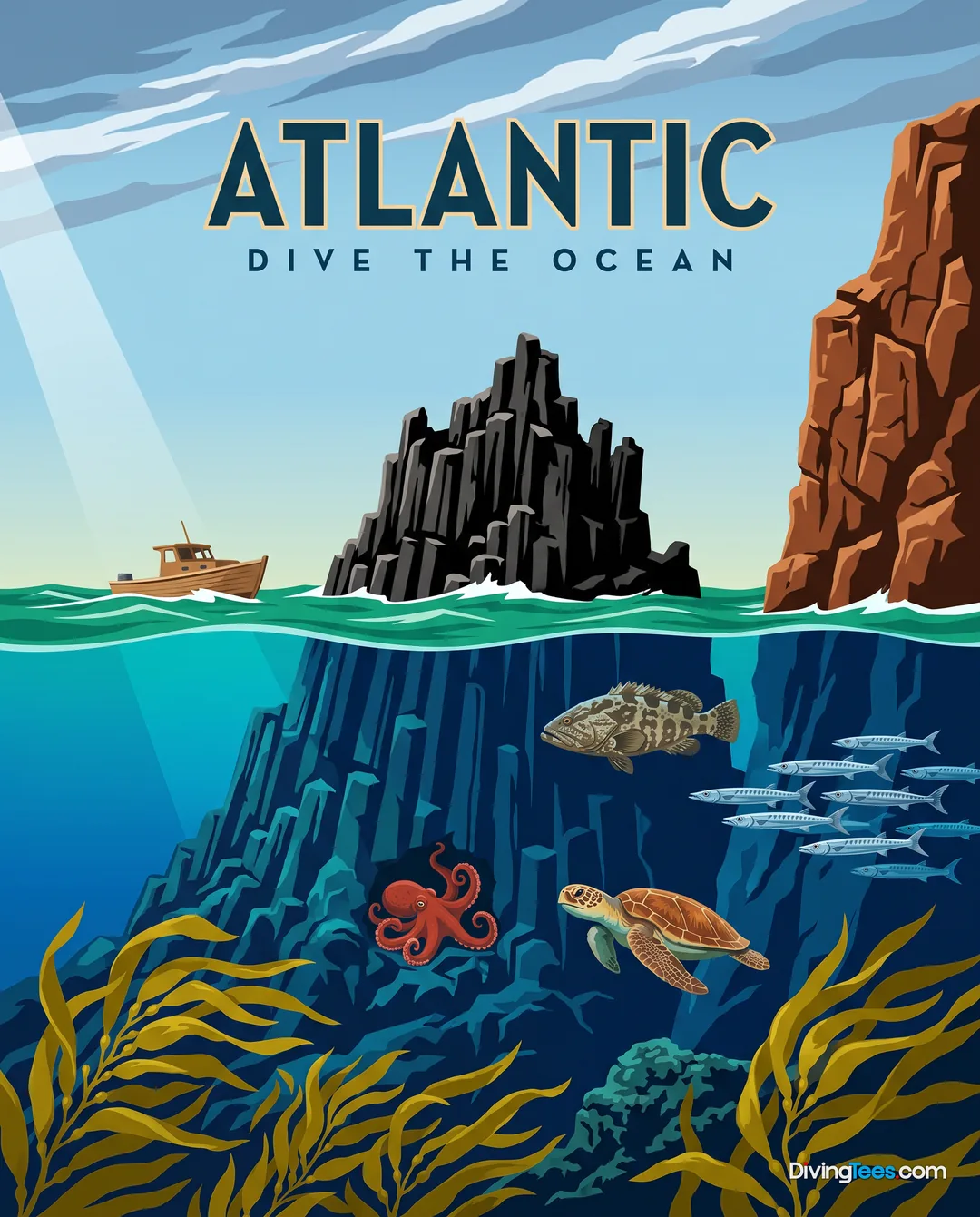
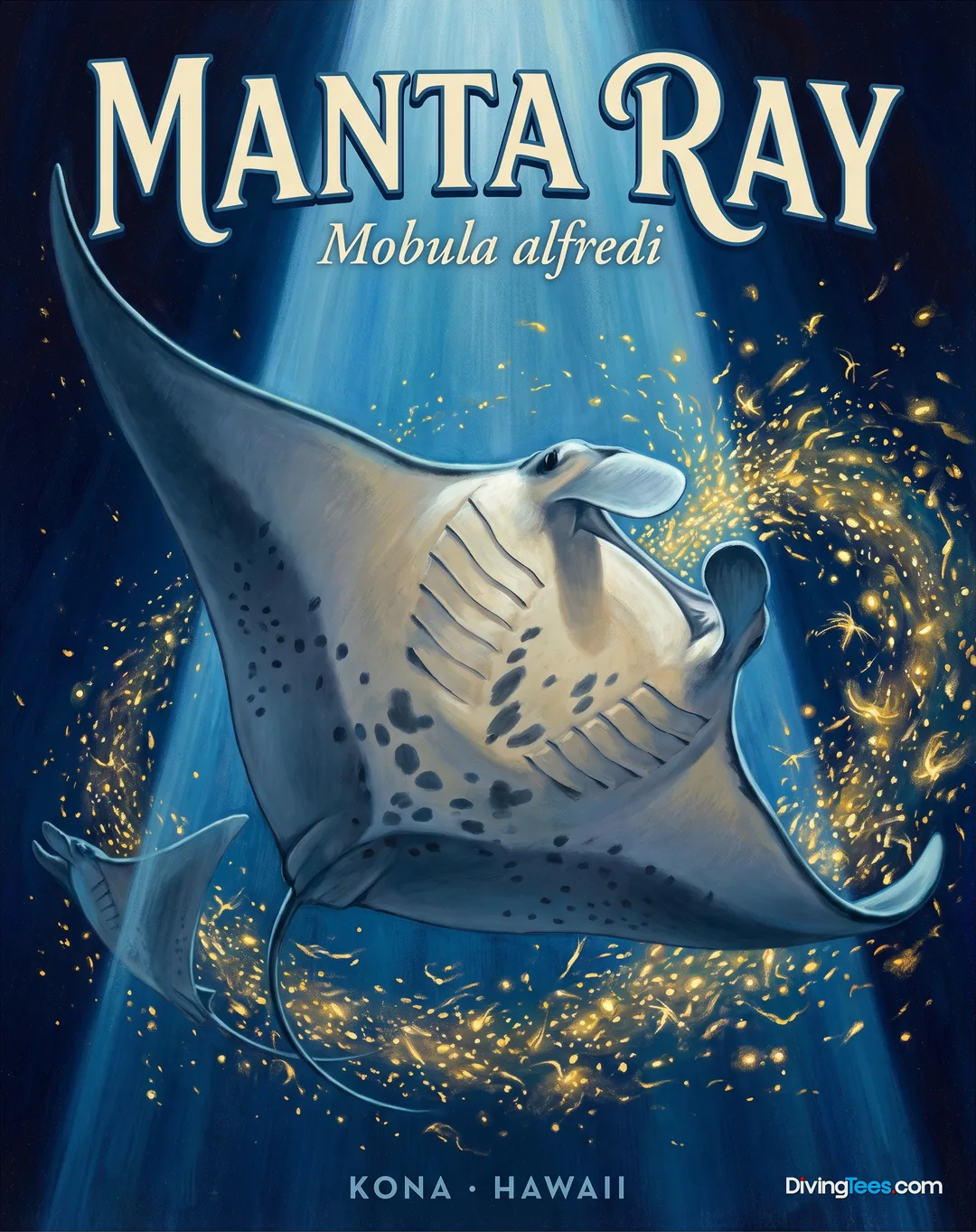
The marine life is a highlight, particularly due to the strict protections in place. Sea turtles are a regular presence throughout the year, often found gliding near the reefs. Dolphins are also frequently spotted in the surrounding waters. For those with a bit of patience, the chance to see giant manta rays or the occasional whale shark adds a layer of excitement to the trip. Even on standard dives, the abundance of life is palpable, with angel sharks and various reef species inhabiting the volcanic crevices.
The island is a year-round destination, but the most comfortable months for diving are from March to June and again from September to November. During these periods, the waters remain relatively calm and sheltered from the strongest trade winds. While diving is possible in any month, the combination of stable weather and consistent marine activity makes these transitional seasons particularly rewarding for those looking to maximise their time underwater.
While the protected reserve offers sites suitable for all levels, including Open Water divers, those holding an Advanced certification will find the deeper profiles and more dramatic volcanic walls more engaging. The light currents generally make for relaxed diving, but a solid understanding of buoyancy is always beneficial when navigating the rocky outcrops and seagrass meadows that characterize the local seabed.
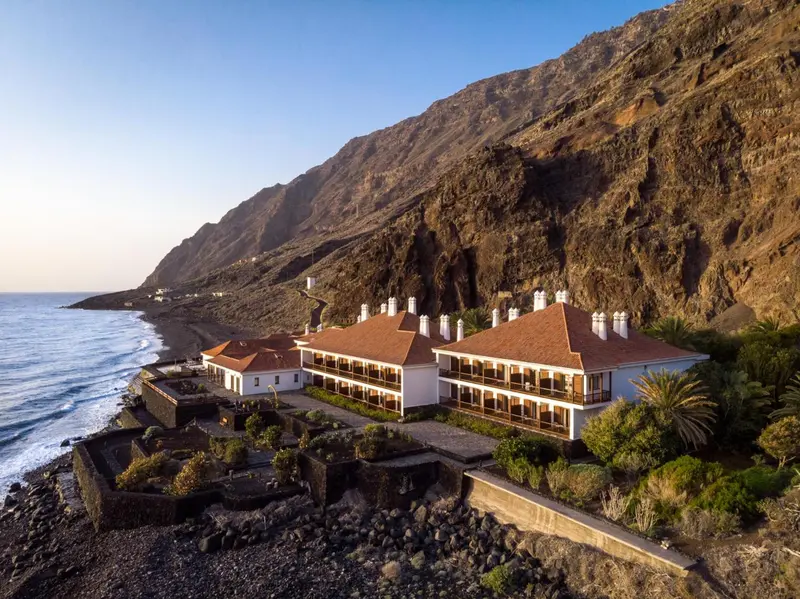
Reaching El Hierro requires a bit of logistical planning, as there are no direct international flights. From major European hubs like London or Manchester, you will typically fly to Tenerife. From there, you must arrange a connection via a local inter-island flight or a ferry service, such as Fred Olsen Express or Naviera Armas, to reach the island. The ferry crossing from Los Cristianos takes approximately two and a half hours. Once on the island, the diving hub is very compact, with most accommodation and dive operations concentrated in La Restinga, which can be reached by a short local transfer or even on foot.
A stay of 5 to 7 days is ideal. This timeframe allows for a consistent schedule of daily boat trips while providing a necessary buffer should the Atlantic swell temporarily impact boat departures. It also ensures you can experience the variety of the reserve without feeling rushed.
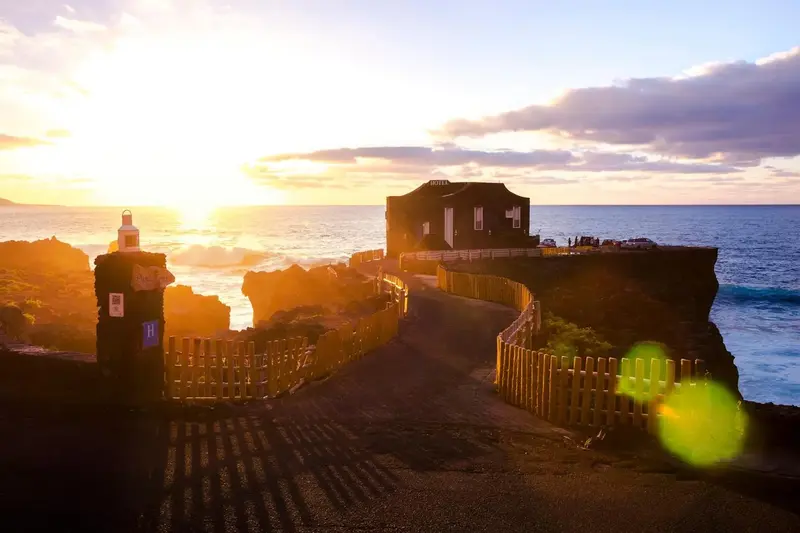
The island is a destination for nature lovers rather than those seeking nightlife or urban excitement. Most divers spend their days on boats and their evenings in the quiet, relaxed atmosphere of La Restinga. Between dives, you might enjoy hiking across the striking volcanic landscapes or simply watching the ocean from the coastal viewpoints. It is a slow-paced, immersive experience designed for those who want to focus on the sea.
Hello, I'm Marina, DivingDeal.com's AI assistant. I guide you through destinations, areas and countries.
Thinking about the whole trip and the flights? Talk it over with Edith →
Marina is an AI. Some links are affiliate links: DivingDeal may earn a commission, at no extra cost to you. Bookings are made with the partner.
Your last day stays dry: no diving in the 18-24 hours before a flight, the perfect window to see the destination from another angle.
Ratings and reviews collected by Viator and Tripadvisor.
El Hierro can be dived throughout the year, while March to June and September to November offer the most comfortable conditions. During these periods, waters are relatively calm and sheltered from the strongest trade winds, with stable weather and consistent marine activity supporting rewarding time underwater.
El Hierro has sites for all levels, including Open Water divers. Light currents generally make diving relaxed, while Advanced divers may prefer deeper profiles and dramatic volcanic walls. A solid understanding of buoyancy helps when moving around rocky outcrops and seagrass meadows, especially on boat-based dives.
El Hierro features steep volcanic walls, rocky reefs, sheltered sandy patches, and seagrass meadows. Sea turtles are regularly seen, while dolphins frequently appear nearby. Patient divers may encounter giant manta rays or an occasional whale shark, and angel sharks and other reef species inhabit the volcanic crevices.
To plan El Hierro, travel via Tenerife, then connect by local inter-island flight or ferry, since there are no direct international flights. Base yourself in compact La Restinga, where accommodation and dive operations cluster. Allow several days for daily boat trips and flexibility if Atlantic swell affects departures.