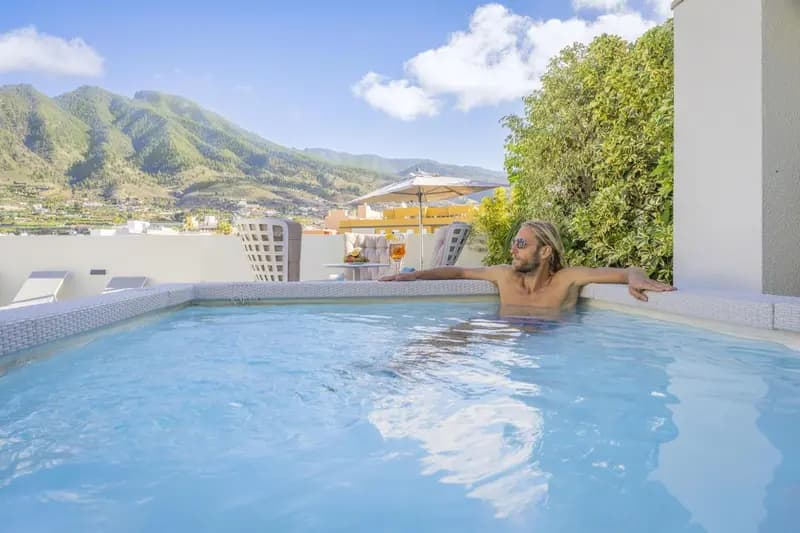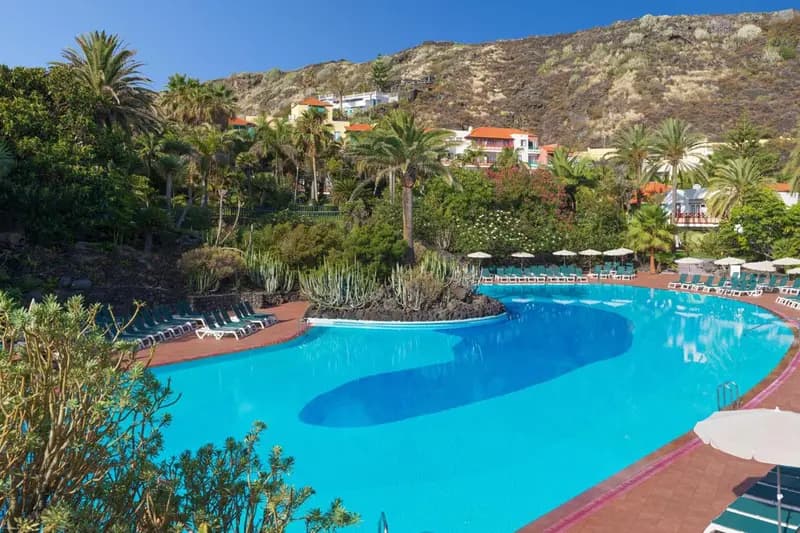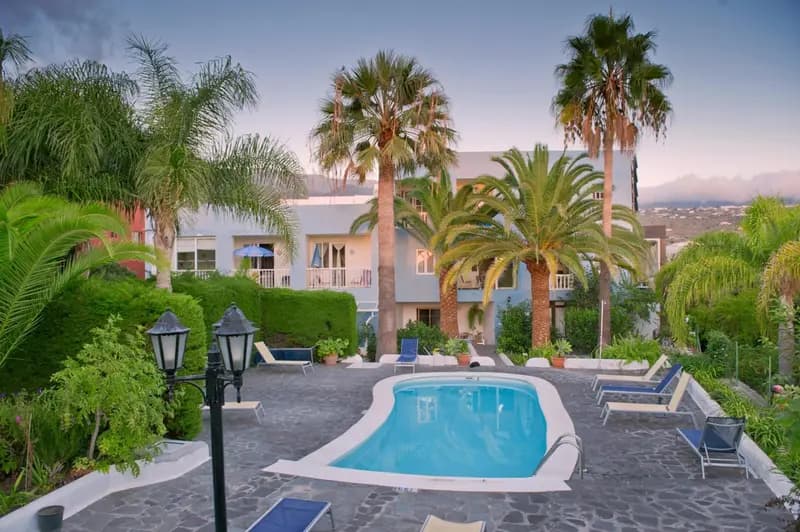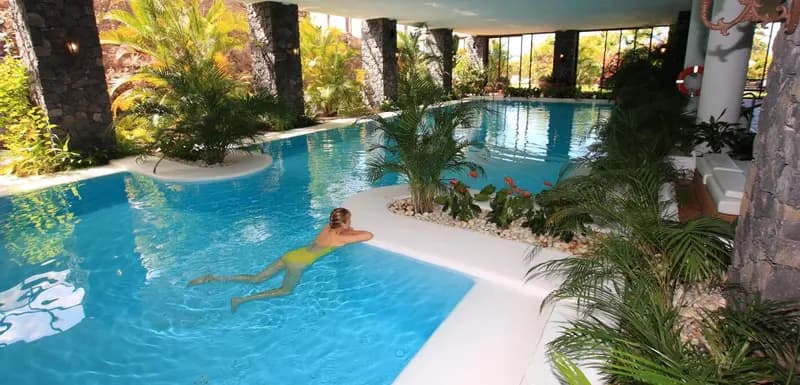
La Palma Jardín Resort
★ 9.8/10 (182 reviews)
13 km away as the crow flies
Dive centre · La Palma · Canary Islands
5.0540 Google reviewsExplore the volcanic underwater landscapes of La Palma with professional PADI instruction and full TecRec training options.
For subtitles in English: start the video firstthen click the gearat the top right of the video, select “Subtitles/CC”, then “Auto-translate” and choose “English”.
Dive Community La Palma is established on the volcanic island of La Palma in the Canary Islands, offering access to the diverse underwater topography of the Atlantic. The centre operates from Los Cancajos on the east coast, with a second location planned for Puerto Naos on the west coast once volcanic activity permits.
The centre is a PADI affiliated dive centre providing a wide range of training, from the PADI Bubblemaker and Discover Scuba Diving programmes for beginners through to professional instructor development. They regularly host PADI IDC (Instructor Development Course) sessions, including various packages for those aiming to become Assistant Instructors, Open Water Scuba Instructors, or Staff Instructors.
For those looking to advance their technical capabilities, the centre offers a full suite of TecRec courses. This includes PADI Tec 40, 45, and 50 Diver, as well as Tec Deep Diver and specialized instructor training for technical diving. The team is equipped to support divers through the entire PADI progression, including the Rescue Diver and Divemaster levels.
The training programme is extensive, covering all PADI certification levels. Beginners can start with the Open Water Diver or Scuba Diver courses, while more experienced divers can pursue specialties such as Deep Diver, Wreck, Navigation, Night Diving, and even Self-Reliant Diver. There is also a dedicated course for perfecting buoyancy.
Technical training is a significant part of the curriculum, with courses ranging from Tec 40 to Tec 50 and the PADI Tec Deep Diver. For those pursuing a professional career, the centre offers IDC Prep courses, the full IDC, and specialized instructor training including EFR-Instructor and Oxygen Provider training. They also offer the Tec Gasblender and Tec Gasblender-Instructor courses for those interested in gas blending.
The centre provides full equipment hire for those not travelling with their own kit. You can rent a complete set including a BCD, regulator, and wetsuit, or select individual items such as fins, masks, and boots. For night dives or technical training, torches, dive computers, and compasses are also available for hire.
Nitrox is available on-site for divers looking to extend their bottom time. The centre also provides specialized equipment such as Sealife camera housings for underwater photography.
Malpique is located in the south of the island and is famous for its underwater crosses. This site offers a unique atmosphere for divers exploring the local volcanic terrain.
Hoyo Azul provides a distinct underwater experience, characteristic of the volcanic landscapes found throughout the La Palma coastline.
Playa de la Veta and Punta Gorda offer varied underwater environments for exploring the local reefs and rocky structures.
And some of the dive sites the centre runs.
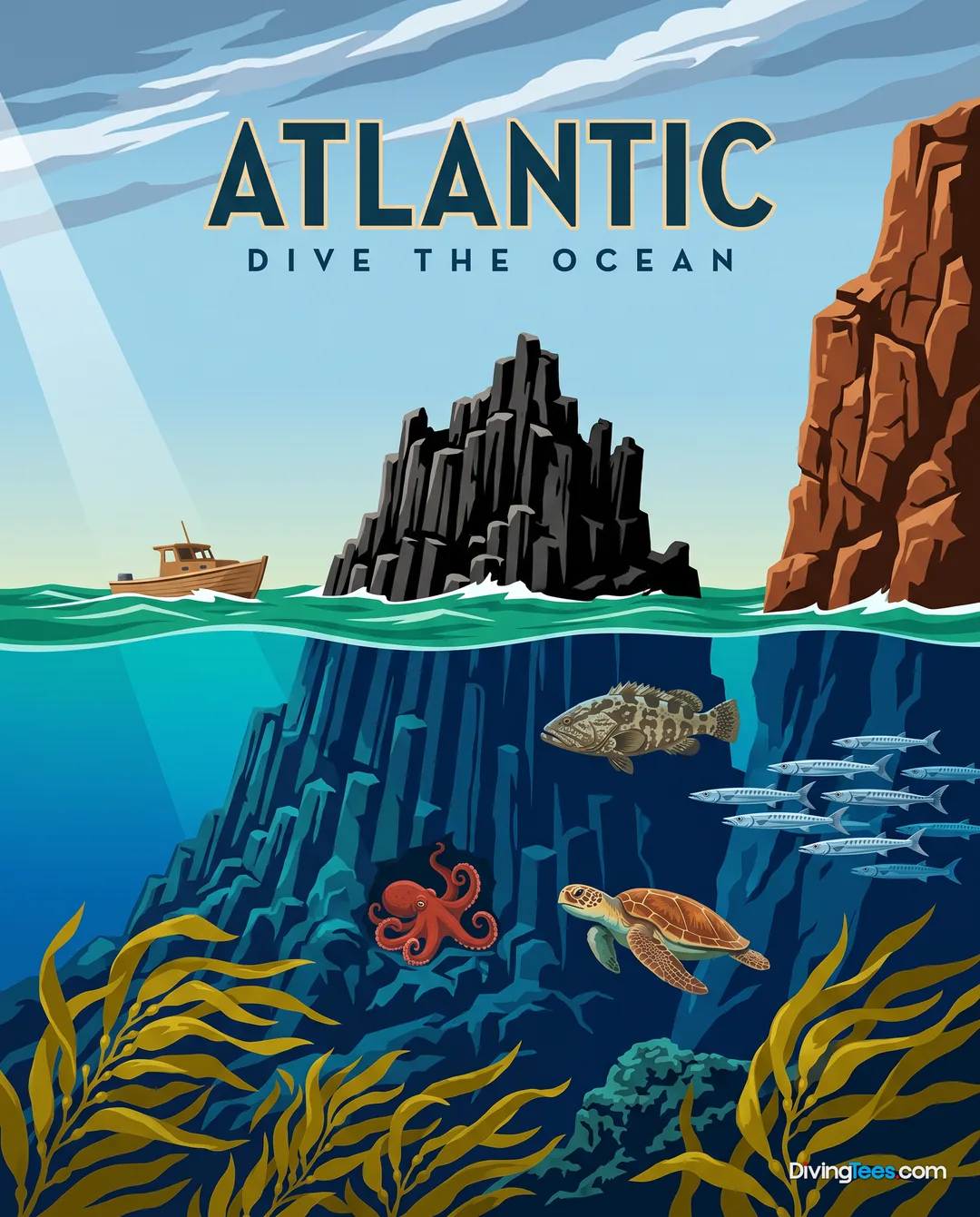
The waters around La Palma are home to a variety of large pelagics, including dolphins and whales. You may also encounter rays and various fish species moving through the volcanic formations.
The seabed is characterized by rich life, with corals and various fish species inhabiting the rocky walls and reef flats. The volcanic nature of the island creates complex habitats that support a diverse range of marine life.
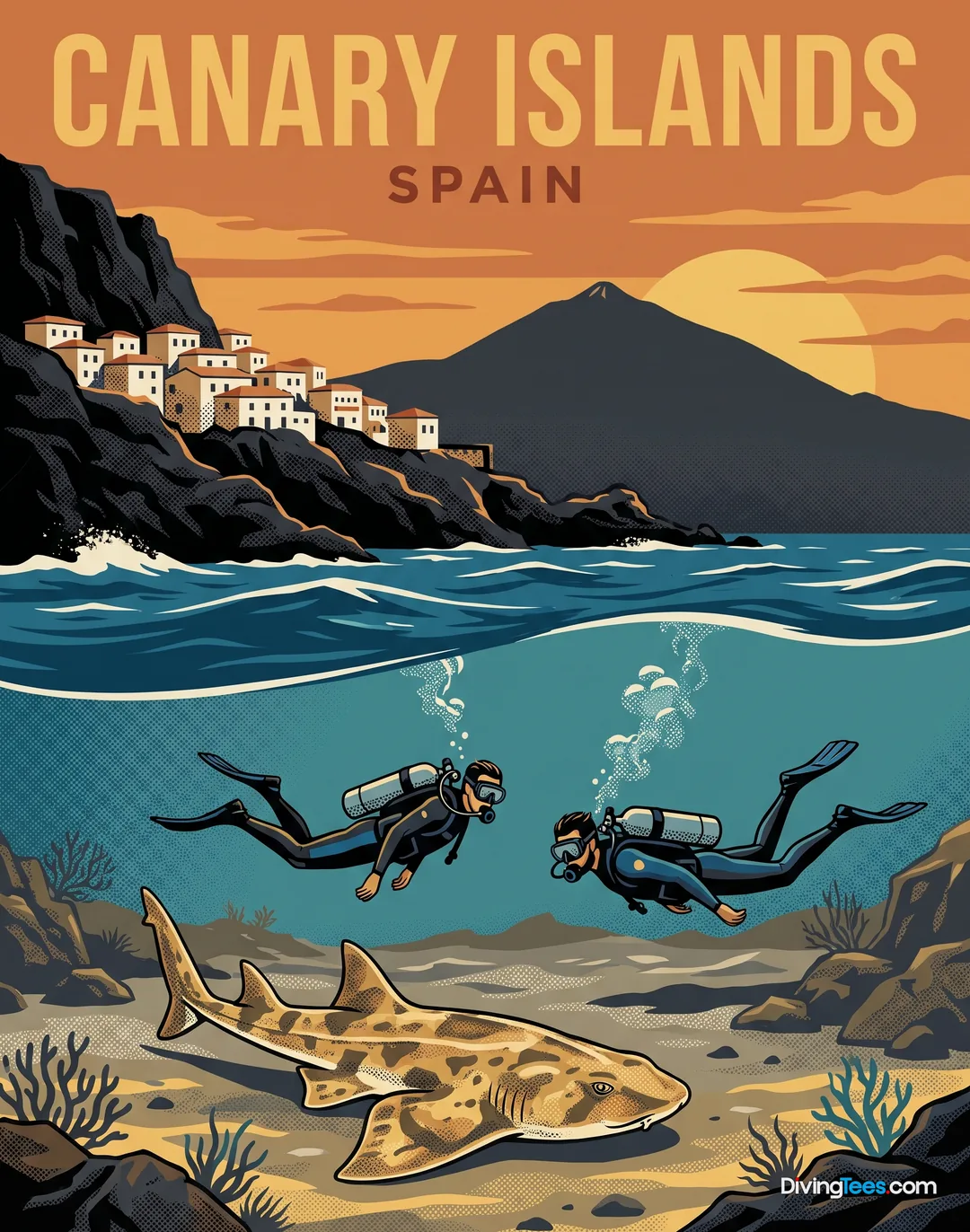
Macro life enthusiasts can look for various crustaceans and smaller inhabitants amongst the crevices of the lava formations. The area is also known for sightings of Angelshark and Ocean sunfish.
Divers should be aware of the specific safety requirements regarding altitude on La Palma. It is recommended to avoid mountain excursions above 1650m without a full 48-hour desaturation period after diving. For trips to high-altitude areas like Roque, a minimum of 18 to 24 hours should be observed between your last dive and your ascent.
Hello, I'm Marina, DivingDeal.com's AI assistant. I answer in detail about hotels, dive centres and liveaboards.

Thinking about the whole trip and the flights? Talk it over with Edith →
Marina is an AI. Some links are affiliate links: DivingDeal may earn a commission, at no extra cost to you. Bookings are made with the partner.