



Dive Community La Palma
Google 5/5 (548 reviews)
Canary Islands · Atlantic
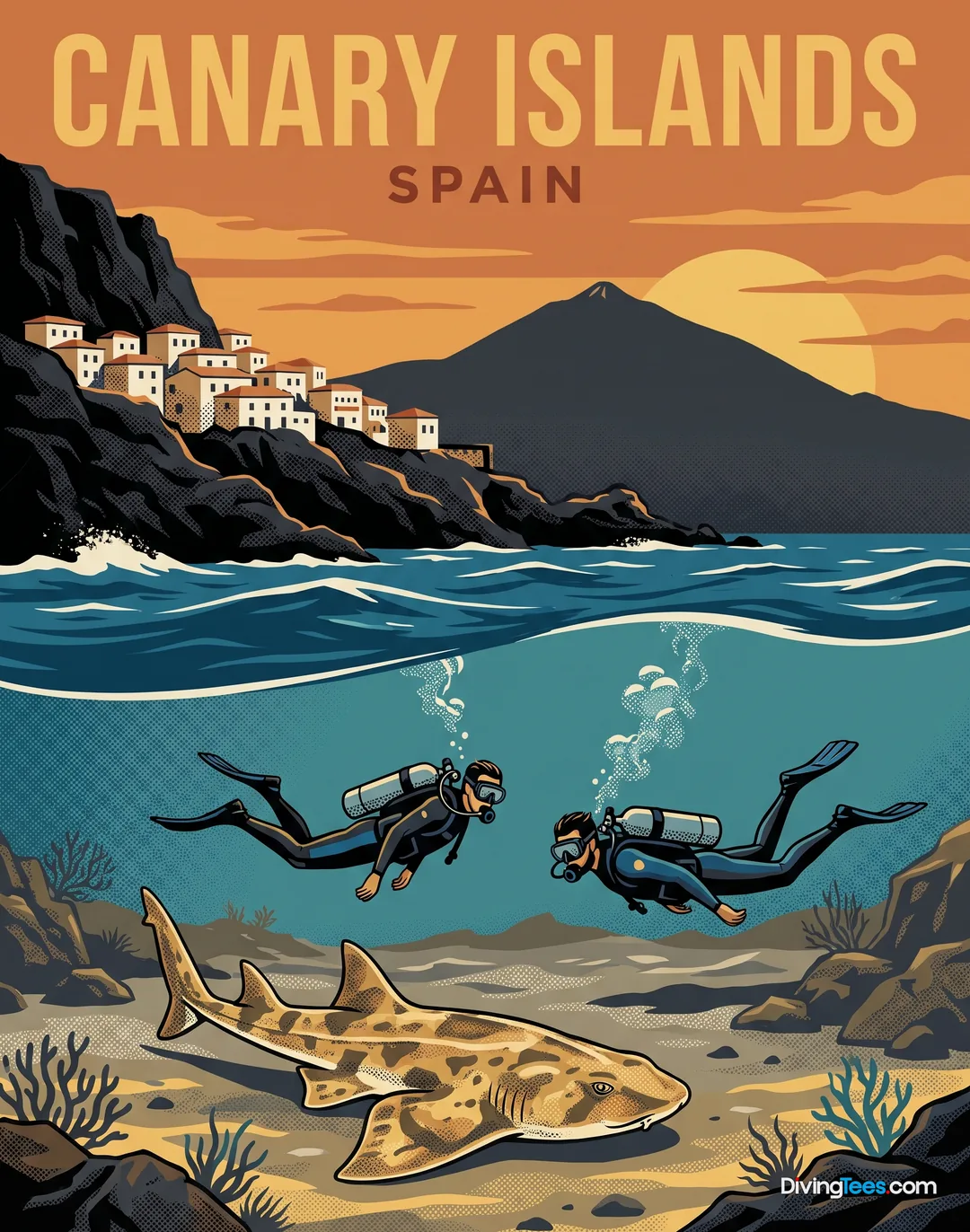
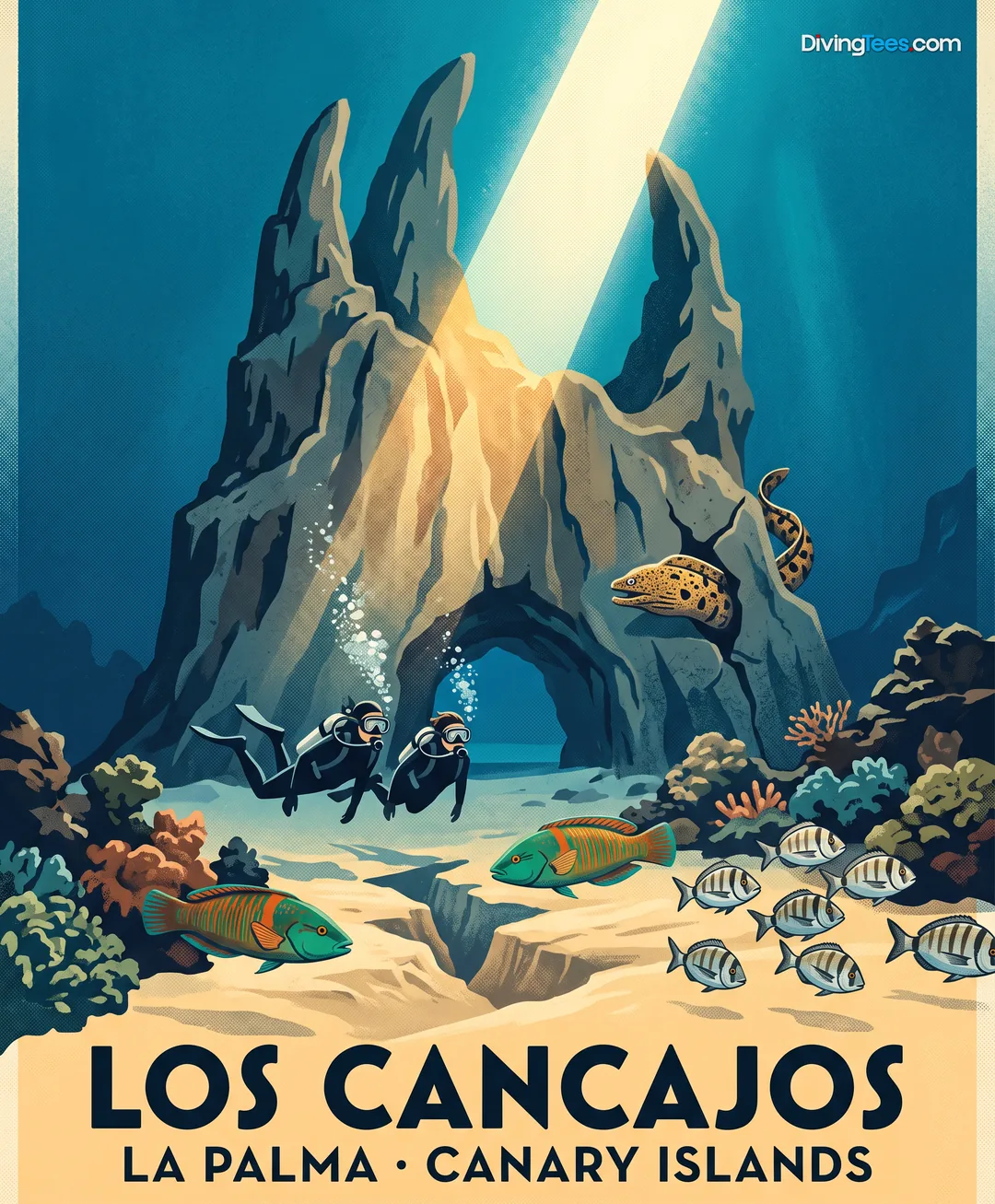
Lava walls, sea caves, arches and volcanic ravines shape La Palma’s dives, with sheltered Los Cancajos contrasting with exposed southern and western coasts.
For subtitles in English: start the video firstthen click the gearat the top right of the video, select “Subtitles/CC”, then “Auto-translate” and choose “English”.
Lava flows, walls and tunnels form the underwater landscape around La Palma, rather than coral reefs or sandy shallows. Los Cancajos gives the trip a practical base, with sheltered entries, varied depths and several services within walking distance. Fuencaliente and the south-west bring more exposed volcanic relief, including ravines, arches and deeper walls. This is a shore-led Canary Islands holiday for divers who are happy to let the weather decide which coast gets the day’s dive.
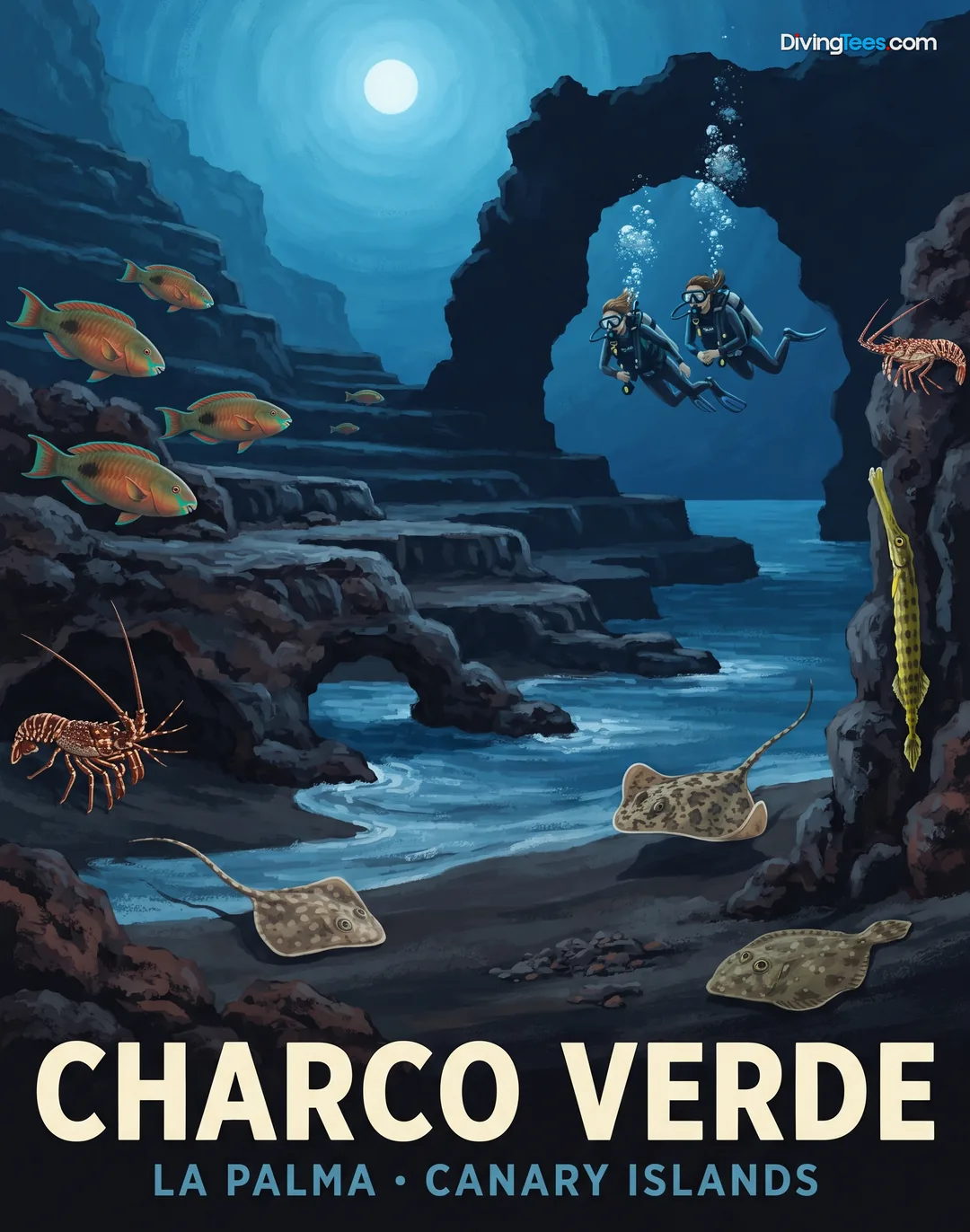
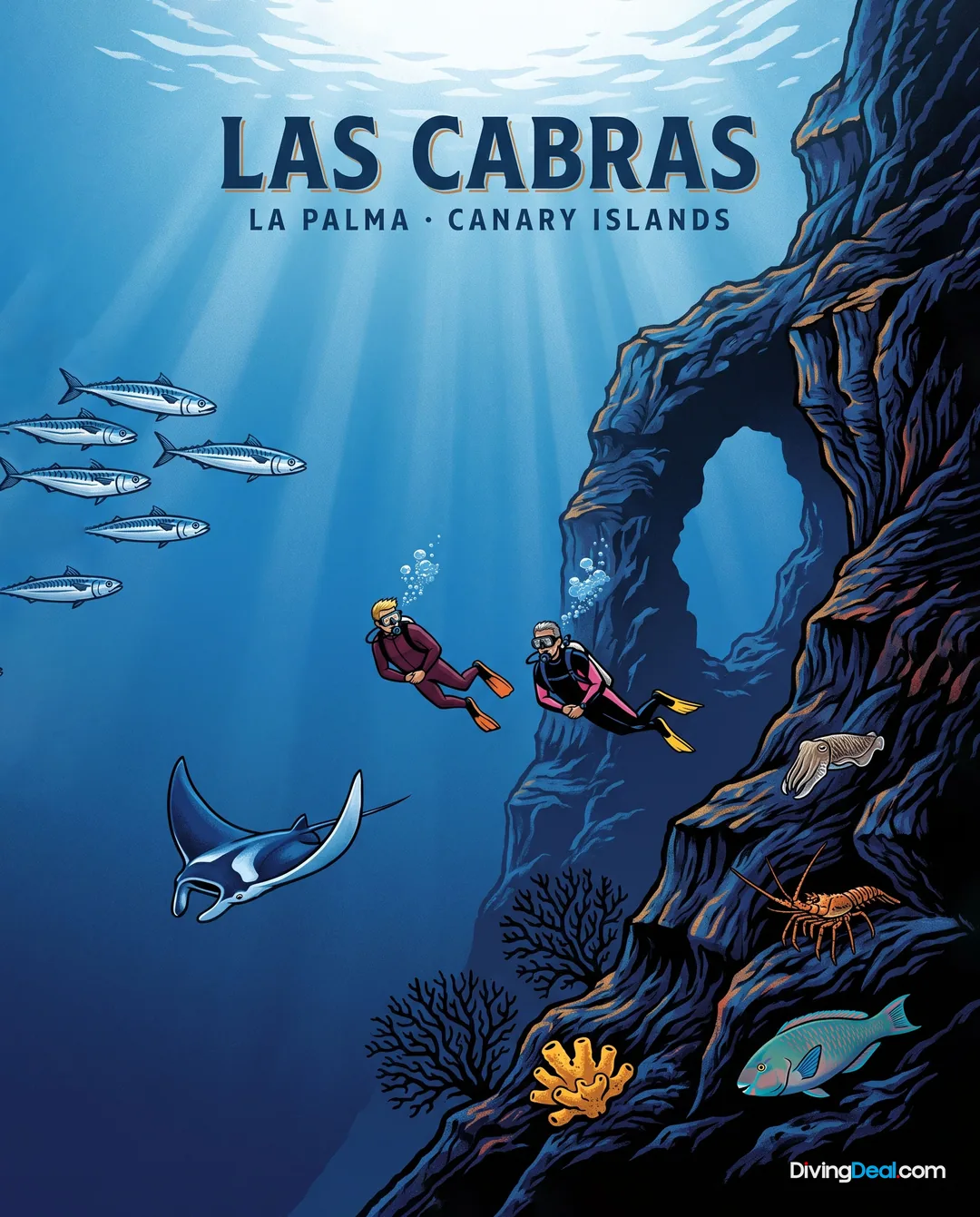
The scenery is uncompromisingly volcanic: black rock formations, lava walls, ravines, arches, tunnels and cave-like passages replace the soft coral gardens of tropical destinations. Los Cancajos is the forgiving end of the arrangement, with protected entries suited to training, a first dive or a cautious return to the water. Fuencaliente and the western and southern coasts are more exposed, and their entries can become awkward when swell reaches the shore. Currents are variable rather than a permanent feature, but wind and sea state can change the sensible plan quickly. Visibility is commonly around 25 to 30 metres, with more possible on an exceptional day, but Atlantic swell and coastal disturbance can reduce it sharply. Expect a mixture of shore diving, boat outings and centre-organised transport, with the chosen coast changing according to conditions rather than a fixed itinerary.
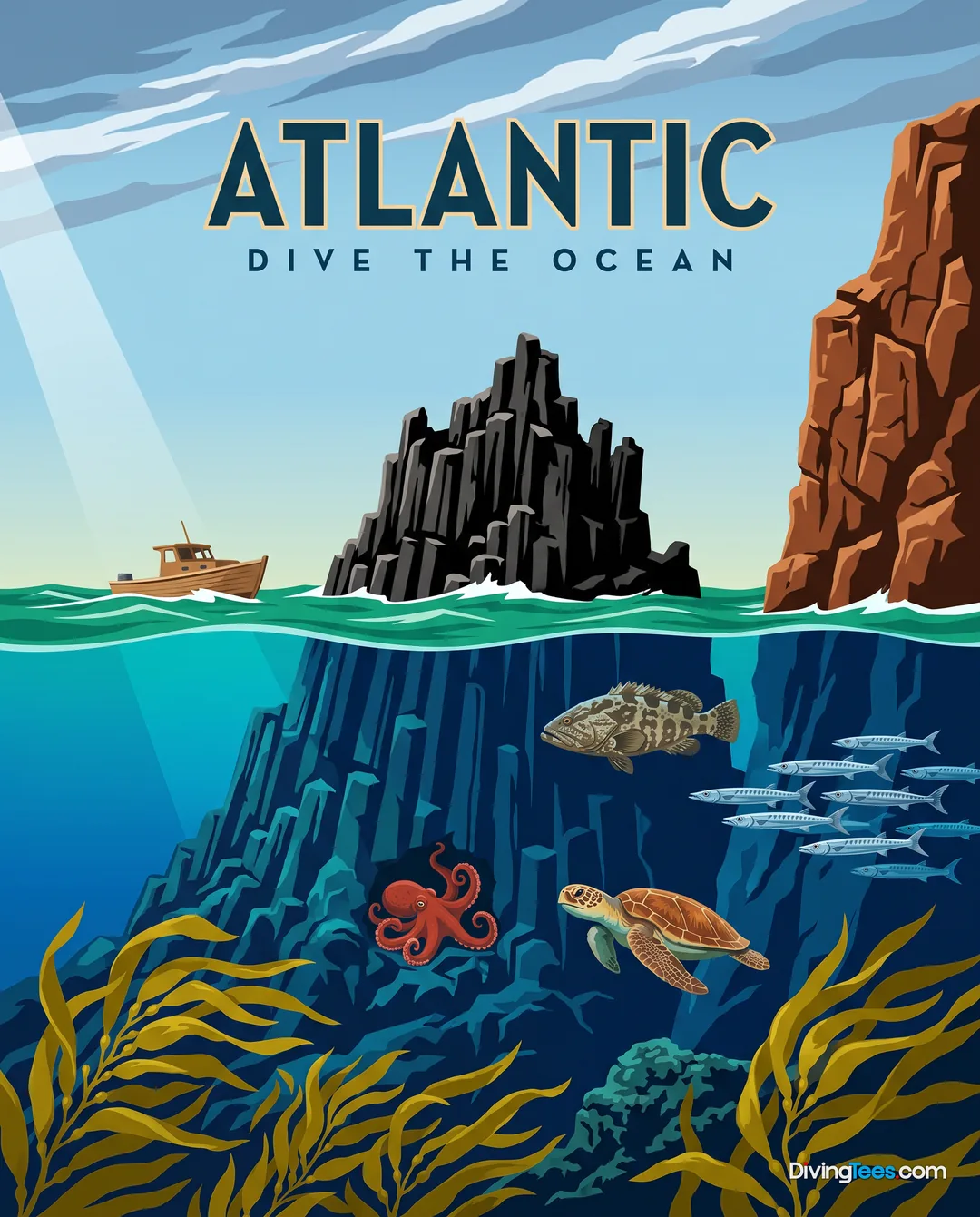
La Palma’s appeal underwater lies first in the habitat itself: volcanic ravines, lava walls, tunnels, arches and rocky coastal ground create shelter, shade and changing light. These structures hold the coastal marine life of the Canary Islands, with encounters varying between open rock, confined passages and the edges of the protected reserve. The reserve’s conservation rules are especially relevant around its volcanic gullies, caves and rocky seabed. There is no dependable seasonal wildlife spectacle to build the trip around, so come for the combination of geology and everyday coastal life rather than a promised animal list. September to November is the clearest window for seeing into the structure, when visibility is generally at its most favourable.
Diving is possible throughout the year, but September to November usually gives the most rewarding balance of clearer water, a warmer sea and a relative easing of swell and currents. May and June are also sensible choices. Summer trade winds can make exposed coasts rough, while winter Atlantic fronts make the western side less dependable. There is no rainy season or monsoon pattern to organise around, but the wind and swell still decide the daily map. Autumn is therefore less about a wildlife migration than about gaining more usable days for the southern and western volcanic sites.
La Palma suits all levels, provided the site is matched to the day’s sea state. Los Cancajos is the natural starting point for beginners, training and anyone returning after a break, thanks to its more sheltered entries and range of depths. Advanced Open Water or an equivalent qualification is useful for deeper walls and more demanding volcanic sites. Experience with awkward shore entries matters on the west and south coasts, where even moderate swell can turn a straightforward dive into an uncomfortable one.
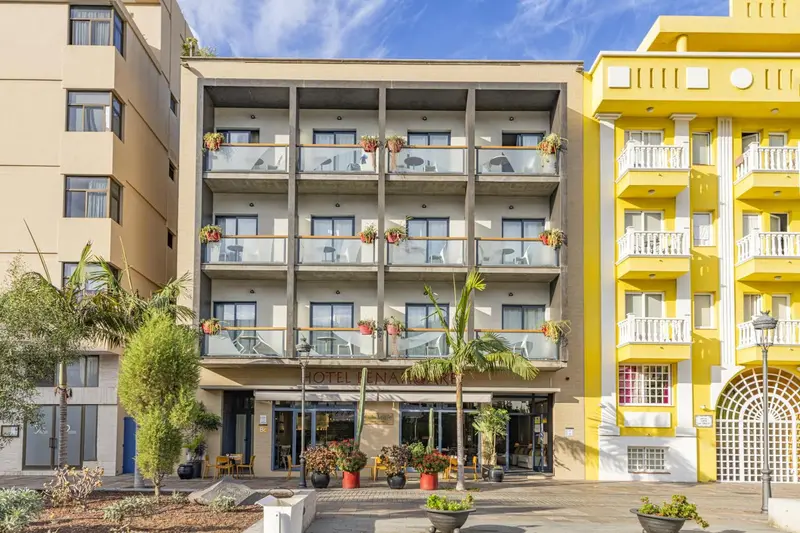
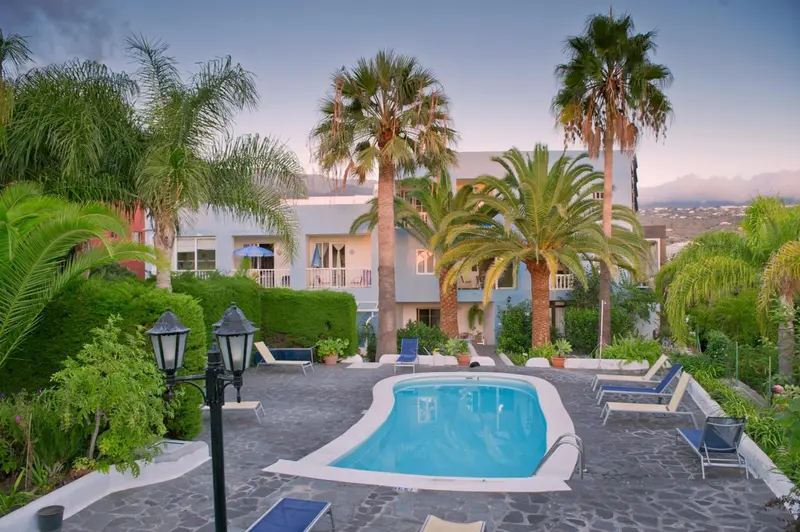
From London or Manchester, reach La Palma by air when a seasonal direct service is available, allowing roughly four to five hours depending on the routing. Otherwise, plan a connection through Tenerife or Gran Canaria, followed by an inter-island flight of about 30 to 50 minutes. The alternative is the ferry from Tenerife, which takes roughly two to three hours. Once on the island, a hire car is the most useful way to move between Los Cancajos, Fuencaliente and the western coast. Without one, arrange transport with the dive centre or use taxis. In Los Cancajos, accommodation and diving services can often be reached on foot.
Let the day’s wind and swell choose the coast. Keep Los Cancajos as the practical fallback, especially for the first dive, a refresher or a day when exposed entries are doubtful. Do not build a tightly packed plan around the west coast: a modest-looking swell can make getting in and out the hardest part of the dive. Leave several days for Fuencaliente and the south-west, rather than treating those sites as fixed appointments. If the marine reserve is part of the plan, send the required documents through the centre well before travelling. Recreational diving is permitted only in the authorised sectors, while the integral zone is closed to it. A 5 mm wetsuit is the sensible all-round choice, with more insulation worthwhile in winter or for repeated dives. Keep a car available if comparing coasts, and do not mistake a possible 50-metre visibility day for a standing guarantee.
A week to ten days makes more sense than a rushed long weekend. Base yourself in or near Los Cancajos if regular shore diving and easy access matter, then use a car or organised transport for Fuencaliente and the western coast. Build in non-diving days for the Caldera de Taburiente, the volcanic landscapes of the south, pine-forest ridges, villages and viewpoints. Keep the final 24 hours terrestrial, with a coastal walk or cultural visit rather than another immersion.
Hello, I'm Marina, DivingDeal.com's AI assistant. I guide you through destinations, areas and countries.
Thinking about the whole trip and the flights? Talk it over with Edith →
Marina is an AI. Some links are affiliate links: DivingDeal may earn a commission, at no extra cost to you. Bookings are made with the partner.
Your last day stays dry: no diving in the 18-24 hours before a flight, the perfect window to see the destination from another angle.
 Adventure
⏱ 2 h · ★ 5.0 (16 reviews)
from £21$28€25
see on Viator ↗
 City
⏱ 4 h · ★ 5.0 (11 reviews)
from £180$241€215
see on Viator ↗
 Culture
⏱ 2 h · ★ 4.9 (19 reviews)
from £28$37€33
see on Viator ↗
 Culture
⏱ 2 h · ★ 4.8 (32 reviews)
from £23$30€27
see on Viator ↗
Ratings and reviews collected by Viator and Tripadvisor.
You can dive in La Palma throughout the year, but September to November usually brings clearer water, a warmer sea and a relative easing of swell and currents. May and June are also sensible choices. Summer trade winds can roughen exposed coasts, while winter Atlantic fronts make the western side less dependable.
La Palma suits divers of all levels when the site matches the sea state. Los Cancajos offers sheltered entries, varied depths and a practical starting point for beginners, training or a return to diving. Advanced Open Water or equivalent experience helps on deeper walls, while awkward shore entries require confidence on exposed coasts.
Underwater La Palma is shaped by volcanic ravines, lava walls, arches, tunnels and rocky seabed rather than coral reefs or sandy shallows. These formations create shelter, shade and changing light for everyday coastal marine life. The marine reserve adds protected volcanic gullies, caves and rocky habitat, with visibility often around twenty-five to thirty metres.
Base yourself in or near Los Cancajos for sheltered shore diving and accessible services, then use a hire car or centre transport to reach Fuencaliente and the western coast. Let wind and swell choose each day, keep plans flexible, allow non-diving time for island walks, and arrange marine-reserve documents through the centre before travelling.