
Easydivers Portugal
Google 4.8/5 (514 reviews)
7.6 km away as the crow flies
Algarve · Portugal · Atlantic
Max. depth · 14 mA shallow rocky reef structure located just offshore from Santa Eulália beach.
For subtitles in English: start the video firstthen click the gearat the top right of the video, select “Subtitles/CC”, then “Auto-translate” and choose “English”.
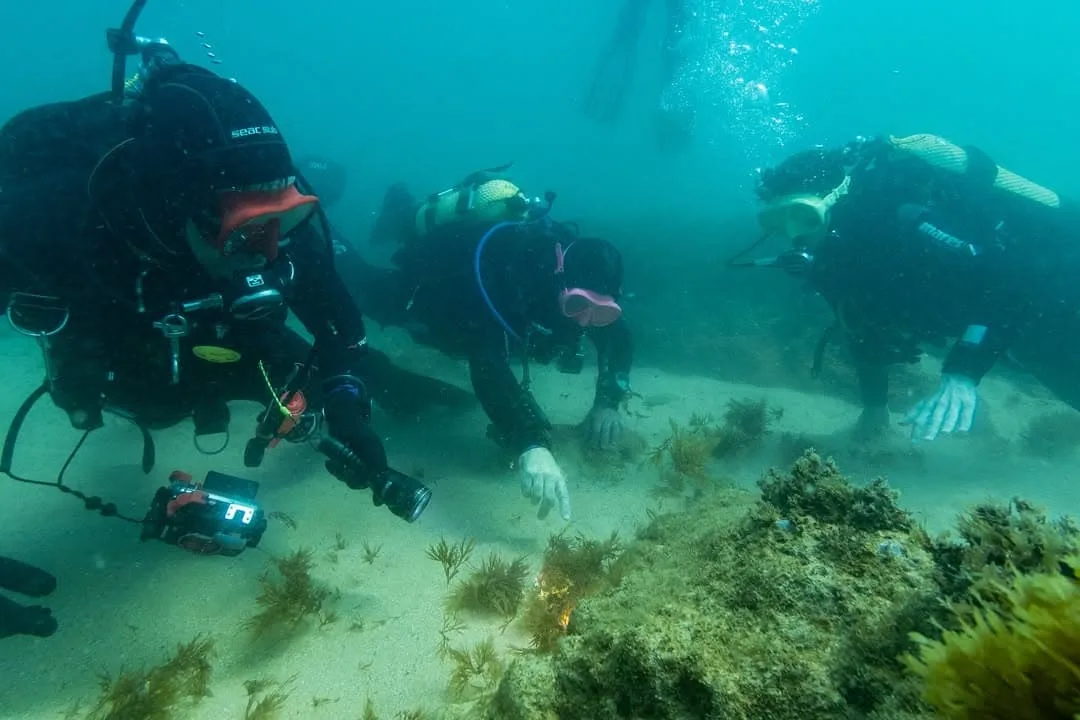
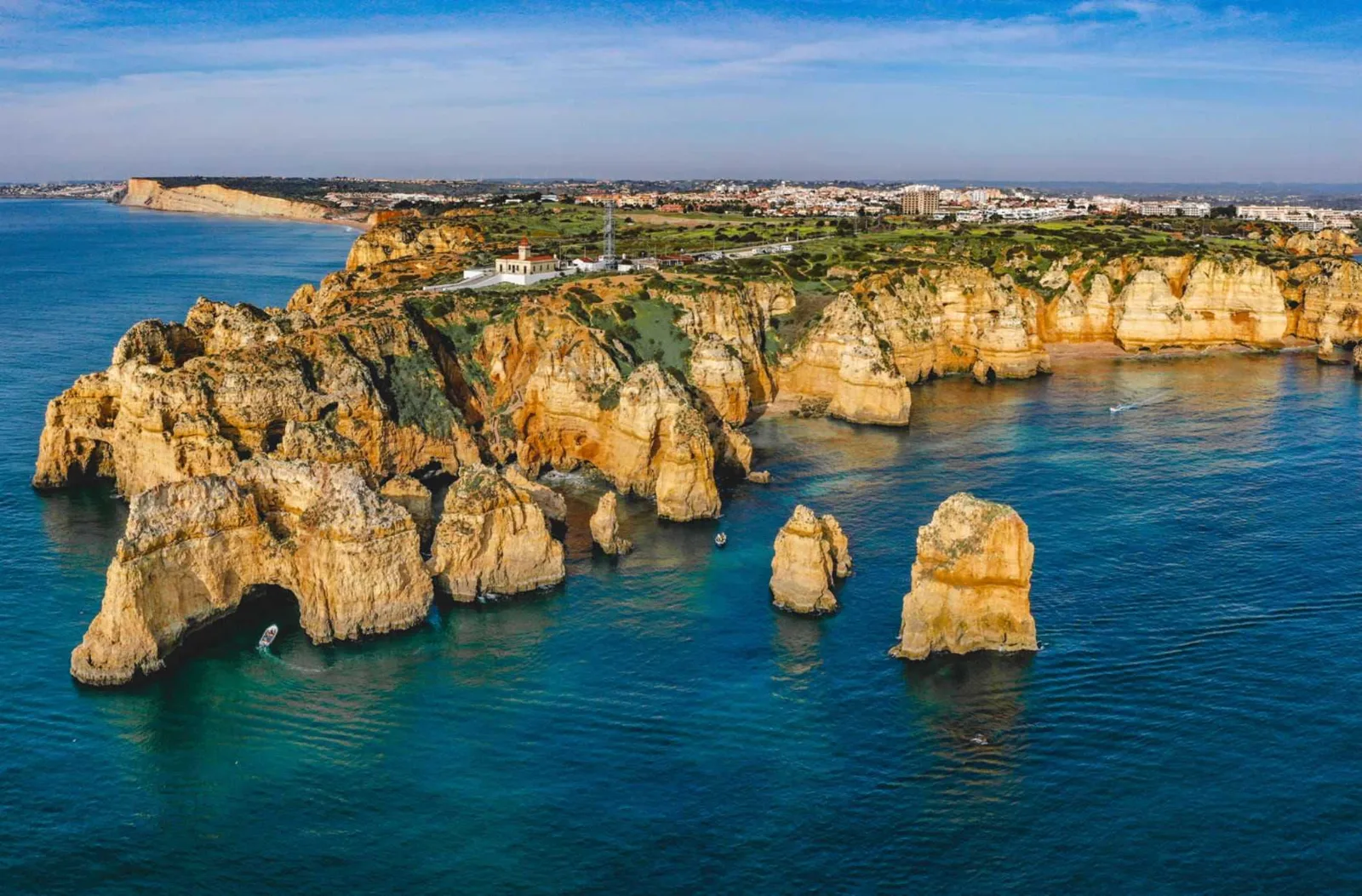
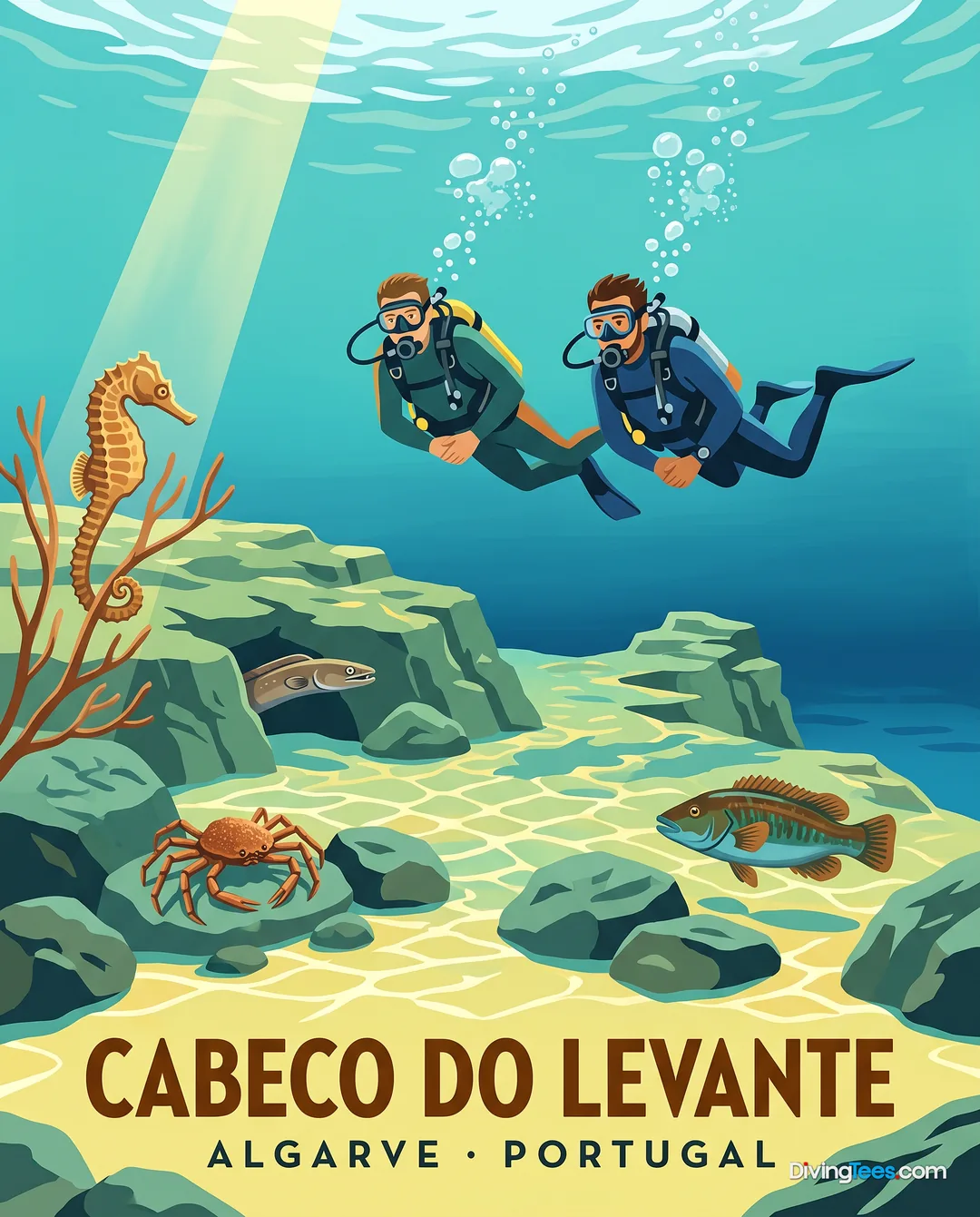
Pedra Santa Eulalia, also known in some local charts as Pedra do Gomes or Recife de Santa Eulália, sits as a rocky reef off the coast of Santa Eulália beach. The site is characterized by its relatively shallow profile, with the seabed and reef structure ranging between 10 and 14 metres. This depth range provides a consistent light environment, making it a stable location for observing the details of the rocky substrate. The topography is essentially a natural rocky aquarium, providing various crevices and surfaces for marine life to inhabit.
The approach to the reef is typically conducted by boat from the nearby shoreline. Because the site is located close to the beach, the transition from the surface to the reef occurs quickly. Once you descend into the 10 to 14 metre zone, the reef presents a textured landscape of rock formations. While some documentation suggests the presence of more complex structures like arches or caverns, the primary feature is a continuous rocky reef that serves as a base for local biodiversity. You can navigate along the reef to find different micro-habitats within this narrow depth band.
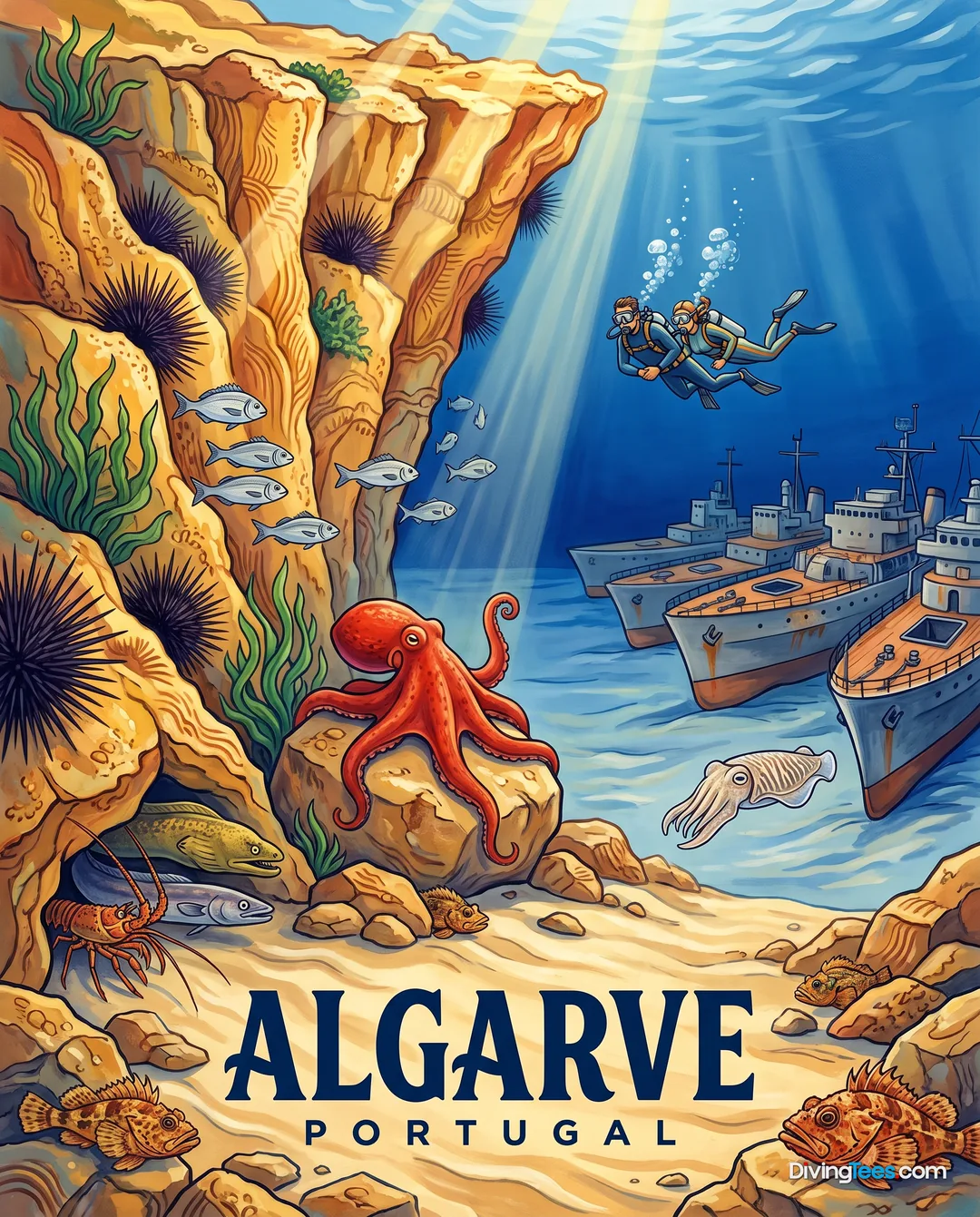
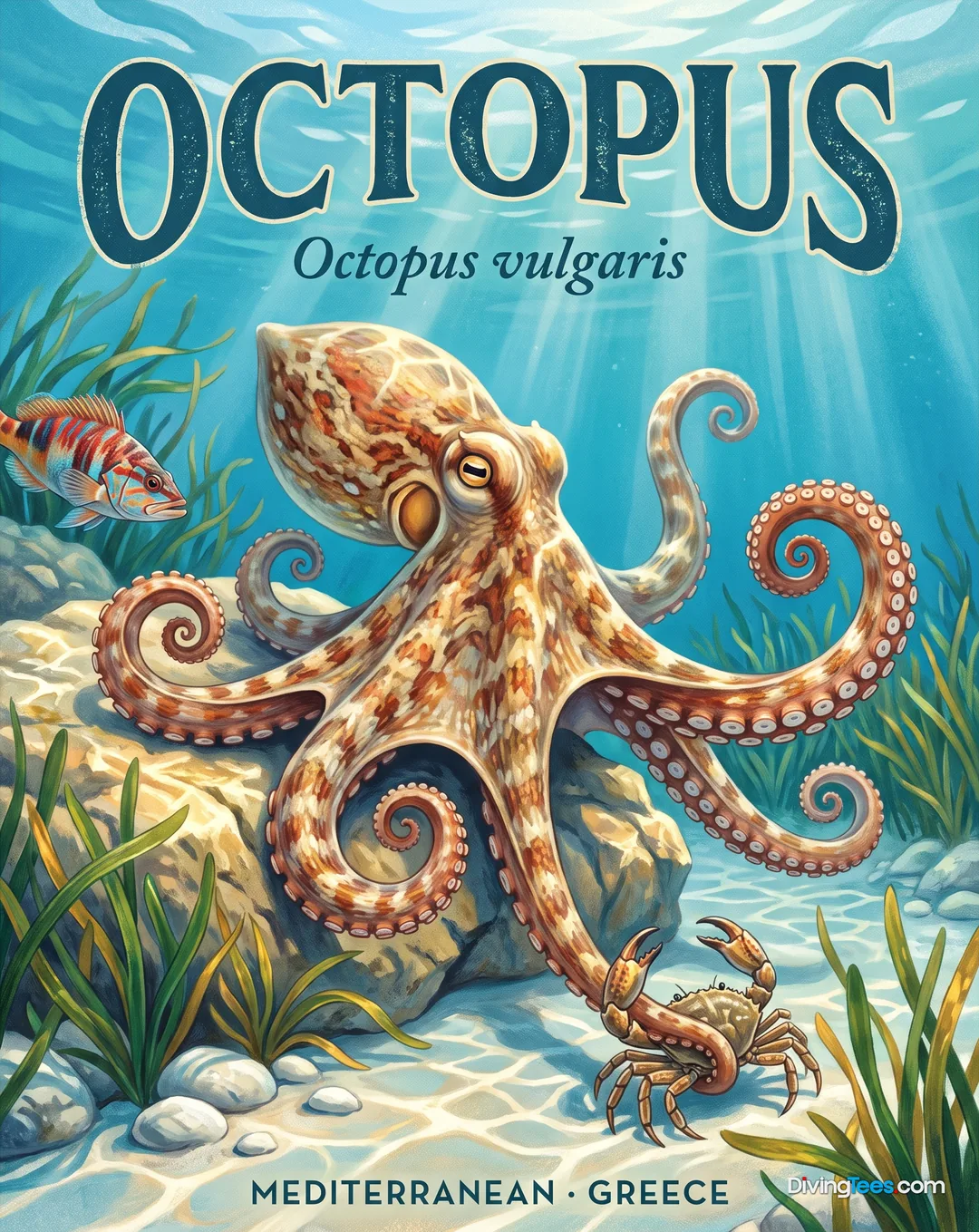
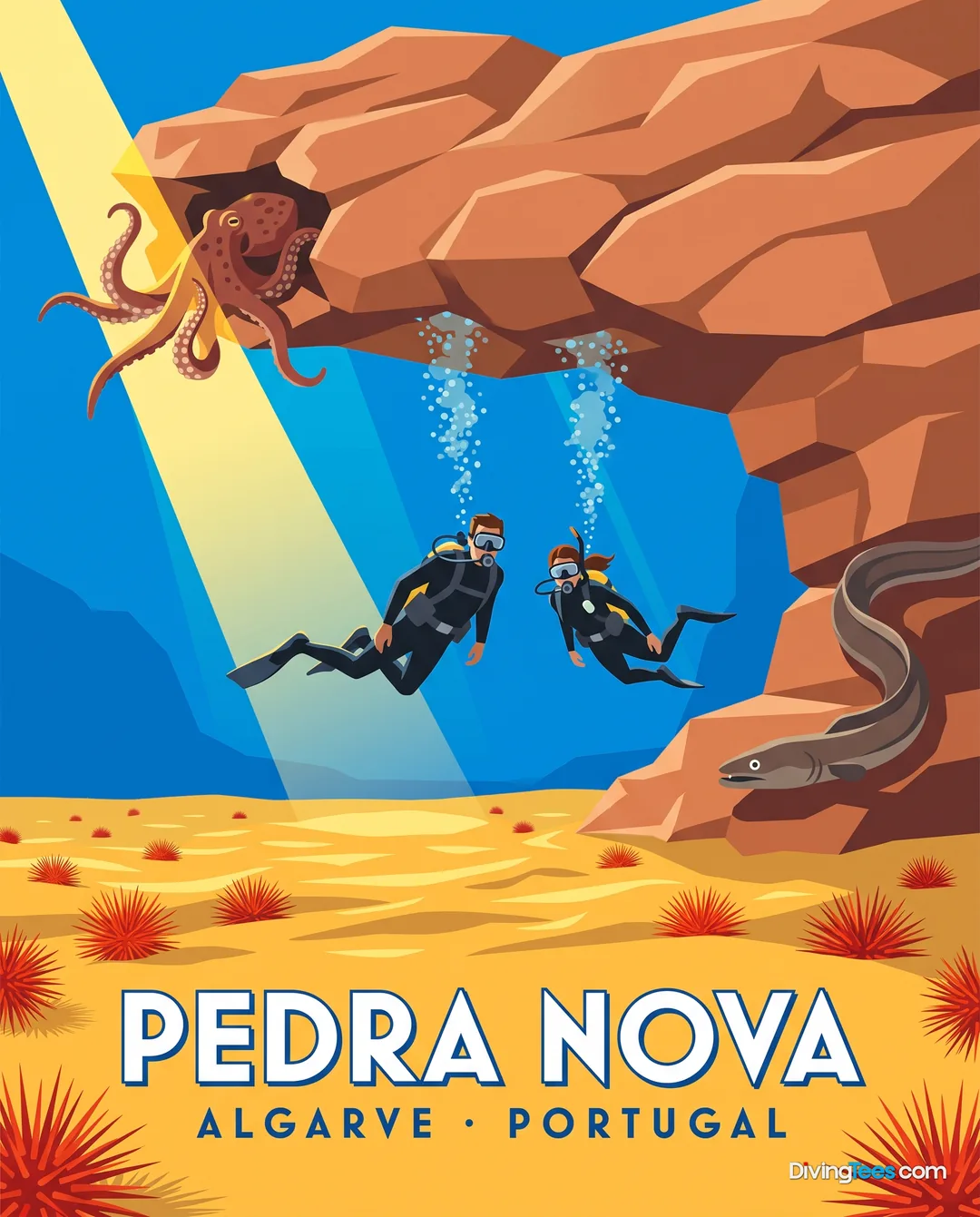
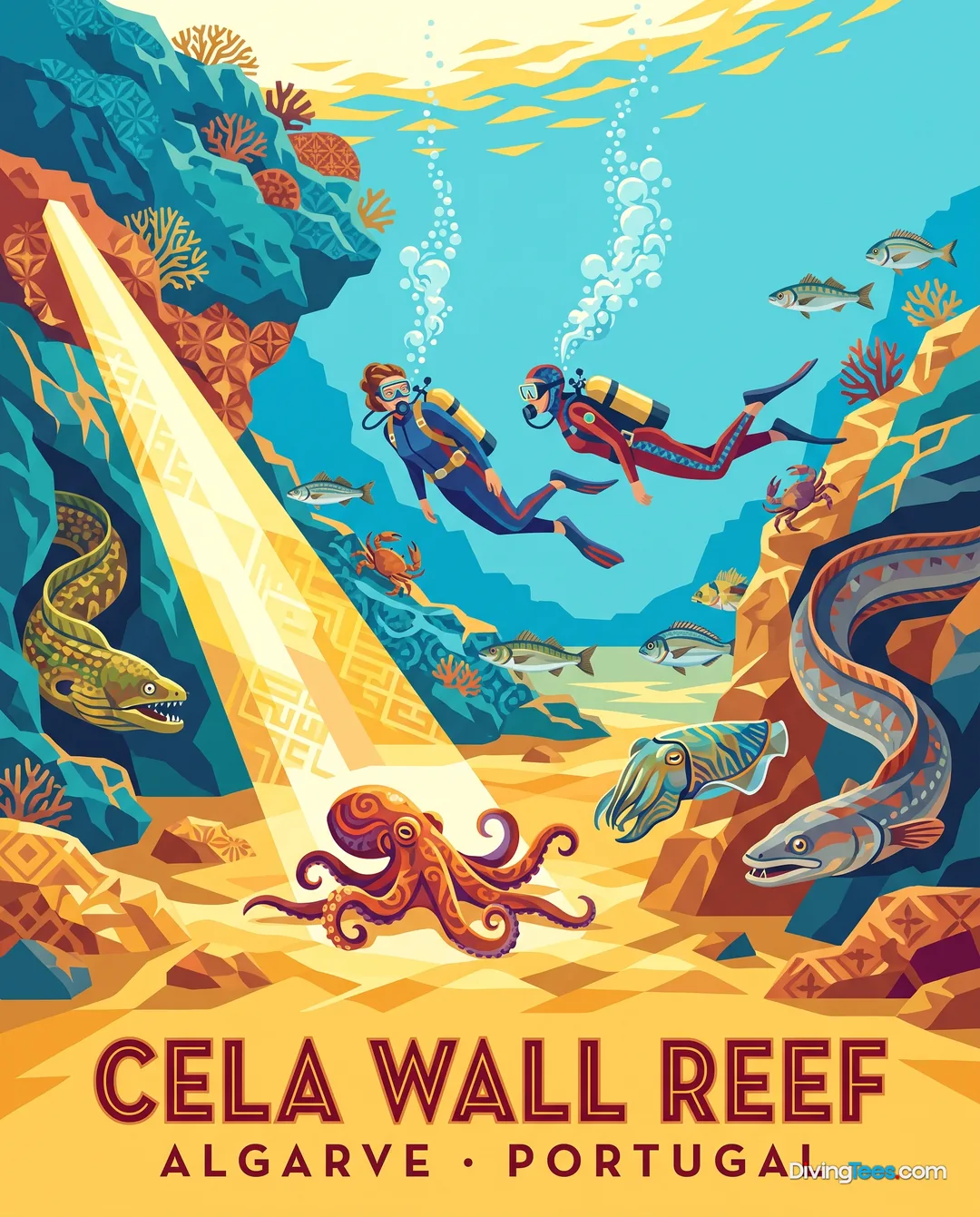
For those interested in cephalopods, the rocky crevices of Pedra Santa Eulalia are a reliable place to look for octopus. These animals use the natural contours of the reef to find shelter during the day. You will often find them tucked into small holes or under overhangs in the rock. Observing their camouflage techniques against the reef surface requires a slow, methodical swim along the bottom. The presence of cuttlefish also adds to the interest, as they move through the water column or rest on the seabed near the reef edge.
The reef supports a variety of resident fish that frequent the rocky structures. You can expect to encounter the grey triggerfish patrolling the area, often seen near the bottom or hovering close to the reef. Conger eels are another common sight, typically remaining stationary within the darker recesses and holes of the rockwork. These eels are masters of hiding, so scanning the shadows of the reef is necessary to spot them. Their presence is a clear indicator of a healthy, established reef ecosystem in this part of the Algarve.
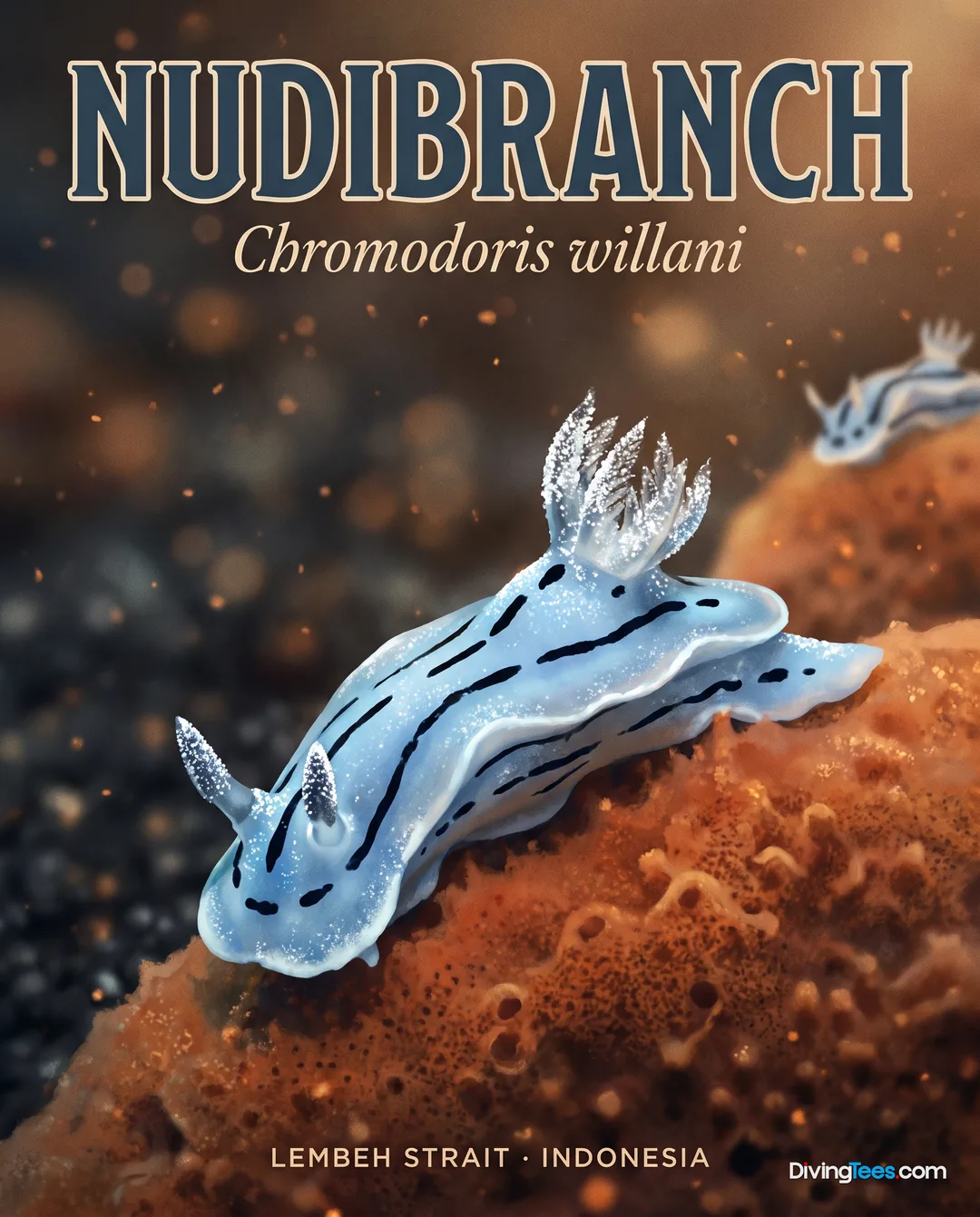
The smaller scale of the fauna provides a different kind of interest for divers who prefer macro observations. Nudibranchs can be found on the various surfaces of the reef, adding subtle colour to the rocky terrain. Because the site is relatively shallow, the light levels remain high, which helps in spotting these smaller organisms against the substrate. Moving slowly along the bottom allows you to identify different species that rely on the reef's stability. It is a site where the focus remains on the details of the seabed rather than large pelagic encounters.
Navigating the site is straightforward due to the manageable depth and the clear definition of the reef. As you move across the 10 to 14 metre zone, the reef offers a predictable environment for controlling buoyancy. The lack of extreme depth changes means you can spend your bottom time focusing on the fauna rather than managing rapid pressure changes. Whether you are following the contour of the rocks or hovering to observe an octopus, the profile remains consistent throughout the dive. This makes it a reliable spot for those looking to practice fine buoyancy control in a reef setting.
The dive depth at Pedra Santa Eulalia ranges from 10 to 14 metres. The site is accessible for Open Water Diver level divers due to its shallow profile and relatively simple topography.
Pedra Santa Eulalia is accessible to Open Water Diver level divers because the reef is shallow and has relatively simple topography. The manageable profile supports straightforward navigation and buoyancy practice, allowing you to follow the rocky reef without dealing with extreme depth changes or complex underwater terrain.
Pedra Santa Eulalia ranges from 10 to 14 metres deep, with the seabed and reef structure staying within this narrow band. The relatively shallow profile provides consistent light and avoids rapid pressure changes, so you can concentrate on observing the rocky substrate and its small marine life.
At Pedra Santa Eulalia, you can look for octopus in rocky crevices, conger eels in darker reef recesses, and grey triggerfish patrolling near the rocks. Cuttlefish may be near the reef structure, while nudibranchs can be found on the substrate and other reef surfaces.
Pedra Santa Eulalia consists primarily of a continuous rocky reef between 10 and 14 metres, with crevices, holes, overhangs, and varied surfaces forming small habitats. You can follow the reef contour through this consistent depth zone, where the defined rocks make navigation and fine buoyancy control straightforward.