Liveaboards · Bahamas
Shear Water — a compact Bahamas shark-diving liveaboard
What makes this boat unique
- Shear Water carries up to ten divers and runs shark expeditions to Tiger Beach and Bimini from Riviera Beach, Florida.
- The boat offers unlimited diving, including night dives, with a dive guide in the water at all times.
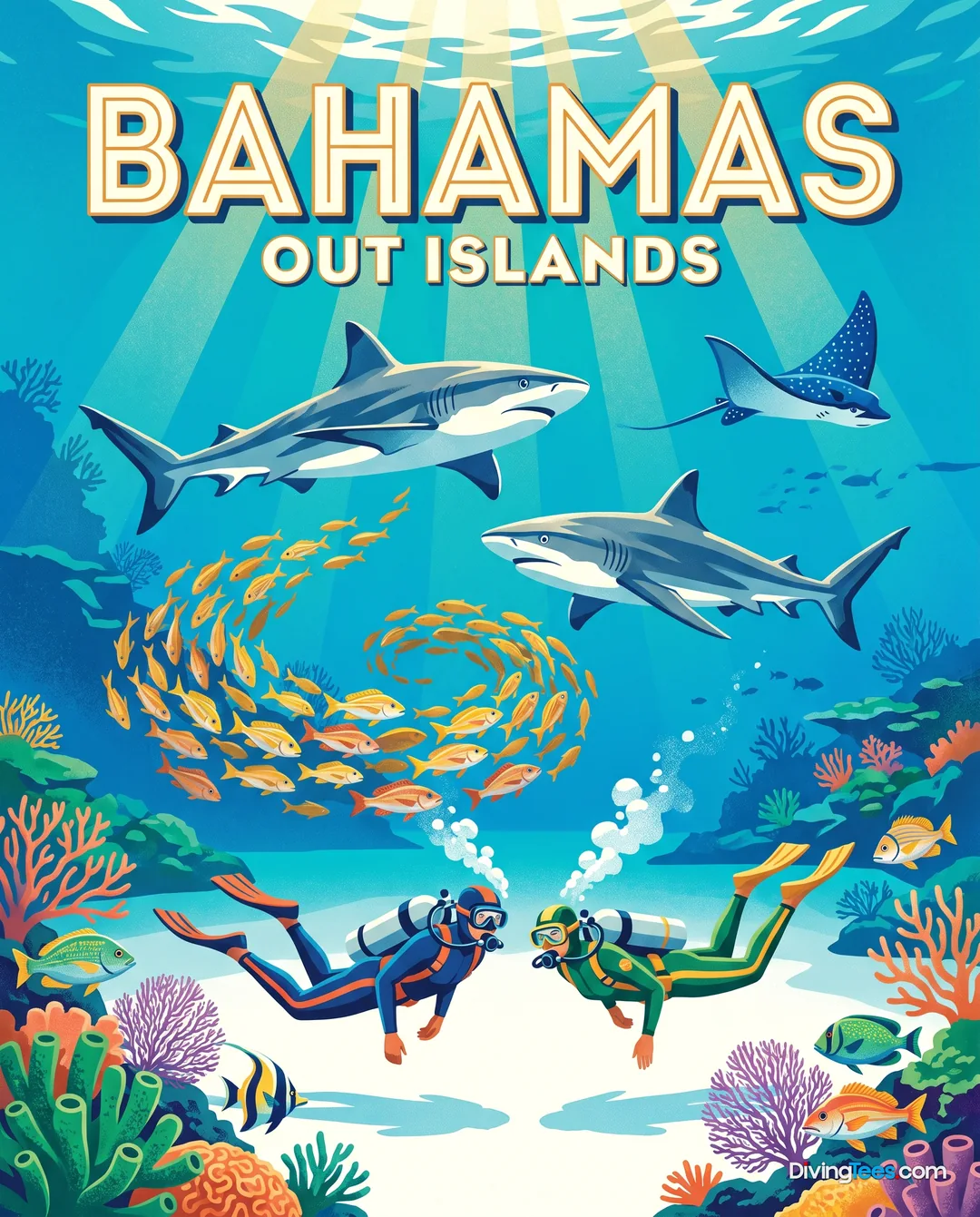
- Tiger sharks, Great Hammerheads, lemon sharks, bull sharks, nurse sharks and Caribbean reef sharks are among the species encountered on these trips.
- The included setup is based around 12-litre tanks and weights; 15-litre tanks, nitrox and equipment rental cost extra.
The invitation
Shear Water is for divers who come to the Bahamas for sharks first and everything else second. Tiger Beach is the main draw for cage-free encounters with tiger sharks, while the longer expeditions continue to Bimini for Great Hammerheads. The operation is built around staying in the water: unlimited diving, night dives and crew members in the water with the group keep the focus below the surface rather than on a resort-style schedule. Jim Abernethy’s shark work also gives the trips a clear conservation purpose. Guests learn how to approach large sharks without feeding them, and the crew has used trusted relationships with individual sharks to remove fishing hooks. This is not a boat for a quiet week with occasional sightseeing. It suits divers with at least 75 logged dives who want repeated, closely managed shark encounters and enough time in the water to let the animals set the pace.
Boarding
At Riviera Beach, boarding begins at the marina before the trip turns into a working shark expedition. Shear Water is a compact glass-reinforced-plastic vessel rather than a floating hotel, and the small guest group keeps the boat easy to navigate and the crew close at hand. Gear is set up after boarding, followed by the boat-safety and shark briefings before the crossing to the Bahamas. The saloon is air-conditioned and there is also an open-air area, so guests can move between shelter and breeze while the boat is underway. Two generators supply the onboard power, with 120V plugs available. Wi-Fi is not part of the setup; the attention stays on the sea, the briefings and the next dive.
The atmosphere on board
The atmosphere is shaped by a small group, a specialist crew and a schedule designed around shark time. Briefings are not a formality: the shark-safety talk explains how to enter the water, how to behave around large predators and how the crew manages the encounter. Divers are staggered into the water on the shark expeditions to reduce crowding and improve the interaction. Crew members remain in the water with guests, guiding the group while also watching the animals and the divers. Evenings are less about nightlife than reviewing the day, eating, preparing equipment and deciding whether to join the night dive. English is the working language.
The sites you’ll dive
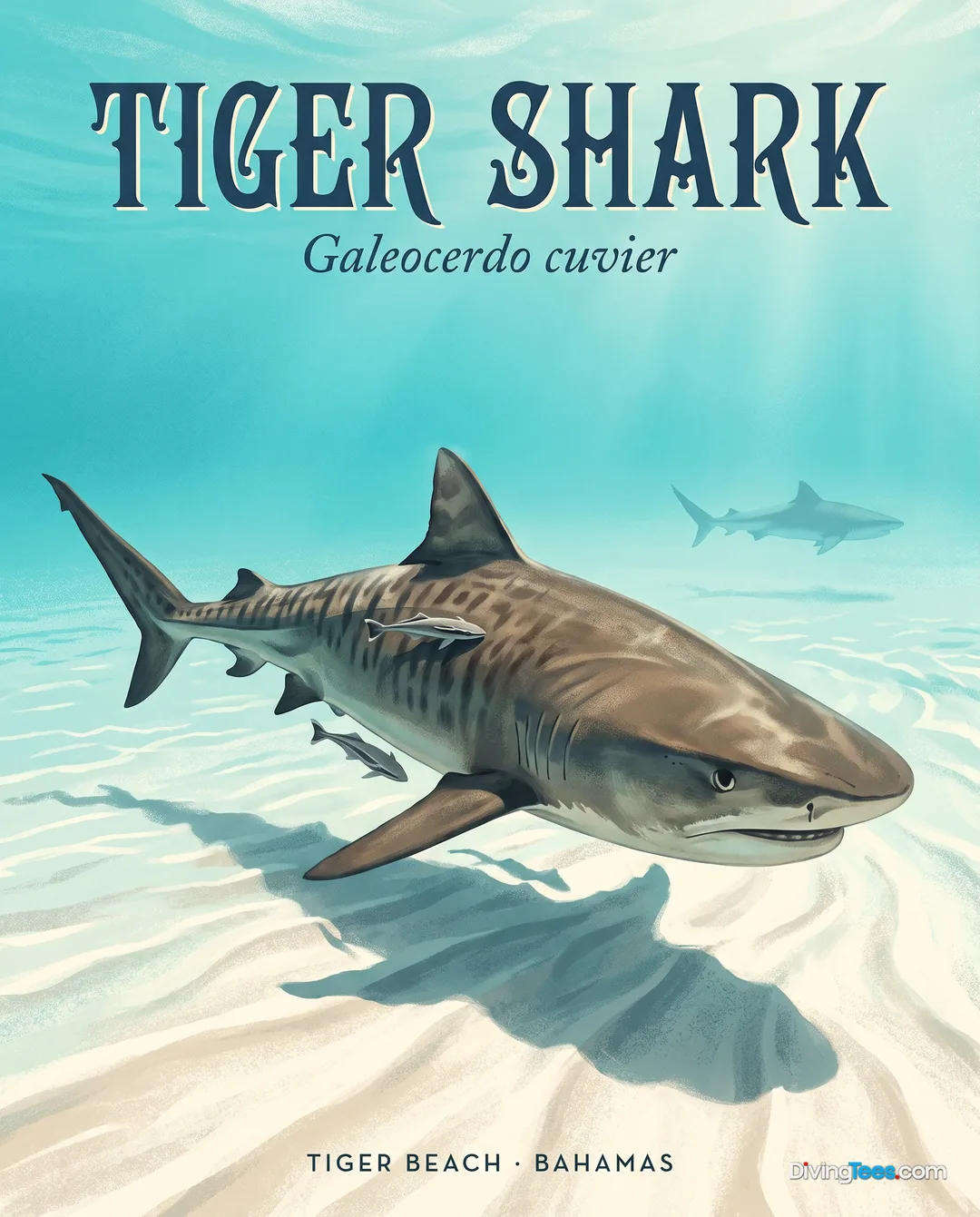
Tiger Beach is the central site on the shorter Bahamas trips: a shallow, crystal-clear sand-flat area where depths of 40 feet or less allow long bottom times and close encounters with tiger sharks. The longer Tiger & Great Hammerhead Expeditions add Bimini, where Great Hammerheads are the main reason to make the crossing. Tiger sharks, lemon sharks, nurse sharks and Caribbean reef sharks may be seen at Tiger Beach, while Great Hammerheads and bull sharks are added to the Bimini expeditions during the October-to-May season. Trips depart from and return to Riviera Beach, Florida. Recorded itineraries last 7 days and 6 nights, with one longer departure lasting 8 days and 7 nights. Weather and the species guests most want to encounter influence the final itinerary.
What you’ll meet underwater
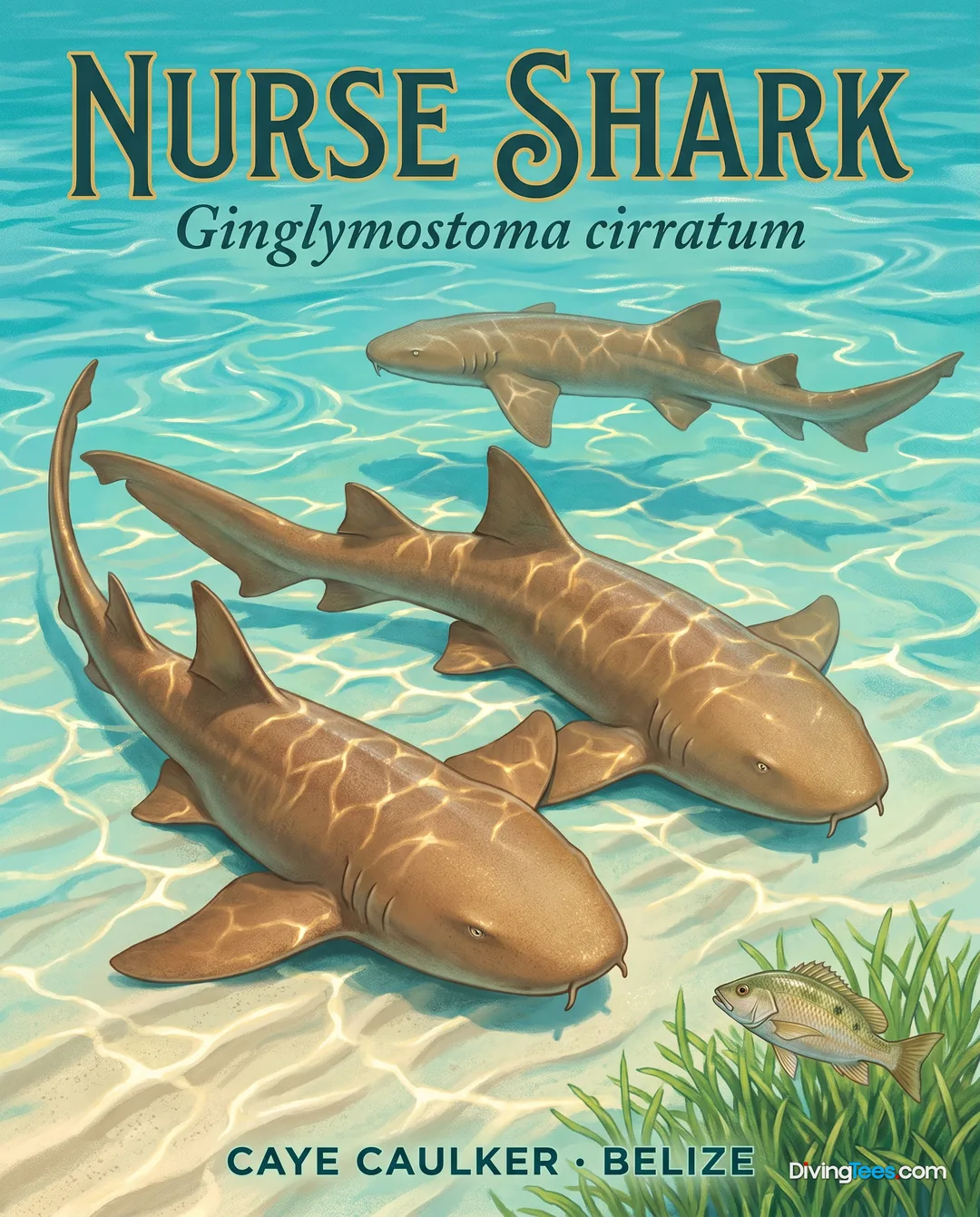
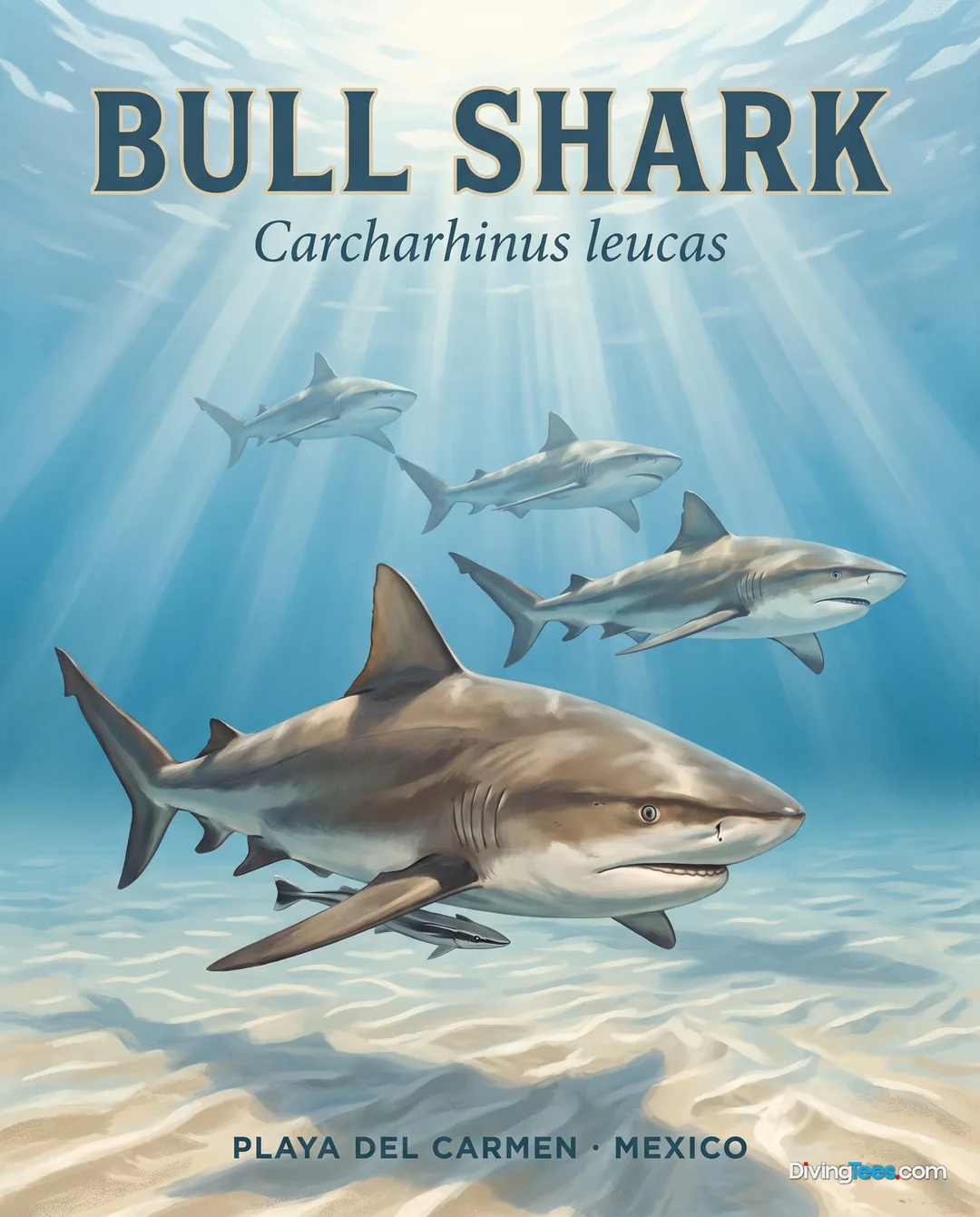
The main spectacle is the shark gathering itself: tiger sharks at Tiger Beach, with lemon, nurse and Caribbean reef sharks also possible, and Great Hammerheads and bull sharks added when the expedition reaches Bimini in season. Great Hammerheads and bulls are found from October to May, while tiger, lemon, nurse and Caribbean reef sharks can be encountered year-round on the operator’s Bahamas programs. Atlantic Spotted Dolphins may also appear around the Bahamas crossings and Bimini waters. The shallow, clear water at Tiger Beach gives photographers room to work and lets divers remain with the animals for extended periods. Nothing is guaranteed in wildlife diving, but this route is built around giving the animals time to approach rather than treating a shark sighting as a brief stop between ordinary reef dives.
Who puts you in the water
The crew works in English and includes dive guides and professionally trained shark crew who enter the water with guests. The required experience is at least 75 logged dives, with Open Water Diver certification or an equivalent level. Before the first encounter, guests receive a boat-safety briefing and Jim Abernethy’s shark-safety briefing, which covers cage-free diving with large predatory sharks and the conduct expected in the water. Entry is staggered to keep the shark groups smaller, and the captain follows the dive flag at the surface when the operation is drifting. Full boat safety is listed, but no details are given here for oxygen, defibrillator, recall procedures, group ratios or courses run onboard.
The dive deck and the gear
The dive deck is arranged for repeated entries and returns, with personal storage, rinse hoses, separate rinse tanks for underwater cameras and a camera table. Two 11 CFM compressors handle tank filling. The standard setup includes 12-litre tanks and weights; 15-litre tanks are available at extra cost, and nitrox is also an extra-cost option recommended for the shallow-to-moderate profiles commonly used on these expeditions. The boat does not provide standard gear rental as part of the diving setup, so divers should plan around their own equipment. No technical-diving program is offered. The available information does not identify tank material, valve type, SMB arrangements, tender use or a dedicated hot-water rinse on the dive deck.
Between dives
Between dives, guests can settle in the air-conditioned indoor saloon or move to the open-air saloon for wind and daylight. The boat has audio and video entertainment, but the longer gaps are naturally filled by drying gear, watching the surface and following the crew’s next movement. On crossings to the Bahamas, the vessel is underway; once at Tiger Beach or Bimini, the point is to stay with the wildlife rather than spend the afternoon sailing between unrelated attractions. There is no Wi-Fi, which makes the quiet hours genuinely separate from shore.
A day on board
Boarding takes place at 4pm, followed by gear setup, the boat-safety and shark briefings, dinner and the crossing toward the Bahamas. Once the boat is on station and breakfast is over, the day turns toward diving: entries are organised in staggered groups, with the crew in the water and the boat following the dive flag at the surface. Meals and snacks fill the intervals without breaking the focus on the next entry. On days when the boat is not travelling, diving continues through the day and a night dive is offered every night. The following morning begins the same way, with equipment, briefings and another chance to enter the water before the route eventually turns back toward Florida.
What you eat aboard
Meals combine Western and local food, served buffet-style or plated, with snacks available throughout the day. On the Bahamas expeditions, breakfast comes before the first move to the dive sites, and three daily meals punctuate the hours between dives. That matters on a boat offering repeated day dives and a night dive: food is ready without turning the day into a long shore-style lunch break. Non-alcoholic beverages are included. The emphasis is dependable fuel between dives rather than elaborate dining, with enough flexibility for guests to eat quickly and get back on deck.
Nights at sea
The cabins are on the lower deck, where the night is practical rather than spacious. The Guest Cabin has four twin beds with privacy curtains and access to bathrooms with hot-water showers, while the Standard Cabins use upper and lower bunks with storage beneath the lower berth. Standard cabins have air conditioning, natural light and shared-bathroom access. After a day of repeated dives, the useful details are the curtain, the shower and the fact that the sleeping space is close to the dive operation. The boat’s compact layout keeps everything nearby, but anyone expecting the room of a hotel should choose this trip for the water, not the square metres.
Guest Cabin
Standard Cabin
What to know before boarding
The trips depart from New Port Cove Safe Harbor Marina in Riviera Beach, Florida, and return to the same Florida area after customs and immigration. Transfers are not included, so guests should arrange their own transport to and from the marina. Arriving in Florida the night before boarding is the sensible choice, leaving room for flight delays before the 4pm departure.
What the boat does for the ocean
The crew uses trusted relationships with individual sharks to remove fishing hooks without catching or restraining the animals. The shark briefings also teach cage-free encounters without feeding, linking the diving directly to the operator’s conservation work and its effort to replace fear of sharks with protection for them.
- Length
- 19.8 m
- Beam
- 5.7 m
- Maximum number of passengers
- 10
- Number of cabins
- 5
- Engines
- 1350 hp, twin GM12V71TI’s
- Website
- scuba-adventures.com ↗
Hello, I'm Marina, DivingDeal.com's AI assistant. I answer in detail about hotels, dive centres and liveaboards.

Thinking about the whole trip and the flights? Talk it over with Edith →
Marina is an AI. Some links are affiliate links: DivingDeal may earn a commission, at no extra cost to you. Bookings are made with the partner.