Fort Young Hotel
★★★★
★ 8.3/10 (450 reviews)
1.6 km away as the crow flies
Dive centre · Roseau · Dominica
4.2120 Google reviewsExplore the volcanic drop-offs of the Scott's Head marine reserve aboard the power catamaran Olga.
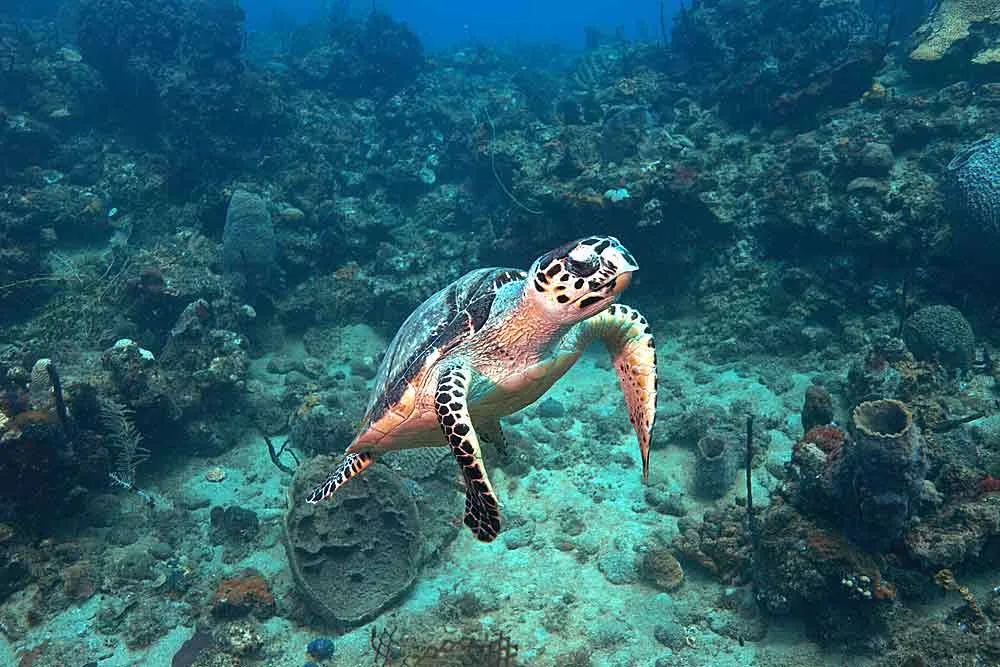
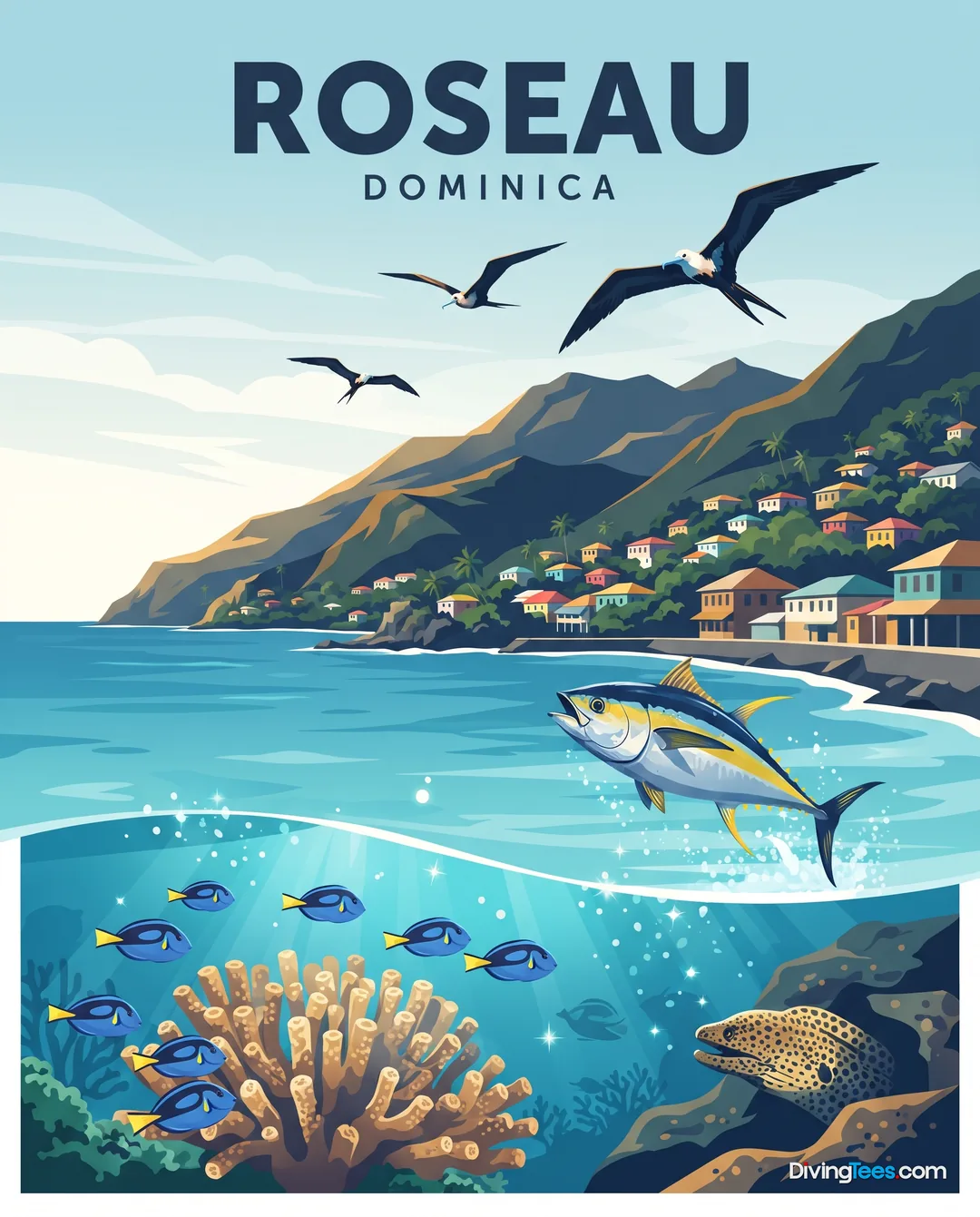
Located in Castle Comfort, just a short drive south of Roseau, Dive Dominica serves as a gateway to the island's most striking underwater landscapes. The centre is positioned to provide easy access to the Scott's Head marine reserve, where volcanic craters meet the Caribbean Sea.
Since 2019, the centre has focused on professional service, operating out of a base on Victoria Street. The proximity to both Canefield and Douglas-Charles airports makes it a practical choice for divers travelling to the island to explore the southern Atlantic coast.
The team is comprised of PADI-certified instructors, divemasters, and qualified boat captains. This professional structure ensures that both the diving excursions and the vessel operations are handled by trained personnel.
The centre provides a concierge-style service for its divers, managing the logistics of trips to the marine reserves. They maintain a strong focus on safety and environmental preservation, particularly when conducting whale watching excursions in accordance with strict observation codes.
Dive Dominica is a PADI centre offering a full range of training programmes. Beginners can start with Discover Scuba Diving or work through the Open Water Diver certification.
For more experienced divers, the centre provides Advanced Open Water courses, with options to include a boat navigation dive or a night dive. They also offer the Scuba Review for those looking to refresh their skills before heading back into the water.
The fleet consists of five vessels, including the power catamaran Olga and the Barana, both of which have a capacity for 22 divers. For smaller groups, the Yan Yan carries 10 divers.
The Stingray is a larger island hopper capable of carrying 96 passengers, suitable for different types of excursions. All boats are equipped with marine toilets, dive ladders, and partially shaded areas to protect you from the sun. For those heading out for whale watching, rum punch is provided on board.
For divers travelling without their own kit, a full range of equipment is available for hire, including BCDs, regulators, and shortie wetsuits.
Nitrox is available on site for those looking to extend their bottom times. The centre also maintains oxygen and essential safety equipment on all vessels to ensure standard safety protocols are met during every dive.
Scott's Head Pinnacle is one of the island's most famous sites, featuring a rock formation known as Swiss Cheese. A passage at 10m leads to a steep wall that drops to over 36m, where you can find soldierfish and grunts.
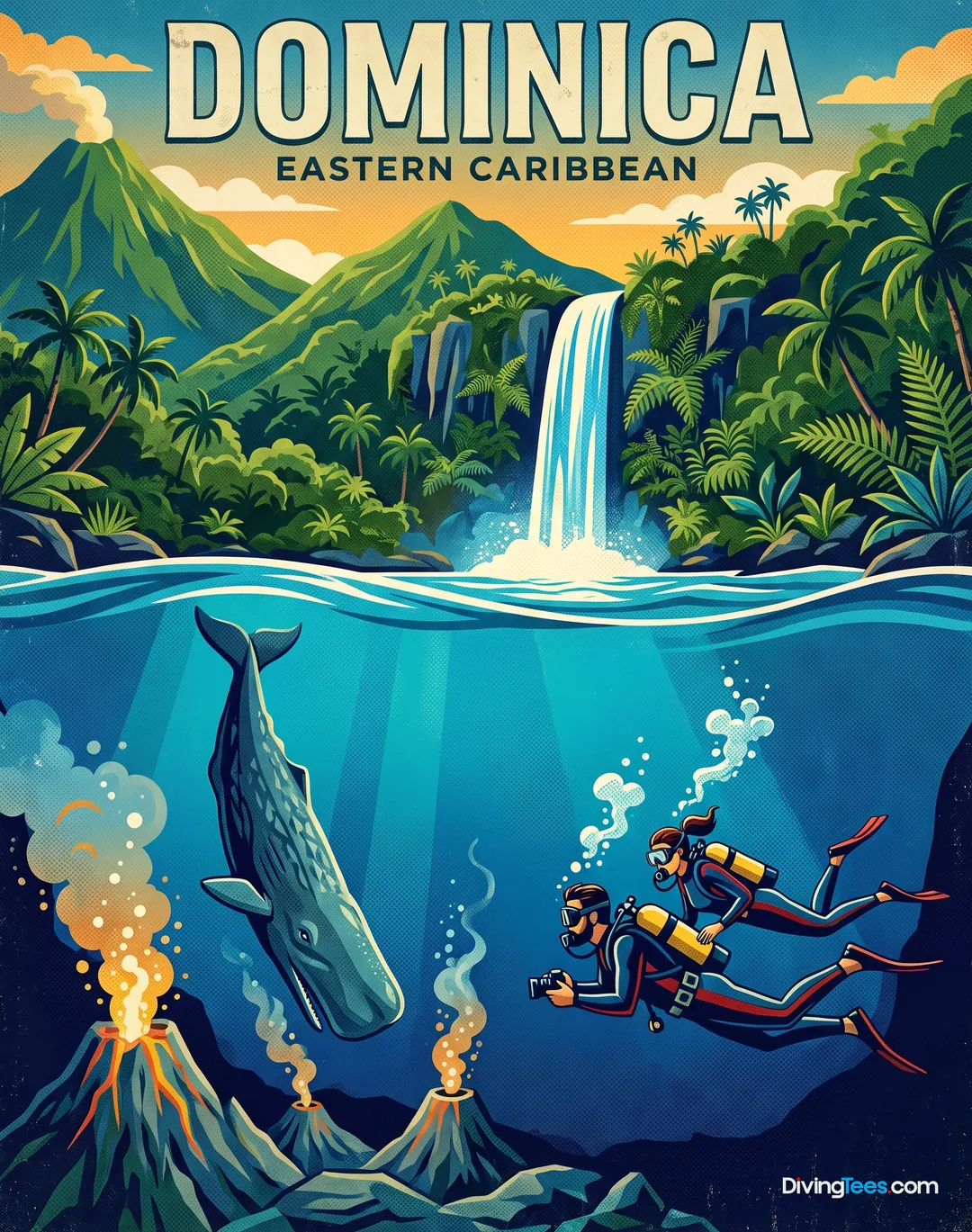
Champagne Reef is a unique site where underwater hot springs create a constant stream of bubbles. It is an excellent location for night dives and is accessible to all experience levels, with light currents typically present.
L’Abym (La Sourcier) offers a dramatic view of a massive wall that plunges into the depths. It is a versatile site suitable for all levels, starting on a sandy and rocky shelf at 7m and offering impressive topography for those diving deeper.
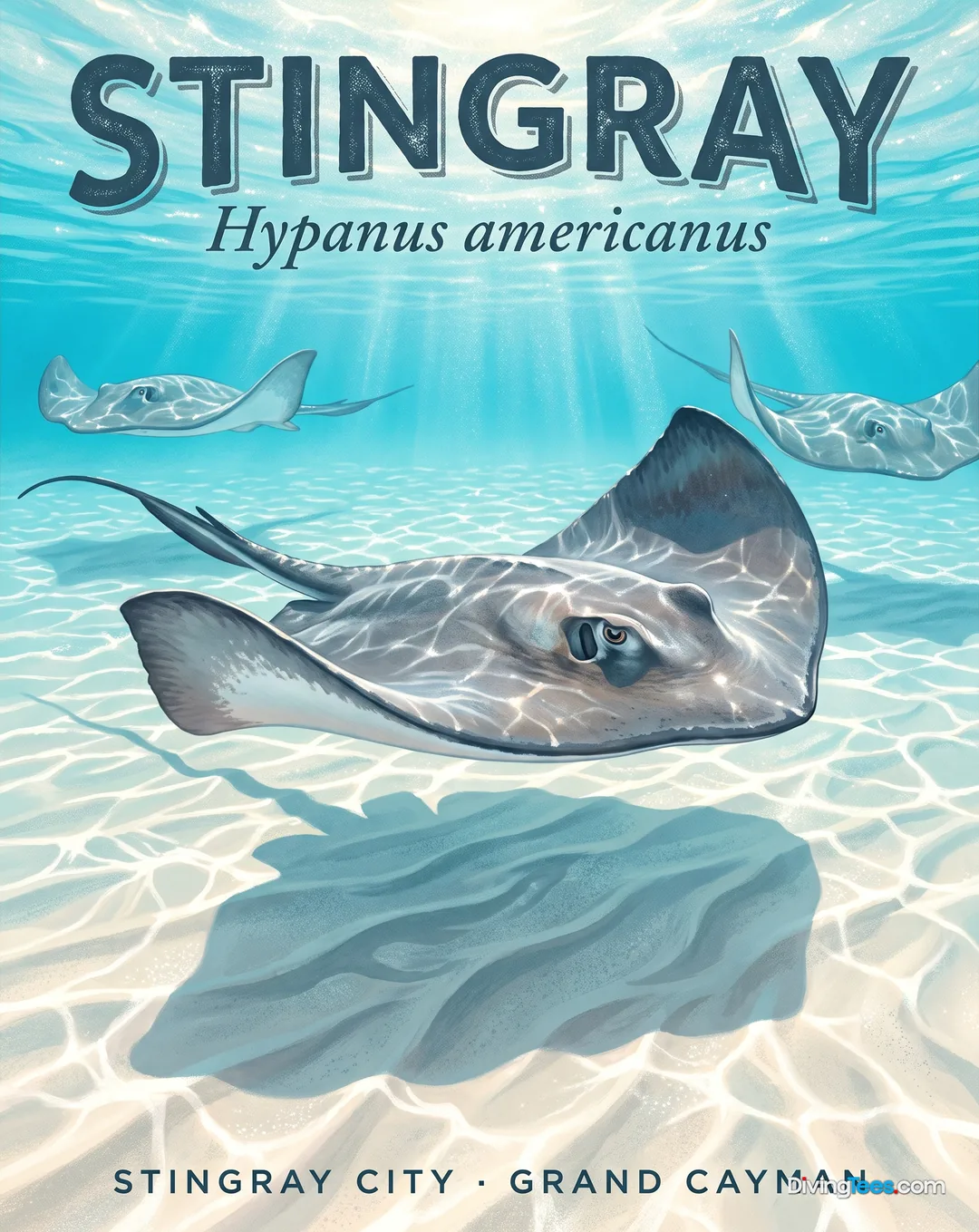
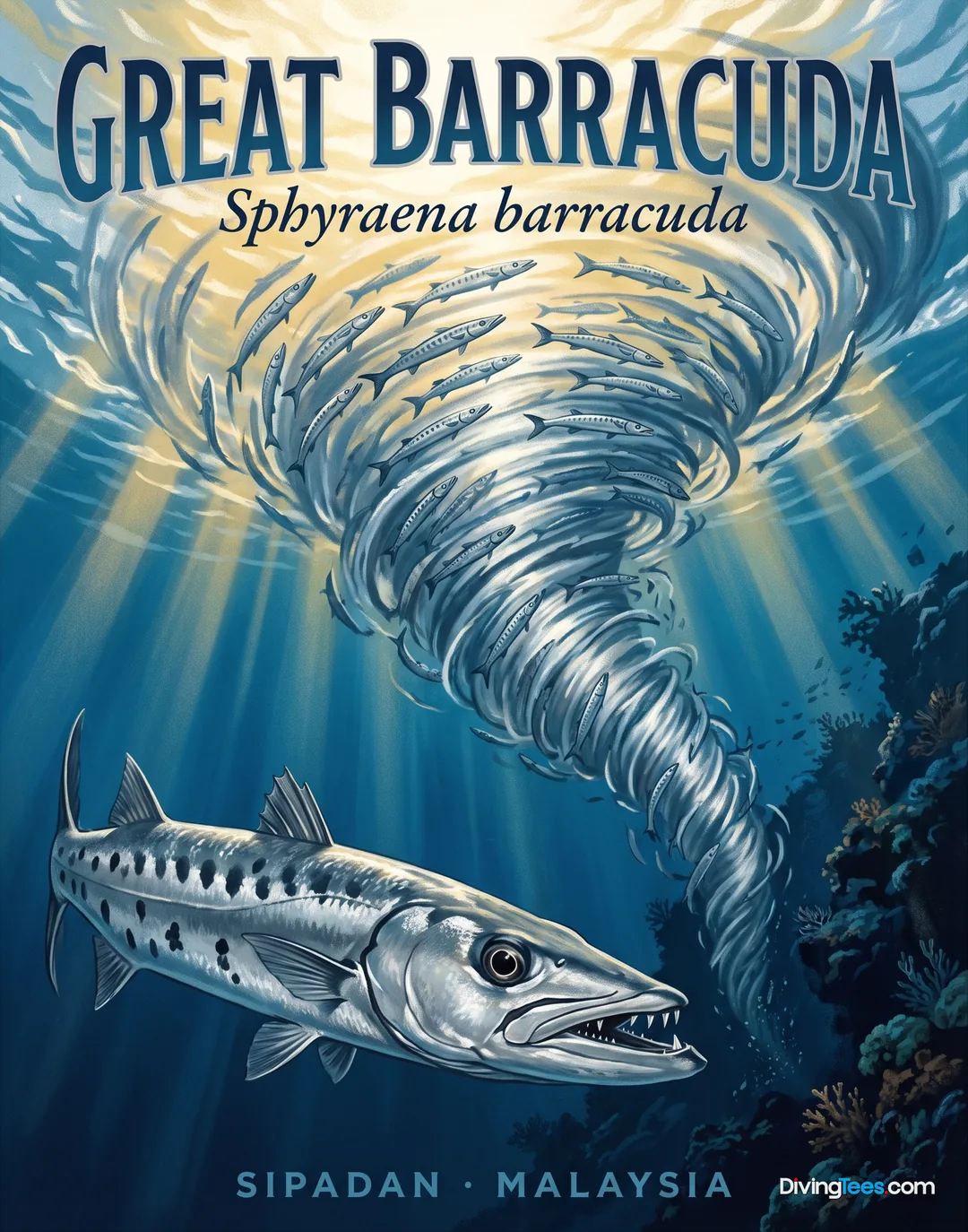
The Suburbs features rocky drop-offs covered in vibrant life. You can expect to see large barracuda, Southern stingray (Hypanus americanus), and dense walls of gorgonians and barrel sponges.
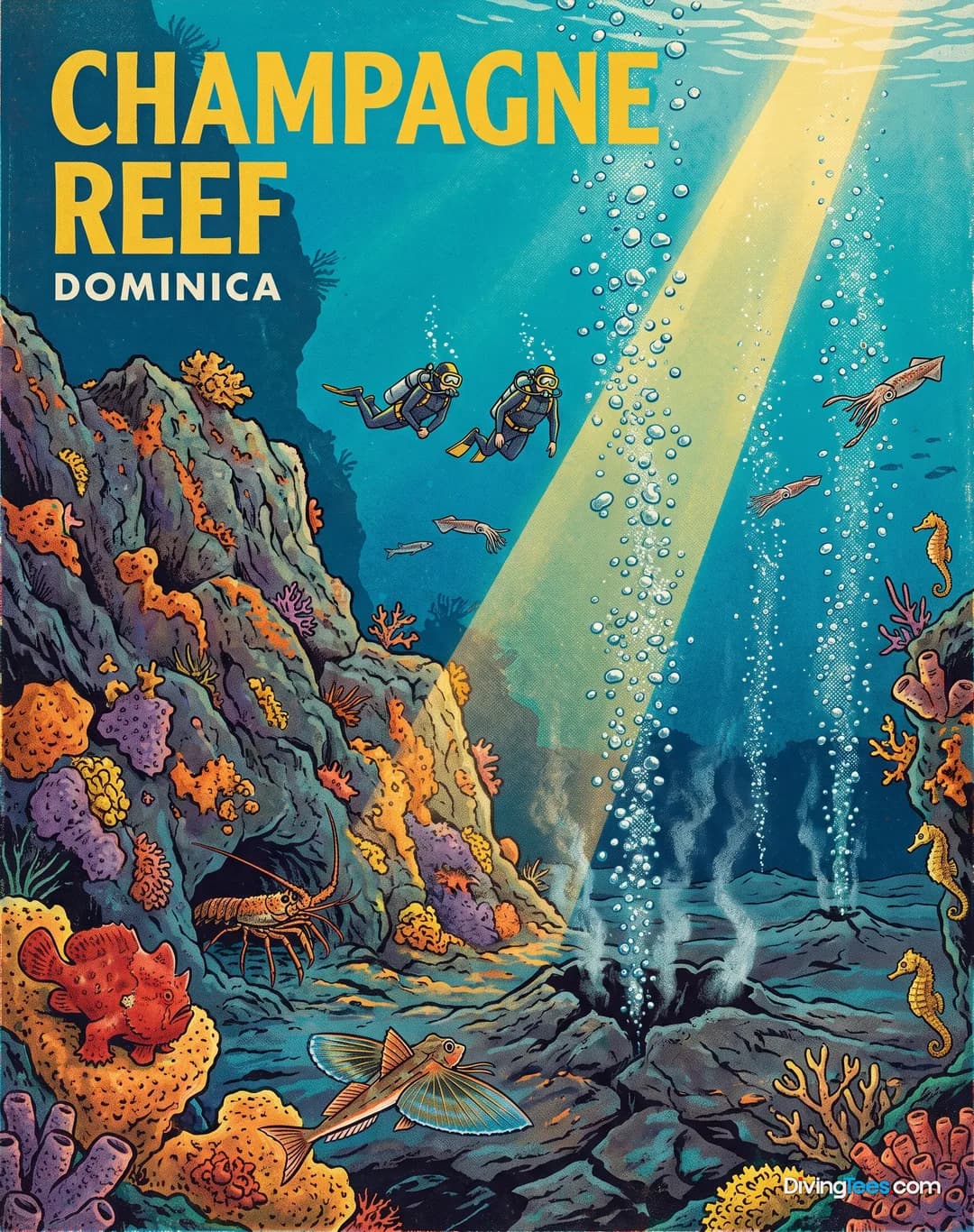
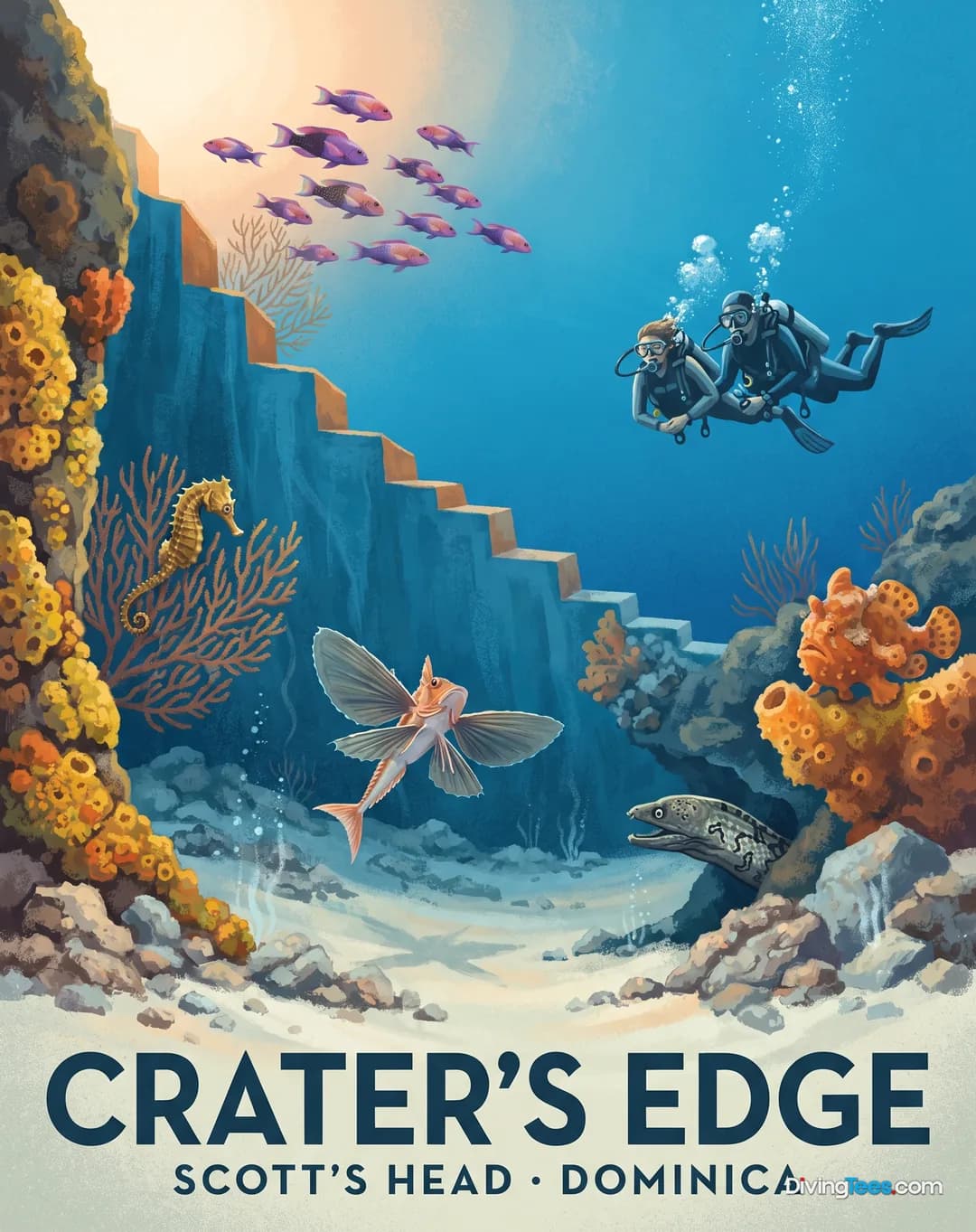
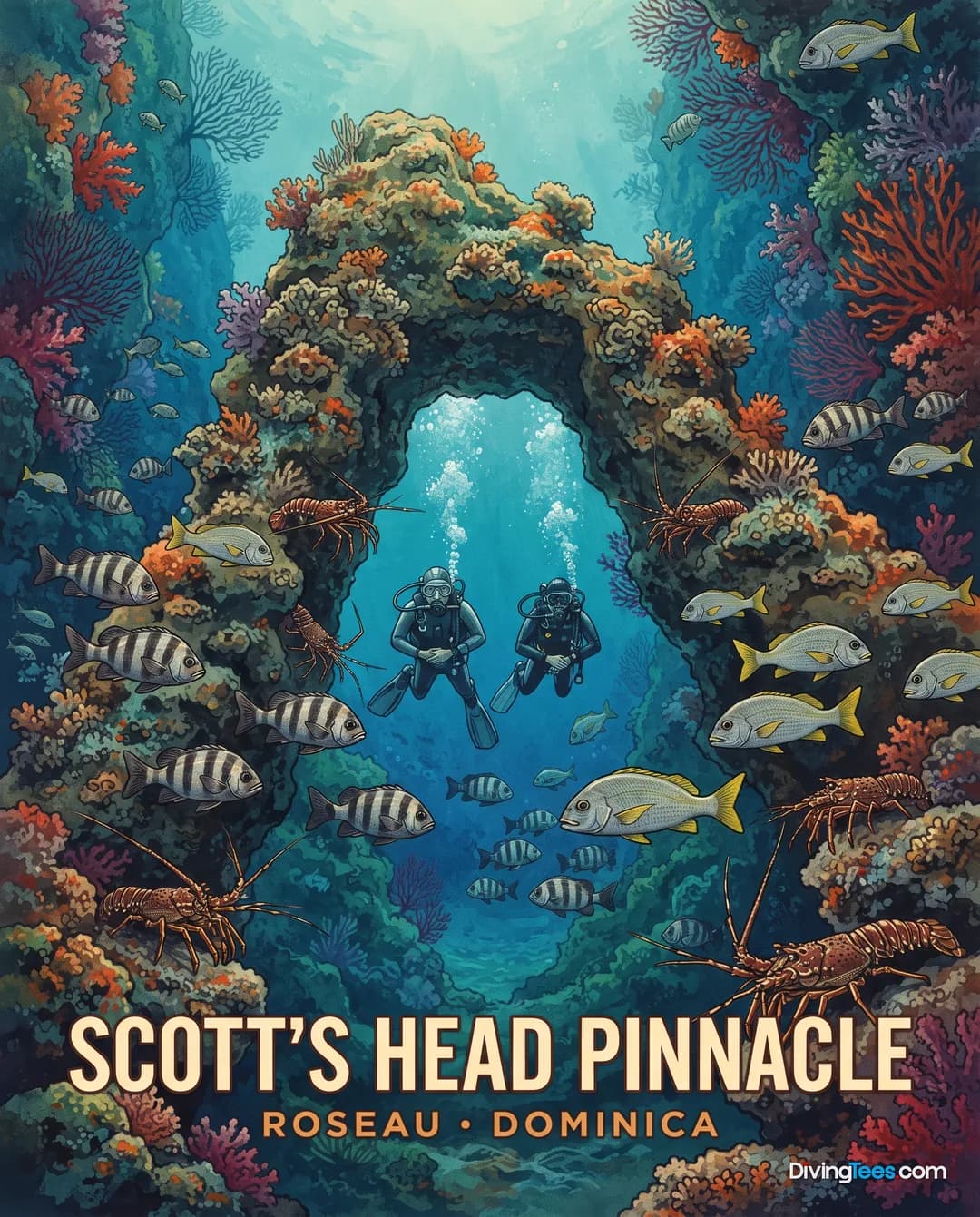
down to 36 m
down to 36 m
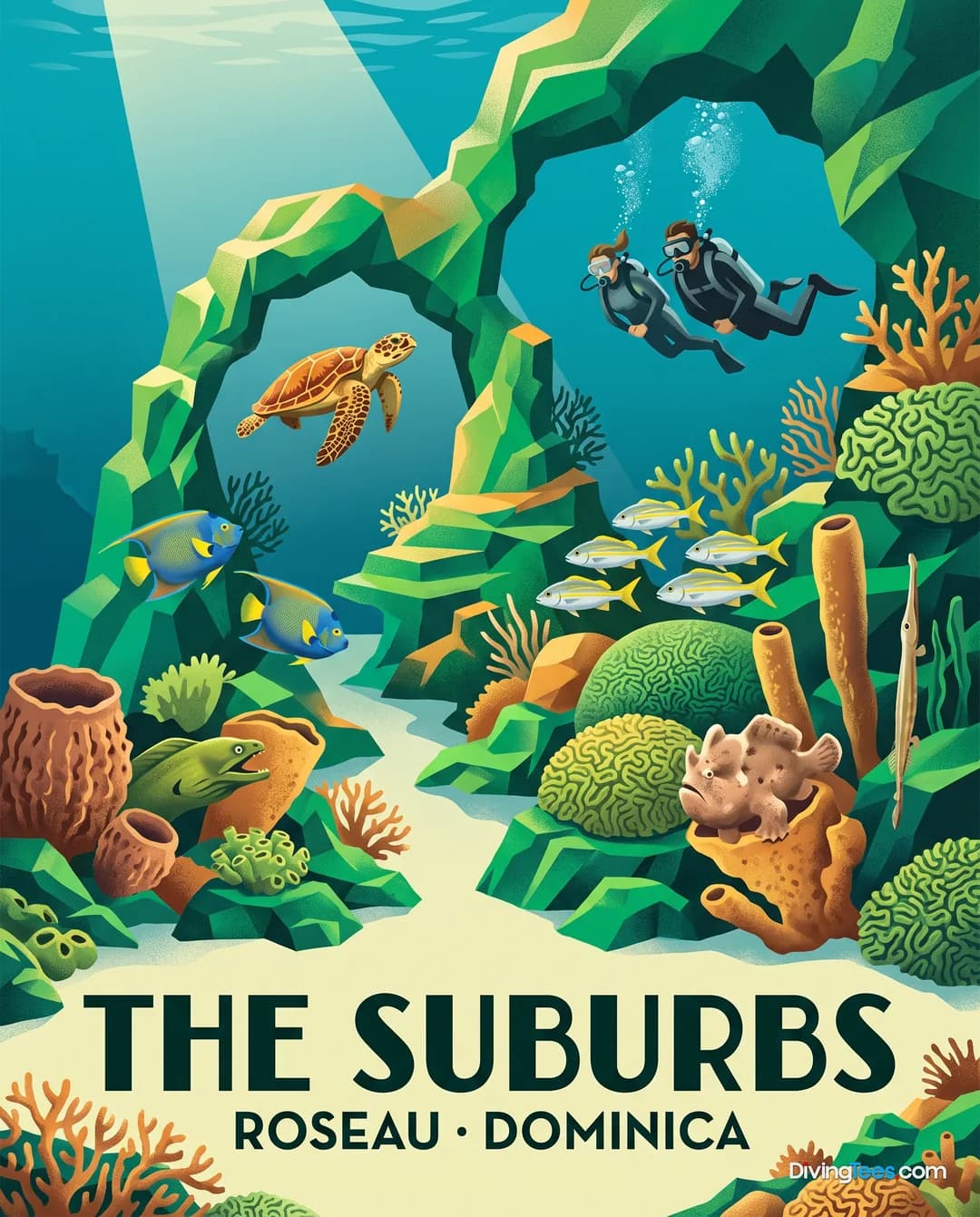
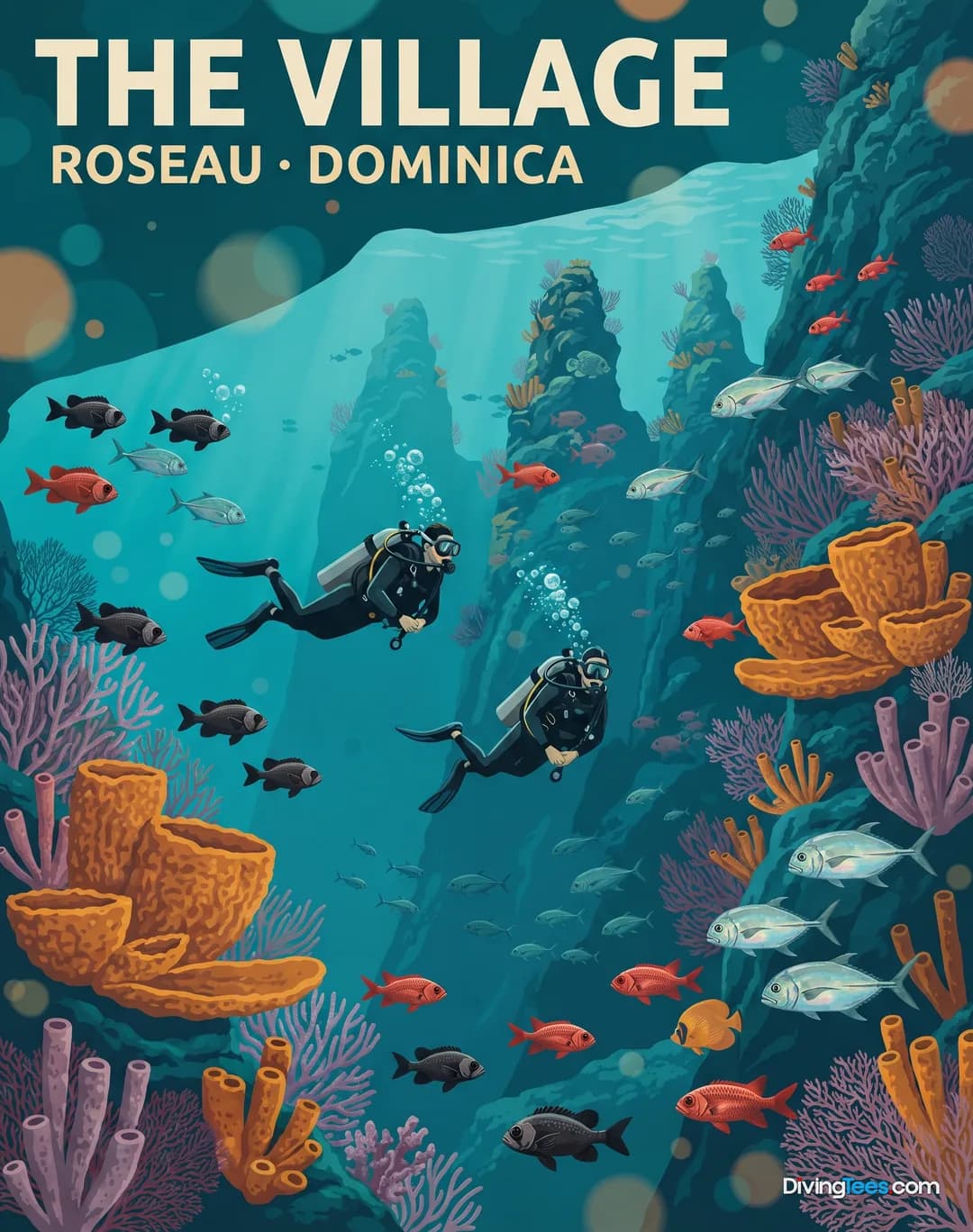
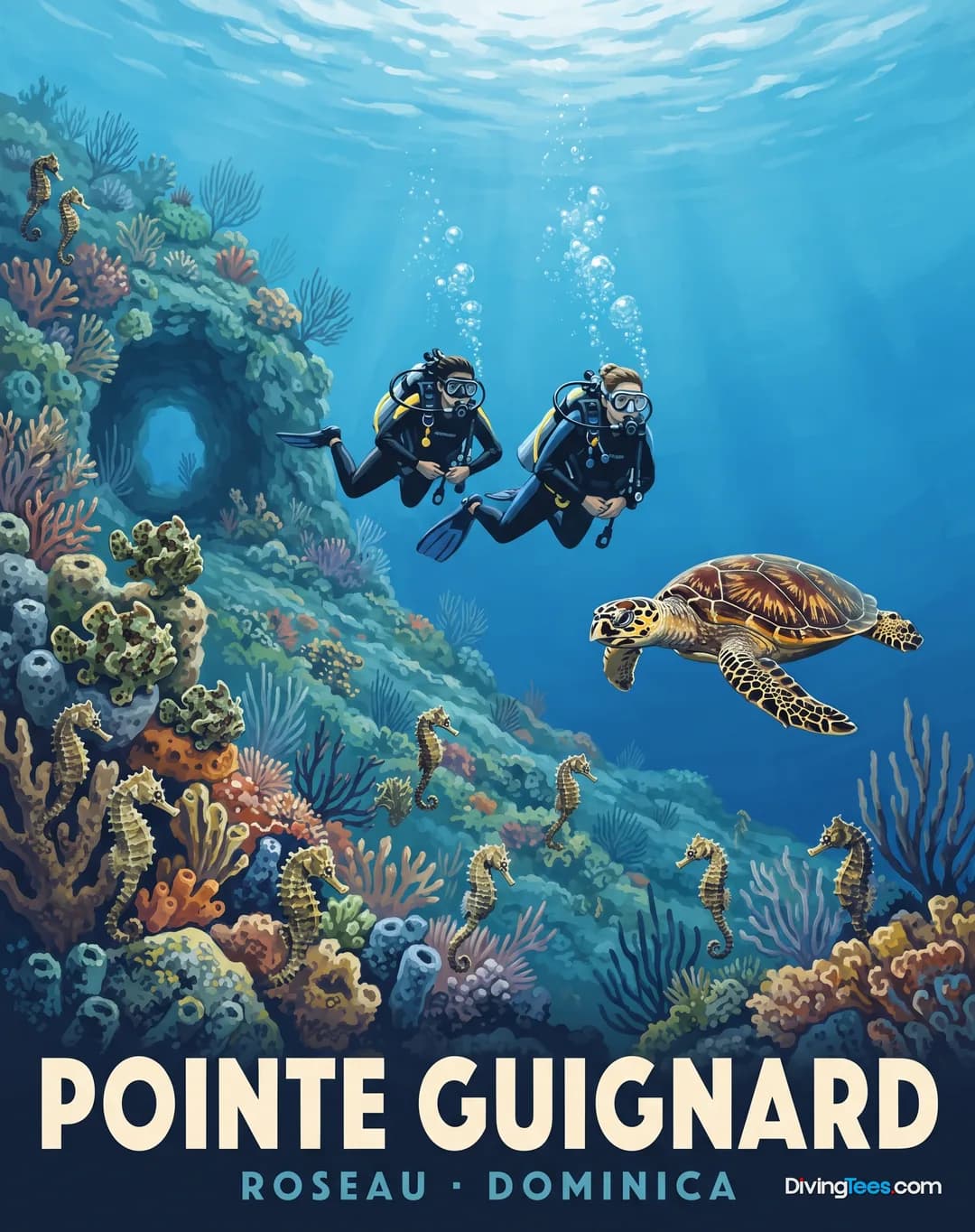
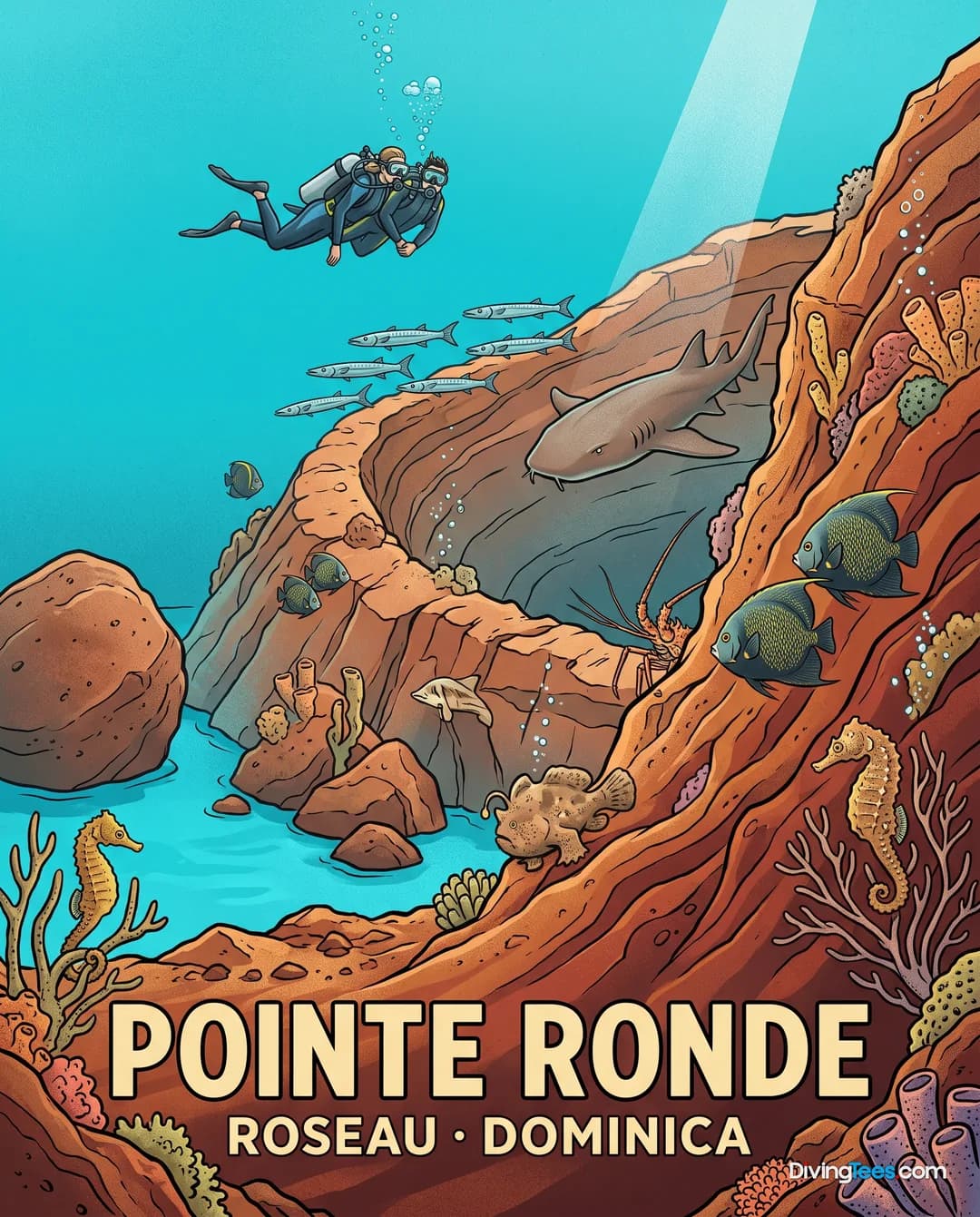
And some of the dive sites the centre runs.
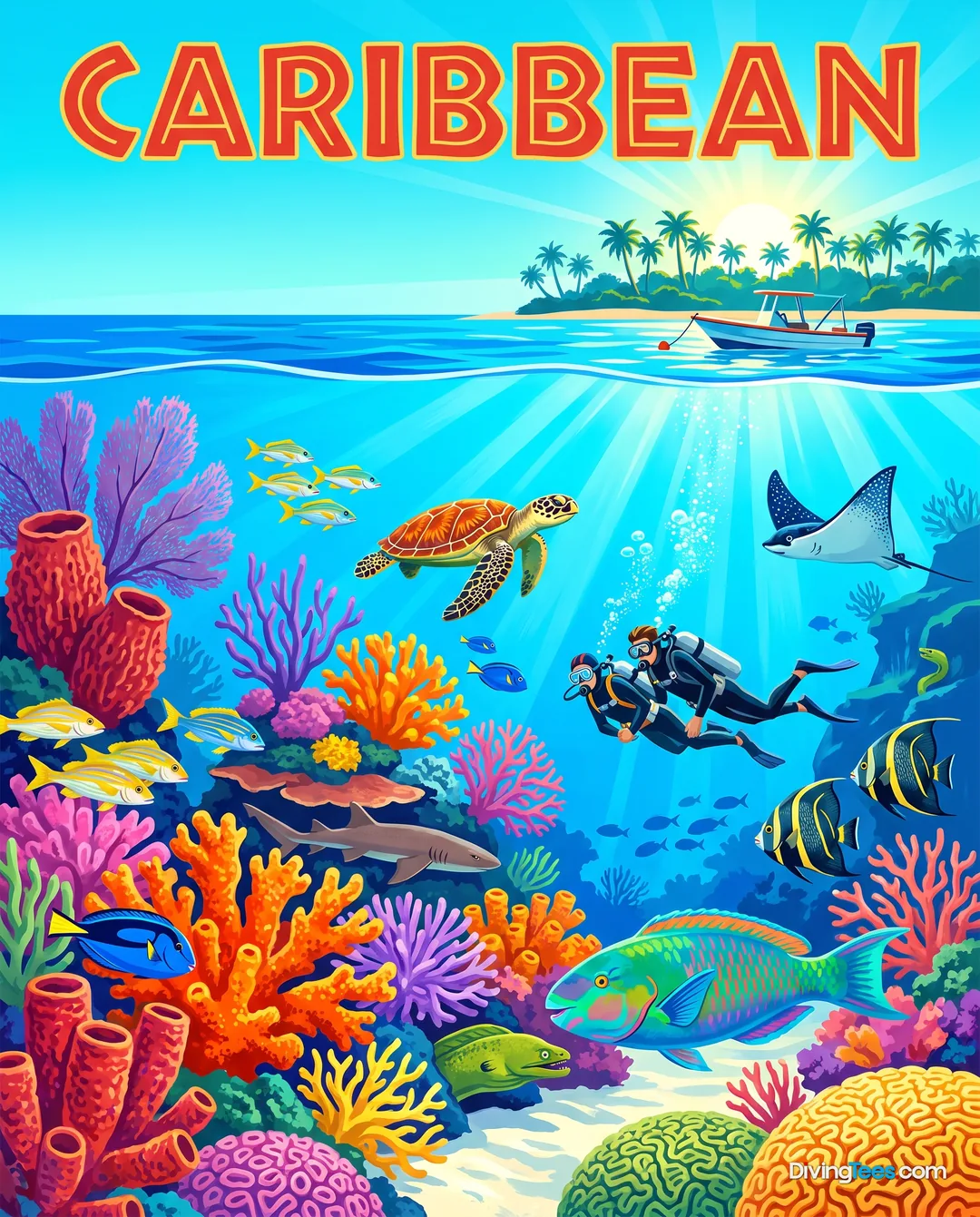
The marine life here is defined by the volcanic terrain. On the walls and pinnacles, you will find massive barrel sponges, colourful gorgonians, and various species of sponges including orange icing and tubular varieties. The reefs are often home to large schools of fish, including Bigeye trevally (Caranx), rainbow runners, and yellowtail snappers.
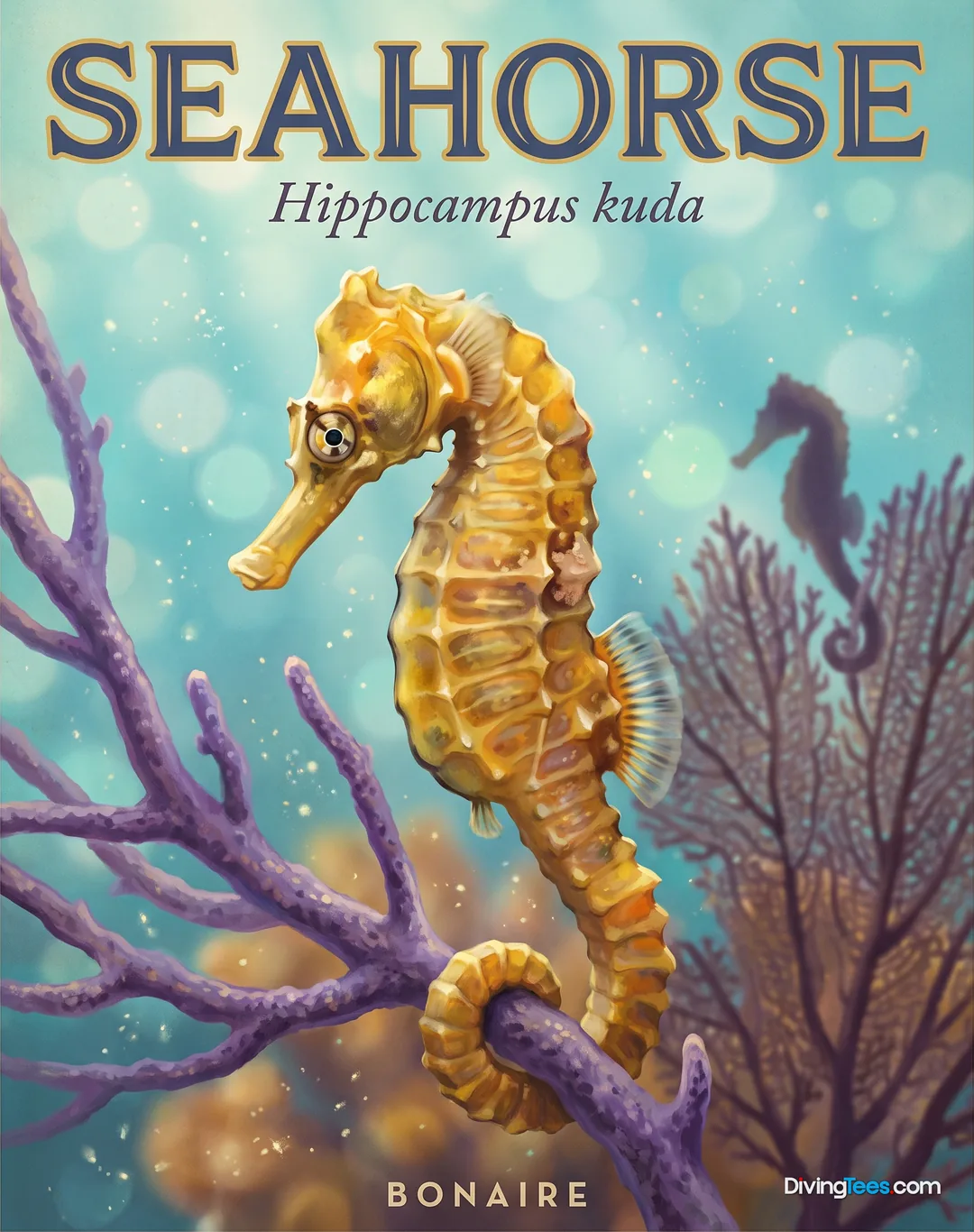
Macro enthusiasts can find a variety of smaller inhabitants tucked into the reef. Look for Seahorse (Hippocampus kuda), Frogfish (Antennarius), scorpionfish, and various species of crabs and lobsters (Homaridae). Cleaner shrimp (Lysmata) are also frequently spotted around the reef structures.
For those interested in larger pelagics, the area is known for sightings of Great barracuda (Sphyraena barracuda), tuna (Thunnus), and wahoo. You may also encounter turtles and Southern stingray (Hypanus americanus) patrolling the sandy areas or the reef edges.
Seasonality plays a role in the local sightings, with Sperm whales being a notable presence from November to March. The waters also support various cetaceans, including dolphins and larger whales.
Diving in the area is characterised by a range of environments, from shallow reef flats to steep volcanic walls. While many sites experience little to no current, making them suitable for training, some locations can experience strong currents.
Night diving is a regular part of the local offering, particularly at sites like Champagne Reef, where the nocturnal marine life becomes highly active.
Hello, I'm Marina, DivingDeal.com's AI assistant. I answer in detail about hotels, dive centres and liveaboards.

Thinking about the whole trip and the flights? Talk it over with Edith →
Marina is an AI. Some links are affiliate links: DivingDeal may earn a commission, at no extra cost to you. Bookings are made with the partner.