
Cabrits Dive Centre
Google 4.8/5 (101 reviews)
Dominica · Caribbean
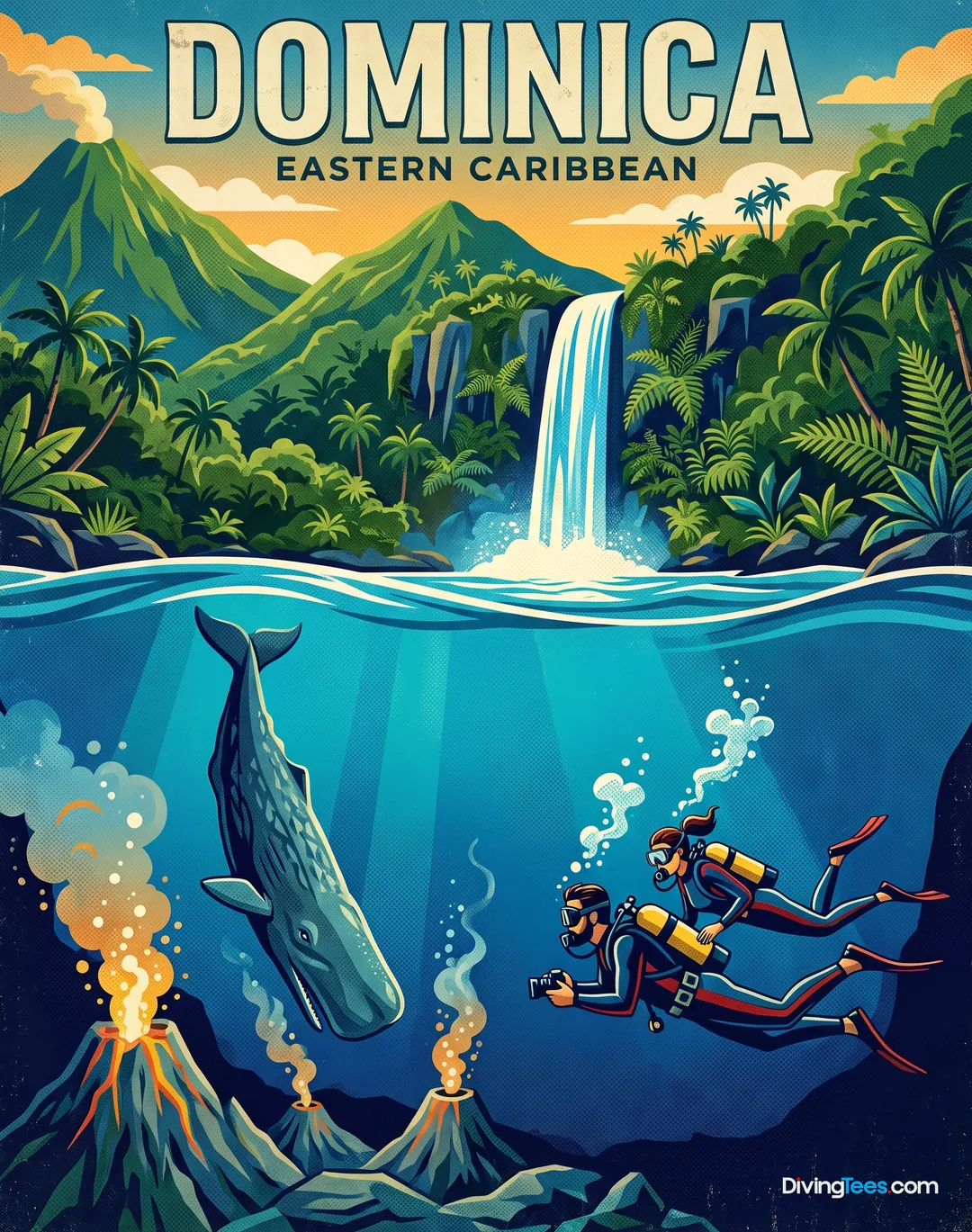
Volcanic gases, sponge-covered walls, sea pens and the Nadine L. wreck shape Portsmouth’s boat diving from Prince Rupert Bay.
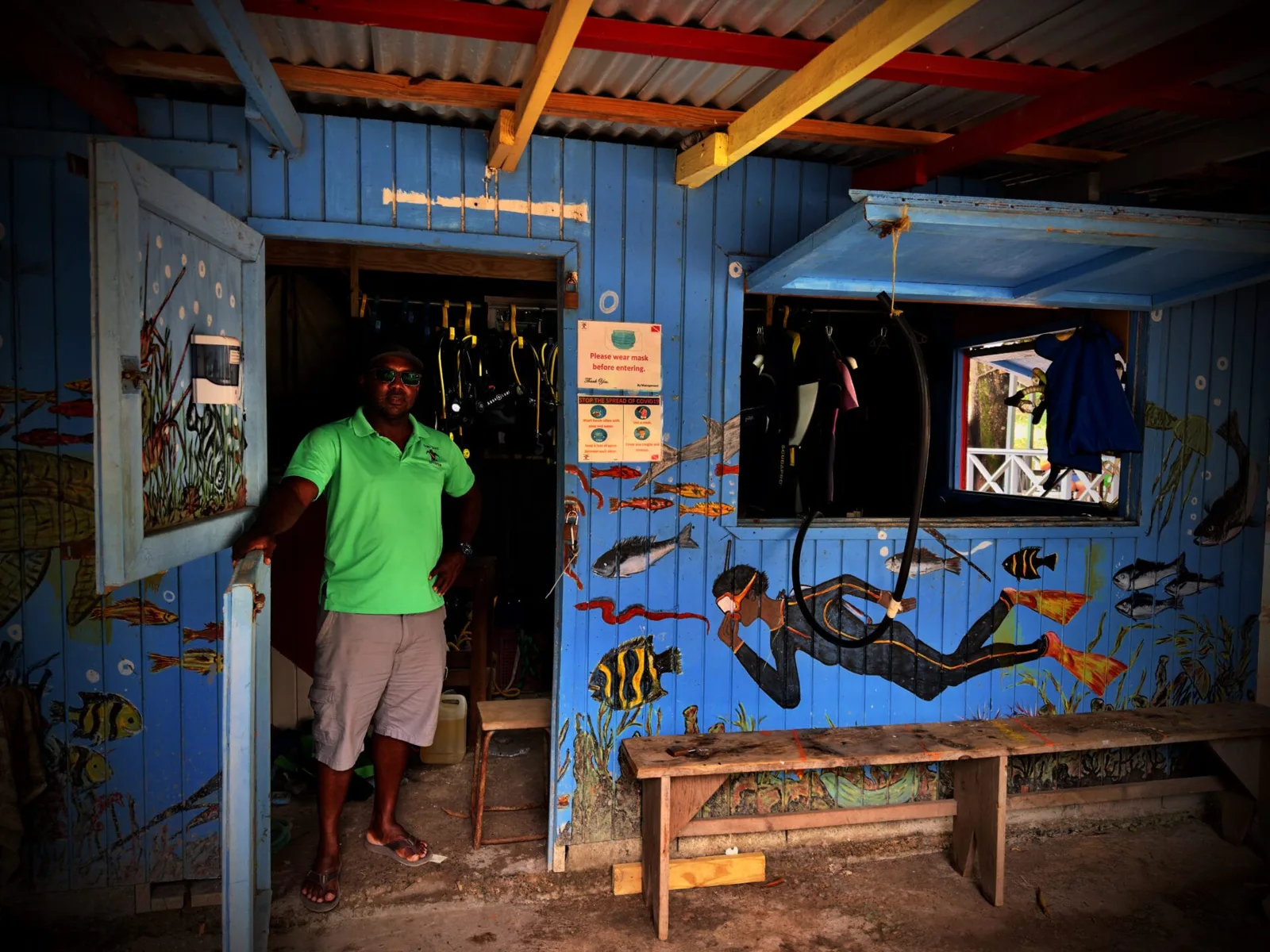
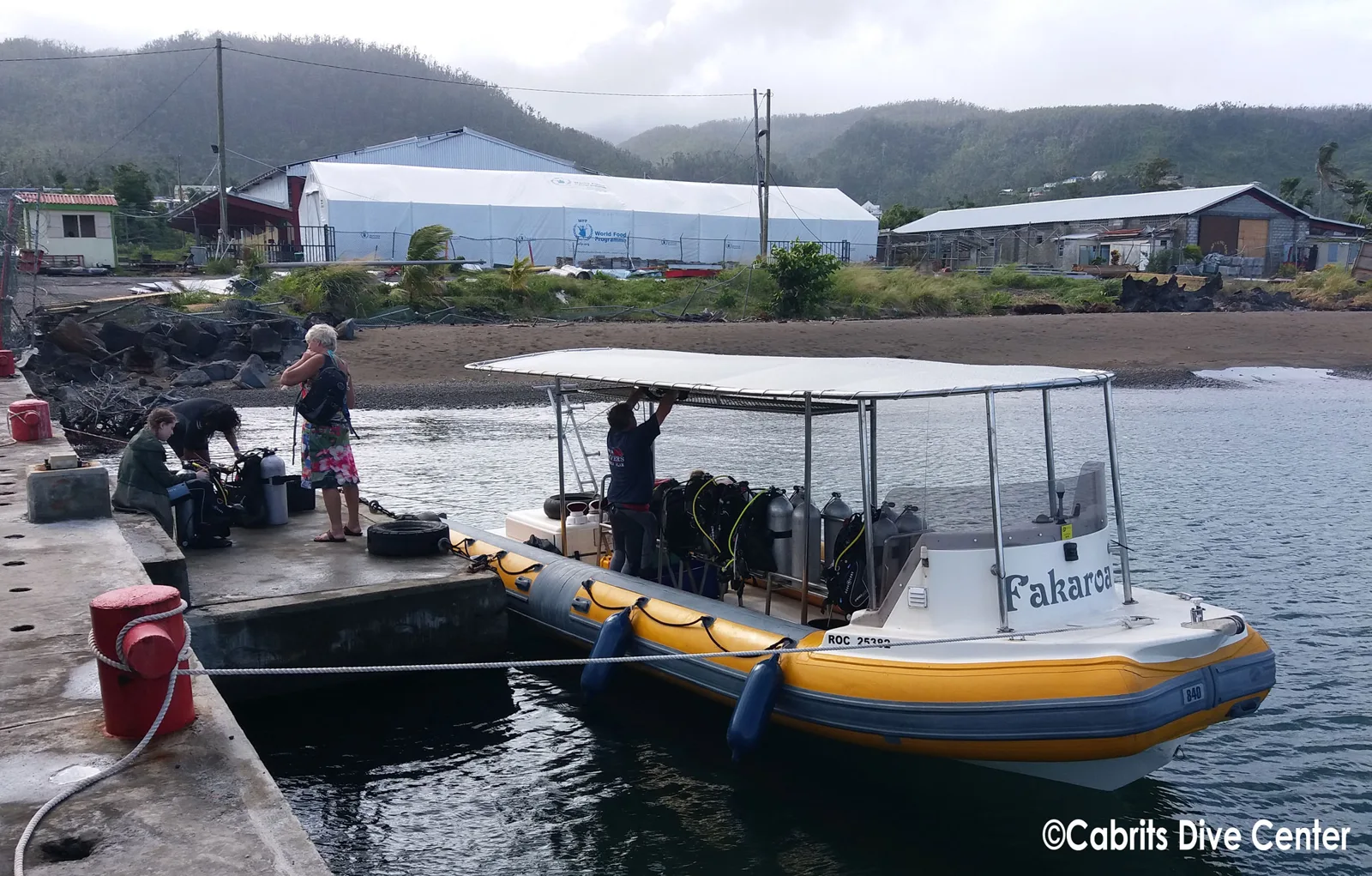
Portsmouth is a small north-west coast base for land-based boat diving, with departures organised around the town and Prince Rupert Bay. Underwater, the character changes from shallow pier and wreck dives to steep walls, coral arches, volcanic activity and sandy plateaux covered in sponges. Shark’s Mouth and Sunshine Reef suit a range of experience, while the Nadine L. wreck at Cannon Site gives newer wreck divers a manageable objective. It is a practical Caribbean town first, and a dive base second.
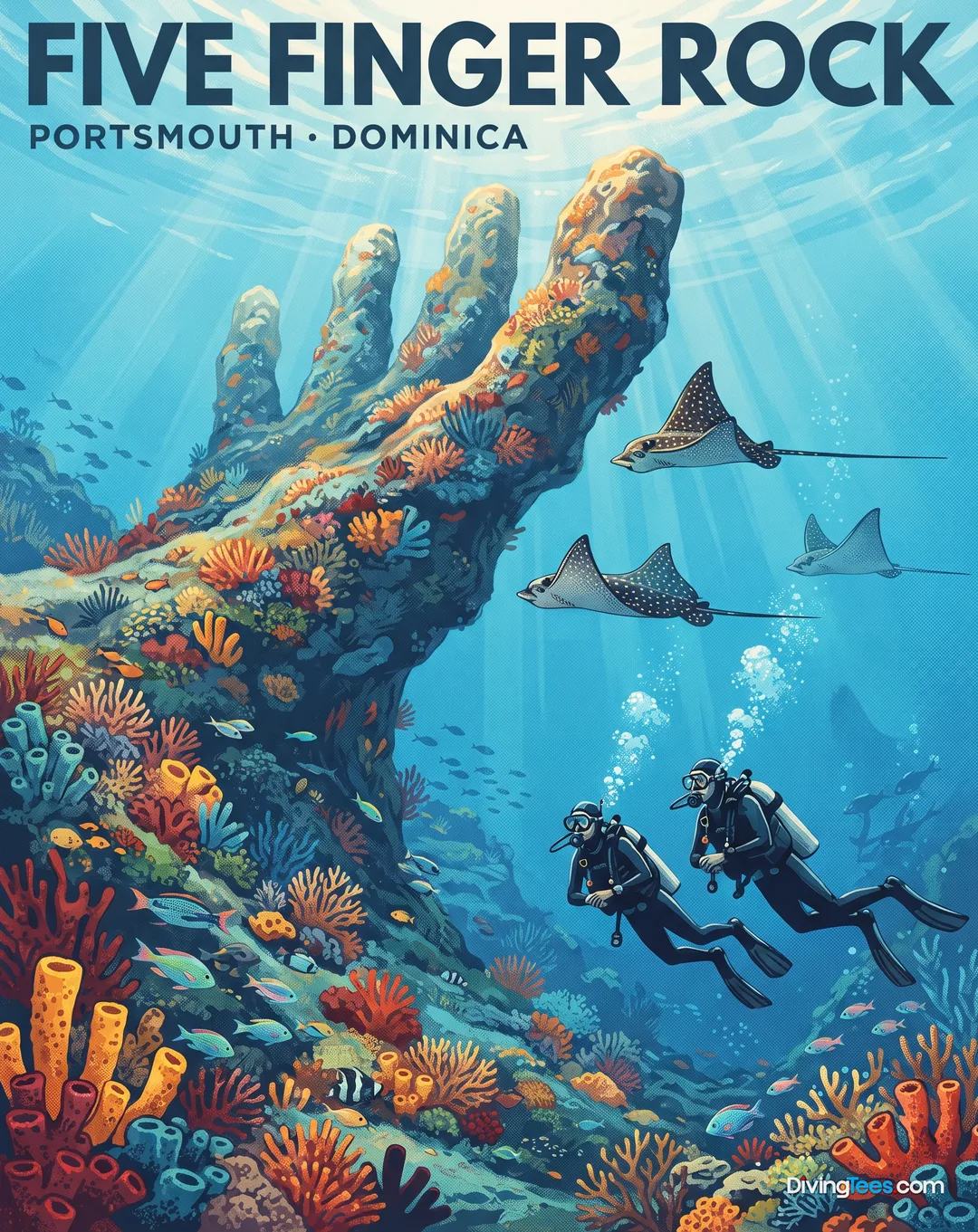
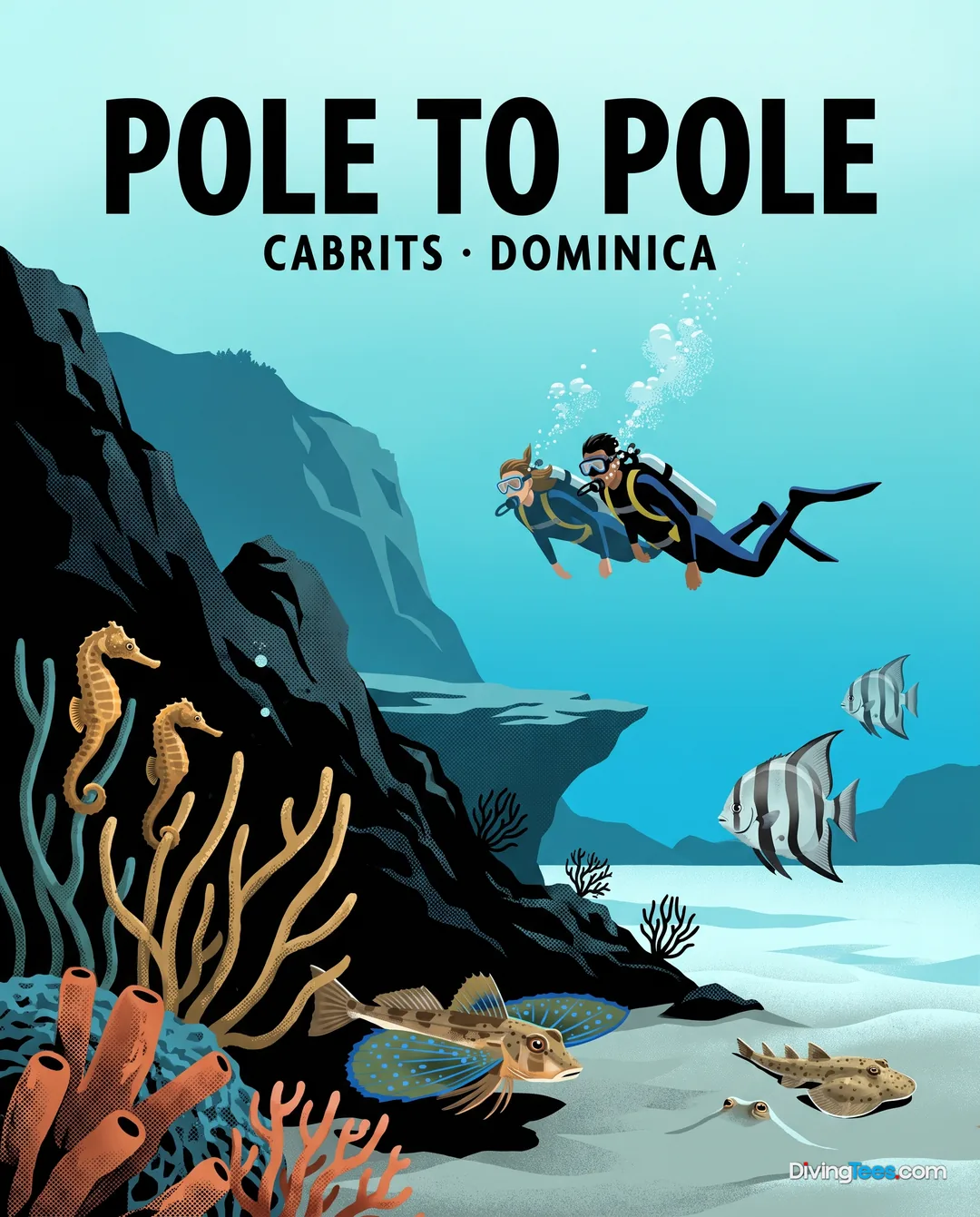
The diving is built around boat trips, with sheltered conditions in the north-west helping operators choose between reefs, walls, wrecks and volcanic features according to swell and weather. Profiles range from the five-metre shallows of Pole to Pole and Five Finger Rock to 36 metres at Shark’s Mouth and One Finger Rock. Expect sloping reefs, steep walls, caves, arches and sandy bottoms rather than one repeated underwater template. At Prince Rupert Bay Volcano Site, bubbles rise through the seabed and warm colourful sulfur deposits beside large sponges and brain corals. Sunshine Reef begins on a ten-metre sandy plateau before dropping into a wall beyond 30 metres. Currents are variable: Pole to Pole and Plume Plateau are generally calm, while Point Break is an advanced passage dive with significant current. No dependable visibility figure is established for planning purposes.
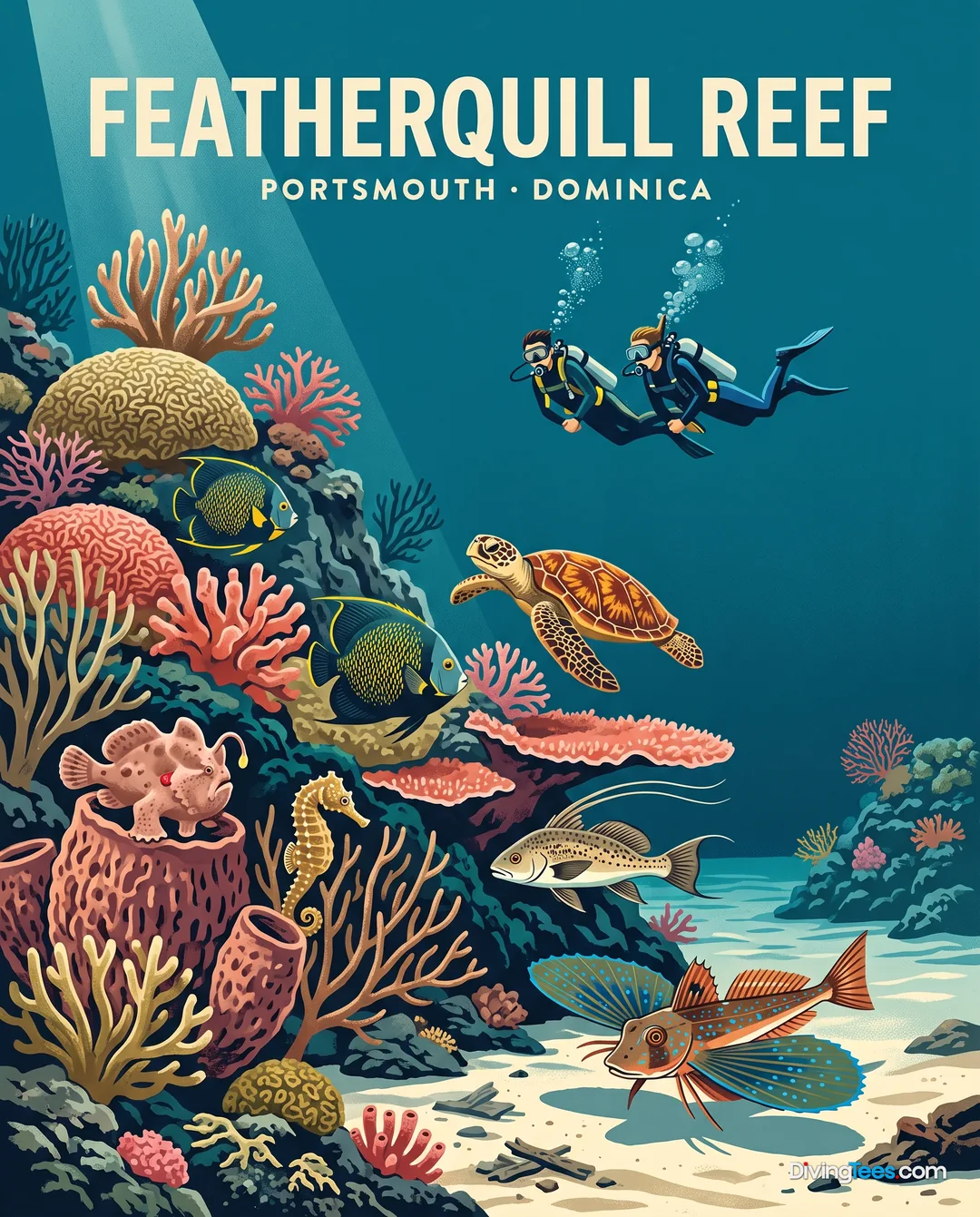
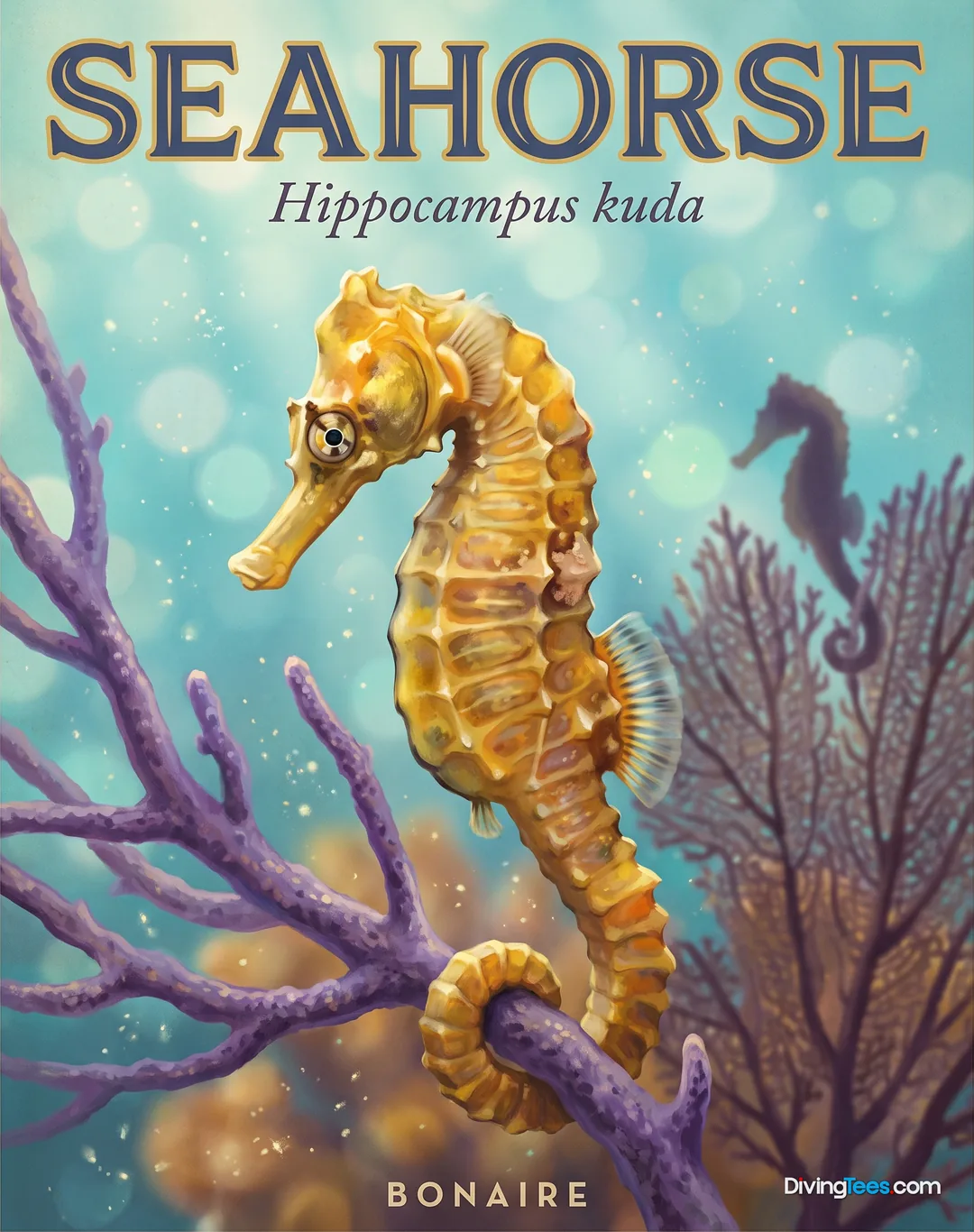
The animal interest is spread between close observation and larger reef encounters. Pole to Pole is the place for patient searching beneath the pier, where seahorses, batfish and flying gurnards may reward a slow, careful dive, including at night. Five Finger Rock is associated with spotted eagle rays, while Heavenly Cove brings the possibility of large barracudas and rays. Sandy areas add a different kind of interest: Plume Plateau is known for the elusive walking sponge, and Featherquill Reef’s sea-pen fields create a distinctive background for small reef life. Southern stingray and ray encounters are part of the local picture. Site choice and guide briefing matter more than planning around a particular month.
Portsmouth is best approached with a flexible diving calendar rather than a fixed wildlife season. The useful reason is practical: local boats choose sites around weather, swell and the shelter available along the north-west coast, so a stay with several diving days gives more room to use the conditions well. A five- to seven-day stay is therefore sensible, allowing repeated boat dives without forcing every outing into the same sea state. Keep one non-diving day available for weather changes or inland touring.
This coast is exposed to sargassum strandings, whose intensity varies greatly from year to year. To find out more, see the “Sargassum alert” panel on this page.
The area suits all levels, provided the site and depth are matched to the diver. Pole to Pole, Plume Plateau and the shallower parts of Five Finger Rock offer relaxed profiles, while the Nadine L. wreck at Cannon Site is a straightforward introduction to wreck diving. Shark’s Mouth, Sunshine Reef and Toucari Caves provide more depth and structure for experienced recreational divers. Prince Rupert Bay Volcano Site reaches 35 metres, and Point Break requires comfort with significant current and changing conditions. PADI, SSI and BSAC divers should carry proof of relevant experience, with Nitrox useful for repeated boat dives.
From London, departures can be made from Heathrow or Gatwick; Manchester is the other useful British starting point. Portsmouth is not an airport gateway, so the journey requires at least one connection through the Caribbean or North America before arrival at Douglas–Charles Airport. From there, the final leg is by road to the town on Dominica’s north-west coast. Once in Portsmouth, the practical arrangement is local: accommodation is usually in or near town, with divers travelling to the dive centre or boat departure point. The trip is therefore easier to manage when the room is chosen for access to the departure point rather than for a beachfront resort setting.
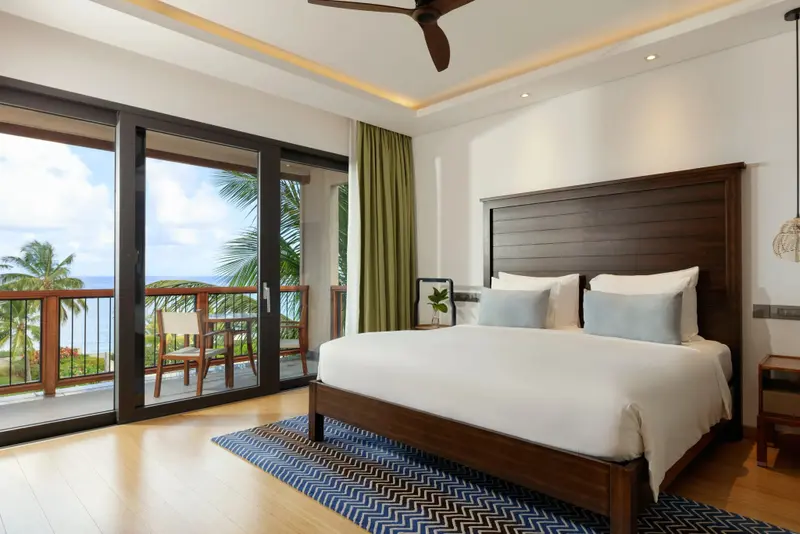
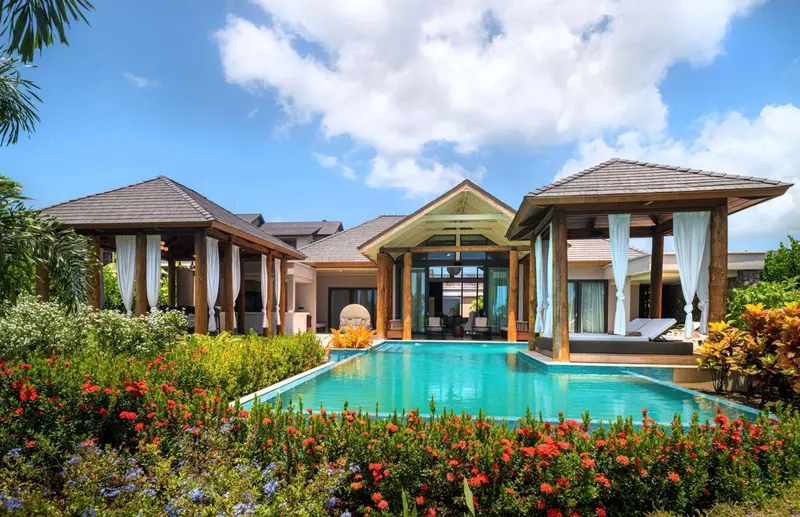
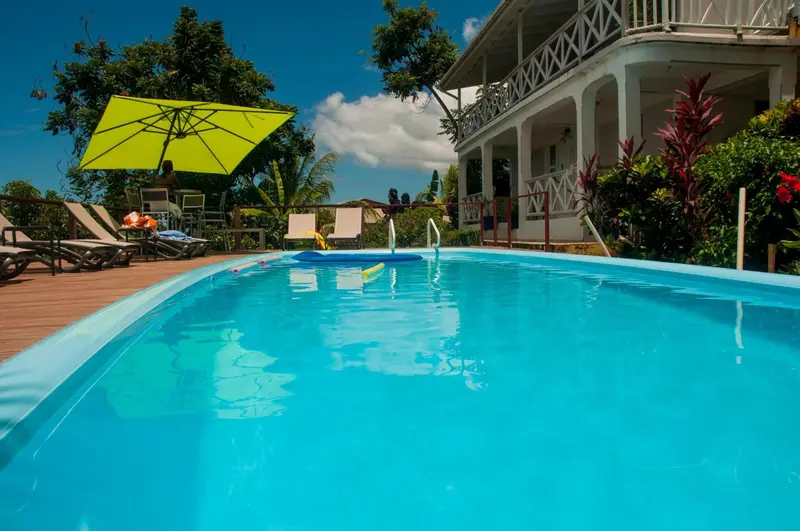
Treat Portsmouth as a boat base, not as a shore-diving resort. That expectation matters: the useful choice of accommodation is proximity to the departure point, not a wide beach or a large resort complex. Bring the mask and computer that fit and function reliably; a small-island, operator-led setup may have less spare inventory than a major resort. Ask about earlier departures and smaller boats if a quieter day matters, since crowding is more likely to come from local scheduling or a ship day than from a continuous resort belt. Plan several consecutive diving days rather than trying to divide the island into distant dive districts. Do not assume a Portsmouth-specific marine-park ticket or permit is part of the routine without checking before arrival. Underwater, use relaxed finning and careful buoyancy around the sea pens, sponges, corals and volcanic deposits; no touching, collecting or anchoring is the sensible standard here.
A five- to seven-day land stay works well. Most days can be built around boat diving from Portsmouth, with the site choice adjusted to the sea state and the available shelter. Leave room for a slower day at Pole to Pole or Plume Plateau, and keep a non-diving day for Portsmouth, coastal sightseeing or an inland island tour. Non-divers have the wider island to explore rather than a dedicated resort programme. As usual after repeated diving, the day before flying should remain free of strenuous water activities.
Hello, I'm Marina, DivingDeal.com's AI assistant. I guide you through destinations, areas and countries.
Thinking about the whole trip and the flights? Talk it over with Edith →
Marina is an AI. Some links are affiliate links: DivingDeal may earn a commission, at no extra cost to you. Bookings are made with the partner.
Choose Portsmouth with a flexible diving calendar rather than around a fixed wildlife season. Local boats select reefs, walls, wrecks and volcanic sites according to weather, swell and available shelter along the north-west coast. Several diving days give you more opportunities to use suitable conditions and adjust site choices.
Portsmouth suits different experience levels when you match the site and depth to your ability. Pole to Pole, Plume Plateau and shallower Five Finger Rock offer relaxed profiles, while the Nadine L. wreck provides a manageable introduction to wreck diving. Point Break requires comfort with significant current and changing conditions.
Portsmouth offers volcanic gases and sulfur deposits, sponge-covered reefs, steep walls, coral arches and sandy plateaux. You may search for seahorses, batfish and flying gurnards beneath the pier, encounter spotted eagle rays at Five Finger Rock, and see sea-pen fields, walking sponges, barracudas and rays.
Plan Portsmouth as a land-based boat-diving base, choosing accommodation near the departure point rather than a beachfront resort. A stay with several diving days allows site choices to follow sea conditions, while keeping a non-diving day provides flexibility for weather changes or inland touring. Arrange your final travel day conservatively.