
Atlantis Plongee
Google 5/5 (511 reviews)
Guadeloupe · Caribbean
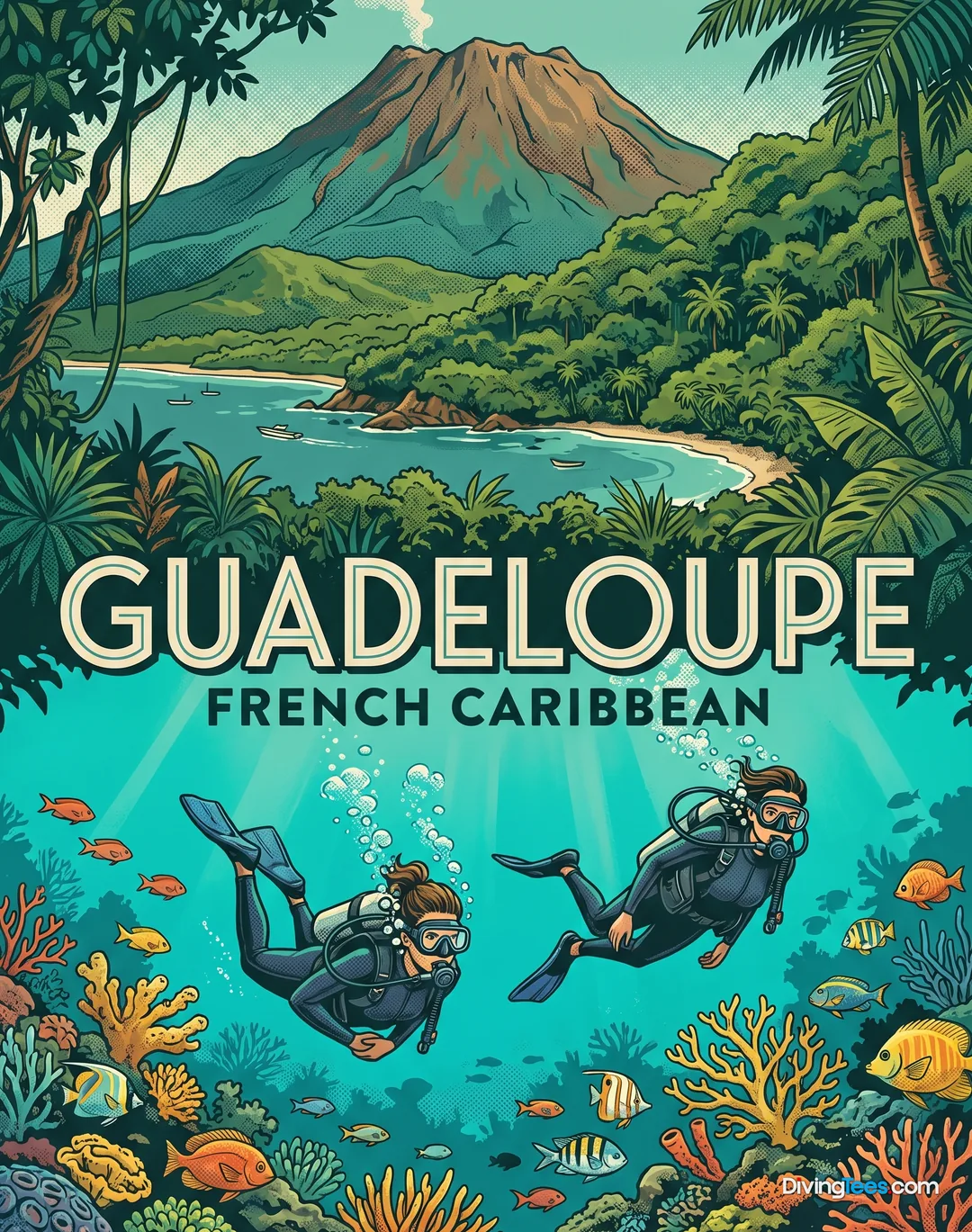
Volcanic coastal reliefs, wrecks in Bouillante Bay and the forested Pigeon Islets meet within a practical shore-based Guadeloupe diving stay
For subtitles in English: start the video firstthen click the gearat the top right of the video, select “Subtitles/CC”, then “Auto-translate” and choose “English”.
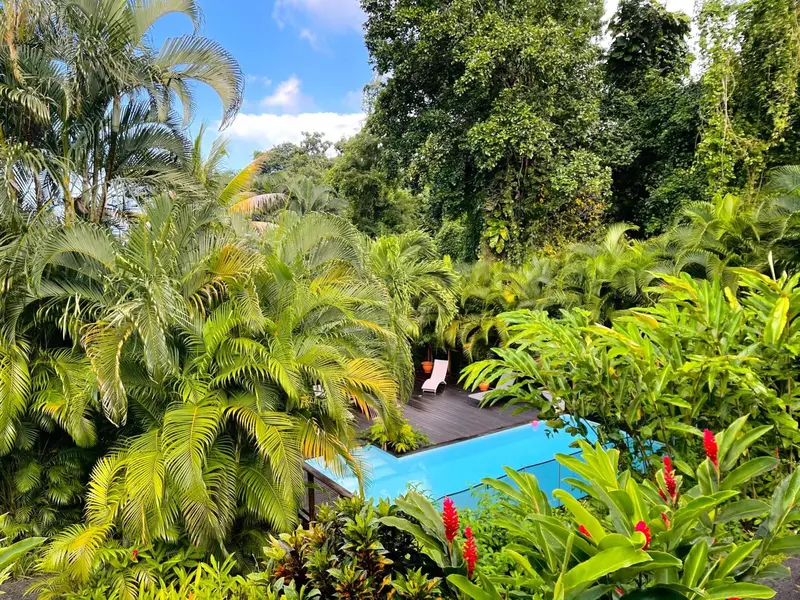
The Pigeon Islets are the visual anchor of a Bouillante stay: forested islets offshore, reached by boat or kayak from Malendure, with the volcanic coast of Basse-Terre behind them. This is a base for repeating local dives without living aboard, then changing the scenery with wrecks in Bouillante Bay, a night dive or a longer day trip towards the Sec Pâté. The arrangement suits divers who want variety without changing hotel or island.
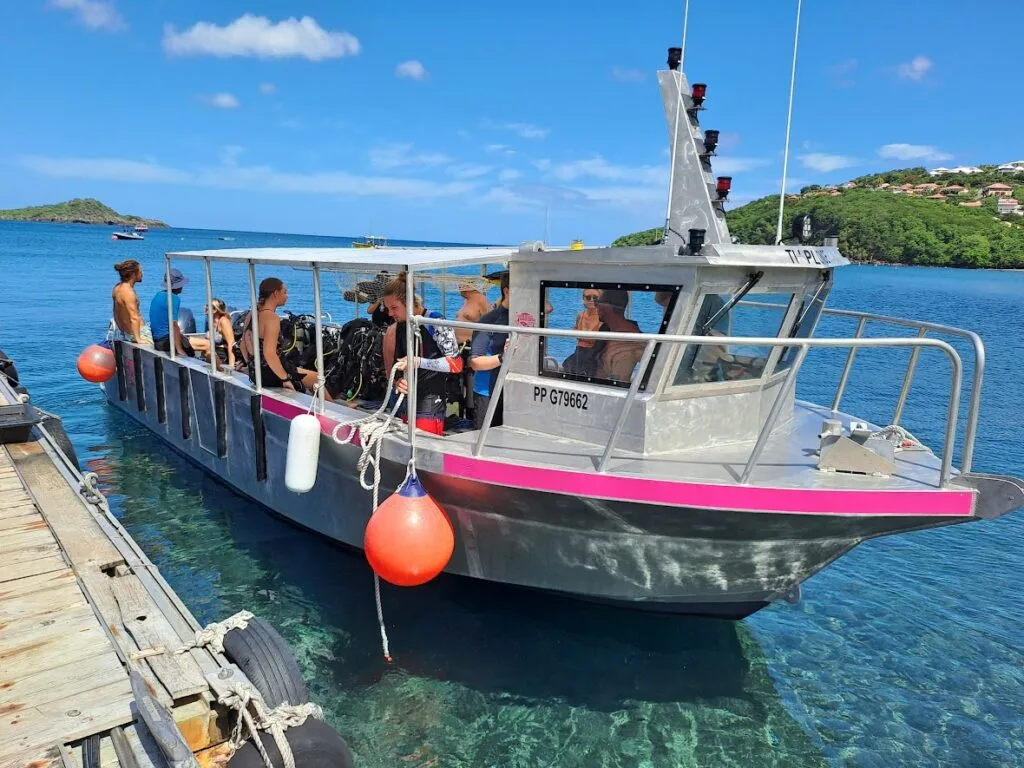
Diving is mainly by boat from Malendure, with the Pigeon Islets providing the close, protected focus and Bouillante Bay adding wreck exploration. Beyond those familiar departures, centres run towards southern sites and the more distant Sec Pâté, so the day’s character depends on the weather, the boat plan and your qualification. Expect reef, volcanic coastal relief and wreck rather than one repeated format. Currents are variable, and a site that looks straightforward on the chart may demand better control on the day. Visibility can also change with runoff, swell and plankton, so fixed expectations are unhelpful. The local programme includes training, guided exploration, autonomous diving, night dives and deeper outings. Ask what is actually planned, rather than assuming that a booking near Malendure automatically includes every sector around Bouillante.
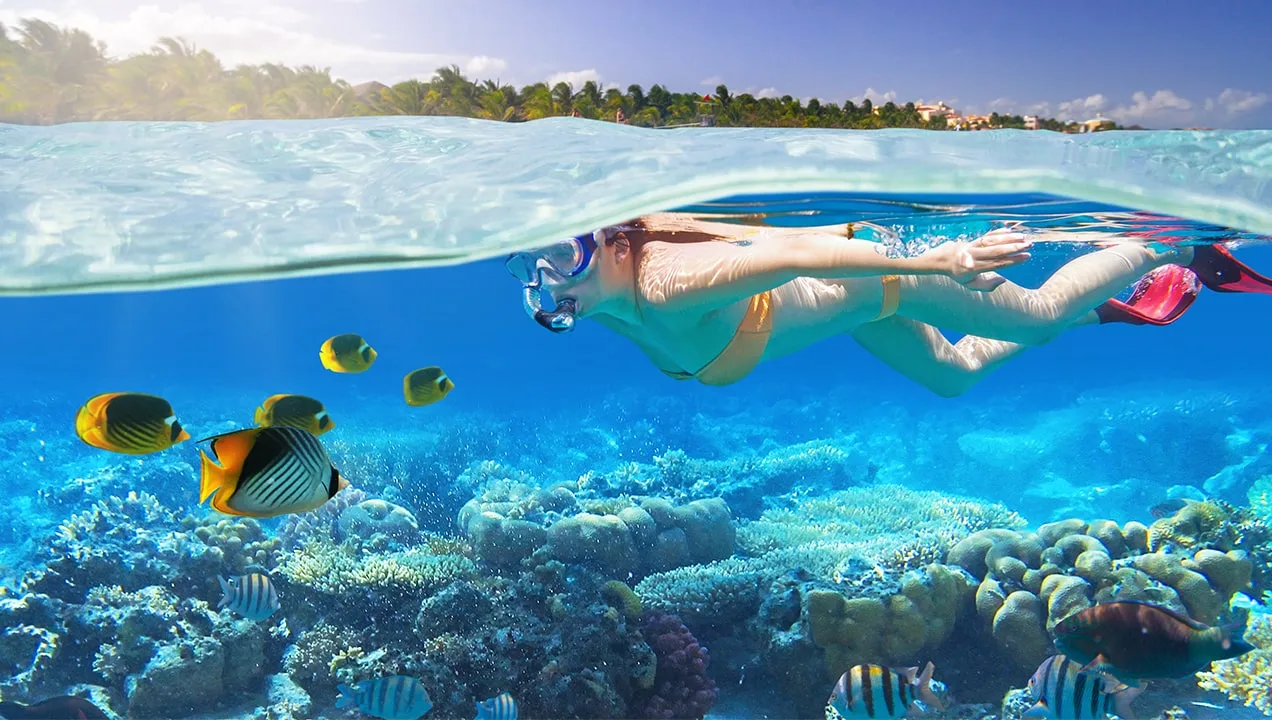
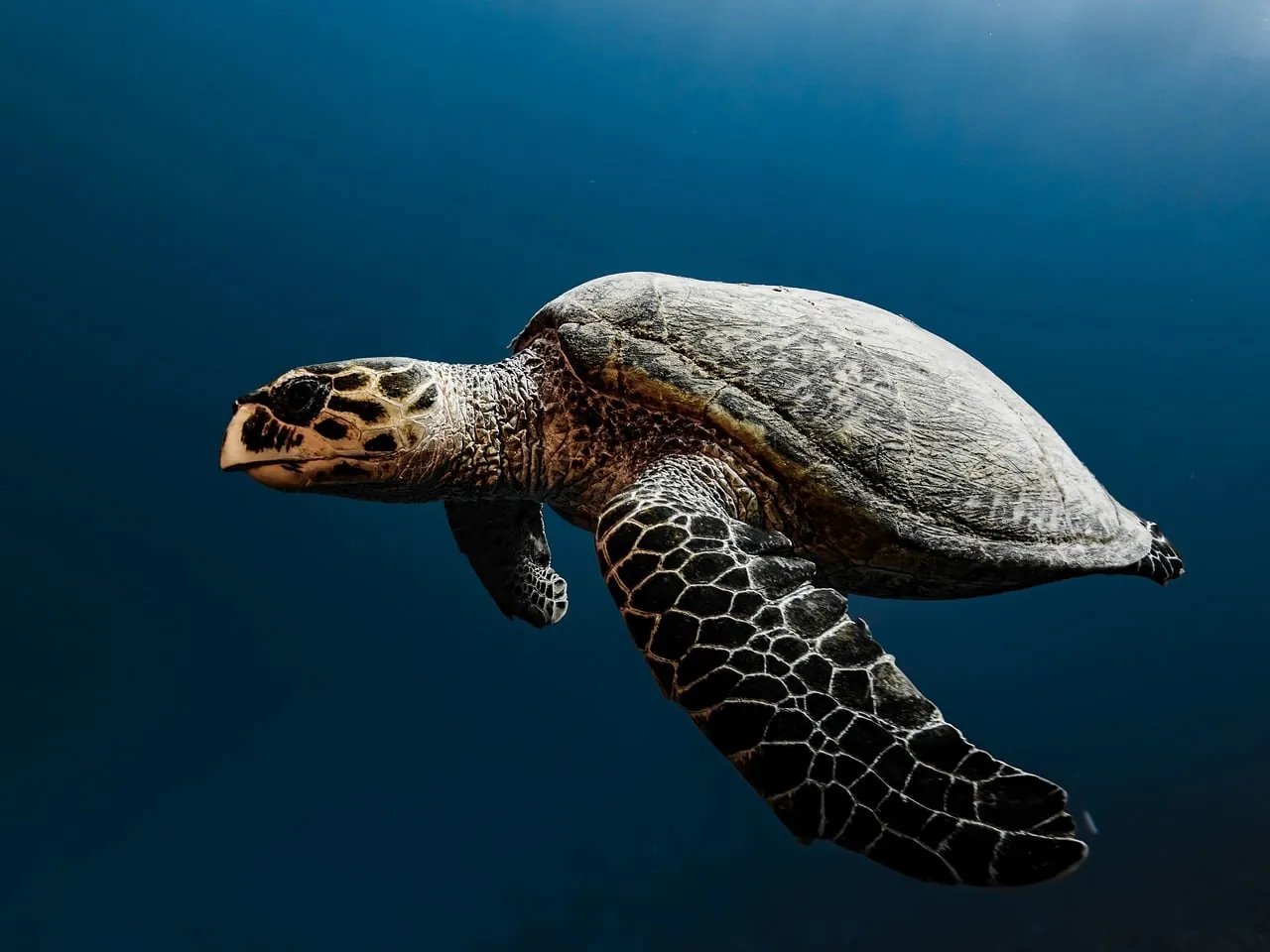
Around the Pigeon Islets, the underwater setting is shaped by reef and volcanic relief inside the marine heart of Guadeloupe National Park. Bouillante Bay brings a different encounter, with wrecks replacing the open-islet scenery, while night diving changes the character of familiar sites after dark. Marine fauna is protected by clear local rules: do not touch, capture or feed it. The area is also used for snorkelling and kayak trips, so surface activity can be part of the setting around Malendure. There is no established seasonal wildlife window to build the trip around. Come for the combination of reef, wreck and volcanic landscape, and let the day’s site and conditions determine what appears.
Bouillante has no single calendar period that can sensibly be presented as the automatic answer. Plan around the kind of diving you want, then keep some flexibility for runoff, swell and changing visibility, particularly if a longer trip to the Sec Pâté matters. The Pigeon Islets and Malendure can be busy with several dive centres and snorkelling groups, but the busiest part of the year is not fixed here. A stay of about a week works well because it leaves room for local reef dives, a wreck or night dive, an excursion farther along the coast and a day out of the water.
This coast is exposed to sargassum strandings, whose intensity varies greatly from year to year. To find out more, see the “Sargassum alert” panel on this page.
Beginners can start with a baptism, supervised exploration or training, while experienced divers can arrange autonomous and deeper outings where their qualification allows. A Level 2 or equivalent is useful if you want more independence and depth, and night or wreck qualifications help for the corresponding programmes. Currents are variable, so honest matching of diver and site matters more than treating Bouillante as one uniform level. BSAC, PADI and SSI divers should confirm how each centre maps their certification to the planned dive.
From London Heathrow, London Gatwick or Manchester, allow a journey with a frequent connection before reaching Guadeloupe–Pôle Caraïbes Airport. Bouillante is then reached by road, crossing Grande-Terre, continuing over Basse-Terre and following the west coast southwards. There is no ferry to arrange and no domestic flight needed. The Pigeon Islets are not a land-access attraction: reach them by dive boat or kayak from Bouillante. A hire car is useful because Bouillante stretches along a hilly coast, accommodation is spread between the shoreline and the heights, and different dive departures may not be close together. If you stay away from Malendure, allow for driving or arrange a transfer rather than assuming a shared shuttle.
For a first visit, stay as close to Malendure as practical if the Pigeon Islets are the main reason for coming. The dive centres and boat departures cluster around the beach and Malendure Rock, whereas accommodation elsewhere in Bouillante may mean a daily drive. Before booking, ask whether the programme is limited to the Pigeon Islets or includes Bouillante Bay wrecks, night diving, southern sites and the Sec Pâté. The islets are offshore, not a walk-in shore dive, and different centres do not necessarily visit the same sectors. Around the protected marine heart, boats use the regulated moorings: never accept or request an anchor on the seabed. Take sun and spray protection for the boat, and do not rely on every small item being available onboard. Keep a non-diving day before flying, and use it for the coast or the national park rather than squeezing in a final deep dive.
Bouillante works best as a land-based week, with repeated boat departures from Malendure and enough space between them to explore beyond the Pigeon Islets. Pair a local reef outing with a Bouillante Bay wreck, add a night dive if qualified, and reserve a full day for a more distant trip such as the Sec Pâté. Non-divers have kayak, snorkelling and coastal options, while the volcanic landscape and national park give the stay a useful day above water.
Hello, I'm Marina, DivingDeal.com's AI assistant. I guide you through destinations, areas and countries.
Thinking about the whole trip and the flights? Talk it over with Edith →
Marina is an AI. Some links are affiliate links: DivingDeal may earn a commission, at no extra cost to you. Bookings are made with the partner.
Choose Bouillante according to the diving you want, while keeping your schedule flexible for runoff, swell and changing visibility. This matters especially if you want a longer trip towards the Sec Pâté. There is no established seasonal wildlife window, so plan for reef, wreck and volcanic scenery rather than a particular animal encounter.
Bouillante suits beginners through experienced divers, with baptisms, supervised exploration and training available. Qualified divers can arrange autonomous or deeper outings, while night and wreck programmes require suitable qualifications. Currents are variable, so match your experience honestly to the planned site and confirm how your BSAC, PADI or SSI certification is recognised.
In Bouillante, you can explore reef and volcanic relief around the forested Pigeon Islets, then find a different setting among wrecks in Bouillante Bay. Night diving changes familiar sites after dark, while farther outings can reach southern sites and the Sec Pâté. Visibility and marine life vary with conditions and the day’s location.
Base yourself near Malendure if the Pigeon Islets are your focus, since boat departures and dive centres cluster there. Check whether your centre visits wrecks, night sites, southern areas and the Sec Pâté, and consider a hire car if staying elsewhere. Keep a non-diving day before flying and reach the islets by boat or kayak.