
Scubaqua
Google 4.7/5 (107 reviews)
5 km away as the crow flies
St Eustache · Sint Eustatius · Caribbean
Max. depth · 40 mExplore a unique underwater landscape sculpted by ancient lava flows, where deep canyons and steep walls meet the pelagic realm.
For subtitles in English: start the video firstthen click the gearat the top right of the video, select “Subtitles/CC”, then “Auto-translate” and choose “English”.
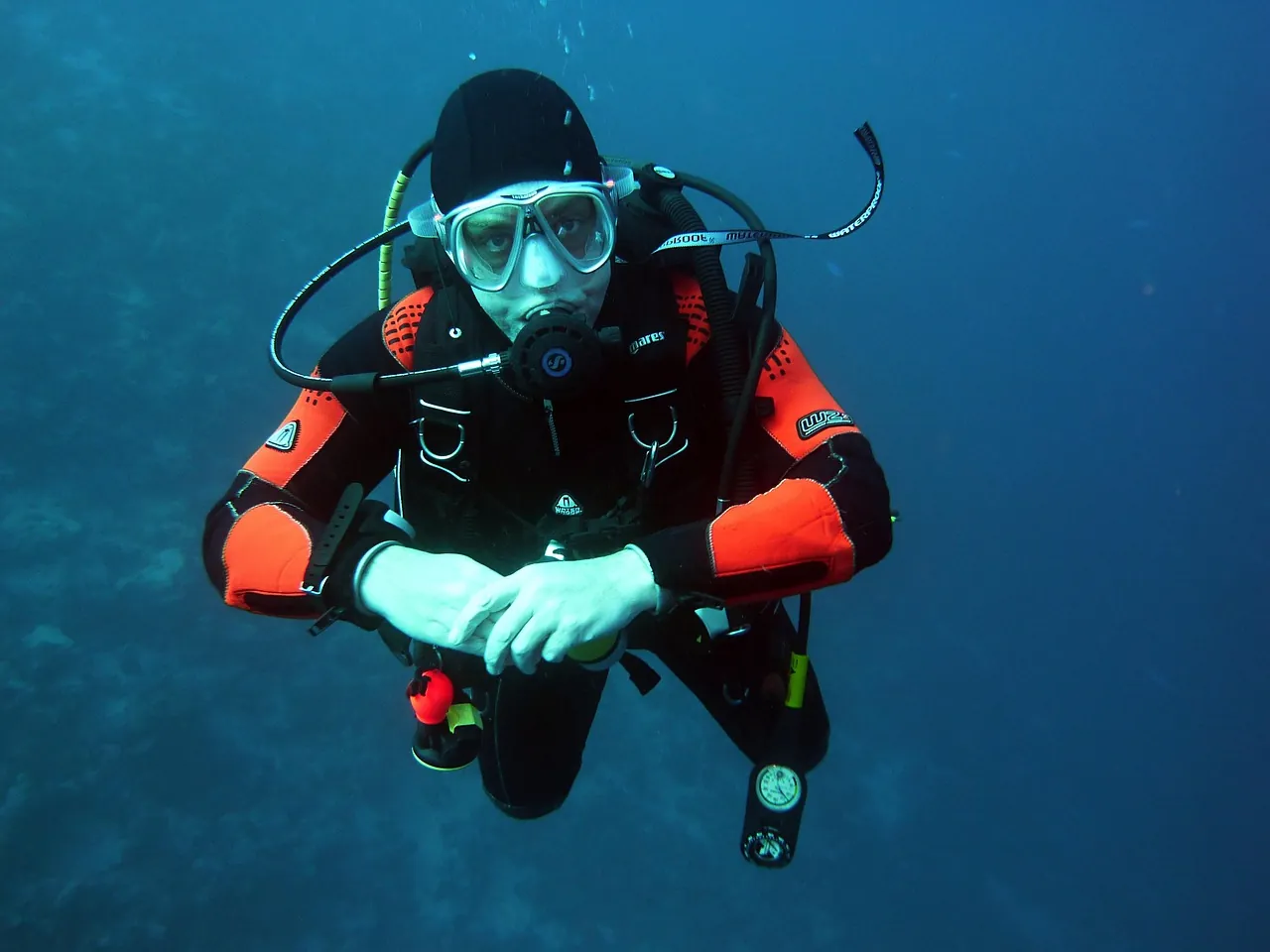
Diving Grand Canyon takes you to the submerged slopes of St Eustache's volcano, on the island's southwest side. Here, ancient lava flows have sculpted an intricate underwater topography, characterized by abrupt walls and deep canyons. As you descend, you'll find yourself navigating between these sheer faces, a vivid testament to the island's volcanic past, with the dramatic relief creating a sense of scale reminiscent of its terrestrial namesake.
The dive profile at Grand Canyon usually begins with a descent along these impressive lava formations. The walls are not just barren rock; they are vibrant canvases colonized by deep sea fans, swaying gently in the subtle underwater movements, and intricate wire corals that spiral outwards from the rock face. These coral gardens provide shelter and sustenance for various reef inhabitants, setting the stage for what you might encounter.
Keep a keen eye on the larger blue, as Grand Canyon is a regular haunt for pelagic species. Spotted eagle rays (Aetobatus narinari) are known to glide gracefully past the deeper sections, their distinctive patterns a welcome sight against the open water. You may also encounter Caribbean reef sharks (Carcharhinus perezi) patrolling the edges of the canyon, using the deeper contours as hunting grounds and thoroughfares.
The fissures within the lava flows create secluded hideaways where you might spot groups of lobsters. These crustaceans tuck themselves into the cracks and crevices, their antennae often peeking out as they survey their surroundings. This intricate network of shelters contributes to the site's rich biodiversity, offering countless small discoveries for those who take the time to look closely.
A typical dive at Grand Canyon often incorporates a multi-level profile, concluding in the shallower waters of the adjacent 'Humps' dive site. This transition allows for extended bottom time and a gentler ascent, enabling you to experience varying ecologies and marine life as you gradually make your way to shallower depths. The shift from the dramatic deep walls to the more gentle reef of the Humps creates a complete and varied dive experience, encompassing different aspects of St Eustache's underwater world.
Grand Canyon is an Advanced dive, reaching a maximum depth of 40 meters. The dive typically involves exploring the steep lava walls and canyons before ascending to shallower areas. Currents are generally very mild, allowing for comfortable exploration of the site's unique features.
Grand Canyon is an Advanced dive for divers comfortable exploring steep lava walls and underwater canyons. The profile begins along deeper volcanic formations before moving through shallower areas, creating a multi-level route that finishes at the adjacent Humps dive site.
Grand Canyon reaches a maximum depth of 40 meters. You descend along steep walls and canyons formed by ancient lava flows, then gradually ascend through shallower reef sections. The multi-level profile ends at the adjacent Humps dive site, allowing you to experience changing depths and underwater environments.
Currents at Grand Canyon are generally very mild, allowing you to explore the site's lava walls, canyons, deep sea fans, and wire corals comfortably. The gentle underwater movement also supports a gradual multi-level dive, from deeper volcanic formations toward the shallower reef sections.
At Grand Canyon, you can explore dramatic underwater canyons and steep walls formed by ancient lava flows. Deep sea fans and wire corals cover the rock faces, while spotted eagle rays and Caribbean reef sharks may pass through the blue. Lobsters hide in fissures, and the dive ends over shallower reef sections.