
Scubaqua
Google 4.7/5 (107 reviews)
2.3 km away as the crow flies
St Eustache · Sint Eustatius · Caribbean
Max. depth · 31 mDive the Charles Brown, a 100-meter former AT&T cable layer deliberately sunk at 31 meters, now teeming with marine life, including banks of Bigeye Trevally and resident barracudas.
For subtitles in English: start the video firstthen click the gearat the top right of the video, select “Subtitles/CC”, then “Auto-translate” and choose “English”.
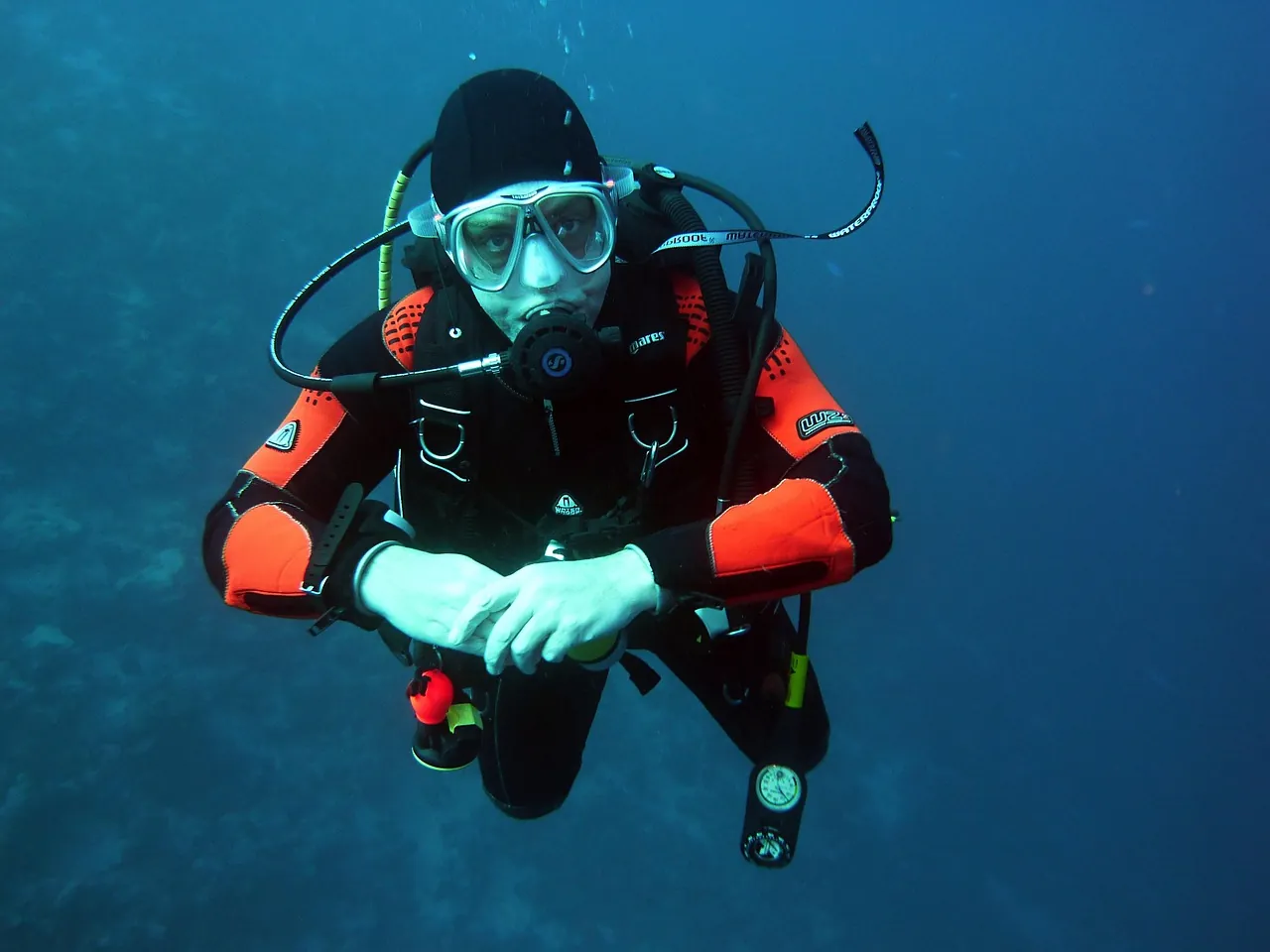
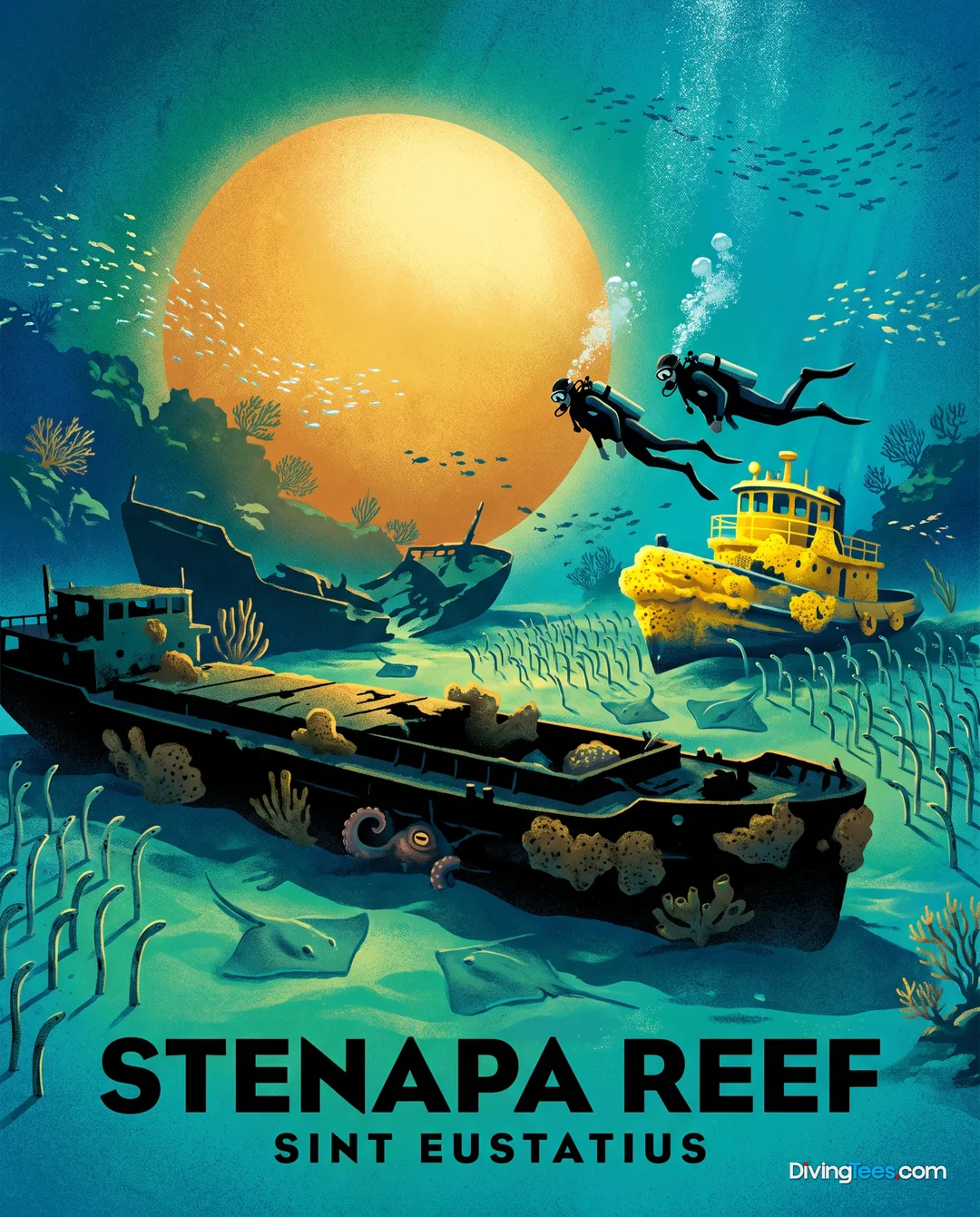
Dropping onto the Charles Brown is an experience defined by its sheer scale; at 100 metres long, this former AT&T transatlantic cable layer completely dominates the seascape below. Sunk intentionally on July 25, 2003, it quickly transformed from a sterile steel hulk into a thriving artificial reef. As you descend, the vast silhouette emerges through the blue, revealing the intricate details of its structure, now softened by growing marine organisms. The intention behind its sinking – to create new habitat – is evident from the first moments of the dive.
The main deck of the Charles Brown, starting around 18 meters, offers an excellent vantage point for less experienced divers to explore the wreck's upper sections safely. Here, the deck and former cable spools are extensively covered in deep sea fans and sponges, creating a vibrant tapestry of colour and texture. You'll find yourself gliding over these living carpets, observing the numerous small creatures that have made this complex structure their home. It's a testament to the ocean's ability to reclaim and regenerate, turning human debris into thriving ecosystems.
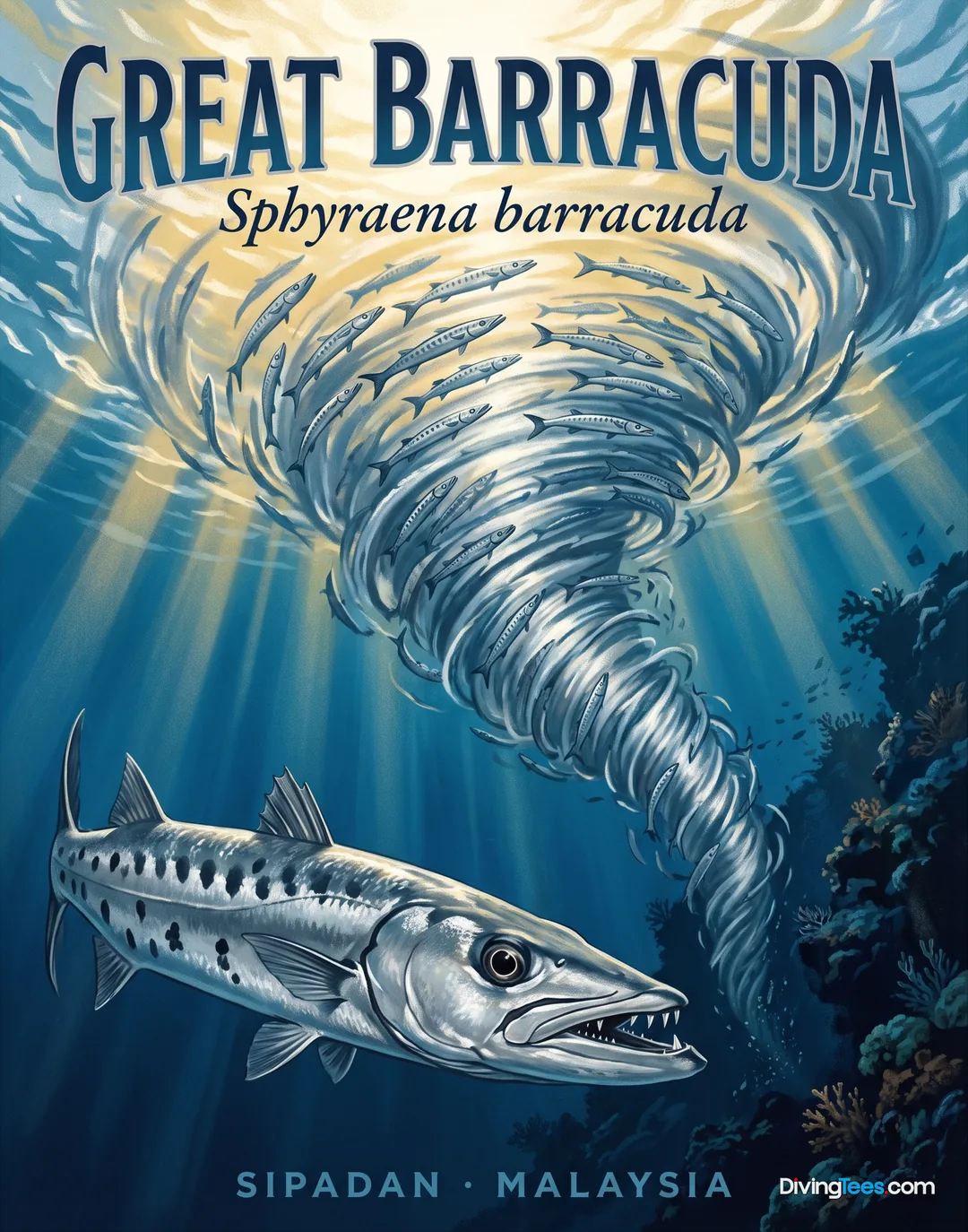
Above the wreck, the waters are often alive with dense schools of Bigeye Trevally (Caranx sexfasciatus), their silver scales flashing as they move in unison. These active predators add a dynamic element to the dive, constantly circling and reforming their silvery formations. Below them, massive barracudas, including a well-known resident nicknamed “Charlie”, patrol the wreck's structure with an air of confident territoriality. Encountering these apex predators adds a thrilling dimension to exploring the Charles Brown, reminding you of its role in the larger food web.
Closer to the bottom, especially in the sand surrounding the wreck at its maximum depth of 31 meters, you’ll discover a different world. Large congregations of Yellowhead Jawfish (Opistognathus aurifrons) dart in and out of their sandy burrows, their vibrant yellow heads a stark contrast to the seabed. Angelfish (Pomacanthidae) gracefully pick at the nascent growth on the wreck, while sea turtles, often Leatherback (Dermochelys coriacea) or Hawksbill (Eretmochelys imbricata), cruise serenely by, seemingly undisturbed by your presence. The combination of pelagic action and benthic density makes every dive unique.
Keep an eye out for larger visitors; reef sharks (Carcharhinus perezi) are frequent patrols, their sleek forms gliding along the wreck's perimeter. These confident hunters demonstrate the health of this artificial reef system, using its structure for hunting and shelter. If fortune smiles upon you, you might also catch a glimpse of the striking Spotted Eagle Ray (Aetobatus narinari), its wings slicing through the water with effortless grace. These encounters underscore the diversity that the Charles Brown now supports, far beyond its initial purpose as a trans-oceanic conduit.
The Charles Brown Wreck is accessible to divers holding Open Water Diver certification for the upper sections, with the full wreck to 31 meters best explored by Advanced Open Water divers. Water temperatures typically range from 26°C to 30°C, offering comfortable diving conditions year-round. While currents are generally mild in the area, they can occasionally pick up, influencing the dive profile. September is best avoided due to hurricane season and boat maintenance.
You can dive Charles Brown Wreck year-round, with water temperatures typically ranging from 26°C to 30°C. September is best avoided because it coincides with hurricane season and boat maintenance. Outside that period, the site offers comfortable water temperatures for exploring its former cable-layer structure and artificial-reef marine life.
You can explore the upper sections of Charles Brown Wreck with Open Water Diver certification. The main deck begins around 18 meters, while the full wreck reaches 31 meters and is best explored by Advanced Open Water divers. This lets you choose between the shallower deck and a deeper complete-wreck experience.
Currents at Charles Brown Wreck are generally mild, creating manageable conditions around the former cable layer and its surrounding reef habitat. They can occasionally pick up, however, and that change may influence your dive profile. You should remain attentive to current conditions while moving across the wreck and around its perimeter.
At Charles Brown Wreck, you can explore a 100-meter former cable layer covered with deep sea fans, sponges, and marine growth. Dense schools of Bigeye Trevally gather above it, while barracudas, including Charlie, patrol the structure. Near the bottom, you may see Yellowhead Jawfish, Angelfish, reef sharks, sea turtles, and Spotted Eagle Rays.