

Scubaqua
Google 4.7/5 (107 reviews)
3.8 km away as the crow flies
St Eustache · Sint Eustatius · Caribbean
Max. depth · 18 mDescend into Aquarium, where a vibrant rock formation on a sandy seabed creates a magnet for diverse marine life, from garden eels to nudibranchs.
For subtitles in English: start the video firstthen click the gearat the top right of the video, select “Subtitles/CC”, then “Auto-translate” and choose “English”.
Dropping onto the Aquarium site, you immediately notice the central feature: a substantial rock formation rising from an otherwise flat, sandy and seagrass-covered seabed. This geological anomaly acts like a desert oasis, drawing in a concentrated population of marine species, making it a focal point for exploration. The surrounding sand, seemingly barren at first glance, quickly reveals itself to be a lively habitat, especially for creatures adept at camouflage or burrowing.
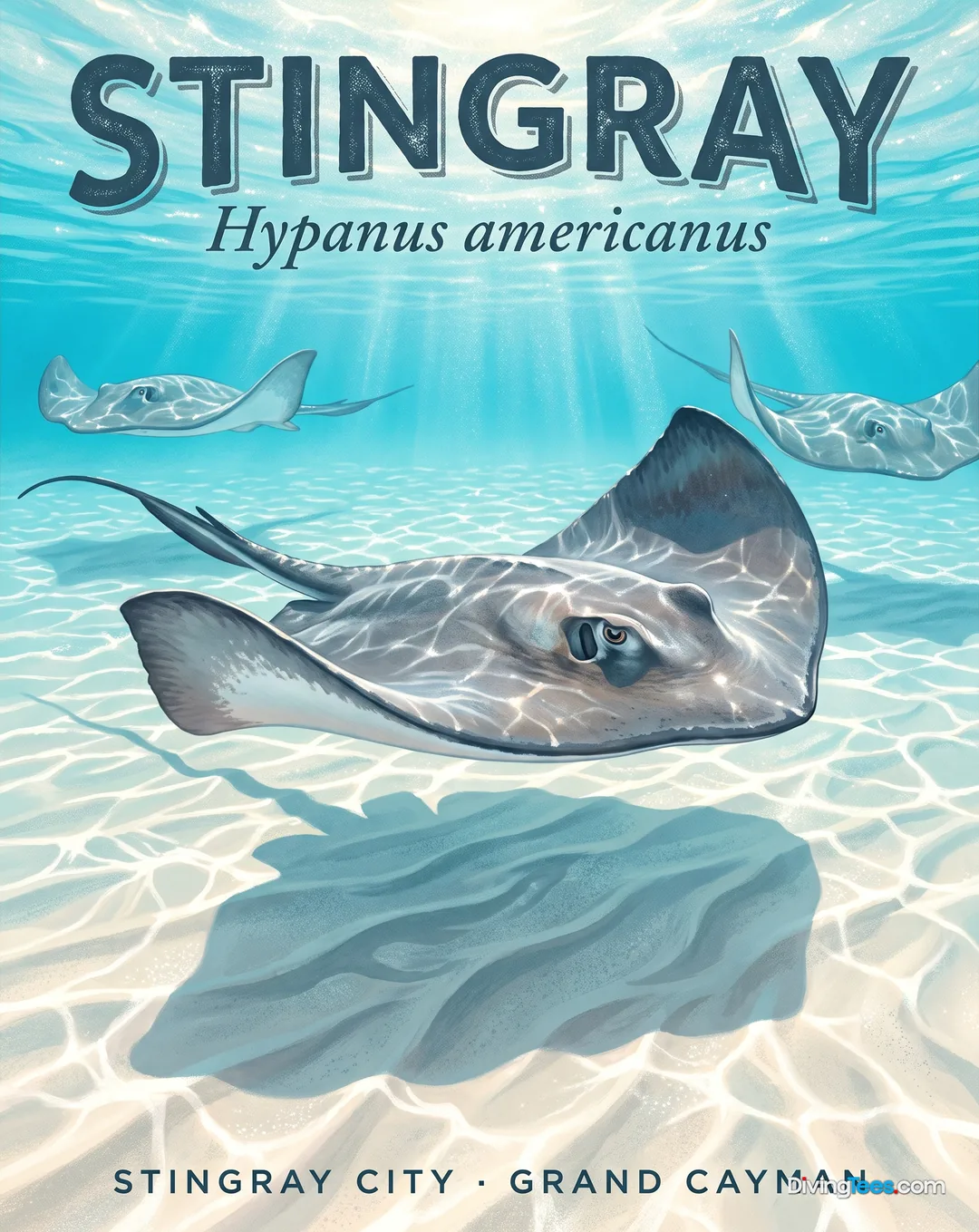
As you traverse the sandy fringes away from the main rock, your gaze will inevitably be drawn to the rhythmic swaying of garden eels (Heteroconger longissimus), their slender bodies emerging from their burrows to feed on passing plankton. Alongside them, southern stingrays (Hypanus americanus) often lie partially buried, their disc-shaped bodies perfectly blending with the granular substrate, a true test of observation skills for any diver. The transition from sand to seagrass also offers subtle changes in the resident fauna, encouraging a slower pace of exploration.
The rock itself is a tapestry of life, richly encrusted with a diverse array of sponges, hard corals, and anemones, providing shelter and hunting grounds for numerous inhabitants. Keep a keen eye out for the spotted moray (Gymnothorax moringa) peering from its crevices, and the expertly camouflaged scorpionfish (Scorpaenopsis species), blending almost seamlessly with the rocky landscape. These resident predators are masters of their domain, embodying the intricate food web of this miniature ecosystem.
Ascending towards the crest of the rock, you'll be greeted by hundreds of sergeant majors (Abudefduf saxatilis) swirling in the water column, diligently feeding on plankton. This dynamic display of schooling fish creates a vibrant, perpetual motion at the shallower depths of the site. It's a clear indicator of the nutrient-rich waters surrounding this isolated structure, supporting a trophic cascade that benefits all species present.
Beyond the smaller reef residents, the Aquarium frequently hosts larger, transient visitors. Sea turtles, particularly the green sea turtle (Chelonia mydas) or hawksbill sea turtle (Eretmochelys imbricata), are often encountered gliding gracefully over the reef or resting amongst the corals. Their presence adds a touch of majesty to the dive, reminding you of the broader pelagic world that occasionally crosses paths with this vibrant reef.
What truly sets Aquarium apart from other sites in Statia, however, is its unparalleled diversity of nudibranchs. These vibrant, shell-less mollusks, often hidden in plain sight among the sponges and hydroids, appear in greater numbers and variety here than almost anywhere else on the island. For macro enthusiasts, this site is a treasure trove, inviting close inspection and rewarding patience with stunning discoveries, from the lettuce sea slug (Tridachia crispata) to more exotic forms of these psychedelic invertebrates.
Accessible from Open Water Diver level, Aquarium offers a comfortable dive experience with a maximum depth of 18 meters. Water temperatures typically range between 26°C and 30°C. Currents are generally very mild, making for relaxed exploration, though conditions can vary. When stronger currents are present, the site can be enjoyed as a gentle drift dive.
Aquarium is accessible from Open Water Diver level and offers you a comfortable dive experience to a maximum depth of 18 meters. Water temperatures typically range between 26°C and 30°C, while generally mild currents support relaxed exploration. Conditions can vary, so you should remain attentive throughout your dive.
You can explore Aquarium to a maximum depth of 18 meters. The site drops onto a central rock rising from a flat, sandy and seagrass-covered seabed, giving you a defined focal point for exploration within that depth during your dive.
Currents at Aquarium are generally very mild, giving you a relaxed exploration experience. Conditions can vary, and when stronger currents are present, you can enjoy the site as a gentle drift dive. This lets you adapt your approach while exploring the rock, sand, and seagrass.
At Aquarium, you can look for abundant garden eels, southern stingrays camouflaged on the seabed, spotted morays, scorpionfish, and numerous sergeant majors around the rock. Sea turtles may pass over the reef, while sponges, corals, anemones, and diverse nudibranchs reward careful observation across the site.