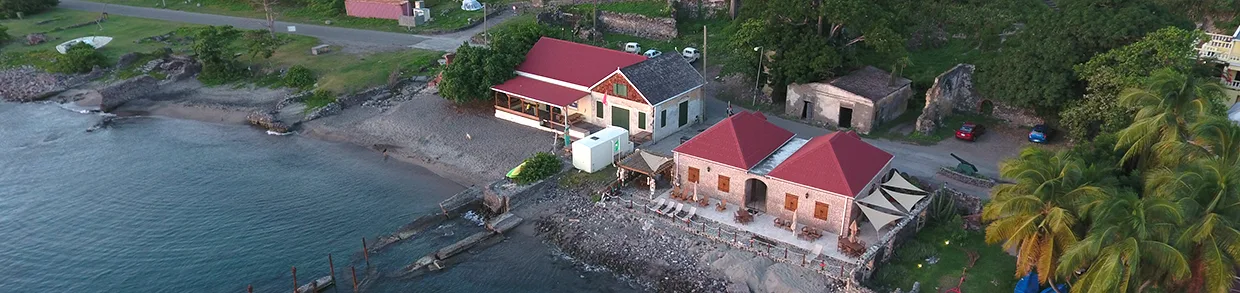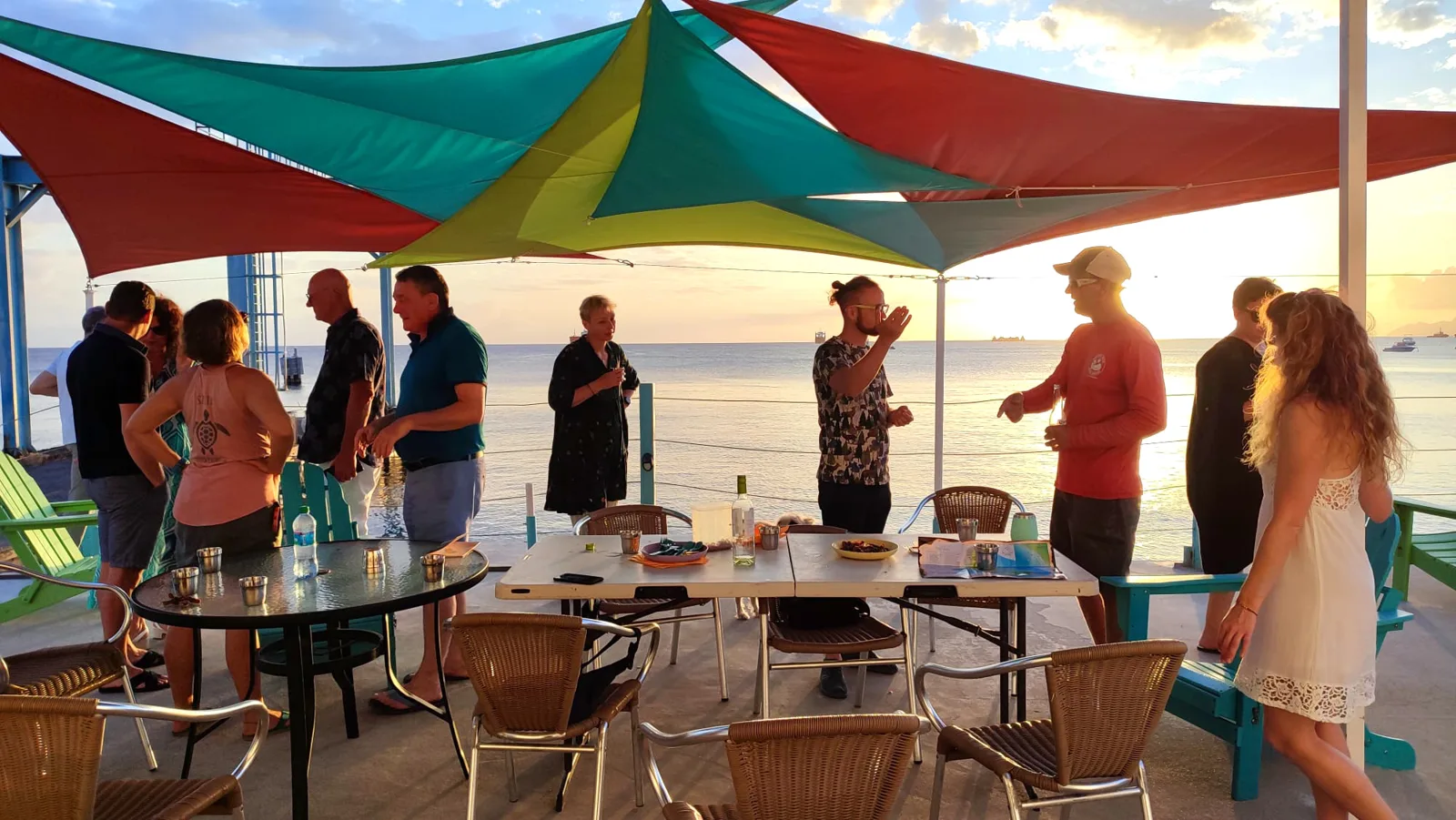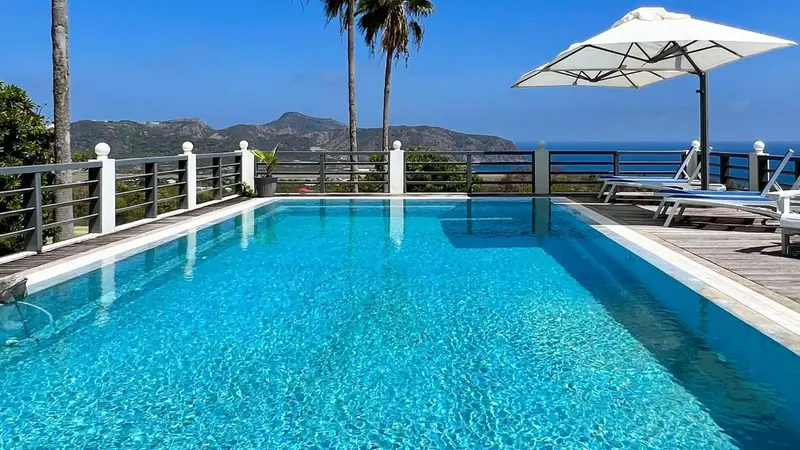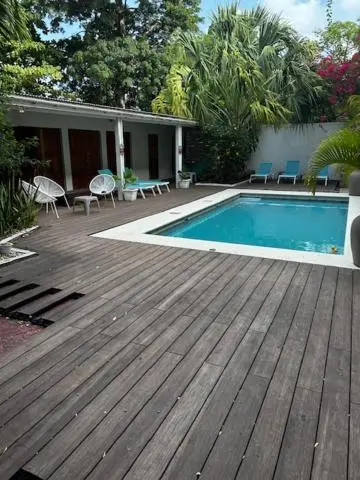

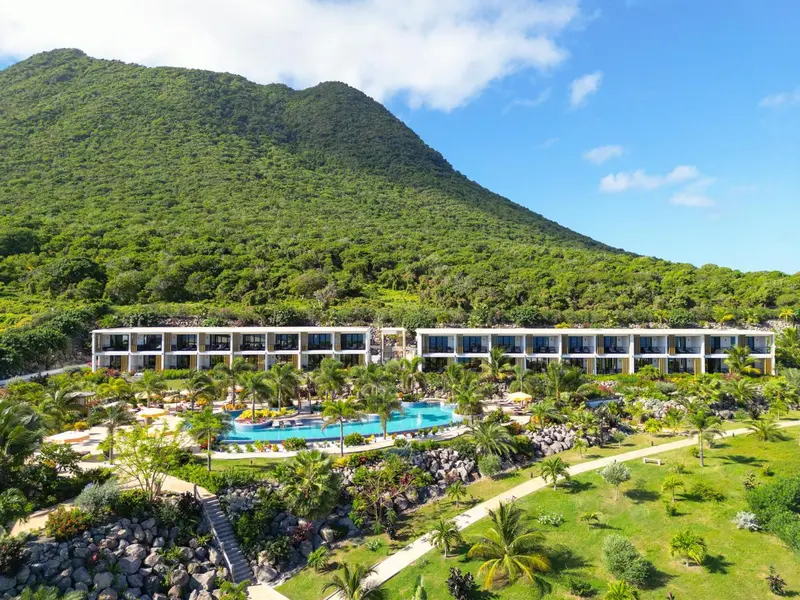
 Dive centre in the hotel
Golden Rock Dive and Nature Resort
★★★★
Google 4.6/5 (117 reviews)
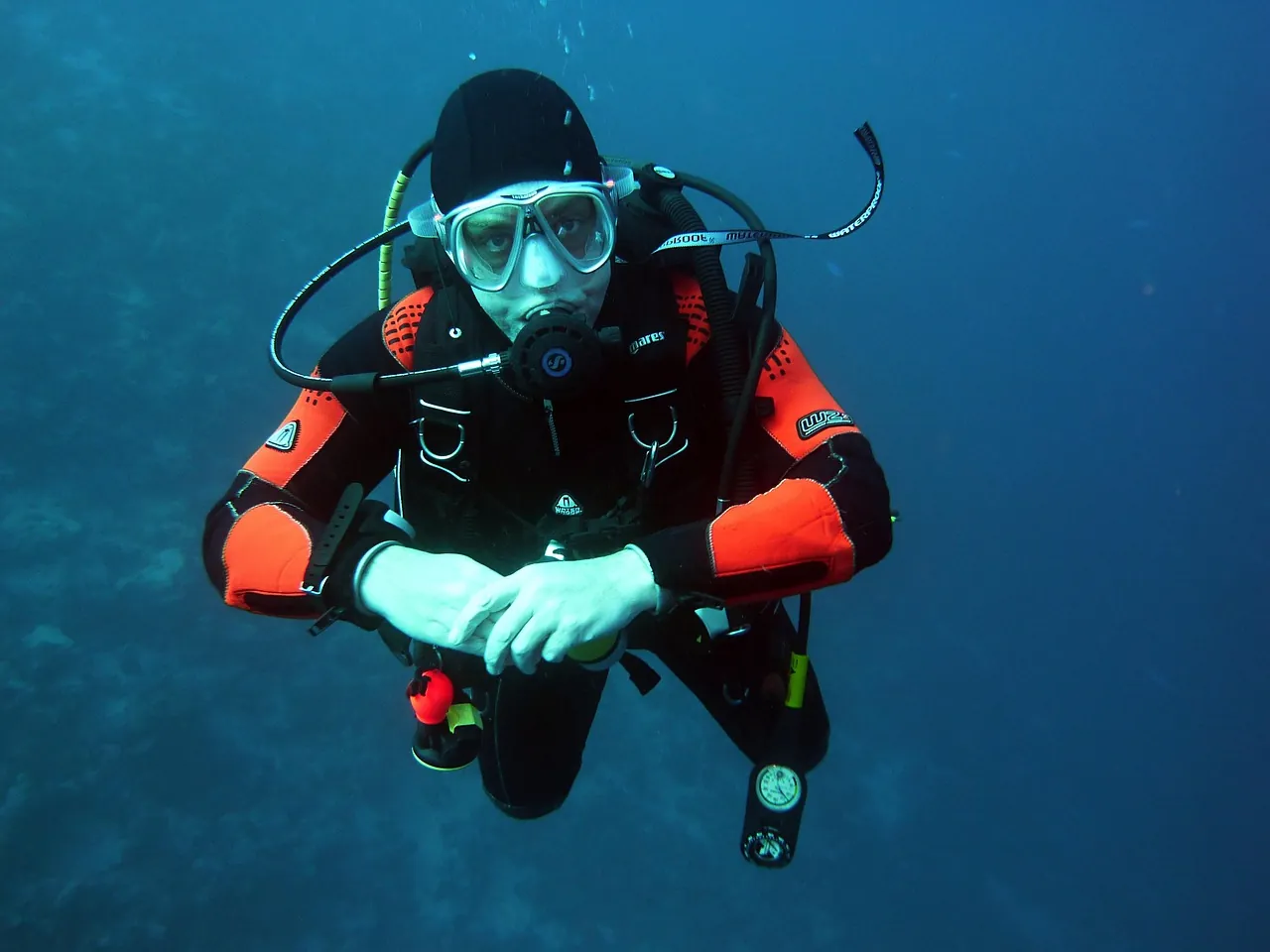
The dive centre
Statia Divers By Golden Rock Resort
PADI
Google 5/5 (42 reviews)
Sint Eustatius · Caribbean
Lava fingers, eighteenth-century wrecks, eagle rays and Caribbean reef sharks shape warm boat dives around Sint Eustatius National Marine Park.
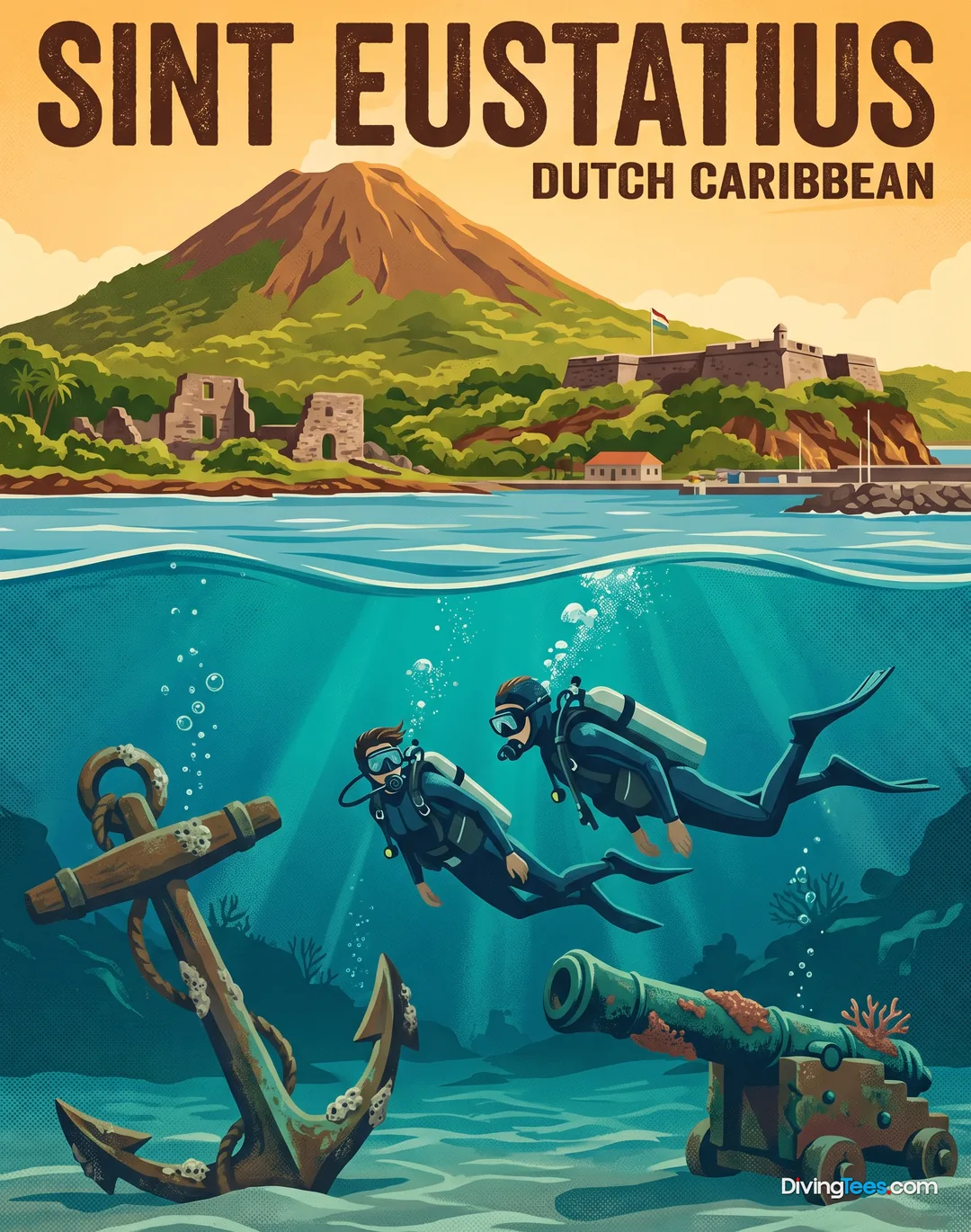
The Chien Tong Wreck lies upright beneath Sint Eustatius, while older wrecks, lava formations and reef walls spread around the island’s National Marine Park. This is a shore-based island stay built around boat diving, not a Caribbean beach resort with unlimited shore entries. The underwater interest comes from changing scenery within a compact area: coral-covered volcanic rock, historical artefacts, deep walls and wrecks that suit a planned run of dives rather than a single stopover.
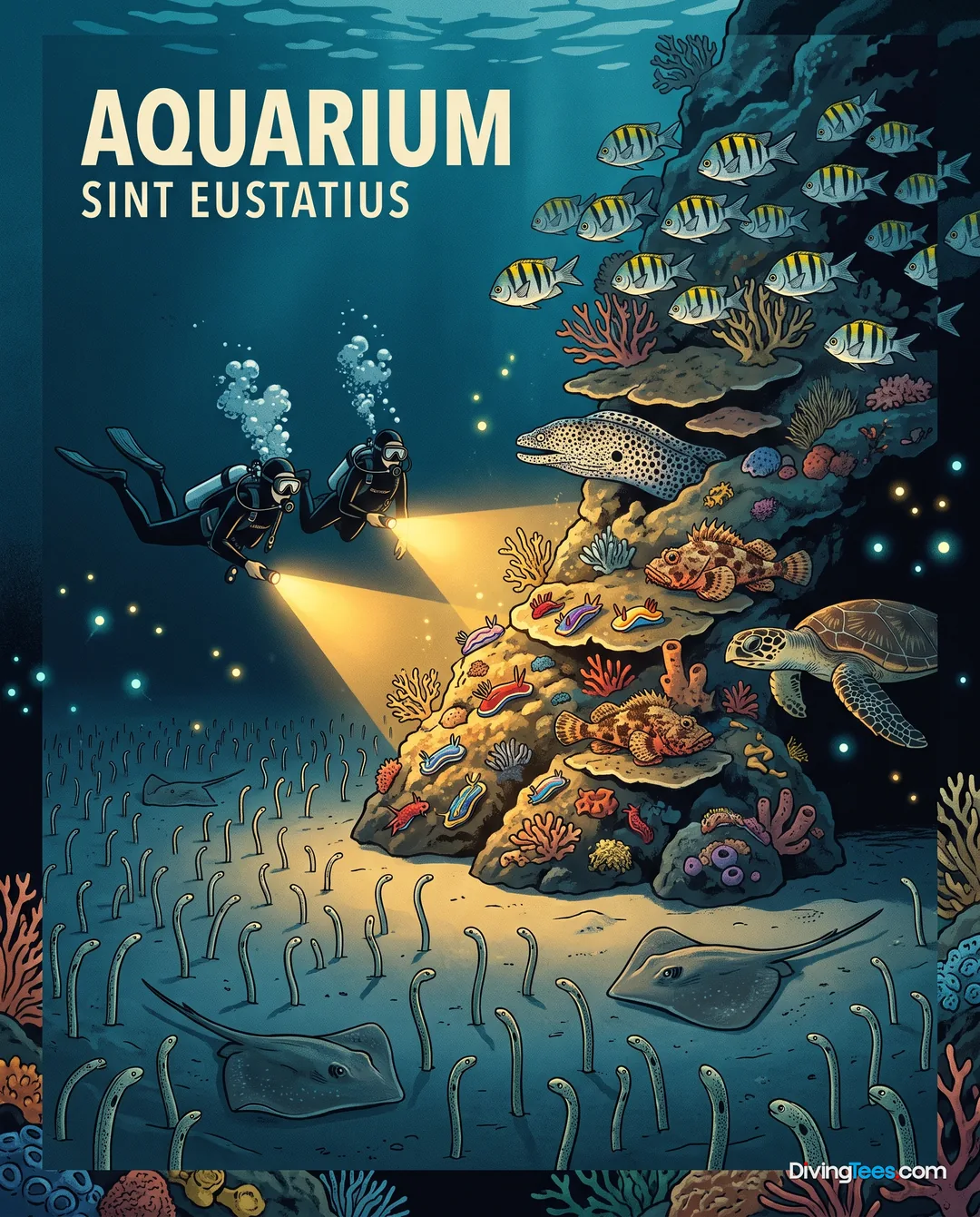
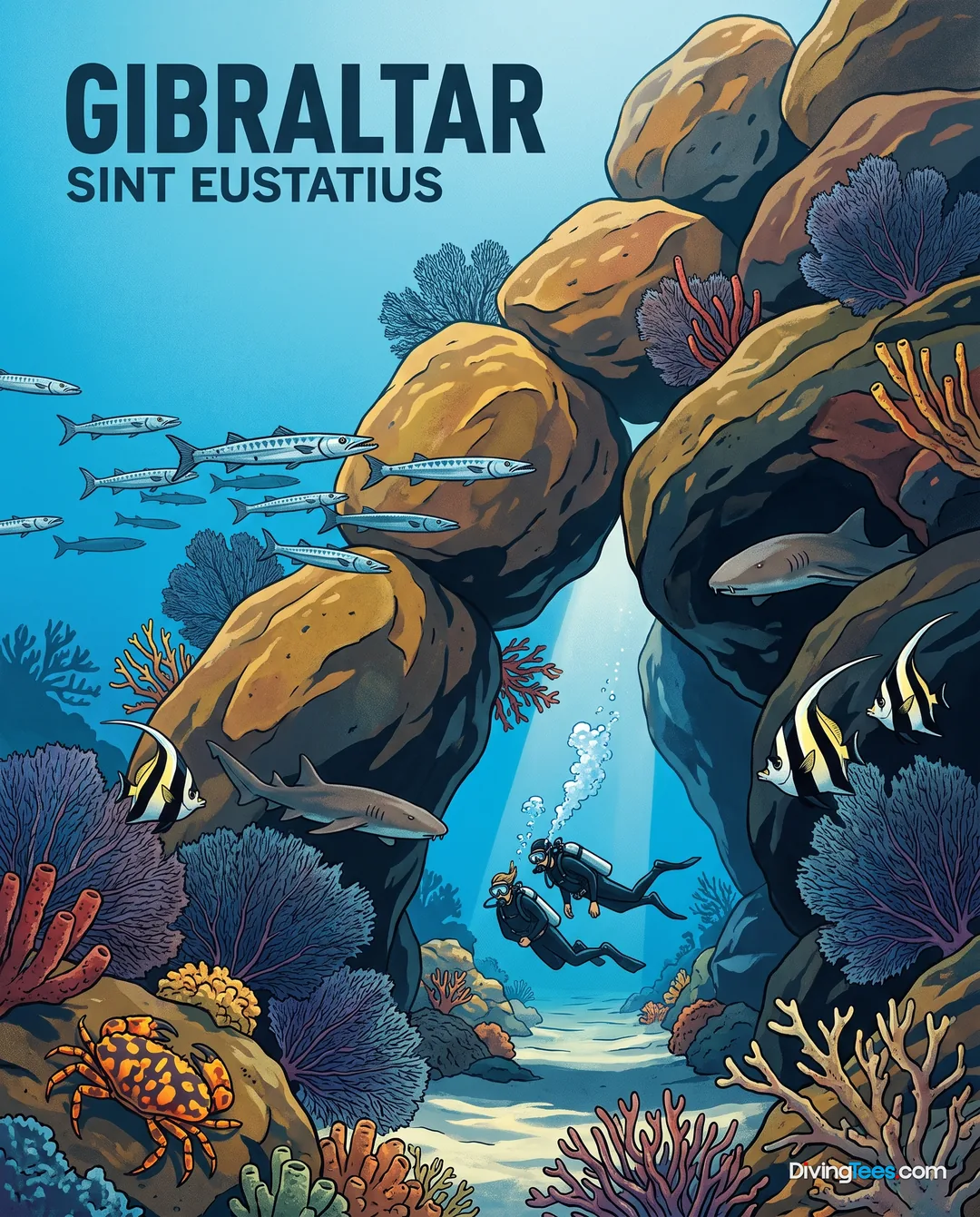
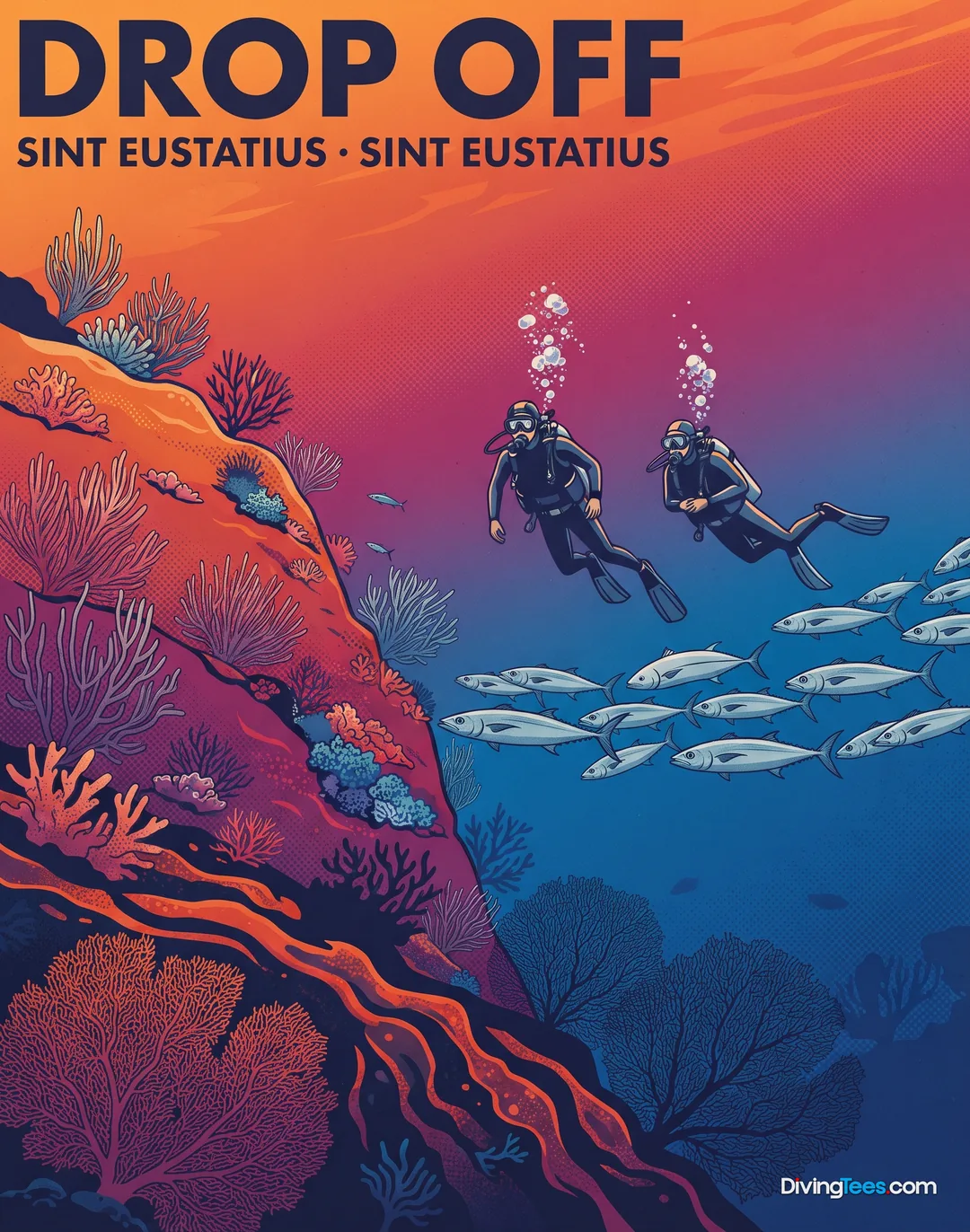
Sint Eustatius combines volcanic topography with reef and wreck diving. At Grand Canyon, steep lava flows form narrow fissures down to 40 metres; The Cliffs follows a reef plateau to a vertical wall at a similar depth. Shallower sites are less demanding but still have plenty to examine: The Humps has coral-covered lava bombs and fingers, while Aquarium places a solitary rock above sandy ground and garden eels. Currents are generally mild, but they are variable enough to affect the day’s plan and can turn a site into a gentle drift dive. Gibraltar reaches 20 metres among underwater boulders, sea fans and barracuda schools. Wrecks provide another line of interest, from the 24-metre Chien Tong Wreck to the shallower Double Wreck and Triple Wreck. Conditions are commonly described as clear, with Anchor Point often exceeding 20 metres of visibility, although that should not be treated as a guarantee for every site.
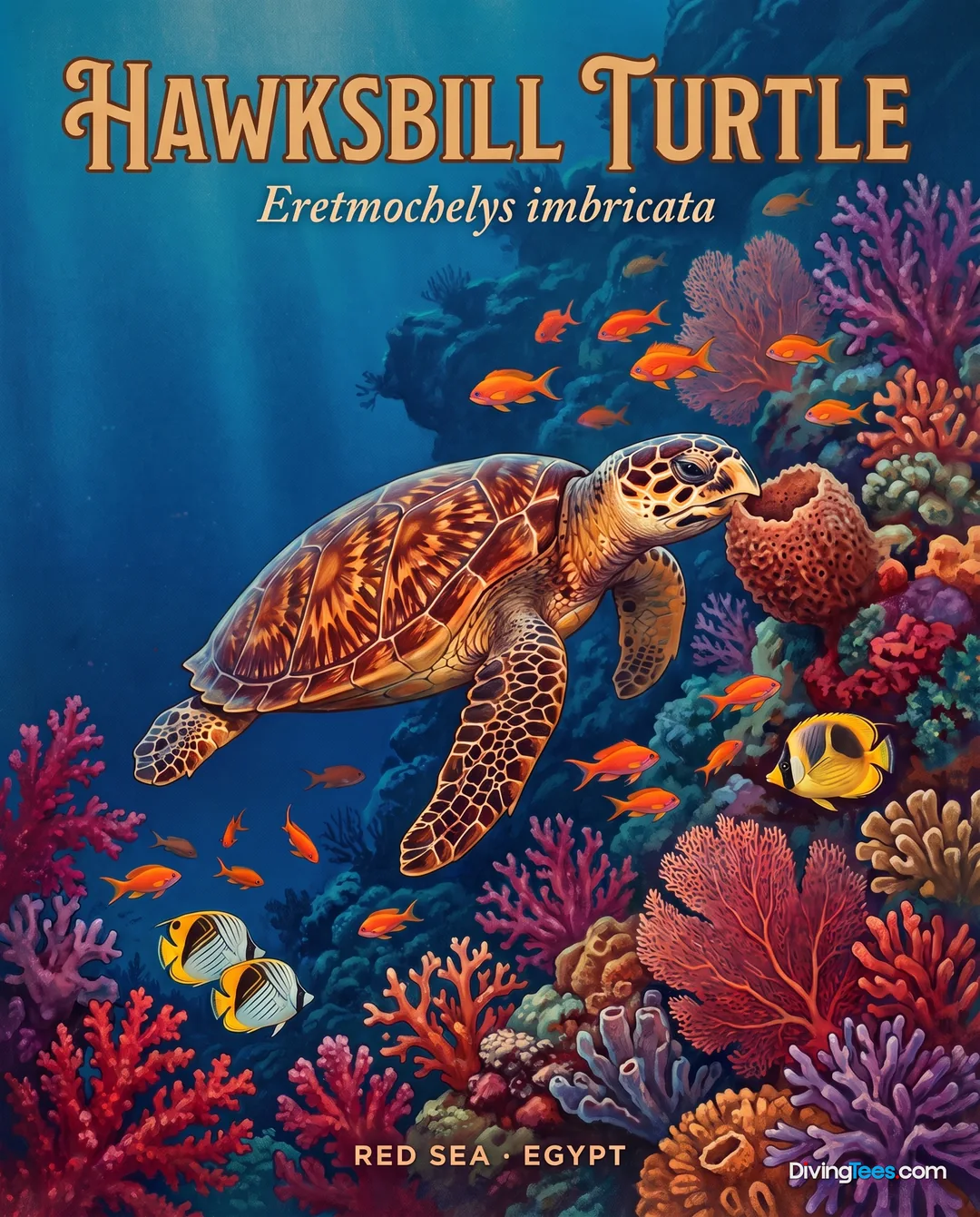
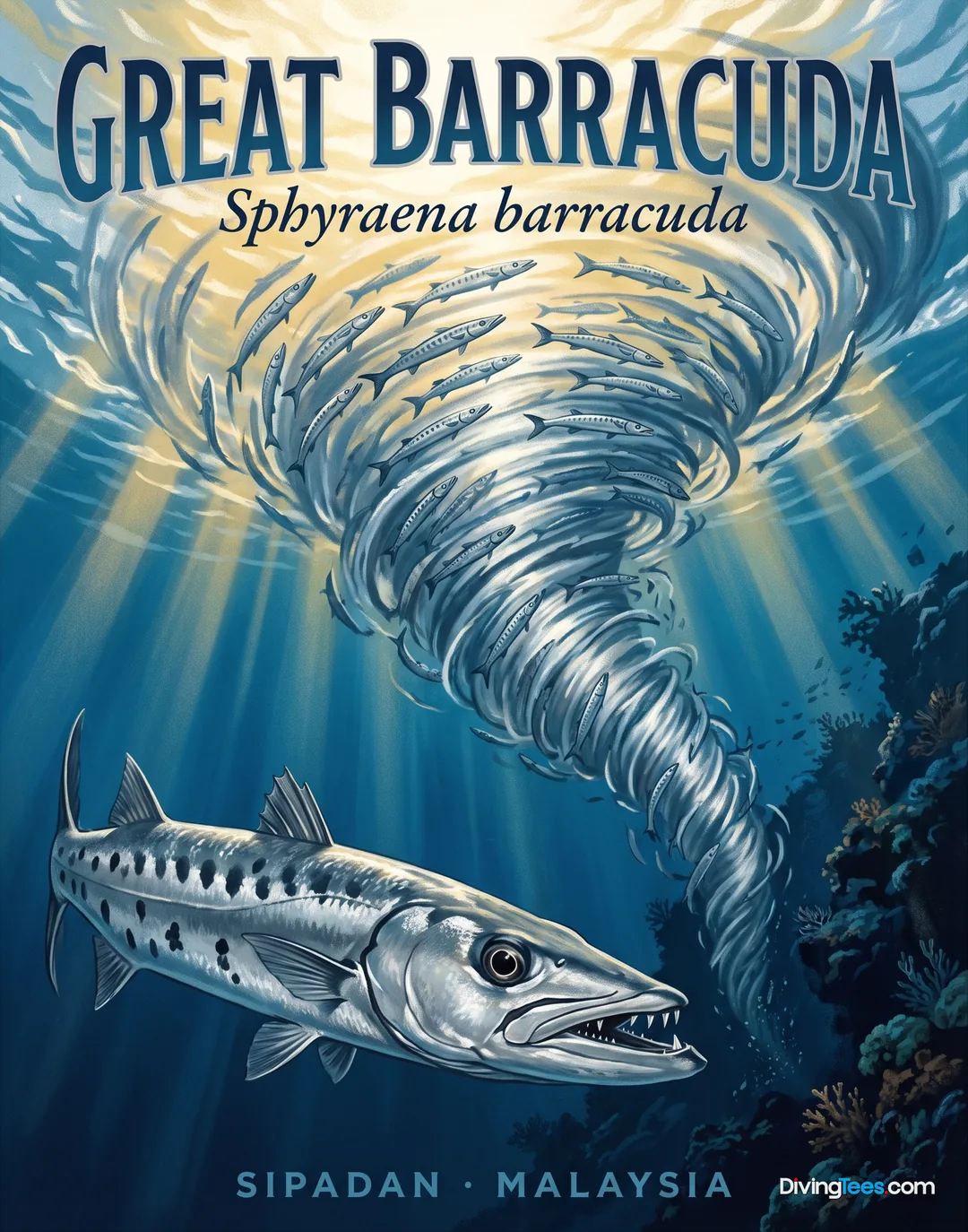
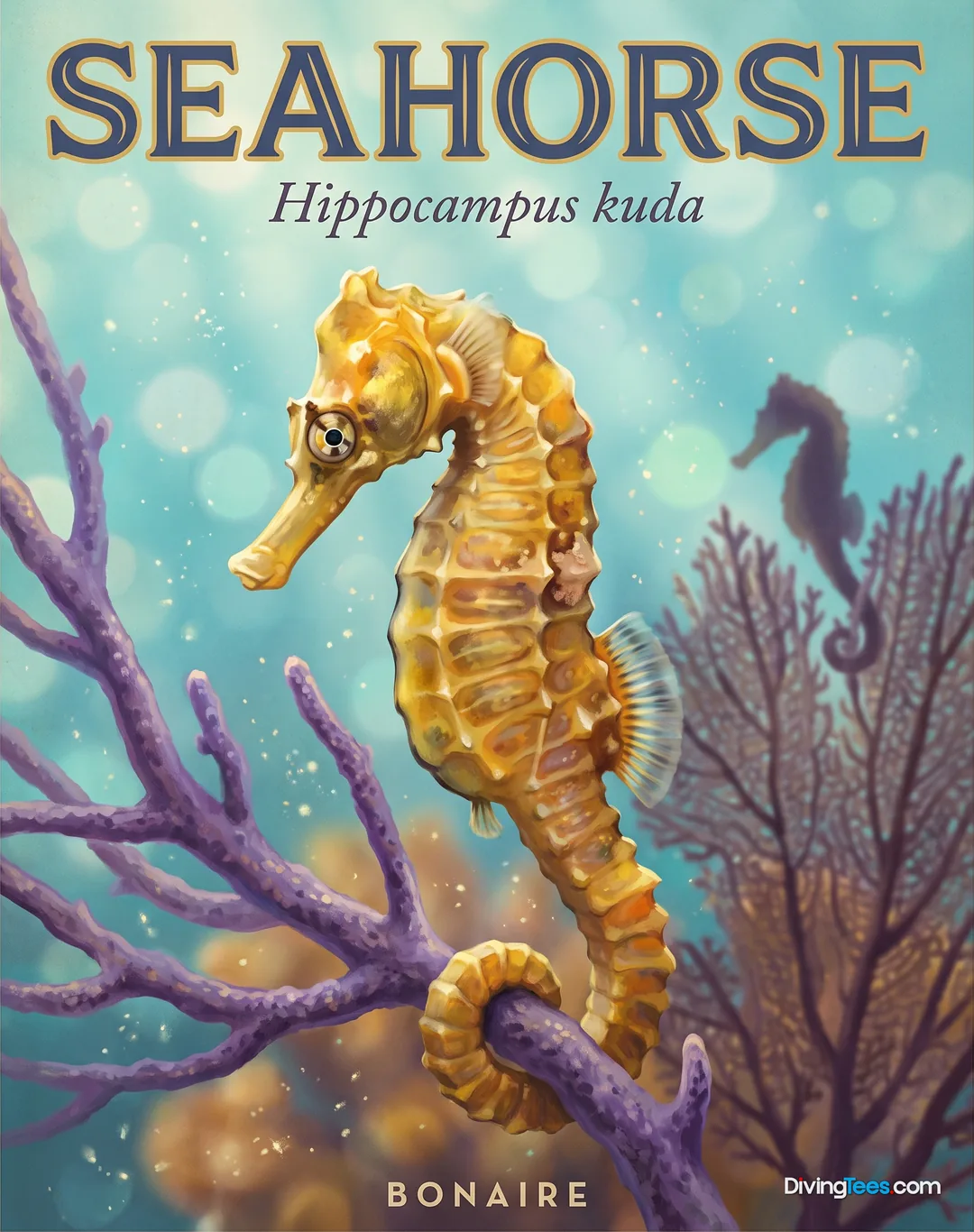
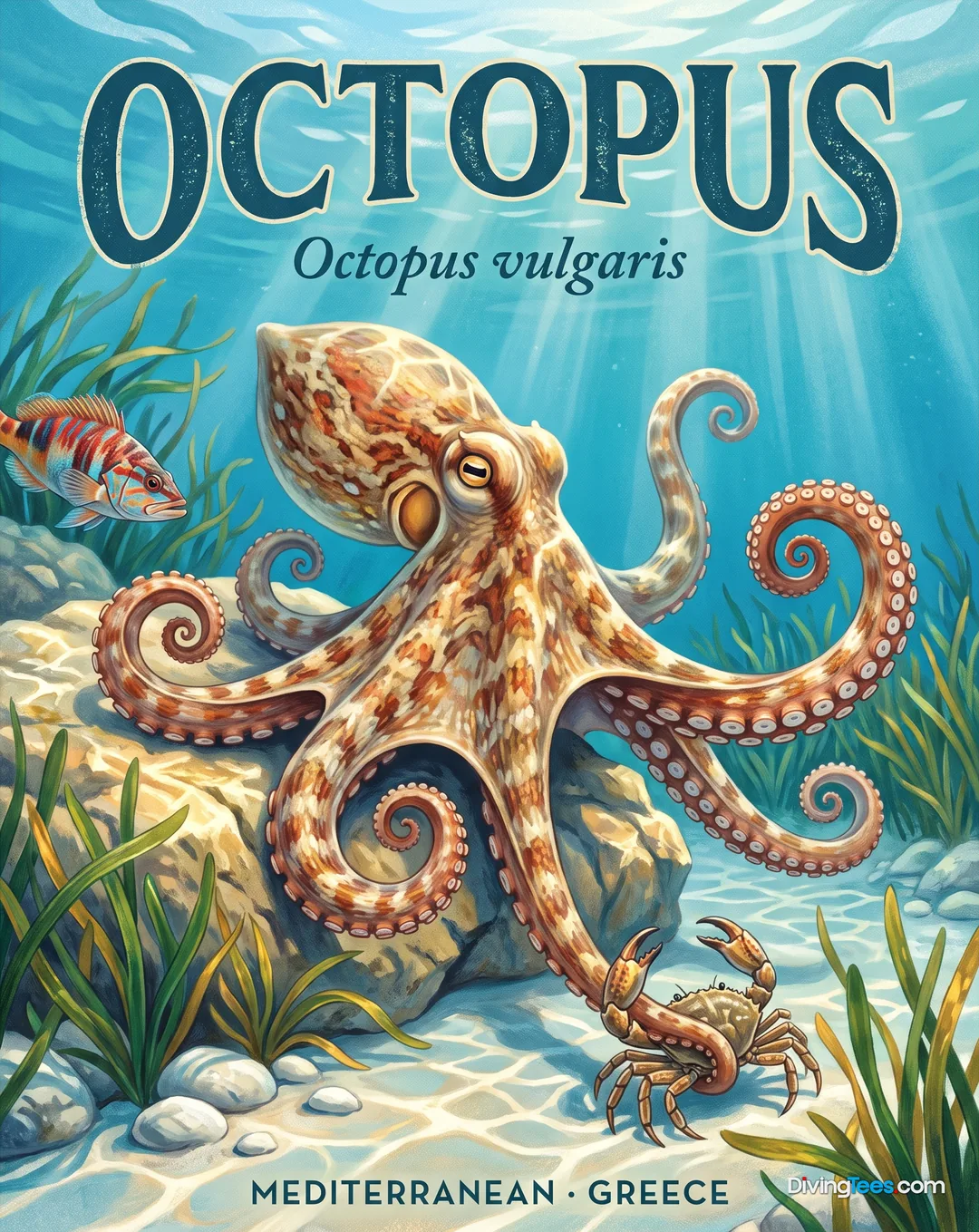
The marine life rewards a slow search of both reef and wreck. Southern stingrays are associated with Stenapa Reef and Double Wreck, while octopus can be found around the wrecks and reef structures. Garden eels occupy the sandy expanses at Aquarium and Stenapa Reef; moray eels, scorpionfish, frogfish, seahorses and spotted drum give patient divers plenty to look for at close range. Larger encounters include Caribbean reef sharks and eagle rays around The Cliffs and Grand Canyon, with barracuda schools at Gibraltar. Green sea turtles, hawksbill turtles, lobster and great barracuda add to the wider picture. The available site information does not identify a separate seasonal wildlife window, so the appeal is the mix of creatures encountered during the normal diving programme rather than a narrowly timed migration.
The measured driest period is December to January, making those months the clearest choice for a lower-rainfall escape. September deserves more caution: the site information identifies it with hurricane season and with boat-maintenance schedules, so it can disrupt both sea conditions and the diving programme. The rest of the year should be judged by the actual forecast and the operator’s boat plan rather than by a promised visibility season. Water temperatures at the listed sites are typically 26°C to 30°C, so equipment choices are more about personal comfort than coping with cold conditions.
This coast is exposed to sargassum strandings, whose intensity varies greatly from year to year. To find out more, see the “Sargassum” panel on this page.
Much of the diving suits Open Water divers, whether certified through PADI, SSI or BSAC equivalents. Aquarium, The Humps, Blair’s Reef, Double Wreck and Anchor Point stay within approachable recreational depths, while Stenapa Reef and the Chien Tong Wreck add wreck interest without requiring technical training. Advanced certification becomes useful for Grand Canyon and The Cliffs, both reaching 40 metres. Nitrox is worthwhile for divers planning repeated boat dives, particularly across a five-to-seven-day stay, but it does not replace the experience and discipline needed for deeper wall profiles.
From London or Manchester, reaching St Eustatius means flying to the island and then making a short road transfer to the accommodation or dive departure point. There is no continuous land route from another island, so the journey depends on connecting services and a stay on Statia itself. The practical issue is not a long transfer across the island but the limited number of links that bring a small island destination together. Allowing breathing space around connections is sensible, especially when the diving schedule depends on boats operating locally. Once on the island, the diving arrangement is centred on boat departures rather than a network of shore sites reached independently from different beaches.
Treat Statia as a five-to-seven-day island stay, not as a quick add-on to another Caribbean itinerary. The value lies in repeating boat outings and moving between volcanic relief, wrecks and reef, so a tight transit schedule misses the point. Arrive expecting boat diving rather than a large choice of shore entries; that single correction prevents most disappointment. Read the National Marine Park rules before the first immersion: anchoring is restricted, coral must neither be touched nor stood on, and marine life stays in the water. A clean first dive matters here because the sites are protected and volcanic rock can bring the reef close to the diver’s fins. Bring any small comfort or fitting items that are difficult to replace on a small island. Keep September in mind when planning, since hurricane-season conditions and boat maintenance can affect the programme. Nitrox and Advanced training are useful additions for repeated or deeper profiles, not requirements for the shallower wrecks and reefs.
A sensible stay uses the island as a quiet base, with several boat-diving days spread across five to seven days rather than packed into a short visit. That leaves room for changing conditions and for repeating the sort of sites that suit the group’s depth and current tolerance. Non-divers are better matched to a calm island rhythm than to a resort timetable: light walks, coastal observation, quiet beaches and small-scale cultural or heritage visits fill the surface intervals and non-diving days.
Hello, I'm Marina, DivingDeal.com's AI assistant. I guide you through destinations, areas and countries.
Thinking about the whole trip and the flights? Talk it over with Edith →
Marina is an AI. Some links are affiliate links: DivingDeal may earn a commission, at no extra cost to you. Bookings are made with the partner.
In each one, the dive centre is inside the hotel: step out of your room and go diving.
Dive centre in the hotel★★★★
Google 4.6/5 (117 reviews)
The dive centre
Statia Divers By Golden Rock Resort
PADI
Google 5/5 (42 reviews)
Your last day stays dry: no diving in the 18-24 hours before a flight, the perfect window to see the destination from another angle.
Ratings and reviews collected by Viator and Tripadvisor.
December to January is the driest period and suits a lower-rainfall escape. Treat September with caution because hurricane season and boat-maintenance schedules can disrupt conditions and diving. During the rest of the year, judge plans by the forecast and operator’s boat schedule. Water temperatures at listed sites are typically 26°C to 30°C.
Much of St Eustache suits Open Water divers, including Aquarium, The Humps, Blair’s Reef, Double Wreck and Anchor Point. Stenapa Reef and the Chien Tong Wreck offer wreck interest without technical training. Advanced certification is useful for Grand Canyon and The Cliffs, which reach 40 metres. Nitrox helps with repeated boat dives.
St Eustache combines volcanic formations, reef walls, wrecks and historical artefacts. You may explore lava fissures at Grand Canyon, boulders and sea fans at Gibraltar, and the upright Chien Tong Wreck. Marine life includes eagle rays, Caribbean reef sharks, barracuda schools, turtles, stingrays, garden eels, octopus and smaller reef creatures.
Plan St Eustache as a five-to-seven-day island stay centred on boat diving, rather than a quick add-on or shore-diving holiday. Allow breathing space around connecting flights and local transfers. Spread outings across several days for changing conditions, read National Marine Park rules, and bring small comfort or fitting items that may be difficult to replace.