
Scubaqua
Google 4.7/5 (107 reviews)
1.3 km away as the crow flies
St Eustache · Sint Eustatius · Caribbean
Max. depth · 18 mDescend into history at Double Wreck, where the remnants of 18th-century ships, now coral-encrusted ballast stones and massive anchors, host green turtles and blennies.
For subtitles in English: start the video firstthen click the gearat the top right of the video, select “Subtitles/CC”, then “Auto-translate” and choose “English”.
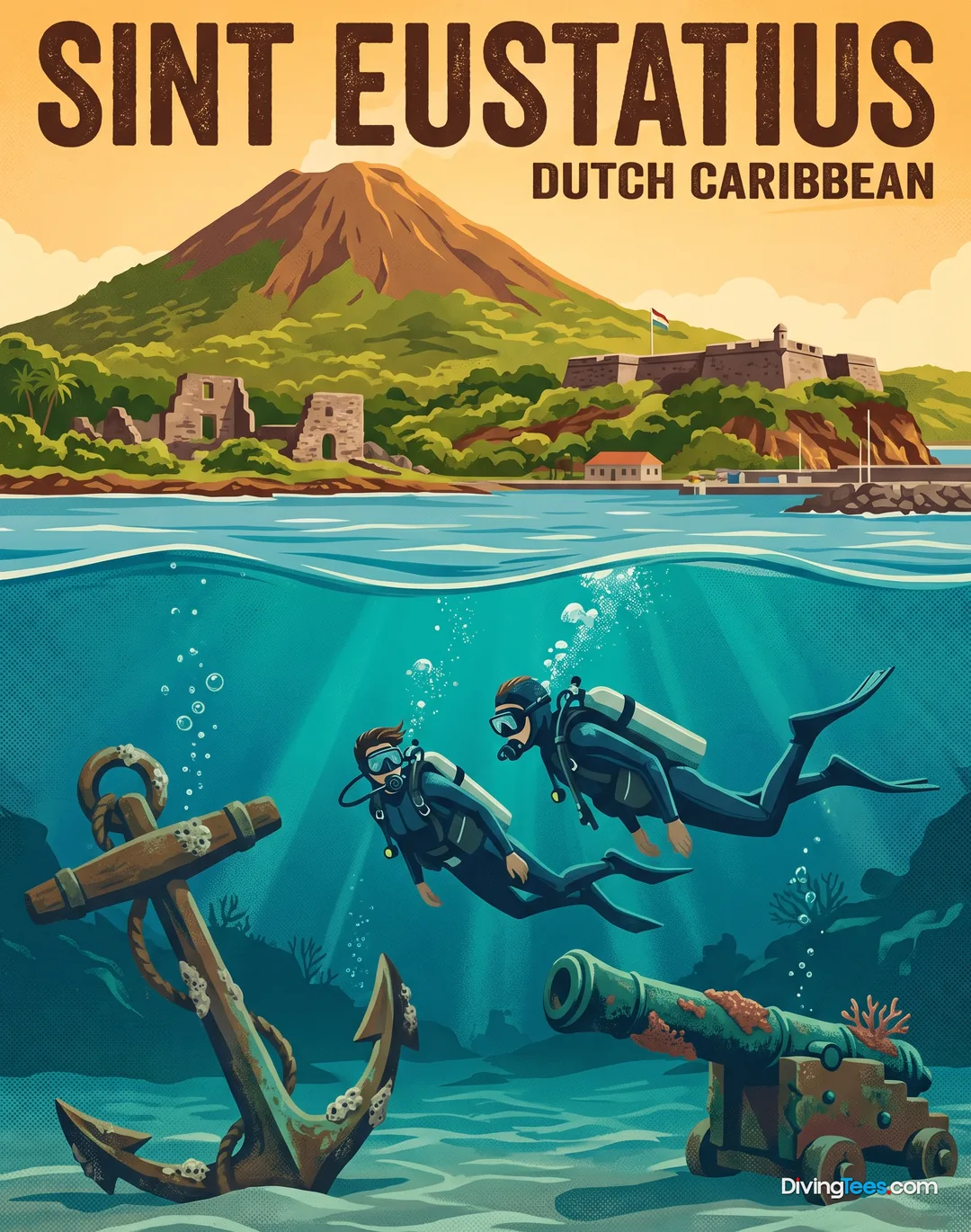
Diving the Double Wreck isn't a typical wreck experience in the sense of a fully intact ship structure. Instead, you're exploring the historical footprint of two vessels that met their end here almost three centuries ago. The identifiable remnants are primarily a dozen or so ballast stones and two colossal anchors, markers of the ships that lie beneath. These features are not just historical relics; they form the foundation of a vibrant, living reef ecosystem.
The site itself is relatively compact, allowing for focused exploration within its depth range. As you descend, the ballast stones, once cargo, are now completely overgrown with a diverse array of sponges and corals, creating intricate habitats. This transformation turns historical architecture into biological structure, offering countless crevices and overhangs to investigate. The reef here thrives on these sunken remains, providing a complex environment for smaller marine species.
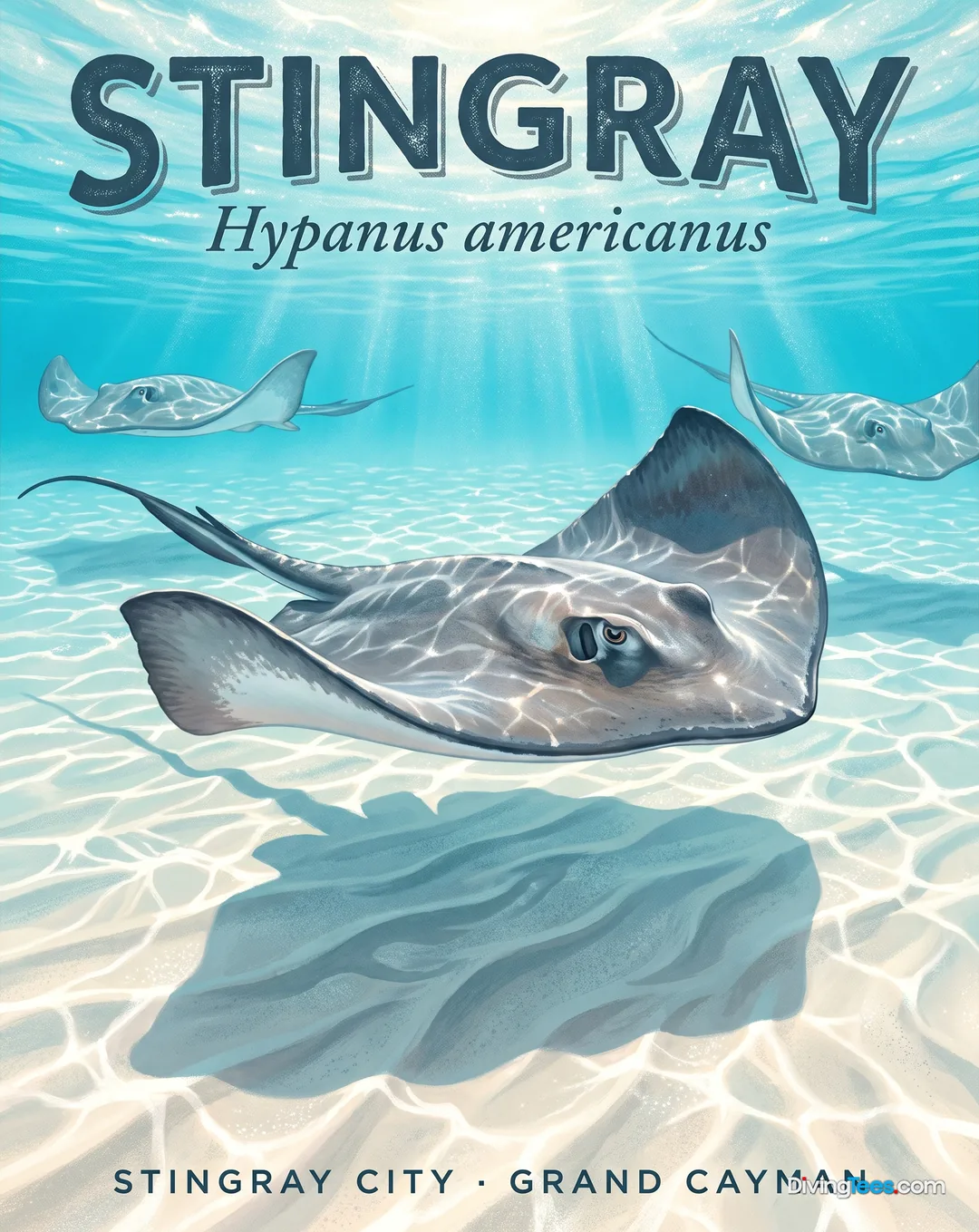
Among the most notable residents here are the blennies, specifically a large family that has made one of the old anchors their permanent home. Observing their behaviour, darting in and out of the anchor's grooves, is a highlight of the dive. Beyond the blennies, the site is frequently patrolled by southern stingrays (Hypanus americanus), often found resting or gliding over the sandy patches between the coral formations, adding to the dynamic nature of the environment.
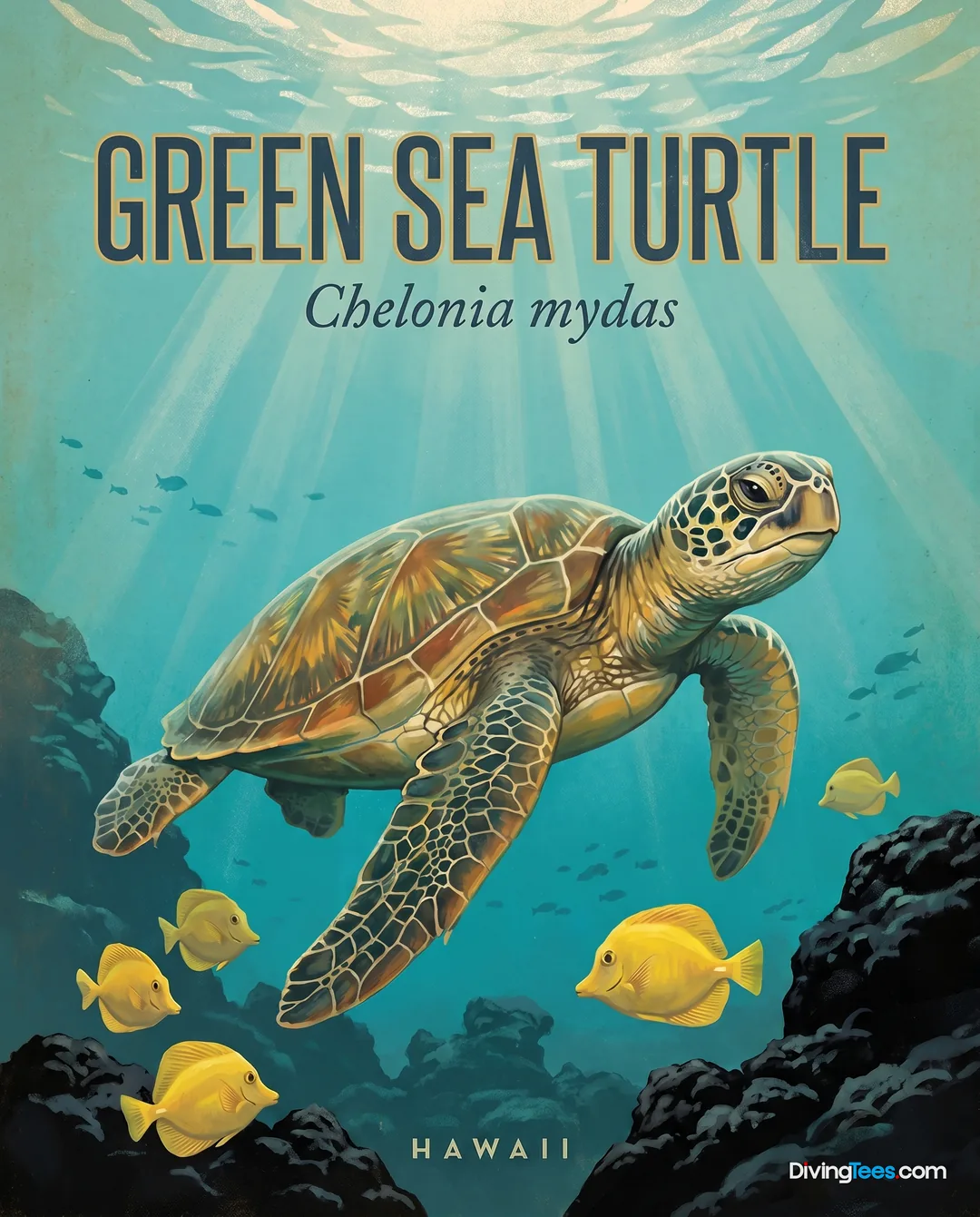
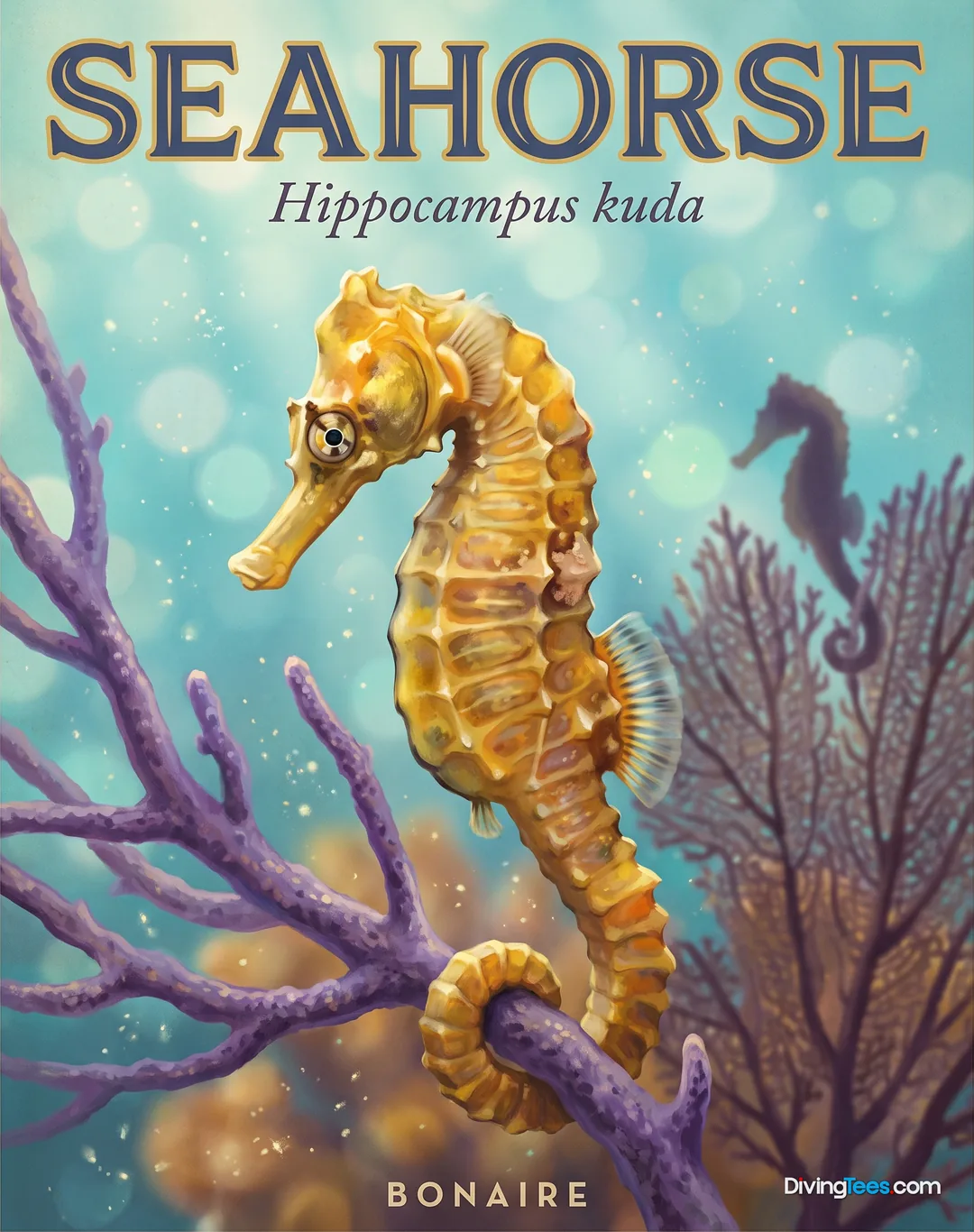
Double Wreck is also a known location for spotting green turtles (Chelonia mydas), often encountered calmly grazing or resting on the reef. The site also functions as a cleaning station, where you can observe cleaner shrimp at work, a clear indicator of a healthy and active ecosystem. Patience in these areas often rewards you with sightings of smaller, more camouflaged creatures like seahorses and frogfish, tucked away within the sponges and corals.
The topography, with its scattered ballast stones and prominent anchors, creates numerous hiding spots and small ecosystems. This structure invites a slower, more deliberate dive, encouraging you to examine the details of the reef and its inhabitants. Each crevice and coral head can reveal a new discovery, from juvenile fish finding shelter to the subtle movements of a camouflaged frogfish. It's a site that rewards careful observation over covering long distances.
This site is accessible from Open Water Diver level, with a maximum depth of 18 metres. Currents are generally very gentle, though conditions can vary. Visibility tends to be clear, but as with all sites, it can be influenced by local conditions. For optimal diving, consider avoiding September, which is the local hurricane season and also when many boat operators undertake maintenance.
You can dive Double Wreck throughout the year, but consider avoiding September. It is the local hurricane season, and many boat operators undertake maintenance then. Visibility tends to be clear, although local conditions can influence it, so your experience may vary with the conditions on the day.
Double Wreck is accessible from Open Water Diver level, making it suitable if you hold that certification. The site offers a focused exploration of scattered ballast stones and anchors within its depth range, with reef habitats and marine life rewarding a slower, observant approach rather than fast swimming.
Double Wreck reaches a maximum depth of eighteen metres, and the site is suitable for Open Water Divers. Currents are generally very gentle, though conditions can vary. The compact layout and scattered ballast stones create a focused area to explore while you examine reef formations and nearby sandy patches.
At Double Wreck, you can explore eighteenth-century ballast stones and two large anchors overgrown with sponges and corals. Look for a family of blennies living in an old anchor, southern stingrays, green turtles at cleaning stations, cleaner shrimp, seahorses, frogfish, and juvenile fish among the reef.