

Scubaqua
Google 4.7/5 (107 reviews)
5.1 km away as the crow flies
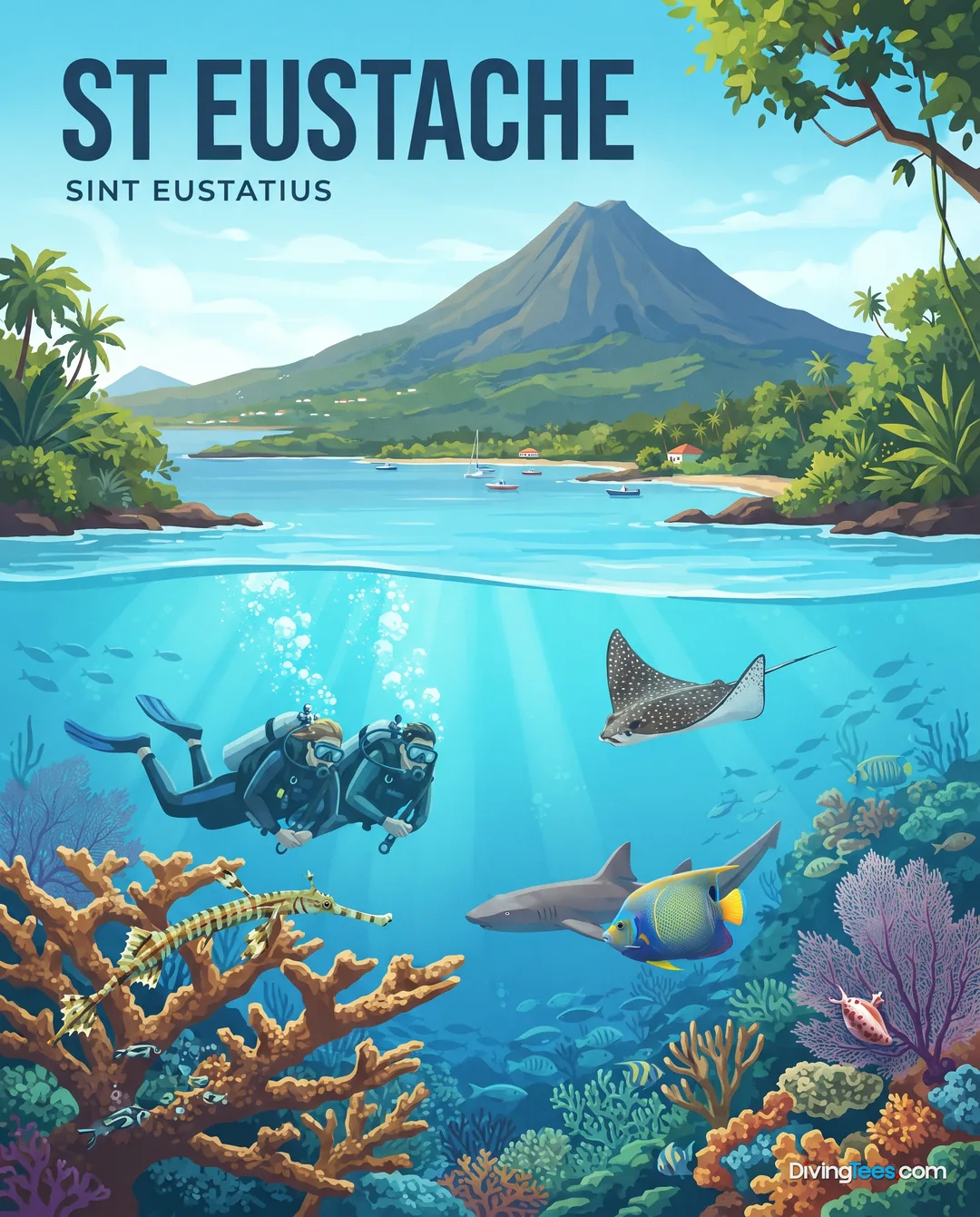
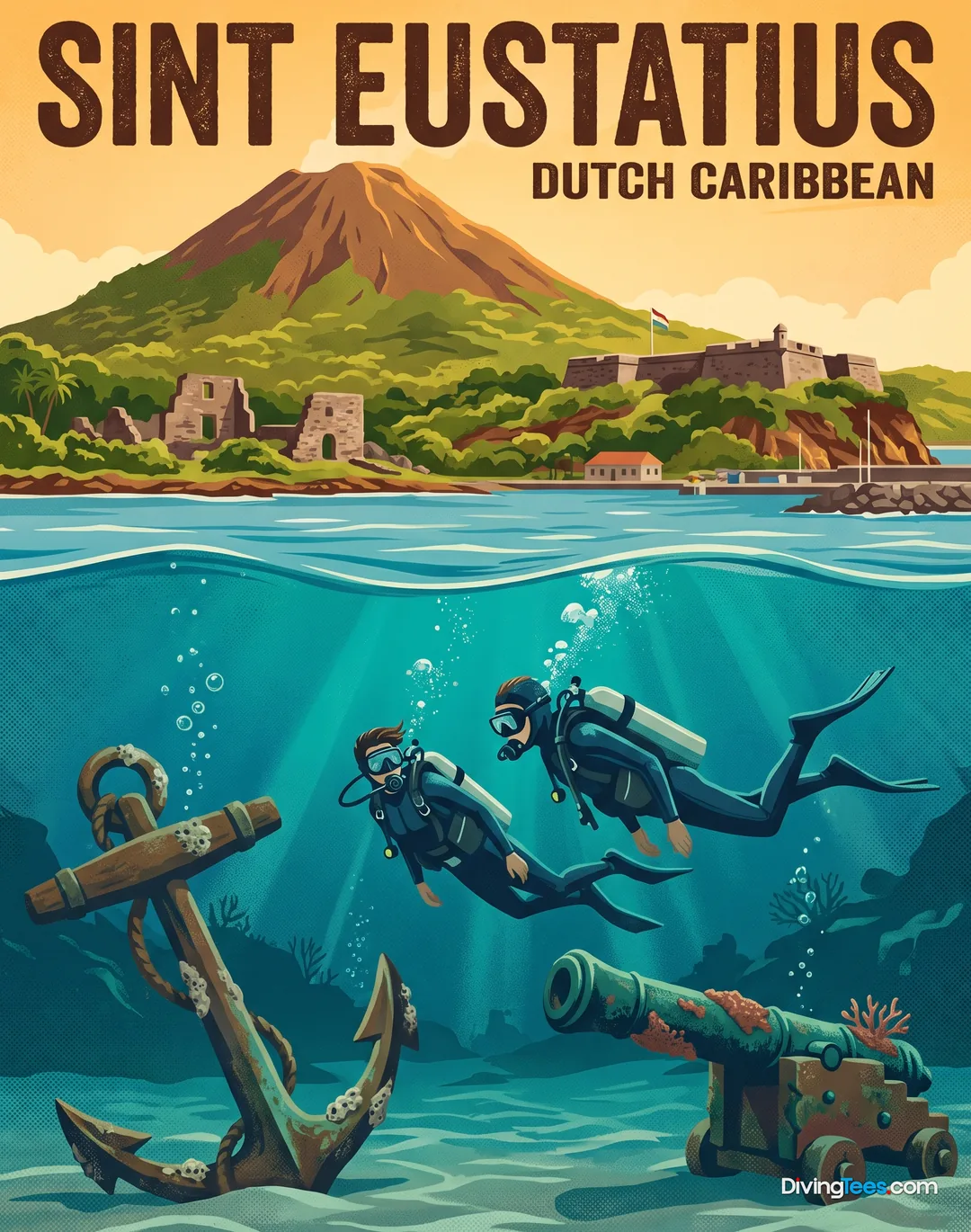
St Eustache · Sint Eustatius · Caribbean
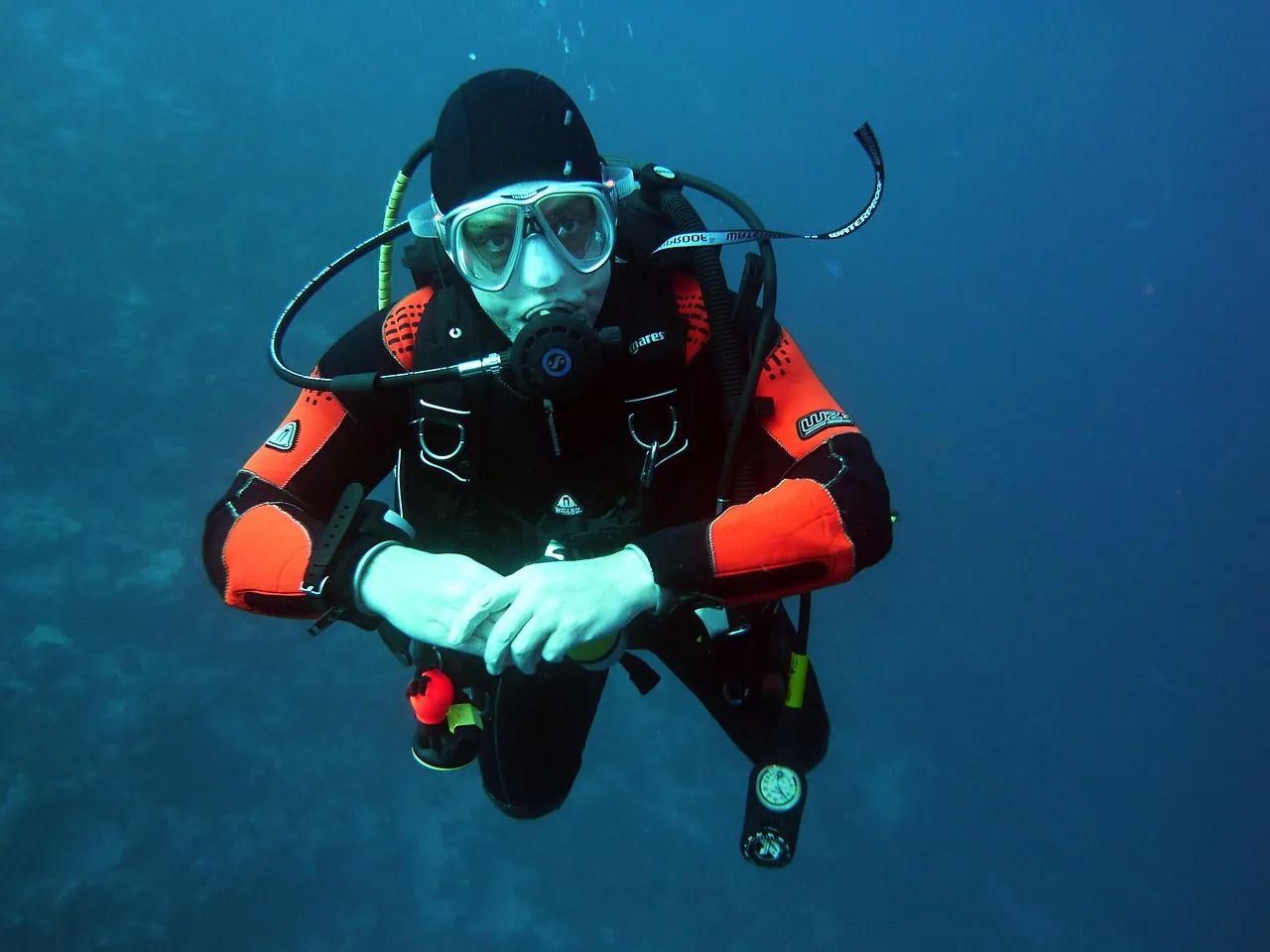
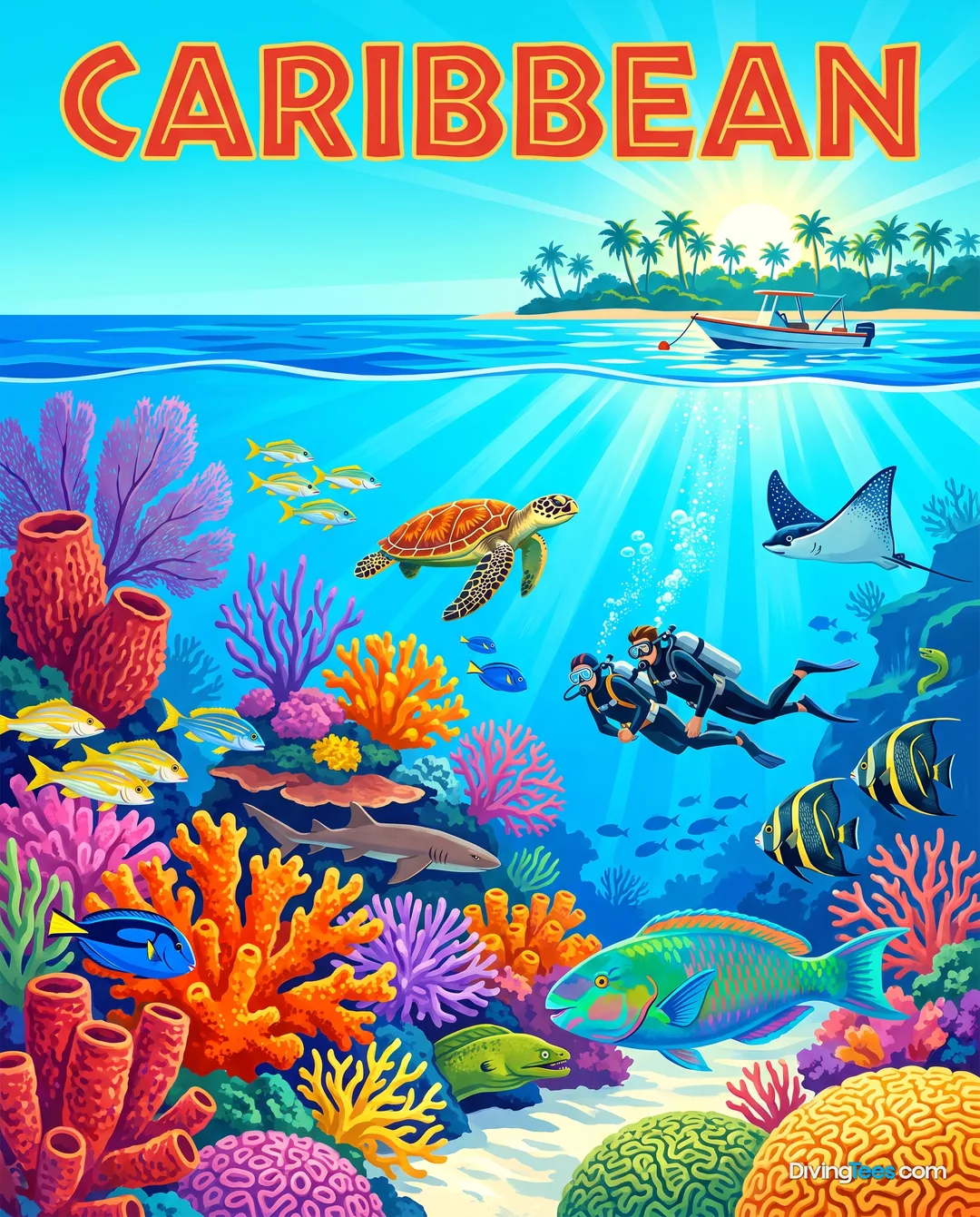
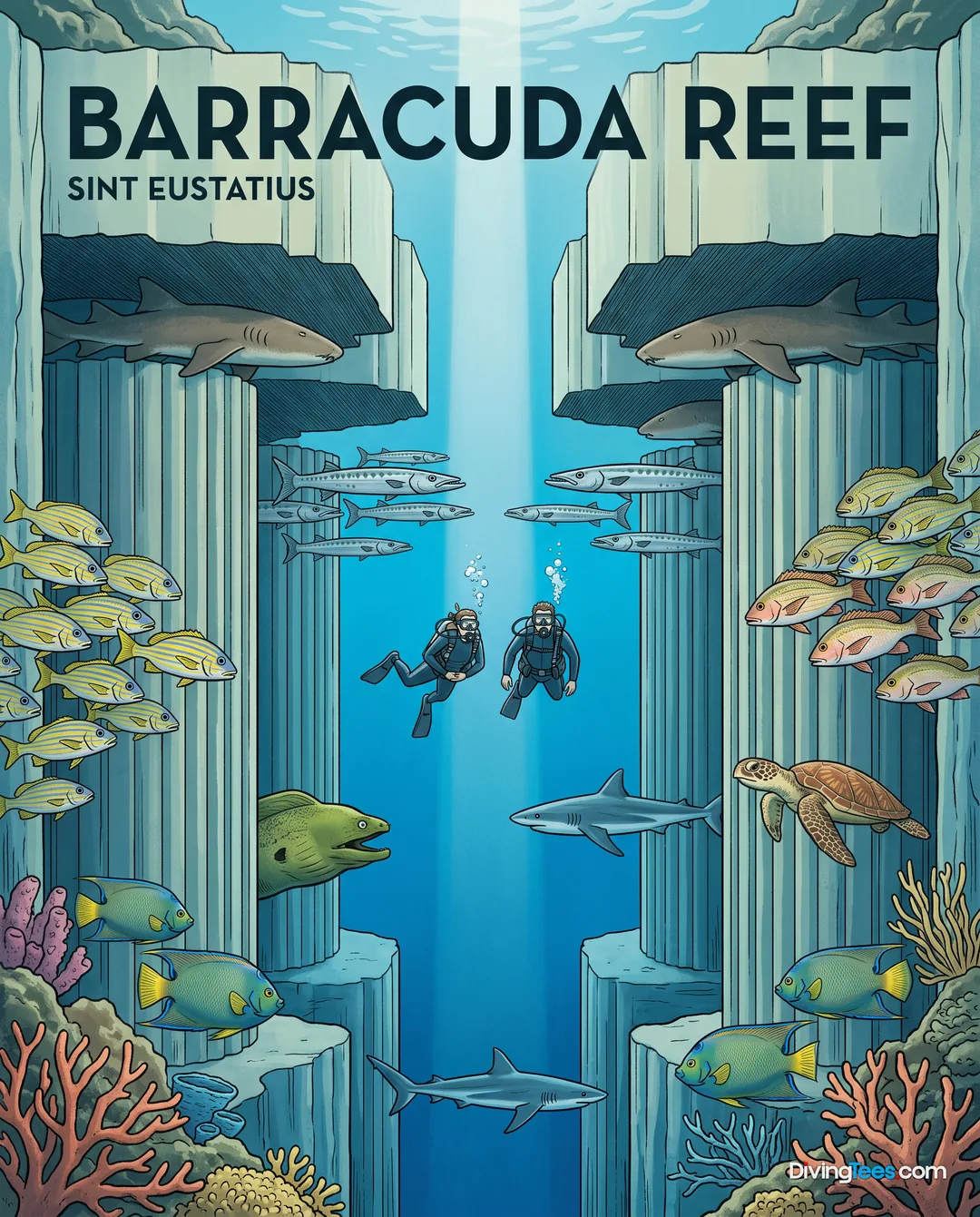
Max. depth · 20 mDescend amongst giant boulders and deep sea fans where the Atlantic current fuels a vibrant Caribbean reef, patrolled by barracuda schools and resting nurse sharks.
For subtitles in English: start the video firstthen click the gearat the top right of the video, select “Subtitles/CC”, then “Auto-translate” and choose “English”.
Diving Gibraltar, you're not just exploring a reef; you're witnessing a unique geographical junction. This site is dominated by a giant rock to the north of St Eustache, marking the precise point where the powerful Atlantic Ocean begins to merge with the calmer Caribbean Sea. The surge and rich currents at this interface sculpt dramatic underwater landscapes and create conditions for a remarkably diverse ecosystem, a world away from a typical sheltered bay dive.
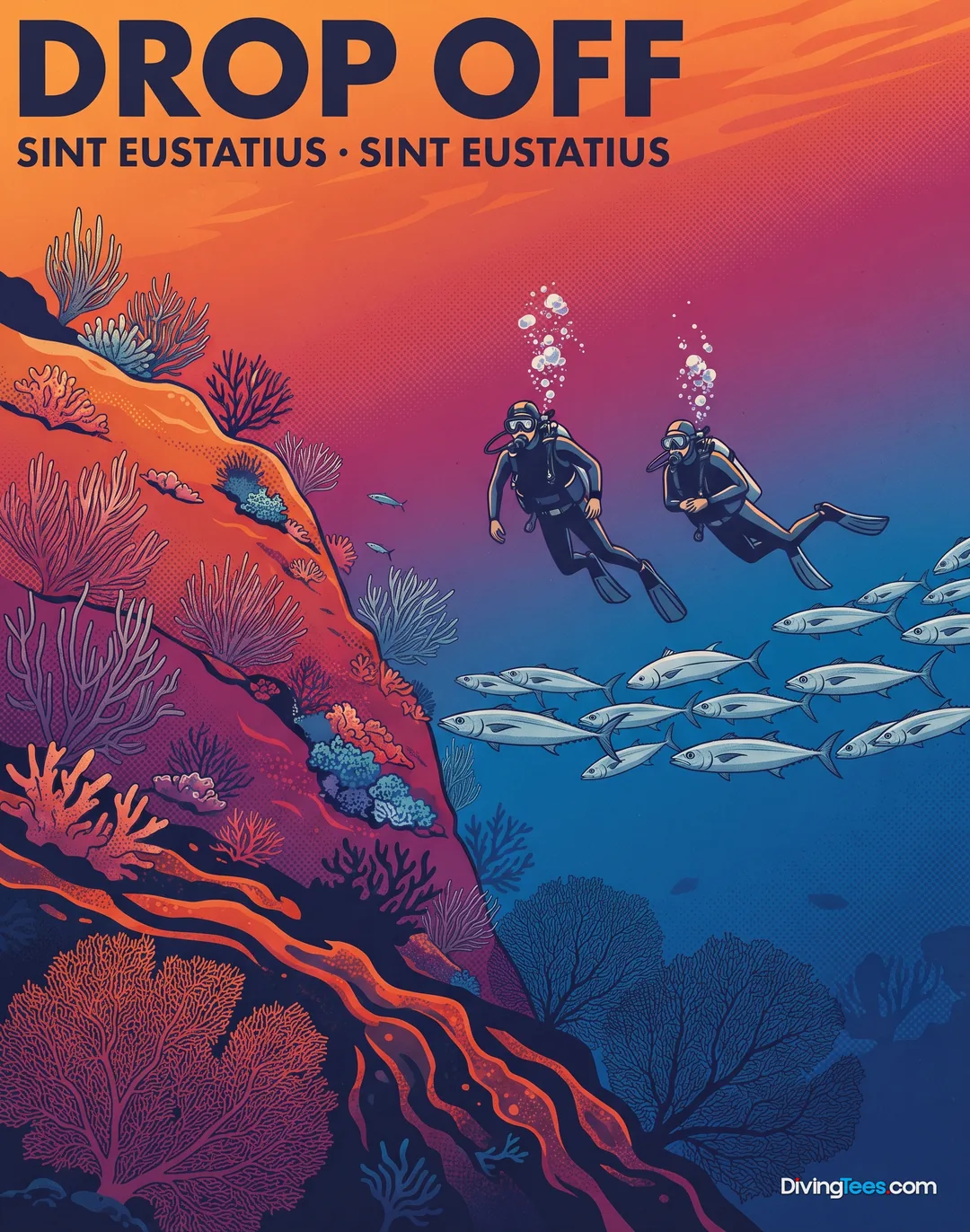
The dive profile at Gibraltar quickly reveals massive underwater boulders, creating an intricate topography of swim-throughs and hidden nooks. As you descend, the reef unfolds, blanketed in deep sea fans that attest to the consistent flow of nutrient-rich water. These fans sway rhythmically, their delicate structures filtering the water, creating a canvas of purples, reds, and oranges that define the deeper sections of the site.
Navigating around these colossal formations, you’ll likely find yourself in the company of impressive schools of barracuda, their silver bodies flashing as they hold their position against the ambient current. These formidable predators are a consistent presence here, patrolling the periphery of the reef. Their silent, watchful presence adds a dynamic edge to the dive, reminding you of the wild ocean just beyond.
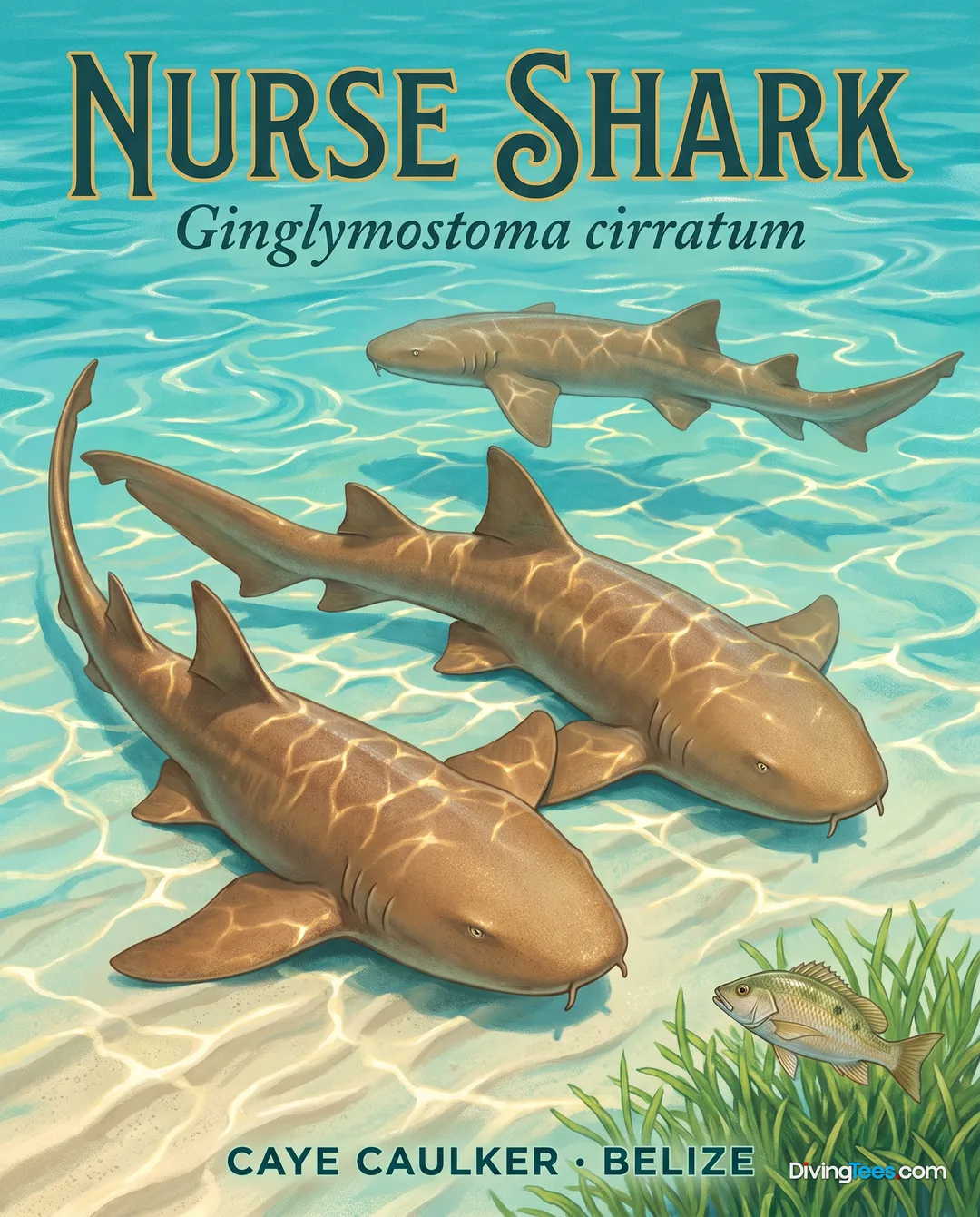
Exploring the larger rock formations and the sheltered crevices they provide, keep an eye out for nurse sharks (Ginglymostoma cirratum). These placid sharks often choose Gibraltar's underwater boulders as their resting place, seeking out the cooler, calmer spots to recuperate. Encountering them here, settled amongst the natural architecture, offers a profound sense of connection to the raw power and ancient rhythms of the ocean.
As you shallow up towards the reef's crest, the character of Gibraltar shifts. Here, in the sunlit, shallower sections, a keen eye will be rewarded with the sighting of colorful clown crabs (Lybia tessellata). These smaller, often overlooked inhabitants add a touch of intricate beauty to the reef, moving with purpose among the corals and sponges. The transition from the deeper, current-swept sections to these vibrant, shallower areas showcases the site's full ecological spectrum.
Beyond the prominent residents, Gibraltar also offers the possibility of encountering razorfish (Hemipteronotus novacula). These elusive fish, known for their unique method of burying themselves in the sand, blend seamlessly with their surroundings. Spotting them requires patience and a good eye, adding another layer of discovery to this complex and thriving Caribbean site.
Accessible for Open Water Diver certified divers, Gibraltar can be explored to a maximum depth of 20 meters. While generally mild, currents here can vary, but the site's layout ensures an engaging experience within its limits. Water temperatures in the region typically range from 26°C to 30°C.
Gibraltar is accessible to Open Water Diver certified divers. You can explore the site to a maximum depth of 20 meters. Its layout supports an engaging dive within that limit, with massive underwater boulders, swim-throughs, hidden nooks, and reef sections that change as you move shallower.
Currents at Gibraltar are generally mild but can vary. The site lies where the Atlantic Ocean begins to merge with the Caribbean Sea, creating surge and rich currents that shape the underwater landscape. Deep sea fans sway in the nutrient-rich flow, while barracuda hold position against the ambient current.
At Gibraltar, you can see large schools of barracuda around the reef, nurse sharks resting among boulders, and colorful clown crabs in shallower areas. You may also encounter razorfish, which can bury themselves in sand. Deep sea fans cover the reef face, adding further detail to the habitat.
Gibraltar features massive underwater rock formations, boulders, swim-throughs, sheltered crevices, and hidden nooks. Deep sections are covered by deep sea fans in purples, reds, and oranges, while shallower areas become sunlit and colorful. The site brings together Atlantic and Caribbean marine environments around a giant northern rock.