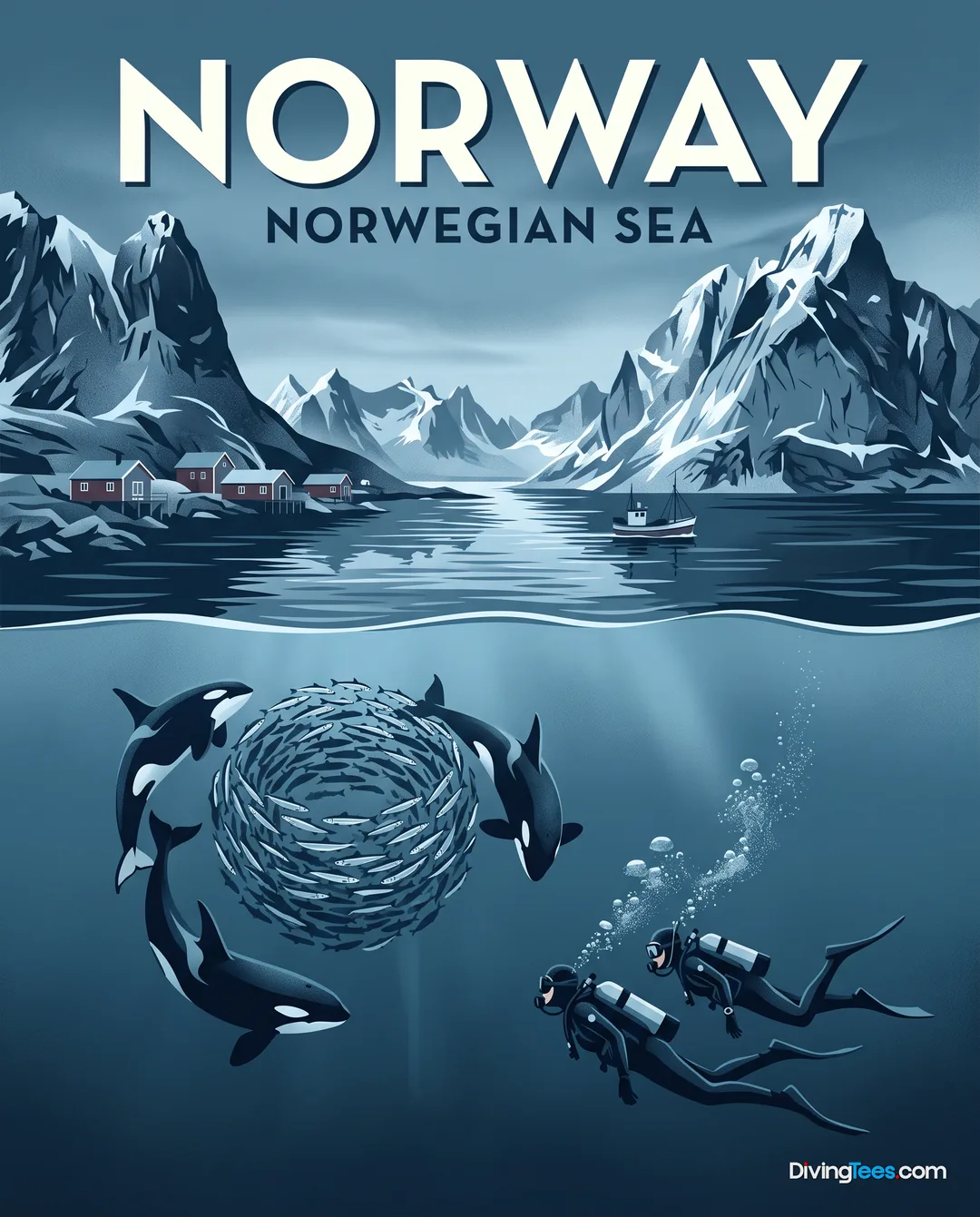
Liveaboards · Norway
Sula, a steel Arctic orca expedition boat
What makes this boat unique
- Sula carries up to 12 guests in seven twin cabins with bunk beds and shared toilets and showers.
- The expedition searches Northern Norway’s fjords for orcas and humpback whales, with water entry possible when conditions allow.
- A dinghy with a driver takes guests from the main boat to the whales and collects them from the water.
- No diving certificate is required, but participants must be able to swim and cope with cold conditions.
- Three-day and six-day expeditions operate from Alta, with full board, an indoor saloon, Wi-Fi and a hot tub.
For subtitles in English: start the video firstthen click the gearat the top right of the video, select “Subtitles/CC”, then “Auto-translate” and choose “English”.
The invitation
Sula is for the traveller who wants the animal to set the itinerary. The boat leaves Alta for the fjords where herring draw orcas and humpback whales, then the crew changes from searching to action when the animals are found. Guests move into dry suits, transfer to the dinghy and enter the water only when the conditions and the whales allow it. That makes this different from a conventional dive liveaboard: there are no planned reefs, wrecks or repeated sites, and no guarantee that a wild animal will perform on schedule. The reward is a close encounter on the animal’s terms, with the option to stay aboard and watch from only a few metres away. Sula suits guests who value access to the Arctic wildlife more than private-cabin comfort or technical diving.
Boarding
Sula is a working steel vessel rather than a polished luxury boat. Boarding leads into a compact expedition setting with an indoor saloon, shared facilities and a deck arranged around the small-boat operation. The group is limited to 12 guests, so the people around the boat quickly become familiar, especially during long searches in the fjords. The boat is not designed for wheelchair access, but non-swimmers and non-divers can still take part from the deck when the whales approach. Its purpose is clear from the first outing: Sula is a base for following wildlife, not a floating resort that happens to leave the harbour.
The atmosphere on board
The atmosphere is shaped by a shared search rather than a fixed programme. Everyone gathers around the wheelhouse and horizon, sometimes finding the whales quickly, sometimes waiting for hours. When the command to enter the water comes, the group moves fast into dry suits and the dinghy, but the approach remains controlled and avoids chasing or harassing the animals. The crew keeps guests informed about the forecast, viewing chances and the best positions for watching or photography. On the boat, the experience still works for someone who prefers to stay dry. The crew’s role is part wildlife guide, part small-boat team and part teacher, with evening lectures adding context to what happened outside.
The sites you’ll dive
There are no fixed dive sites on this itinerary. Sula departs from Alta and searches the fjords for moving orca groups, following the animals rather than returning to a named reef, wreck or wall. A three-day expedition gives three days dedicated to searching and swimming, while a six-day expedition gives six, with the same daily pattern. Some days bring the animals soon after departure; on others, the search takes hours. When a group is located, the main boat hands the operation to the dinghy, which approaches carefully and places guests in the water when possible. The route can change with the whales, herring, daylight and weather.
Itineraries, dates and prices
Prices per person. Each month shows its lowest price: click a month, or pick an itinerary.
Next departures · 26 departuresfrom £3,310$4,425€3,953
October 2026
December 2026
January 2027
See dates and prices
If you click these links and make a purchase on the partner site, DivingDeal may earn a commission, at no extra cost to you.
Dates and prices taken from Divebooker, updated 21 October 2026
What you’ll meet underwater
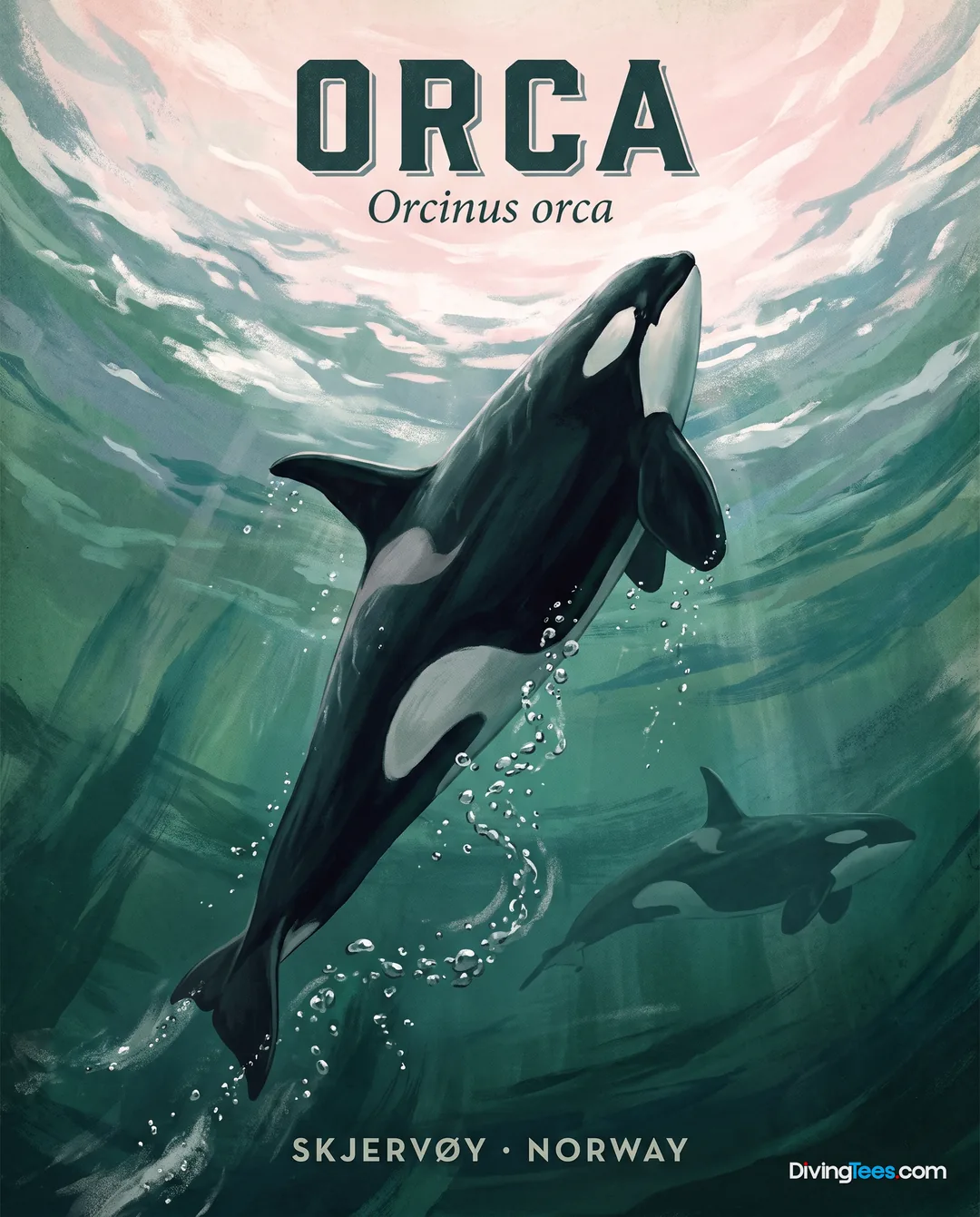
The main encounter is with orcas hunting and feeding around the winter herring migration in Northern Norway’s fjords. Humpback whales may join the activity, and the expedition can also encounter fin whales and, occasionally, sperm whales. The spectacle is not a checklist of guaranteed sightings. Guests may watch coordinated feeding from the deck, see the animals from the dinghy or enter the water when the conditions and the orcas’ behaviour permit. The whales can remain only briefly or approach the boat and swimmers themselves, so the strongest moments come from waiting without forcing the encounter.
Who puts you in the water
The expedition is led by an experienced orca guide, with one guide for every five participants. The practical requirement is simple: participants must be able to swim, handle a small boat and tolerate cold weather. No diving certificate is required, and no logged-dive minimum is set. The USEA lectures explain orca behaviour and the method used for respectful encounters, including staying calm and allowing the animals to choose whether to approach. Crew languages include English, French and Scandinavian languages. The guides also monitor the conditions and help guests decide when to enter, leave or remain aboard.
The dive deck and the gear
Sula’s water operation is built around dinghies rather than scuba diving. Guests change into dry suits and transfer from the main boat to a dinghy with a driver, then use the dinghy’s ladder to enter and leave the water. The boats remain close to Sula, so a guest who is cold, uncomfortable or needs a break can return to the mothership. Personal snorkelling equipment can be rented for an additional charge, and the equipment package includes a dry suit, hood, mask, snorkel, fins, gloves, weight belt and aquafloat. Sula has no nitrox and is not set up for technical diving. There is no scuba tank or compressor programme described for these expeditions.
Between dives
The quiet hours belong to the fjords and the weather. Guests can remain aboard and watch the water from the boat, or return to the saloon after a cold session while the crew tracks the animals and the forecast. Evenings may bring a northern-lights watch, a winter walk when the boat is in harbour, a local pub visit or time in the wood-fired hot tub. USEA lectures give the day a more thoughtful pause, explaining orca behaviour and how to enter the water without disturbing it. Wi-Fi works when the boat is docked in the evenings or at night, but the connection can disappear while Sula is searching during the day.
A day on board
A working day begins with a 07:30 wake-up call, followed by breakfast between 08:00 and 08:30. Sula leaves harbour at about 09:00 and heads into the fjord to search. Sometimes the animals appear immediately; sometimes the boat spends hours looking. Once they are found, guests put on dry suits, move into the dinghy and may enter the water. The first operation normally lasts two to three hours before everyone returns to Sula for hot soup, coffee and lunch. If conditions remain favourable, the dinghy goes out again after lunch and continues until darkness. The boat then heads for the closest bay or harbour, with dinner at 18:00 and a USEA lecture in the evening.
What you eat aboard
Full board covers breakfast, lunch and dinner, with Western and local food served aboard. Coffee, tea, soft drinks, snacks and fruit are available through the day. The important meal is the one after the first water session, when guests return from the dinghy for hot soup, coffee and lunch before deciding whether conditions allow another outing. Dinner comes after the boat has moved towards the closest bay or harbour for the night. This is expedition food with a job to do: warm people up, replace energy and get them ready for another search rather than interrupting the day with a long formal meal.
Nights at sea
The seven cabins are twin cabins with upper and lower bunk beds. Each has a washbasin with hot and cold water, while toilets and showers are shared in the corridor and under the shelter deck. There are no private bathrooms. A night on Sula is therefore practical and close-quarters, with little separation between the expedition group and the working life of the boat. Guests return from the cold to shared spaces, warm food and the indoor saloon, then have the option of the hot tub when it is heated. Solo travellers share with another guest of the same sex, rather than booking a private cabin on Sula.
Twin Cabin
What to know before boarding
The expedition starts and ends in Alta, Norway. A group transfer takes guests from Alta to the boat before boarding, and a return transfer brings them back to Alta after disembarkation; transfers are an additional cost. Arriving in Alta the night before is recommended, because weather delays can affect travel in Northern Norway.
- Length
- 27 m
- Beam
- 6 m
- Maximum number of passengers
- 12
- Number of cabins
- 7
- Website
- orcanorway.info ↗
Hello, I'm Marina, DivingDeal.com's AI assistant. I answer in detail about hotels, dive centres and liveaboards.
Thinking about the whole trip and the flights? Talk it over with Edith →
Marina is an AI. Some links are affiliate links: DivingDeal may earn a commission, at no extra cost to you. Bookings are made with the partner.