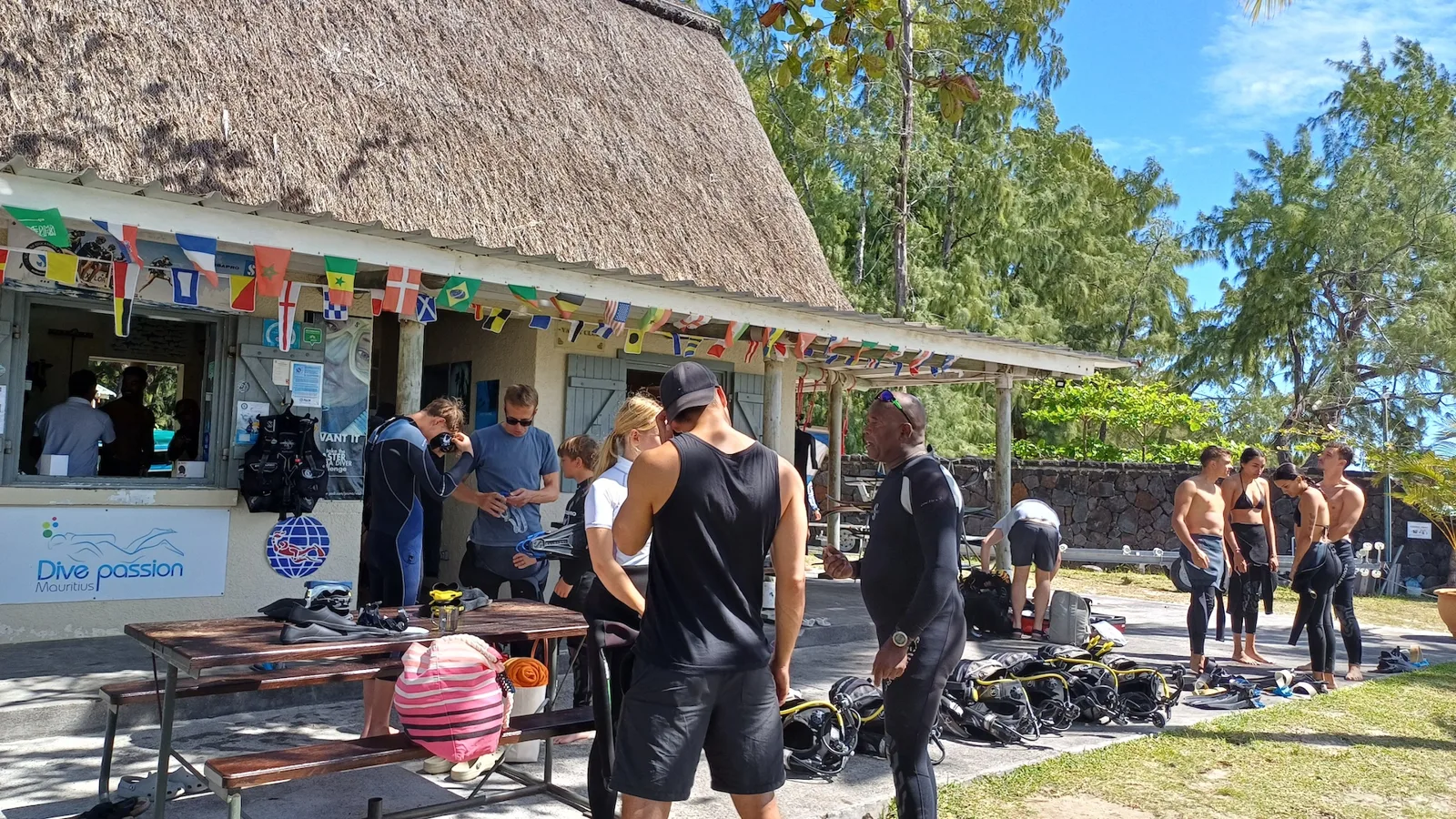

Dive Passion Mauritius
Google 4.8/5 (176 reviews)
1.2 km away as the crow flies
Belle Mare · Mauritius · Indian Ocean
Max. depth · 28 mBelle-Mare Pass offers a dynamic drift experience through a series of channels, funneling pelagic life and creating a sensation of underwater flight.
For subtitles in English: start the video firstthen click the gearat the top right of the video, select “Subtitles/CC”, then “Auto-translate” and choose “English”.
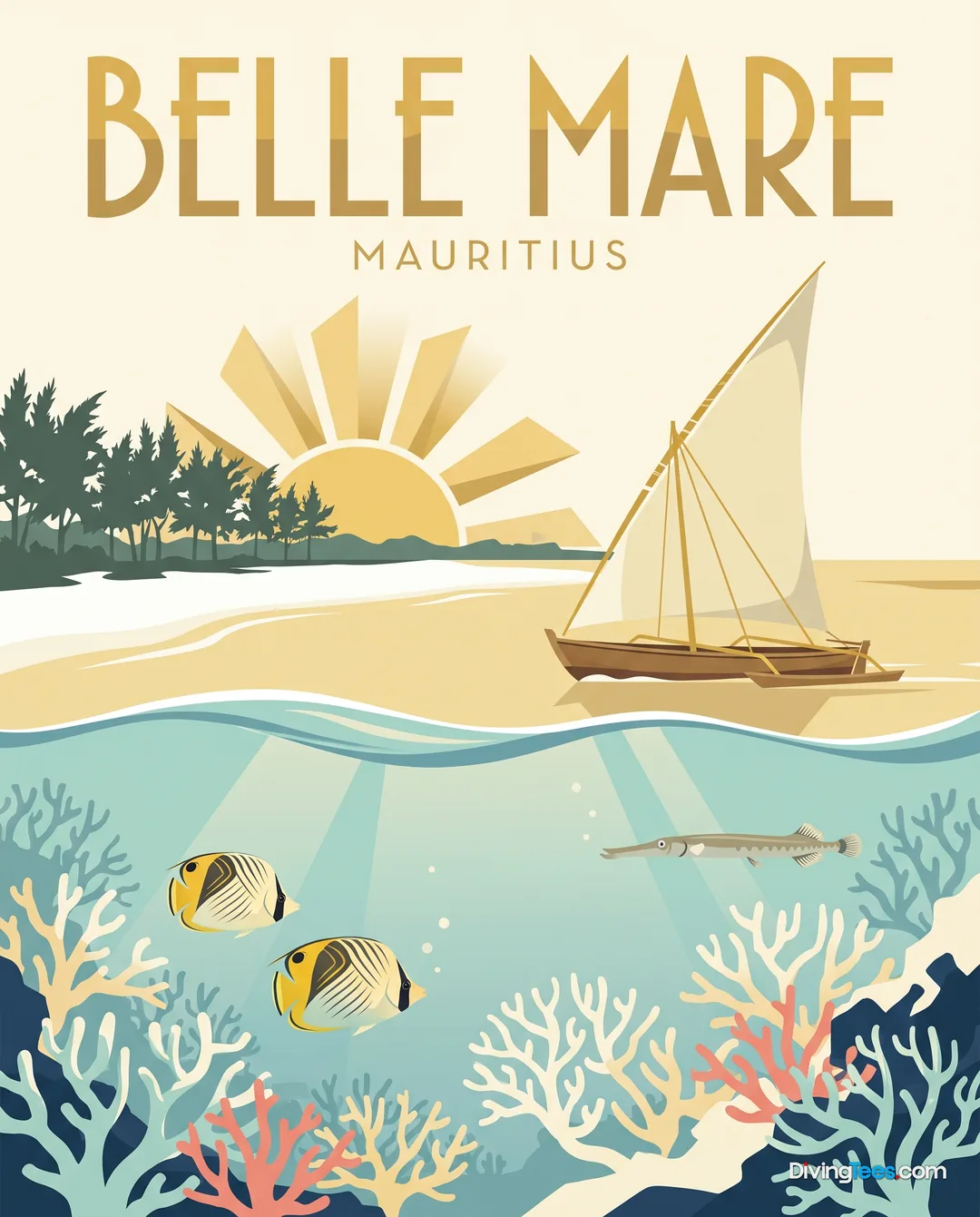
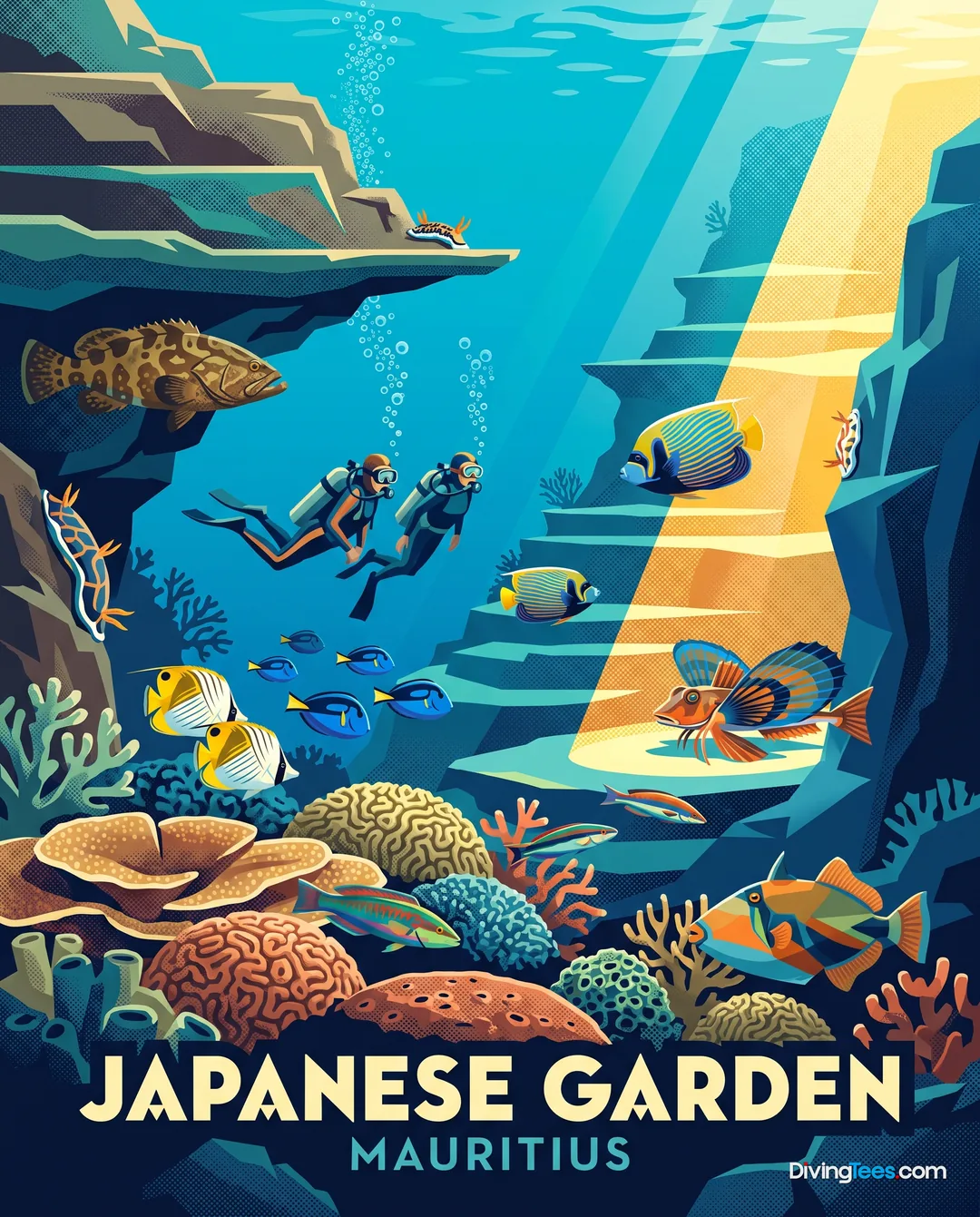
Belle-Mare Pass is not a single dive site but a series of natural channels cutting through the barrier reef off Belle Mare. These passes, including named spots like Japanese Garden and Aquarium, act as conduits for oceanic water, creating a dynamic environment. The topography features surge channels and canyons lined with hard corals, interspersed with sandy rubble areas and sections where the reef drops off into deeper water. This varied structure, combined with the consistent water movement, supports a rich ecosystem.
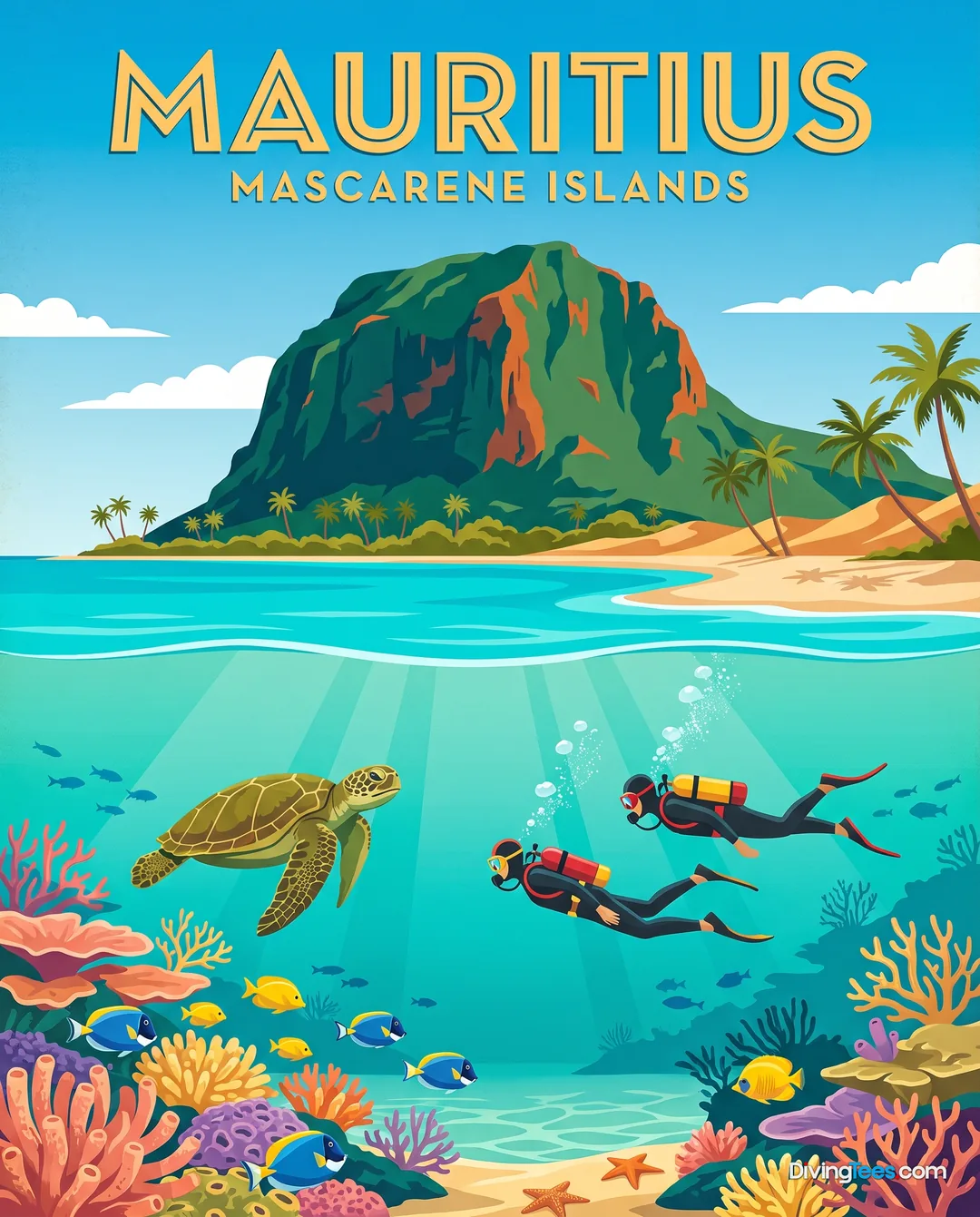
Dropping into Belle-Mare Pass immediately places you into the flow of the ocean. The dive is typically conducted as a drift, with the current guiding you through the channels. This prevailing force allows you to cover significant ground with minimal effort, providing a sensation akin to flying underwater. While the current is a defining feature, its strength varies between the individual passes, with some offering milder drifts and others presenting a more challenging, sporty dive for experienced divers.
The constant flow of nutrient-rich water through the pass attracts a significant volume of marine life. Schools of black-footed trevally (Caranx heberi) and bigeye trevally (Caranx sexfasciatus) are frequently seen patrolling the channels, their movements synchronized as they navigate the currents. You'll want to keep an eye on the open water beyond the reef's edge, as this is where the larger pelagic species often make their passes, drawn in by the rich plankton.
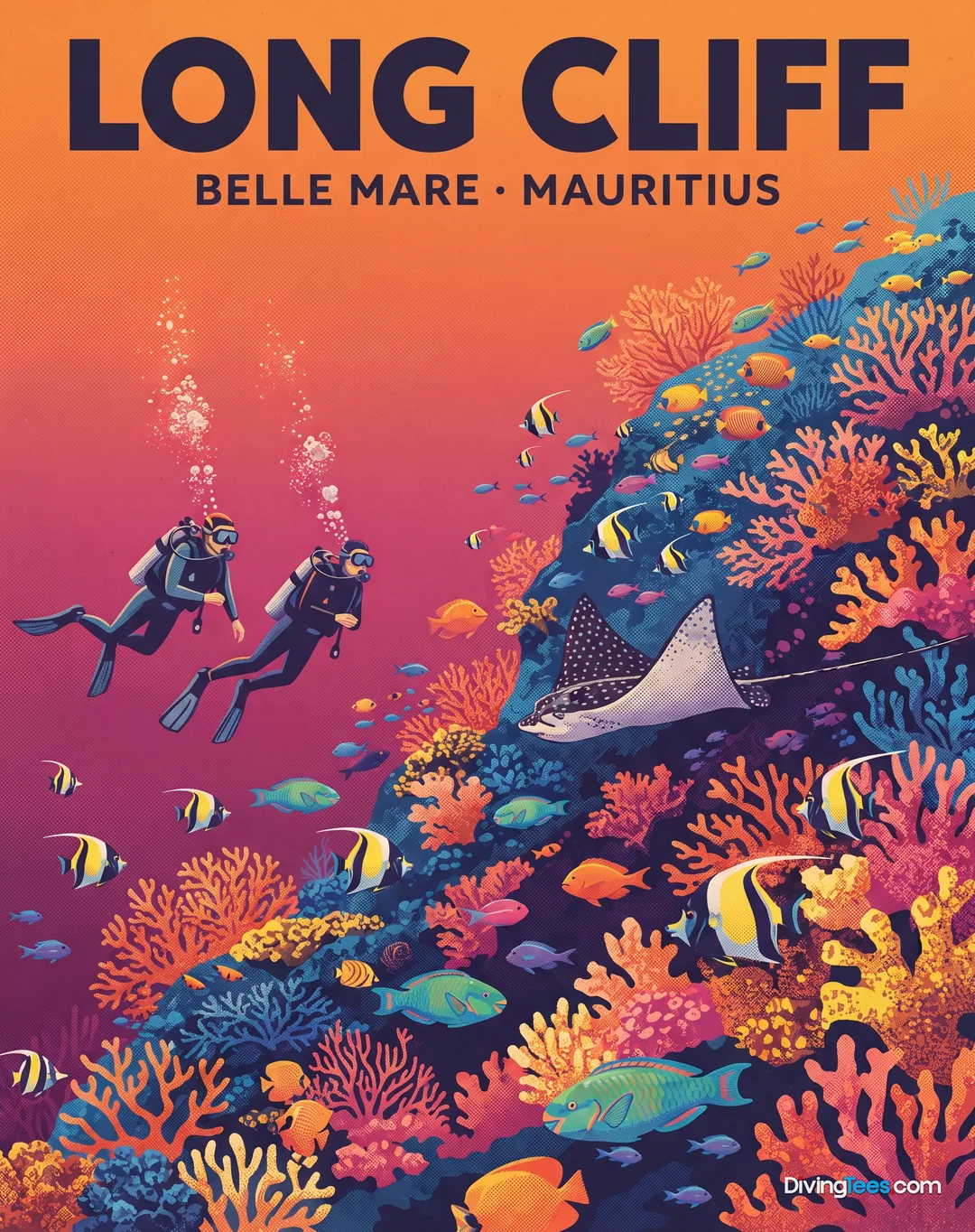
Encounters with larger predators are a regular occurrence here. Elegant eagle rays (Aetobatus narinari) glide effortlessly below, propelled by their wing-like fins. Reef sharks, including blacktip and whitetip reef sharks, are often observed making purposeful passes in the deeper sections of the channel, acting as guardians of these productive waters. The dynamic exchange of water ensures a healthy ecosystem, supporting both resident reef fish and these larger pelagic visitors.
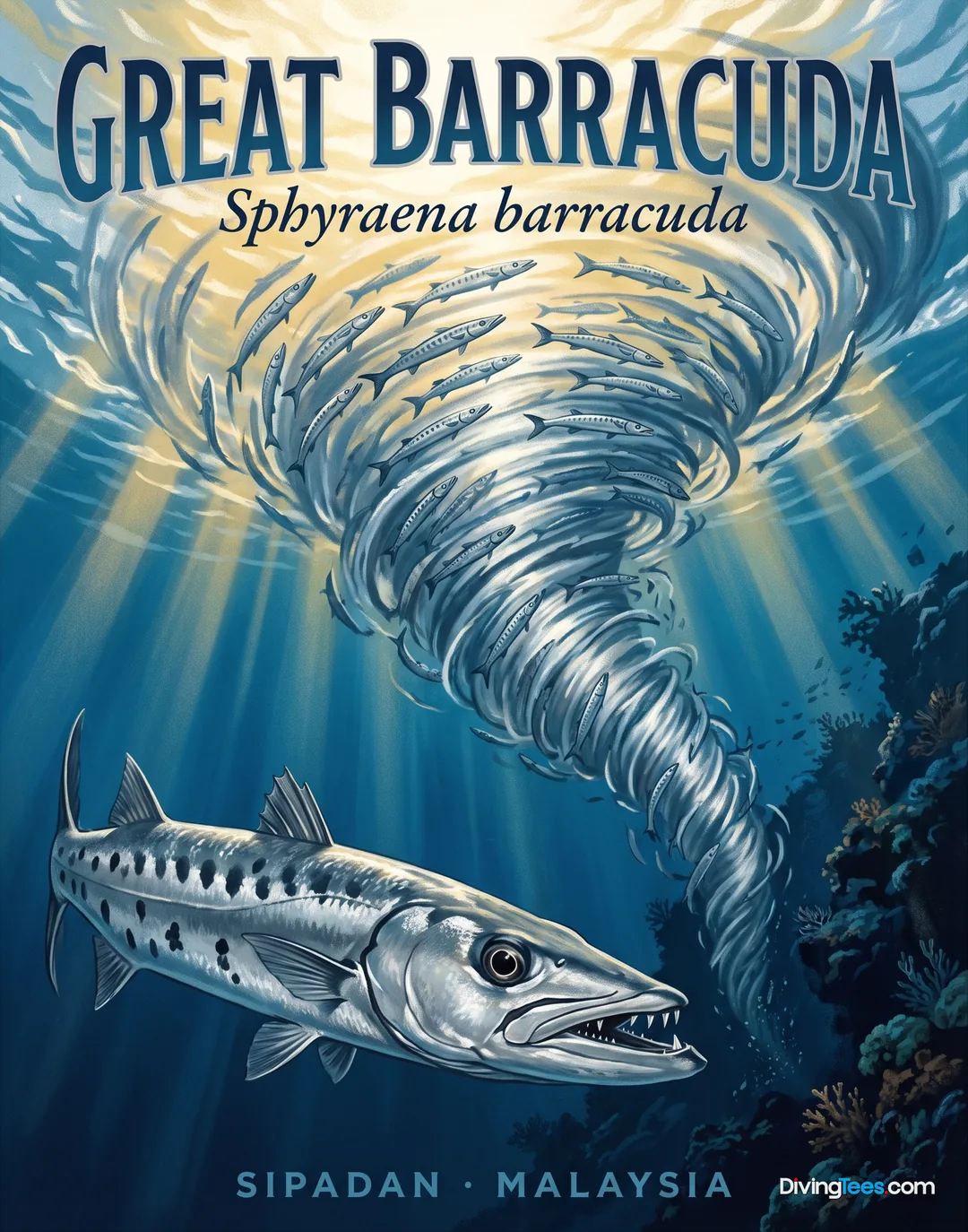
One of the more distinctive residents of Belle-Mare Pass is 'LEON', a solitary barracuda that has become a familiar presence. This impressive fish holds court within the channel, often observed watching the passing parade of divers and marine life with a detached, almost regal, demeanor. While barracudas (Sphyraena barracuda) are common in the region, an individual with such a consistent presence adds a unique character to this particular dive, offering a memorable highlight amidst the schooling fish.
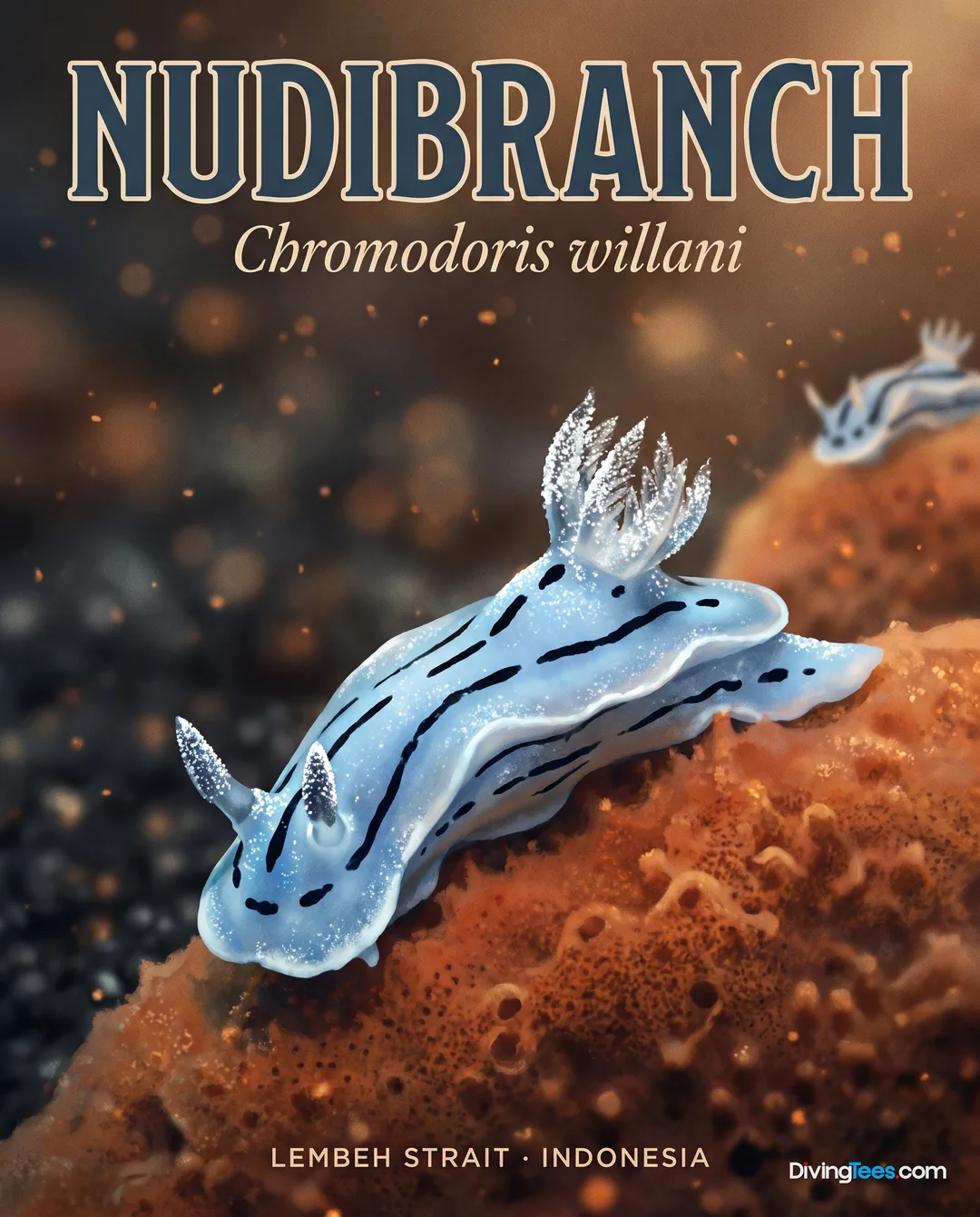
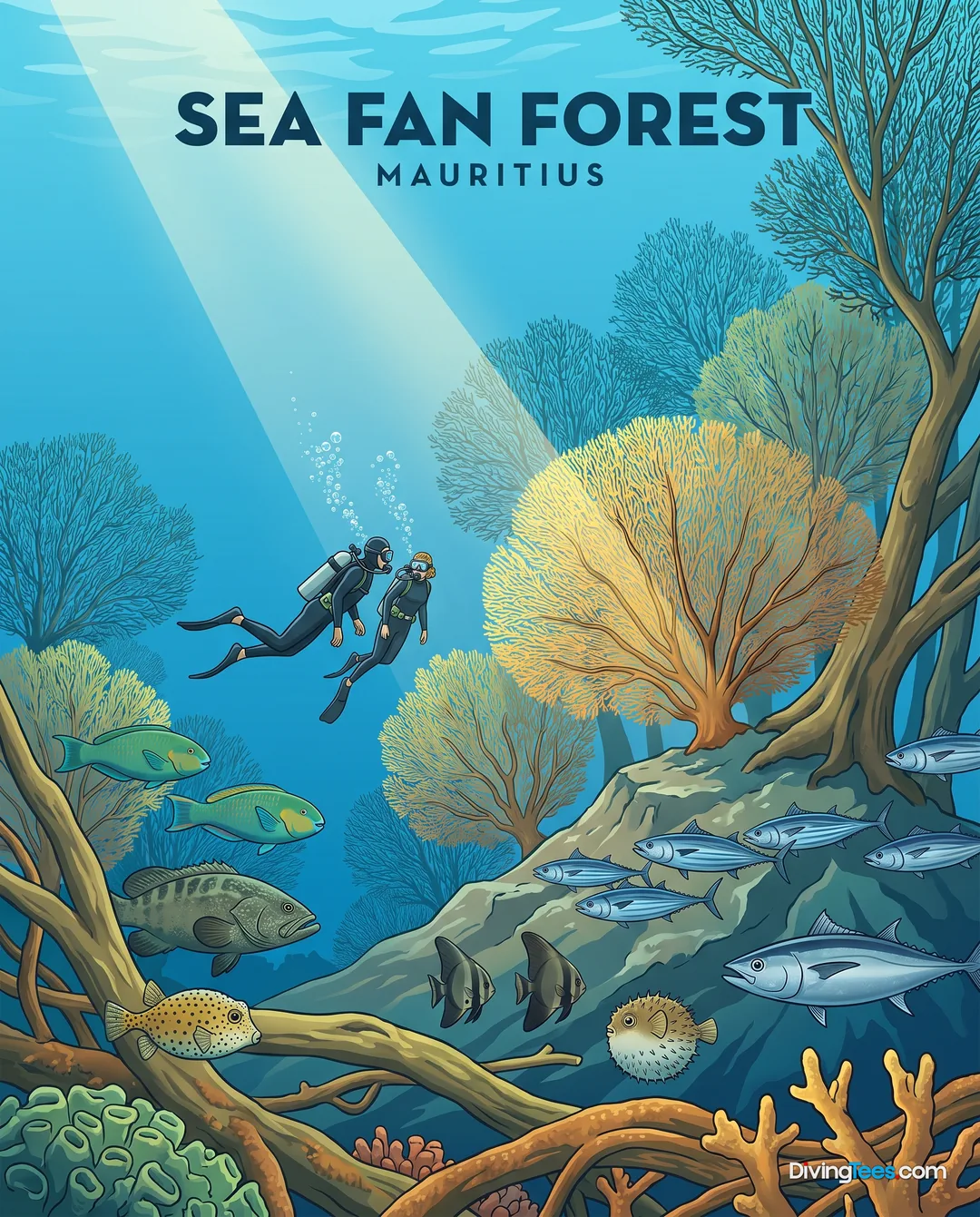
Beyond the pelagic action, the reef structure itself holds a variety of life. You'll find moray eels tucked into crevices, leaf scorpionfish camouflaged against the corals, and various triggerfish and surgeonfish moving across the reef. The hard corals and gorgonian forests provide shelter and feeding grounds for a diverse range of tropical reef fish and nudibranchs, adding color and detail to the drift as you pass by.
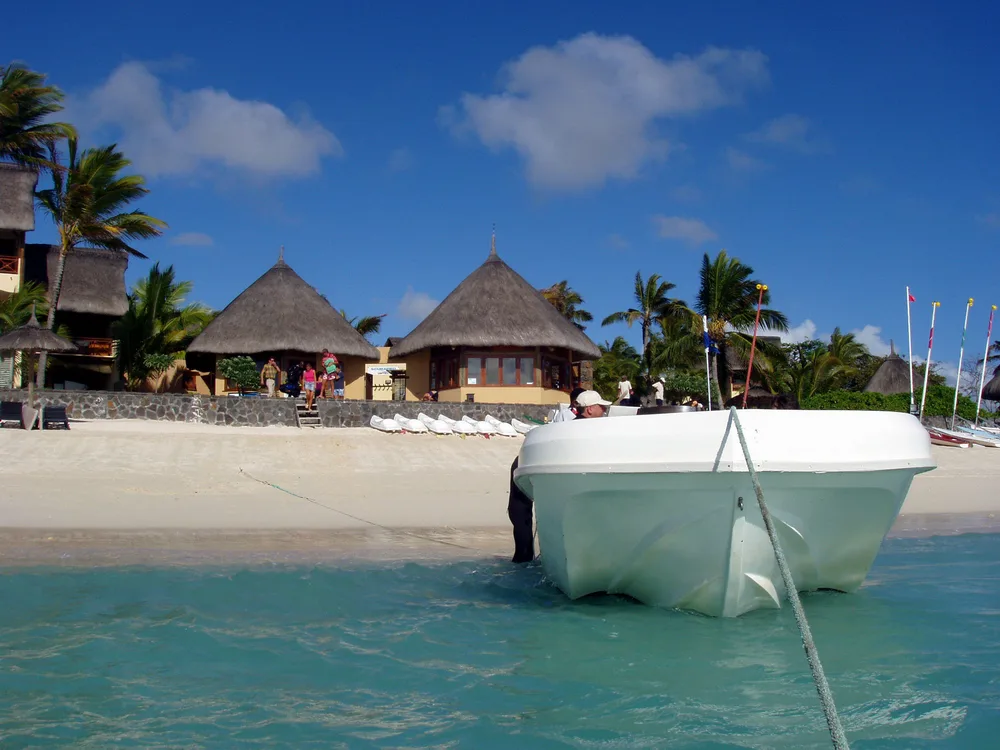
The best time to experience Belle-Mare Pass is during the warmer, calmer southern summer conditions, typically from November to May. During this period, the conditions are generally more favorable, enhancing both visibility and the overall comfort of the drift dive. Access to the pass is by boat, with most dive centers reaching the sites within 10 to 15 minutes from shore-based operations in Belle Mare.
Belle-Mare Pass offers drift dives with depths ranging from 10 to 28 metres. Due to the strong and sometimes very fast currents, this site is best suited for intermediate-level certified divers with prior drift diving experience. Some of the individual passes are reserved for advanced or confirmed divers. Visibility typically ranges from 10 to 30 metres. The prime season for diving here is from November to May, coinciding with the warmer, calmer conditions on Mauritius’s east coast.
The prime season for diving Belle-Mare Pass is from November to May, during Mauritius’s warmer, calmer conditions on the east coast. This period generally offers more favorable conditions, supporting a more comfortable drift dive and typically providing visibility ranging from 10 to 30 metres.
Belle-Mare Pass is a drift dive through natural channels, with currents that can be strong and sometimes very fast. You should be an intermediate-level certified diver with prior drift diving experience. Individual passes vary, and some are reserved for advanced or confirmed divers because they offer more challenging conditions.
Belle-Mare Pass offers depths from 10 to 28 metres. The channels include surge areas and canyons lined with hard corals, along with sandy rubble sections and reef areas dropping into deeper water. This varied underwater structure gives you changing scenery as the current carries you through the pass system.
At Belle-Mare Pass, you may see schools of black-footed and bigeye trevally, eagle rays, and blacktip and whitetip reef sharks. You could also encounter LEON, the resident barracuda, among hard corals and gorgonian forests. Moray eels, leaf scorpionfish, triggerfish, surgeonfish, tropical reef fish, and nudibranchs add further variety.