
Dolphin
Google 4.8/5 (148 reviews)
Croatia · Mediterranean
Roman villa remains at Babice Stine, Cape Kabal tunnels, deep wrecks and red gorgonians set Bol apart as a base for exploring central Adriatic diving.
For subtitles in English: start the video firstthen click the gearat the top right of the video, select “Subtitles/CC”, then “Auto-translate” and choose “English”.
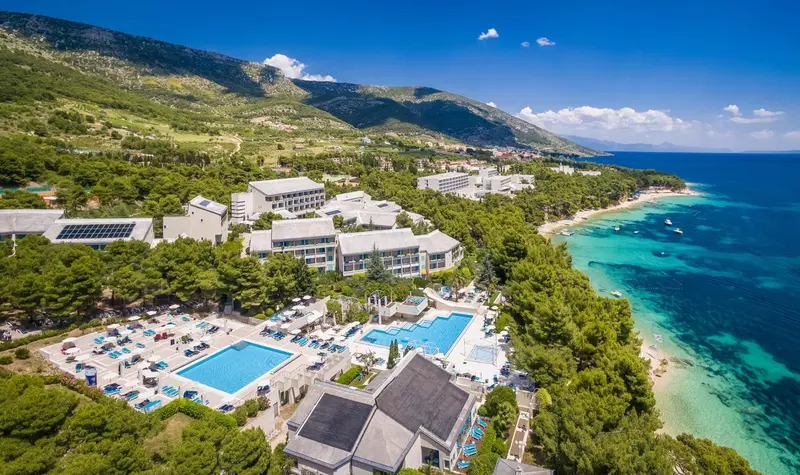
Bol is a shore-based diving holiday with more range than its compact harbour setting suggests. From Borak, beginners can make shallow coastal dives, while boats head towards Brač, Hvar, the Pakleni Islands and further sites for walls, caves, reefs and wrecks. Babice Stine offers Roman villa remains in modest depth, while Cape Kabal and Vodnjak provide more serious terrain. It also works well for non-divers, with Zlatni Rat, boat trips, beaches and inland Brač to fill a day out of the water.
The diving switches between easy shore entries, boat-launched walls, tunnels, caves, deeper reefs and wrecks. Around Cape Kabal, expect walls and enclosed passages rather than a single flat reef; towards Vodnjak and the Pakleni Islands, the sites become deeper and more exposed. Wreck trips around Šolta reach roughly 25 to 45 metres, so they belong to a different plan from a shallow Borak dive. Currents are variable, and the wind often decides which coast is sensible. Centres commonly move between Brač and Hvar to find shelter, rather than forcing a fixed itinerary. Water is generally clear, but visibility is not consistent enough to plan the holiday around a particular figure. Most nearby sites take less than an hour by boat, with many reached in twenty to forty minutes.
Octopus and nudibranchs are reliable subjects throughout the season, rewarding the slow inspection that suits the shallower rocks and sheltered coastal sites. Yellow and red gorgonians add colour to the walls and reef faces, particularly where the terrain drops away. Groupers are an occasional summer to early-autumn encounter rather than a sight to build the whole trip around. The appeal here is not a single headline animal, but the change in habitat from the Roman villa remains at Babice Stine to caves, walls, reefs and wreck structure. A torch helps reveal life in tunnels and cavities, and makes a night dive around Bol a distinct option rather than merely a repeat of the daytime route.
June, September and October are the most comfortable choices for a Bol diving holiday. July and August bring the greatest pressure on boats and popular sites, while the shoulder months usually leave more room around the harbour and on coastal dives. The local season continues into early November, but the wind remains the practical deciding factor throughout. Centres can alternate between the Brač and Hvar sides to keep diving possible, so allow a spare day rather than arranging every outing as an immovable booking. September and early October also suit a mixed holiday, with enough daylight for Zlatni Rat, inland villages and a day away from the water.
Bol suits a broad spread of experience, provided the dive is matched to the site. Beginners can use Borak for introductory and shallow coastal dives, while qualified divers can move on to walls, tunnels and deeper reefs. Advanced Open Water is useful for the deeper Cape Kabal and Vodnjak sites. Wreck qualifications are sensible for the Šolta outings, where depths can reach about 45 metres, and Night Diver training helps if you want to explore after dark. A diver comfortable with variable conditions will get more from the destination than someone expecting the same sheltered site every day.
From London Heathrow or Gatwick, or from Manchester, the journey normally involves reaching Split and then continuing by ferry or catamaran to Brač. Depending on the sailing, you travel to Supetar or directly to Bol. From Supetar, allow about an hour by road across the island before reaching Bol. Direct seasonal services from Split to Bol can remove that island road transfer, but the timetable still governs the whole journey. Leave generous space between a flight, a ferry and any onward connection, particularly outside the height of summer when services are more seasonal. Bol itself is compact, and accommodation around the centre or waterfront is often walkable from the diving bases. Places nearer Zlatni Rat or on the higher slopes usually call for a taxi or local transfer.
Let the wind decide the coast. A rigid plan based only around one side of Brač can leave you chasing unsuitable conditions, whereas the useful flexibility here is the ability to switch between Brač and Hvar. Keep a reserve day for longer trips, especially those towards Hvar, the Pakleni Islands or the wrecks, and group nearby Bol sites together when the sea is less settled. In July and August, reserve boat places ahead rather than assuming there will be room on every daily departure. If you want something less demanding than a wall or wreck, ask specifically about Babice Stine and its shallow Roman villa remains. Do not treat a Borak initiation as a preview of Cape Kabal or Vodnjak. Pack a suitable torch for caves and night diving, and check that the operator can provide one if you are not bringing your own. Finally, do not book a ferry connection tightly around the diving schedule, or choose accommodation near Zlatni Rat without allowing for local transport.
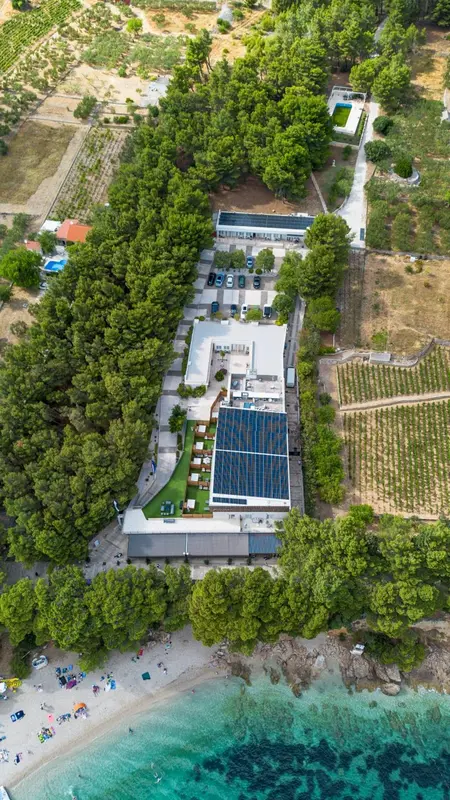
A five- to seven-day stay gives Bol enough breathing room for wind-related changes, a longer boat outing and a non-diving day on Brač. The village centre and waterfront keep everyday logistics simple, with many diving bases reachable on foot. Those staying nearer Zlatni Rat or above the town should arrange transport rather than relying on the map alone. Days can combine a morning or full-day boat trip with an evening promenade, while Borak offers a practical fallback when boats cannot leave.
Hello, I'm Marina, DivingDeal.com's AI assistant. I guide you through destinations, areas and countries.
Thinking about the whole trip and the flights? Talk it over with Edith →
Marina is an AI. Some links are affiliate links: DivingDeal may earn a commission, at no extra cost to you. Bookings are made with the partner.
Choose June, September or October for comfortable diving and less pressure on boats and popular sites. The season continues into early November, but wind can influence conditions at any time. September and early October also work well for a mixed holiday, leaving daylight for Zlatni Rat, inland villages and time away from the water.
Bol- Brac suits different experience levels when you match the dive to the site. Beginners can make introductory and shallow coastal dives around Borak. Qualified divers can progress to walls, tunnels and deeper reefs. Advanced Open Water experience helps at Cape Kabal and Vodnjak, while wreck qualifications suit the deeper Šolta outings.
Bol- Brac offers Roman villa remains beneath the shallows at Babice Stine, along with caves, tunnels, walls, reefs and wrecks. Yellow and red gorgonians colour Adriatic walls, while octopus and nudibranchs reward careful observation. You may occasionally encounter groupers, and a torch reveals life in cavities and during night dives.
Plan a flexible stay in Bol- Brac because wind can change which coast is suitable. Keep a reserve day for longer trips towards Hvar, the Pakleni Islands or the wrecks, and group nearby sites together. Stay near the centre or waterfront for walkable access, or arrange transport if staying near Zlatni Rat or higher slopes.