
Lefkas Diving Center
Google 4.9/5 (180 reviews)
Greece · Mediterranean
Cape Ducato’s deep walls, Vasiliki’s caves, Meganisi’s reefs and scattered wrecks give Lefkada a flexible base for boat and shore diving.
For subtitles in English: start the video firstthen click the gearat the top right of the video, select “Subtitles/CC”, then “Auto-translate” and choose “English”.
At Lefkada, diving is built around a proper island stay rather than a single signature site. The coastline gives you shore entries and boat departures, with walls, caves, reefs, canyons and wrecks spread between Lefkada, Nikiana, Nydri, Vasiliki and Meganisi. Cape Ducato adds deeper southern terrain for experienced divers, while the eastern ports make it easy to vary the plan. It is a sensible choice for a week or more, especially when a companion wants beaches, villages, sailing or inland walks.
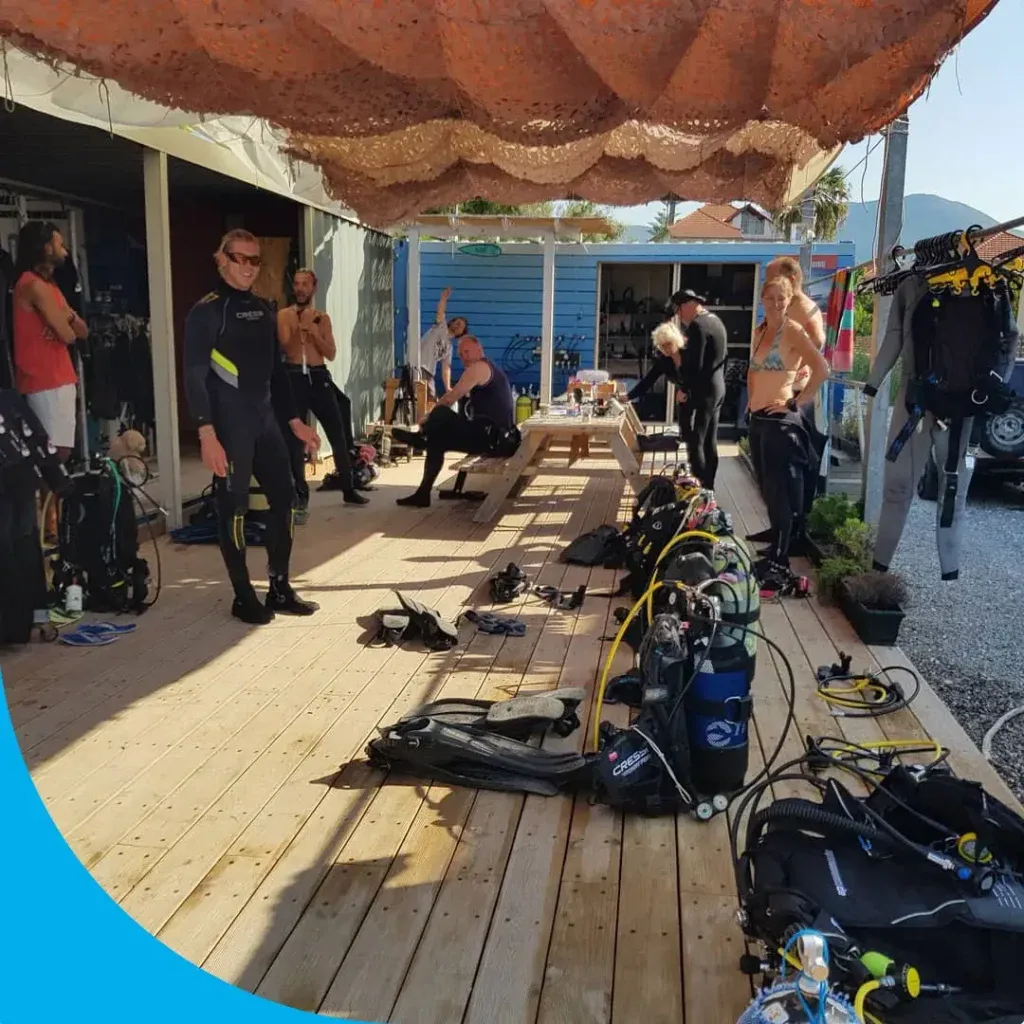
The diving changes with the coast. Around Vasiliki and Meganisi, expect reefs, caves and canyons, with boat trips opening up more secluded terrain. Nydri and the eastern bays provide access to coastal sites and wrecks, while Cape Ducato is the place for deeper walls and more exposed southern diving. Currents are variable rather than a constant feature, but wind and sea state can decide whether an exposed site is enjoyable or unsuitable. Visibility commonly falls between 15 and 30 metres, with wind, swell and heavy rain runoff the main spoilers. Both shore dives and day boats make sense here. Grouping dives by area is more comfortable than crossing the island between departures, and keeping the programme flexible lets the skipper use the better side of the island when conditions change.
Underwater, Lefkada is a terrain-led destination rather than a wildlife itinerary. Around Vasiliki, Nydri and Meganisi, the attraction is the combination of Mediterranean reef, cave and wall structure, with canyons and wrecks adding changes of scale and direction. The southern sites bring deeper vertical relief, while sheltered bays suit a quieter exploration of the coastline. Marine life belongs to that reef setting, but this is not a place to organise a trip around a guaranteed seasonal animal encounter. Plan instead for what the sea is offering that day: clear water over rock, darker passages through caves, and the contrast between shallow coastal diving and deeper southern walls.
The practical diving season runs from May to October, with June through September the most dependable part of the calendar and October still a useful quieter month. Summer and early autumn usually bring the clearest conditions, while visibility is most easily disturbed by wind, swell or runoff after heavy rain. July and August are also the busiest months around beaches and harbours. June, September and October offer a better balance between active dive operations, workable sea conditions and less shore-side pressure. November to March is a poor fit for a planned diving holiday because weather is more variable and regular outings are less available.
Lefkada works for beginners and experienced divers, provided the site is matched to the diver. Shore sites and easier coastal outings suit those building confidence, while Cape Ducato and other deep southern walls call for stronger experience and an Advanced Open Water qualification alongside PADI, SSI or BSAC training. Ask about depth and exposure before booking a southern trip. The range is useful for mixed groups, since one diver can stay with accessible sites while another moves on to deeper terrain.
From London Heathrow or Gatwick, and from Manchester, the usual route is a seasonal direct flight to Aktion, followed by a road transfer to Lefkada. Direct services are mainly a summer arrangement, so outside that period a connection through Athens is generally needed, often making the journey longer. Lefkada itself is joined to mainland Greece by a causeway and floating bridge, so there is no mainland ferry to arrange. Once on the island, stay close to the harbour or dive centre where possible. In the coastal resorts, some journeys can be made on foot; between Lefkada, Nikiana, Nydri and Vasiliki, plan on a hire car or taxi rather than assuming a shared shuttle.
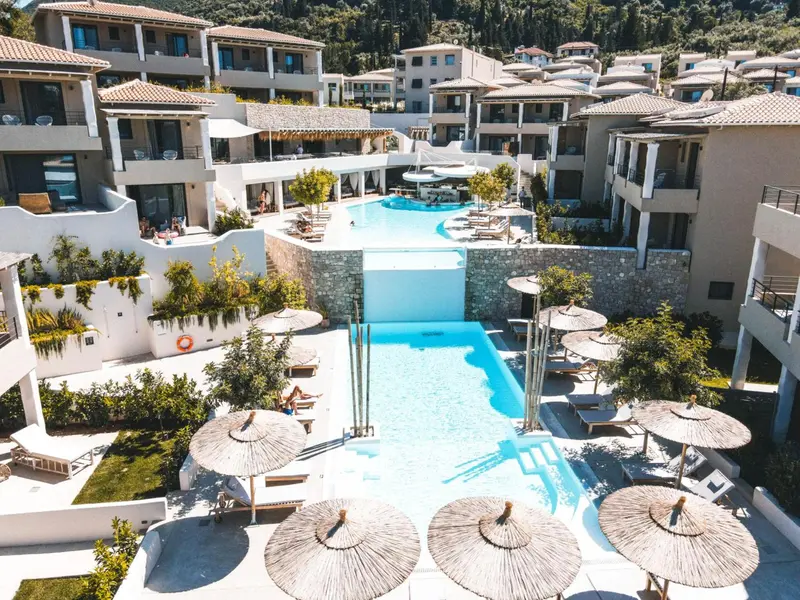
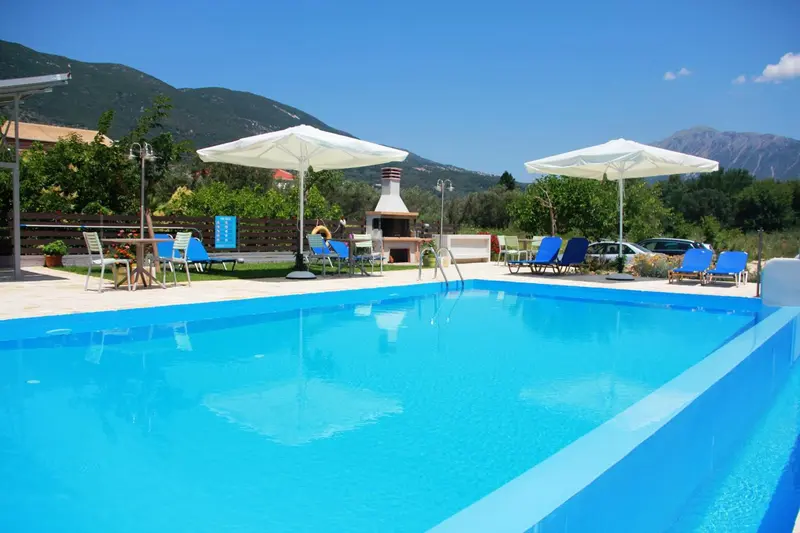
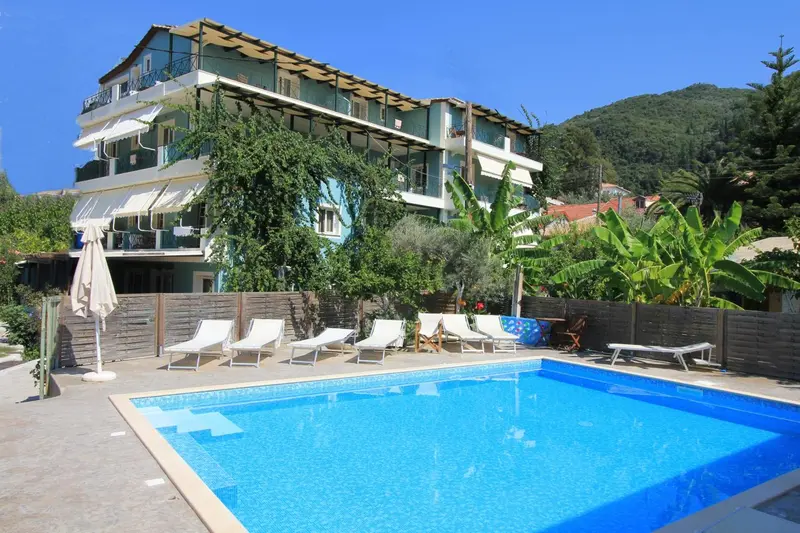
Choose your base by the diving you actually want. Nikiana and Nydri make sense for eastern departures and Meganisi, while Vasiliki saves repeated road journeys to the south. Do not build the holiday around Cape Ducato alone: wind and swell can close off exposed southern sites, so leave room to switch sectors. Meganisi is a genuine diving extension, reached by boat from Nydri, not merely a sightseeing add-on. Check whether a listing describes scuba or only a snorkelling visit to a cave or beach, as the two are sometimes blurred in holiday descriptions. Avoid treating Lefkada-ville as the departure point for everything. Group outings geographically, and leave a non-diving day before the flight rather than scheduling a final series of dives immediately beforehand.
A seven to ten-day stay gives the island’s separate diving areas time to work around the wind. Settle into one coastal base, organise outings by sector, and use a boat day for Meganisi rather than trying to cover every harbour from one hotel. A flexible rhythm suits Lefkada better than a rigid run of consecutive dives. Keep one day for a sea excursion, a village or mountain walk, with beaches and sailing providing easy alternatives for non-divers.
Hello, I'm Marina, DivingDeal.com's AI assistant. I guide you through destinations, areas and countries.
Thinking about the whole trip and the flights? Talk it over with Edith →
Marina is an AI. Some links are affiliate links: DivingDeal may earn a commission, at no extra cost to you. Bookings are made with the partner.
Plan your diving holiday between May and October. June through September generally offers the most dependable combination of active dive operations and workable sea conditions, while October can be quieter and still useful. Summer and early autumn often bring clearer water, but wind, swell and heavy rain runoff can reduce visibility and affect exposed sites.
Lefkada suits beginners and experienced divers when the site matches your ability. Shore dives and easier coastal outings can help you build confidence, while Cape Ducato and other deep southern walls require stronger experience and an Advanced Open Water qualification alongside PADI, SSI or BSAC training. Ask about depth and exposure before booking.
You can explore Mediterranean reefs, caves, canyons, walls and wrecks around Vasiliki, Nydri and Meganisi. Sheltered bays offer quieter coastal diving, while southern sites provide deeper vertical relief. Expect clear water over rock and darker cave passages rather than a trip centred on guaranteed animal encounters or a particular seasonal species.
Choose a base near the diving you want: Nikiana or Nydri for eastern departures and Meganisi, or Vasiliki for southern sites. Group outings by area, use a boat day for Meganisi, and keep plans flexible for wind and swell. A hire car or taxi helps between resorts, and leave a non-diving day before your flight.