CMAS
Nero-Sport Diving Center, Zakynthos, Griechenland
Google 5/5 (650 reviews)
Greece · Mediterranean
Rock walls, sulphur-layered caverns, barracuda above a 40-metre reef and loggerhead turtles define Zakynthos beneath its busy summer coastline.
For subtitles in English: start the video firstthen click the gearat the top right of the video, select “Subtitles/CC”, then “Auto-translate” and choose “English”.
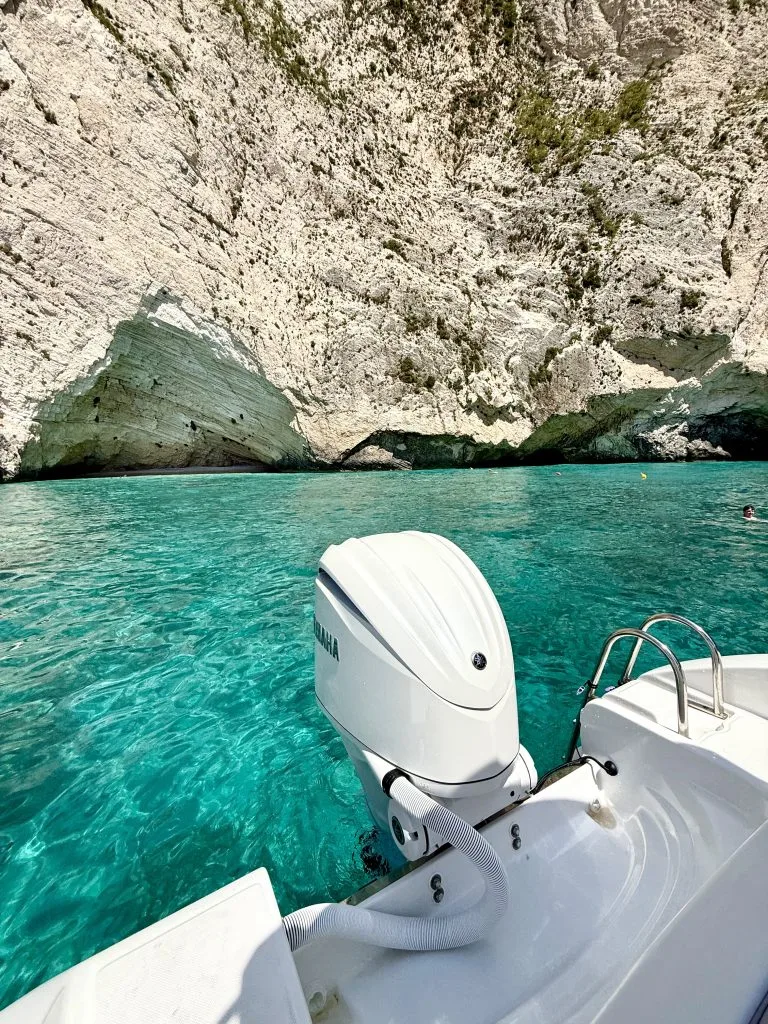
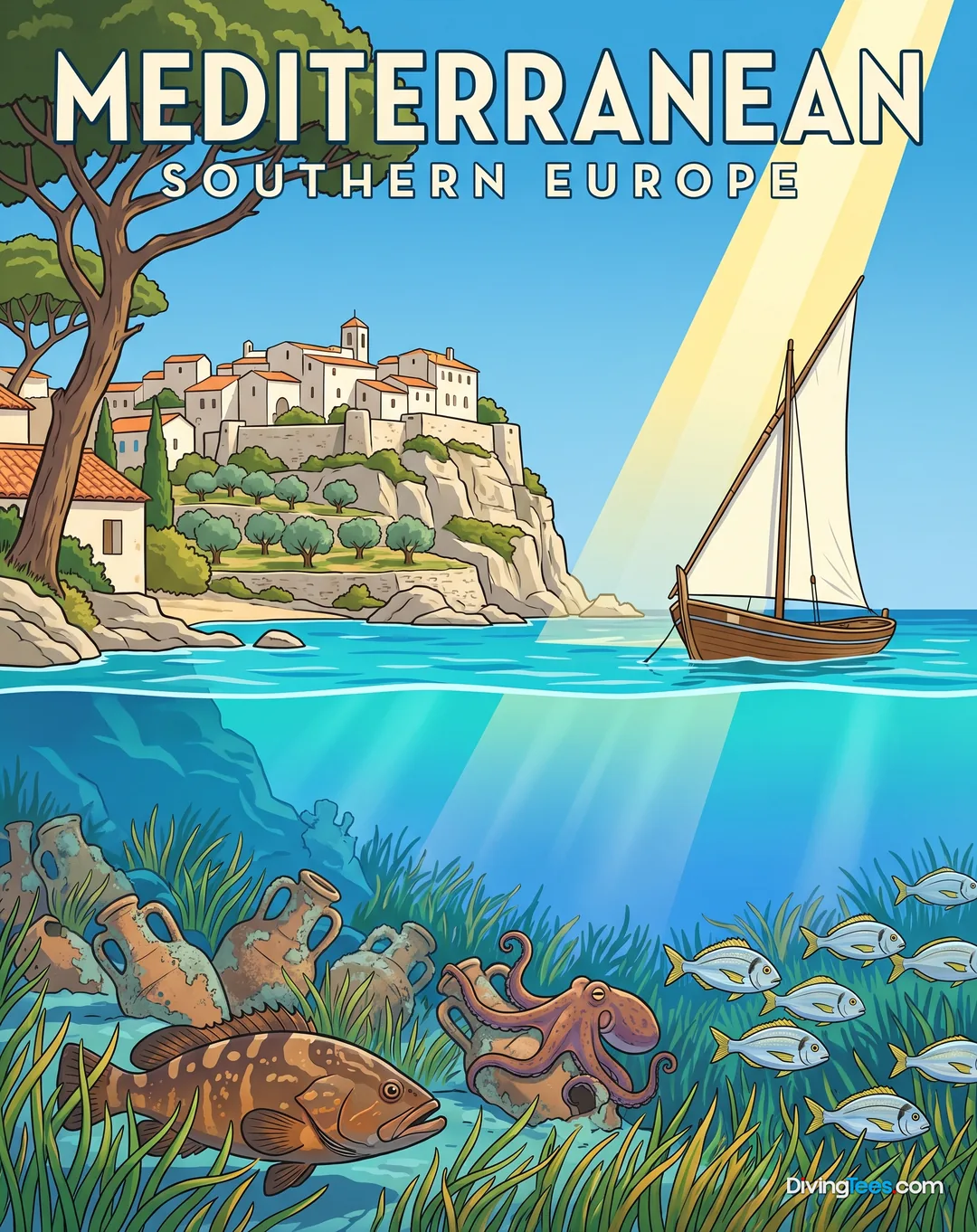
Zakynthos is a shore-based Greek island destination built around daily boat diving rather than a liveaboard itinerary. Its character comes from the coastline: walls, arches, rocky drop-offs, small tunnels and caverns, with the National Marine Park of Zakynthos adding an important conservation dimension around Laganas Bay. The island also works well for a mixed holiday. A non-diving companion has beaches, coastal excursions, villages and viewpoints to occupy the surface interval while divers explore the local rock formations.
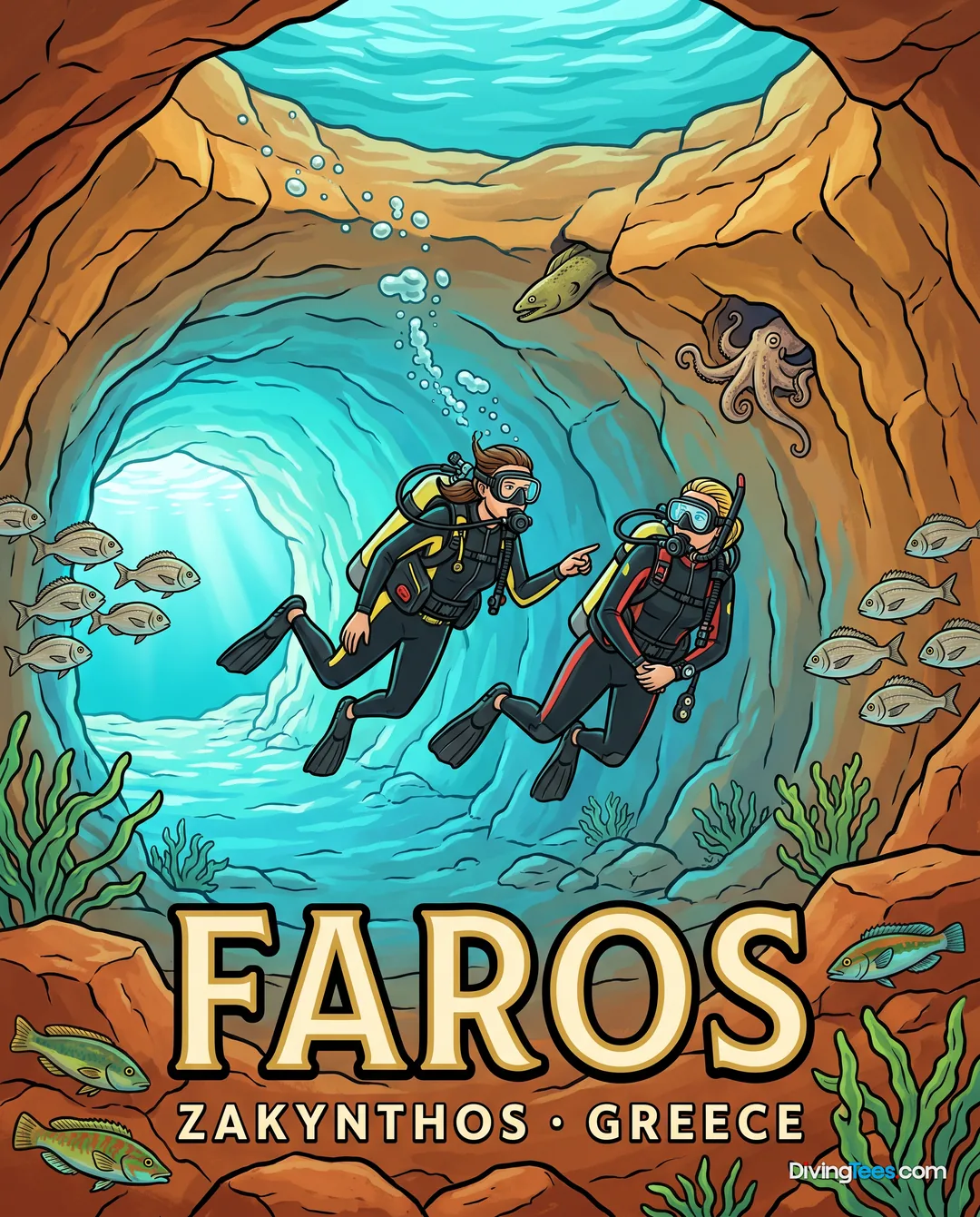
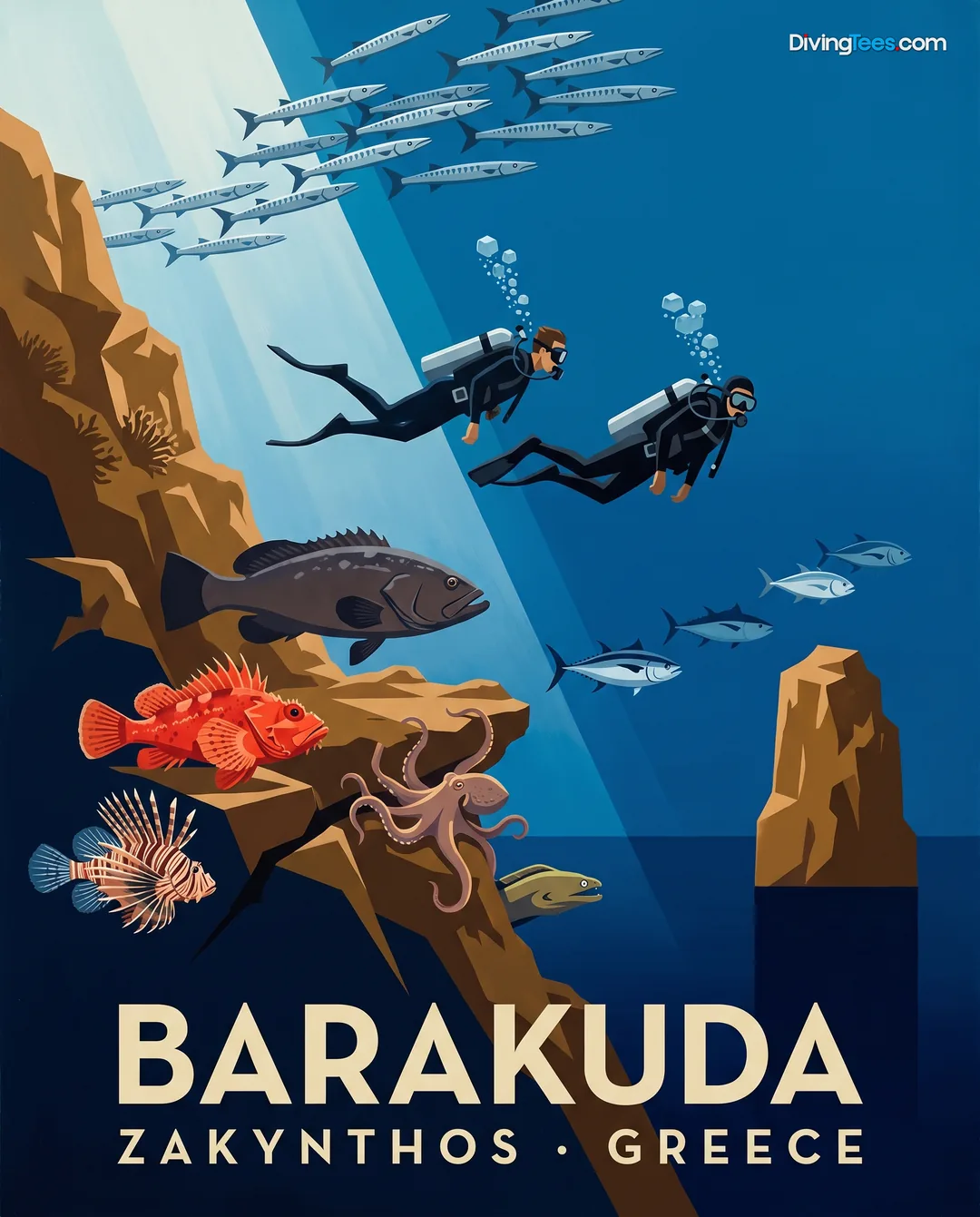
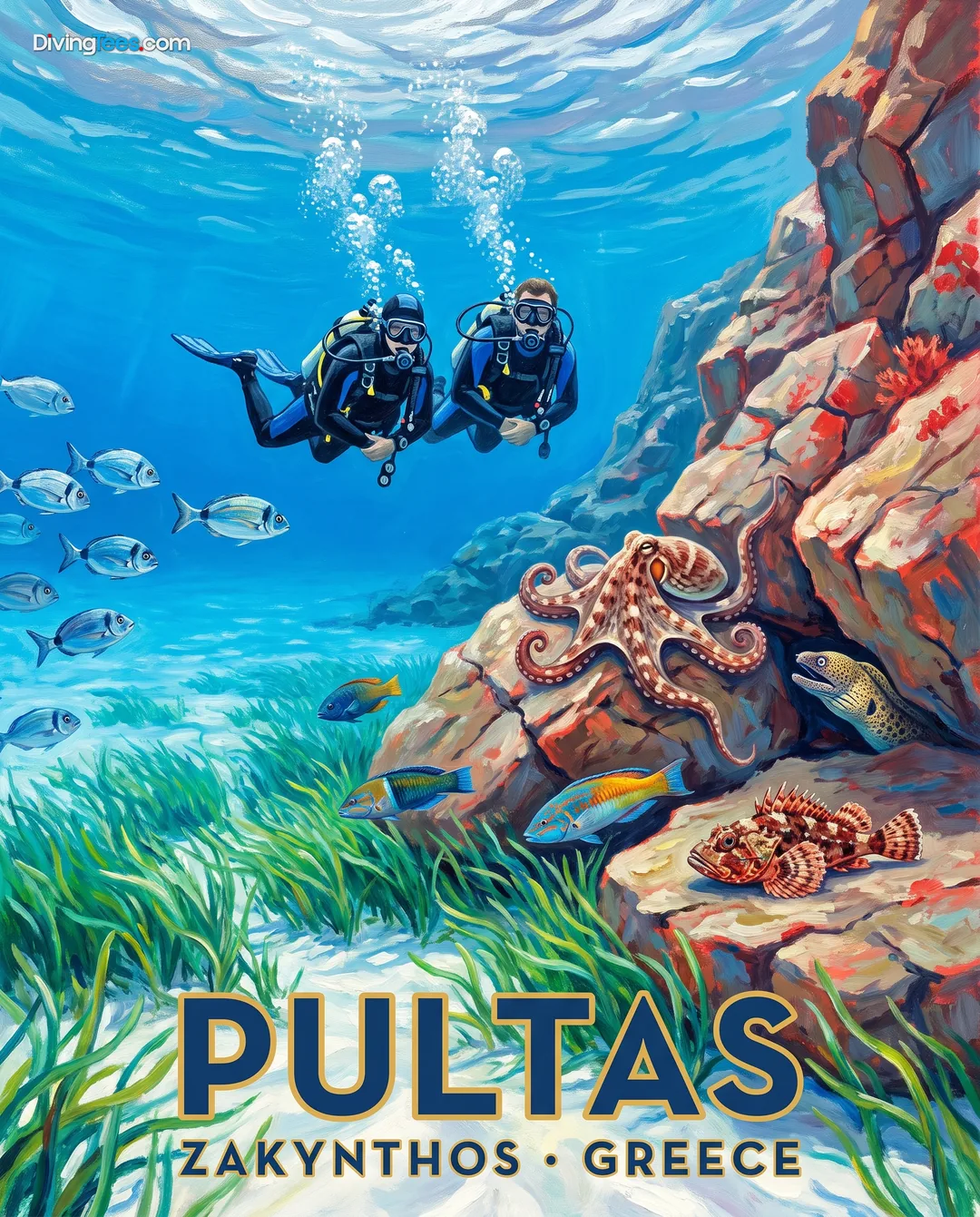
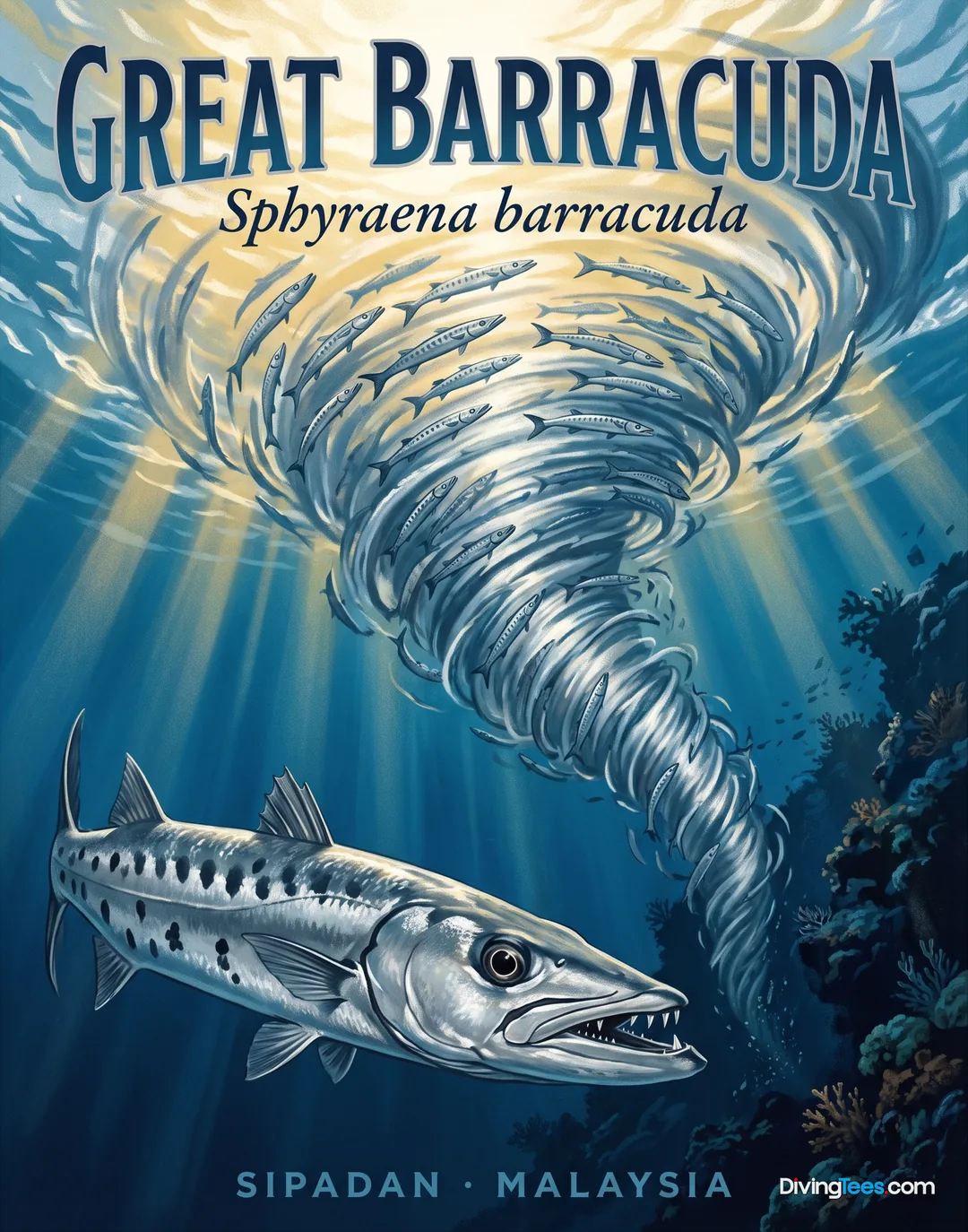
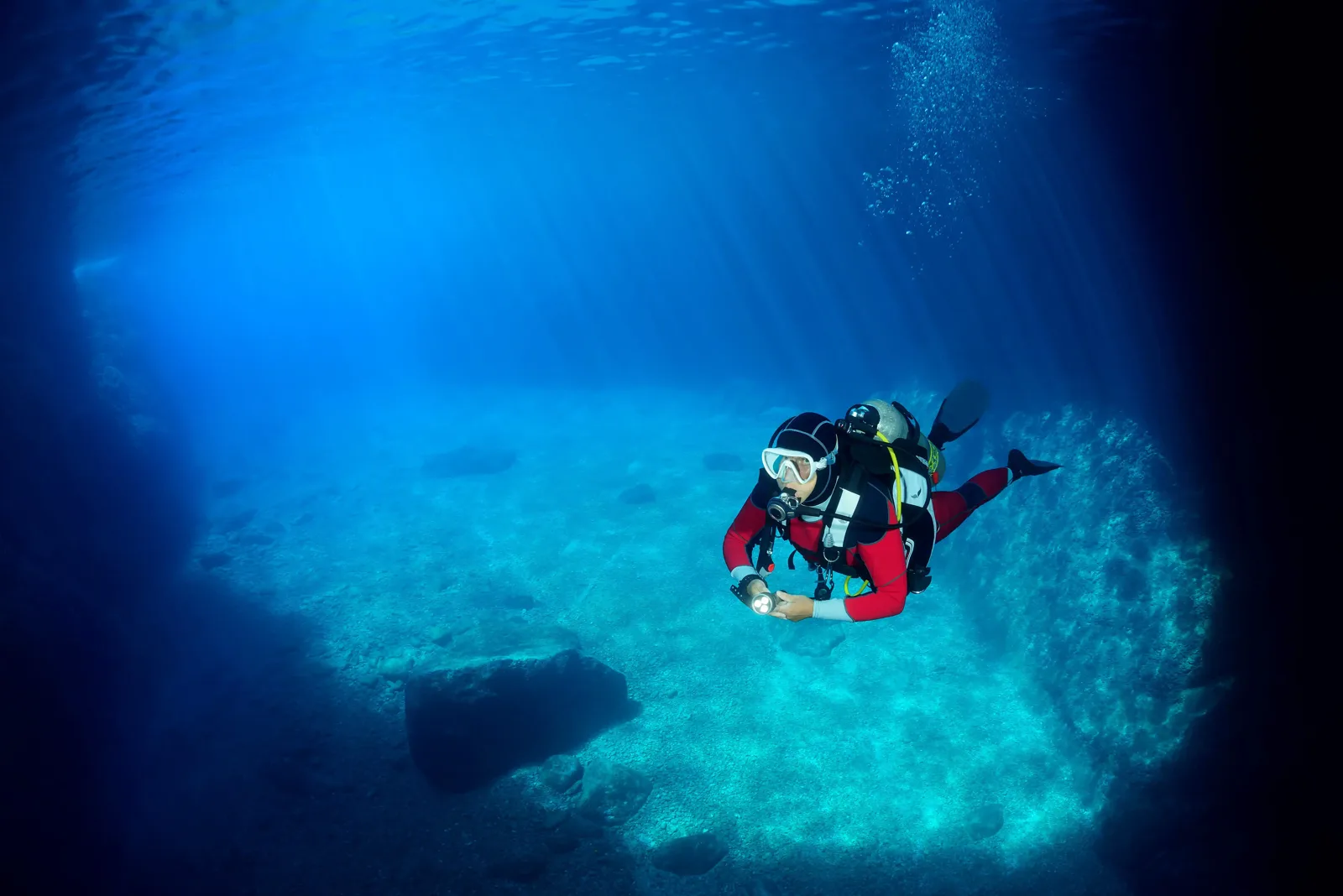
Most dives leave by boat from the island’s ports and follow the coast into rocky scenery rather than wrecks or extreme walls. At Barakuda Reef, the rock drops from roughly 14 metres towards 40 metres, with barracuda often gathering around a prominent pinnacle when current increases. Blue Caves combines a wall and canyon with a large cavern, while Keri Caves offers open rock cathedrals, tighter tunnels and shrimp-filled spaces between five and 30 metres. Faros is shallower, with tunnels and a broad cavern. Conditions are generally suitable for recreational diving, but current is variable at some sites and can be unpredictable at Barakuda and Pultas. Visibility is site- and weather-dependent: Barakuda is typically quoted at 15–30 metres, while Blue Caves may range from 5–30 metres. Boat access can be limited by wind and sea state, so flexible planning matters.
The most distinctive seasonal encounter is the loggerhead turtle, Caretta caretta, present from May to October and closely associated with the protected waters around Laganas Bay. The National Marine Park exists to safeguard nesting beaches and coastal habitats, so turtle sightings come with rules: no deliberate approach, disturbance or improvisation around sensitive areas. Beneath the surface, divers can expect Mediterranean rock life, including groupers and other reef fish throughout the year, as well as octopus. Rays and small coastal pelagics are occasional visitors from spring into autumn. Barakuda Reef adds a more specific possibility: barracuda may collect around its prominent rock, particularly when the current picks up. The appeal is therefore less about a long species list than about seeing familiar Mediterranean animals in a landscape shaped by caves, walls and protected coastline.
April to October is the measured window for the calmest sea and the most practical boat-diving conditions, with the lightest rainfall from March to August. May, June, September and October are particularly sensible choices for divers who want to avoid the busiest beach-season pressure while retaining warm-season marine activity. May to October also overlaps with the loggerhead turtle season. July and August can bring more holiday traffic, boats and pressure on accommodation, even when the sea is workable. November through February is a poor fit for a planned diving break because cooler, less settled conditions and reduced marine activity make boat access less dependable.
Zakynthos suits certified recreational divers from a range of experience levels, including Open Water divers on straightforward shallow sites such as Faros. Advanced certification is useful for the deeper profiles at Barakuda and Blue Caves, where depth, current or an overhead cavern changes the demands of the dive. Experience with current is especially relevant at Barakuda. Nitrox is worthwhile on repeated boat-diving days, although it does not remove the need to manage depth and overhead environments properly. Cave sections should remain within the limits of the diver’s training.
From London Heathrow, London Gatwick or Manchester, Zakynthos is reached either by flying to the island or by combining air travel with a ferry from the Peloponnese. The ferry is only part of the journey when arriving by sea; flying directly to the island avoids that extra maritime leg when a suitable connection is available. The journey is broadly a half-day door to door from western Europe, but connections and seasonal services make the island logistics worth checking before fixing a tight itinerary. Once on Zakynthos, diving is local: boats leave from the island’s ports, while accommodation and bases near tourist or harbour areas are usually reached on foot, by taxi or by local shuttle. The practical constraint is not a long transfer to remote sites, but coordinating an island arrival with boat departure times.
Keep the first boat-diving days early in the stay if the forecast is unsettled. That leaves time to move a missed outing rather than discovering on the final morning that wind has closed access to the caves. Ask how the day’s boat will work inside or near the National Marine Park: anchoring and approaches to sensitive wildlife are not routine details here, particularly around Laganas Bay. At Barakuda, do not treat the stated maximum depth as the whole story; variable current and the barracuda rock reward a calm, well-controlled descent and a conservative plan. Pack a familiar mask and, if comfort matters, your own suit, since seasonal rental ranges can be limited outside the busiest period. Keep one day free of diving. It is useful both as weather insurance and for the island’s coastal excursions. Finally, arrive expecting scenery rather than a deep-wreck or technical itinerary: Blue Caves, Keri Caves and Faros are about rock architecture, not a substitute for a wreck safari.
Four to seven days works well for a land-based stay, allowing several daily boat outings, some weather margin and a non-diving day. Staying near a harbour or useful beach area makes the arrangement easier for both divers and companions. Surface plans can include coastal excursions, viewpoints, village visits and beaches, while a light walk is better saved for the day before the flight home than a strenuous activity immediately after diving. Zakynthos is most satisfying when diving and island time share the itinerary.
Hello, I'm Marina, DivingDeal.com's AI assistant. I guide you through destinations, areas and countries.
Thinking about the whole trip and the flights? Talk it over with Edith →
Marina is an AI. Some links are affiliate links: DivingDeal may earn a commission, at no extra cost to you. Bookings are made with the partner.
Your last day stays dry: no diving in the 18-24 hours before a flight, the perfect window to see the destination from another angle.
 Adventure
⏱ 6 h · ★ 5.0 (39 reviews)
from £293$392€350
see on Viator ↗
 Culture
⏱ 3 h · ★ 5.0 (33 reviews)
from £251$336€300
see on Viator ↗

⏱ 3 h · ★ 5.0 (7 reviews)
from £54$73€65
see on Viator ↗
 Nature
⏱ 2 h · ★ 5.0 (7 reviews)
from £30$40€36
see on Viator ↗
Ratings and reviews collected by Viator and Tripadvisor.
Visit Zakynthos from April to October, when calmer seas make boat diving more practical. May, June, September and October can reduce pressure from the busiest beach season while retaining warm-season marine activity. May to October also coincides with loggerhead turtle season, while winter brings less settled conditions and reduced marine activity.
Zakynthos suits certified recreational divers across a range of experience levels. Open Water divers can choose straightforward shallow sites such as Faros. Advanced certification helps with deeper profiles at Barakuda and Blue Caves, where depth, current or an overhead cavern adds difficulty. Cave sections should remain within your training limits.
You can explore Mediterranean rock scenery including walls, arches, tunnels, caverns and rocky drop-offs. Keri Caves has cathedrals, tunnels, sulphur layers and shrimp-filled spaces, while Barakuda may attract barracuda around its rock. Groupers, octopus and other reef fish are common, and loggerhead turtles occur around protected Laganas Bay waters.
Plan a land-based stay around daily boat trips from the island’s ports, with accommodation near a harbour or useful beach area. Keep your schedule flexible for wind and sea-state changes, place boat dives early in the visit, and leave a day for weather insurance or island excursions. Allow time for arrival connections and boat departures.