Mana Mana Youth Hostel
★ 9.1/10 (573 reviews)
less than 1 km away as the crow flies
Dive centre · Tossa de Mar · Spain
4.9626 Google reviewsWith over 20 years of experience, TossaDivers offers direct access to the Costa Brava's best reefs from the shores of Cala Mar Menuda.
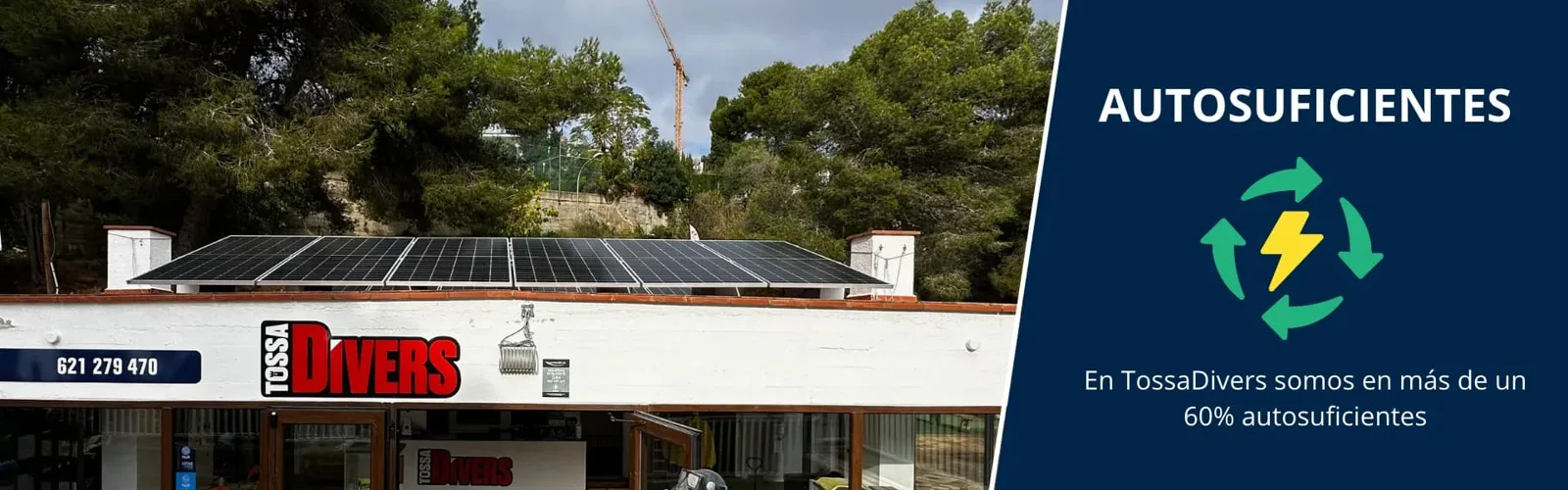
TossaDivers is a well-established PADI 5 Star centre situated in the heart of the Costa Brava. Located directly on the beach in Cala Mar Menuda, the centre provides an ideal base for exploring the varied underwater topography of the region, from sheltered coves to deep, rocky walls.
The centre has been operating for more than 20 years, building a reputation for professional instruction and a strong commitment to marine conservation. Whether you are looking to complete your first certification or seeking advanced specialties, the proximity to the water makes for a seamless transition from the shore to the sea.
The team consists of professional, certified instructors dedicated to maintaining high PADI standards. They focus on providing a personalised experience, often working with reduced group sizes to ensure safety and attentive guidance for every diver.
The centre's long-standing presence in Tossa de Mar is reflected in their expertise and their engagement with responsible diving practices. Their approach is designed to cater to all levels, from those taking their first breaths underwater to experienced divers looking for specific technical skills.
TossaDivers offers a comprehensive catalogue of PADI courses. Beginners can start with the Discover Scuba Diving programme or progress through the Open Water Diver and Advanced Open Water Diver certifications.
For those looking to advance their skills, the centre provides several specialties, including Nitrox, Deep Diver, and Dry Suit Diver. They also offer Rescue Diver and Divemaster training, as well as the Instructor Development Course (IDC) for those pursuing a professional career.
The centre provides a full range of rental kit for those not travelling with their own equipment. As a Cressi centre, you can expect reliable, high-quality equipment to suit your needs.
Nitrox is available on-site, making it easy to extend your bottom time on many of the local sites. The shore-based facilities are designed for convenience, given their direct access to the beach at Cala Mar Menuda.
Ullastres (Lloret de Mar) is one of the most iconic sites in the area, featuring three underwater pinnacles that rise from 40 metres to near the surface. These vertical walls are heavily covered in gorgonians and are suitable for Advanced Open Water divers.
Islas Medes is a famous marine reserve that has been protected for over 30 years. It offers excellent visibility and a high density of marine life, including large groupers and red corals, with some cave diving available for advanced divers.
Cap de Creus is a natural park known for its unique underwater volcanic landscapes. You can explore large rock formations, caves, and sandy bottoms, though divers should be prepared for the currents present in this area.
Illes Formigues offers spectacular walls covered in red and yellow gorgonias. The site is a haven for fixed life and provides a great opportunity to spot various nudibranchs among the colourful corals.
And some of the dive sites the centre runs.
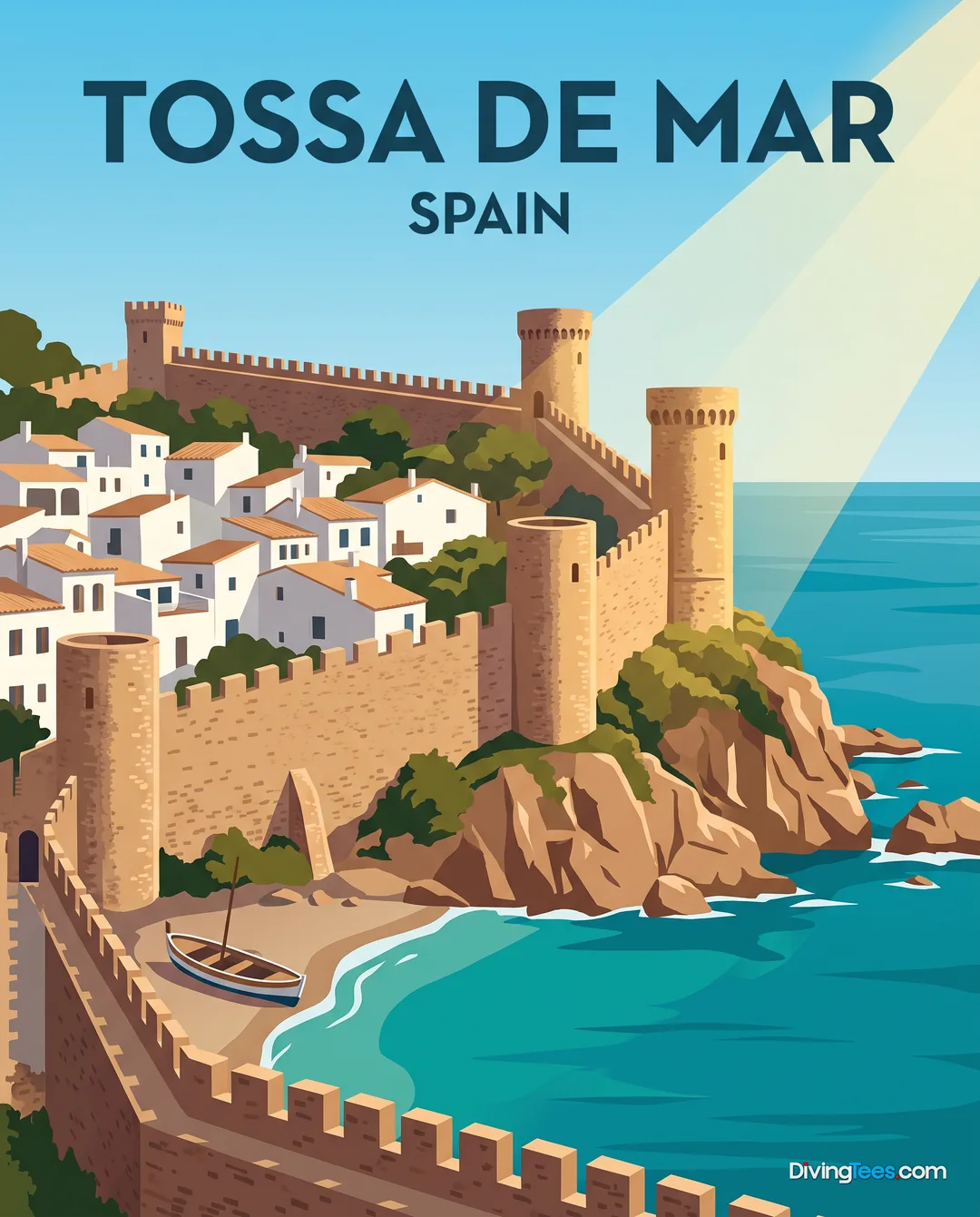
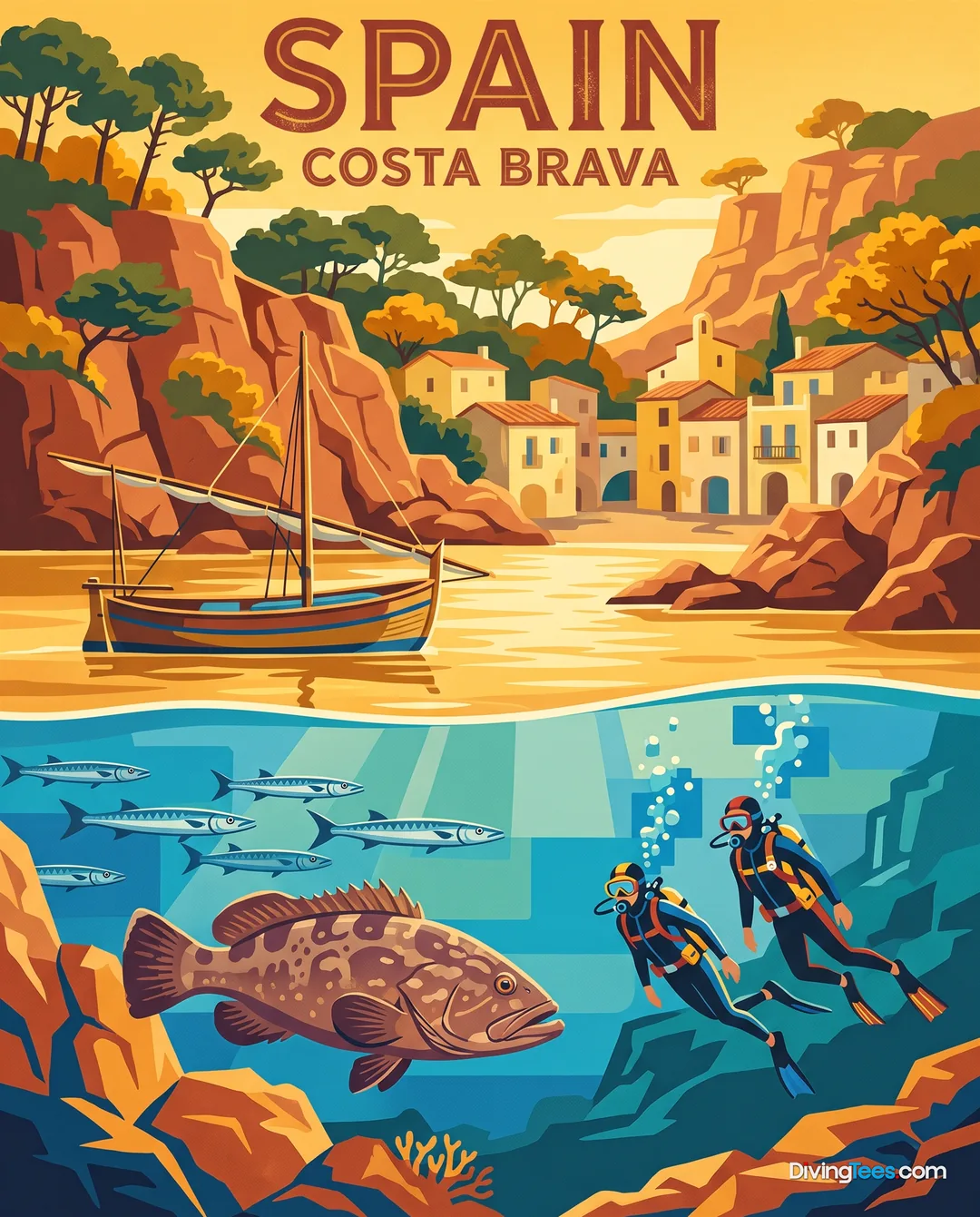
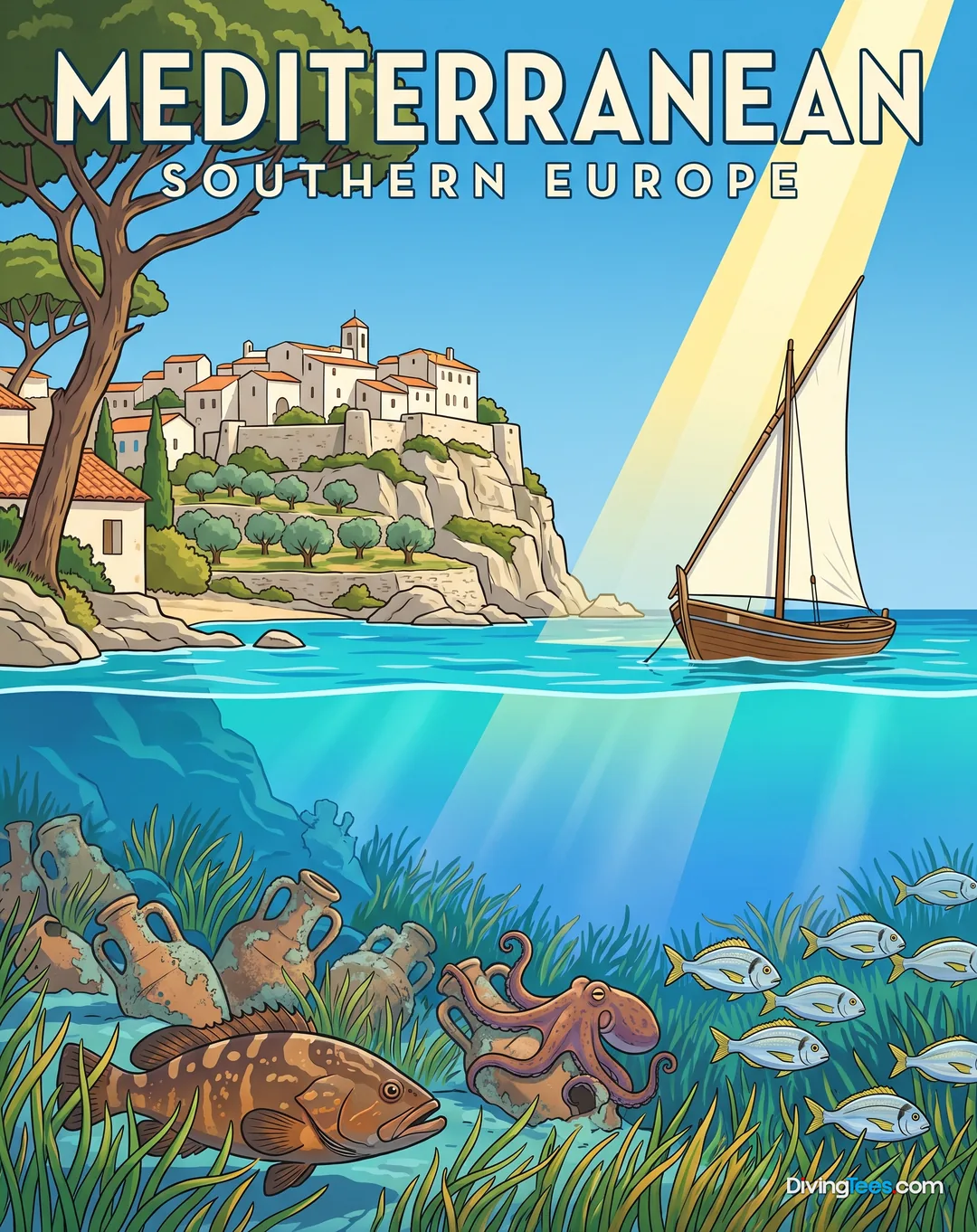
The marine life around Tossa de Mar is remarkably diverse, particularly around the rocky walls and reefs. You will regularly encounter large groupers, moray eels, and octopus, as well as barracuda and white seabream patrolling the deeper sections.
The reef structure itself is vibrant, decorated with red corals, red gorgonias, and yellow gorgonias. These fixed organisms provide a complex habitat for many species, including spiny lobster and various starfish.
Macro enthusiasts will find plenty to observe, from a variety of nudibranchs to long-snouted seahorses. The crevices and corals are also home to many smaller creatures, including various species of octopus and small fish.
In deeper or more open areas, you might encounter more impressive pelagics such as the ocean sunfish. The combination of protected reserves and volcanic landscapes ensures a rich biological environment throughout the year.
The waters around Tossa de Mar are generally characterised by gentle currents, making many sites accessible to a wide range of divers. However, when diving at Cap de Creus, you should be prepared for stronger currents that are common in that area.
The natural protection offered by the bay of Tossa de Mar allows for diving even when there is a slight swell. The best time to visit the region is between May and October, when the conditions are most favourable for exploration.
Hello, I'm Marina, DivingDeal.com's AI assistant. I answer in detail about hotels, dive centres and liveaboards.

Thinking about the whole trip and the flights? Talk it over with Edith →
Marina is an AI. Some links are affiliate links: DivingDeal may earn a commission, at no extra cost to you. Bookings are made with the partner.
★ 9.1/10 (573 reviews)
less than 1 km away as the crow flies
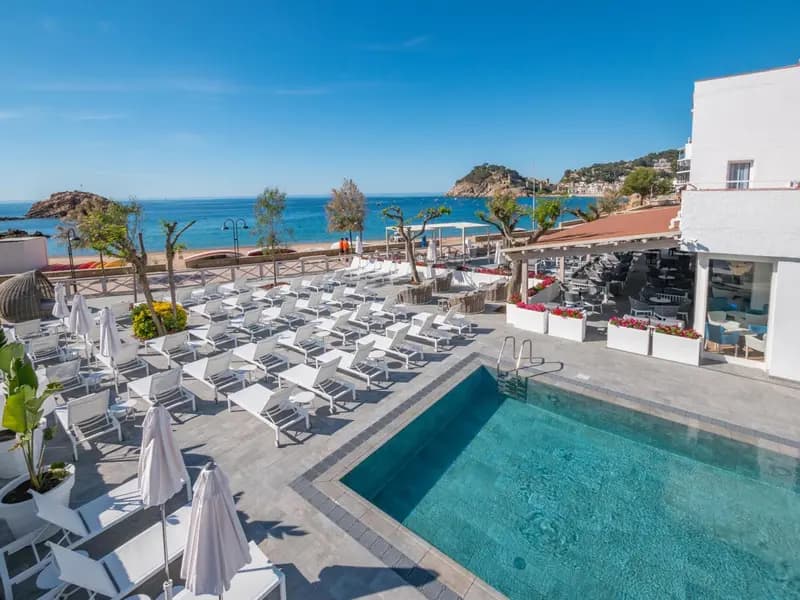
★★★★
★ 8.8/10 (1,057 reviews)
less than 1 km away as the crow flies
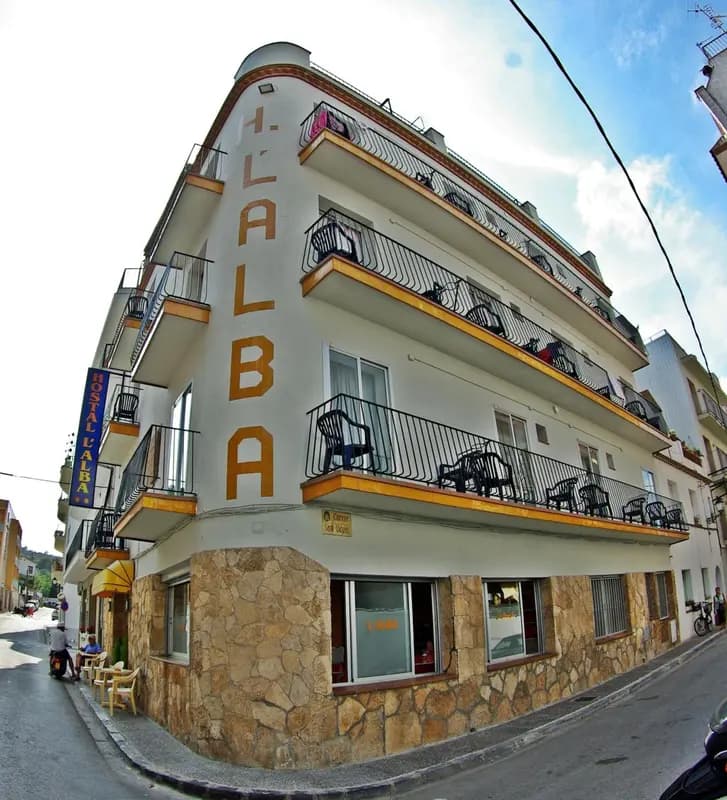
★ 8.5/10 (534 reviews)
less than 1 km away as the crow flies
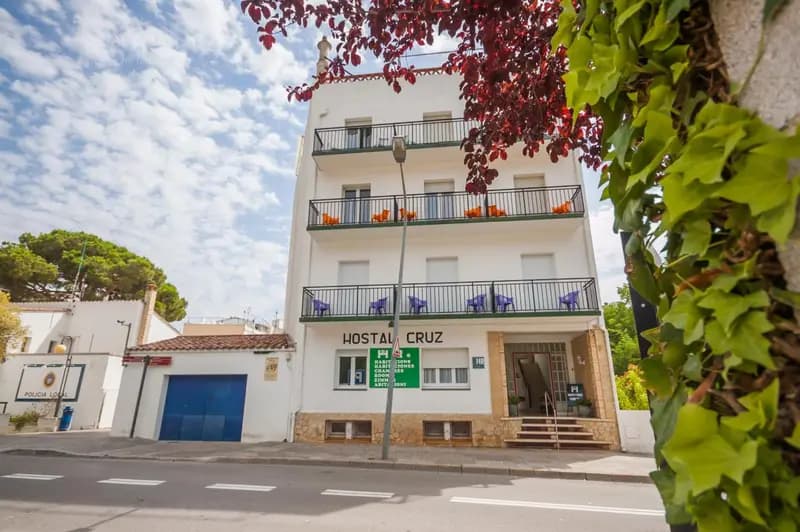
★ 8.3/10 (601 reviews)
less than 1 km away as the crow flies