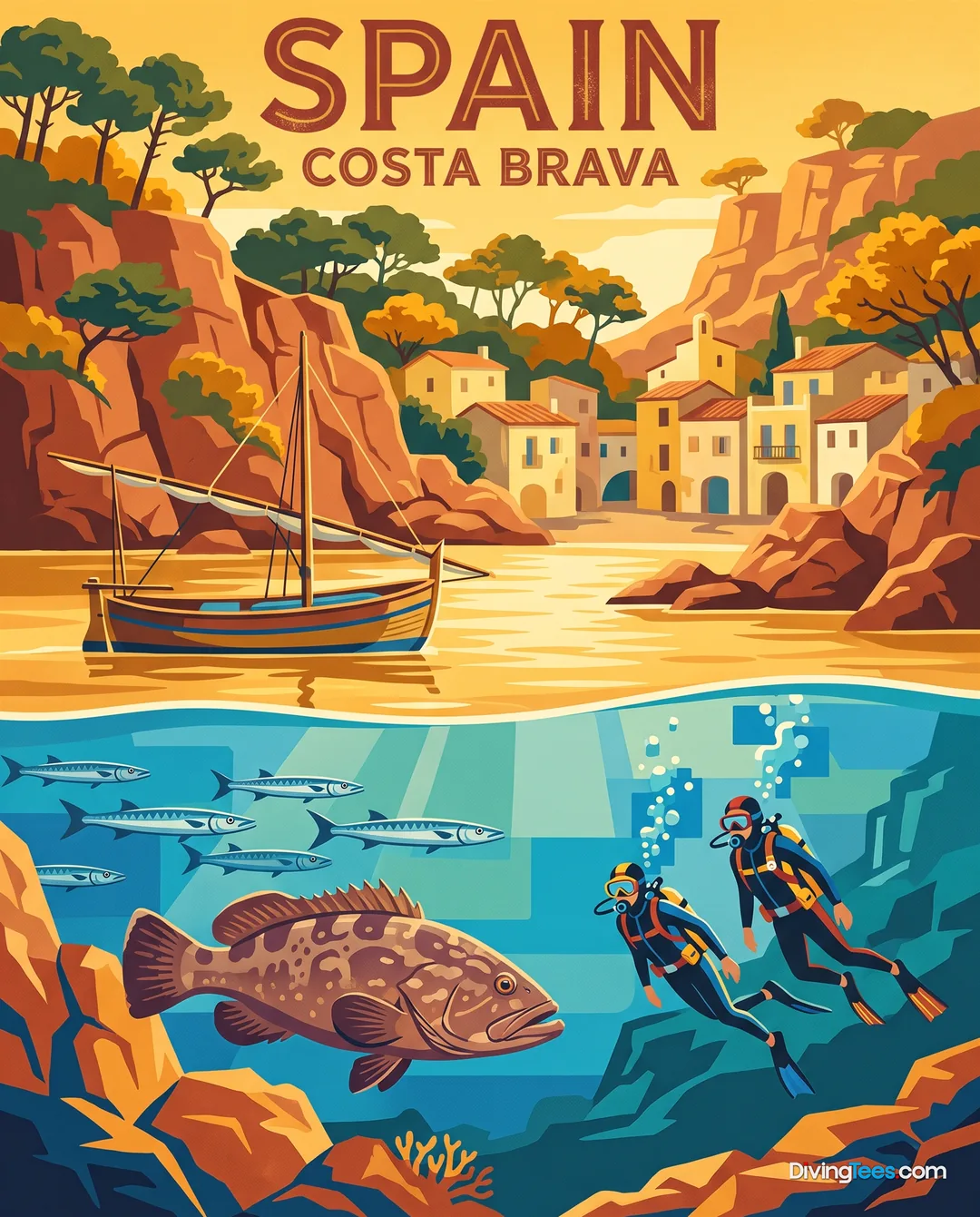
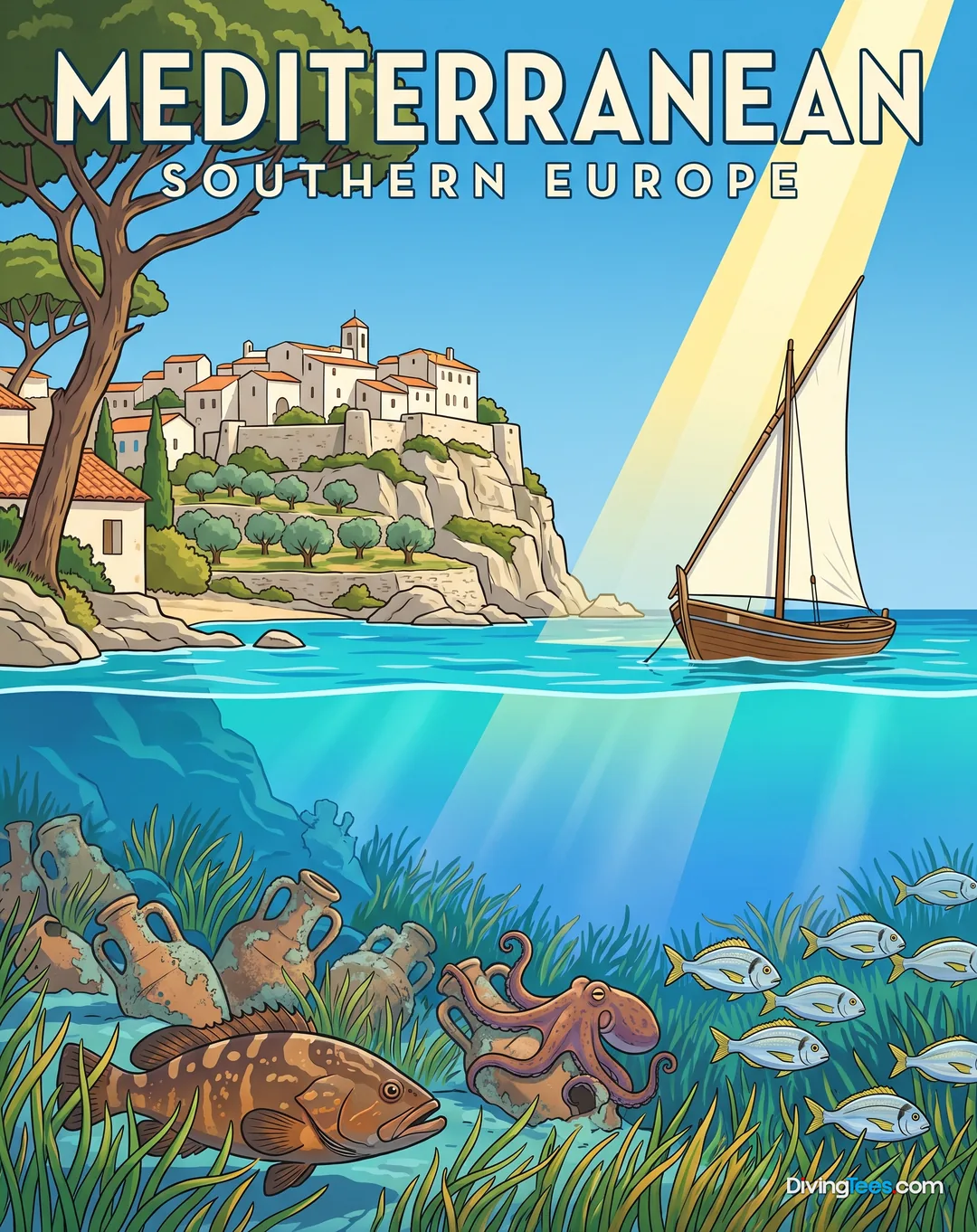
Spain · Mediterranean
Diving Cabo de Gata: volcanic reefs and protected Mediterranean waters
Lava flows create jagged underwater landscapes where thick Posidonia meadows host dusky grouper and vibrant gorgonians at depths reaching 30 metres.
What makes this destination special
- protected volcanic reefs and lava flows
- vast Posidonia oceanica seagrass meadows
- abundant dusky grouper in rocky crevices
- clear visibility between 15 and 25 metres
- undisturbed coastline with low urbanisation
- stunning underwater canyons and pinnacles
For subtitles in English: start the video firstthen click the gearat the top right of the video, select “Subtitles/CC”, then “Auto-translate” and choose “English”.
Overview
Cabo de Gata is a rare find in the Mediterranean, where a semi-desert landscape meets a strictly regulated marine reserve. Unlike many more developed coastal stretches, this natural park preserves a rugged, volcanic seabed. Divers encounter a world of dramatic drop-offs, rocky outcrops, and lush seagrass prairies. It is a destination defined by its integrity, offering a genuine sense of isolation and biological richness due to the heavy restrictions on fishing and anchoring within the reserve.
Diving here
Diving is primarily conducted by boat, launching from various coastal villages to reach the park's most impressive volcanic reliefs. The topography is diverse, ranging from shallow, sheltered rocky bars to deep, exposed pinnacles and lava flows. While currents are generally moderate, they can become noticeable around certain capes and points. Visibility is typically excellent, often reaching 25 metres, though it can drop following heavy swells or specific wind conditions like the Poniente. The seabed is a textured mix of volcanic rock, deep gorgonian forests, and expansive Posidonia meadows, providing endless interest for those exploring the verticality of the coast.
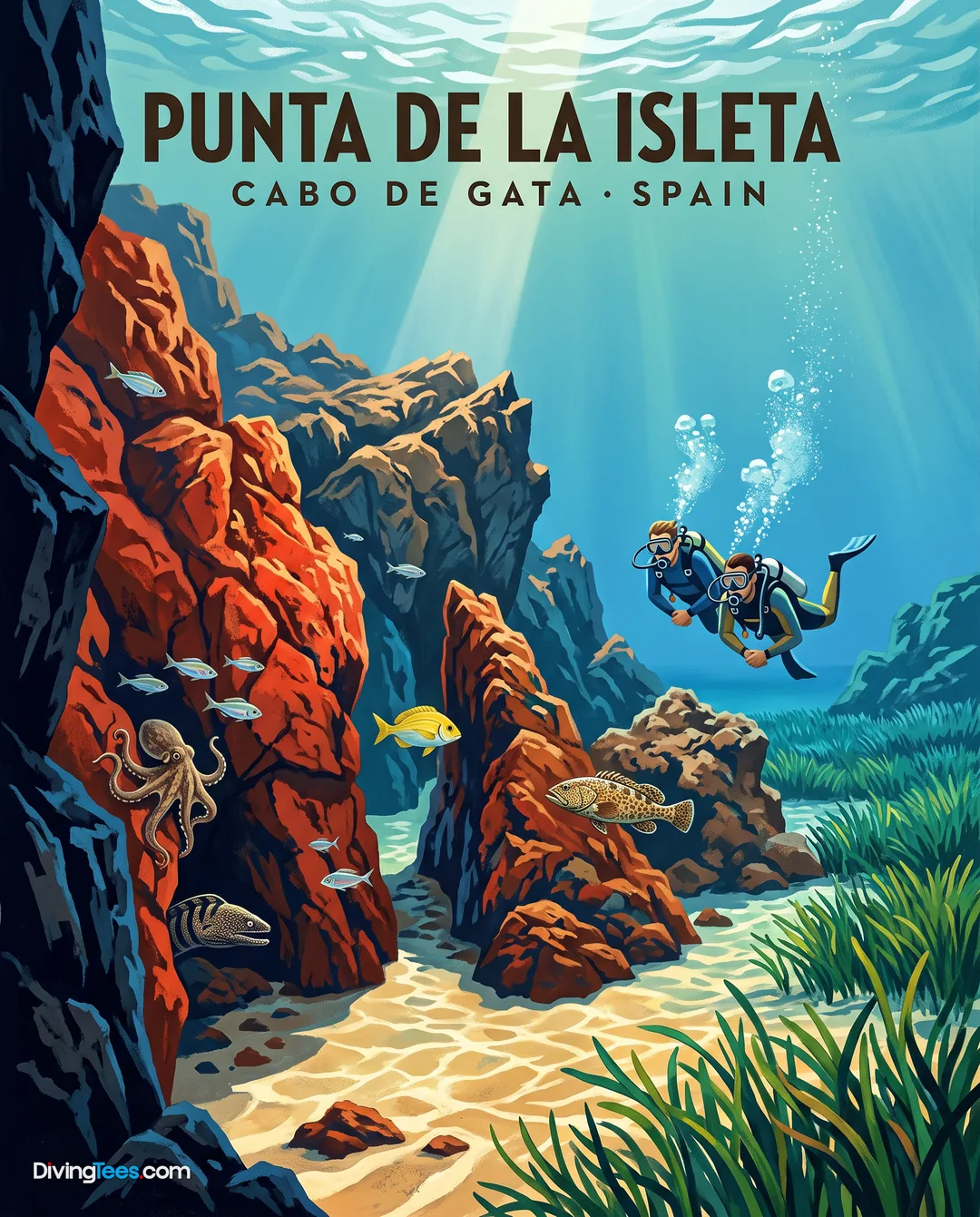
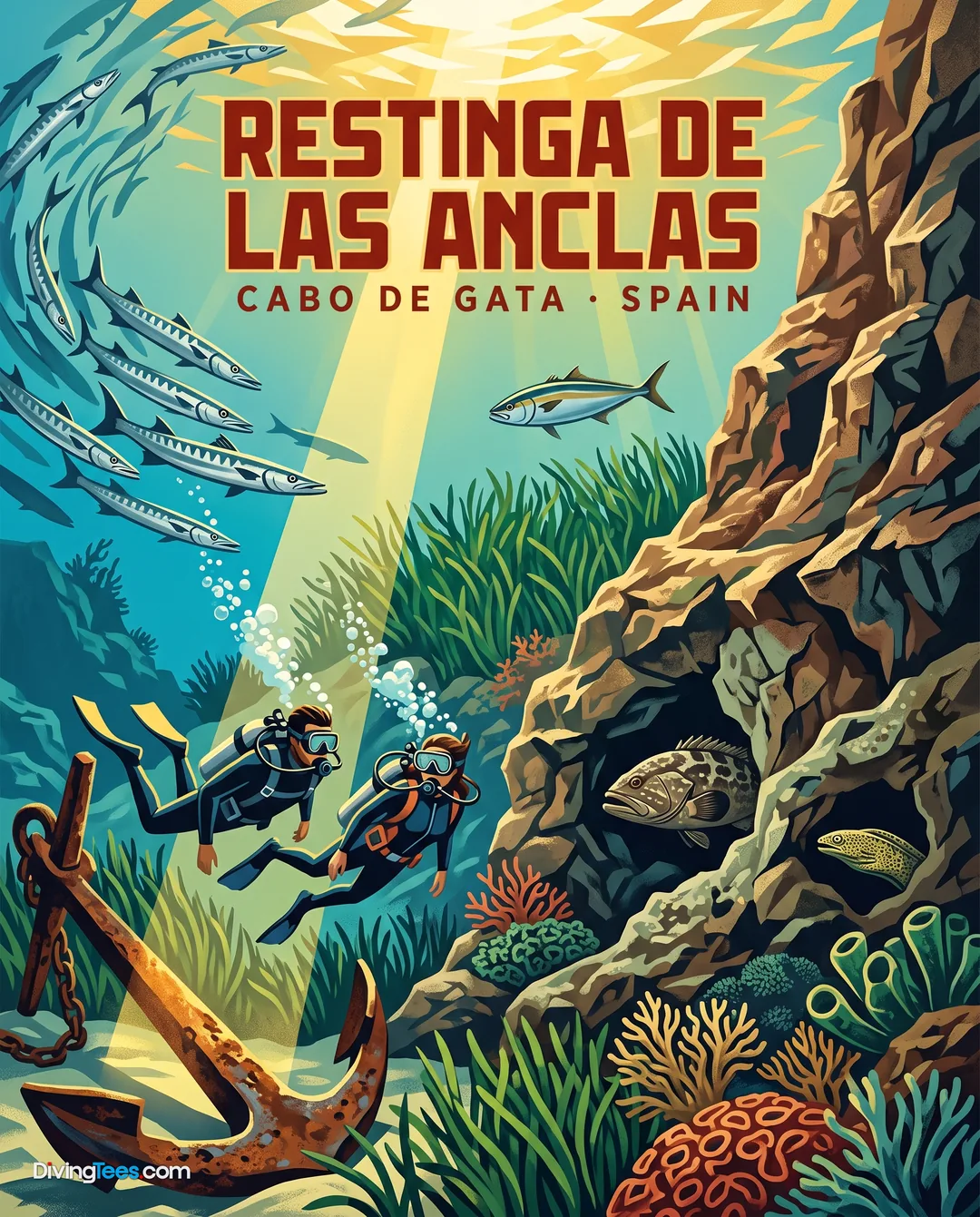
Two dives not to miss
The underwater wildlife
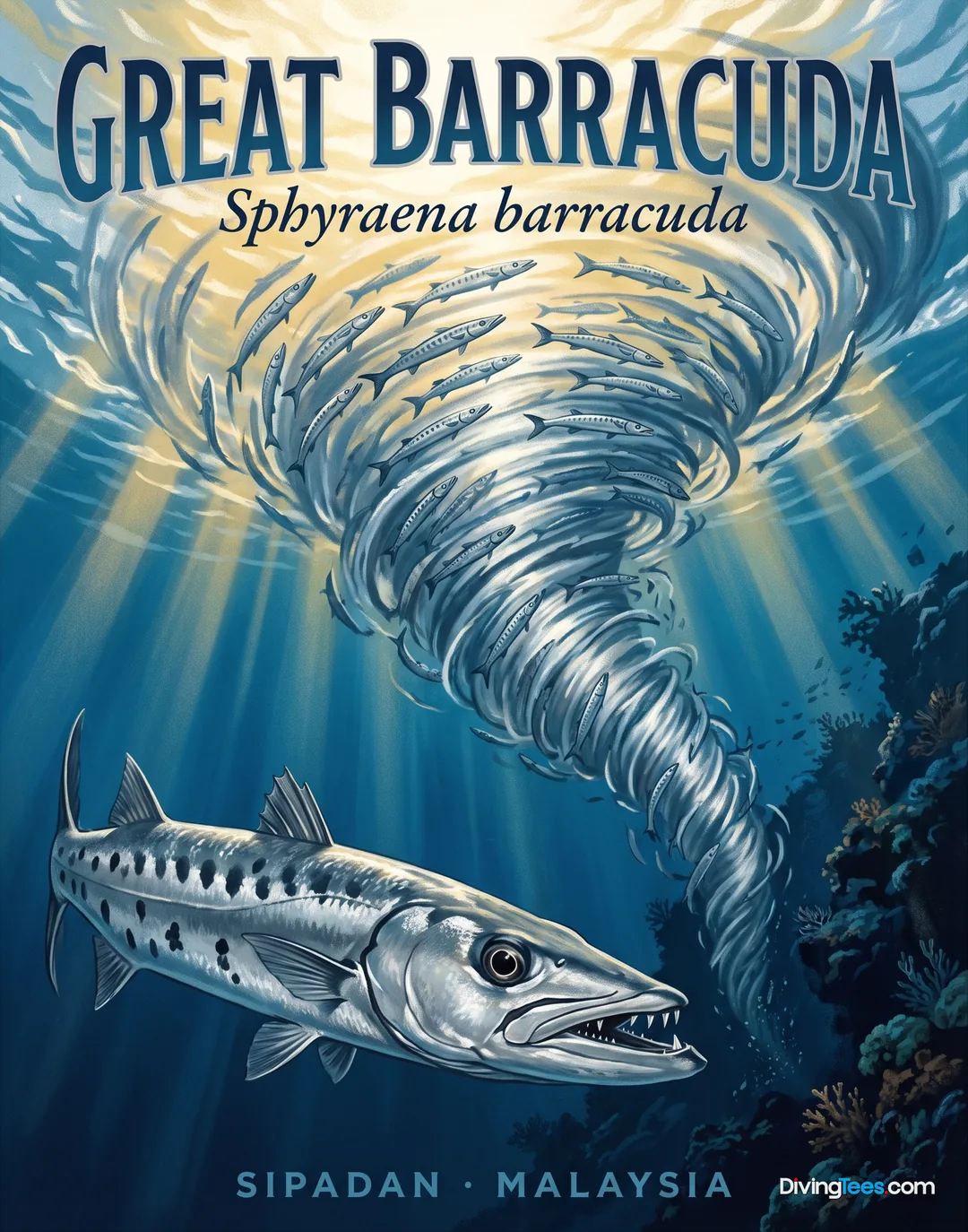
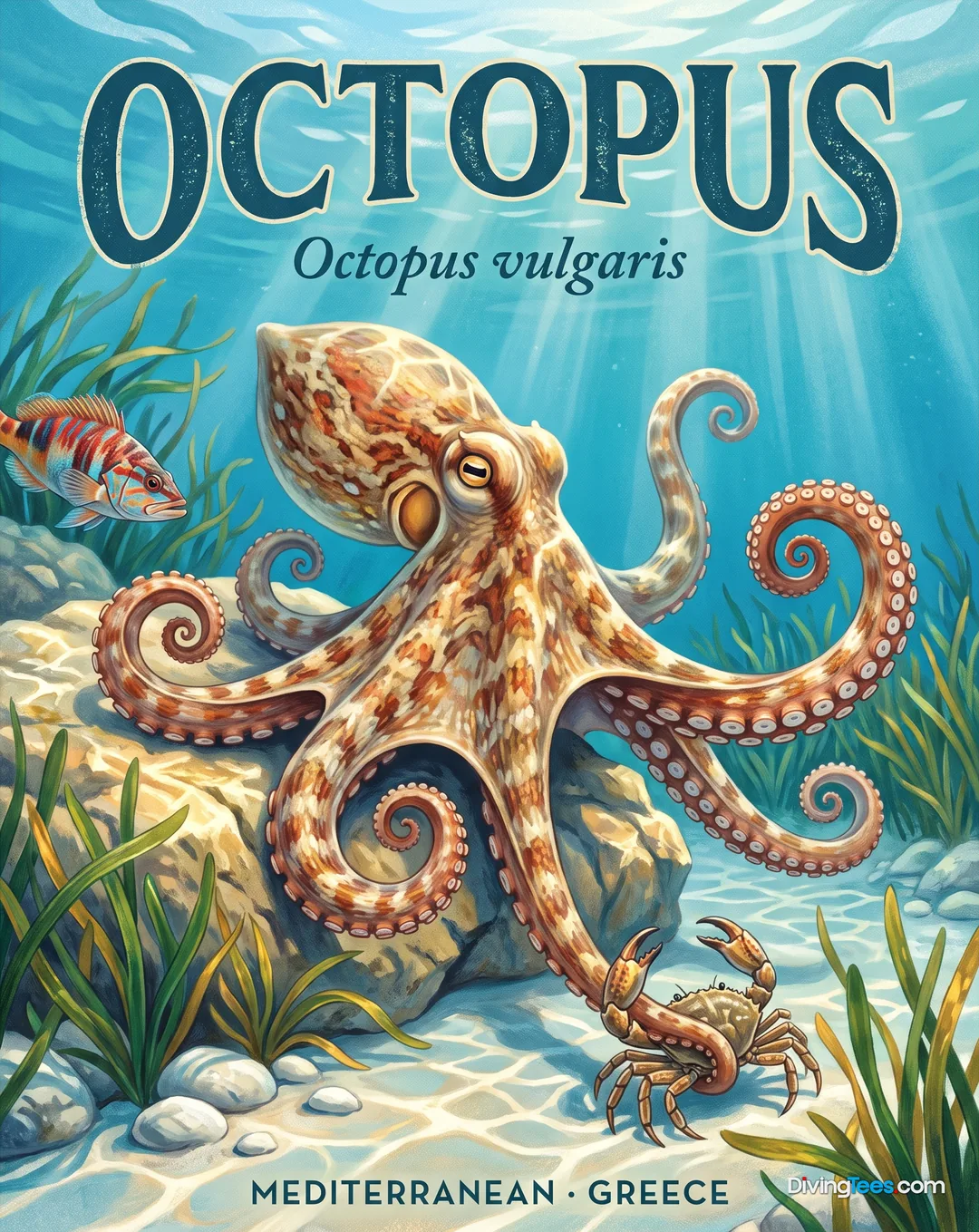
The marine reserve's protection translates into a healthy density of Mediterranean fauna. Divers can expect to encounter dusky grouper patrolling the protected rocky zones, particularly from late spring through autumn. Schools of barracuda and dentex are common sights, while the intricate Posidonia meadows occasionally reveal seahorses. The volcanic crevices and overhangs are ideal for spotting moray eels, octopuses, and various nudibranchs. As you descend toward the 25-metre mark, the landscape becomes dominated by spectacular gorgonian fans that thrive in these well-preserved habitats.
Possible underwater encounters
When to go
While diving is possible year-round, the window from late spring to early autumn offers the most reliable conditions. During these months, the sea remains calmer, water temperatures are higher, and visibility tends to be at its peak. We recommend avoiding July and August; while the weather is warm, the high volume of beach tourism can make the popular villages and dive boats feel crowded. Spring and autumn provide a much more tranquil experience with better clarity and fewer people on the water.
Level required
The area caters to all levels, with shallow reefs suitable for Open Water divers. However, to truly appreciate the park's character, an Advanced Open Water certification is highly beneficial for exploring the dramatic drop-offs and gorgonian gardens found at 25 to 30 metres. Using Nitrox is recommended to extend bottom times during successive dives, and those interested in the complex volcanic habitats may find a marine biology specialty particularly rewarding here.
On the ground
Reaching the park requires a drive from Almería via the A-7 and various secondary roads. Most divers arrive by flying into the region and then transferring by car to one of the coastal villages like San José, Las Negras, or Carboneras. Within the park, logistics are local; most dive centres are located within or very close to these villages, making it easy to reach your boat on foot or a short drive. There are no international ferry ports in the park itself, so a car or regional bus is essential for moving between the different coastal hubs.
Local tips
Preparation is key due to the park's strict regulations. You must ensure your dive centre handles the mandatory individual diving permits for the reserve; do not expect to sort this at the pier on the day of your dive. Be mindful of the local winds; the Levante and Poniente can drastically change visibility and swell, so listen to your local instructors on which side of the park to head toward. If you want to see the best gorgonian displays, be prepared for depths around 25 metres. A personal torch is a vital addition to your kit, even during the day, as the volcanic crevices are home to moray eels and octopuses that stay hidden in the shadows. Finally, always respect the anchoring rules; the protection of the Posidonia meadows is strictly enforced, and the park authorities are vigilant.
Planning your stay
A stay of 5 to 7 days is ideal to experience the full variety of the coastline. We suggest basing yourself in two different villages—for example, San José and Las Negras—to access different sets of dive sites, from sheltered calas to more exposed volcanic capes. This allows you to balance diving with the park's excellent hiking trails and volcanic scenery.
Hello, I'm Marina, DivingDeal.com's AI assistant. I guide you through destinations, areas and countries.
Thinking about the whole trip and the flights? Talk it over with Edith →
Marina is an AI. Some links are affiliate links: DivingDeal may earn a commission, at no extra cost to you. Bookings are made with the partner.
Map of hotels, dive sites and dive centres in Cabo De Gata
Things to do in Cabo De Gata beyond diving
Your last day stays dry: no diving in the 18-24 hours before a flight, the perfect window to see the destination from another angle.
 Culture
Cabo de Gata Natural Park from Roquetas, Aguadulce & Almeria
⏱ 8 h · ★ 4.7 (38 reviews)
from £54$73€65
see on Viator ↗
 Culture
Cabo de Gata Magical Coves Guided e-Bike Tour
⏱ 4 h · ★ 5.0 (3 reviews)
from £41$55€49
see on Viator ↗
Ratings and reviews collected by Viator and Tripadvisor.
Frequently asked questions about Cabo De Gata
When should you go diving in Cabo de Gata?
You can dive in Cabo de Gata year-round, but late spring through early autumn generally brings calmer seas, warmer water, and clearer visibility. Spring and autumn offer a quieter experience with fewer people on the water. You may want to avoid July and August, when beach tourism crowds villages and dive boats.
What diving level suits Cabo de Gata?
Cabo de Gata suits different experience levels, with shallow rocky reefs accessible to Open Water divers. Advanced Open Water training is helpful if you want to explore dramatic drop-offs and gorgonian gardens at greater depth. Nitrox can extend bottom times on successive dives, while a marine biology specialty complements the volcanic habitats.
What can you see while diving in Cabo de Gata?
You can explore volcanic reefs, lava flows, underwater canyons, pinnacles, rocky crevices, gorgonian forests, and Posidonia meadows. Marine life includes dusky grouper, barracuda, dentex, seahorses, moray eels, octopuses, and nudibranchs. Clear conditions often reveal the textured seabed, while protected rocky zones support a healthy density of Mediterranean fauna.
How should you plan your stay in Cabo de Gata?
Plan to arrive through Almería, then use a car or regional bus to reach coastal villages such as San José, Las Negras, or Carboneras. Choose a local dive centre that arranges mandatory reserve permits, and check wind conditions with instructors. Staying in two villages helps you reach varied sites and enjoy hiking.