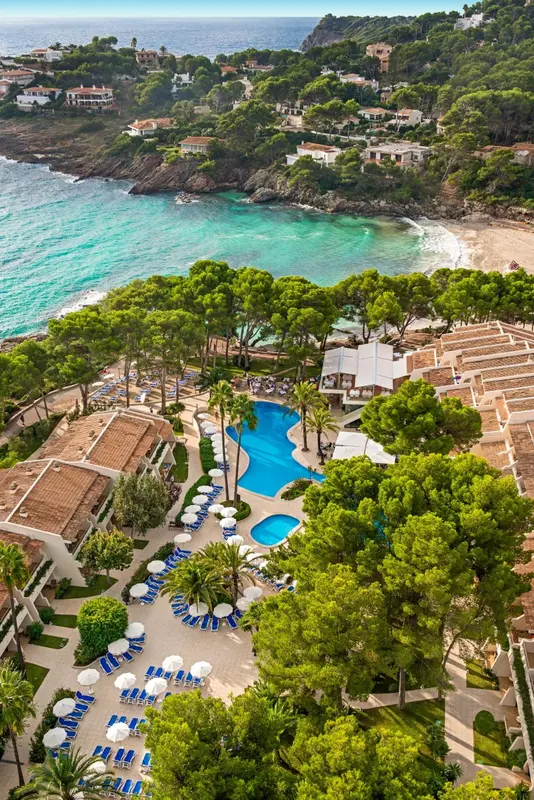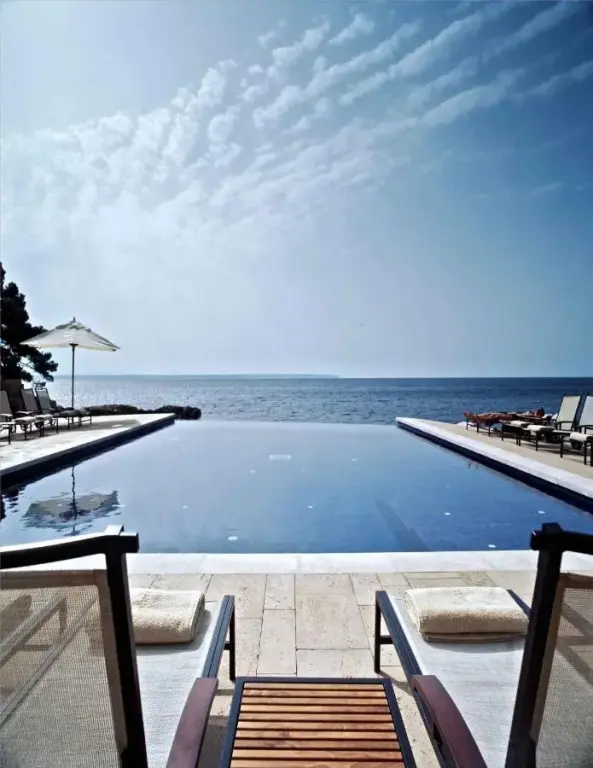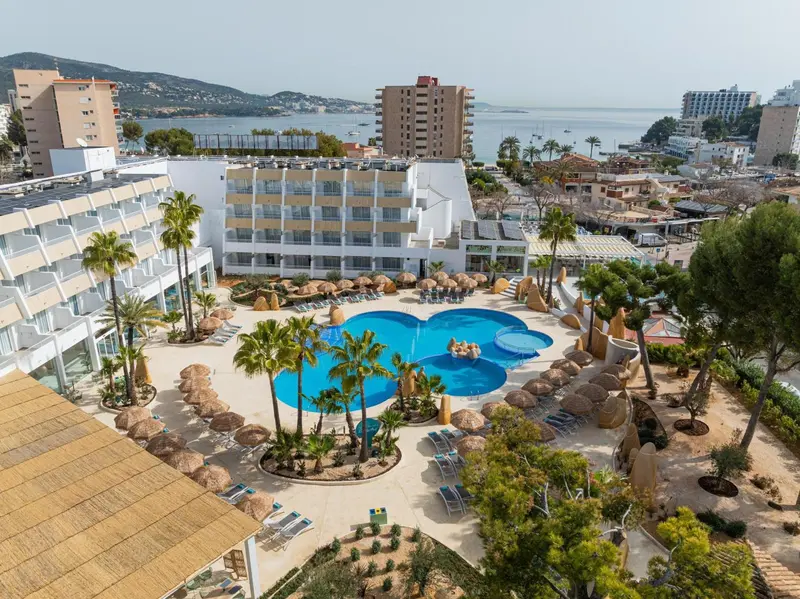
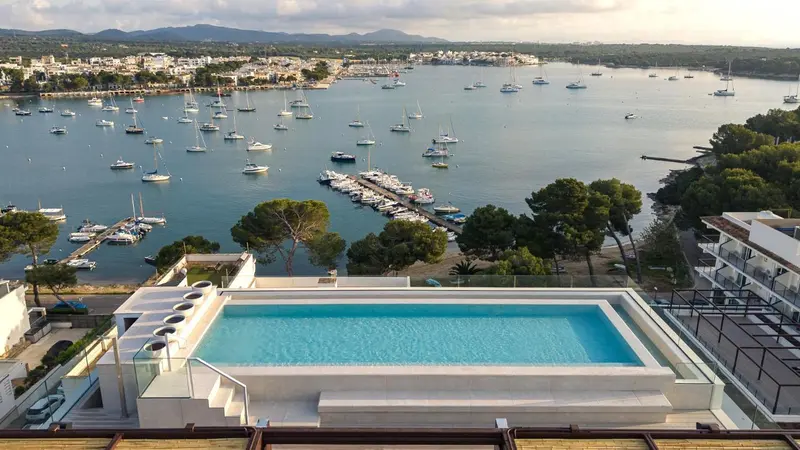
 Dive centre in the hotel
Smy Portocolom - Renovated 2026
★★★★
Google 4.2/5 (1,180 reviews)
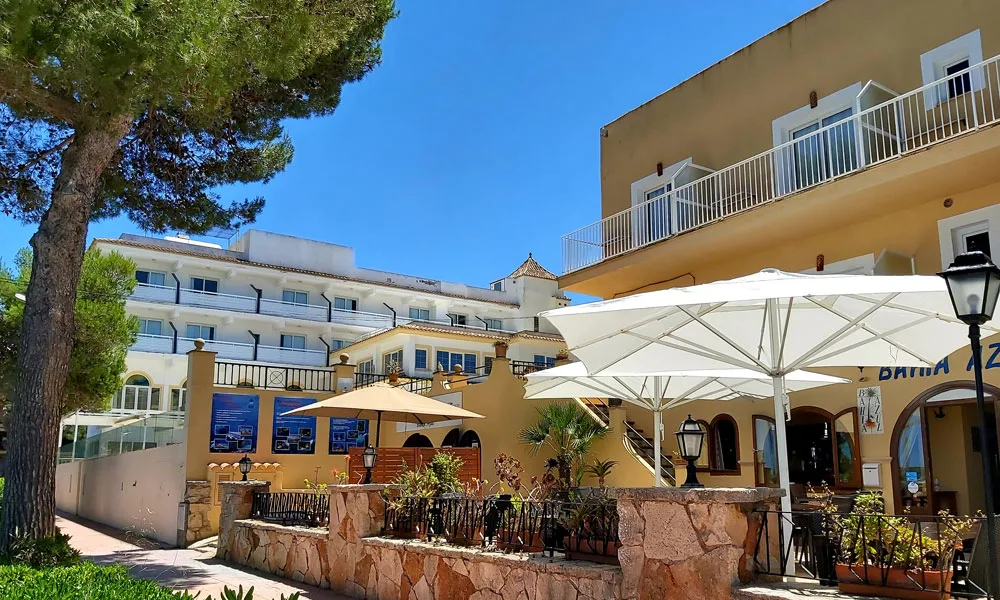
The dive centre
East Coast Divers Mallorca
PADI
Google 4.9/5 (326 reviews)
Dives: Parc National de Cabrera, Sea Cave Mallorca (Piratenhöhle)
Spain · Mediterranean
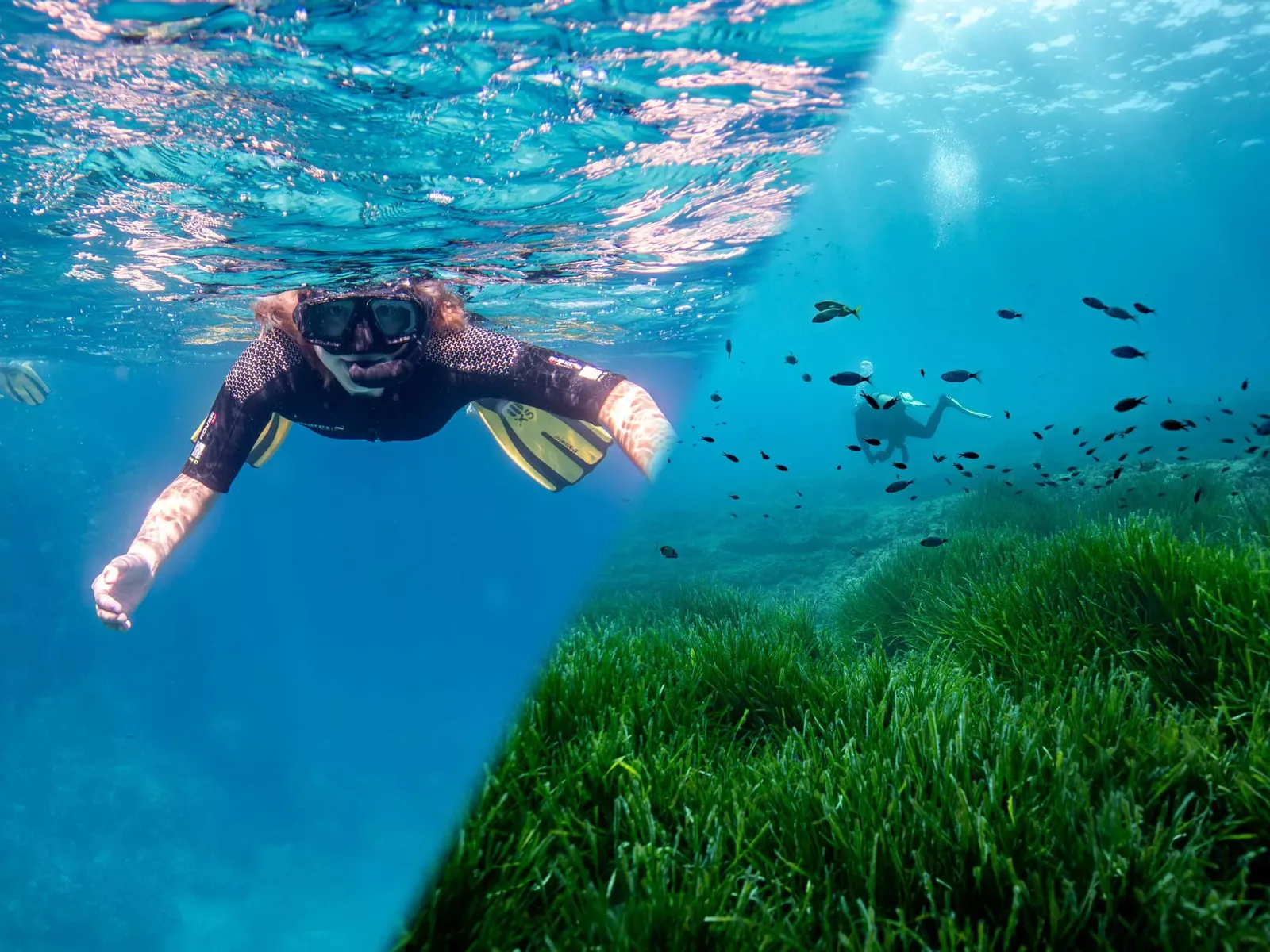
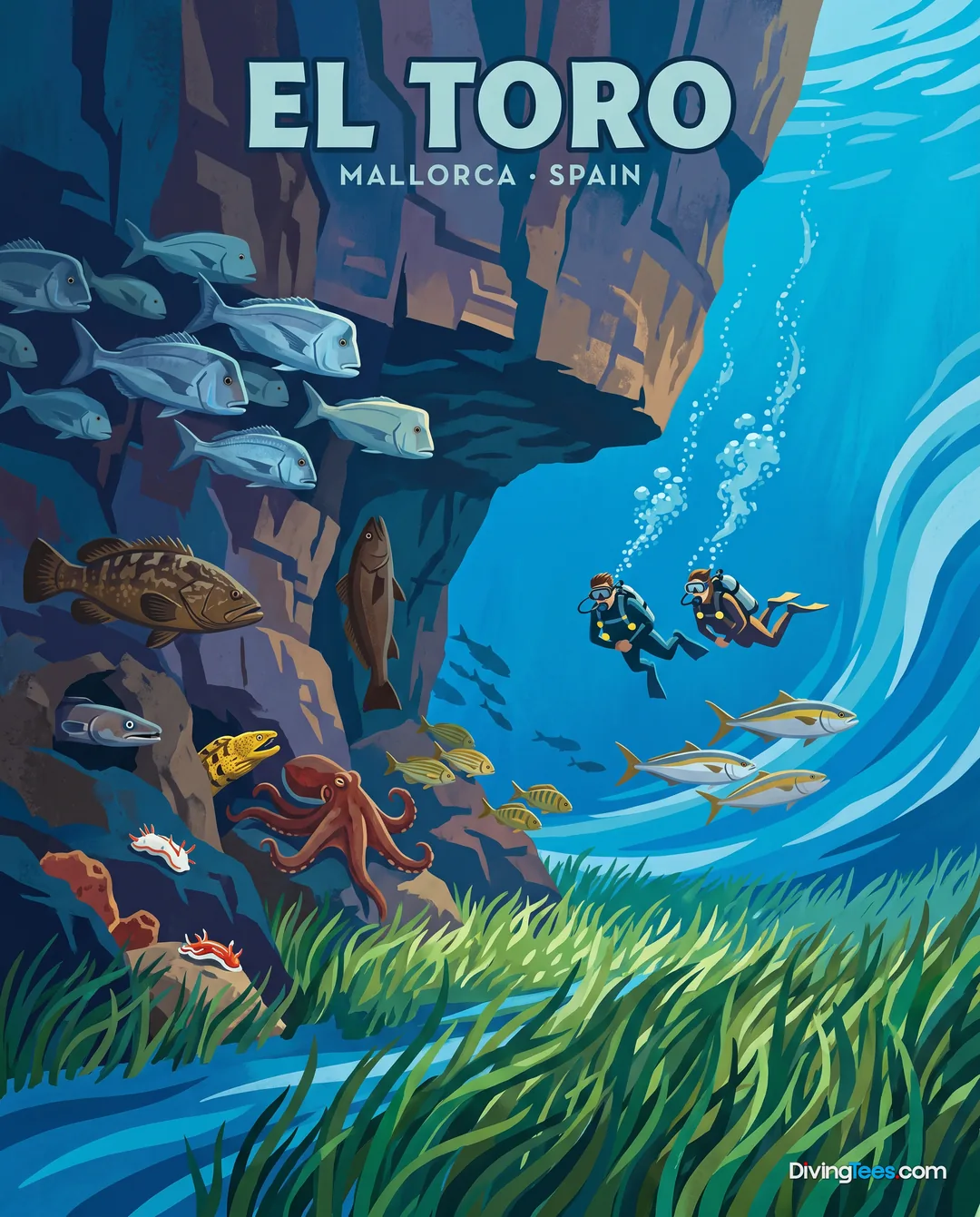
Rocky walls, sheltered caves and the marine reserve at El Toro frame boat diving with dentex, Grouper, Great barracuda and Octopus from shallow water to 40 metres.
For subtitles in English: start the video firstthen click the gearat the top right of the video, select “Subtitles/CC”, then “Auto-translate” and choose “English”.
El Toro’s marine reserve gives Mallorca its clearest underwater calling card: rocky ground dropping from five metres to 40, with Mediterranean fauna moving across the relief. Elsewhere, La Mola combines a reef, sandy shallows and walls descending to 30 metres. This is a land-based island destination, not a liveaboard proposition, with boat diving from coastal centres and enough variety above water to suit a mixed group. Four to seven days is a sensible length for combining diving with time ashore.
Mallorca’s diving is built around rocky coastlines, walls, cavities and sheltered underwater relief rather than coral gardens. El Toro offers profiles from five to 40 metres, and visibility there regularly reaches 30 metres; its marine-reserve setting also gives the diver a reason to slow down and work the rock rather than rush between points. La Mola is more graduated: shallow sandy patches suit training and relaxed orientation, while its deeper walls reach 30 metres and are better matched to an Advanced Open Water Diver or equivalent experience. Currents are generally light, with El Toro described as largely current-free, so conditions are usually manageable for all levels. Most diving is from boats, with day trips selected according to the coastal area and the diver’s intended depth.
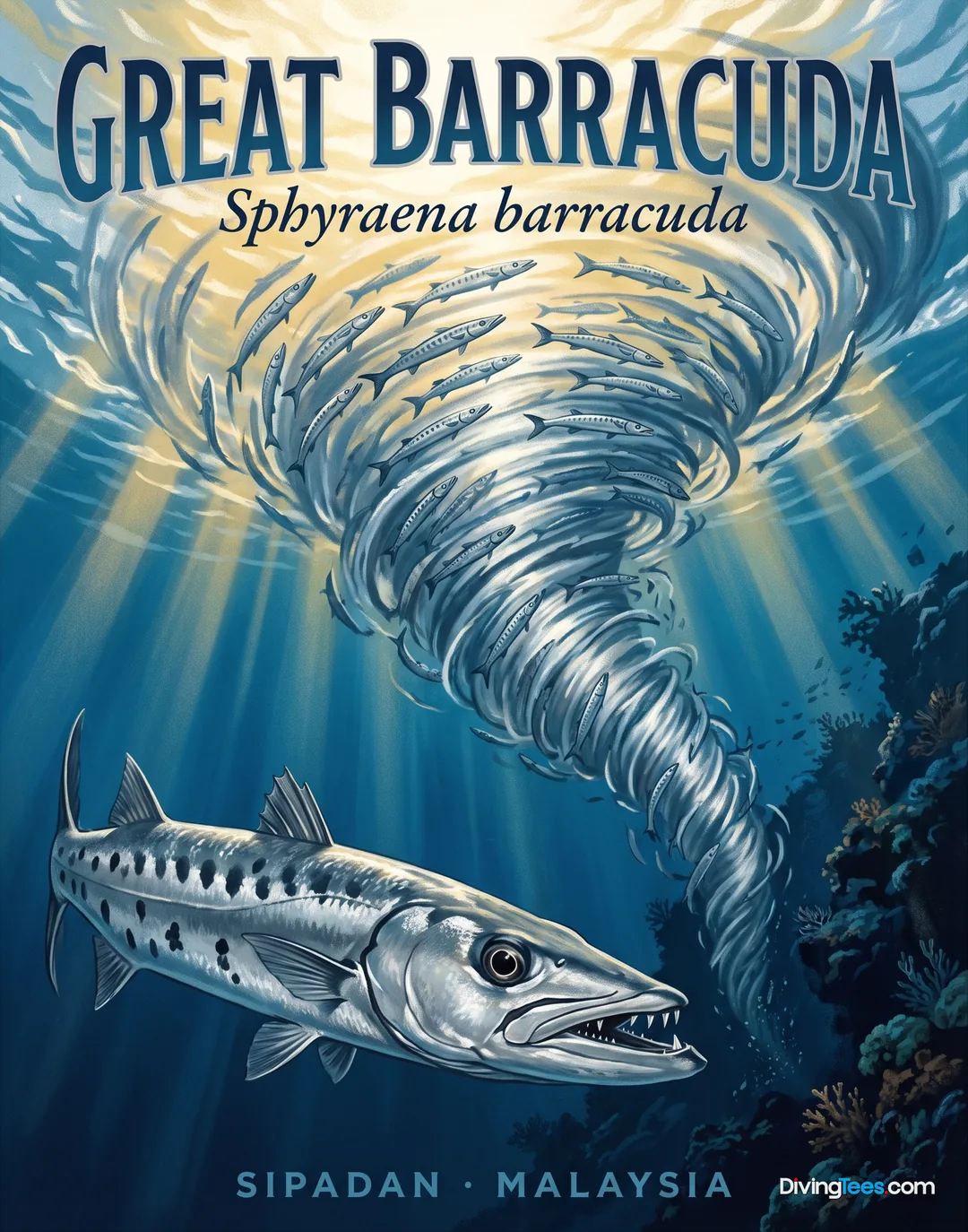
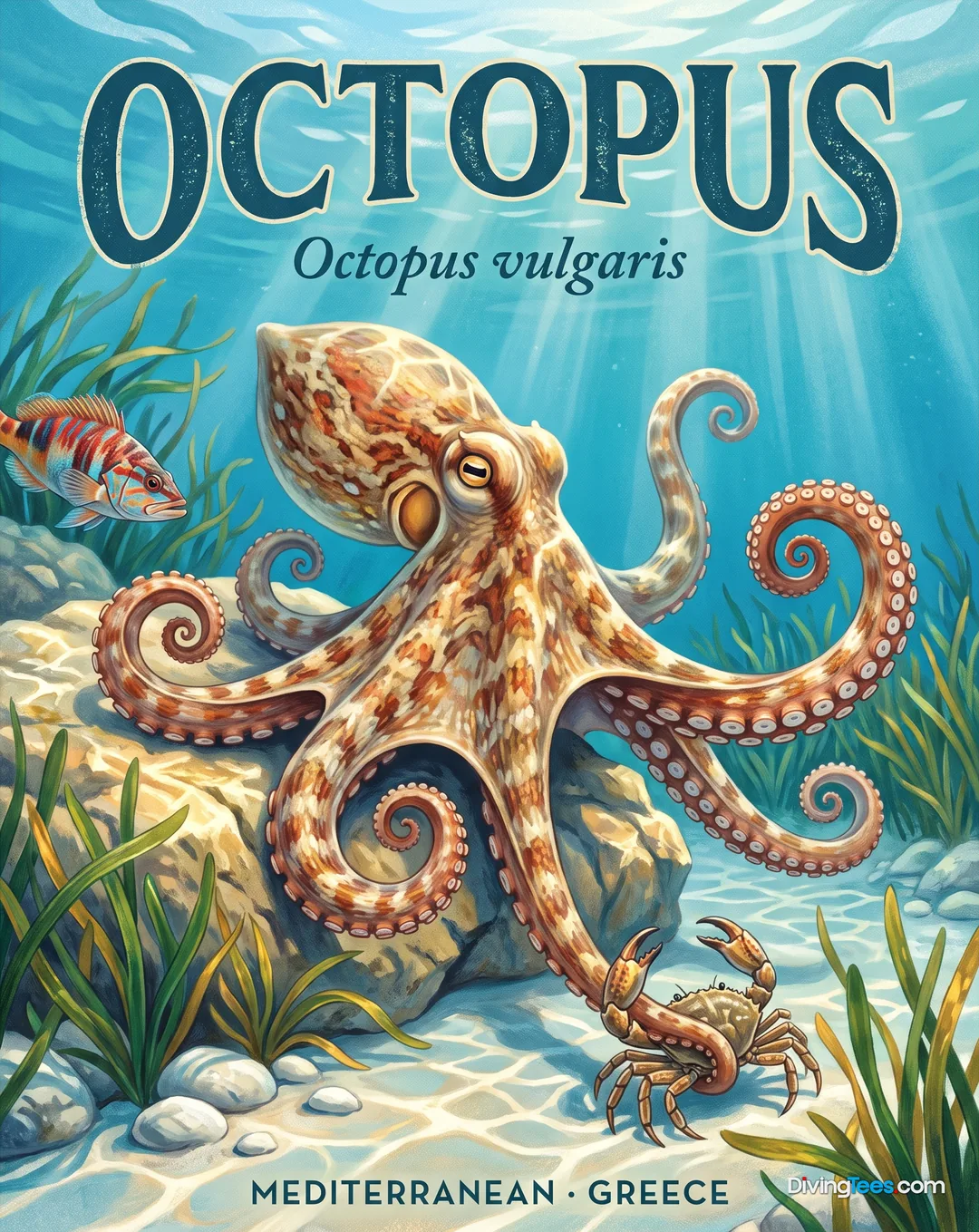
El Toro is the place to look for the fuller Mediterranean wildlife picture. Dentex, Grouper and corvinas can be encountered around the reserve’s rocky ground, while Great barracuda may add a more open-water presence to the scene. Octopus belongs to the same close inspection of cracks, ledges and cavities, where a slow pace pays off. La Mola’s reef and walls support varied marine life and macrofauna, particularly where the topography changes from sandy patches to deeper rock. The most useful wildlife window is the measured calm period from April to September, when boat access and underwater observation are easier to combine. October is also identified as a good period for El Toro.
April to September is Mallorca’s clearest planning window: the measured sea is at its calmest, which matters when diving from boats and moving between coastal departure points. These months also overlap with the period identified for El Toro, whose diving season is described as running from April to October. The practical advantage is not a promised change in wildlife, but more forgiving conditions for repeating day-boat profiles, exploring walls and entering cavities without making the trip depend on a single weather opportunity. October can still suit El Toro, but April through September offers the most consistent overlap between the island’s measured calm period and the site’s recommended season.
Mallorca suits beginners when they stay with the shallower sections and use normal centre support, while experienced divers can make more of the deeper walls and 40-metre profiles. La Mola’s sandy patches are useful for training and confidence-building; its deeper sections call for Advanced Open Water Diver or equivalent experience. PADI, SSI and BSAC divers should find the relevant level of experience easy to match to the day’s plan. An Advanced qualification is useful for depth management and repeated Mediterranean profiles, but it is not a blanket requirement for the destination.
From London Heathrow, Gatwick or Manchester, the straightforward route is a flight to Palma, followed by a road transfer to the chosen coastal port or diving centre. Mallorca can also be reached by ferry from mainland Spain, although that option applies only to travellers arriving by sea. The island’s size is the important logistical point: diving areas are spread around the coastline, so the final journey may involve a hire car, taxi or centre transfer rather than a short walk from the arrival point. Travellers should allow for the road leg after landing and avoid assuming that a base on one side of the island will make another coast convenient. Staying near the departure port keeps the morning transfer simple; from nearby accommodation, walking, a taxi or a short transfer may be enough.
Base the trip near the coast where the diving is actually planned. Mallorca’s roads can turn an easy boat morning into a rushed start when accommodation and departure port are on opposite sides of the island. Before booking, check whether the local programme concentrates on a marine reserve such as El Toro or moves between more dispersed coastal sites; that choice changes the feel of the week. Do not arrive expecting a liveaboard: the workable pattern is a shore-based stay with day boats. For a mixed group, a base with a town or seafront nearby makes non-diving days much easier. A light, well-fitting kit is sensible for boat handling and for staying stable over rock, walls and cavities. Where mooring buoys exist, use them rather than allowing anchoring pressure on the bottom. In sensitive areas, keep hands off the organisms, do not feed fish and leave biological souvenirs where they are.
A four- to seven-day stay works well as a land-based diving holiday. Several day-boat outings can be arranged from one coastal base, with rest days or shore time between them rather than the fixed rhythm of a cruise. Keep the accommodation close to the port where possible, then use non-diving days for coastal walks, viewpoints, port towns and seafronts. That arrangement also gives a non-diving companion genuine options instead of making every day depend on the boat schedule.
Hello, I'm Marina, DivingDeal.com's AI assistant. I guide you through destinations, areas and countries.
Thinking about the whole trip and the flights? Talk it over with Edith →
Marina is an AI. Some links are affiliate links: DivingDeal may earn a commission, at no extra cost to you. Bookings are made with the partner.
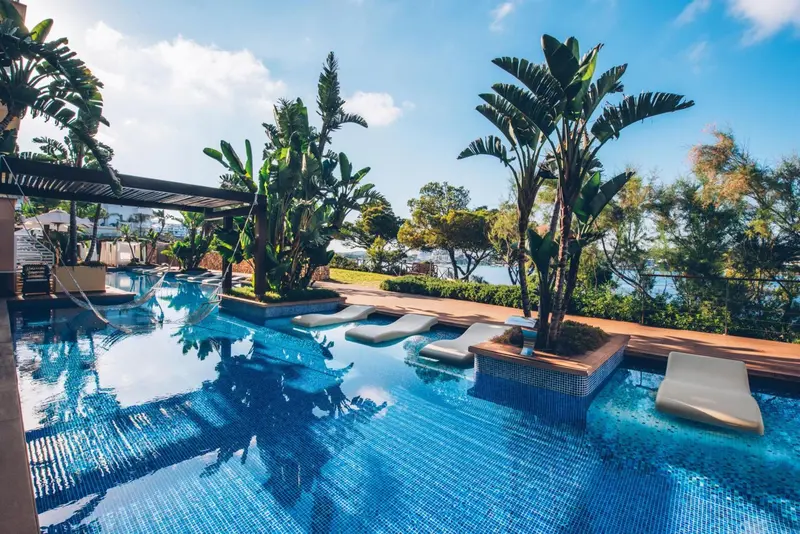
In each one, the dive centre is inside the hotel: step out of your room and go diving.
Dive centre in the hotel★★★★
Google 4.2/5 (1,180 reviews)
The dive centre
East Coast Divers Mallorca
PADI
Google 4.9/5 (326 reviews)
Dives: Parc National de Cabrera, Sea Cave Mallorca (Piratenhöhle)
Your last day stays dry: no diving in the 18-24 hours before a flight, the perfect window to see the destination from another angle.
 Nature
⏱ 2 h · ★ 5.0 (32 reviews)
from £33$44€39
see on Viator ↗

⏱ 4 h · ★ 5.0 (26 reviews)
from £138$185€165
see on Viator ↗
 Culture
⏱ 5 h · ★ 5.0 (17 reviews)
from £63$84€75
see on Viator ↗

⏱ 2 h · ★ 5.0 (14 reviews)
from £41$55€49
see on Viator ↗
Ratings and reviews collected by Viator and Tripadvisor.
April through September gives Mallorca a useful diving window, with calmer measured sea conditions for boat trips and movement between coastal departure points. El Toro’s season runs from April to October, so October can also suit that reserve. This timing makes walls, cavities and repeated day-boat profiles easier to combine.
Mallorca suits beginners in shallower sections with normal dive-centre support, while experienced divers can explore deeper walls and profiles. La Mola’s sandy patches help with training and confidence-building, but its deeper sections suit an Advanced Open Water Diver or equivalent experience. PADI, SSI and BSAC divers can match experience to each day’s plan.
Mallorca offers rocky coastlines, walls, cavities and sheltered relief rather than coral gardens. At El Toro, you may encounter Dentex, Grouper, corvinas, Great barracuda and Octopus around rocky ground, cracks and ledges. La Mola combines sandy patches, reef and deeper walls, with varied marine life and macrofauna where the topography changes.
Plan a shore-based stay near the coastal port where you will dive, because sites are spread around Mallorca and road transfers can affect boat mornings. Allow time after arriving in Palma for the road journey. A four- to seven-day visit suits several day-boat outings, rest days and time for coastal walks, port towns or seafronts.