
Buceo España
Google 5/5 (415 reviews)
Spain · Mediterranean
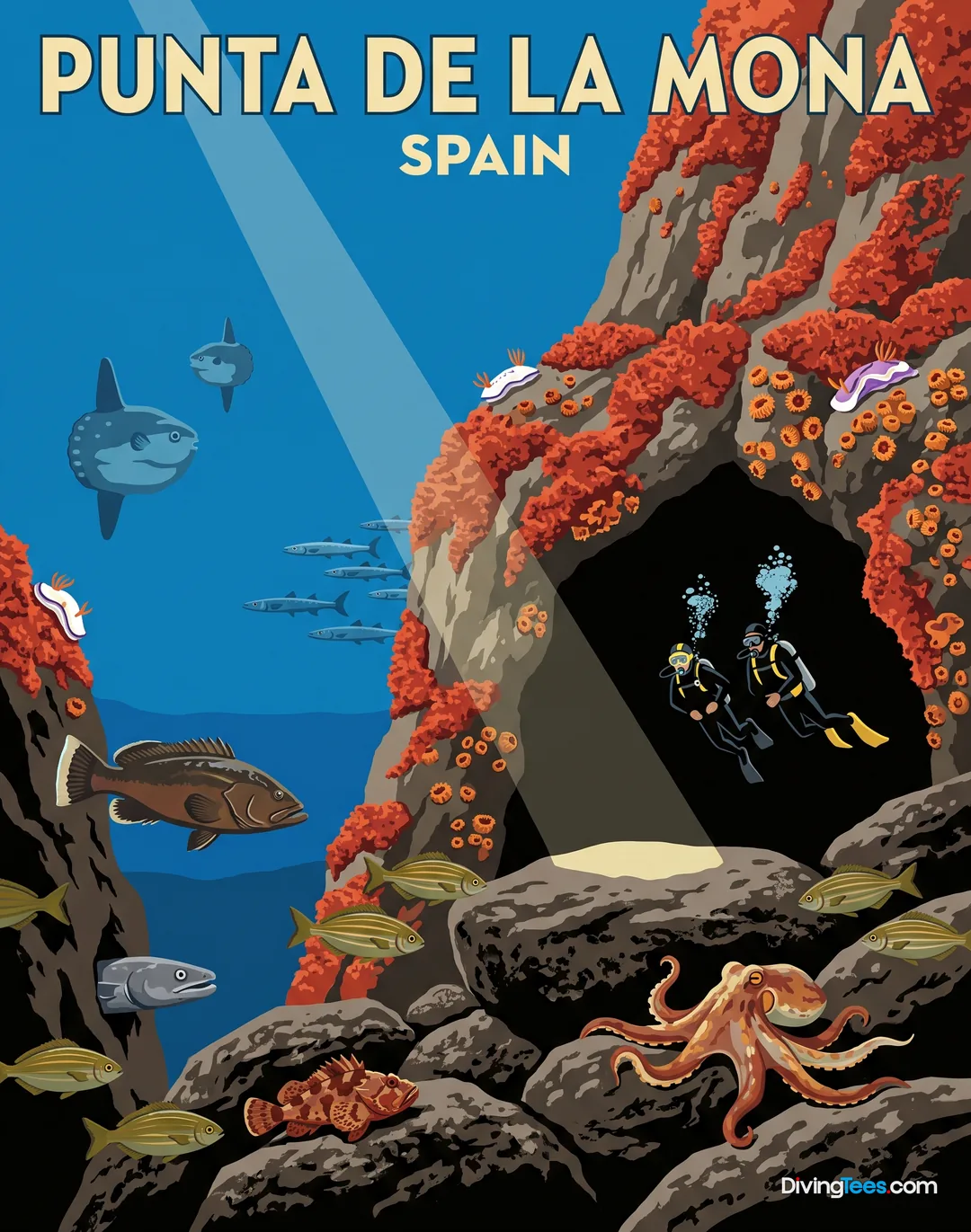
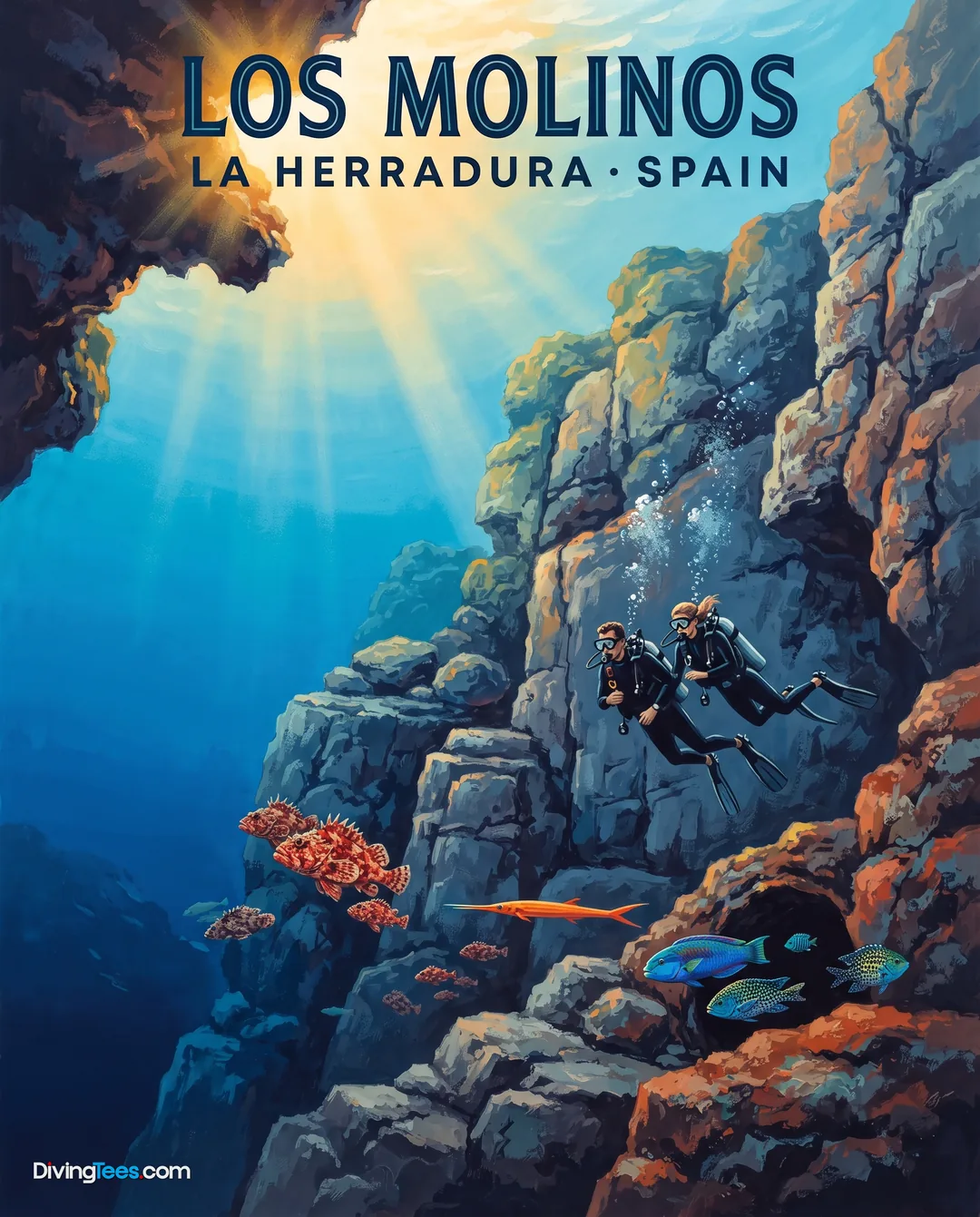
Rocky walls fall towards forty metres at La Punta de la Mona, while caverns, sandy bottoms, conger eels and seasonal Mola mola shape the diving.
For subtitles in English: start the video firstthen click the gearat the top right of the video, select “Subtitles/CC”, then “Auto-translate” and choose “English”.
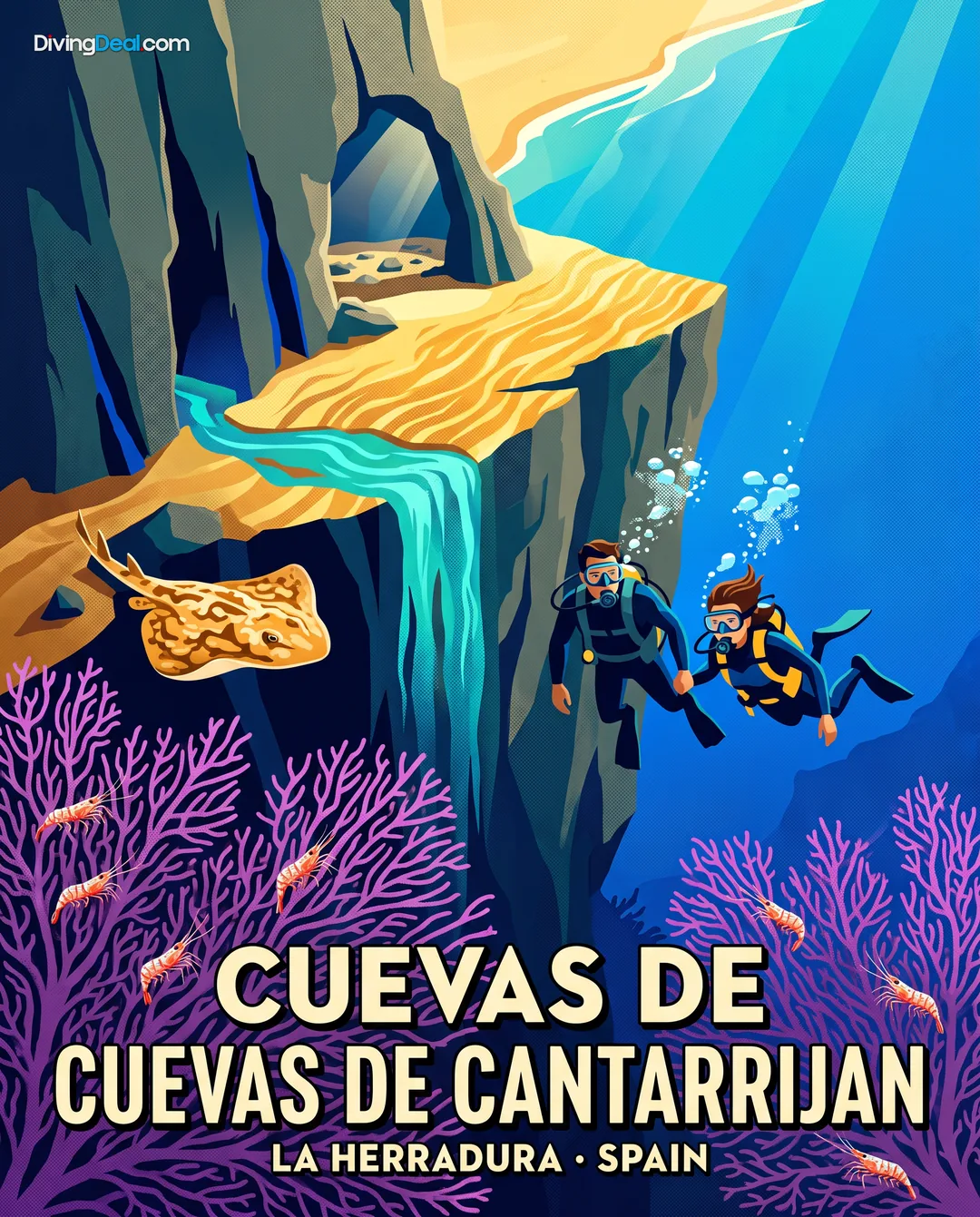
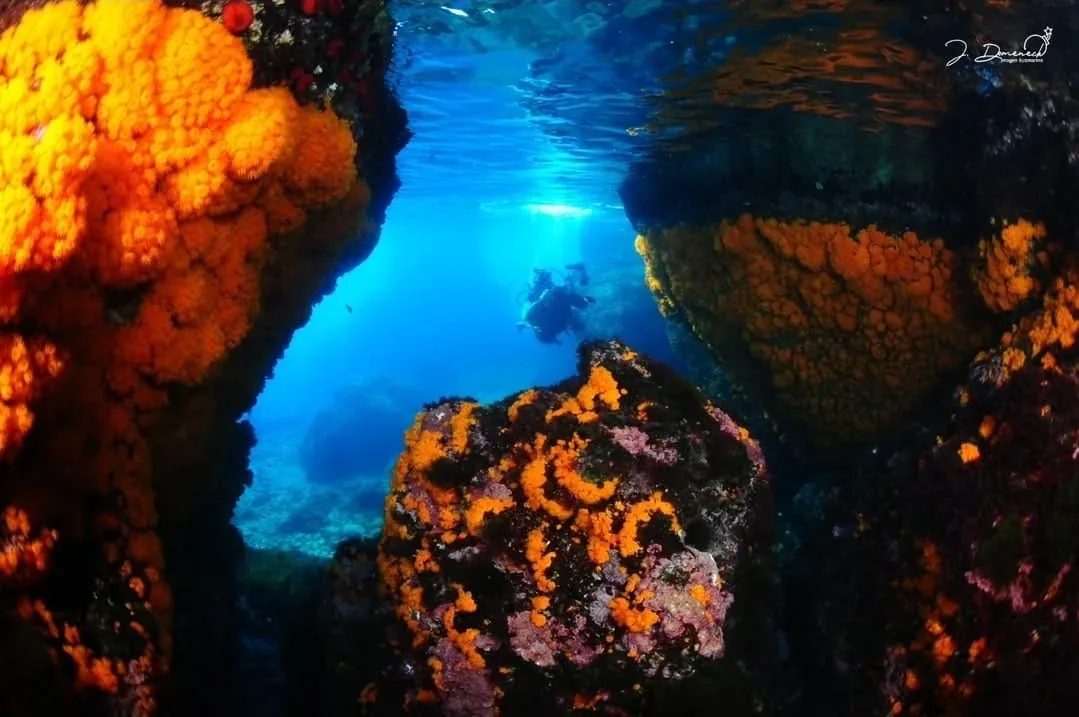
La Herradura is a shore-based diving holiday built around short boat journeys from the bay and nearby ports. The underwater scenery is distinctly Mediterranean: rocky reefs, walls, sandy bottoms, caverns and arches, with the protected Maro-Cerro Gordo coastline providing the main focus. Marina del Este suits a broad range of divers, while La Punta de la Mona adds deeper walls, caverns and more demanding conditions. Above water, the bay remains a proper beach destination rather than a place organised solely around diving.
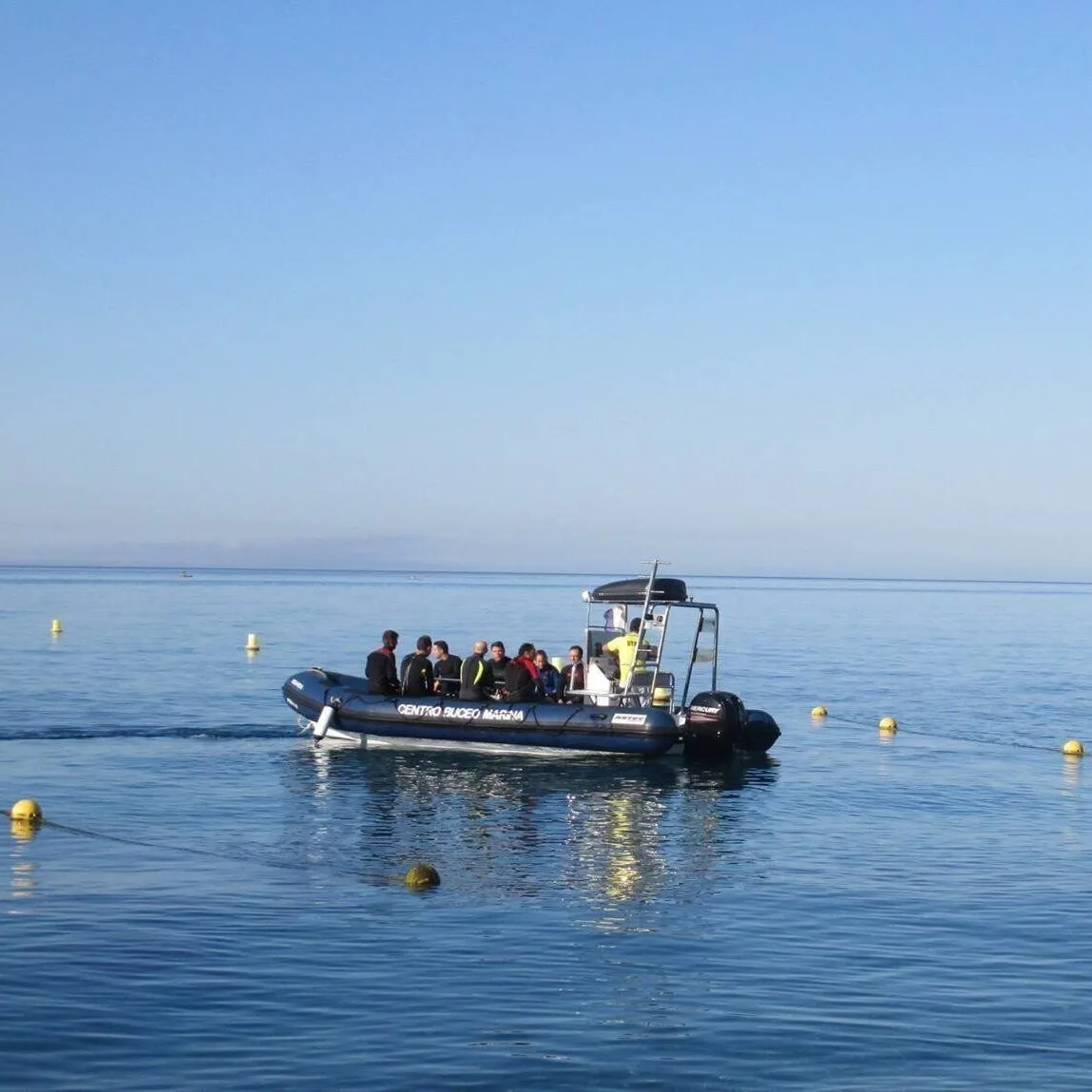
The diving is shaped by rock rather than coral: reefs give way to walls, broken ground, sandy bottoms, caverns and arches. Marina del Este moves from shallow training areas towards deeper sections reaching forty metres, making it useful for a mixed group provided the planned depth matches each diver’s qualification. La Punta de la Mona is more serious, with a rubble-bottom descent before the wall drops away sharply. Currents there can become moderate or strong, particularly at depth and near the wall, and may intensify quickly. Visibility can be excellent, although swell can reduce it and summer boat activity may make the surface busier. Most diving is from local boats, with sites close enough for a flexible series of day trips rather than long passages or liveaboard logistics.
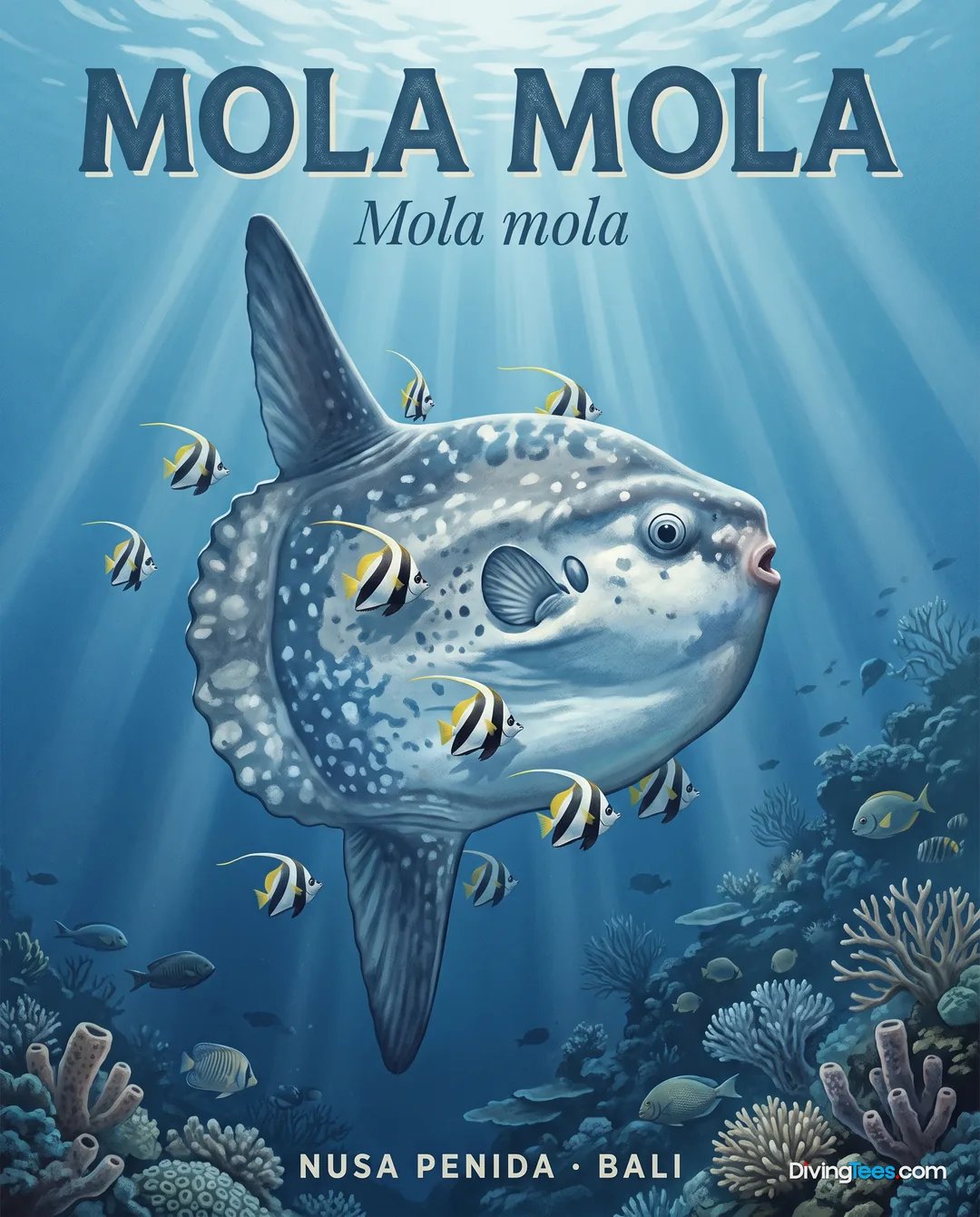
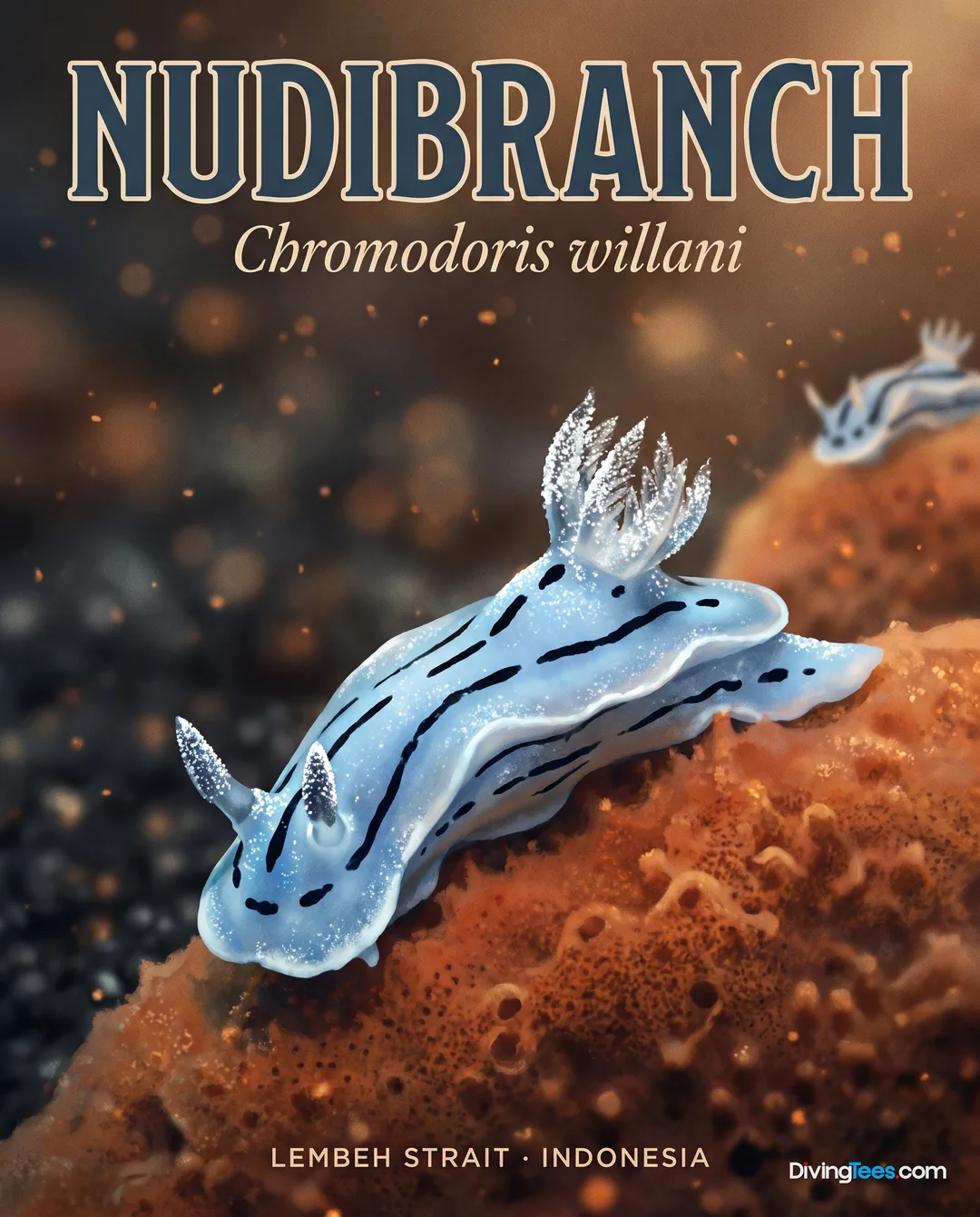
The usual encounters belong to Mediterranean rock diving: Conger eel in crevices, morays and octopus around the reef, nudibranchs and other small life on the rock, plus shoals of bogue and Salema porgy. Amberjack add movement in the open water, particularly around the deeper relief. Marina del Este is also associated with seasonal Mola mola sightings, generally from June to October and often around eighteen to twenty metres. La Punta de la Mona brings the possibility of pelagic encounters alongside its caverns and wall. The emphasis is on a mixture of reef fish, larger individual animals and macro subjects, rather than a single specialist species or a guaranteed large-animal spectacle.
The measured season runs from May to December for both the calmest sea and the strongest overall diving window. For a British visitor, May, June, September and October offer the most sensible compromise: the sea is settled, spring and autumn are quieter than the height of summer, and there is less pressure on boat places. June to October is the period to bear in mind for Mola mola at Marina del Este. Rainfall is lowest from April to September, but the dossier’s preferred travel pattern still favours the calmer shoulder months, when a small coastal destination is easier to enjoy at an unhurried pace.
La Herradura works for all levels, with suitable easier dives at Marina del Este and shallow areas useful for training or a steady refresher. Advanced Open Water, or the equivalent BSAC experience, becomes valuable when the plan includes deeper walls and more pronounced relief. La Punta de la Mona is best treated as an advanced dive, with at least fifty logged dives advised because currents can strengthen rapidly near the wall and at depth. Nitrox is useful for repeated recreational diving, but it does not replace the depth and current discipline required by the site.
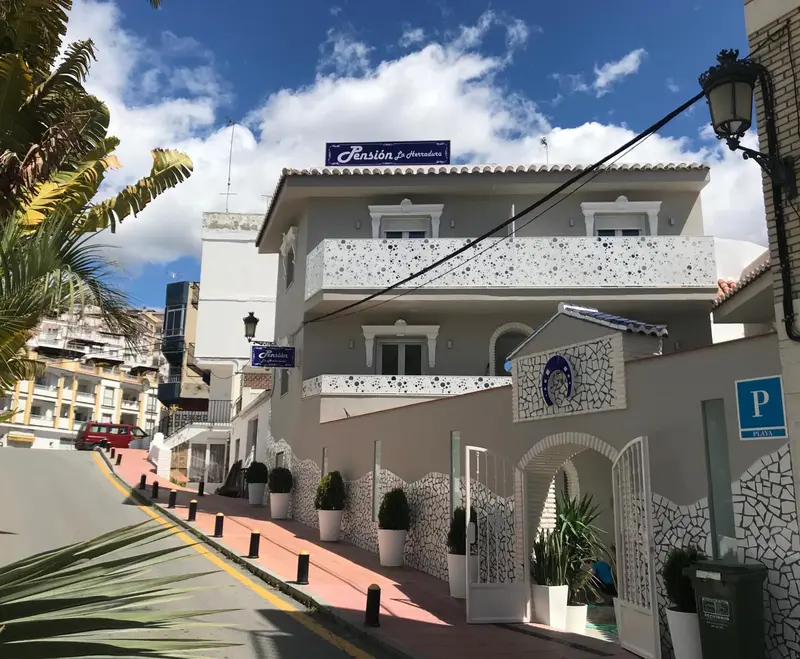
From London Heathrow, Gatwick or Manchester, the journey needs to be planned around the onward road transfer, since La Herradura itself is reached overland rather than by a structural sea crossing. The area can be approached by road from Granada, Malaga or Almeria. The practical variable is the exact embarkation point: boats leave from the bay or from an immediately neighbouring port, depending on the day’s operation. Arriving the day before the first dive keeps the schedule flexible if the road journey runs late or departure times change. Once in La Herradura, accommodation in or around the bay is generally close enough for walking, with a taxi or short shuttle covering less convenient locations.
Build the trip around several grouped boat dives rather than a single day. The sites are close, so repeated outings make better use of the area and leave room to move a dive if the sea is unsuitable. Early departures are worthwhile in this busy leisure bay: the water is often calmer and the launch less congested. Check before boarding exactly which part of the reserve the trip enters, because navigation, movement and anchoring are regulated and only authorised moorings may be used. Bring personal comfort items if a precise equipment fit matters; standard hire equipment may be perfectly serviceable but is unlikely to cover every specialist preference. Do not arrive expecting unrestricted coastal diving, a dedicated macro itinerary or a large-pelagic programme. A day without diving is also useful as weather margin, particularly on a short stay where one missed boat outing would otherwise remove a substantial part of the plan.
Four to seven days gives enough time for several outings around the reserve without turning the holiday into a sequence of transfers. A typical stay can combine easier reef and sandy-bottom dives with a deeper wall when conditions and experience allow, while keeping a spare day for weather or a slower start. La Herradura suits non-divers as well: beaches, coastal walks, viewpoints around Maro-Cerro Gordo and villages of the Costa Tropical provide a straightforward balance between boat days.
Hello, I'm Marina, DivingDeal.com's AI assistant. I guide you through destinations, areas and countries.
Thinking about the whole trip and the flights? Talk it over with Edith →
Marina is an AI. Some links are affiliate links: DivingDeal may earn a commission, at no extra cost to you. Bookings are made with the partner.
Your last day stays dry: no diving in the 18-24 hours before a flight, the perfect window to see the destination from another angle.
 Adventure
⏱ 5 h · ★ 5.0 (7 reviews)
from £80$106€95
see on Viator ↗
 Adventure
⏱ 2 h · ★ 4.9 (76 reviews)
from £116$156€139
see on Viator ↗
 Culture
⏱ 3 h · ★ 5.0 (2 reviews)
from £24$32€29
see on Viator ↗
 City
City⏱ 1 h
from £108$144€129
see on Viator ↗
Ratings and reviews collected by Viator and Tripadvisor.
Choose La Herradura between May and December for generally calmer seas and a strong overall diving window. May, June, September and October offer a quieter compromise for boat availability and settled conditions. If Mola mola is important to you, Marina del Este is associated with sightings from June through October.
La Herradura suits all levels, with easier reefs and shallow training areas at Marina del Este. Deeper walls require Advanced Open Water or equivalent experience. Treat La Punta de la Mona as an advanced dive, because currents can strengthen quickly near the wall and at depth. Nitrox supports repeated recreational diving but does not replace depth and current discipline.
In La Herradura, you can explore rocky reefs, walls, sandy bottoms, caverns and arches along the protected coastal sector. Expect conger eels, morays, octopus, nudibranchs, bogue, Salema porgy and amberjack. Marina del Este may bring seasonal Mola mola, while La Punta de la Mona adds deeper relief and possible pelagic encounters.
Plan La Herradura around several grouped boat dives from the bay or a nearby port, with accommodation in or around the bay for convenient access. Arrive the day before diving, consider early departures, and keep a spare day for weather. A four-to-seven-day stay can combine easier reefs, sandy bottoms and deeper walls.