
Buceo Calamar Gigante
Google 4.8/5 (50 reviews)
Spain · Mediterranean
Sandy beaches, a local dive boat, the harbours of Garrucha and Mojácar, and regulated outings into Cabo de Gata-Níjar shape a shore-based Spanish break.
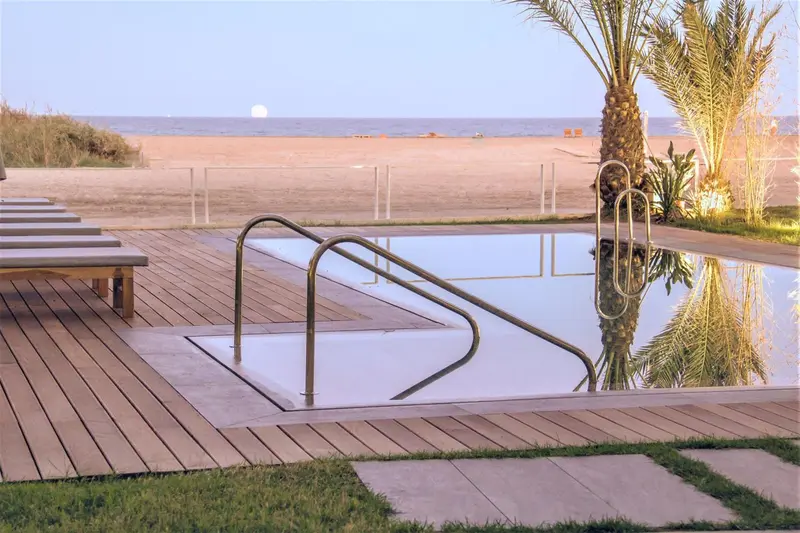
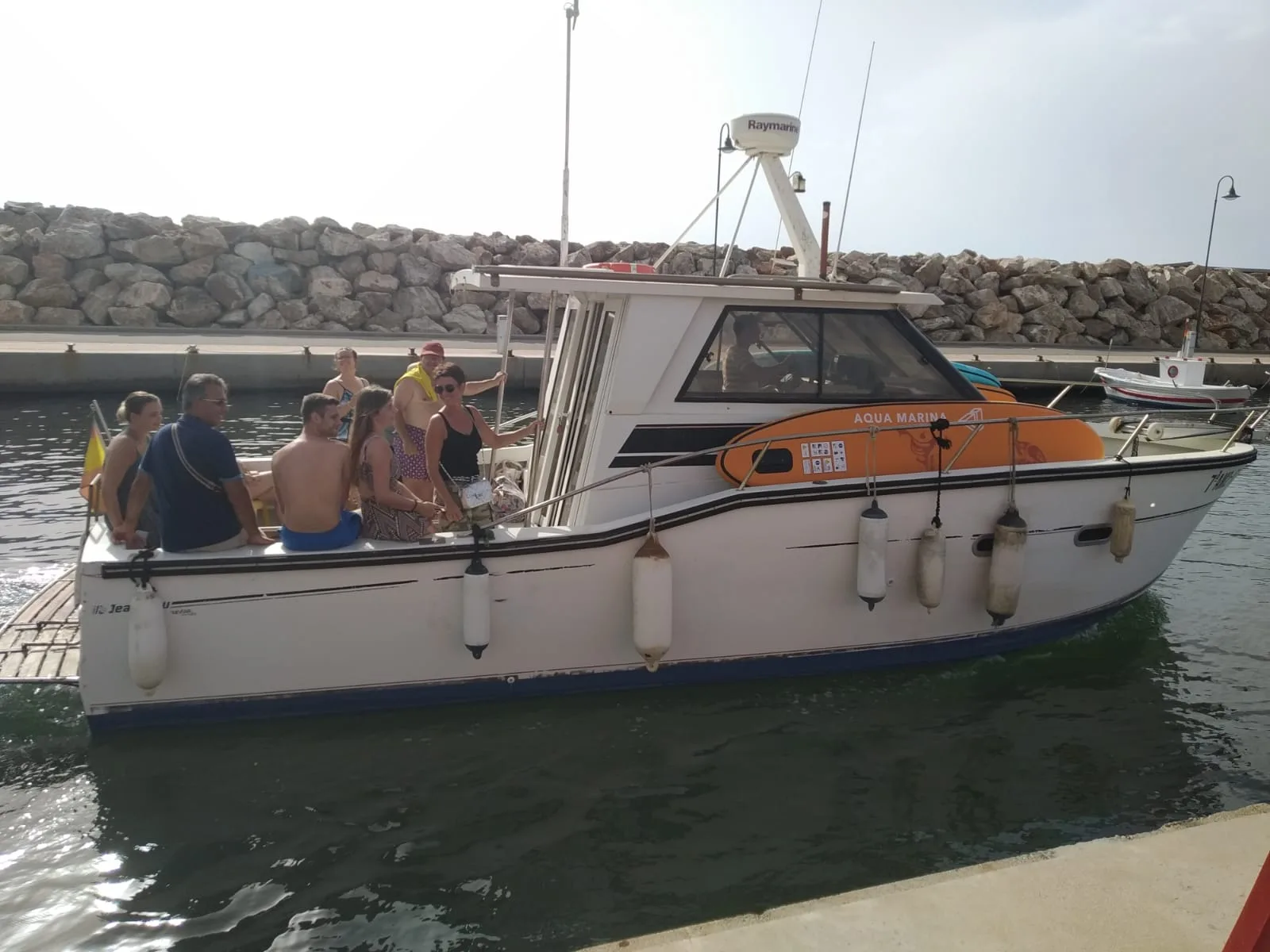
Vera-Playa's sandy shoreline is the starting point for coastal and boat diving along the Levante almeriense. Garrucha and Mojácar extend the same shore-based holiday area, while Cabo de Gata-Níjar offers a separate excursion into a tightly regulated marine reserve. This is a place for a land-based stay rather than a liveaboard, with a training pool, equipment hire and nitrox available locally. Non-divers have beaches, harbours and volcanic landscapes to explore while others are underwater.
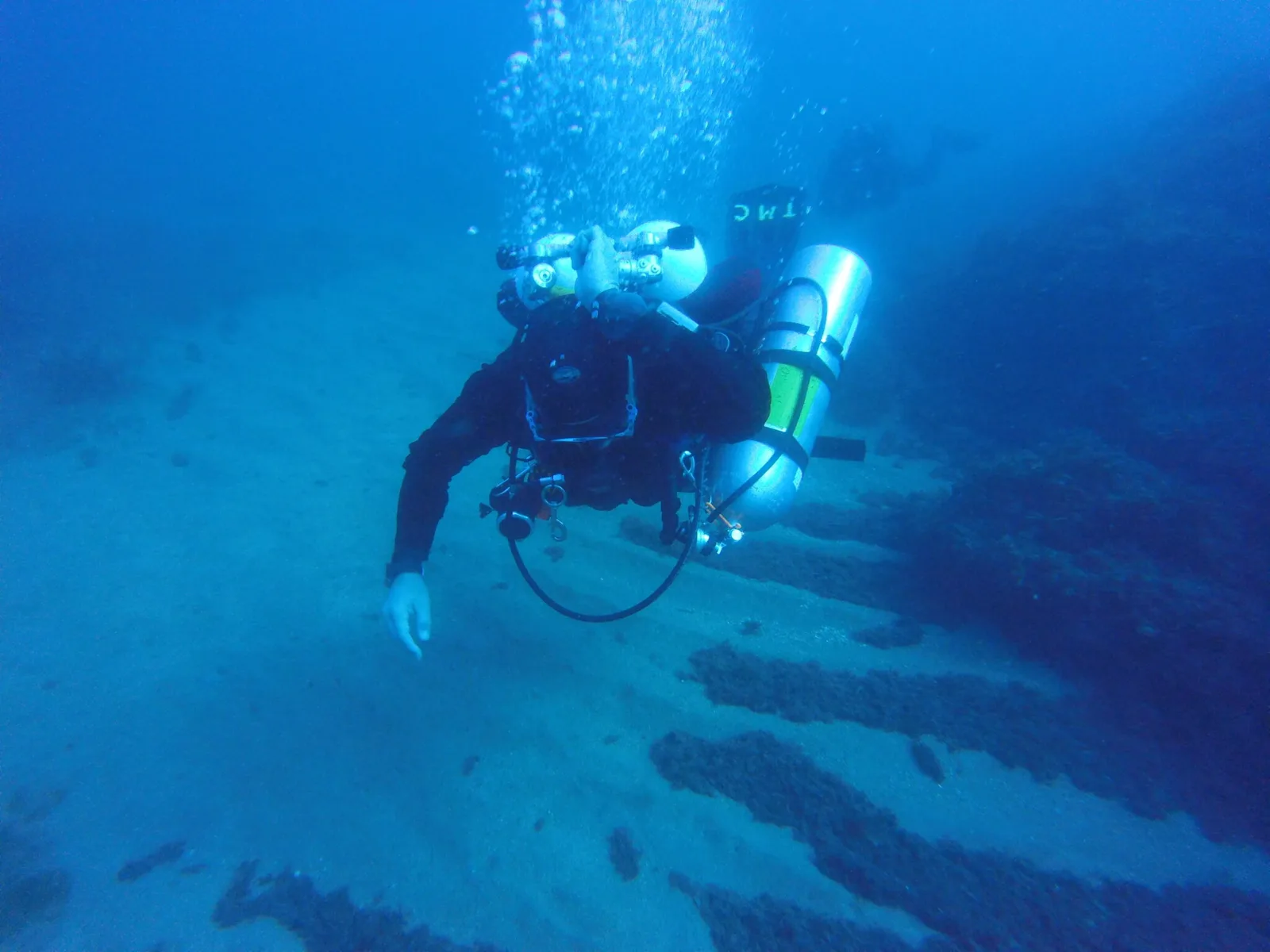
Diving around Vera is organised from the coast, with local outings either along the Vera, Garrucha and Mojácar shore or by boat. The character is mixed rather than tied to one fixed profile, and currents are variable, so the day's briefing matters more than arriving with a rigid plan. Cabo de Gata-Níjar changes the arrangement: dives follow authorised points and marked buoys, with some areas closed to autonomous diving altogether. Start and finish procedures may apply, and anchoring is controlled to protect rocky bottoms and seagrass. Expect a conventional day-trip rhythm, not a liveaboard schedule, with the boat and the shore base doing the practical work. The area suits divers who enjoy choosing between a local coastal outing and a more formal reserve excursion.
Vera is not a destination to book around a particular animal calendar. Its underwater interest lies in moving between the local coast and the protected waters of Cabo de Gata-Níjar, where restrictions on extraction, anchoring and access are part of the dive itself. Rocky bottoms and seagrass are habitats to pass over without disturbing, rather than places to handle or collect from. Plan the trip around the coast, the boat outing and the reserve's protected setting, not a promised list of encounters. October to December is the calmer period for getting out by boat, while the drier summer months make the beachside setting more dependable between dives.
October to December is the useful window if calm water is your priority: it is when the sea around Vera is at its calmest, making boat planning less exposed to a changeable surface. June to August brings the lowest rainfall and suits a holiday built around beaches as well as diving. There is no need to force the trip into a supposed wildlife season, because Vera's appeal is the combination of local coastal diving and the separate Cabo de Gata excursion. In practical terms, choose autumn for the best chance of comfortable boat logistics, or summer for the driest all-round stay.
The local offer is described as suitable for all levels, with a training pool giving newer divers a useful setting before moving into open water. More experienced divers should still treat variable currents as a reason to listen carefully to the briefing, particularly when joining a boat outing or visiting Cabo de Gata-Níjar. BSAC, PADI and SSI divers should bring their normal certification details and logbook. No advanced speciality is presented as a prerequisite, but reserve procedures must be followed regardless of experience.
From London Heathrow, Gatwick or Manchester, plan the journey around reaching Almería and then continuing by road to Vera-Playa. There is no ferry leg and no domestic flight needed once the Spanish journey is arranged. Allow room for the air connection and the onward drive, since the road time depends on the route and your exact starting point. On arrival, staying close to the centre may make local movements simple, but that should not be assumed. Vera-Playa, Garrucha and Mojácar are spread along the coast, so a hire car or taxi can be necessary between accommodation, diving and harbour departures.
The first question to settle before booking is whether the planned day is on the Vera, Garrucha or Mojácar coast, or inside Cabo de Gata-Níjar. They are not interchangeable outings. For the reserve, arrange the required authorisation before the diving day, rather than assuming it comes automatically with a boat booking. Use a centre familiar with the reserve's marked points, because the buoys and permitted areas determine where the dive starts and ends. Leave at home anything that could be taken as fishing or extraction equipment, including a knife or speargun. Autonomous diving is forbidden in integral reserve zones. Do not improvise a landing or drift beyond the marked limits. Anchoring on rocky ground or seagrass is prohibited where a buoy or fixed alternative exists. Finally, keep transport independent if your accommodation is outside Vera-Playa, and confirm the exact departure harbour in advance.
Organise this as a shore-based holiday, with Vera-Playa as the practical base and Garrucha or Mojácar as nearby coastal alternatives. Diving occupies part of the day, while beaches, harbour walks and the Cabo de Gata landscape give non-divers their own reasons to come. A car or taxi may be useful when accommodation is not close to the diving base. Keep a separate day or flexible arrangement for Cabo de Gata-Níjar, since its authorisation and reserve procedures make it different from a local Vera outing.
Hello, I'm Marina, DivingDeal.com's AI assistant. I guide you through destinations, areas and countries.
Thinking about the whole trip and the flights? Talk it over with Edith →
Marina is an AI. Some links are affiliate links: DivingDeal may earn a commission, at no extra cost to you. Bookings are made with the partner.
Your last day stays dry: no diving in the 18-24 hours before a flight, the perfect window to see the destination from another angle.
Ratings and reviews collected by Viator and Tripadvisor.
Choose October to December if calmer sea is your priority for boat planning. June to August brings lower rainfall and suits a stay combining diving with dependable beach time. Vera is not organised around a particular wildlife season, so choose between autumn boat conditions and summer’s drier all-round holiday setting.
Vera’s local diving is described as suitable for all levels, and the training pool gives newer divers a useful place to prepare before open water. You should still listen carefully to briefings because currents vary. Bring your usual certification details and logbook, while following reserve procedures at every experience level.
You can choose coastal and boat diving along the Vera, Garrucha and Mojácar shore, or arrange an excursion into Cabo de Gata-Níjar. Underwater interest includes rocky bottoms and seagrass habitats, while the protected setting and regulated access shape the reserve experience. Beaches, harbours and volcanic landscapes add options between dives.
Organise a shore-based holiday with Vera-Playa as your practical base, using Garrucha or Mojácar as coastal alternatives. Confirm whether each outing is local or inside Cabo de Gata-Níjar, and arrange reserve authorisation separately. A hire car or taxi may help between accommodation, diving and harbour departures, especially outside Vera-Playa.