
Super Dive Tossa de Mar
Google 4.9/5 (2,157 reviews)
Spain · Mediterranean
Rocky coves, swim-throughs and 30 to 40-metre drop-offs meet shore dives at Mar Menuda and boat trips along the Costa Brava.
For subtitles in English: start the video firstthen click the gearat the top right of the video, select “Subtitles/CC”, then “Auto-translate” and choose “English”.
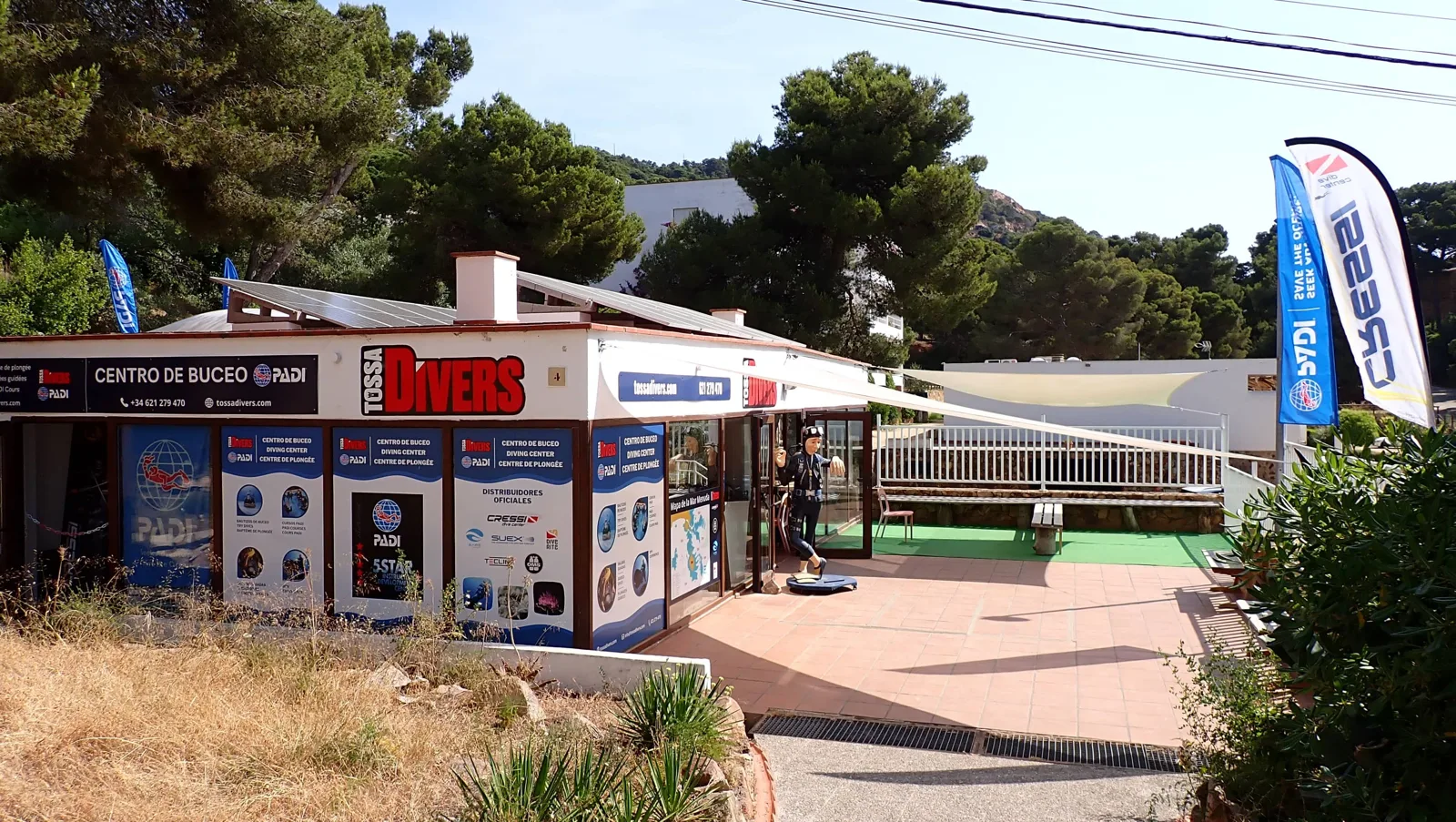
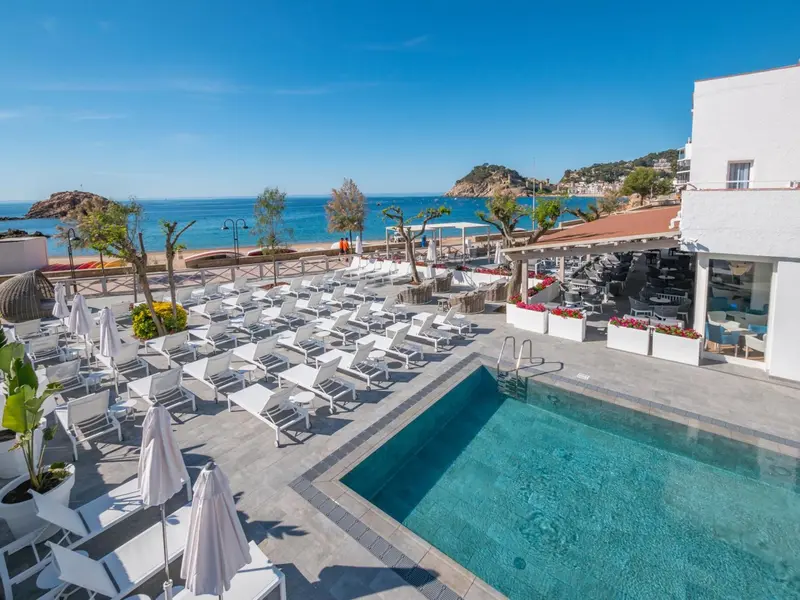
Tossa de Mar is a shore-diving base first, with Mar Menuda and neighbouring coves putting rocky entries close to the town. Underwater, the coast changes from straightforward, shallow routes to walls, cavities, tunnels and caves, with boat trips extending the choice towards deeper or less accessible ground. It suits a stay built around diving rather than a liveaboard, and it also works for non-divers, thanks to the old town, castle, beaches, coastal paths and sheltered swimming coves.
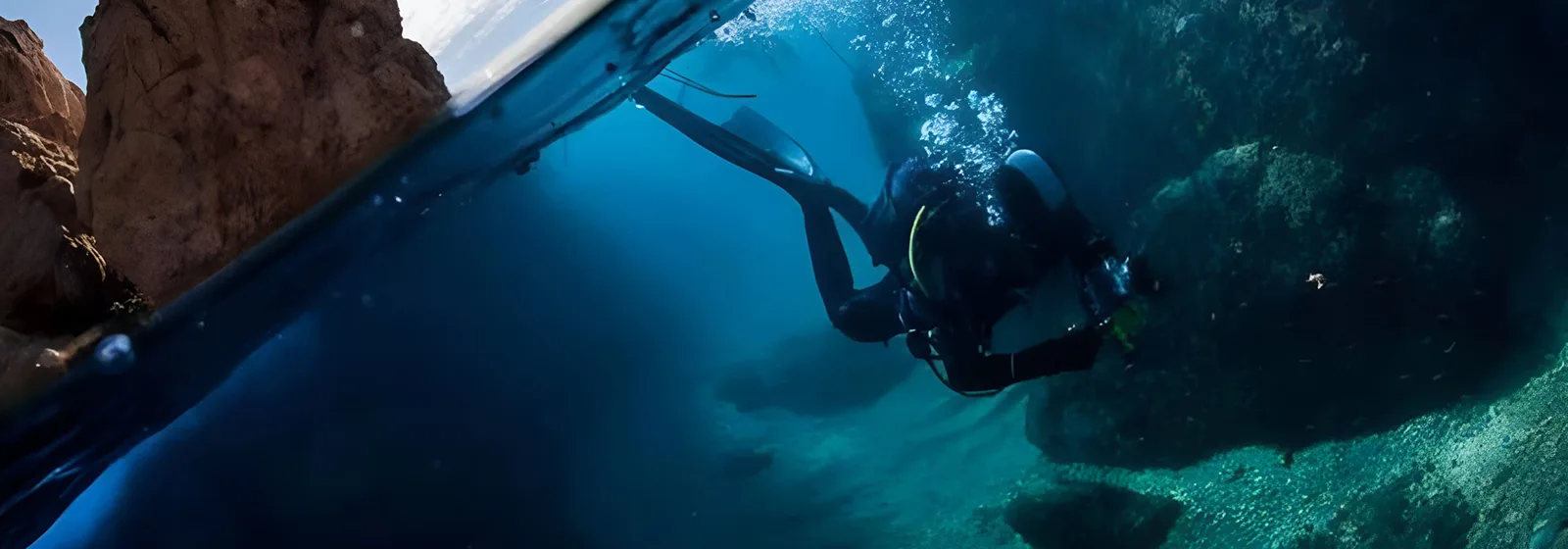
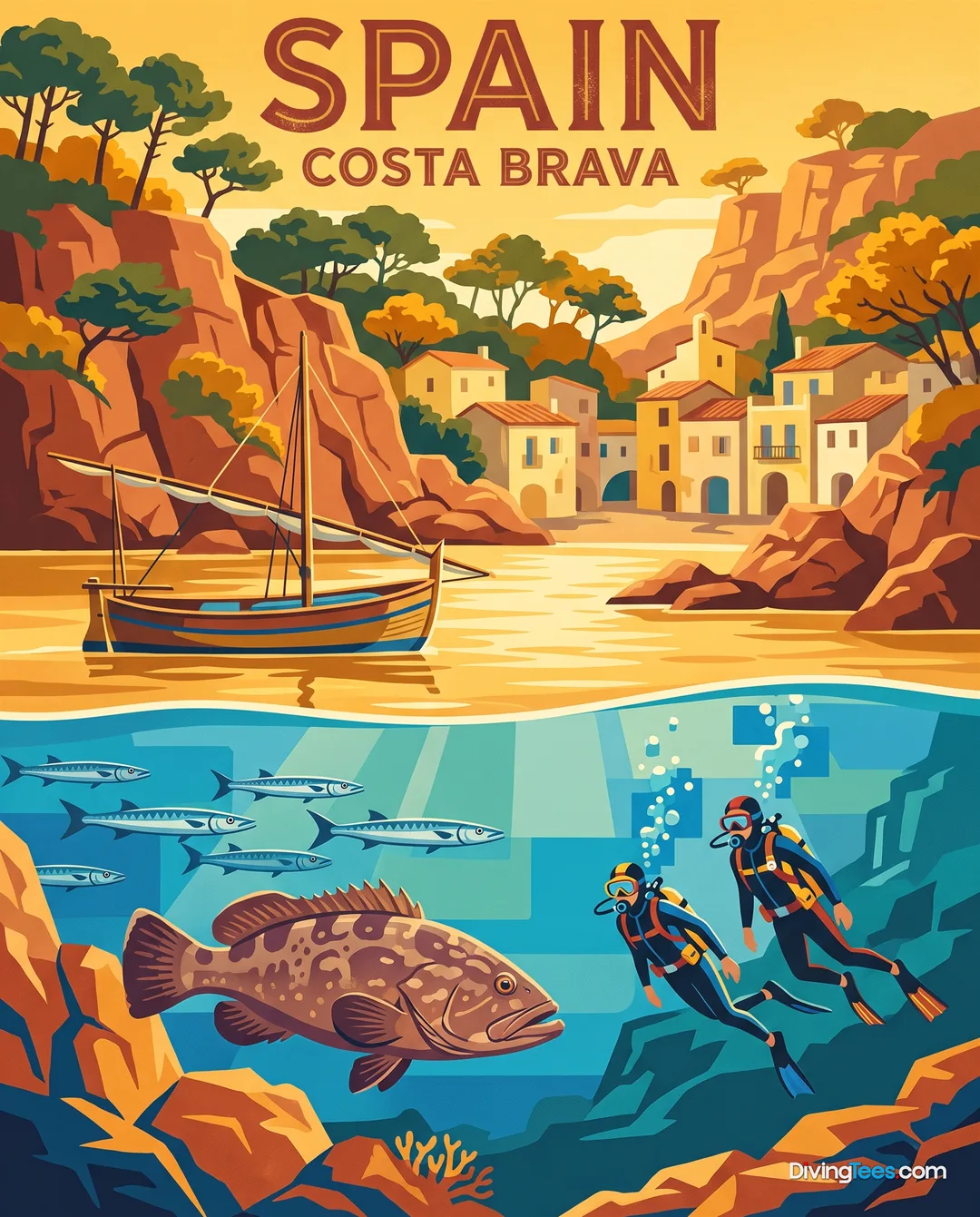
The diving follows the shape of the Costa Brava: broken rock, small underwater reliefs, drop-offs, cavities, tunnels and caves rather than coral reef. Mar Menuda is the practical starting point for shore dives, with routes that can remain simple or lead into more demanding terrain. Boat outings reach sites farther from town and are the sensible way to look for deeper walls and profiles reaching roughly 30 to 40 metres. Currents are variable, so conditions can change between coves and on different days, but this is not a destination defined by permanent downcurrent or drift dive itineraries. Visibility is often 15 to 30 metres in summer, while swell and coastal run-off can reduce it sharply. Early shore entries avoid the busiest beach traffic and leave more freedom if a boat trip becomes unsuitable.
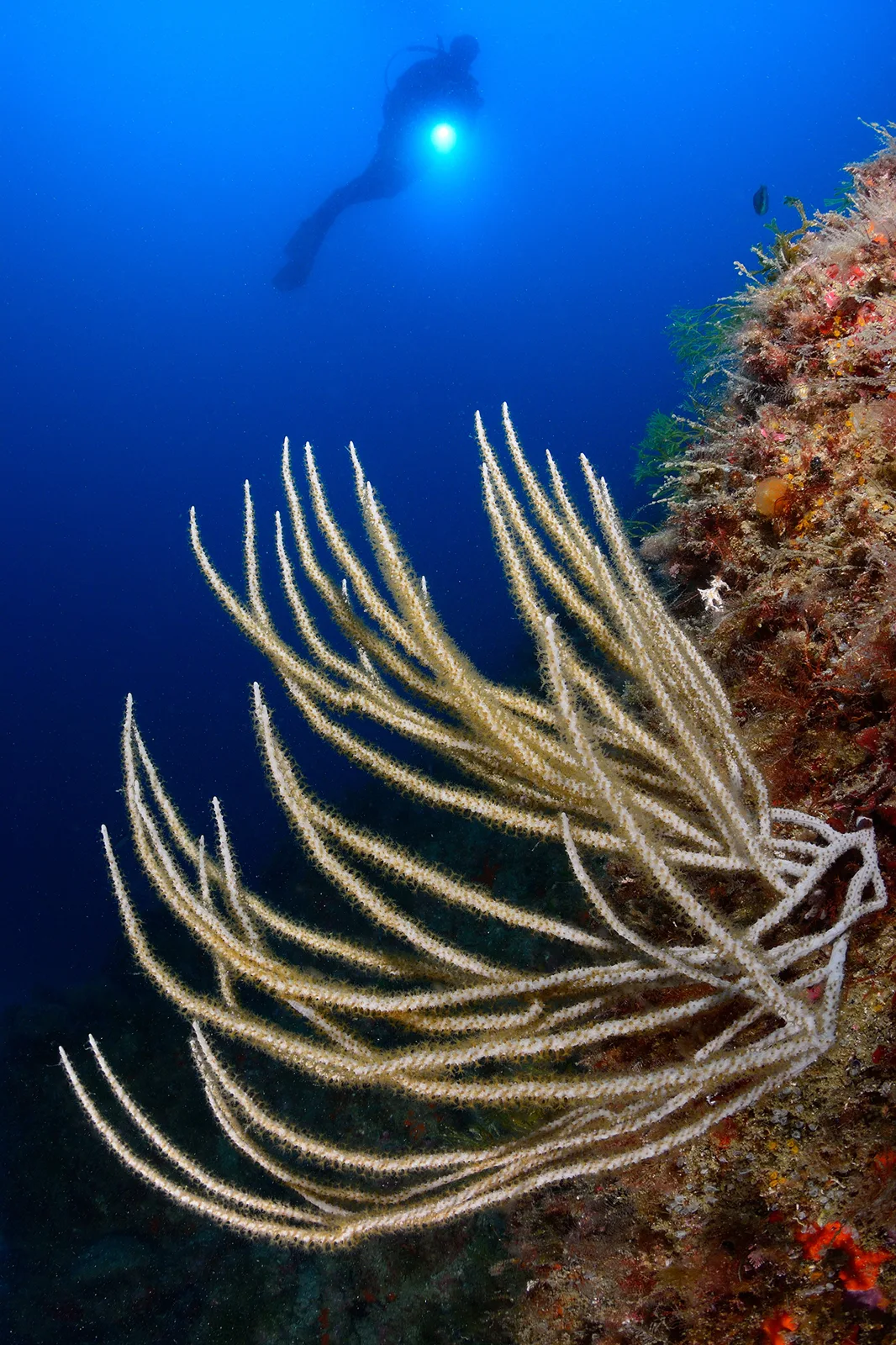
Tossa is a place for looking closely at Mediterranean rock, not for expecting tropical reef animals. The small cavities, walls and rough ground reward a slow pace and a good torch, with macro subjects becoming more interesting as the water cools. Nudibranchs are a regular possibility in winter and other cool periods. Seahorses, anglerfish and John Dory are occasional encounters in the same part of the year, so they are reasons to return in the quieter season rather than guaranteed sightings. From May to October, better general visibility makes the rock formations, swim-throughs and cave-like passages easier to appreciate, while cooler months can offer the more patient photographer a quieter search.
May to October is the straightforward window, with generally calmer conditions, the warmest water in summer and visibility that can reach 15 to 30 metres when the coast is settled. September and October are especially sensible for divers who want summer-like diving without the full July and August pressure on beaches, entries and boats. Spring and autumn also make the shore sites easier to manage during the day. Winter remains worthwhile for macro, particularly nudibranchs and the occasional seahorse, anglerfish or John Dory, but allow more flexibility because swell and visibility can change quickly.
Tossa de Mar suits beginners on sheltered, shallow routes as well as experienced divers who want caves, walls and deeper profiles. An Advanced qualification is useful for the deeper itineraries and sites classed as advanced, with some routes reaching around 30 to 40 metres. Check the planned profile rather than assuming every dive is a gentle cove entry. BSAC, PADI and SSI divers should find the progression familiar, while Nitrox can be useful for repeated dives when the local centre offers it.
From London or Manchester, the practical journey is a flight towards Barcelona or Girona followed by a road transfer to Tossa de Mar. There is no airport in the town, and no ferry crossing is a structural part of the route. Allow roughly four to seven hours overall from western Europe once the flight, connection time and road journey are included. From Barcelona, the drive is usually about one and a half to two hours, depending on traffic and starting point; from Girona, allow about an hour. A hire car or pre-booked transfer is more useful than relying entirely on public transport with dive equipment. In town, centres and the Mar Menuda area can be reached on foot, while outlying coves need a car, taxi or centre transport.
Start at Mar Menuda if you want to settle into Tossa with a shore dive and several ways to adjust the profile. Go early: beach access and entries become much busier later in July and August. Keep boat diving and shore diving on separate days, so a change in swell or visibility does not wreck the whole plan. In winter, leave room to move days around and ask specifically where nudibranchs, seahorses, anglerfish or John Dory have been seen, rather than expecting summer conditions. Bring your own small macro and camera accessories if those matter to the trip. Check the rules before entering a bathing area or protected sector. PEIN and Natura 2000 designations do not automatically mean that every part of the coast is a fully managed marine reserve. Finally, do not book a deep itinerary without checking its level, and do not assume visibility will remain constant after a change in swell or coastal conditions.
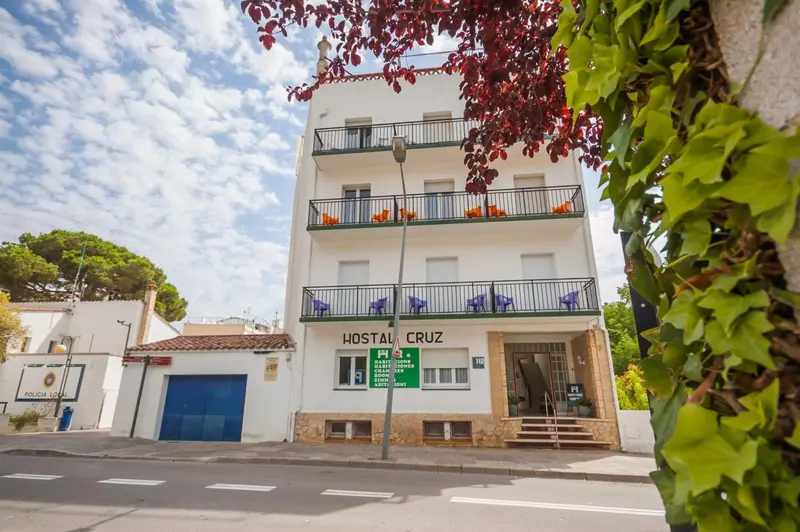
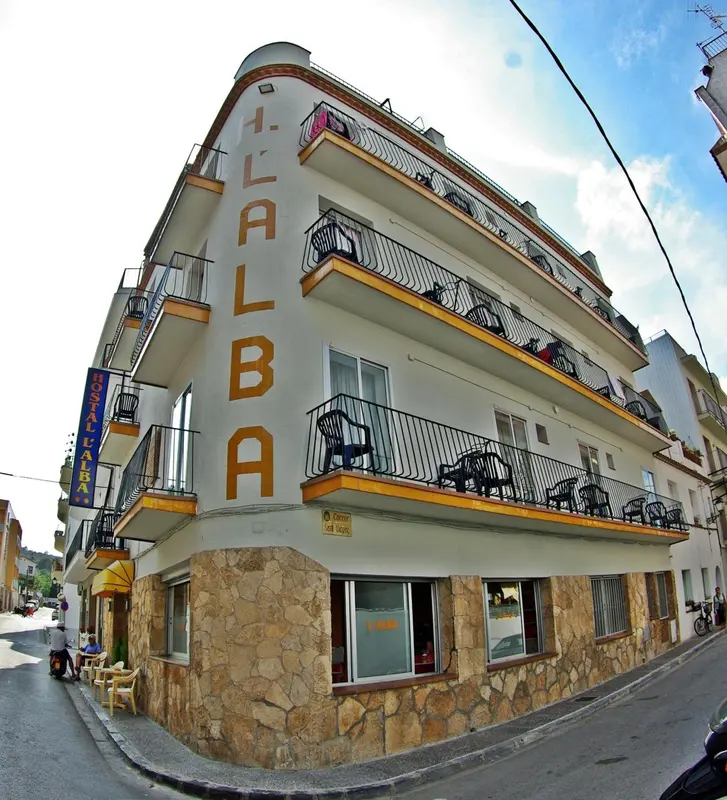
Allow three to five diving days, normally making five to seven nights enough for several shore dives, one or more boat outings and a non-diving day. Staying in central Tossa keeps Mar Menuda and nearby diving areas within walking distance. Accommodation farther out is less convenient with equipment and may mean arranging a car or taxi. Keep a day for the old town, castle, coastal paths, beaches or a kayak outing, with a quiet land-based plan before flying home.
Hello, I'm Marina, DivingDeal.com's AI assistant. I guide you through destinations, areas and countries.
Thinking about the whole trip and the flights? Talk it over with Edith →
Marina is an AI. Some links are affiliate links: DivingDeal may earn a commission, at no extra cost to you. Bookings are made with the partner.
May to October is the straightforward diving window, with generally calmer conditions, warmest water in summer and visibility reaching 15 to 30 metres when the coast is settled. September and October reduce pressure on beaches, entries and boats. Winter suits macro searches, but swell and visibility can change quickly.
Tossa de Mar suits beginners on sheltered, shallow routes, while experienced divers can choose caves, walls and deeper profiles. An Advanced qualification is useful for deeper itineraries and sites reaching around 30 to 40 metres. Check each planned profile, because not every dive is a gentle cove entry.
You can explore Mediterranean rocky coves, swim-throughs, cavities, tunnels, cave passages and walls rather than tropical reef. Boat trips reach deeper drop-offs around 30 to 40 metres. In cooler periods, look closely for nudibranchs and occasional seahorses, anglerfish or John Dory, without treating them as guaranteed sightings.
Start with a shore dive at Mar Menuda and go early during July and August. Allow three to five diving days, usually making five to seven nights suitable for shore dives, boat outings and a non-diving day. Stay centrally for walking access, and keep flexibility for changing swell or visibility.