
Ocean Voyager
Google 4.9/5 (3,988 reviews)
Australia · Pacific
Reef slopes, coral bommies, crevices and island beaches set the scene for boat diving from Cannonvale into the Whitsunday archipelago
For subtitles in English: start the video firstthen click the gearat the top right of the video, select “Subtitles/CC”, then “Auto-translate” and choose “English”.
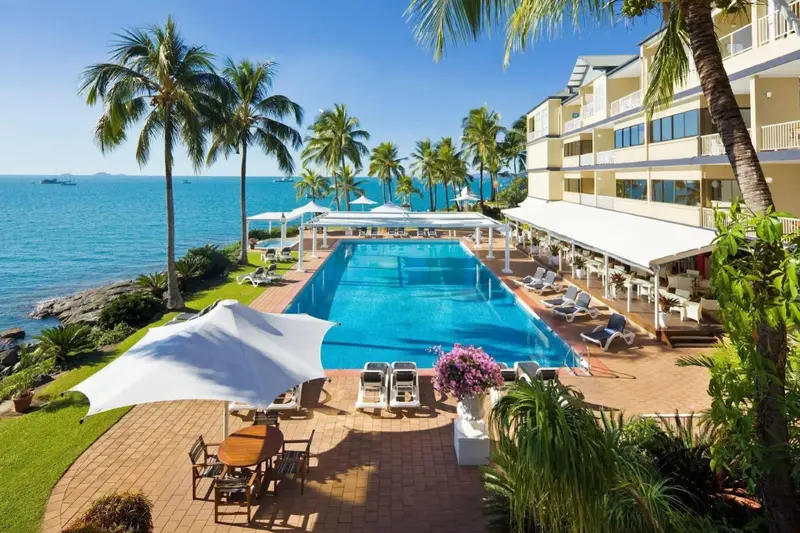
Cannon Valley is a land base rather than a shore-diving site. Stay around Cannonvale or Airlie Beach, then head by boat towards the Whitsunday islands and nearby Great Barrier Reef sectors. Underwater, the setting is reef slopes marked by bommies, crevices and cavities, while above the surface the islands bring beaches, parkland and sailing routes into the same trip. It suits divers who want a flexible coastal stay with non-diving days built around the archipelago.
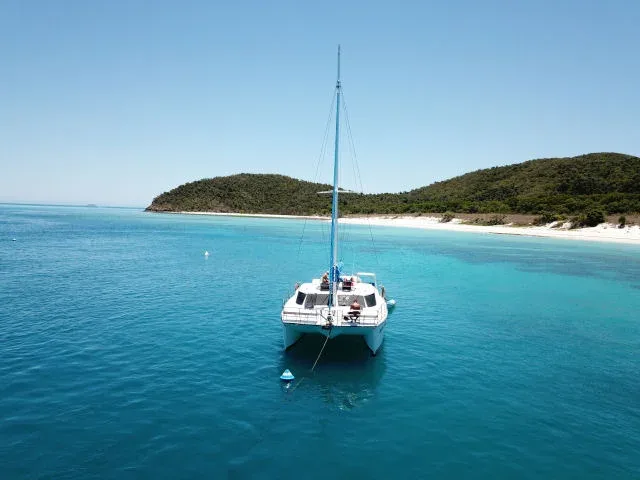
The diving is boat-based, with the actual departure normally arranged from Airlie Beach or Shute Harbour rather than from Cannon Valley itself. Around the islands, expect reef slopes broken by coral bommies, crevices and cavities, rather than a single shore entry or one fixed underwater layout. Currents are variable, and conditions can change with the tide, wind, swell and weather, so the character of a dive may range from a straightforward reef outing to a current-affected run. Visibility follows the same pattern and should not be treated as a constant. This is organised day-boat diving, with the boat ride forming part of the experience and the return depending on the marine forecast. A safety stop is routine, but the local conditions deserve attention before committing to a drift dive or a downcurrent route.
The living reef is encountered around the features that give these dives their shape: coral bommies, reef slopes, cracks and cavities. These are the places to slow down, look into the recesses and work along the contours instead of treating the dive as a featureless swim. There is no fixed seasonal wildlife appointment to build the trip around, so the attraction is the combination of reef structure and changing island conditions. Snorkelling offers a useful surface-level view of the same reef and island environment when the tide and sea state allow it. For divers who prefer a checklist of named animals, this is a destination to approach through its terrain first, not promises of particular encounters.
There is no dependable single window to circle on the calendar for Cannon Valley. The practical choice is to plan around the forecast for wind, swell, tides and currents, then leave room to move the boat day if conditions deteriorate. Bad weather can affect both departures and access to the island parks, so a rigid itinerary is a false economy. A land-based stay makes that easier: keep one day available for a walk, sail or island visit if the sea closes the diving programme. Conditions, rather than a guaranteed seasonal wildlife event, should decide the final timing.
The area suits all levels when the operator matches the outing to the diver and the conditions. Beginners can use the local pool facilities for an introduction or a skills refresher before going to sea. Certified divers, whether BSAC, PADI or SSI, should be comfortable with boat procedures and prepared for variable currents. No particular advanced qualification is identified as essential, but experience in moving water becomes useful when a reef outing develops into a drift dive or a downcurrent section.
From London Heathrow, Gatwick or Manchester, the journey is built around a domestic flight to Whitsunday Coast Airport, followed by a road transfer towards Cannonvale or Airlie Beach. The area can also be reached by road from Proserpine. Allow time for the connection between the flight and the coastal base rather than treating the airport as the diving departure point. Once there, travel by road is part of the arrangement, because accommodation, the dive centre and the boat harbour may not be in the same place. Check whether the day’s boat leaves from Airlie Beach or Shute Harbour, then allow for that additional road leg before departure.
The first thing to check is the harbour named on the booking. An address in Cannonvale does not put you beside the boat, and a departure from Shute Harbour needs a different road journey from one leaving Airlie Beach. Check tides, swell, wind and currents again before leaving, because they affect both visibility and whether the island parks or boat trip can operate. Keep a spare day in the itinerary for a weather-related change, rather than making the diving day the fixed centre of a short visit. Do not mistake a pool try-dive at Cannonvale for a sea certification. Use it as a way to regain confidence with unfamiliar equipment, then confirm what the offshore trip actually involves. Finally, do not plan an independent island dive on assumptions about access or current: the Whitsunday parks and marine park setting make local conditions and applicable restrictions part of the planning.
A sensible stay uses Cannonvale as the road-based centre, with boat days arranged from Airlie Beach or Shute Harbour and non-diving days left for the islands. That gives the weather some room to dictate the order of the trip. On a good sea day, dive by boat; on a poor one, switch to a national-park walk, sailing trip, beach and cove exploration, or snorkelling when the tide and sea state permit. Pool facilities at Cannonvale also make a useful arrival-day refresher.
Hello, I'm Marina, DivingDeal.com's AI assistant. I guide you through destinations, areas and countries.
Thinking about the whole trip and the flights? Talk it over with Edith →
Marina is an AI. Some links are affiliate links: DivingDeal may earn a commission, at no extra cost to you. Bookings are made with the partner.
Plan around the forecast for wind, swell, tides and currents rather than a fixed seasonal window. These conditions can affect visibility, departures and access to the island parks. Keep your itinerary flexible, with a spare day for a walk, sailing trip or island visit if weather interrupts the boat diving.
Cannon Valley suits beginners and certified divers when the operator matches the outing to your experience and conditions. Beginners can use Cannonvale pool facilities for an introduction or skills refresher. Certified divers should be comfortable with boat procedures, while experience in moving water is useful for current-affected or downcurrent sections.
Diving from Cannon Valley takes you towards reef slopes around the Whitsunday islands, shaped by coral bommies, crevices, cracks and cavities. Slow down around these structures and look into their recesses. The appeal is the reef terrain and changing island conditions, rather than a guaranteed encounter with particular named animals.
Use Cannonvale as a road-based base, then confirm whether your boat leaves from Airlie Beach or Shute Harbour. Allow time for that transfer, and keep the schedule flexible. On non-diving days, choose island walks, sailing, beaches, coves or snorkelling when conditions allow, with the Cannonvale pool available for a refresher.